sciencebriefs
10:48in productionCh. 1 · Translation, not invention/ 10:48 · ceiling 15 min
Computing & AI

Ada Lovelace

Lovelace didn’t write code — she wrote the first argument for what code could mean.

Ada Lovelace’s 1843 notes established the first published algorithm for a general-purpose computing machine, articulated symbolic manipulation beyond arithmetic, and set an early boundary on machine agency — all without hardware execution.

Chapters & takeaways4
  1. 1:11
    Translation, not invention

    She did not invent the engine — she translated and expanded on it, adding seven notes that redefined its meaning.

  2. 2:33
    The first published program

    Note G is the first published algorithm intended for a general-purpose machine — complete, detailed, and executable in principle.

  3. 4:20
    Beyond number-crunching

    She saw the engine as a symbol manipulator — capable of music, logic, or language — if relations could be operationalised.

  4. 6:40
    The originality objection

    She insisted machines cannot originate — only follow orders — a boundary Turing later named and tested.

Worth your time?

Yes. Study the whole thing.

4.5/ 5
What works
  • first published algorithm for general-purpose computation
  • first articulation of non-numerical symbol manipulation
  • first formal statement of machine non-originality
What does not
  • execution
  • hardware realisation
  • software abstraction layers
  • programmable memory
Study it if
  • historians of computing
  • philosophers of AI
  • students of scientific translation
Skip it if
  • practising programmers
  • machine learning engineers
  • hardware designers
The written brief1 min read

What the work claims

The Analytical Engine could manipulate symbols beyond numbers, provided their relations were expressible in operational terms. It could not originate anything — only execute what humans ordered it to perform.

How it was done

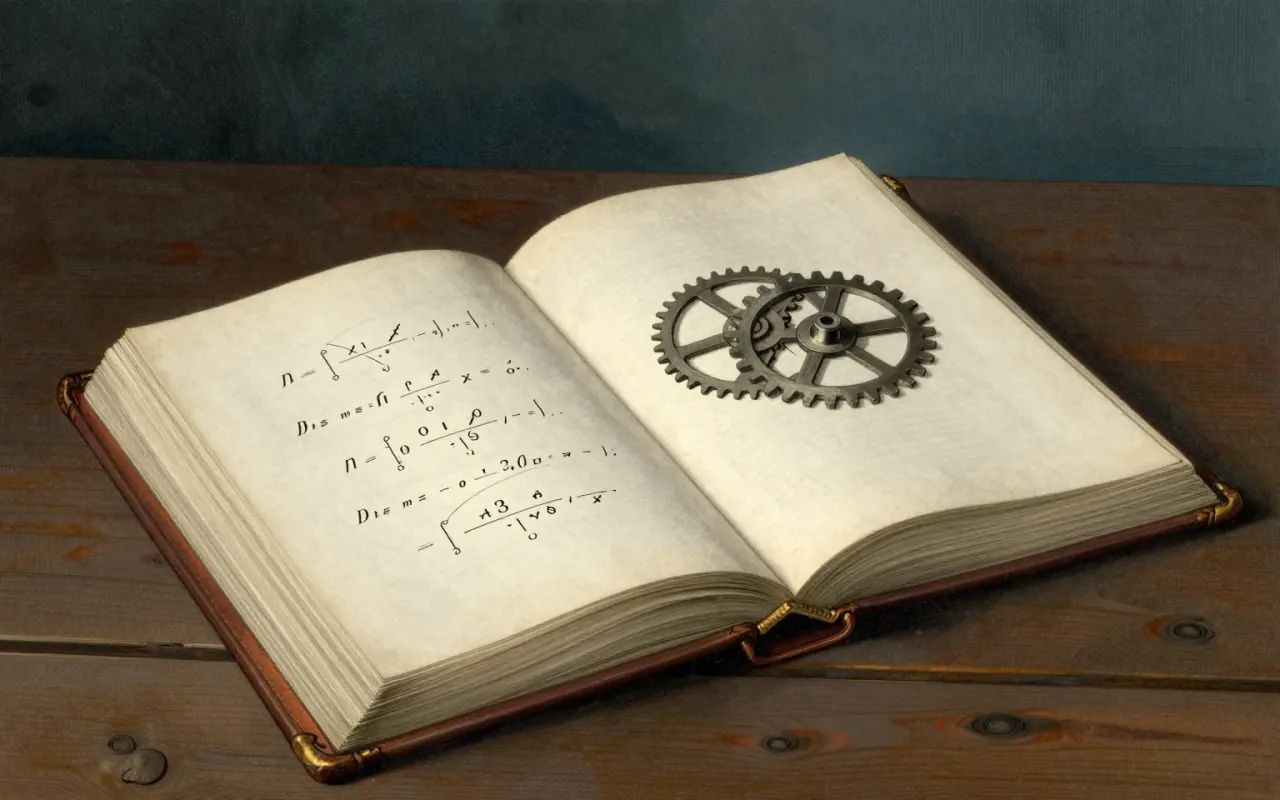
She translated Luigi Menabrea’s article on Babbage’s Analytical Engine and appended seven explanatory notes, including Note G — a complete, detailed method for calculating Bernoulli numbers using the machine.

What holds up

Note G contains a complete, detailed method for calculating Bernoulli numbers using the Analytical Engine. She was the first to recognise the machine’s applicability beyond pure calculation. She was the first to propose encoding and manipulating non-numerical entities — like music — if their relations could be expressed operationally.

What does not

It does not demonstrate execution. The Analytical Engine was never built. The algorithm was never run. There is no evidence Lovelace conceived of hardware implementation, software abstraction layers, or programmable memory as later defined.

Why it matters beyond the lab

It anchors the conceptual origin of general-purpose computation in print, not hardware. It frames the limits of machine agency before AI existed — a claim Turing directly engaged with — making it a durable reference point for philosophy of computing, not just history.

Is it worth your time

Yes. It establishes the earliest published algorithm designed for a general-purpose computing machine, and the first articulation of symbolic manipulation beyond arithmetic — foundational claims in computing history that remain verifiable from the 1843 text.

Same field · Computing & AI4 of 46
Up next in Science

Al-Khwarizmi

· 10:49

He didn’t invent algebra—he founded it as a discipline with rules, not rhetoric.

10:49