sciencebriefs
all subjects →
10:08in productionCh. 1 · The Smashed Effect/ 10:08 · ceiling 15 min
Neuroscience · Applied science

Elizabeth Loftus

Memory isn’t stored — it’s rewritten every time you’re asked a question.

Loftus demonstrated that memory reports shift predictably under linguistic suggestion — not because people lie, but because memory is reconstructive. Her experiments used controlled stimuli, clear metrics, and replicable framing. They do not generalise to all memory types, nor do they model trauma or long-term identity-level false beliefs. Their power lies in their narrowness: they isolate one mechanism — post-event suggestion — and quantify its effect.

Chapters & takeaways5
  1. 1:10
    The Smashed Effect

    A single verb changed speed estimates by 9 mph — proving language reconstructs memory on the spot.

  2. 2:45
    Source Confusion

    Viewers merged real video with fake news — confusing source, not content.

  3. 4:05
    The Disneyland Lie

    One third of students believed Pluto licked their ear — with no pressure, no repetition, no authority.

  4. 5:11
    Cookies and Consequences

    False illness stories changed food preferences — belief shift preceded behaviour change.

  5. 6:50
    Reconstruction, Not Decay

    Loftus didn’t say memory is fragile — she said it is actively rebuilt in response to questioning.

Worth your time?

Yes. Study the whole thing.

4.5/ 5
What works
  • eyewitness reliability
  • survey design
  • interface wording
  • narrative persuasion
What does not
  • prove memory is always false
  • measure neural correlates
  • show persistence beyond lab conditions
  • address traumatic or high-stakes recall
Study it if
  • legal professionals
  • journalists
  • UX researchers
Skip it if
  • clinicians treating PTSD
  • neuroimagers
  • philosophers of personal identity
The written brief1 min read

What the work claims

Memory is reconstructive. Post-event suggestions do not just distort recall — they alter the memory itself. Belief in events that never happened can be induced with narrative suggestion alone.

How it was done

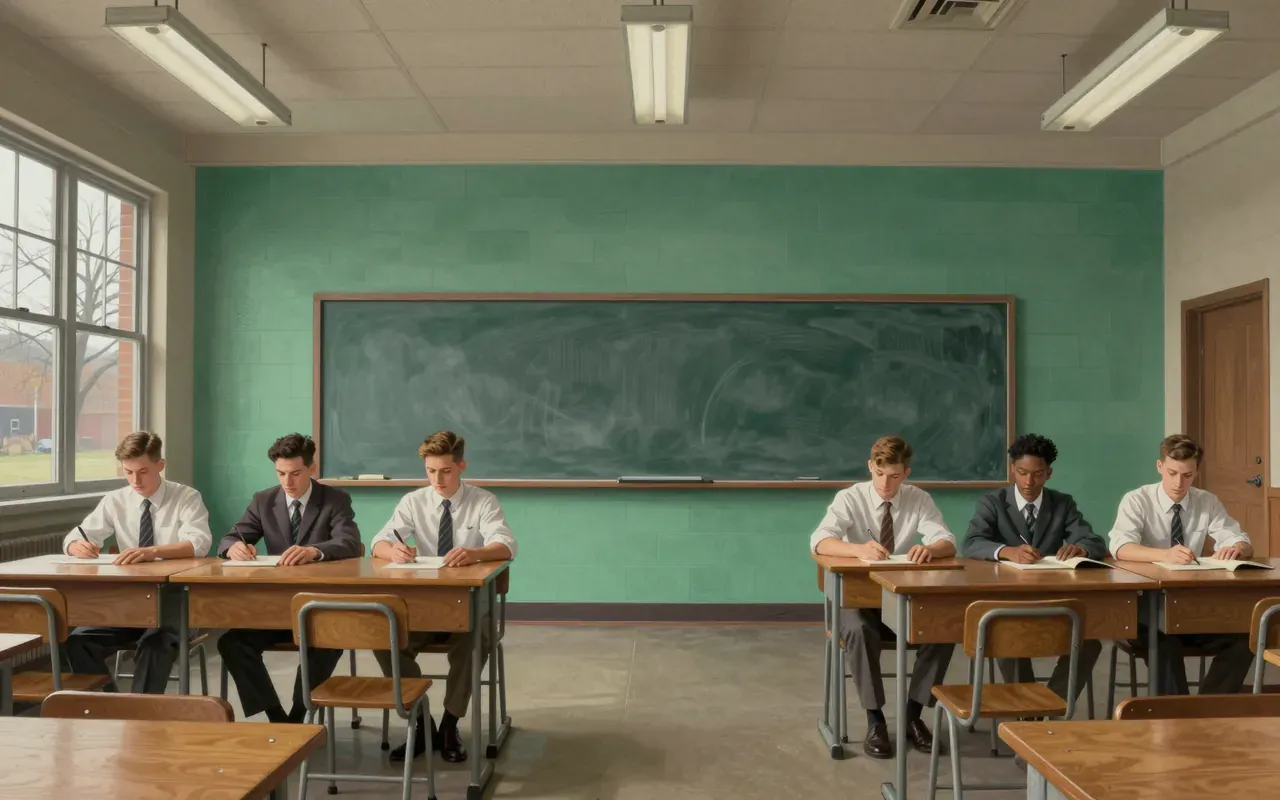
Loftus showed students videos of car crashes and asked them to estimate speed. She varied the verb in the question — ‘hit’, ‘collided’, ‘smashed’. She showed participants a crime video followed by an incorrect news report. She gave undergraduates false narratives about childhood events — being lost in a mall, licked by Pluto at Disneyland, or sick from cookies or ice cream — then measured belief change.

What holds up

Phrasing altered speed estimates: ‘collided’ (32 mph), ‘hit’ (34 mph), ‘smashed’ (41 mph). Source confusion occurred after viewing a crime video plus false news report. 25% believed a fabricated event had occurred. One third of 332 undergraduates accepted the false Disneyland Pluto story. False food-illness information shifted belief in 131 undergraduates.

What does not

The work does not show that all memories are false. It does not measure neural mechanisms. It does not prove false memories feel identical to true ones. It does not establish long-term persistence of implanted beliefs beyond the lab session or weeks after.

Why it matters beyond the lab

These findings constrain legal practice: eyewitness testimony is unstable under leading questions. They constrain therapy: suggestive techniques risk implanting false memories. They constrain design: interfaces that frame choices with loaded language shape user recollection and reporting.

Is it worth your time

Yes. The experiments directly show how easily memory reports shift under minimal suggestion — with no coercion, no trauma, no therapy. That makes them essential for anyone assessing witness testimony, designing surveys, or building AI that handles human recollection.

Same field · Neuroscience4 of 19
Up next in Science

Emmy Noether

· 10:47

Noether didn’t just find links between symmetry and conservation—she rebuilt mathematics so those links were inevitable.

10:47