sciencebriefs
Topic

Psychology

The study of mind and behaviour, currently rebuilding half its findings.

20
in science
11:55
average
238 min
in total
80
across the network
Psychology across the network →
All briefs20
9:14

Abraham Maslow

Maslow didn’t measure self-actualisation—he curated it from heroes he admired.
13:00

Cocktail party effect

Colin Cherry named the cocktail party problem in 1953 after studying how people follow one conversation among many, and found listeners still noticed their own name in speech they were supposedly ignoring — a small detail that broke the theory built to explain it.
9:35

Carl Rogers

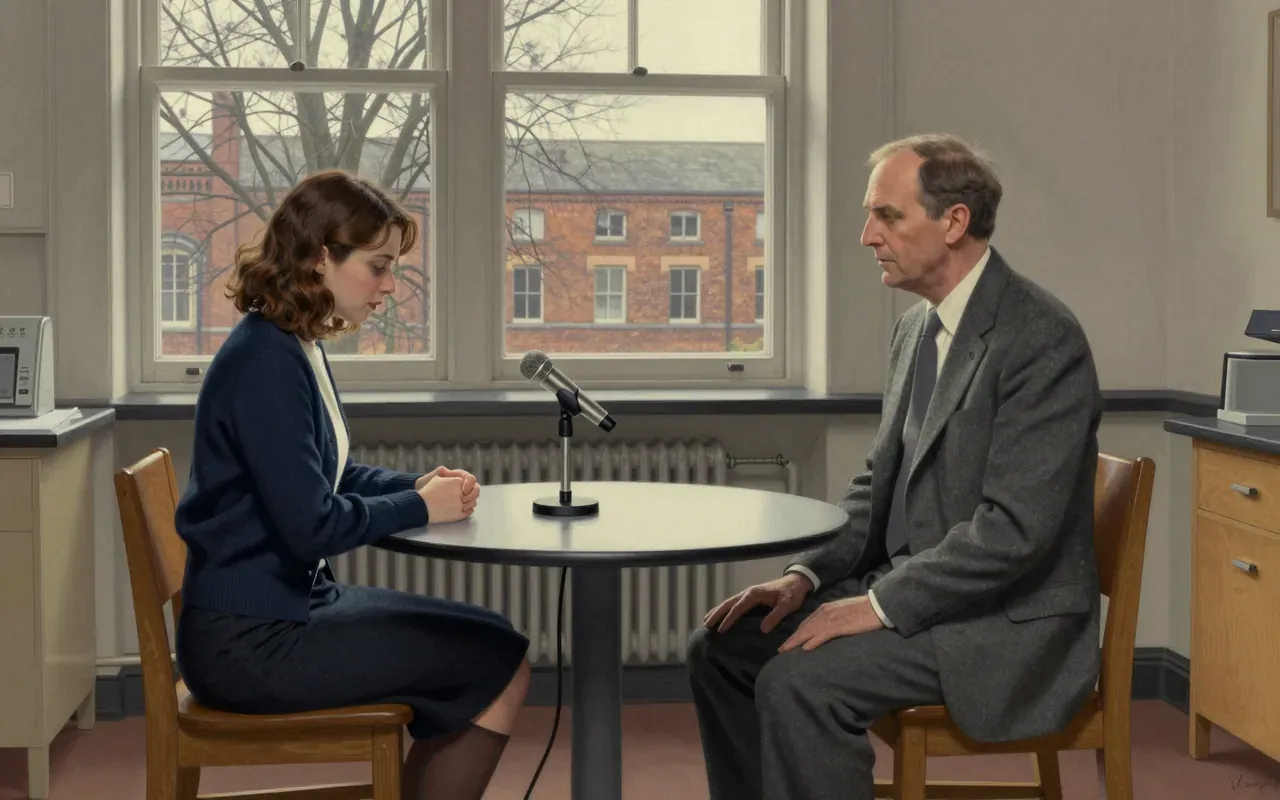
Therapy isn’t about what you say — it’s about how you hold space, and in 1941 they proved it with tape recorders.
9:09

Carol Dweck

Praising intelligence isn’t kind—it’s a trap that makes people avoid hard work.
13:00

Universal grammar

Chomsky's claim that children are born with an innate grammatical template has narrowed over sixty years to a single computational operation, and remains genuinely contested rather than settled either way.
13:00

Cognitive bias

Amos Tversky and Daniel Kahneman's 1970s experiments found people rate a detailed, statistically impossible scenario as more probable than a plain one — evidence that judgment runs on shortcuts, not pure logic, a claim that reshaped economics and drew its own rationality war.
13:00

Milgram experiment

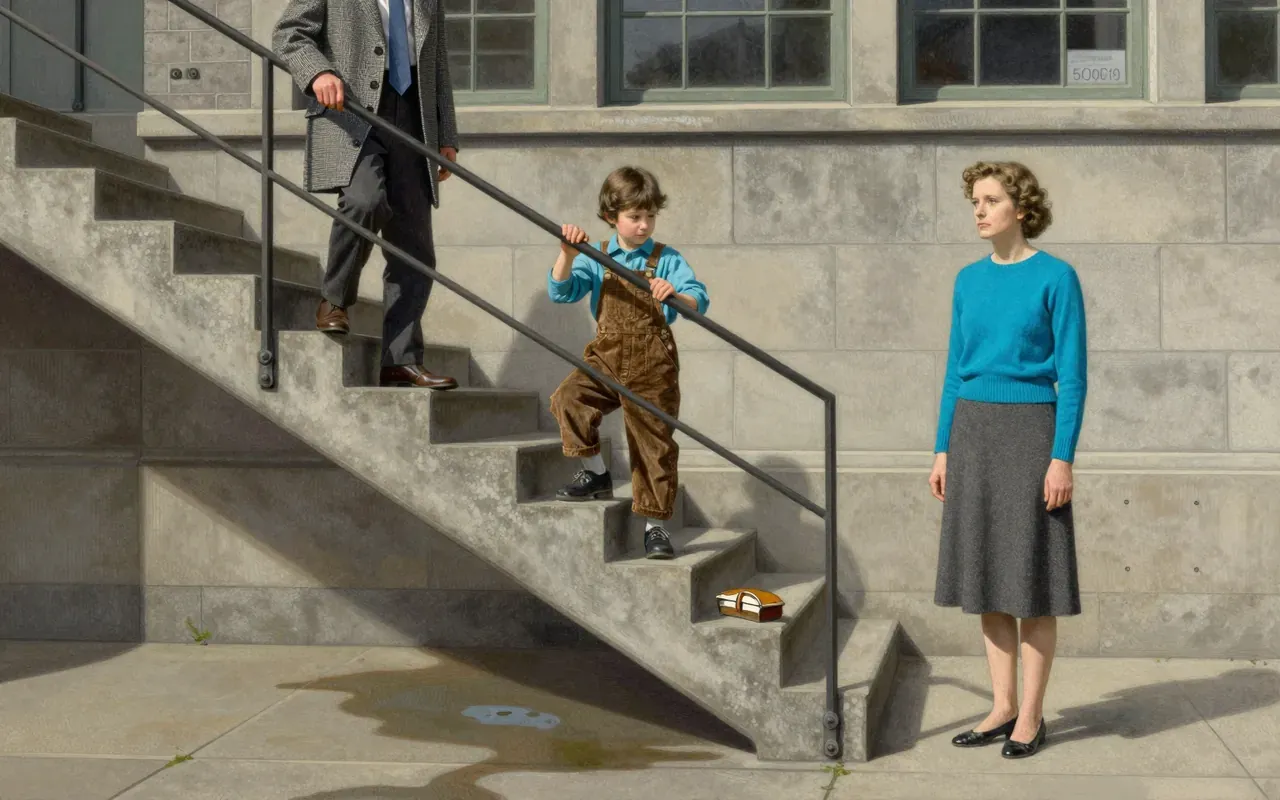
In 1961, months after Adolf Eichmann's trial opened, Stanley Milgram found 65 per cent of volunteers at Yale would deliver what they believed was a 450-volt shock to a stranger simply because told to continue — far more than psychiatrists had predicted.
13:00

Henry Molaison

Henry Molaison's 1953 surgery destroyed his ability to form new memories but left skill learning intact, giving Brenda Milner decades of evidence that declarative and procedural memory are genuinely separate systems.
13:00

REM rebound

William Dement's REM-deprivation experiments showed the brain pushes back when a sleep stage is withheld, and that push-back, not sleep loss in general, is what REM rebound actually measures.
13:00

Detection theory

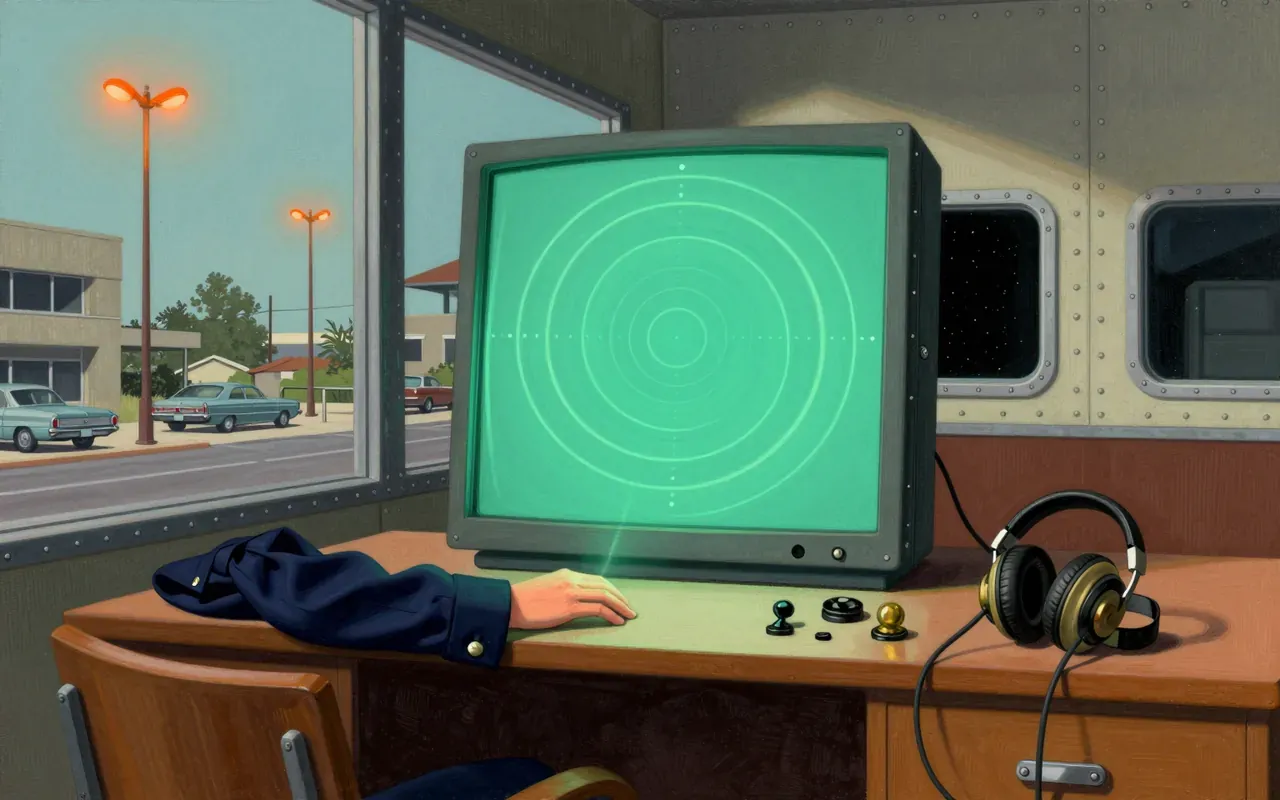
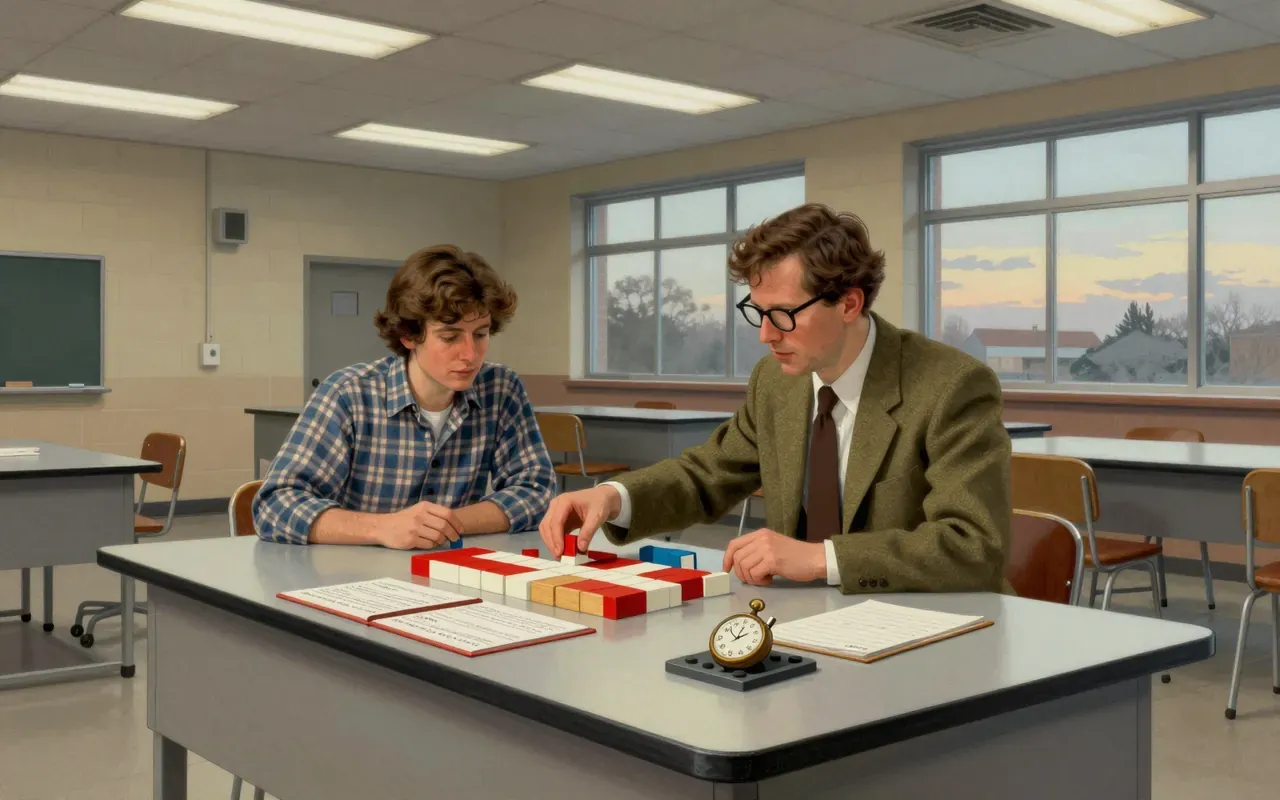
Signal detection theory, formalised in 1954 out of radar research and set out for psychology by Green and Swets in 1966, split a single accuracy score into two things: how well someone can actually tell signal from noise, and how readily they say yes at all.
13:14

Stanford prison experiment

Philip Zimbardo

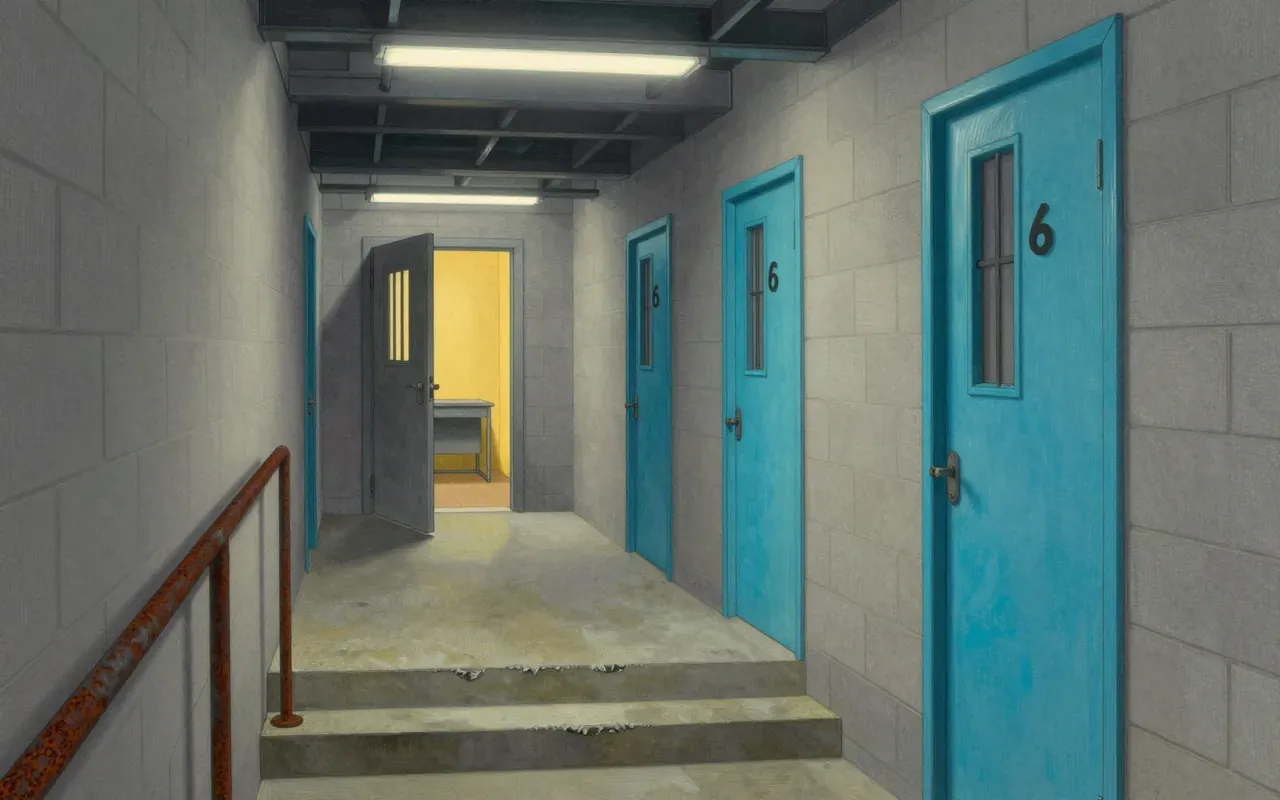
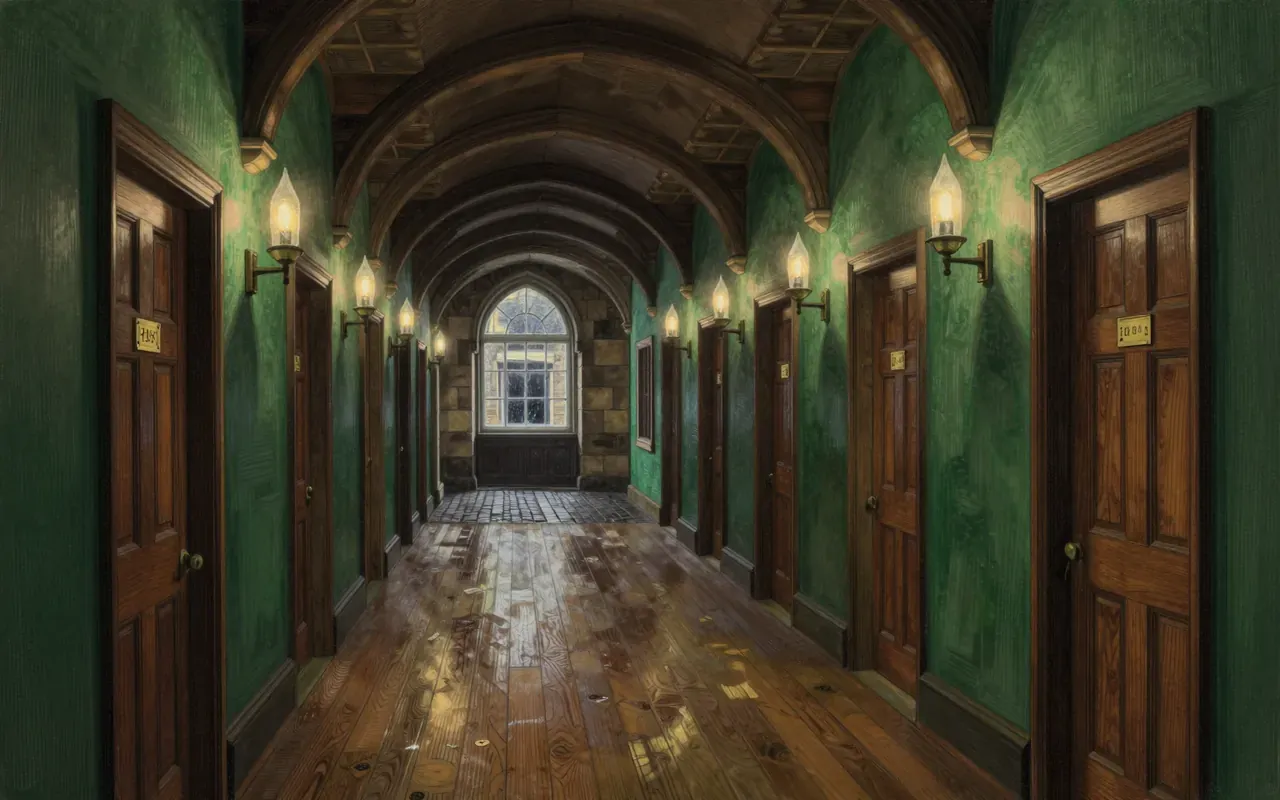
The Stanford prison experiment was a 1971 simulation study conducted by Philip Zimbardo at Stanford University, using 24 male college students randomly assigned as prisoners or guards in a mock prison in the psychology building basement. Its goal was to assess the psychological effects of role assignment, focusing on how roles, rules, symbols, group identity, and situational forces shape behavior. Results showed rapid, extreme role adaptation by both groups, leading to dangerous and psychologically damaging conditions; Zimbardo himself became immersed in his role as superintendent until intervened by Christina Maslach. The core conclusion was that situational forces can exert far greater influence on behavior than commonly recognized.
13:00

Mirror neuron

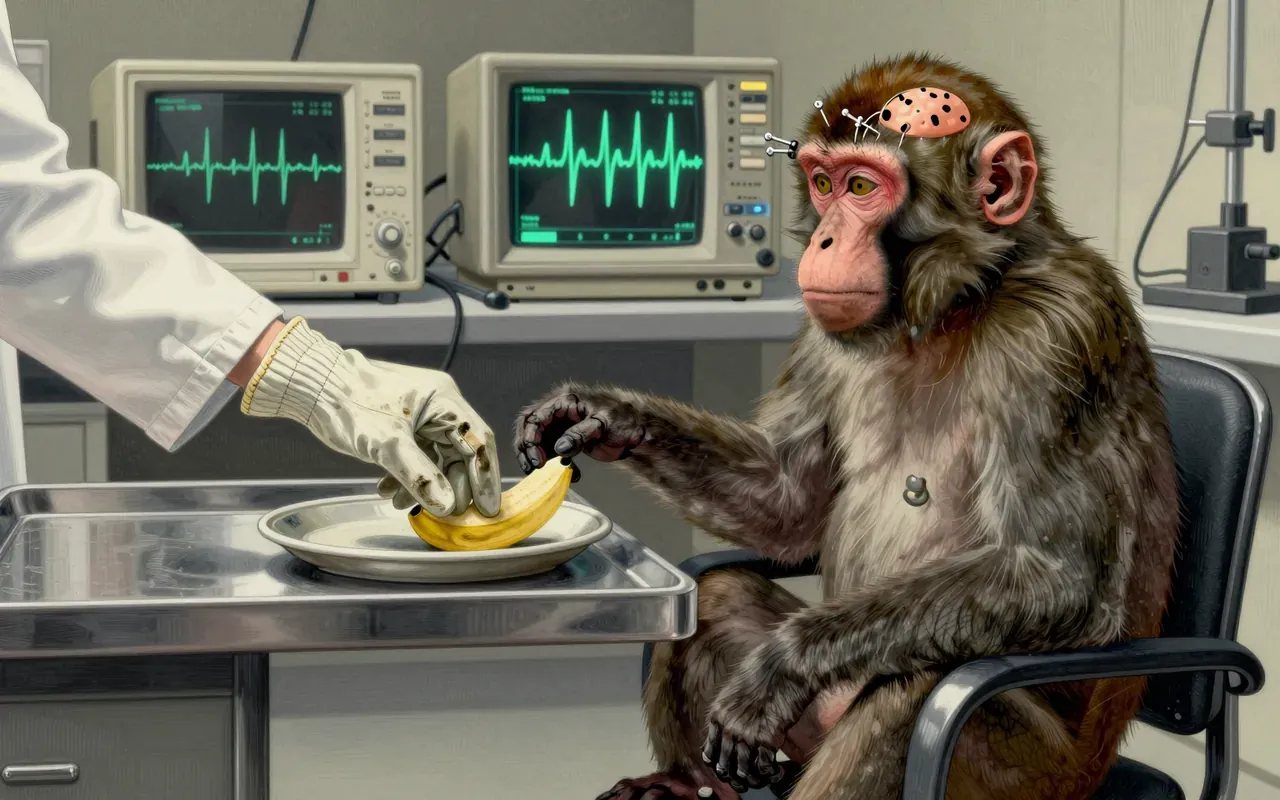
In the early 1990s a Parma laboratory found monkey brain cells that fired both when the animal grasped food and when it merely watched someone else grasp it — a finding since stretched into theories of empathy, language and autism that the evidence itself struggles to support.
13:00

Synesthesia

A rigorous population study put synesthesia, the blending of senses so letters carry colour or sounds carry taste, at 4.4 per cent of people — far below folklore's one in four, and far above the one-in-tens-of-thousands earlier, self-selected samples had produced.
13:00

James J. Gibson

James Gibson argued that we perceive a chair or a staircase directly as something to sit on or climb, not as raw shape our brain then interprets — a claim that gave design and robotics the word affordance, which promptly split into two incompatible meanings.
11:48

Flynn effect

IQ scores rose steadily for a century — but that doesn’t mean we got smarter.
13:00

Replication crisis

In 2015 a coordinated effort to redo 100 published psychology experiments found only 36 per cent reproduced the original significant result, effect sizes roughly halved on average — a number that turned scattered doubts into a named crisis.
13:00

Theory of mind

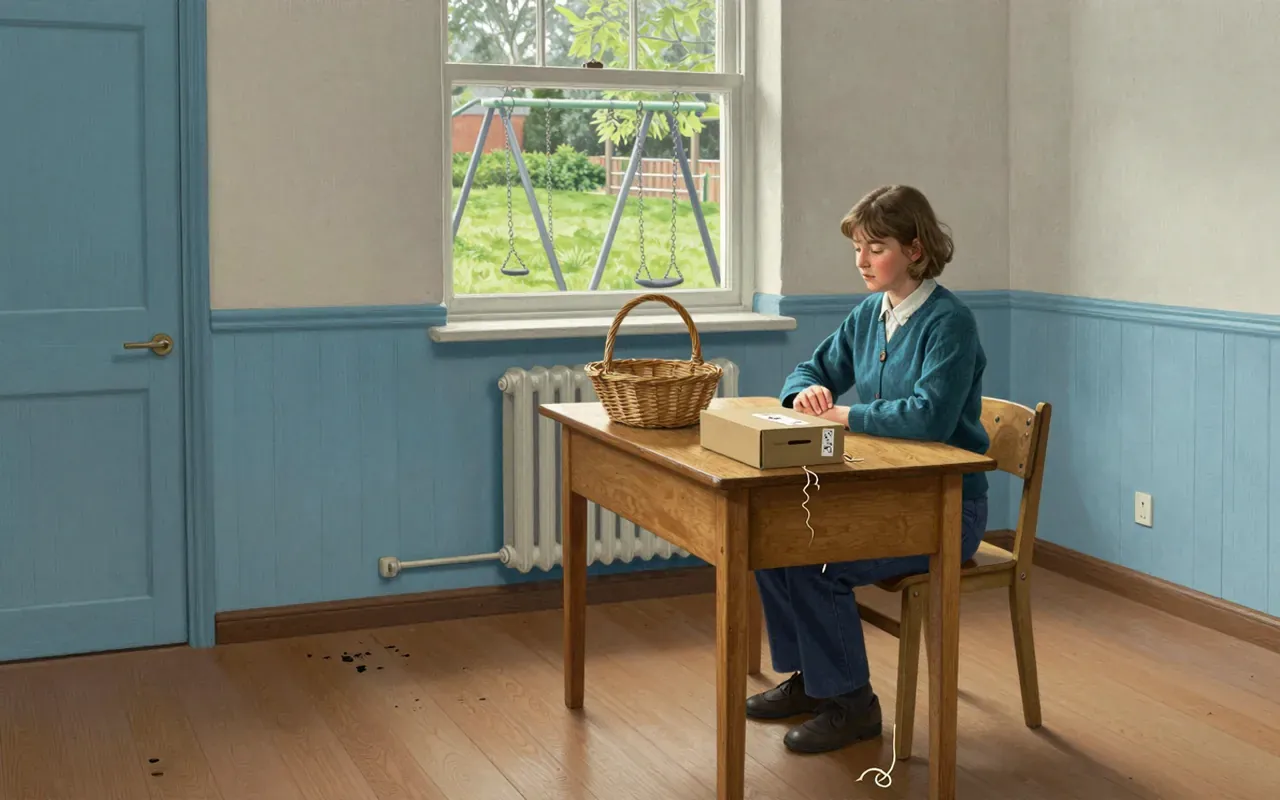
Wimmer and Perner's 1983 false-belief task, staged as the Sally-Anne test with two dolls and a moved marble, showed children under about four cannot yet grasp that someone else can believe something the child knows to be false — a milestone since disputed on what it measures.
9:05

Viktor Frankl

Meaning is not discovered — it is assigned, argued for, and clinically deployed.
10:00

Baddeley's model of working memory

Alan Baddeley and Graham Hitch · 1974

Baddeley and Hitch’s 1974 model reframed working memory as a set of interacting, domain-specific components — not a single bottleneck. Dual-task interference, the word length effect, and amnesic patient profiles provide direct empirical support. Later additions (episodic buffer in 2000, renamed awareness buffer in 2026) extend but do not overturn the core claim of fractionation. It remains indispensable — not because it is complete, but because it is falsifiable, componential, and repeatedly predictive.