
Evolutionary computation
Evolutionary computation doesn’t mimic life—it weaponises abstraction to solve engineering problems.
Science put to work — computing, energy, materials, engineering — judged on what it does outside the lab.

3D printing is a layer-by-layer fabrication method rooted in Chuck Hull’s 1984 stereolithography patent. It evolved from rapid prototyping in the 1980s into an industrial production option by 2019. Its real advantage is enabling previously impossible geometries—like hollow or truss-structured parts—that cut weight and waste. Fused deposition modeling (FDM) was the most common process as of 2020. It does not replace conventional manufacturing at scale. It does not solve material consistency, certification, or throughput problems. Its impact is precise, not pervasive.


Bacon’s method is not a working protocol but a declaration of epistemic discipline: knowledge must be built stepwise from particulars, anchored in observation, and guarded against the Idols of the mind. Its power lies in its framing—not its execution.



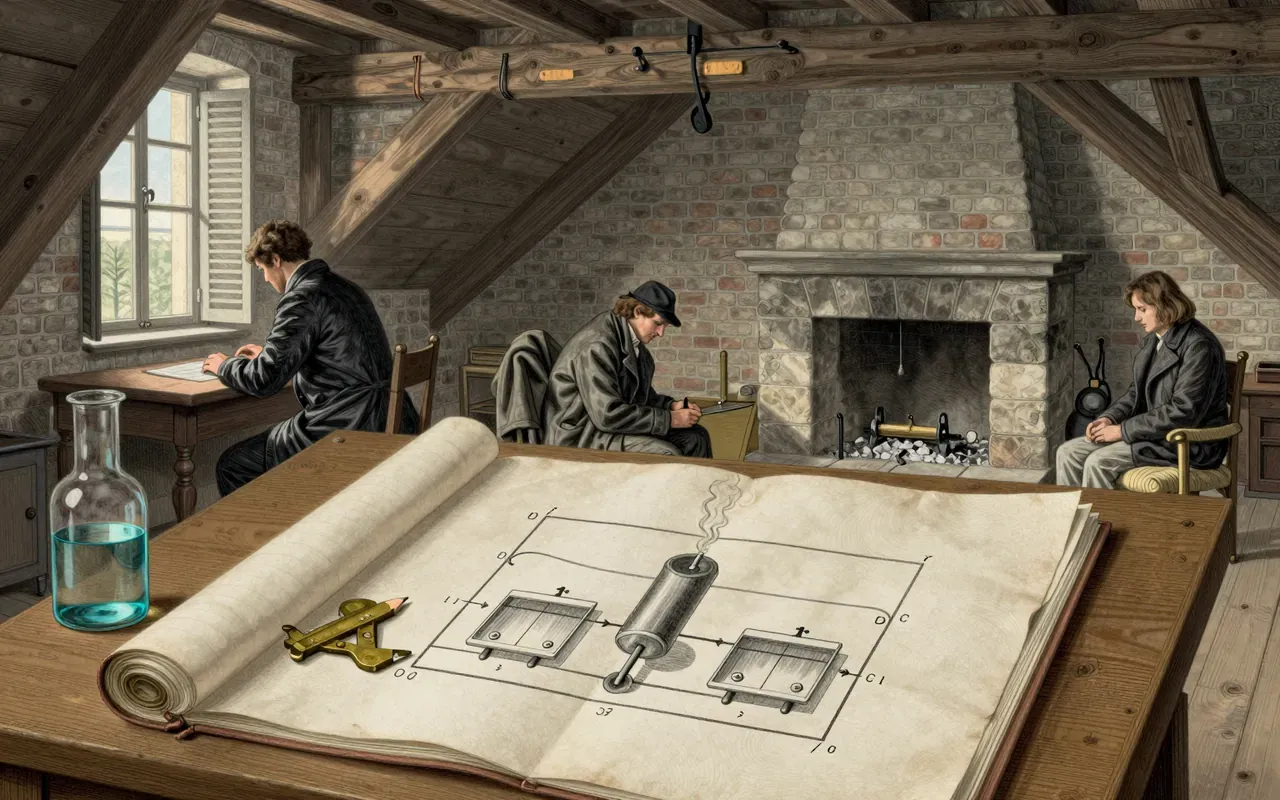



The Asch experiments show that unanimous group pressure causes public conformity on simple perceptual judgments — not because people misperceive, but because they yield in speech. The effect is real, quantified, and limited: it depends on unanimity, not large numbers; it was tested only on white male undergraduates; and it measures response, not belief or vision.
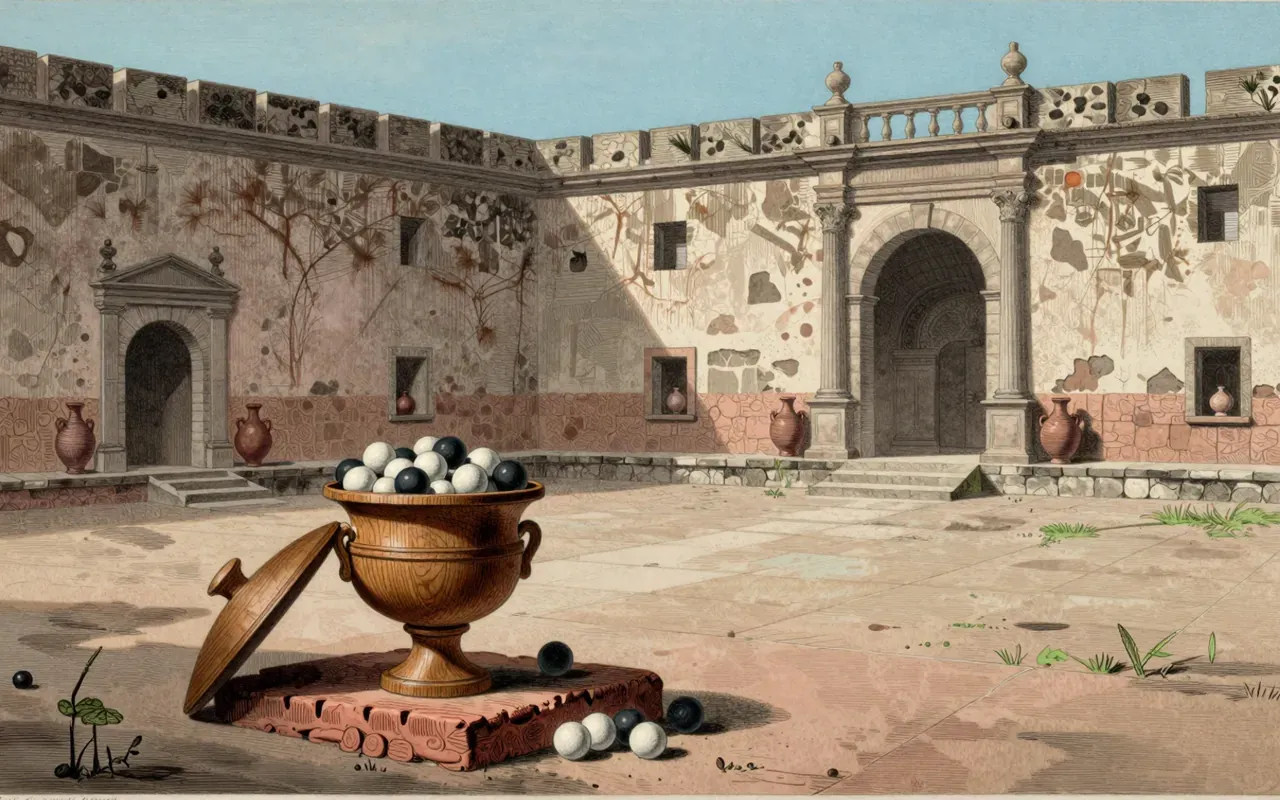
Bayes's 1763 essay solves a narrow inverse probability problem using conditional probability. It computes limits on a binomial parameter—not a general theory of belief updating. Its power lies in precision, not generality.
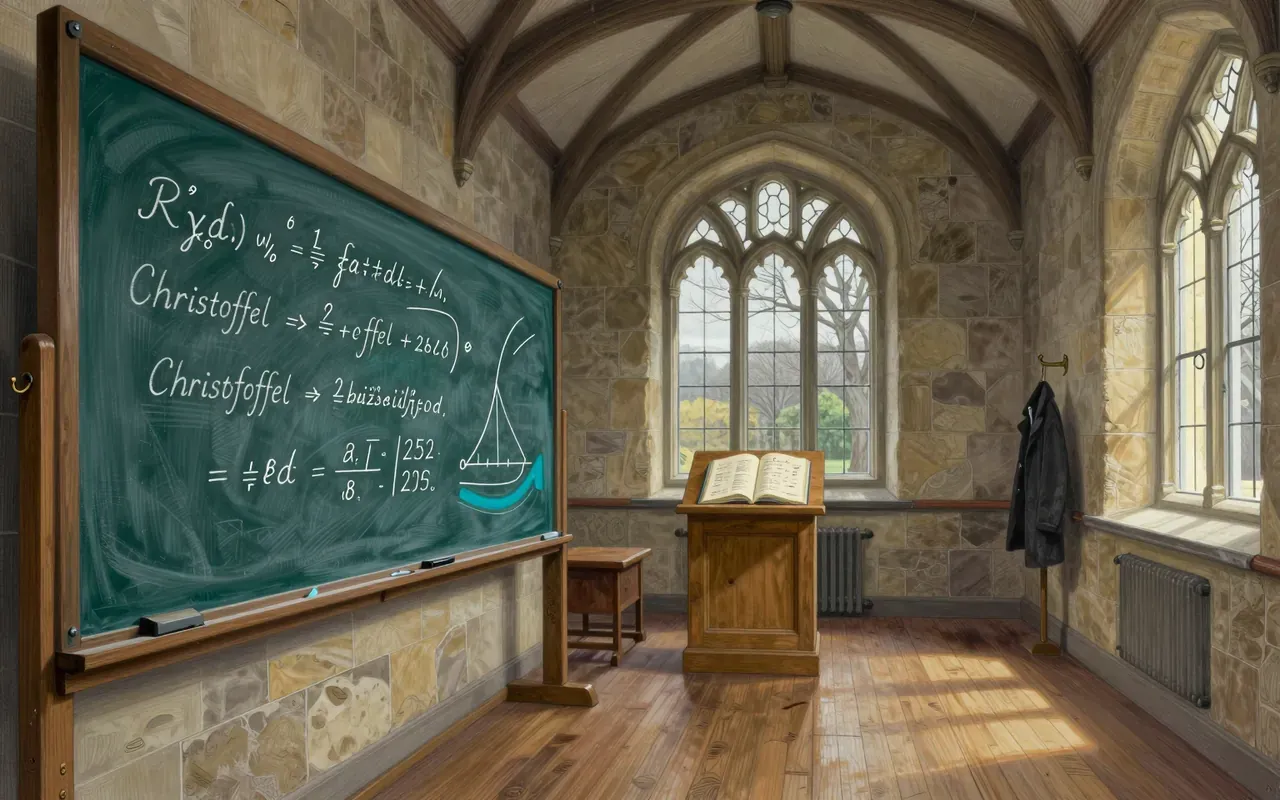


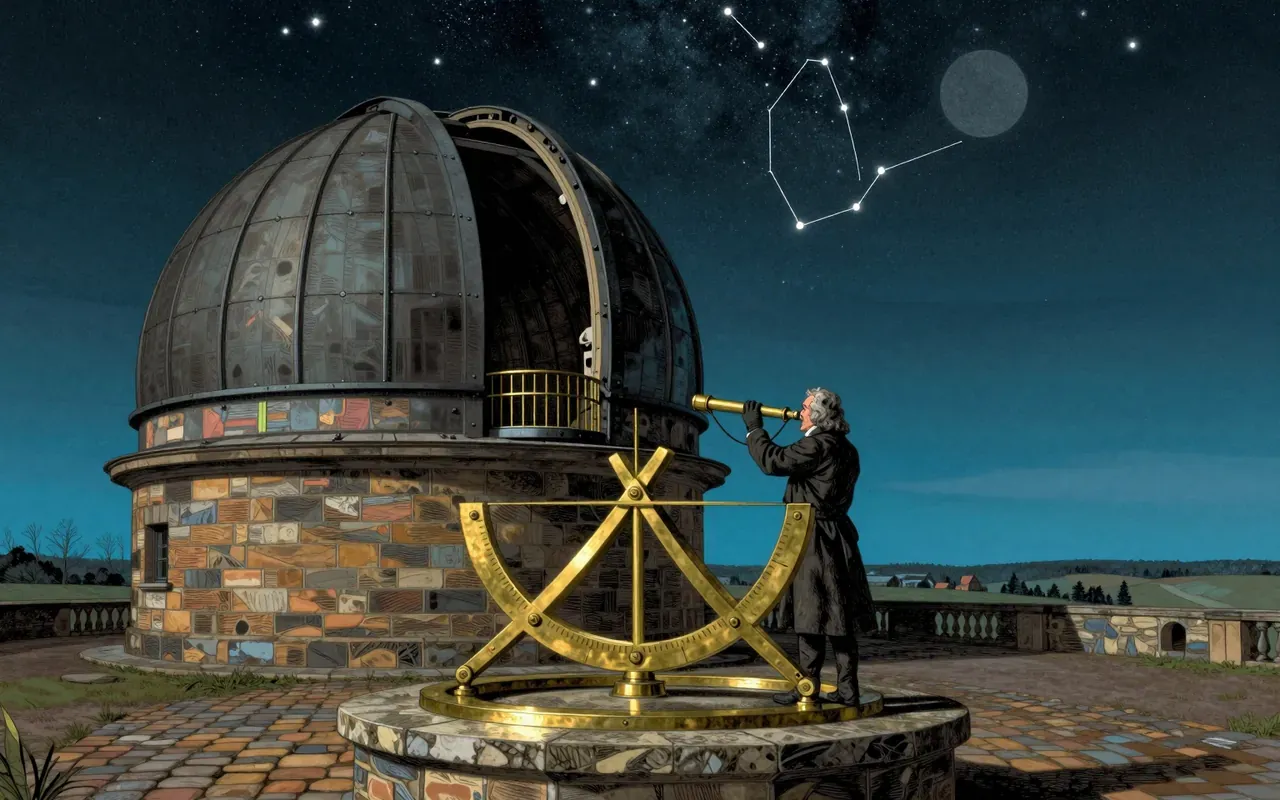




The Dirac equation is the first consistent relativistic quantum wave equation. It predicts antimatter and derives spin — verified by hydrogen fine structure and Anderson’s 1932 positron detection. It does not prove antimatter; it implies it. It does not go beyond first-order fine structure. It remains indispensable in particle physics.


Wiles proved Fermat’s Last Theorem by establishing the modularity theorem for semistable elliptic curves — a result that, combined with Ribet’s theorem, ruled out integer solutions to a^n + b^n = c^n for n > 2. His initial 1993 proof contained a flaw in the Selmer group argument; he and Taylor repaired it in 1994 using Galois representations and Iwasawa theory. The complete proof appeared in the Annals of Mathematics in 1995.








The Stanford prison experiment was a 1971 simulation study conducted by Philip Zimbardo at Stanford University, using 24 male college students randomly assigned as prisoners or guards in a mock prison in the psychology building basement. Its goal was to assess the psychological effects of role assignment, focusing on how roles, rules, symbols, group identity, and situational forces shape behavior. Results showed rapid, extreme role adaptation by both groups, leading to dangerous and psychologically damaging conditions; Zimbardo himself became immersed in his role as superintendent until intervened by Christina Maslach. The core conclusion was that situational forces can exert far greater influence on behavior than commonly recognized.

Riemann’s 1859 hypothesis is a precise, unproven claim about zeta zeros — central to prime distribution, yet untouched by proof for 165 years.
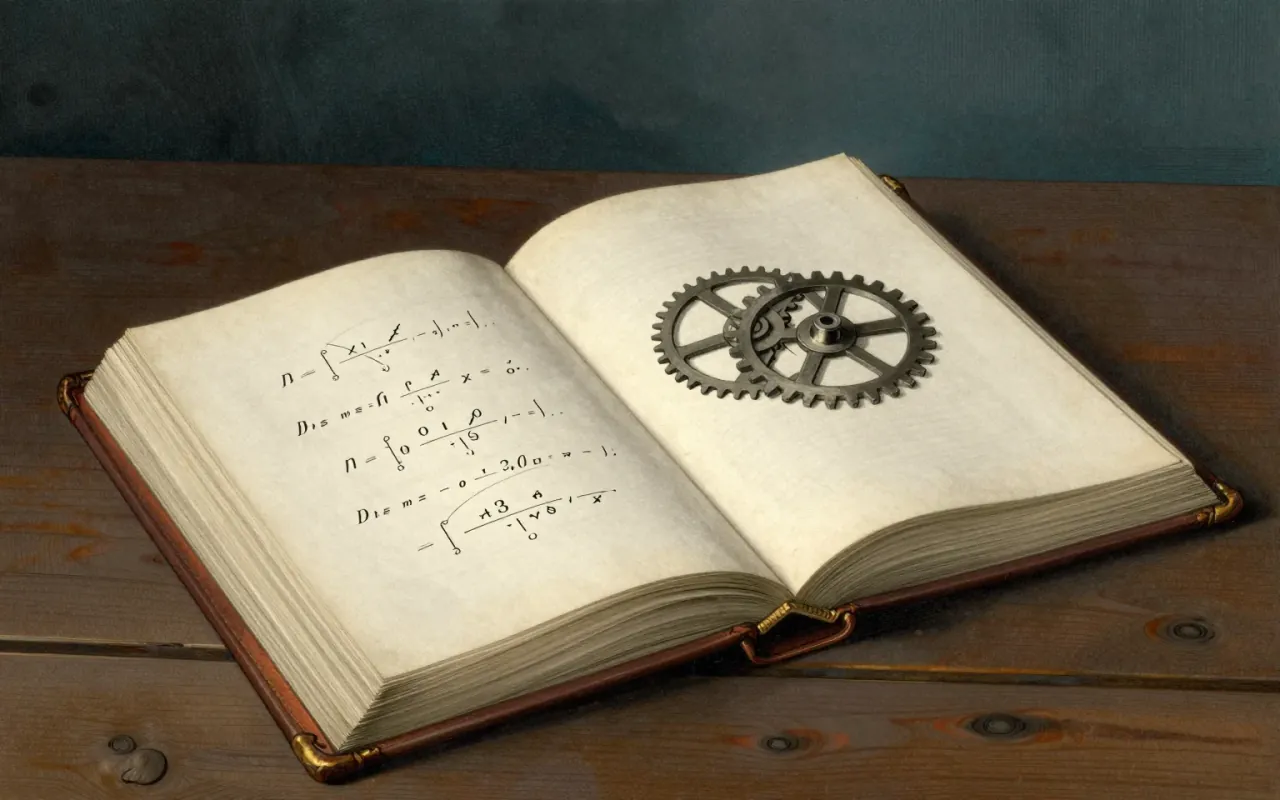






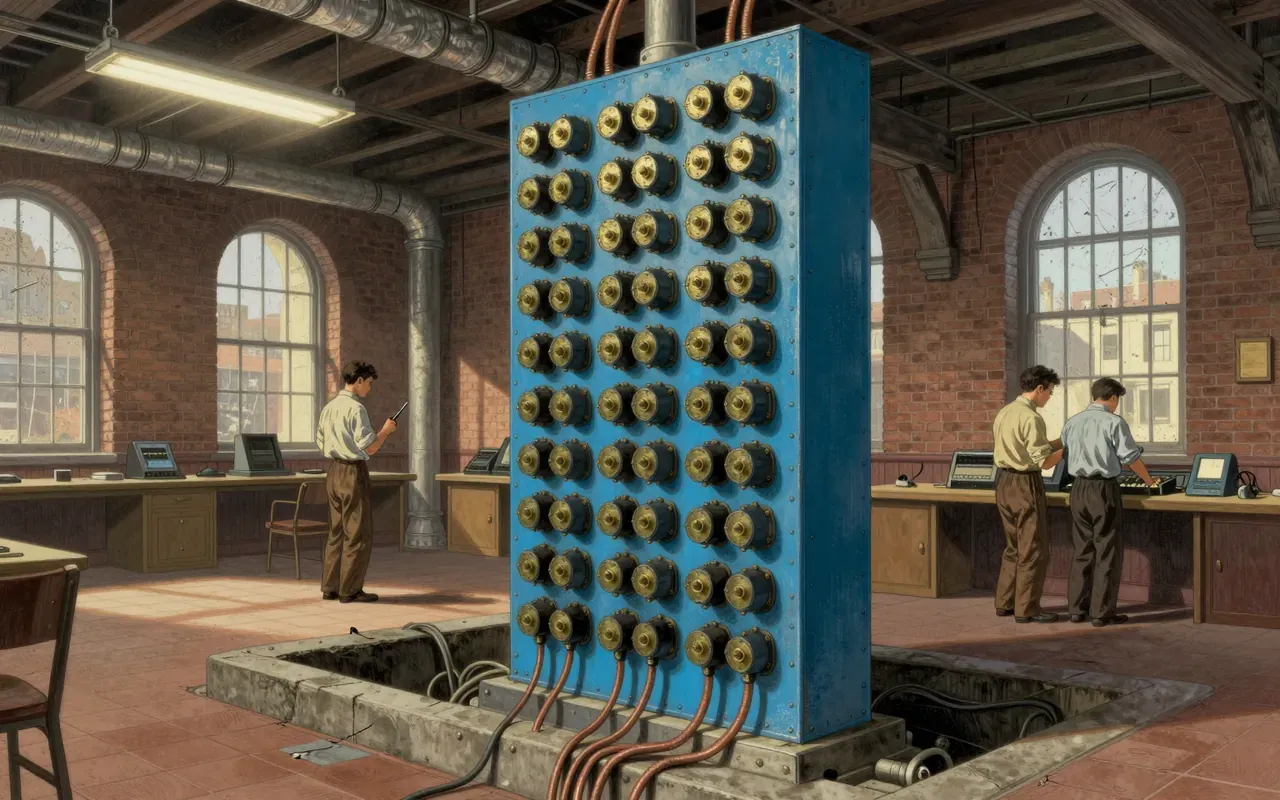


Geoffrey Hinton and colleagues established core methods—backpropagation for representation learning, and Boltzmann machines for unsupervised deep generative modelling—between 1985 and 1995. Their work was grounded in statistical mechanics, experimentally verified on small-scale networks, and explicitly recognised as foundational for machine learning with artificial neural networks. It did not deliver production AI, nor claim to.



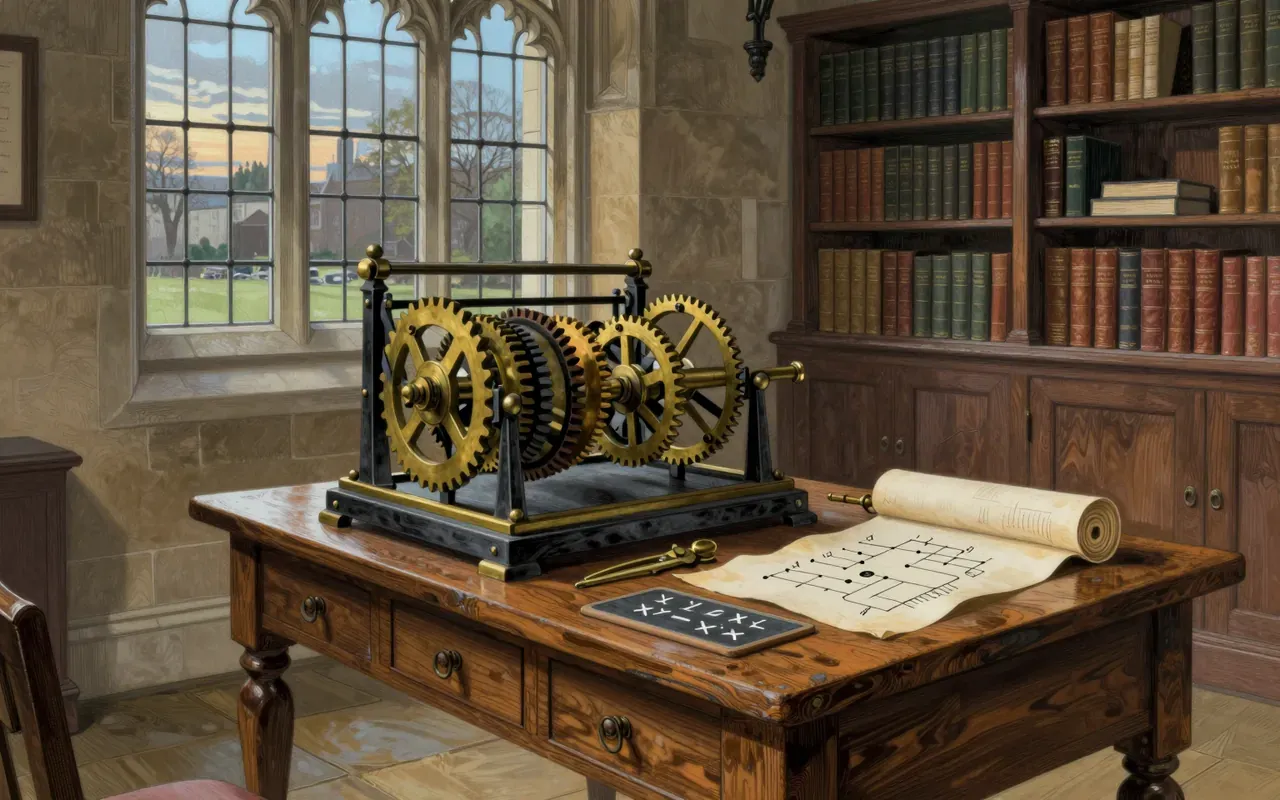

Gödel’s 1931 incompleteness theorems show that no consistent, effectively axiomatized formal system capable of arithmetic can be both complete and self-consistent. They ended Hilbert’s program. Their method — Gödel numbering and diagonalisation — became foundational for computability theory. They do not apply outside formal systems satisfying strict technical conditions.
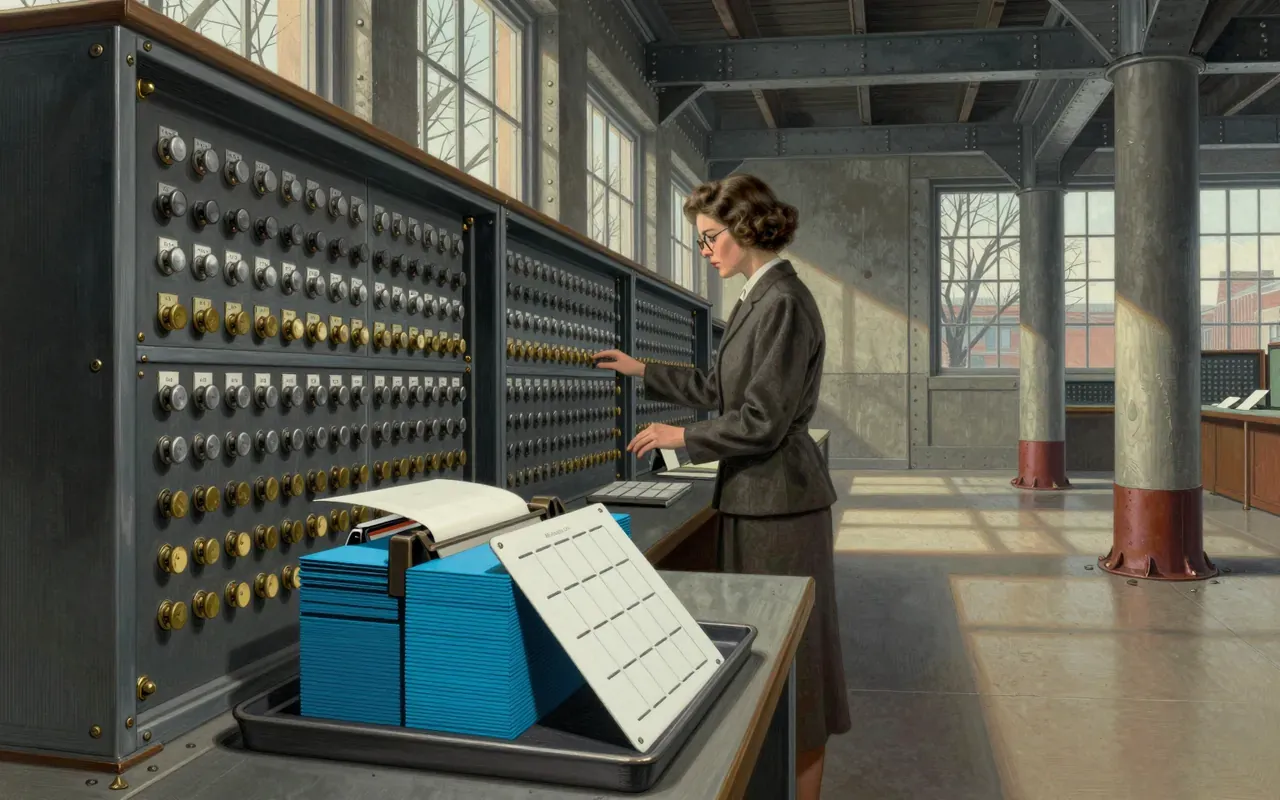


Hilbert’s problems are not a discovery in the empirical sense. They are a curatorial act—23 unsolved questions published in 1900 to define mathematics’ trajectory for the next century. Their influence stems from uptake, not truth. They succeeded because mathematicians treated them as a syllabus—not because they were complete, precise or even consistent.
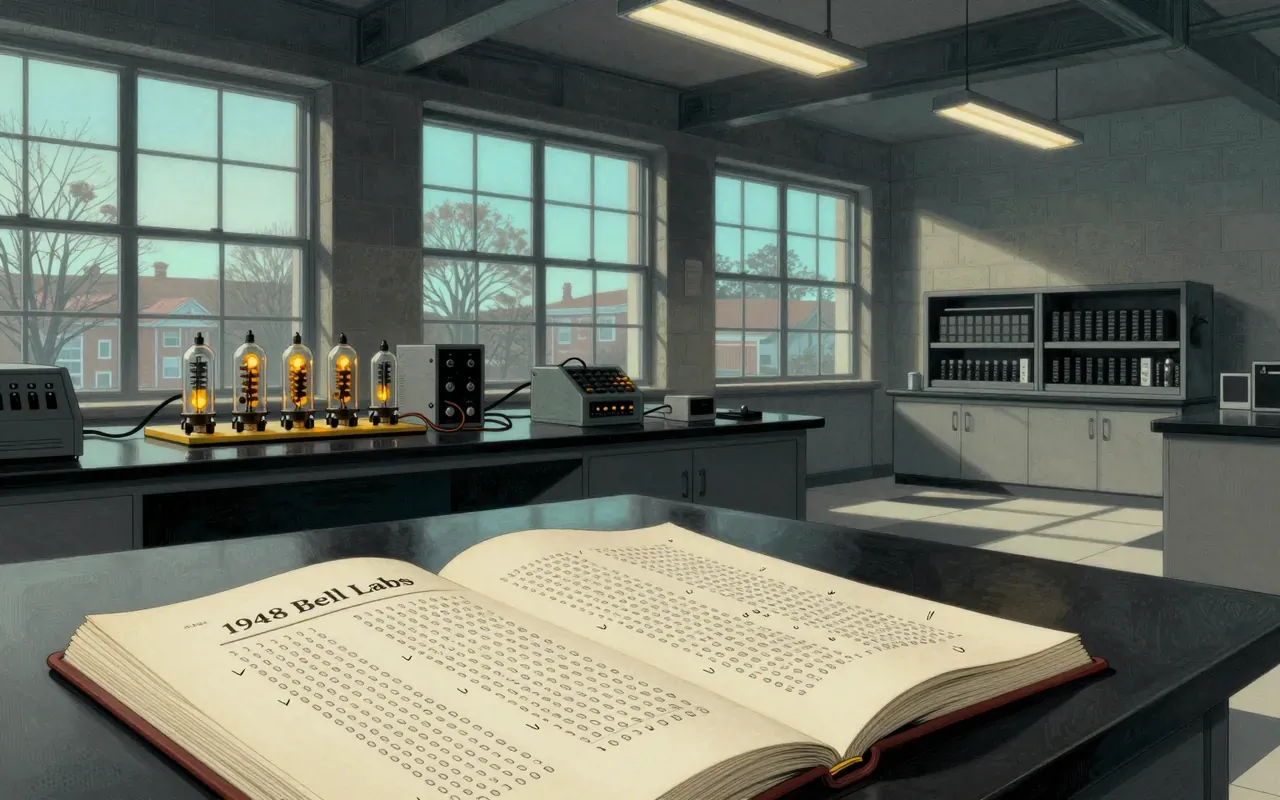
Shannon’s 1948 theory redefined communication as a mathematical problem of uncertainty reduction. He proved entropy is the irreducible cost of lossless encoding — not a metaphor, not a heuristic, but a bound. It applies only where messages are statistically structured, and only to syntactic information — never semantics. Its power lies in its narrowness.









Shor’s algorithm is a quantum algorithm for integer factorisation, developed by Peter Shor in 1994. It runs in polynomial time in log N and places factorisation in BQP. It is asymptotically faster than the general number field sieve.


The Church–Turing thesis is not a theorem but a foundational assumption — one that equates human-effective calculation with machine computation. It holds because no counterexample exists, not because it is proven. Its endurance is its strength — and its limitation.


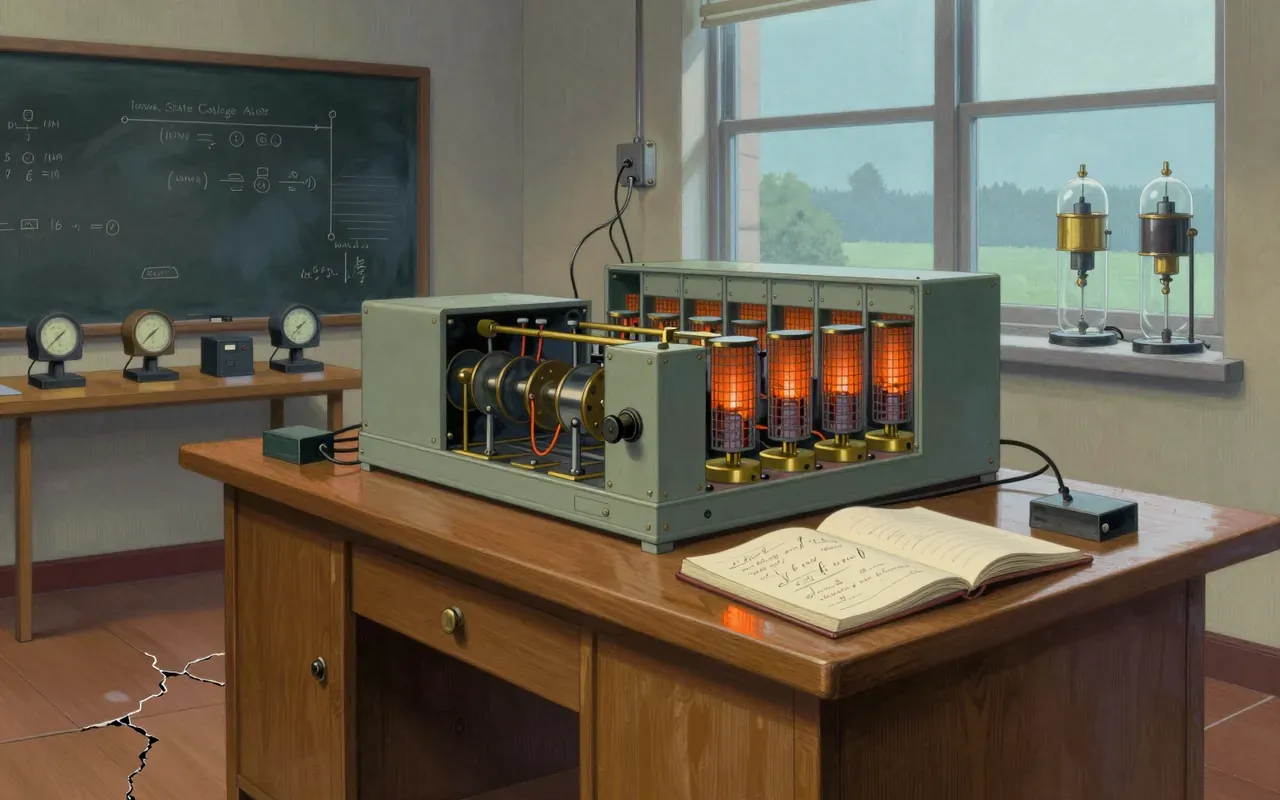
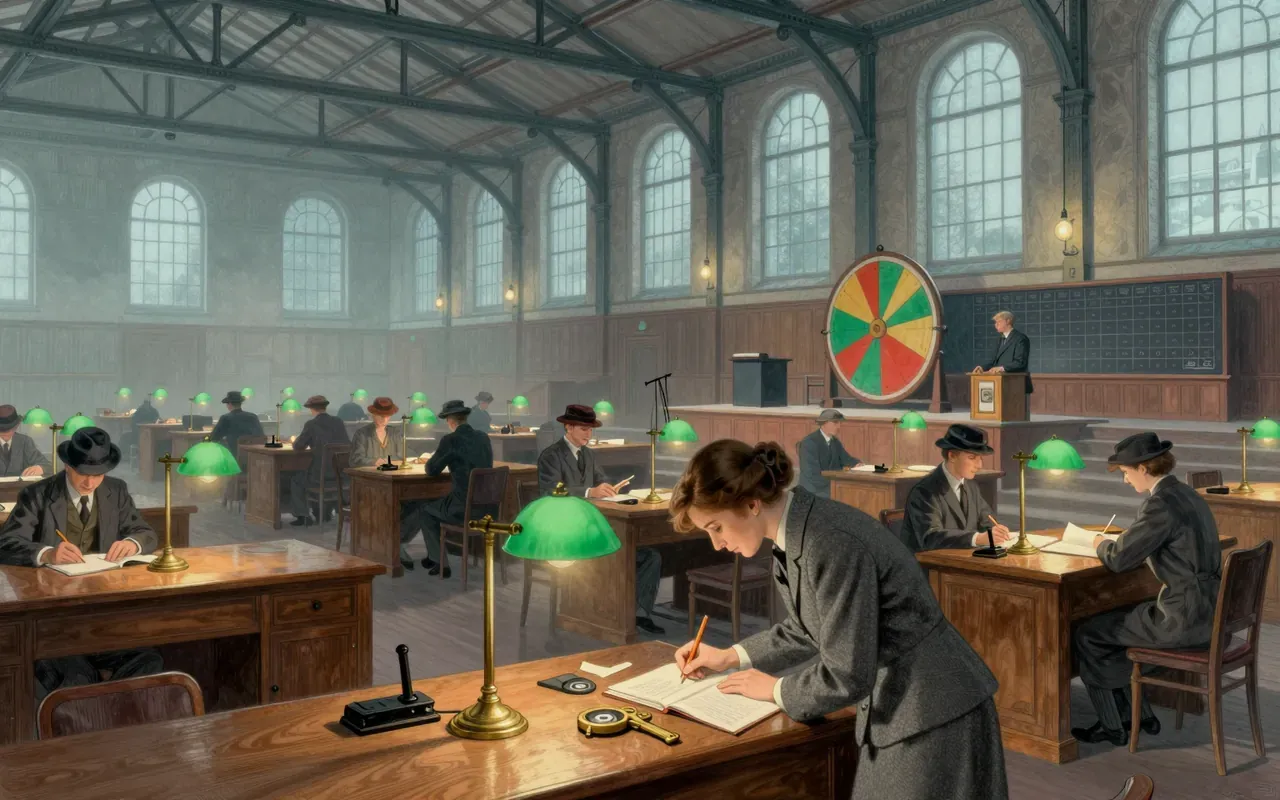



Mandelbrot visualised a known mathematical object with unprecedented clarity — making topology legible through computation.



The Turing test is a precise, behaviour-first redefinition of intelligence—not proof of thought, but a standard for functional equivalence in dialogue. It endures because it is simple, testable, and ruthlessly limited.













Kirchhoff’s 1845 circuit laws are two experimentally derived equalities — one for current at junctions, one for voltage around loops — valid only under strict physical assumptions of the lumped-element model.

Lorentz’s transformations were a technically successful but conceptually constrained response to experimental anomalies in electrodynamics. They preserved the aether while making predictions match observation—by introducing local time, length contraction, and time dilation as mathematical corrections. Their algebraic form survived into special relativity, but their physical meaning did not.








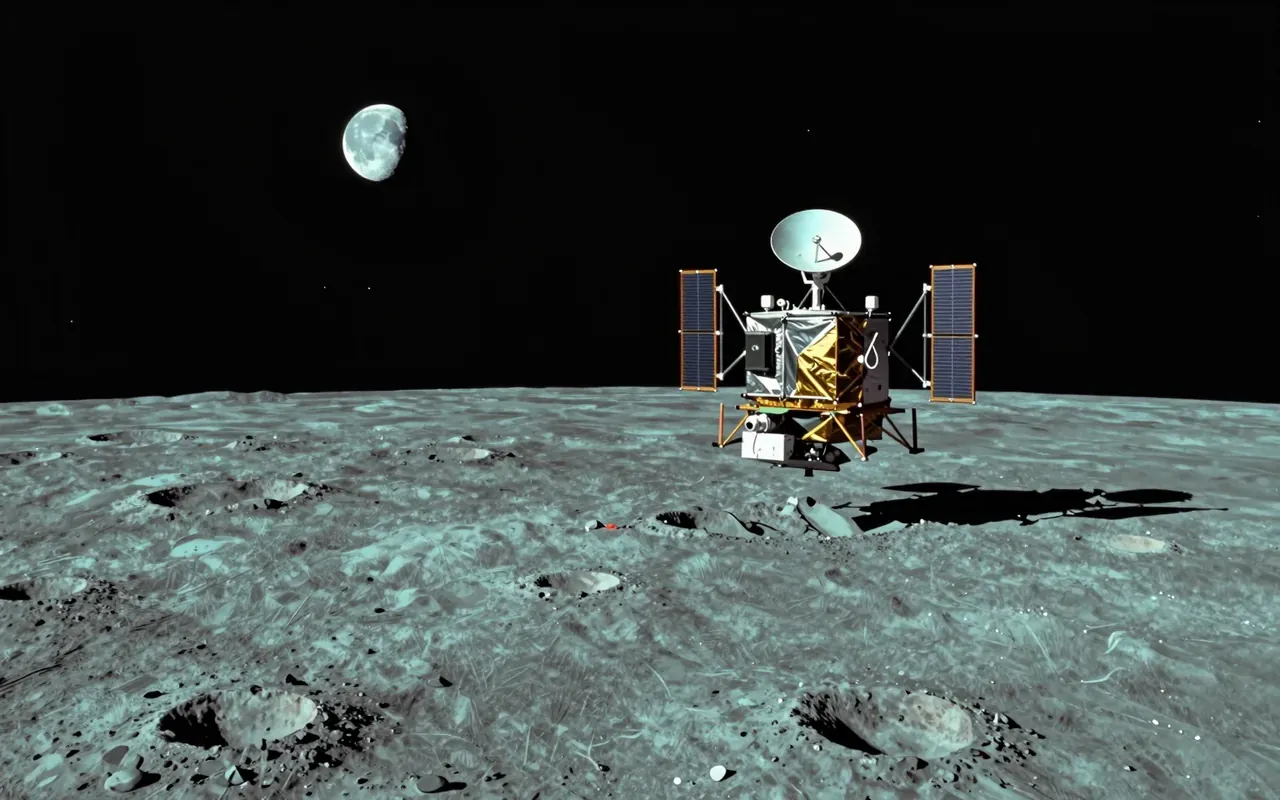






The electron microscope began not with biology, but with physics: a test of magnetic lensing on engineered grids. Its first success was mechanical and conceptual — not observational.

The Fujita scale is a damage-based tornado classification system introduced in 1971. It is not a wind-speed measurement tool. Its F0–F5 categories remain operationally useful. Its theoretical F6–F12 levels were never used. Its wind-speed estimates were unverified and later shown to be inflated.




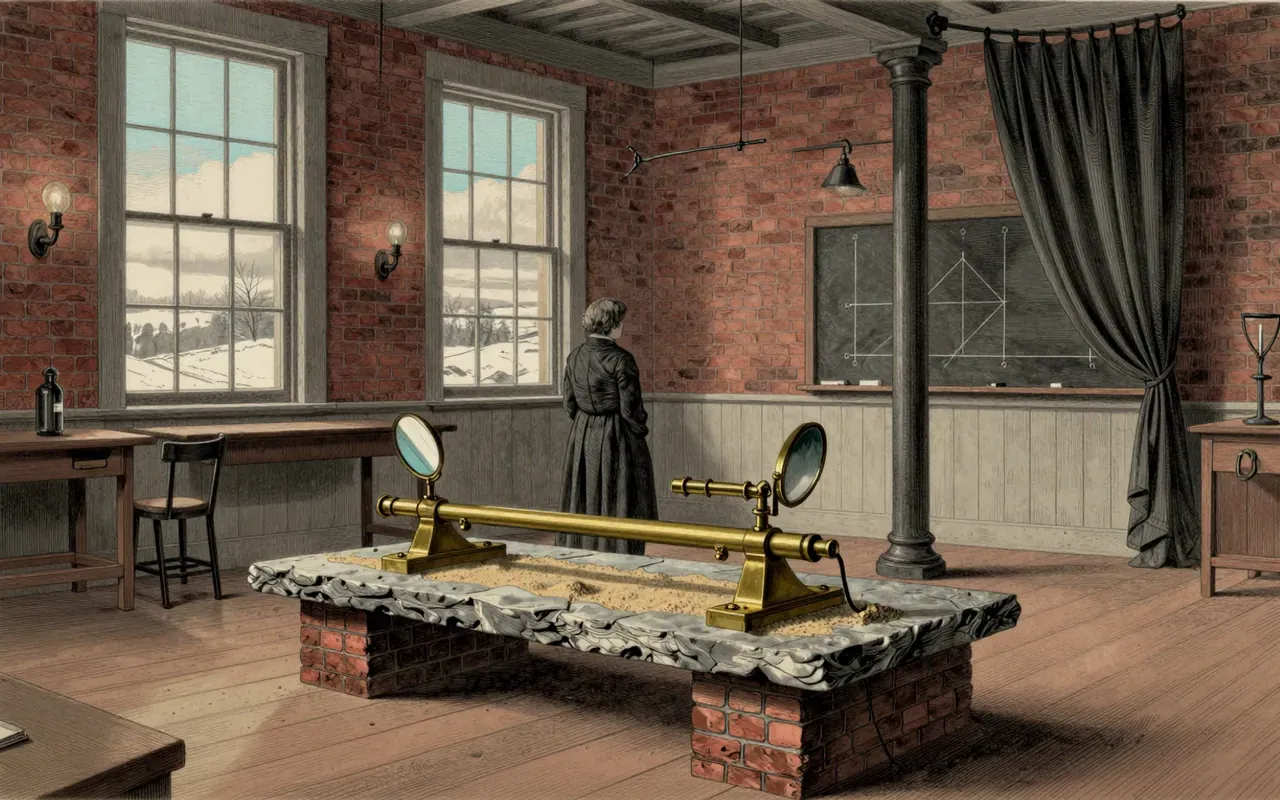












Chicago Pile-1 proved a self-sustaining nuclear chain reaction was possible using natural uranium and purified graphite — nothing more, nothing less.




Perovskite solar cells began with CsSnI3 in a solid-state dye-sensitized architecture. They proved 3D halide perovskites could act as efficient semiconductors — not just additives — and enabled rapid efficiency gains: 3.8% to 27% (single-junction) and 34.85% (silicon tandem) between 2009 and 2025. The materials are cheap and simple to make. But no source names Kojima or Park, reports stability, or confirms real-world deployment.













Crick’s central dogma is a precise, unidirectional constraint on sequential information transfer — not a summary of known pathways. It was proposed theoretically, refined formally in 1970, and immediately misrepresented. Its endurance lies not in experimental confirmation but in its utility as a boundary condition: what molecular biology *cannot* do.





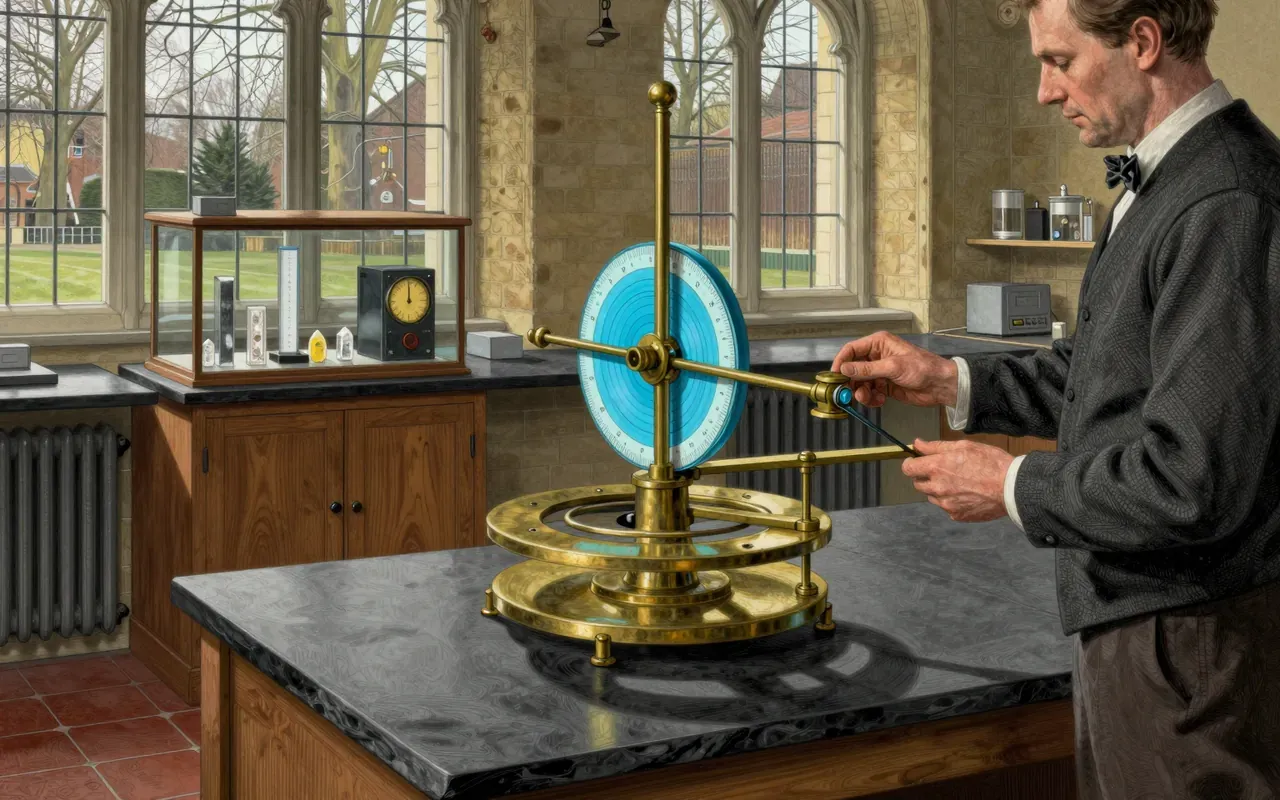
The Braggs established X-ray crystallography as a quantitative physical method by linking diffraction geometry to atomic spacing — using simple crystals, mechanical rotation, film detection, and arithmetic. They did not image atoms. They inferred lattice periodicity. Their work is durable, narrow, and strictly instrumental.

Schrödinger's cat is a 1935 thought experiment designed by Erwin Schrödinger in correspondence with Einstein to critique the Copenhagen interpretation of quantum mechanics. It uses a sealed chamber containing a cat, radioactive source, Geiger counter, relay, hammer, and flask of hydrocyanic acid. The setup links a single quantum event — atomic decay — to a macroscopic outcome. Mathematically, the wave function describes a superposition of 'alive' and 'dead', yet observation always reveals one definite state. Schrödinger intended this as reductio ad absurdum, not as a proposal. No experiment was conducted. The work establishes a tension between formalism and observation — nothing more.

Young’s 1801 double-slit experiment established wave behaviour for visible light. Later versions with electrons (1927) extended it to matter. The interference pattern is real. The disappearance of that pattern upon path detection is real. But Young did not observe particles, nor did he claim duality — he argued for waves only. Duality emerged from later experiments combining his method with quantum detection.