What the work claims
The work claims that digestive secretion is neurally regulated, measurable in vivo, and dissociable from food ingestion via conditioned stimuli — though only the first claim was systematically tested and awarded.
How it was done
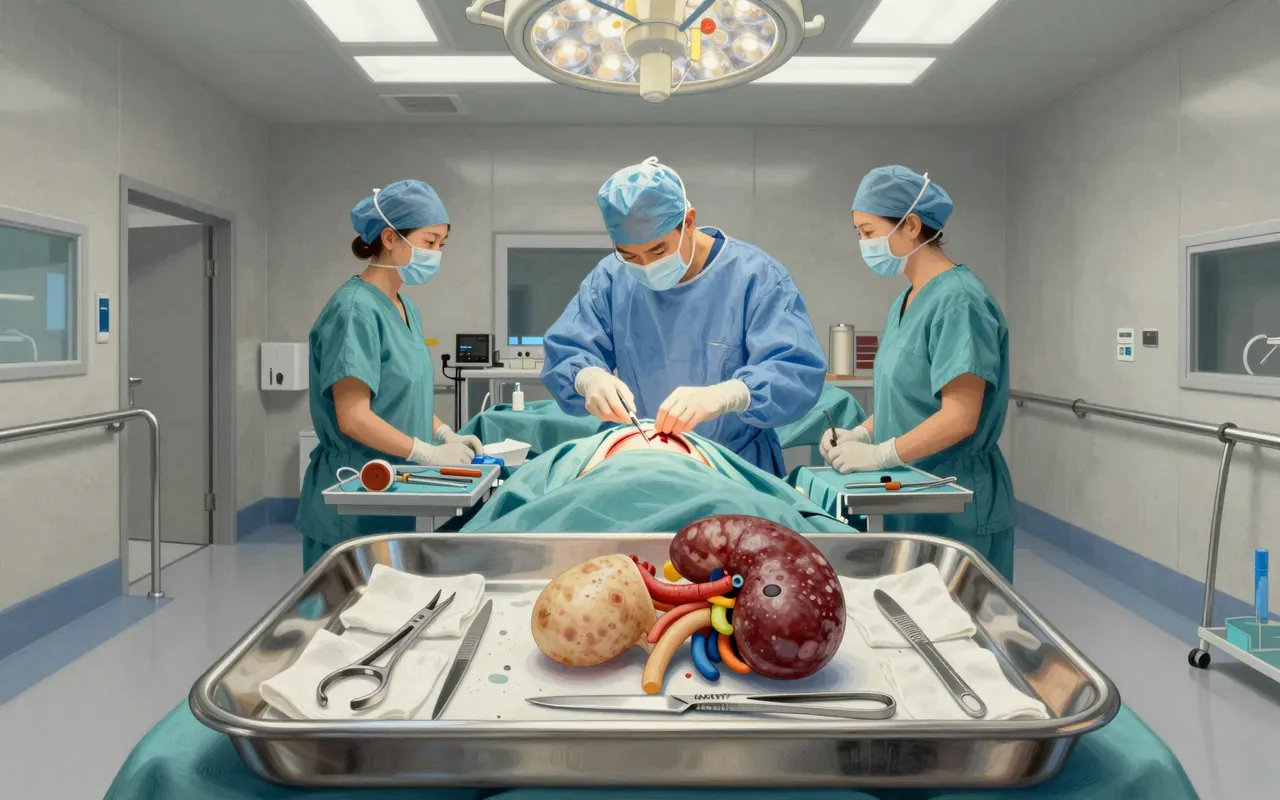
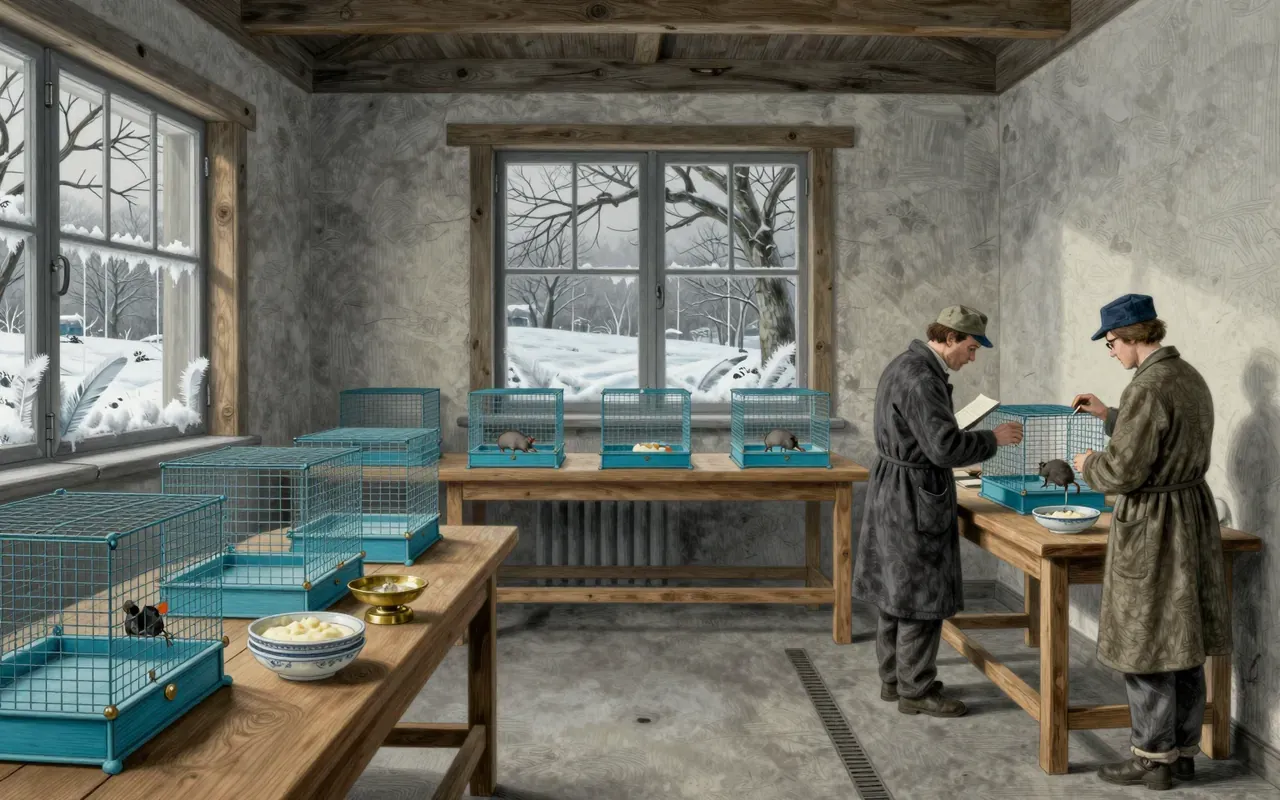
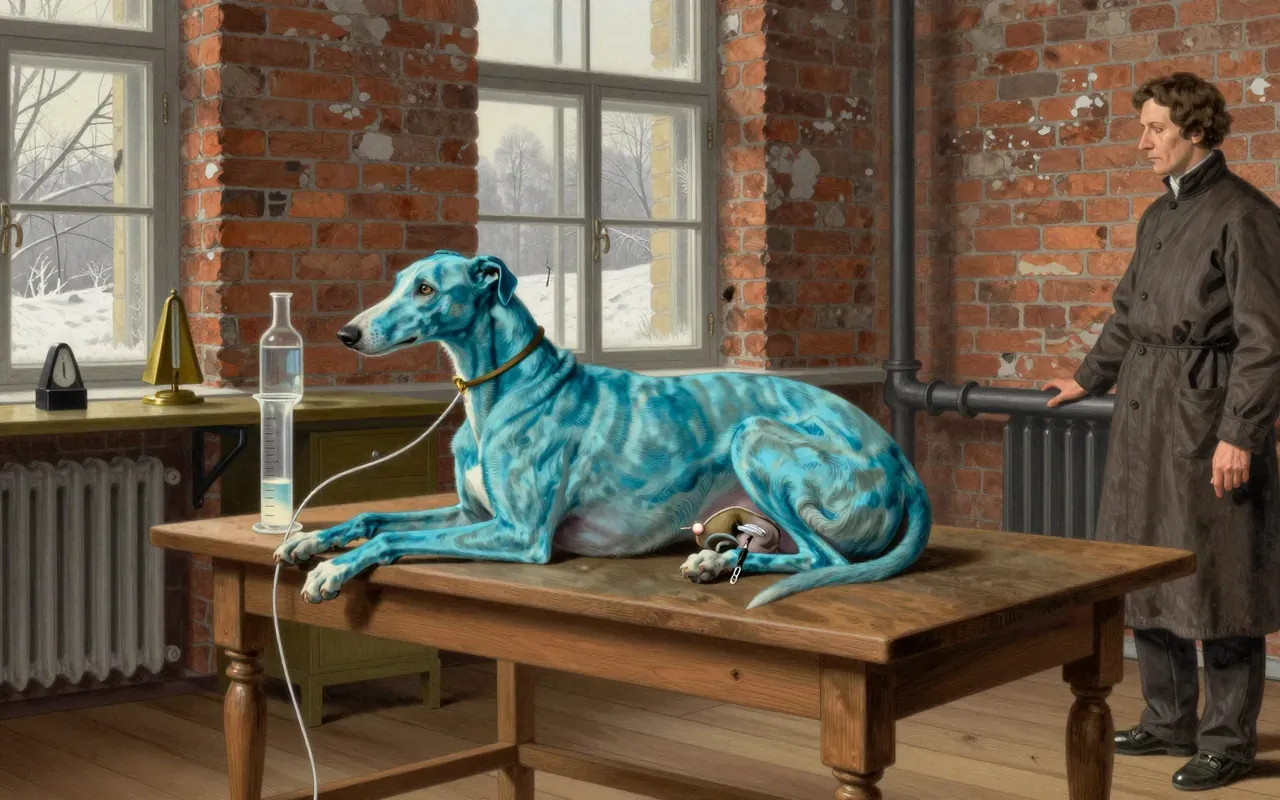
Pavlov conducted chronic experiments on dogs over 12 years. He surgically extracted digestive tissue, severed nerve bundles, and implanted fistulas to observe gland secretion in real time. He perfected the Pavlov pouch — an exteriorised stomach section with intact nerve supply.
What holds up
His digestion research established causal links between neural input and glandular output. The 1897 book and 1904 Nobel Prize confirm its empirical rigour and impact on physiology.
What does not
Classical conditioning was not the Nobel-recognised work. It was an incidental observation, not a hypothesis-driven investigation. The document does not support claims that Pavlov designed or interpreted it as a theory of learning.
Why it matters beyond the lab
It introduced chronic experimental physiology — a method that enabled later study of brain–body loops, stress responses, and gut–brain signalling. Its apparatus, not its anecdotes, changed lab practice.
Is it worth your time
Yes. It redefined how physiology is studied: long-term, intact-animal observation replaced acute, terminal experiments. The methods remain foundational in digestive and autonomic neuroscience.