sciencebriefs
Topic

Medicine

The practice of intervening in a body, with evidence arriving late.

61
in science
12:06
average
739 min
in total
124
across the network
Medicine across the network →
All briefs61
10:02

Avicenna

Avicenna invented conceptual scaffolding for science—not data, but the grammar of causality, certainty, and self-evidence.
8:44

Alexander Fleming

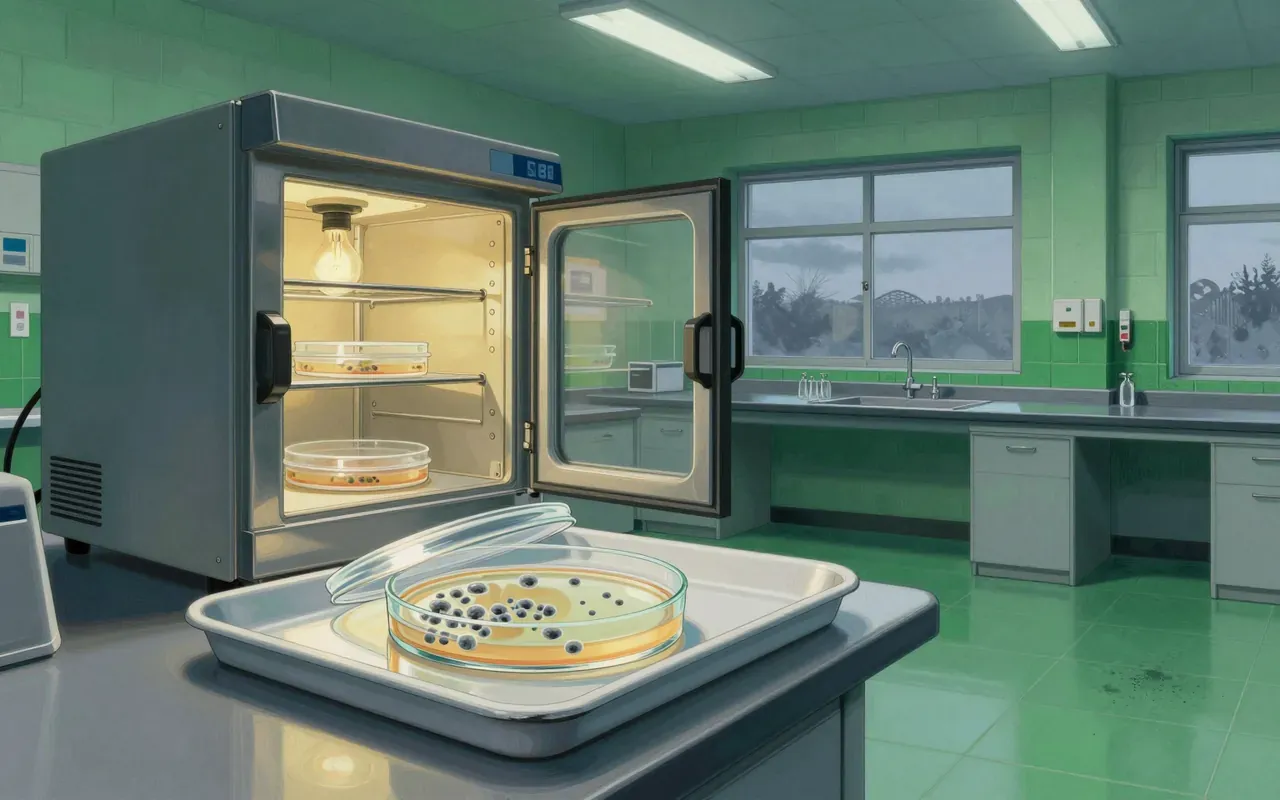
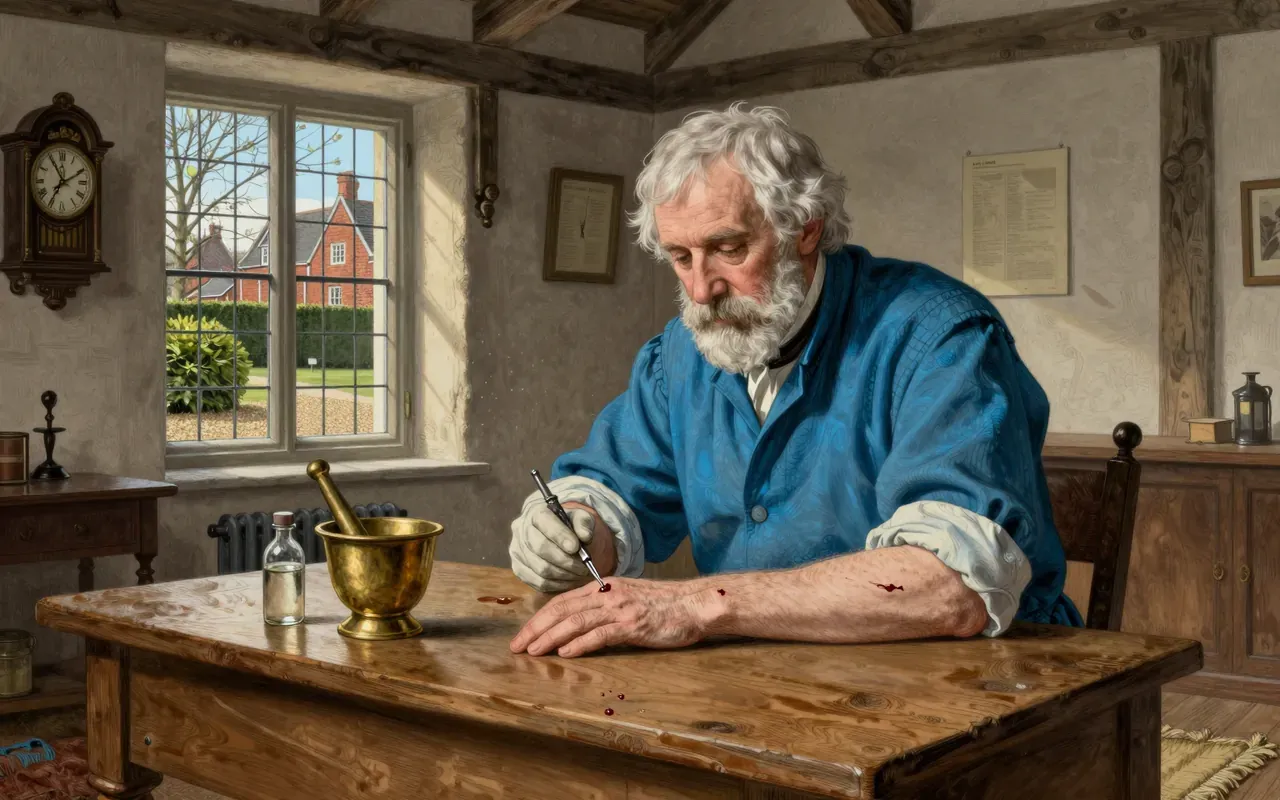
Fleming didn’t discover a drug — he discovered a warning system built into microbial ecology.
13:00

History of general anesthesia

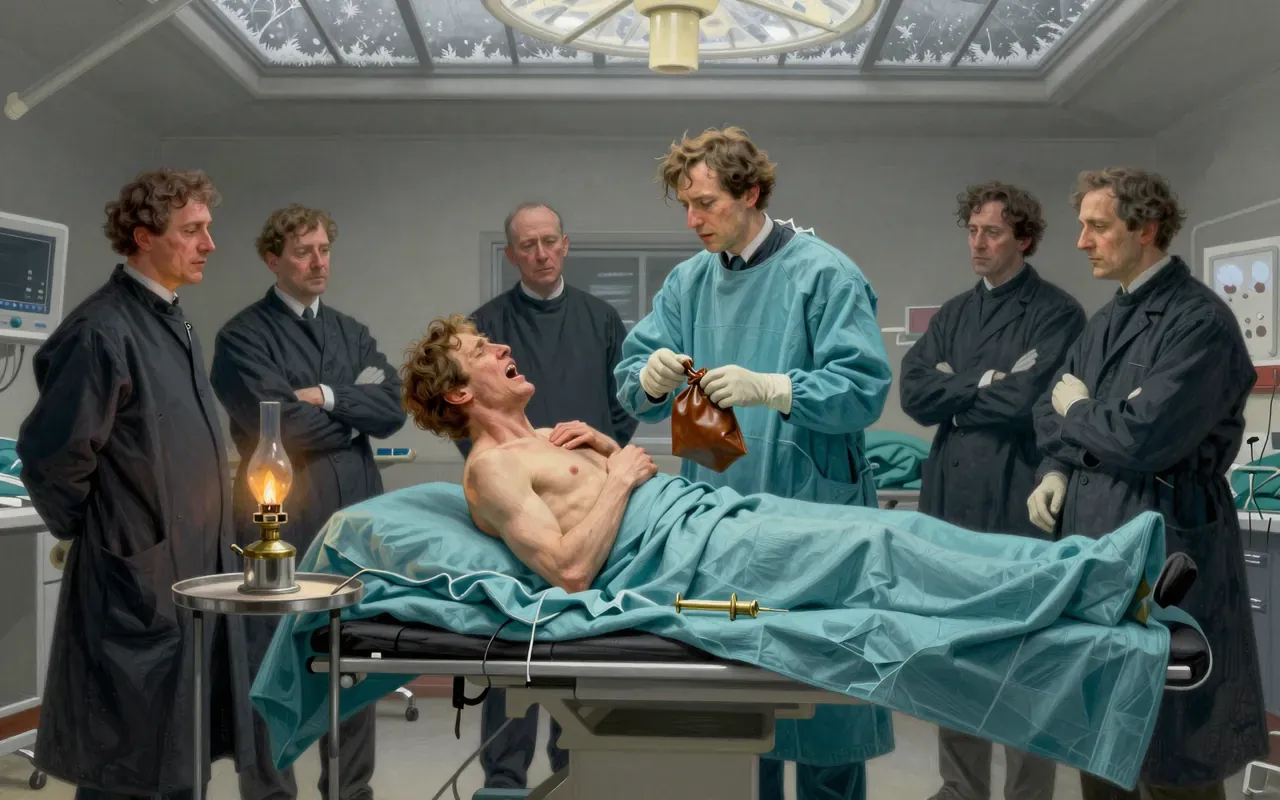
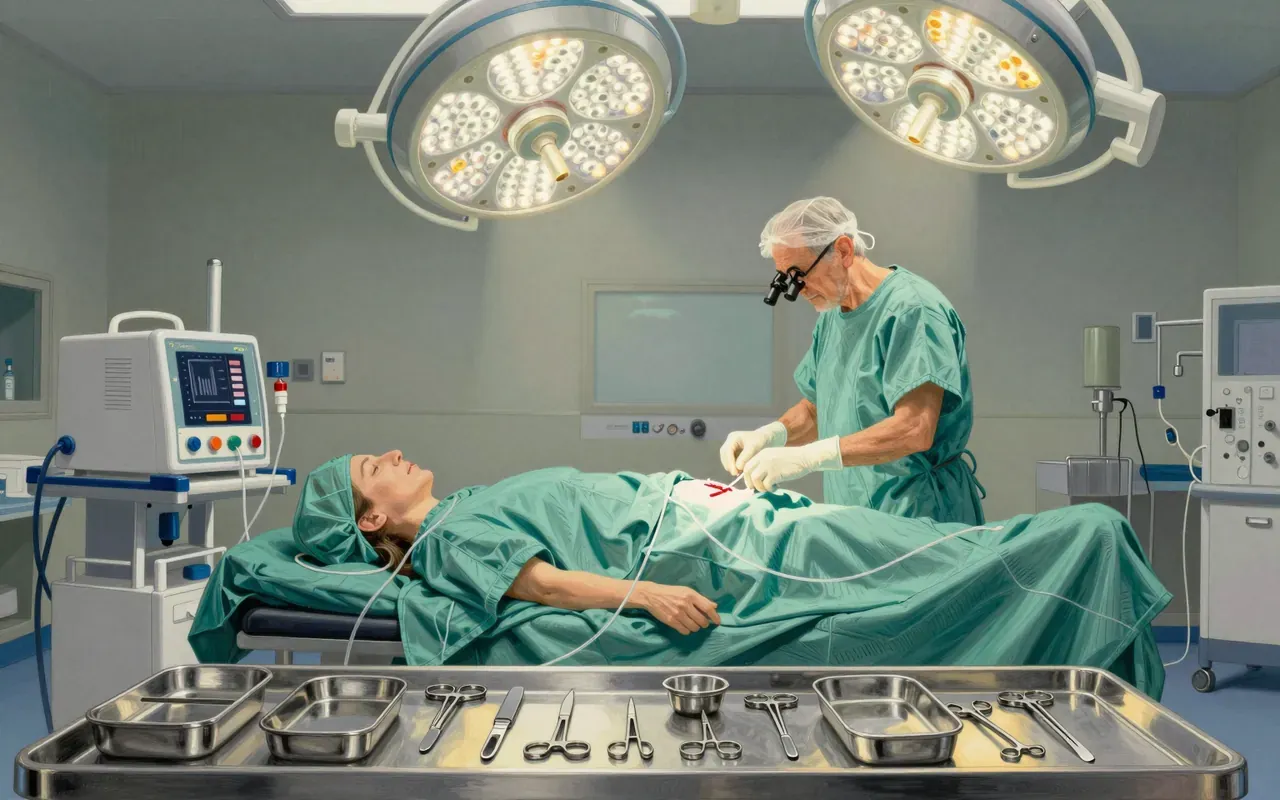
On 16 October 1846 William Morton administered ether so a surgeon could remove a tumour from a patient who felt no pain, a public proof of surgical anaesthesia that overshadowed an earlier, unpublished use of the same gas four years before.
13:00

Positron

Carl Anderson's 1932 cloud-chamber photograph of a positively charged electron confirmed Paul Dirac's theoretical prediction of antimatter, a discovery that later underpins hospital PET scanners.
13:00

Management of HIV/AIDS

David Ho's mid-1990s viral dynamics research showed HIV replicates and mutates too fast for any single drug to outlast it, an insight that became the case for combination therapy and turned a fatal diagnosis into a manageable one.
13:00

Asepsis

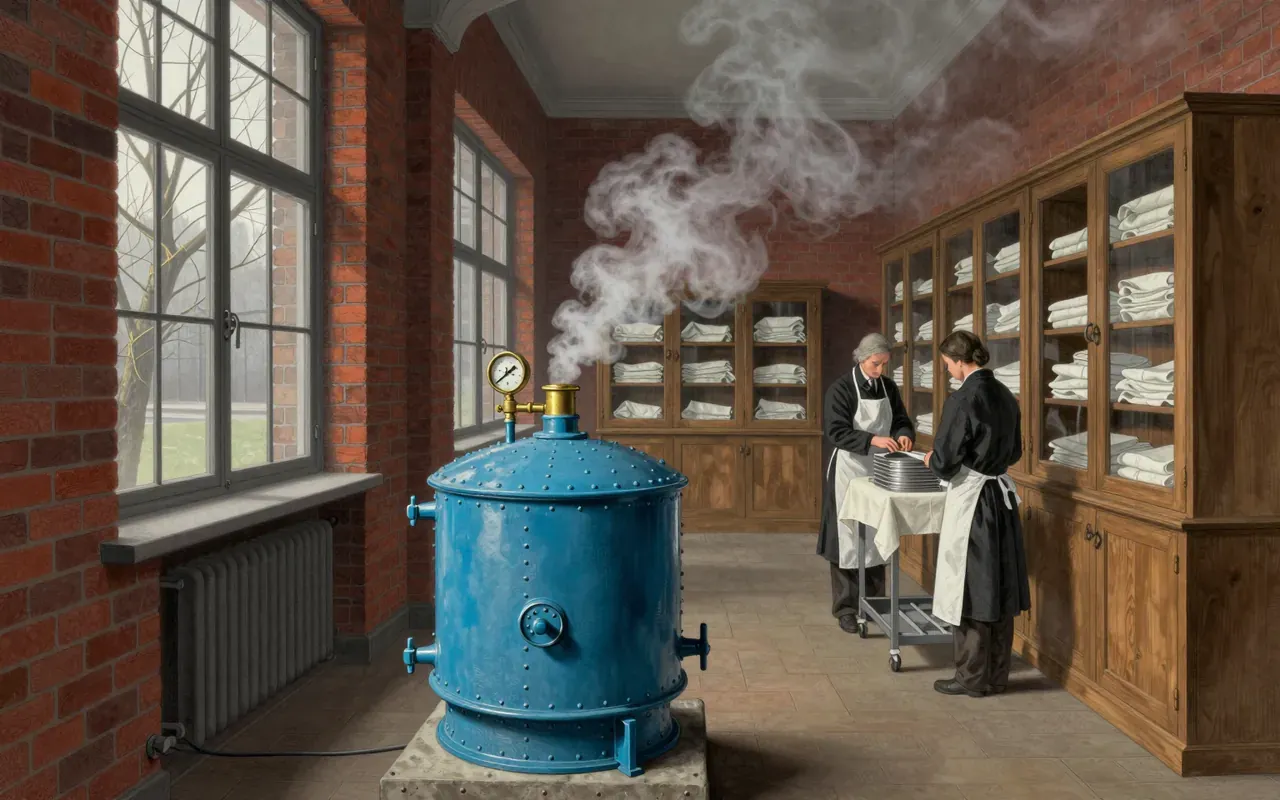
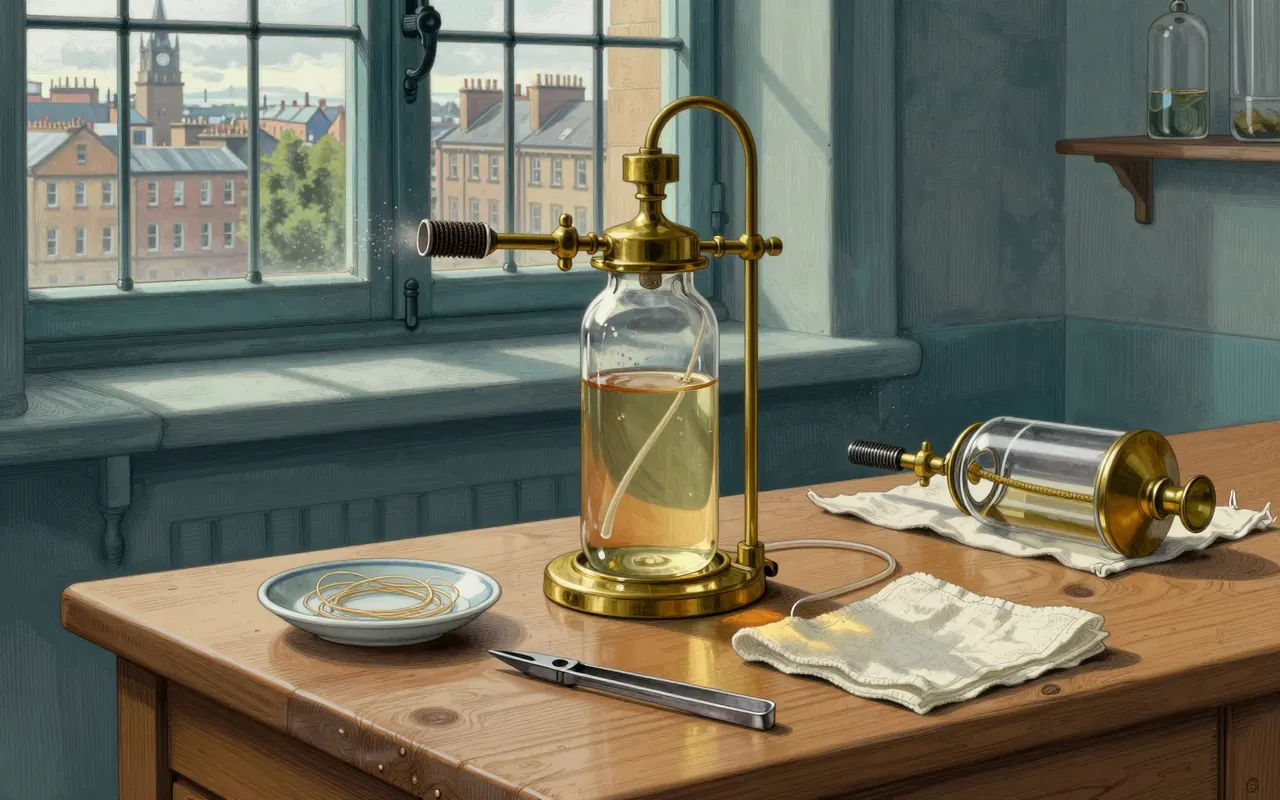
Where Joseph Lister's antiseptic method killed germs already in a wound with carbolic acid, Ernst von Bergmann's 1891 introduction of steam sterilization aimed to keep them out of the operating theatre altogether, a shift called asepsis.
13:00

Joseph Lister

From 1865 Joseph Lister applied Louis Pasteur's germ theory to the operating theatre, using carbolic acid to kill microbes on wounds, instruments and hands, and met years of resistance before antiseptic surgery became standard practice.
9:55

Barry Marshall

A man drank bacteria and proved ulcers were infectious—not psychological.
13:00

Cortisone

In 1948 Philip Hench found that a hormone Edward Kendall had isolated years earlier could dramatically relieve rheumatoid arthritis, and cortisone's stunning early results gave way to a more complicated picture once its long-term risks became clear.
13:00

CRISPR gene editing

CRISPR-Cas9, built from a bacterial virus-defence system decades in the discovering, turned gene editing into a routine laboratory tool now behind approved sickle-cell therapy and an unresolved fight over editing embryos.
8:44

Edward Jenner

Jenner didn’t invent vaccination — he invented the human challenge trial.
13:11

Functional magnetic resonance imaging

Seiji Ogawa

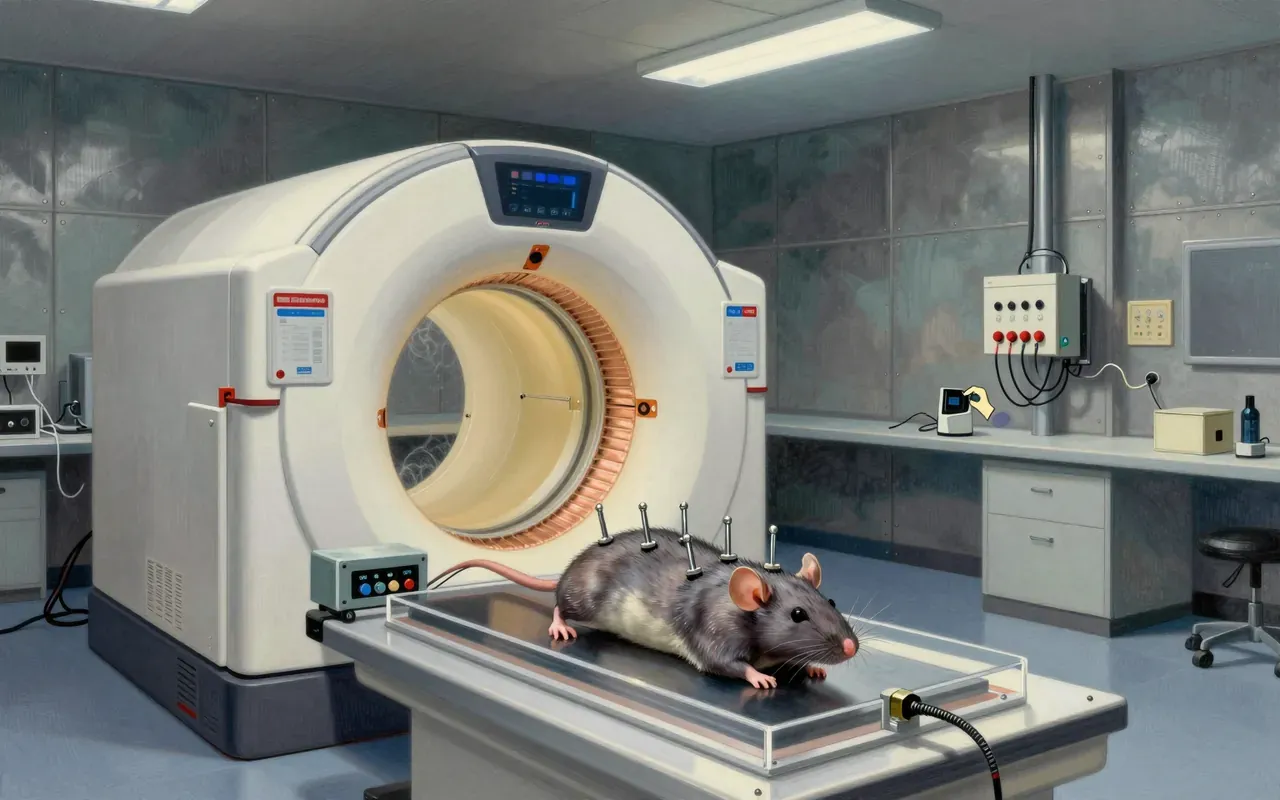
Ogawa’s 1990 work established the BOLD effect — a measurable, oxygenation-dependent MRI signal shift in rodent brain tissue — verified with blood samples and EEG correlation. It is the physical foundation of human fMRI, but maps vascular response, not neural activity directly.
11:14

Henrietta Lacks

HeLa didn’t just change science — it revealed that medical immortality has a name, a race, and no consent.
13:00

HIV

Two labs on opposite sides of the Atlantic isolated the same virus under different names within a year of each other, and it took another year of testing, and decades of dispute, to agree who found it first.
11:54

Ignaz Semmelweis

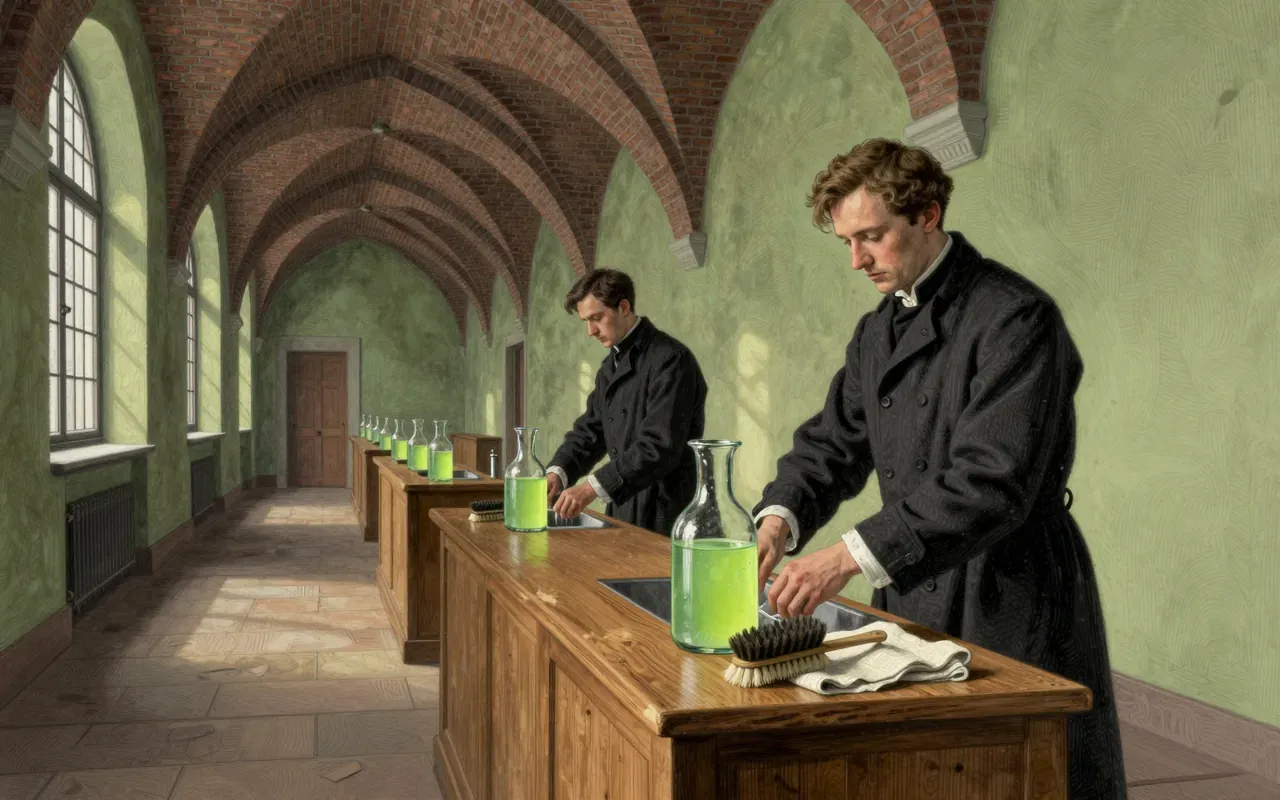
Semmelweis didn’t discover germs — he discovered that doctors were killing mothers, and proved it with monthly death counts.
13:00

Ciclosporin

A fungus brought back from Norway in 1971 yielded cyclosporine, a drug Jean-Francois Borel found in 1972 could suppress the immune system, transforming organ transplantation into a far more survivable procedure, though its discovery credit was later disputed.
10:06

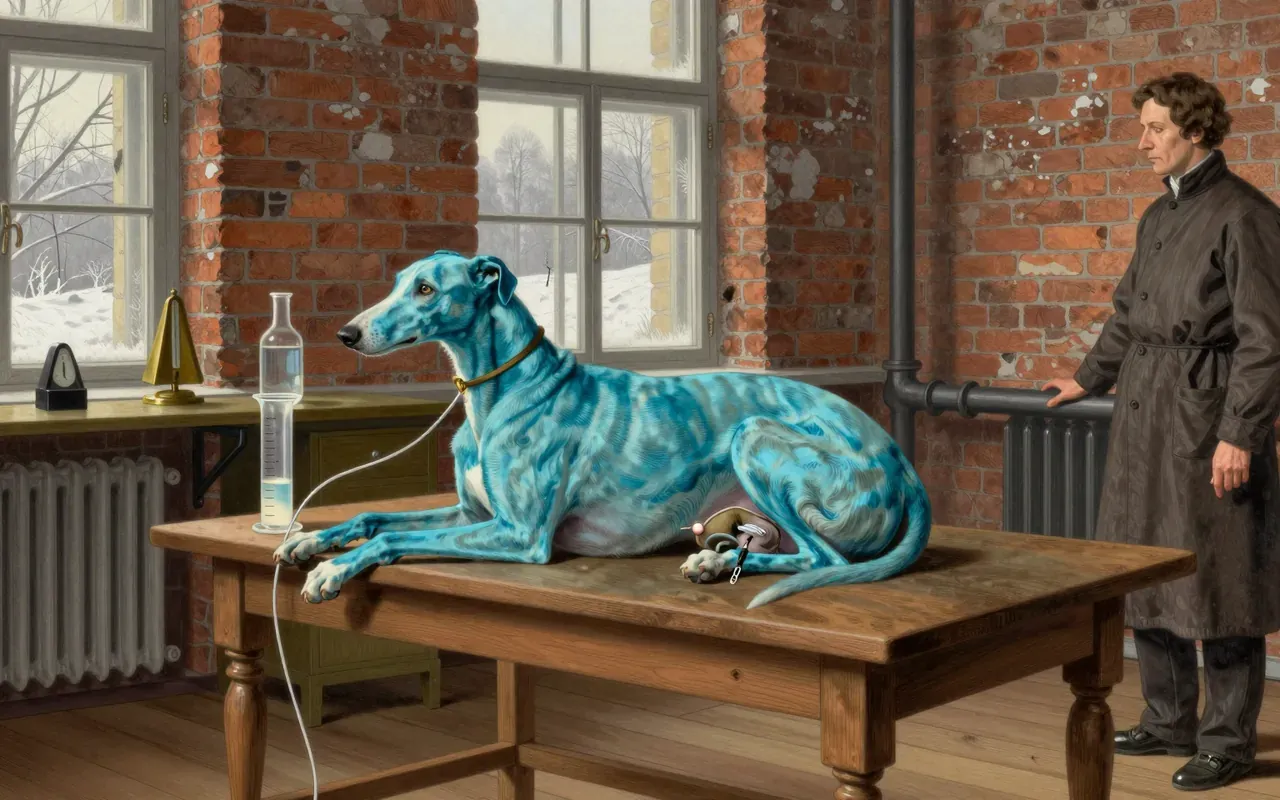
Ivan Pavlov

Pavlov won the Nobel Prize for stomach surgery — not salivation. The dog’s drool was a footnote, not the finding.
9:31

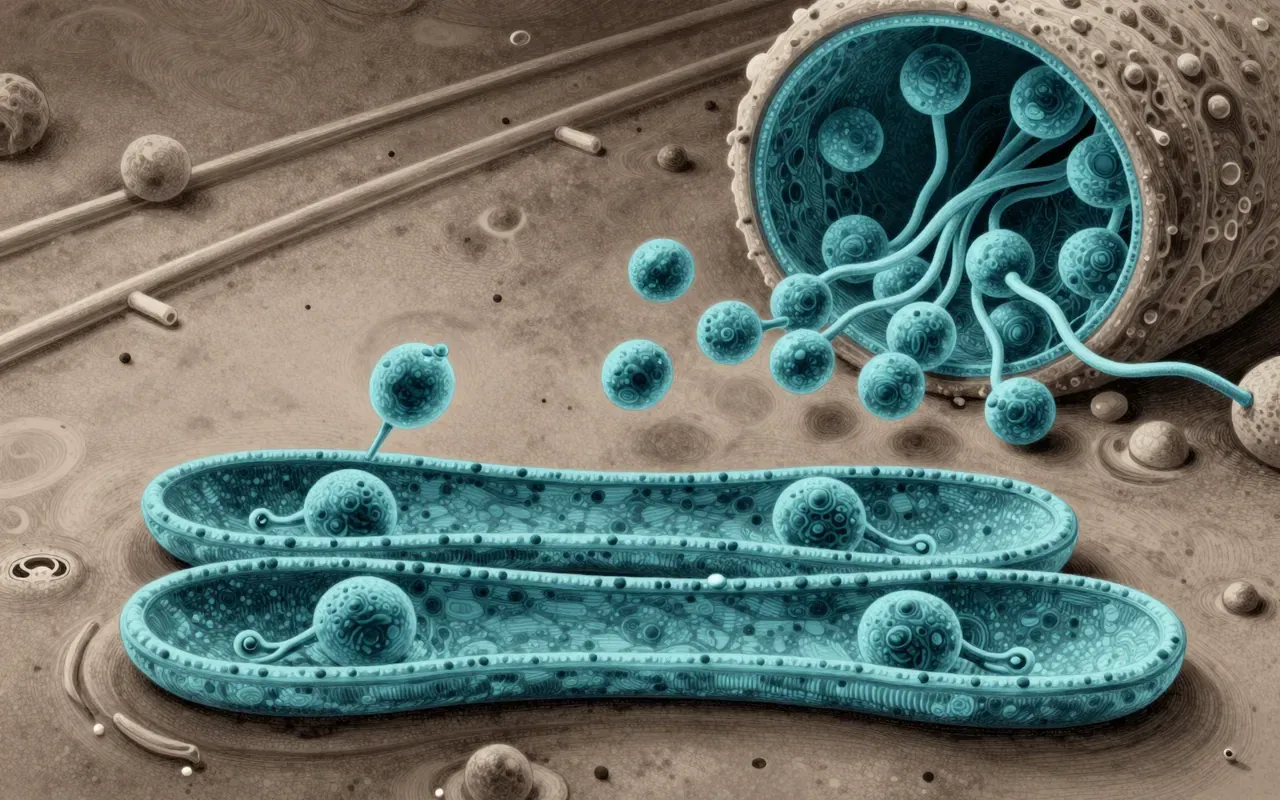
Lysosome

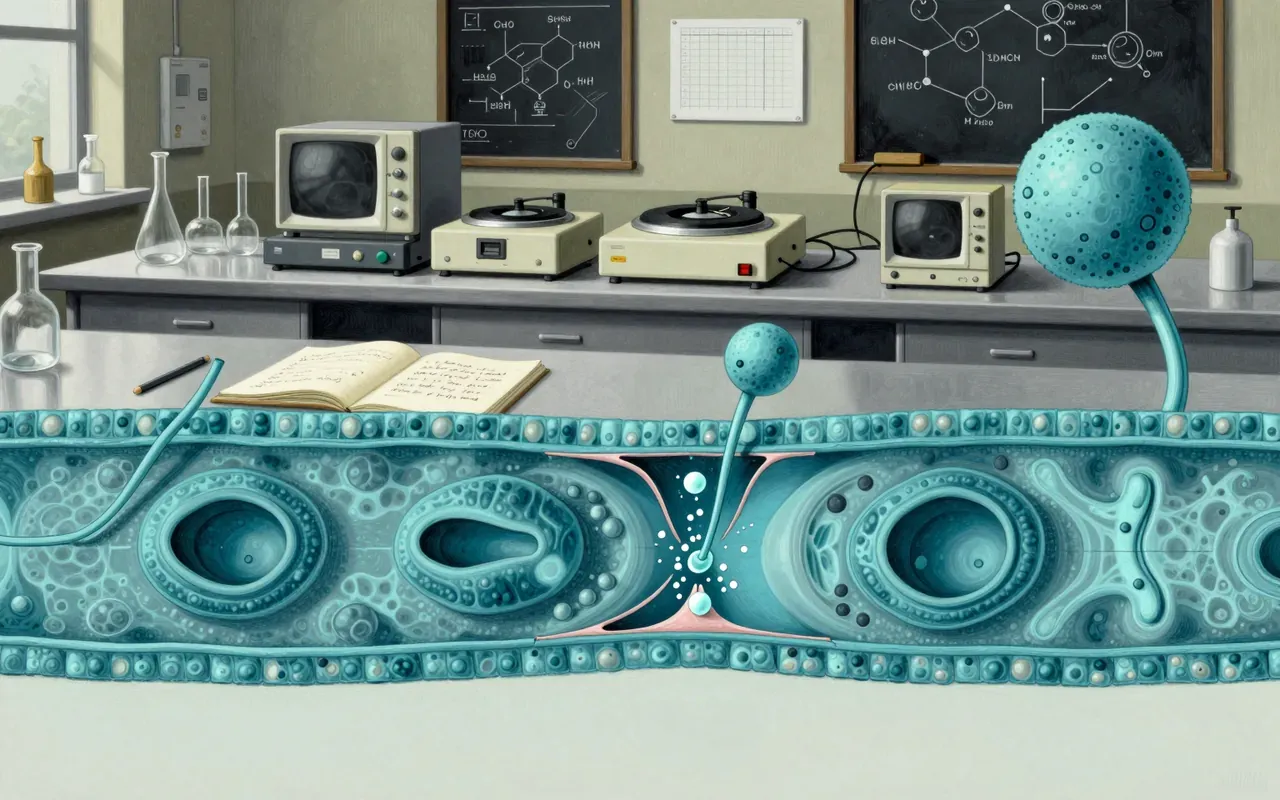
Lysosomes weren’t found — they were inferred from acid phosphatase, then confirmed by centrifugation.
13:00

Magnetic resonance imaging

Paul Lauterbur's 1973 idea of adding magnetic field gradients to nuclear magnetic resonance let it produce images instead of single readings — and thirty years later the Nobel committee's choice of who to credit left one rival taking out newspaper adverts.
13:00

Melatonin

American and European sleep guidelines look at the same melatonin evidence and reach opposite conclusions about treating insomnia, and this brief follows that split alongside what melatonin actually does in the body before it ever reaches a bottle.
13:00

Combined oral contraceptive pill

Gregory Pincus and John Rock turned a 1950s hypothesis about progesterone into the first oral contraceptive, tested on women in Puerto Rico whose reported side effects were overridden on the way to FDA approval in 1960.
13:00

History of penicillin

Howard Florey and Ernst Chain's Oxford team, aided by a mould found on a Peoria cantaloupe, turned Fleming's decade-old observation into billions of units of penicillin a year, though Britain's refusal to patent the method cost it years of royalties.
13:00

Polymerase chain reaction

Thirty cycles of heating and cooling turn one strand of DNA into roughly a billion copies. The method came from Kary Mullis in 1983 and won a Nobel Prize; his later claims about HIV and AIDS did not come from the same place and should not borrow its authority.
13:00

Positron emission tomography

PET scanning images metabolic activity rather than anatomy, by catching the paired gamma rays a positron tracer produces on annihilation — a physical trick that took decades, and Michel Ter-Pogossian's team, to turn into a working scanner.
13:00

Prime editing

David Liu's lab built a gene editor that writes new DNA directly into place without cutting both strands, and by 2025 a version of it had reportedly cleared a genetic disease from two patients' cells.
13:00

COVID-19 pandemic

Confirmed COVID-19 deaths sit around seven million, but excess-mortality estimates run two to five times higher, and years on, researchers still cannot say for certain which animal carried the virus to humans in Wuhan.
13:00

Snake venom

Snake venom is a mixture of enzymes and peptides, not a single poison, and its neurotoxins each interrupt one precise step in how a nerve signals a muscle — a mechanism well established even where the broader classification of venom types is not.
8:32

Cell-mediated immunity

Cell-mediated immunity isn’t a discovery—it’s a category carved from a 19th-century conceptual split.
8:40

Blood–brain barrier

Paul Ehrlich

Ehrlich’s intravenous dye experiments revealed selective absence of brain staining — but he misinterpreted it as passive under-uptake. His student Goldmann’s 1913 intracerebrospinal injection proved compartmentalization. The barrier was attributed to blood vessels, not a membrane. Ehrlich never believed in it. The term came later, from Lina Stern.
13:00

Confocal microscopy

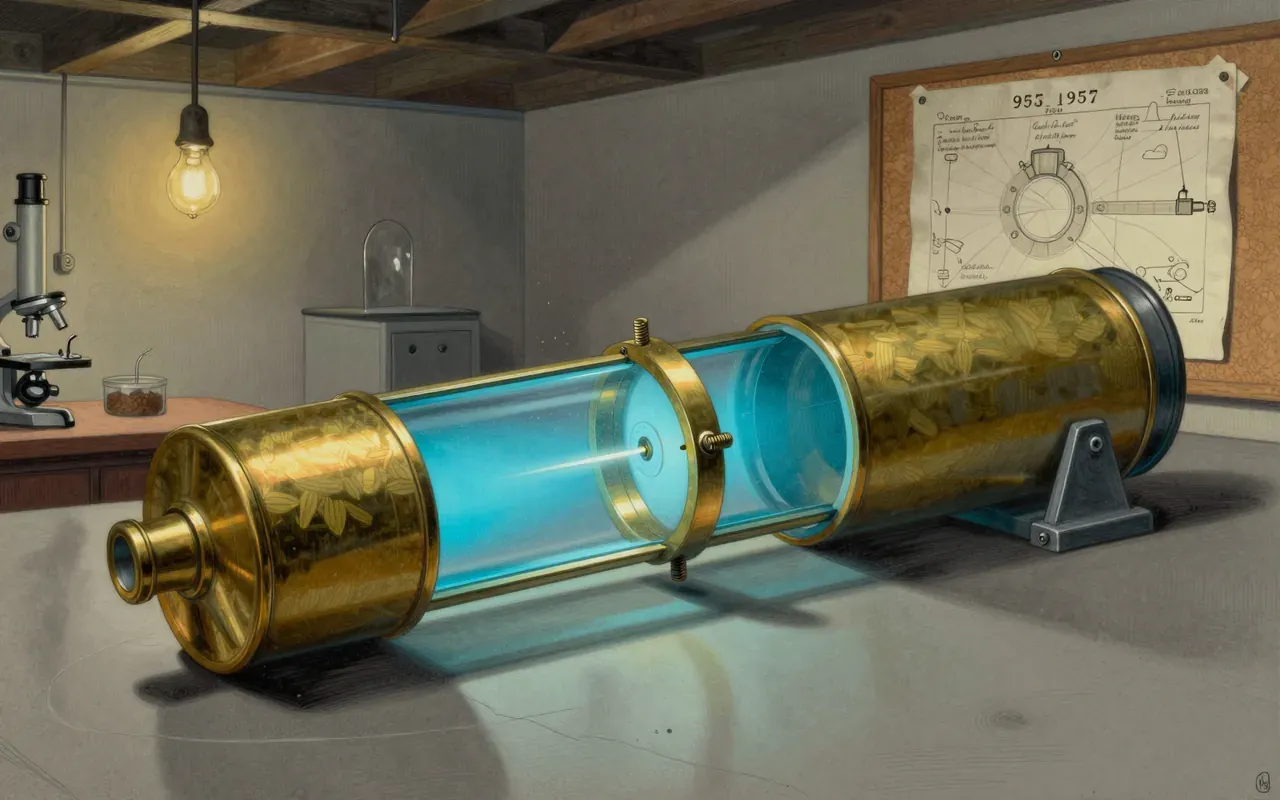
Marvin Minsky patented a microscope in 1957 that could see one thin layer of a sample sharply by blocking out all the light from everywhere else, and then the idea sat almost unused for thirty years because no light source was strong enough to make it work.
13:00

CT scan

Godfrey Hounsfield built a scanner from an idea on a country walk; Allan Cormack had already worked out the mathematics years earlier without knowing anyone intended to build the machine.
13:00

Penicillin

Alexander Fleming's 1928 observation that a stray mould killed his bacterial cultures sat mostly ignored for a decade until Howard Florey and Ernst Chain turned it into the first mass-produced antibiotic.
13:00

Blood type

In 1900 and 1901 Karl Landsteiner mixed blood from his colleagues and found it clumped in a consistent pattern, revealing the ABO blood groups that explained why transfusions had so often killed patients before.
13:00

Prion

Stanley Prusiner proposed that an infectious agent could be a misfolded protein with no genetic material at all — a claim his own field initially rejected as impossible.
13:00

Oncogene

Bishop and Varmus's 1976 discovery that a cancer virus's src gene was actually a captured, mutated version of a normal cellular gene reframed cancer as damage to the cell's own machinery, not a foreign invasion.
13:00

Vitamin A

A 1913 feeding experiment on rats at a Wisconsin farm station established that fat could carry an essential nutrient — the discovery that gave nutrition science the category of vitamin, and fixed the name, vitamin A, after a decade of dispute over what to call it.
13:00

Vitamin

Frederick Hopkins didn't discover a vitamin; he proved by feeding trial that food contains something beyond protein, fat and carbohydrate that animals cannot grow without.
13:00

X-ray

In November 1895 Wilhelm Rontgen noticed a screen glowing near a covered vacuum tube and, within weeks, had produced an X-ray of his wife's hand, a discovery adopted by medicine so fast that its radiation dangers were only understood after the damage had been done.
13:00

Dutch famine of 1944–1945

The precisely dated 1944-45 Dutch famine let researchers trace, decades later, how prenatal starvation shaped adult diabetes, heart disease and possibly even grandchildren's health through epigenetic change.
13:00

Electrocardiography

Willem Einthoven's 1903 string galvanometer, a device that needed five operators and weighed 270 kilograms, turned the heart's faint electrical signal into a readable trace and gave cardiology the electrocardiogram.
13:00

Enkephalin

In 1975 researchers identified enkephalin, a chain of just five amino acids made in the brain, as a substance the body produces on its own that binds the very receptors morphine does — the first sign of a whole family of the body's own pain and reward chemistry.
9:07

Endoplasmic reticulum

Seeing a structure is not understanding it — and the endoplasmic reticulum took 48 years just to become visible.
13:00

Recombinant DNA

Stanley Cohen and Herbert Boyer's 1973 splicing of foreign DNA into bacteria became the first licensed recombinant drug within five years, after scientists paused their own field in 1975 to weigh the risks first.
13:00

Kidney transplantation

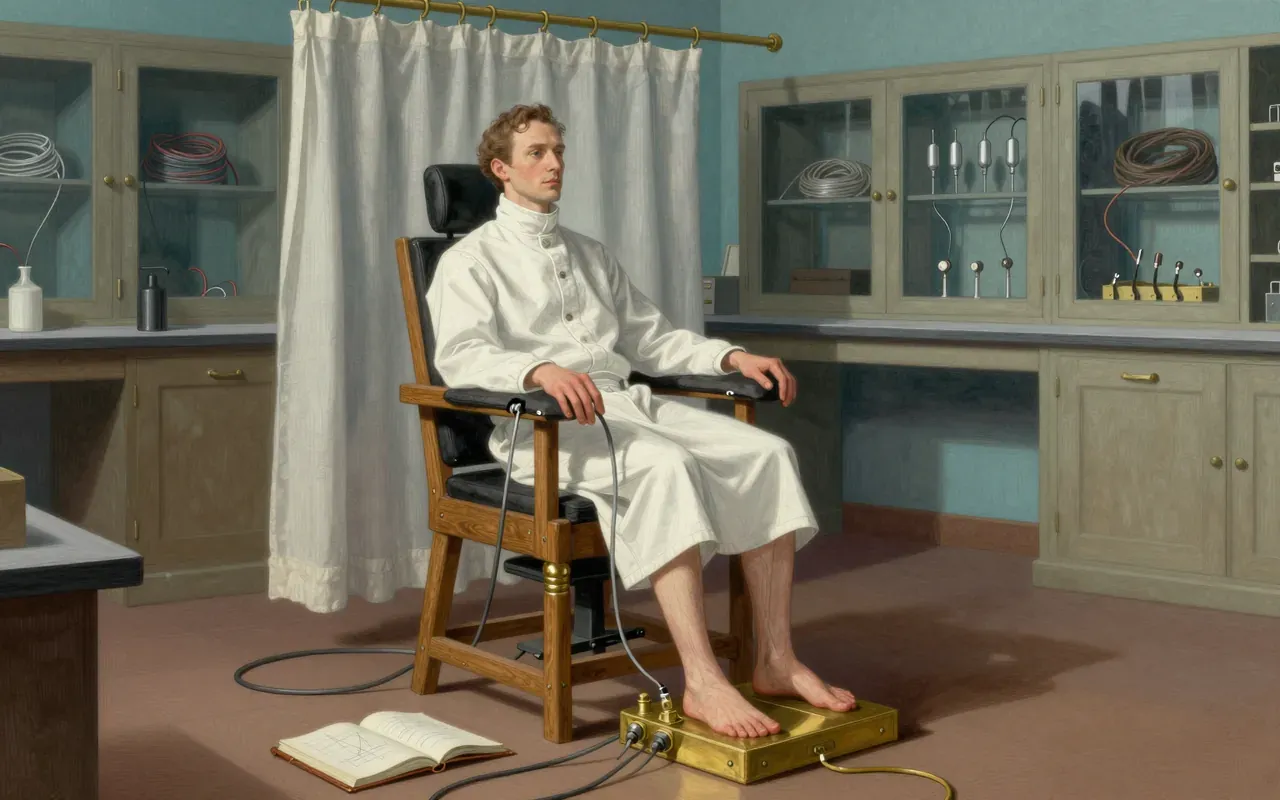
On 23 December 1954 Joseph Murray transplanted a kidney between identical twins Richard and Ronald Herrick, sidestepping the rejection problem that had defeated every earlier attempt, and the ethical question of operating on a healthy donor to help his brother.
13:00

Flow cytometry

An instrument that now sorts thousands of individual cells a second by their exact chemistry began as two borrowed industrial tricks, an electrical particle counter and an ink-jet printer, combined into a single machine decades apart.
9:19

Golgi apparatus

Camillo Golgi

Camillo Golgi discovered the Golgi apparatus in 1898 using osmium dichromate staining on barn owl Purkinje cells. He named it 'apparato reticolare interno' and asserted it was a real, unique cellular component. Initial scepticism held that it was an optical illusion. The finding was not firmly established until electron microscopy emerged ~50 years later. It revealed a new intracellular structure but gave no insight into its function, mechanism, or universality.
12:05

Hayflick limit

Hayflick

Hayflick’s 1962 work established a finite replication limit for normal human fetal cells — 40–60 divisions — using culture methods and a definitive male-female co-culture experiment. It refuted Carrel’s immortality claim, distinguished mortal normal from immortal cancer cells, and produced WI-38 — the foundational cell strain for vaccine development. It did not identify the counting mechanism, nor prove cellular senescence drives whole-organism aging.

9:26

Human Microbiome Project

It gave us the first map of where microbes live in healthy humans — not why they matter, not how to fix them, just where they are.
13:00

Insulin

In 1921 Frederick Banting, Charles Best, John Macleod and James Collip at the University of Toronto isolated and purified insulin from animal pancreases, turning a previously fatal diagnosis into a manageable condition within months.
13:00

Human microbiome

Trillions of microbes live on and in every human body, and genetic sequencing has replaced old guesses about their numbers and roles — but most links between the microbiome and disease remain correlations, not proven causes.
13:00

RNA interference

In 1998 Andrew Fire and Craig Mello found that double-stranded RNA, not single-stranded RNA, silences genes with striking potency in roundworms, revealing RNA interference as a cellular pathway now used as both a lab tool and a medicine.
13:00

Thermal cycler

An enzyme borrowed from a bacterium that lives in hot springs let a single sealed machine copy a chosen stretch of DNA over and over, doubling it with every cycle, and turned an idea worked out on a car journey into the standard tool of molecular biology.
13:00

RECOVERY Trial

A single UK trial tested ten COVID-19 treatments in one adaptive framework, found a cheap steroid cut ventilator deaths by roughly a third, and just as firmly ruled out several drugs that had drawn far more public attention.
13:00

Stethoscope

In 1816 Rene Laennec rolled a sheet of paper into a tube rather than press his ear to a female patient's chest, and the instrument he built from that improvisation let him match chest sounds to disease for the first time.
13:00

Vitamin C

James Lind showed citrus cured scurvy in 1747 and the advice was ignored for decades; Albert Szent-Györgyi isolated the actual compound in 1927 and still needed another scientist's proof to confirm what he had found.
13:00

Vitamin D

Cod liver oil and sunlight looked like unrelated folk remedies for rickets until researchers proved both worked through the same molecule, vitamin D — a discovery that eliminated a disfiguring childhood disease at national scale.
9:37

Induced pluripotent stem cell

Yamanaka

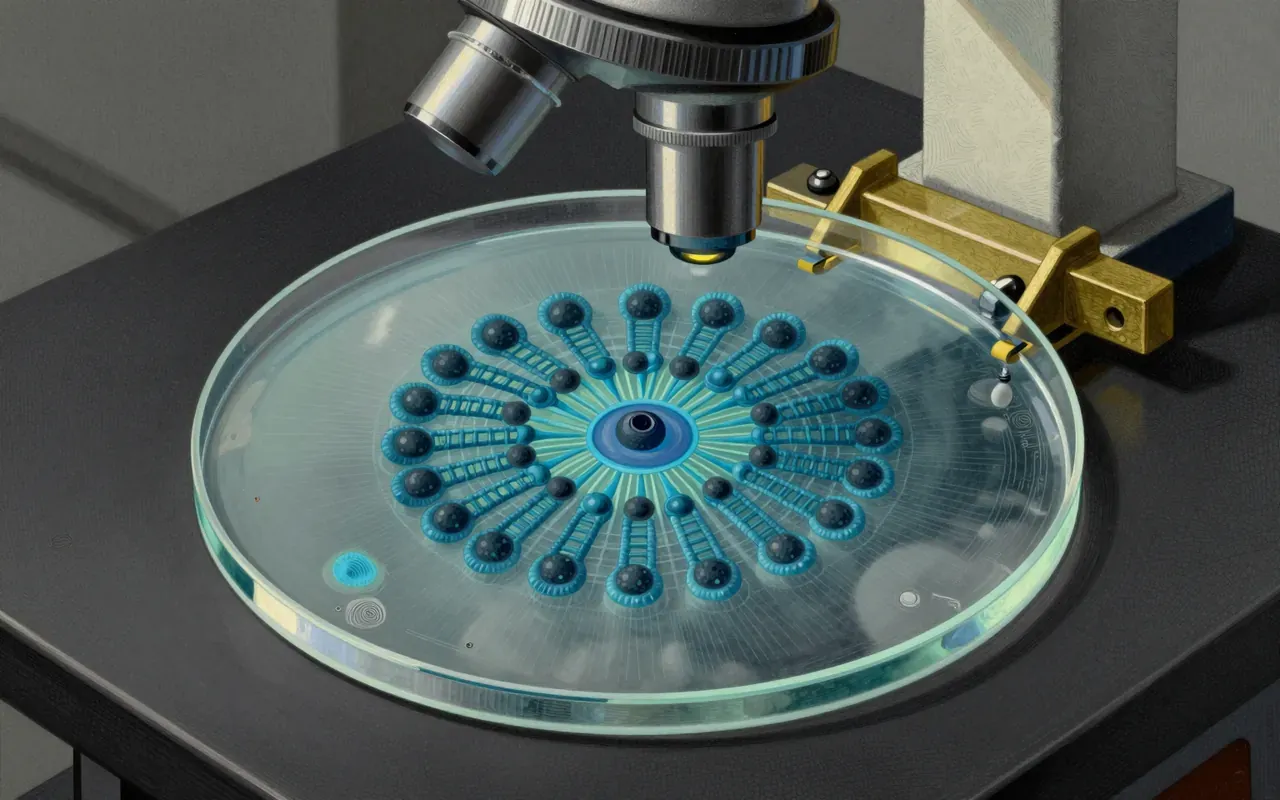
iPSCs are somatic cells reprogrammed to pluripotency using four transcription factors. Demonstrated in 2006 in mouse fibroblasts via retroviral delivery and Fbx15 selection. Established direct reprogramming as possible—but only to the level of Fbx15 reactivation, not full pluripotency validation.
13:00

Zinc finger

Aaron Klug's laboratory found that a small zinc-stabilised loop of protein, first spotted in a frog transcription factor, recurs across the genome as a modular way for proteins to grip specific DNA sequences.