sciencebriefs
all subjects →
10:11in productionCh. 1 · Names, not numbers/ 10:11 · ceiling 15 min
Evolution · Ecology

Jane Goodall

Goodall didn’t just watch chimps — she dismantled the scientific fiction of human exceptionalism with a stripped twig and a notebook.

Goodall’s work established that wild chimpanzees construct tools, hunt meat, wage war, kill infants, and transmit knowledge — all observed directly at Gombe Stream from 1960. It overturned two dogmas: that only humans make tools, and that chimpanzees are vegetarians. It did not prove continuity of mind, language, or morality — only behavioural parallels grounded in observation. Its power lies in what it measured: actions, not intentions; objects modified, not thoughts inferred.

Chapters & takeaways4
  1. 0:57
    Names, not numbers

    Naming individuals instead of numbering them was a methodological rupture — not sentimentality, but a commitment to observing continuity in identity and relationship.

  2. 3:19
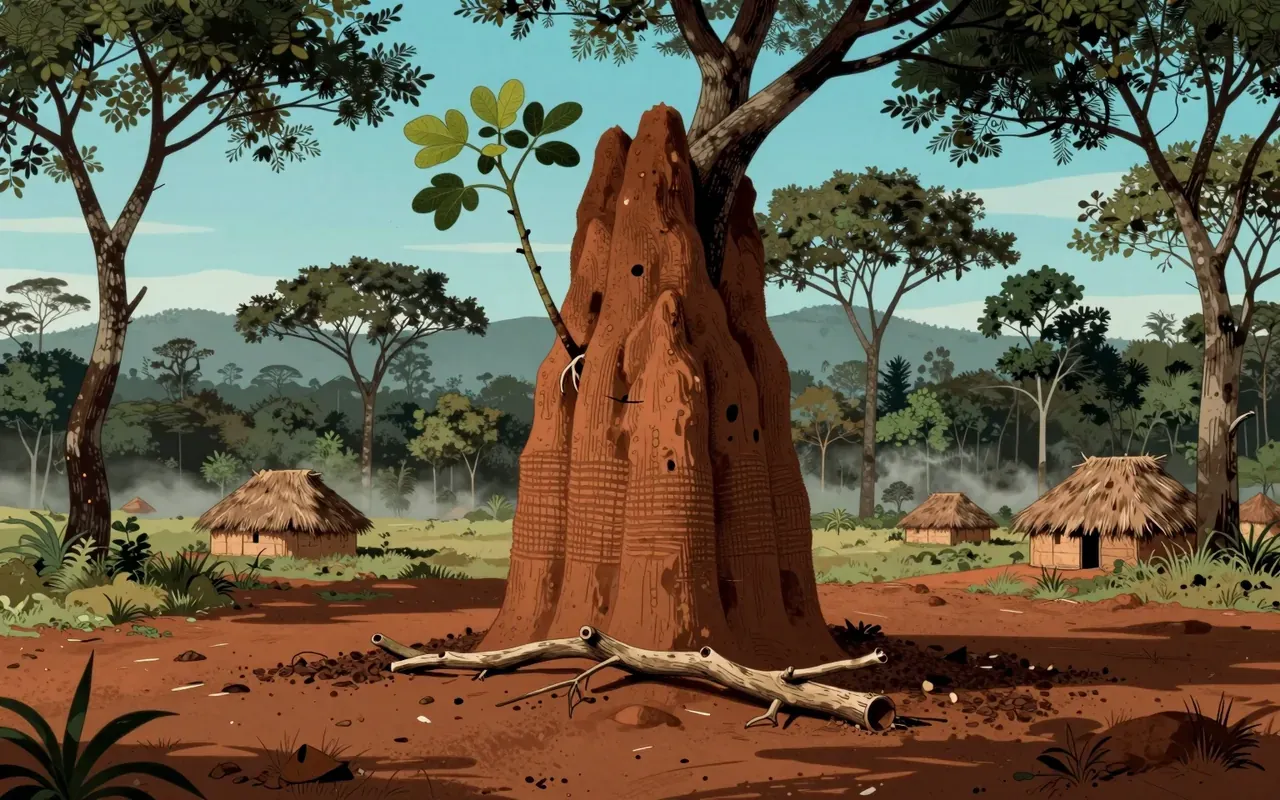
    The twig that broke the rule

    A stripped twig used to fish for termites disproved the dogma that only humans make tools — and revealed toolmaking as incremental, observable, and natural.

  3. 4:22
    Blood on the leaves

    Systematic hunting of colobus monkeys and infanticide by dominant females showed chimpanzee behaviour was not peaceful or vegetarian — but socially strategic and violently adaptive.

  4. 5:49
    Culture without words

    Long-term observation of the Kasakela community revealed cultural transmission — knowledge passed across generations — not just instinct or imitation.

Worth your time?

Yes. Study the whole thing.

4.5/ 5
What works
  • tool use
  • meat-eating
  • infanticide
  • cultural transmission
What does not
  • prove human uniqueness false
  • establish chimpanzee language or moral reasoning
  • report statistical sampling or error margins
  • describe consensus or replication
Study it if
  • biologists
  • anthropologists
  • conservationists
Skip it if
  • philosophers of mind
  • neuroscientists
  • AI researchers
The written brief1 min read

What the work claims

Chimpanzees share key traits with humans — tool use, complex emotions, lasting social bonds, organised warfare, and intergenerational knowledge transfer — redefining the human–animal distinction.

How it was done

Goodall observed chimpanzees in the Kasakela community at Gombe Stream National Park, Tanzania, beginning in 1960. She named individuals rather than assigning numbers. She documented behaviours over time, including watching a chimpanzee modify grass stalks and twigs to fish for termites.

What holds up

That chimpanzees construct and use tools; hunt and eat colobus monkeys; engage in systematic aggression including infanticide and cannibalism; form lasting social bonds; and transmit knowledge across generations. All were observed directly at Gombe Stream.

What does not

The sources do not establish that Goodall’s findings proved human uniqueness is illusory, or that they resolved debates about animal consciousness, language, or moral status. They do not report replication, consensus, or refutation of her claims by others.

Why it matters beyond the lab

It shifted anthropology, psychology, and conservation by showing that behavioural complexity once deemed uniquely human exists in wild chimpanzees — altering how we classify, study, and protect other species.

Is it worth your time

Yes. It redefined core assumptions about tool use, diet, aggression, and culture in non-human animals — all from direct, long-term field observation.

Same field · Evolution4 of 45
Up next in Science

Jean-Baptiste Lamarck

· 9:46

Lamarck didn’t get evolution wrong — he built the first working theory of it, and it still shapes how we ask biological questions.

9:46