A small compartment for a dangerous molecule
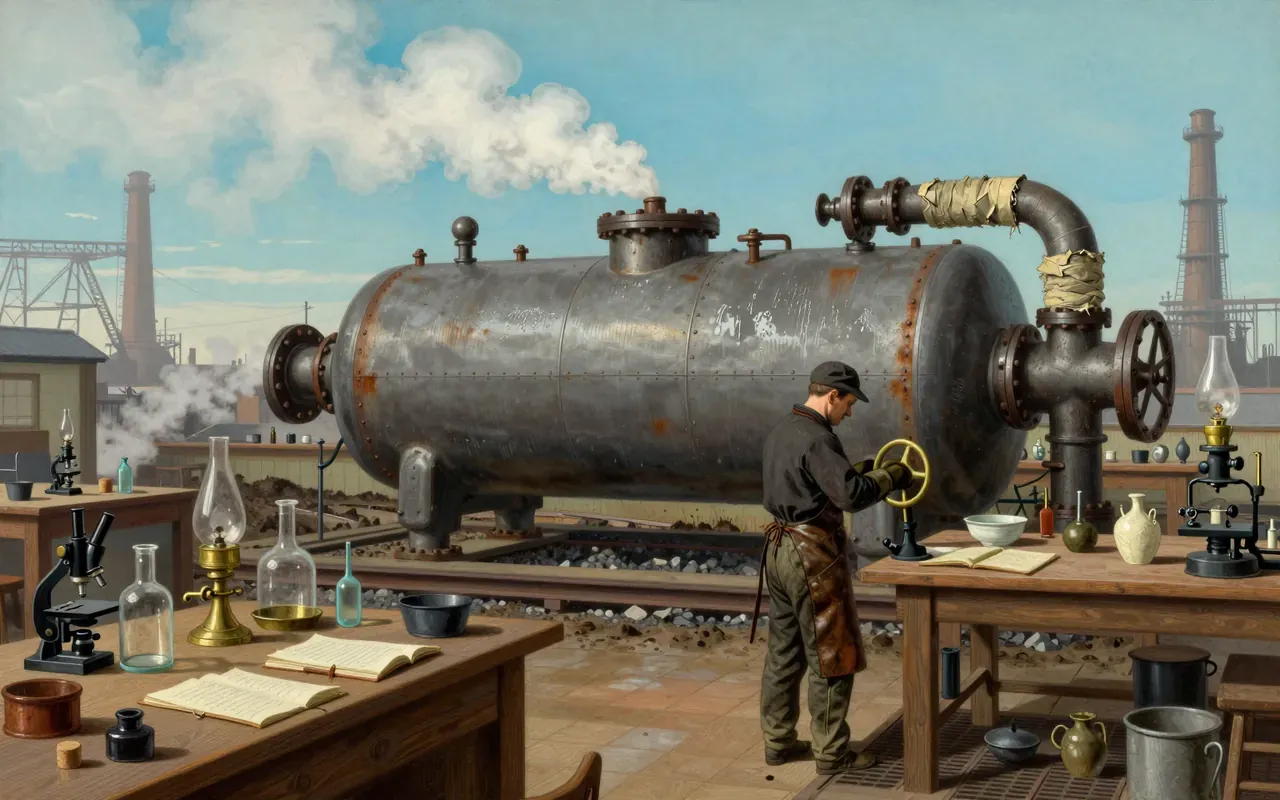
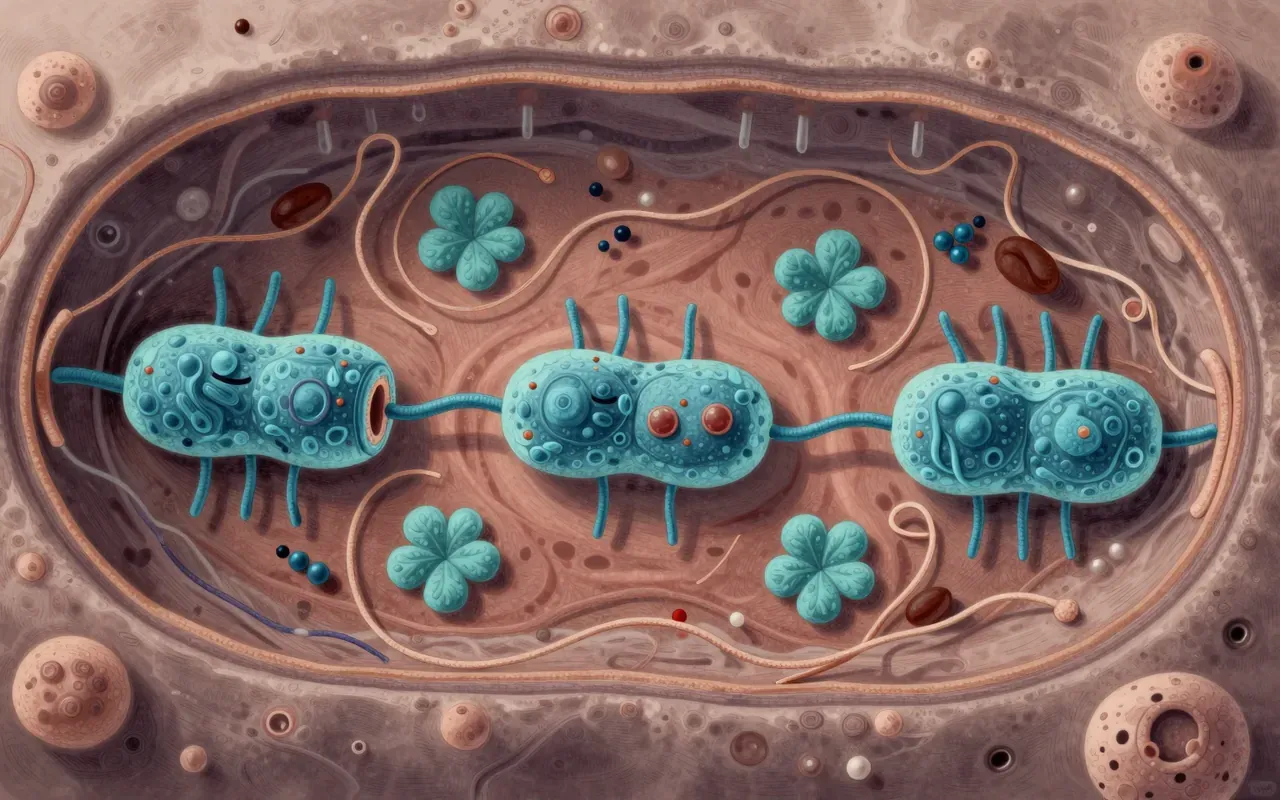
The organelle at the centre of this brief is easy to overlook next to mitochondria, but the claim is that it does distinct and necessary chemical work of its own. A peroxisome is a small, single-membrane compartment found throughout the cytoplasm of eukaryotic cells, and its defining job is managing hydrogen peroxide, a reactive molecule generated as a byproduct of certain oxidation reactions. Inside the peroxisome, oxidase enzymes produce hydrogen peroxide as they break down various compounds, and catalase then converts that hydrogen peroxide into ordinary water and oxygen before it can do damage elsewhere in the cell. This peroxide-handling role is literally where the organelle gets its name, and it sits alongside a second, equally important job: breaking down certain fats that other organelles cannot process on their own.
Found while looking for something else
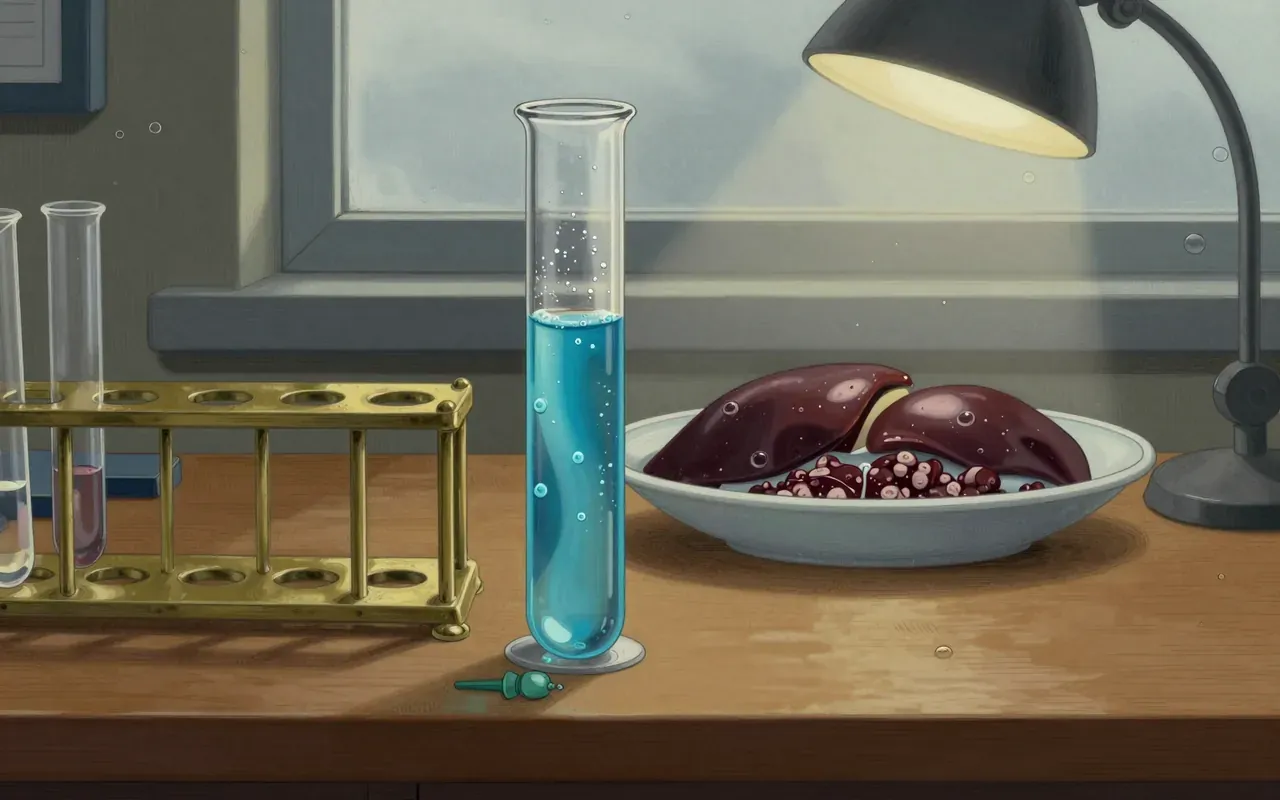
The peroxisome was not found by design. Christian de Duve’s laboratory was using cell fractionation, spinning disrupted liver cells to separate their components by density, to study a different organelle, the lysosome, when unexpected enzymes turned up in fractions that did not match what lysosomes were known to contain. De Duve recognised that these enzymes, including catalase, shared a common distribution pattern suggesting a distinct compartment, but he held off publishing until the evidence was solid, presenting preliminary findings years before formally naming the organelle in 1966. That caution is presented as characteristic of how the discovery unfolded: an odd biochemical signal, followed by a long period of confirming it pointed to something real rather than an artefact of the fractionation method.
What peroxisomes actually break down
Two metabolic roles anchor the peroxisome’s importance. The first is beta-oxidation of very long chain fatty acids, fats too long for mitochondria to process directly; peroxisomes shorten them into forms mitochondria can then finish breaking down, though in yeast and plants this fat-processing job is handled by peroxisomes from start to finish. The second is the earliest steps of building plasmalogens, a type of phospholipid that makes up a substantial share of the fatty material in myelin, the insulating sheath around nerve fibres. Because this synthesis step happens nowhere else in the cell, a peroxisome that cannot perform it leaves nerve cells without enough plasmalogen to build myelin properly. Peroxisomes also contribute to bile acid production and to processing certain branched fatty acids.
Built by peroxins, not born whole
Peroxisomes are assembled and maintained by a dedicated family of proteins called peroxins, several dozen of which have been identified across different organisms. Two of these proteins, acting as import receptors, recognise short targeting sequences on proteins destined for the peroxisome and usher them across the single membrane into the organelle’s interior. What is unusual about this import route, compared with how proteins enter mitochondria or the endoplasmic reticulum, is that peroxisomal proteins do not need to be unfolded first; they can be delivered already folded into their working shape. Peroxisomes are not built from scratch each time either, growing instead by incorporating new membrane material and then dividing, in the manner of a pre-existing organelle replicating rather than being manufactured anew.
When the system fails
The clinical stakes of this biochemistry become clear in peroxisomal disorders, a group of conditions that typically damage the nervous system alongside other organs. Because plasmalogen synthesis begins and, in key steps, only happens in the peroxisome, a defect in peroxisome assembly or function can leave developing nerve cells unable to build myelin correctly, with consequences for the central nervous system that can be severe. The material treats this link between an obscure biochemical pathway and a serious developmental disease as the clearest demonstration of why an organelle this small matters beyond the laboratory. It is a reminder that a compartment defined mainly by managing a reactive oxygen byproduct can, through one unglamorous synthesis step, become essential to how the nervous system is physically built.
Where the organelle’s origin is still argued
This is a solid hour for anyone willing to sit with an organelle that gets far less attention than mitochondria despite doing comparably specific work. The discovery story rewards patience rather than drama: an odd enzyme signal, years of caution, then a named organelle, which is a more honest picture of how this kind of science usually proceeds than a single eureka moment. The link to plasmalogen synthesis and myelin gives the biochemistry a stake that is easy to hold onto without needing extra numbers to make the point. Where it falls short of essential reading is in leaving the organelle’s evolutionary origin genuinely unresolved, so readers hoping for a tidy answer to where peroxisomes came from will finish with a real question rather than a clean conclusion.