Henry Gee
Henry Gee is a British palaeontologist and evolutionary biologist, a senior editor at Nature, and the author of books on deep time, the origin of vertebrates and human evolution.
Living things and the claims made about them, from the gene to the ecosystem, with the evidence stated plainly.
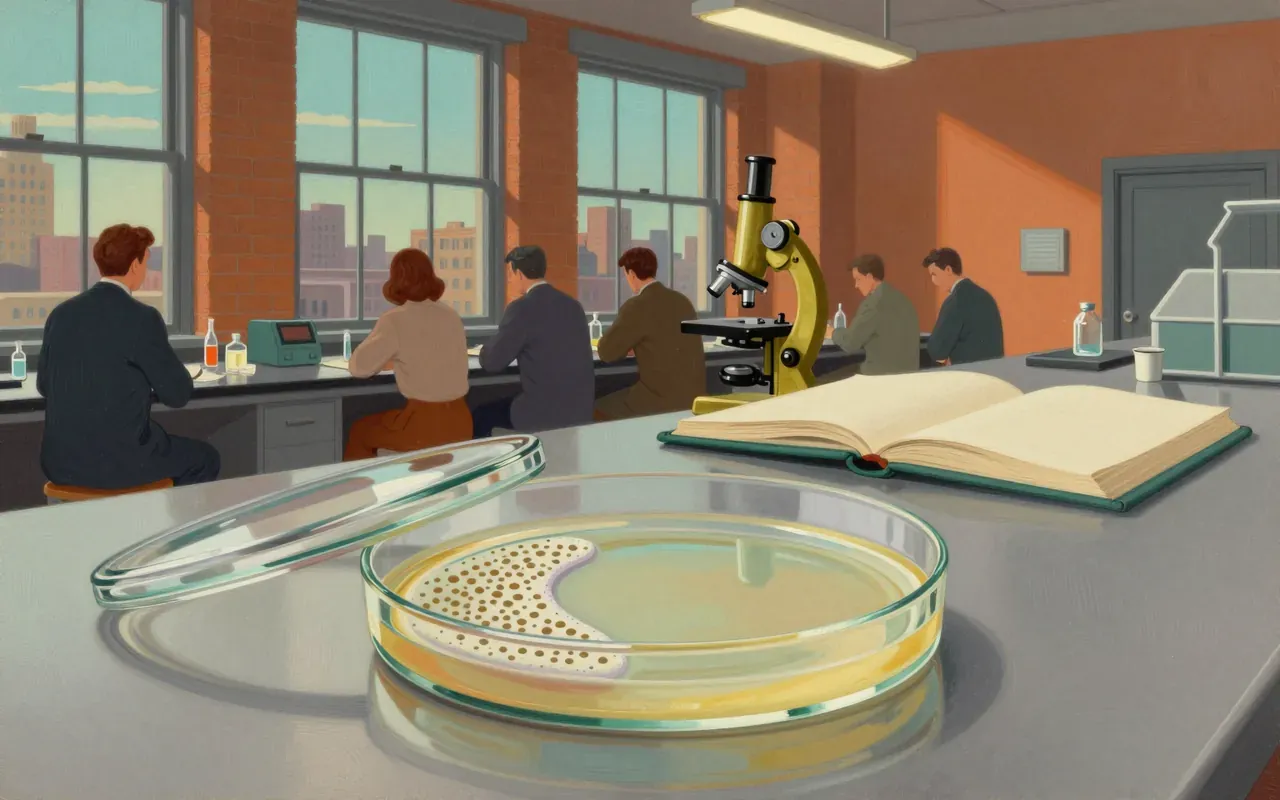
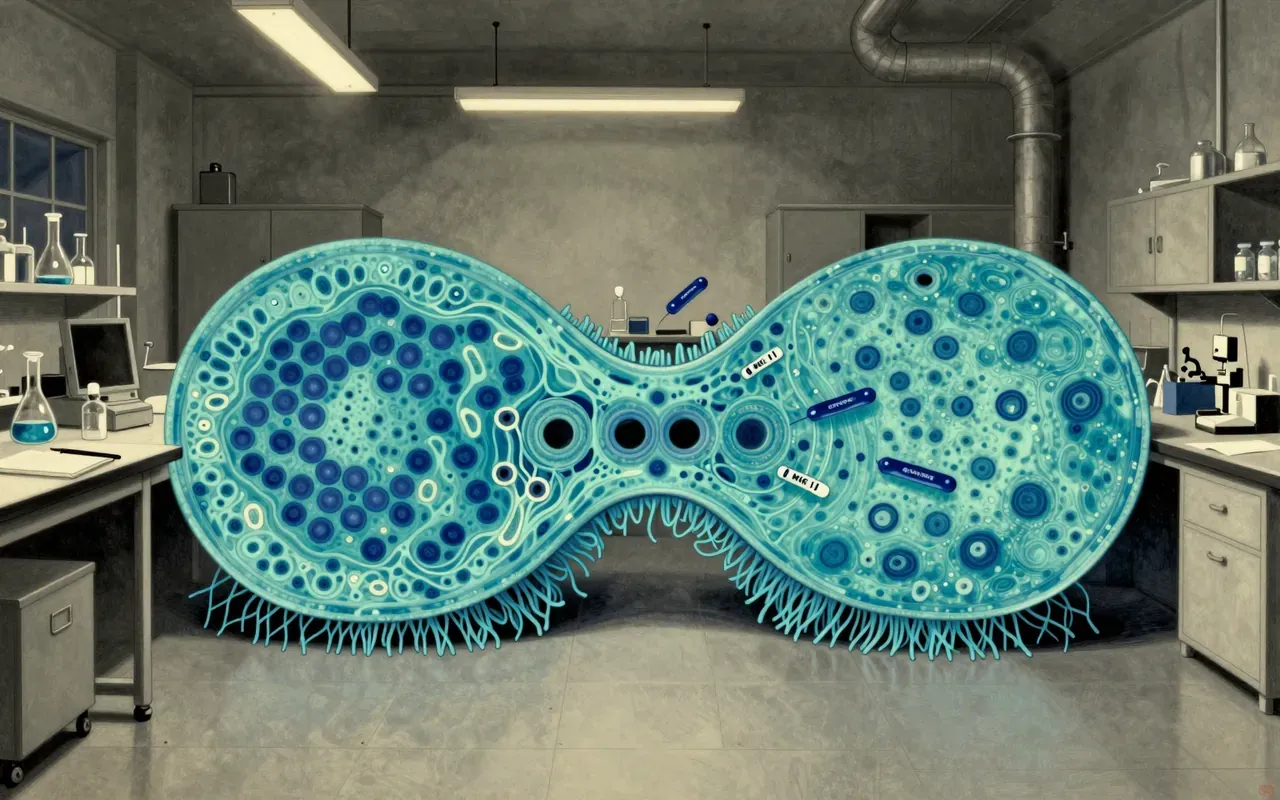
Bacteria can pick up genes from other cells by transformation, transduction or conjugation, not only by inheriting them. Lederberg and Zinder showed in 1951 that a virus could carry genes from one strain of Salmonella to another, and Lederberg's earlier work with Edward Tatum showed that E. coli can exchange genes by conjugation. The material treats the process as the main route by which antibiotic resistance spreads among bacteria.

Doudna and Charpentier’s 2012 work established CRISPR-Cas9 as the first programmable, RNA-guided DNA cleavage system. It relies on Cas9 protein and a synthetic guide RNA chimera. It works in vitro. It does not demonstrate editing in living organisms or repair outcomes. It is the origin of all subsequent CRISPR applications — not a refinement, but the first functional design.





The 1975 hybridoma technique solved one problem: how to make unlimited quantities of identical antibodies targeting a known antigen. It did not solve delivery, safety, scalability, or therapeutic function. Its value lies in reproducibility — not potency, not novelty of target, not clinical impact.










BDNF was isolated from pig brain tissue in 1982 by Yves-Alain Barde and Hans Thoenen, identifying it as a distinct protein.
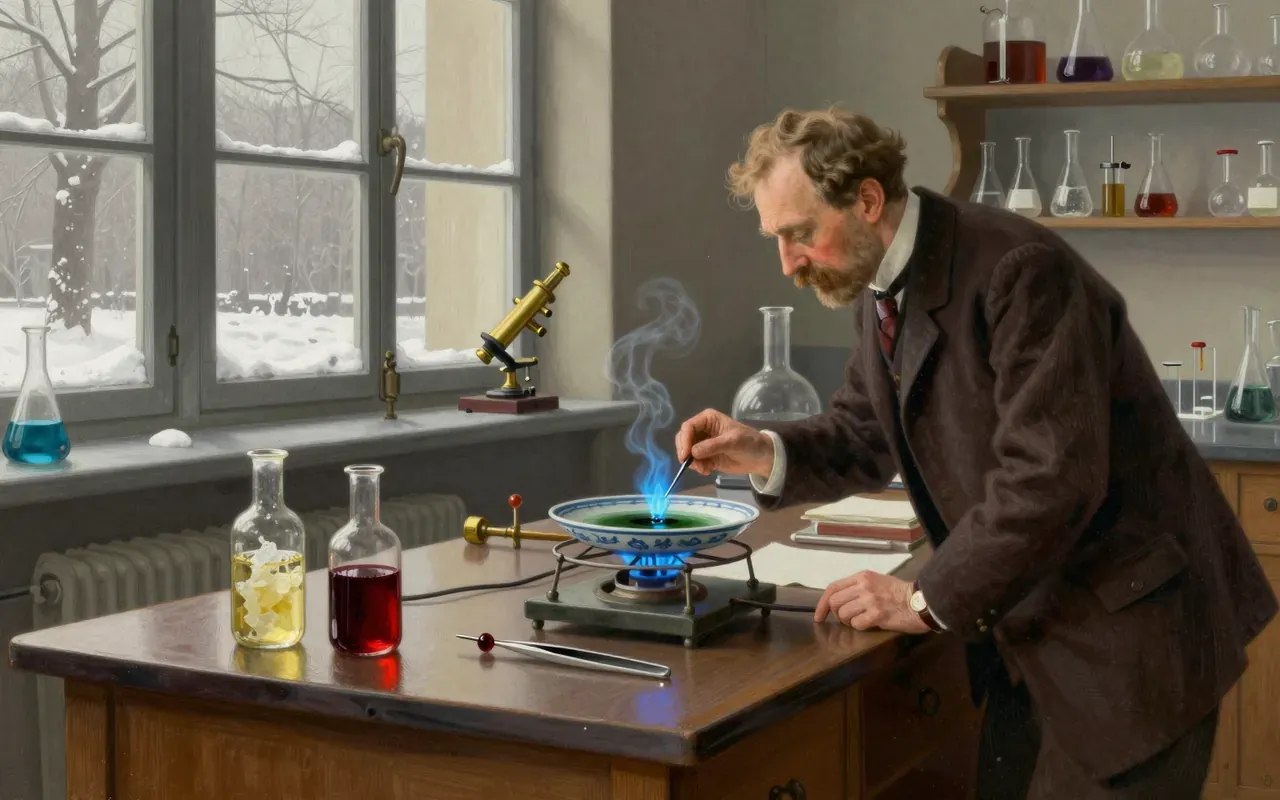






















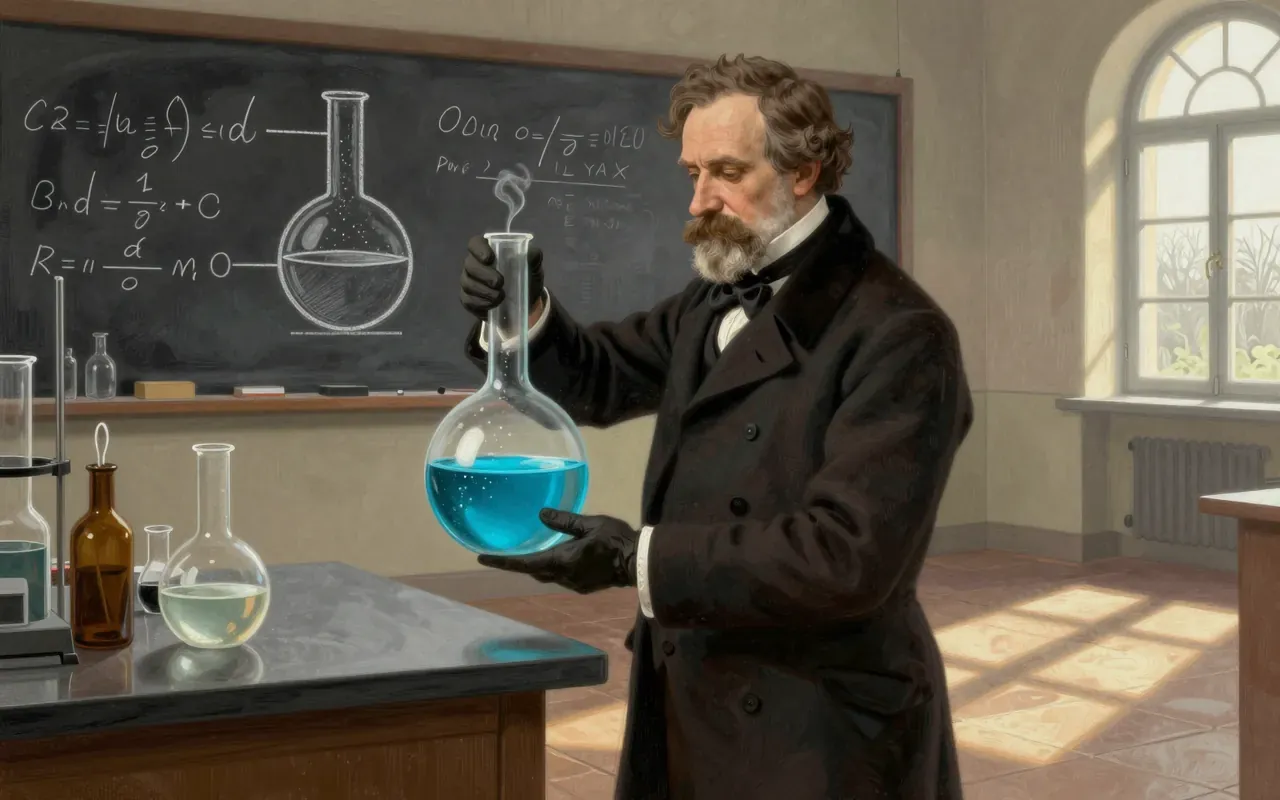








The Calvin cycle is the first experimentally mapped biochemical pathway for carbon fixation. It established the sequence of carbon-containing intermediates using carbon-14 labelling in algae. It did not characterise enzymes, kinetics, or regulation. Its power lies in its direct, empirical tracing — not theoretical elegance.


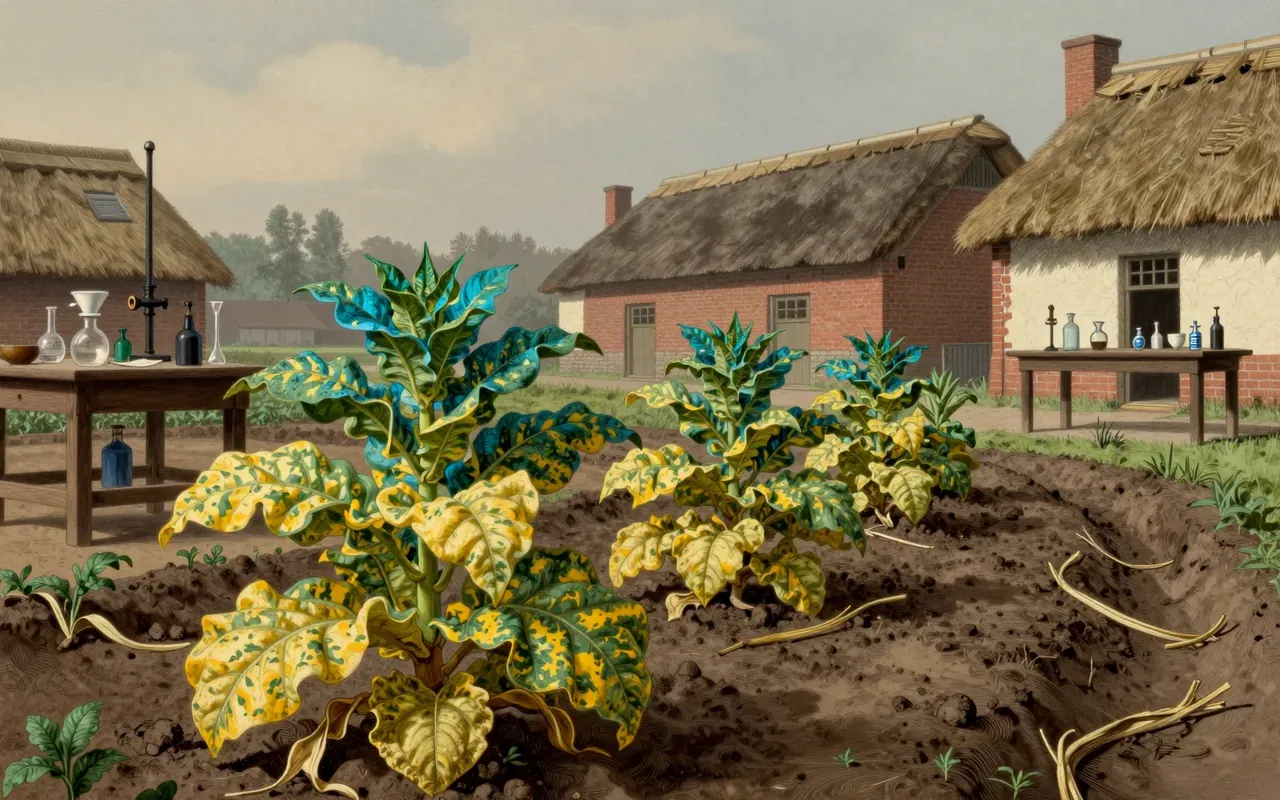
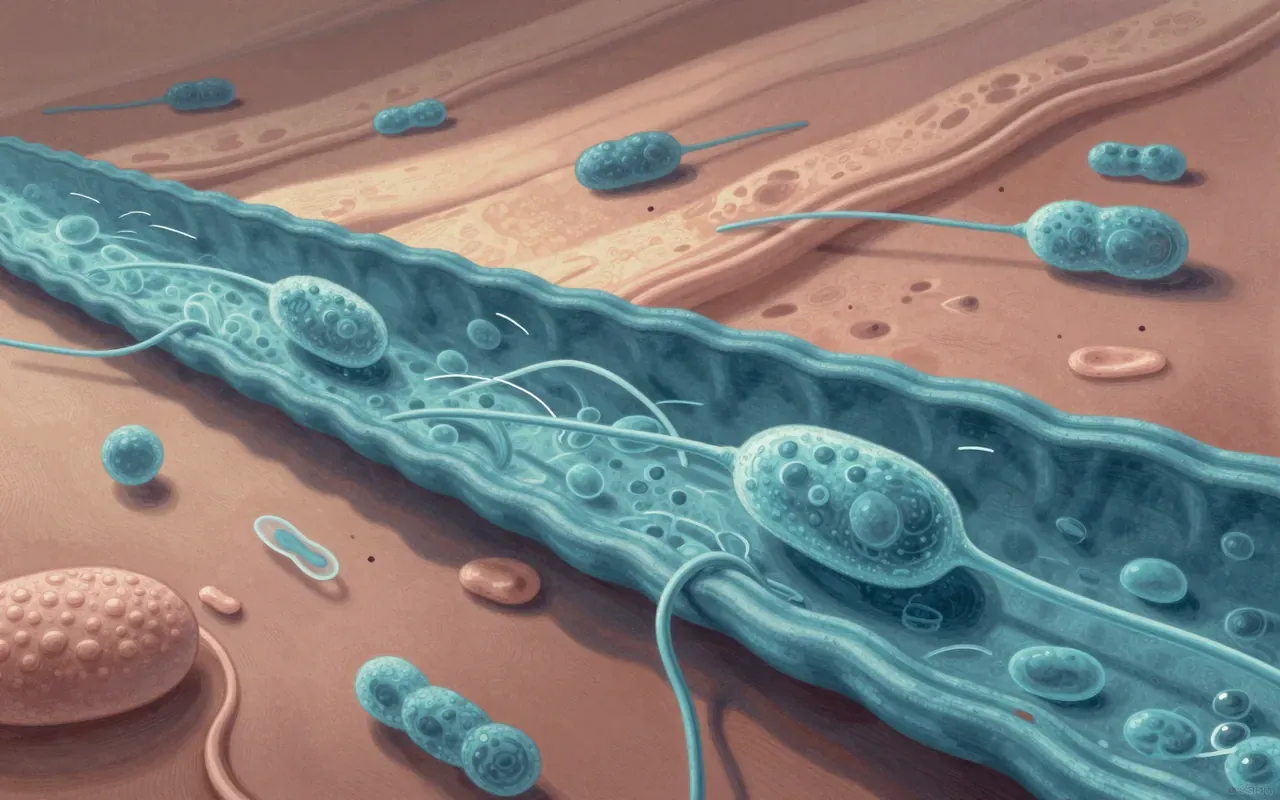
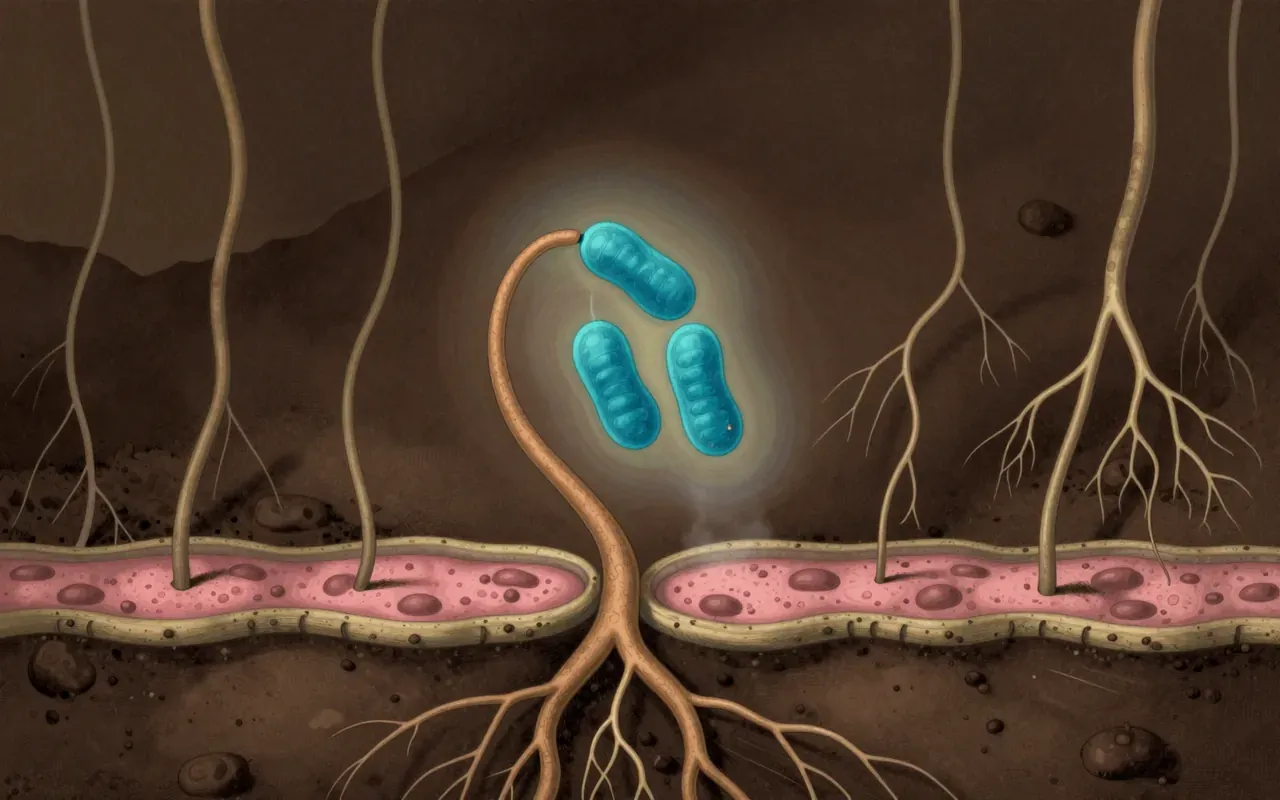
The discovery of the tobacco mosaic virus established the existence of infectious agents smaller than bacteria and dependent on living hosts for replication. Ivanovsky (1892) demonstrated filterability; Beijerinck (1898) added host-dependent multiplication and coined 'virus'. Neither observed the virus itself. Their work founded virology — but also embedded a flawed 'fluid' model that delayed recognition of viruses as particulate, genetic entities.

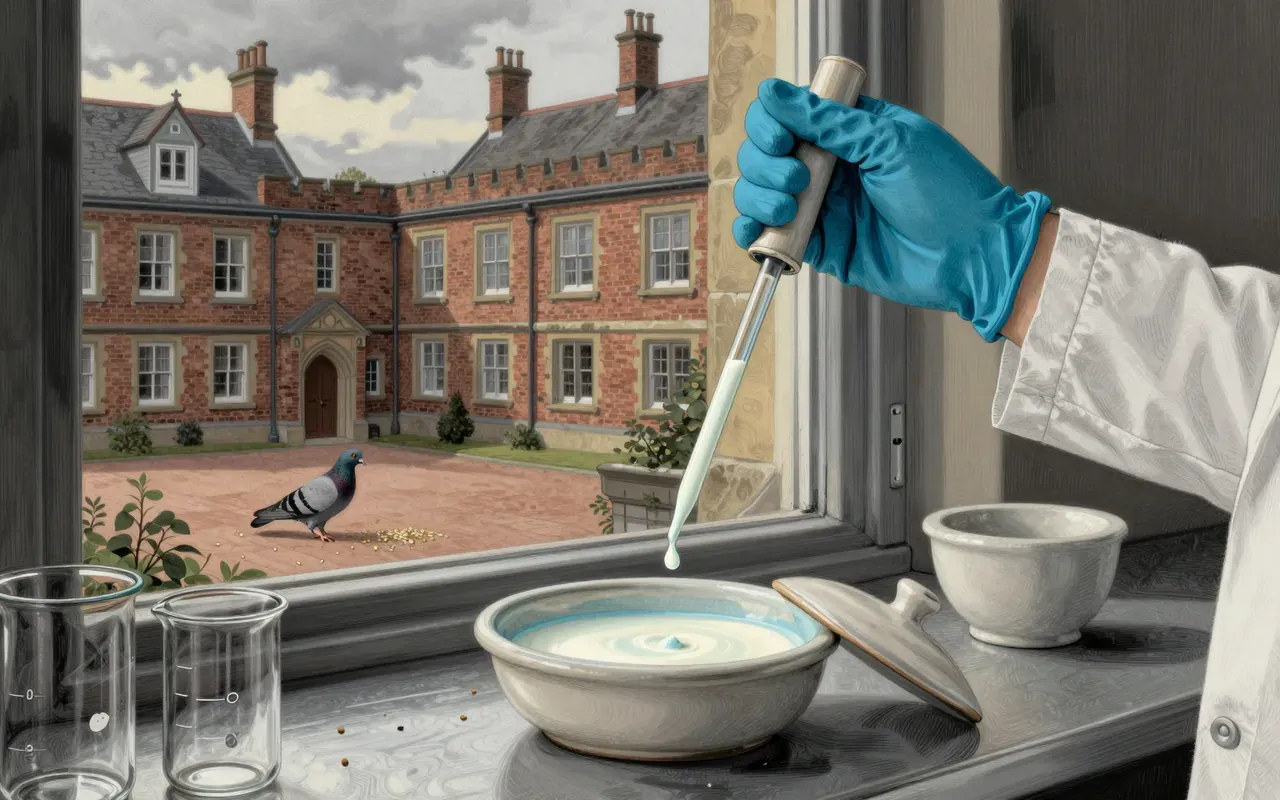







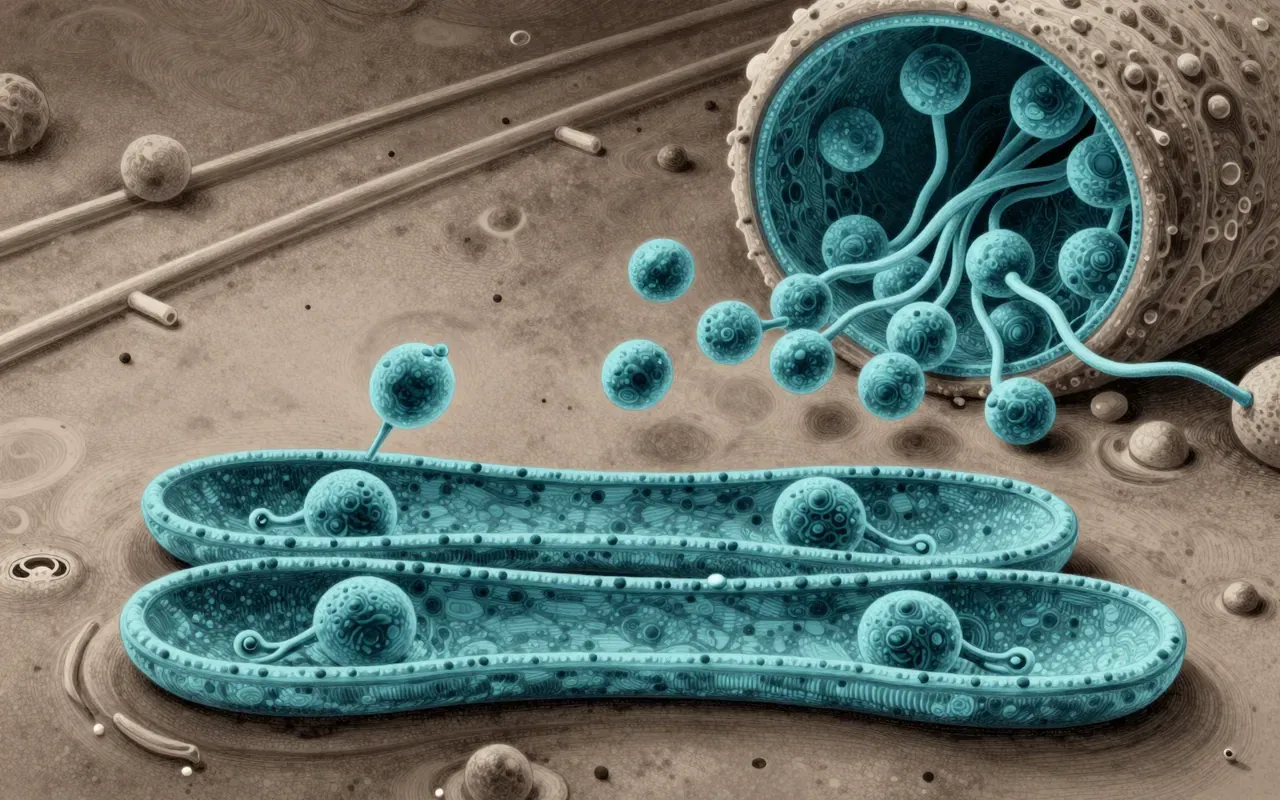
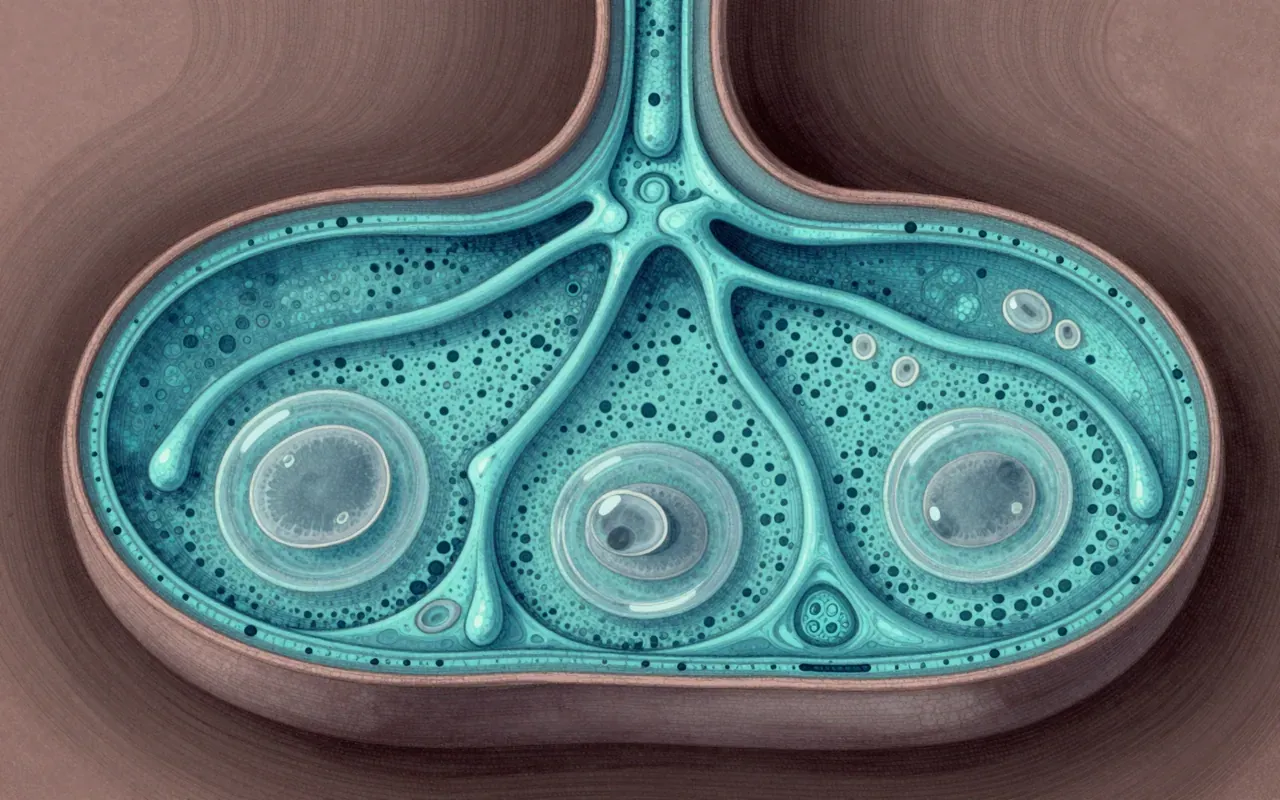
Camillo Golgi discovered the Golgi apparatus in 1898 using osmium dichromate staining on barn owl Purkinje cells. He named it 'apparato reticolare interno' and asserted it was a real, unique cellular component. Initial scepticism held that it was an optical illusion. The finding was not firmly established until electron microscopy emerged ~50 years later. It revealed a new intracellular structure but gave no insight into its function, mechanism, or universality.




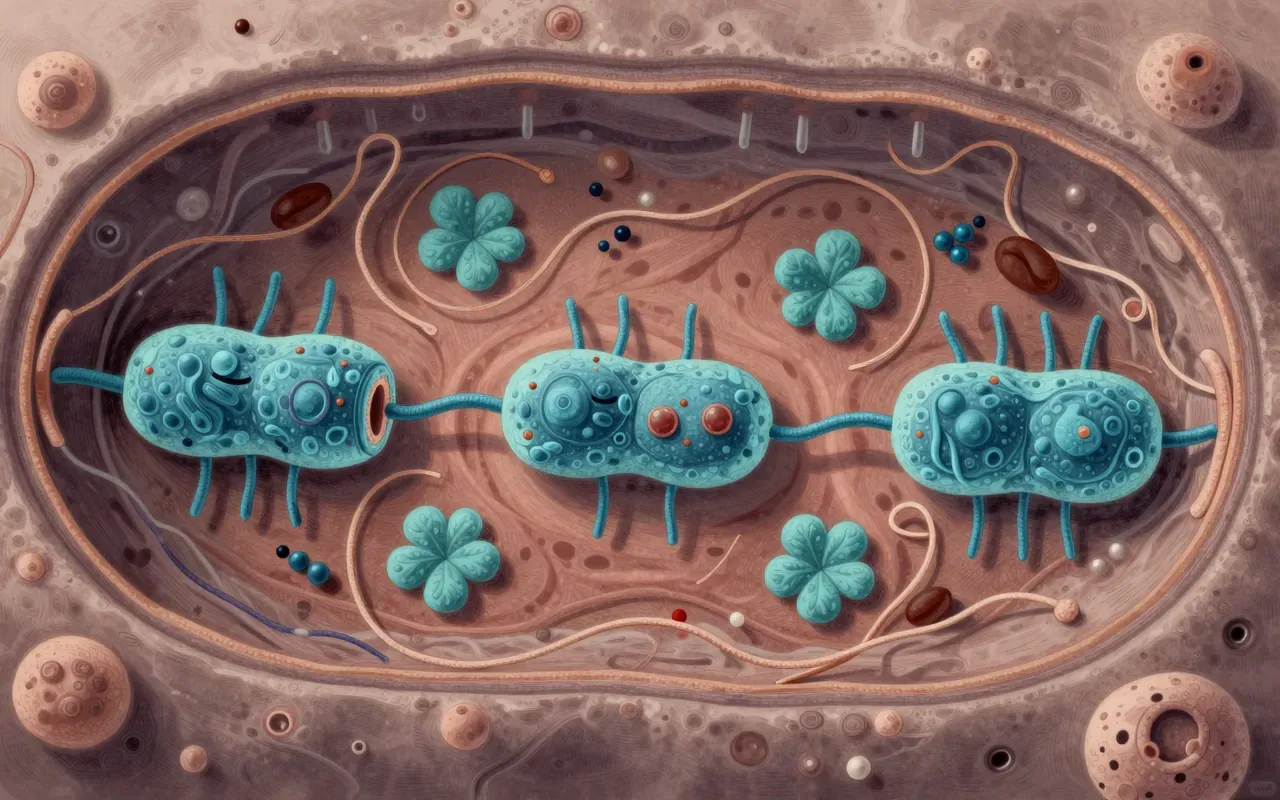




Baddeley and Hitch’s 1974 model reframed working memory as a set of interacting, domain-specific components — not a single bottleneck. Dual-task interference, the word length effect, and amnesic patient profiles provide direct empirical support. Later additions (episodic buffer in 2000, renamed awareness buffer in 2026) extend but do not overturn the core claim of fractionation. It remains indispensable — not because it is complete, but because it is falsifiable, componential, and repeatedly predictive.












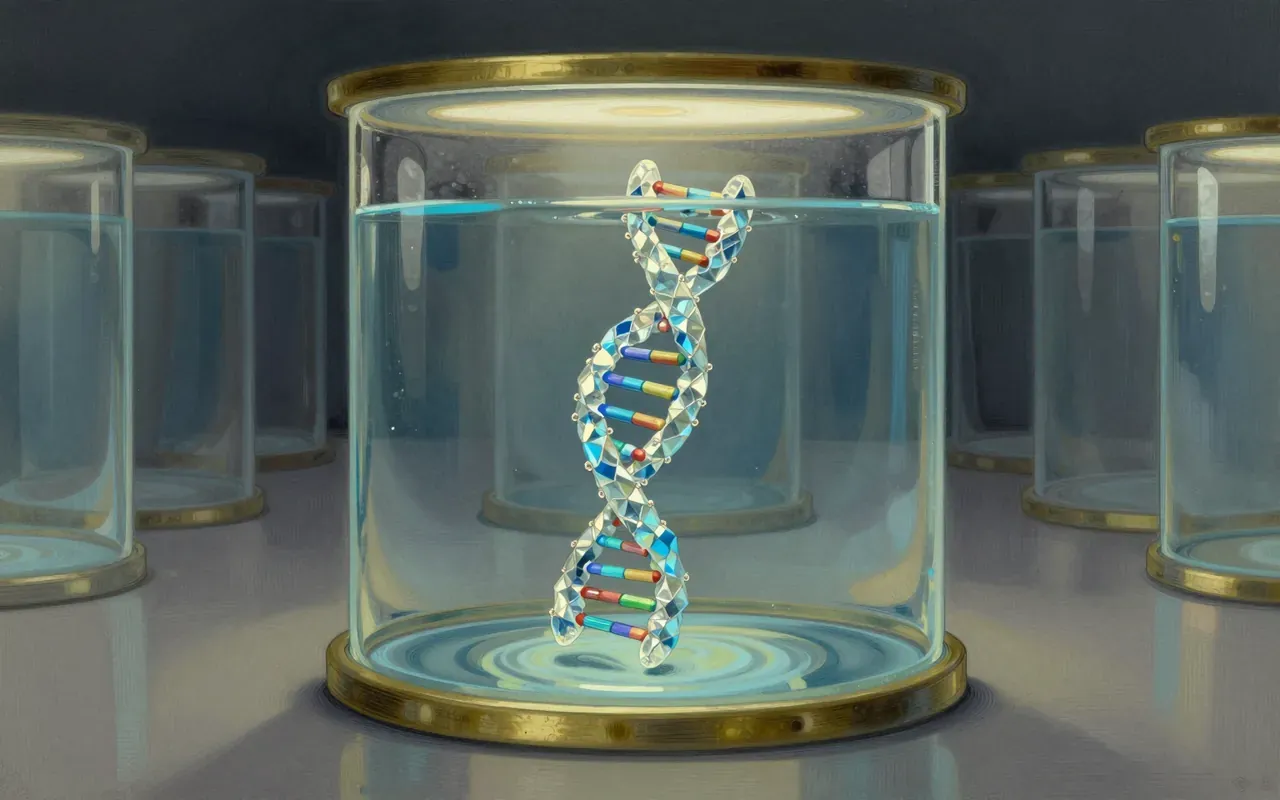

Evolutionary game theory is a precise, minimal framework that explains how genetically fixed behaviours persist without cognition. Its strength lies in its constraints — no rationality, no learning, no flexibility — and its explanatory reach is limited to frequency-dependent contests where inheritance and replication are well defined.
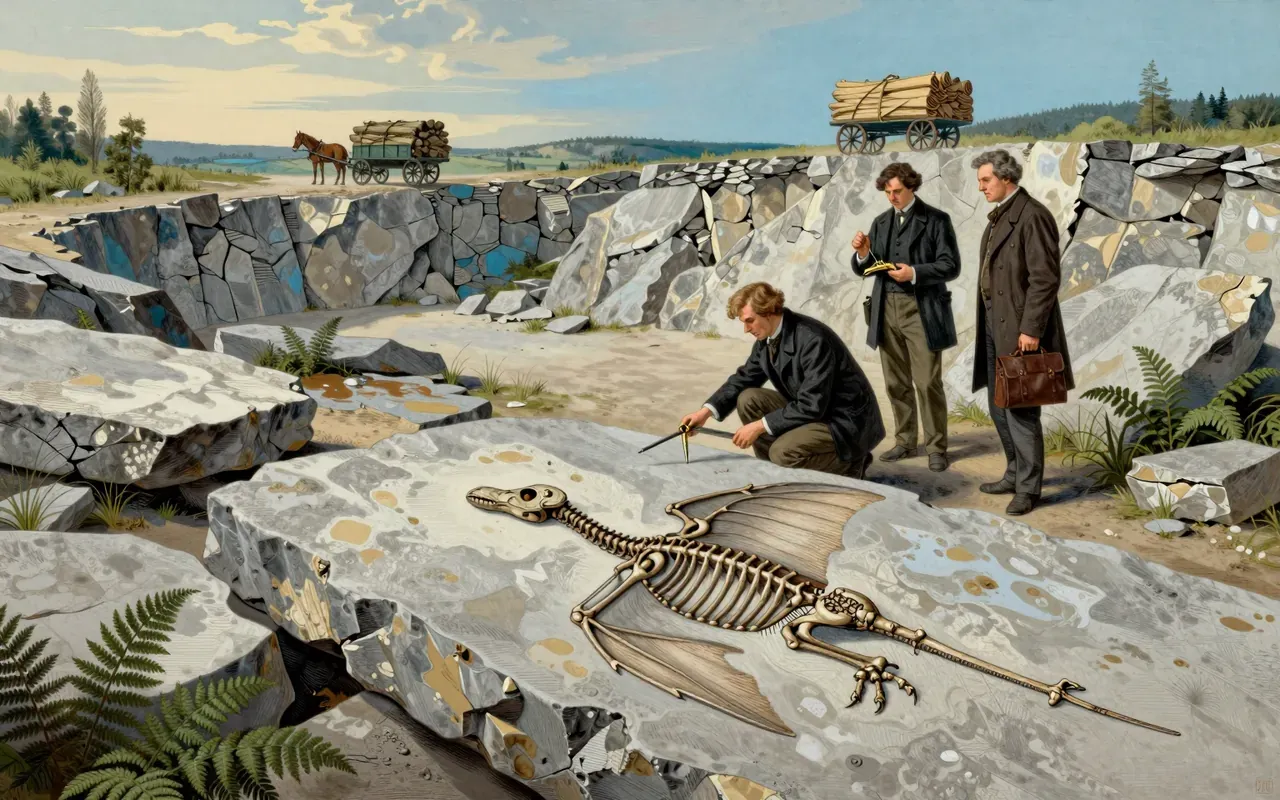















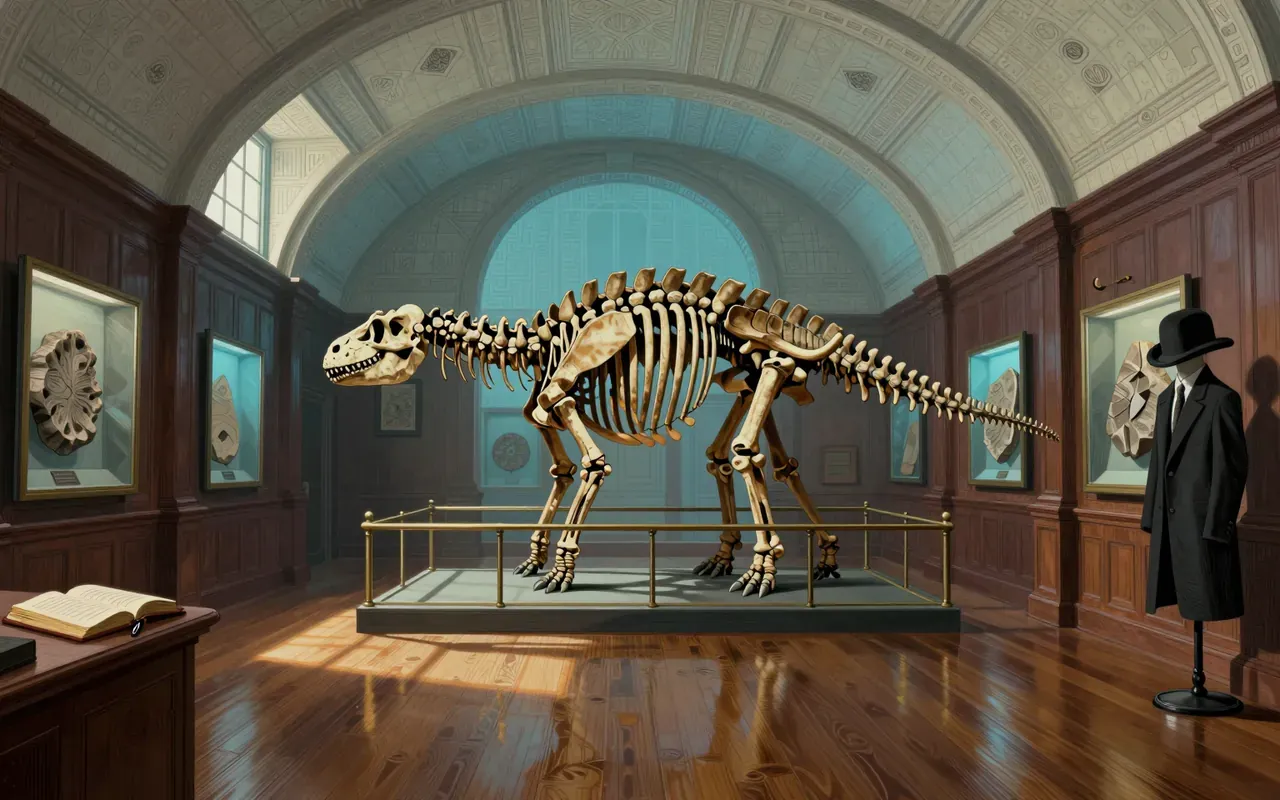
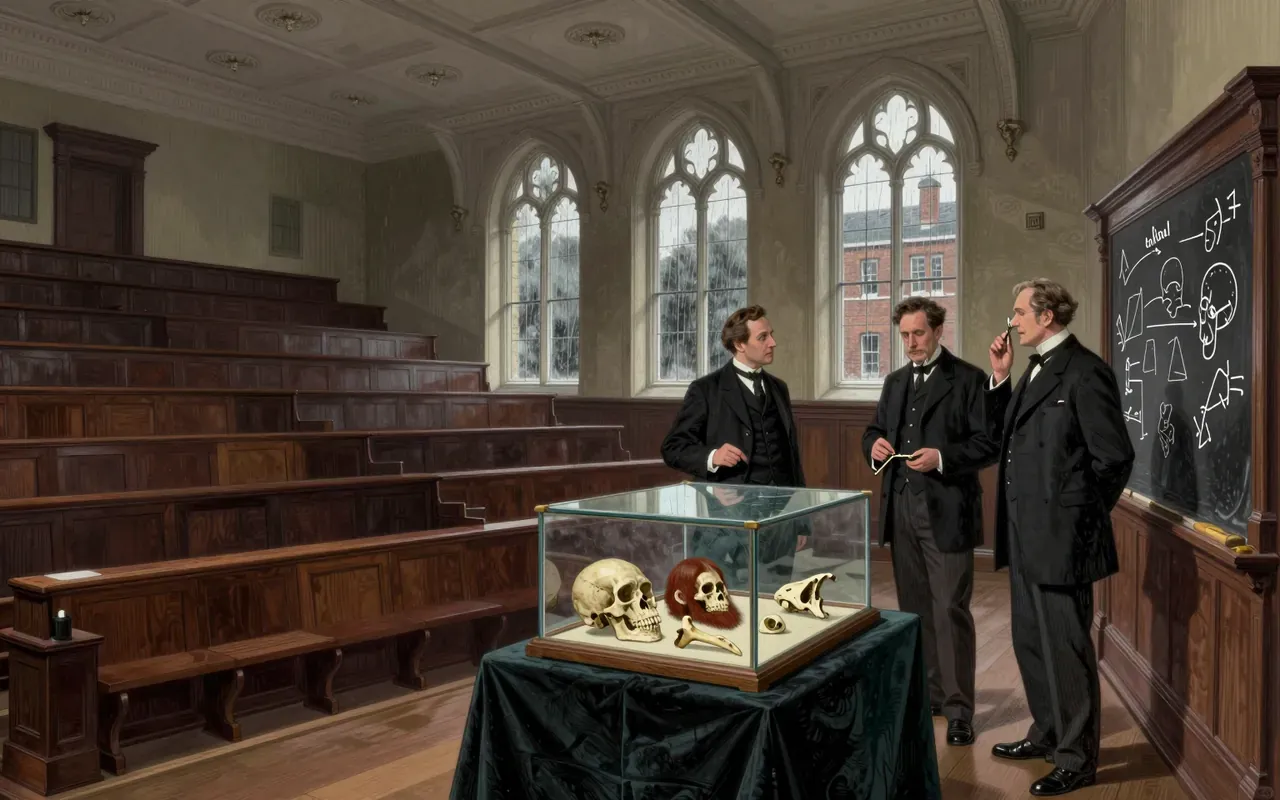

Punctuated equilibrium is a descriptive claim about fossil patterns — not a mechanism, not a refutation, not a universal law. It says what is seen (stasis), what is rare (gradualism), and where change appears (cladogenesis). Its power lies in its restraint.



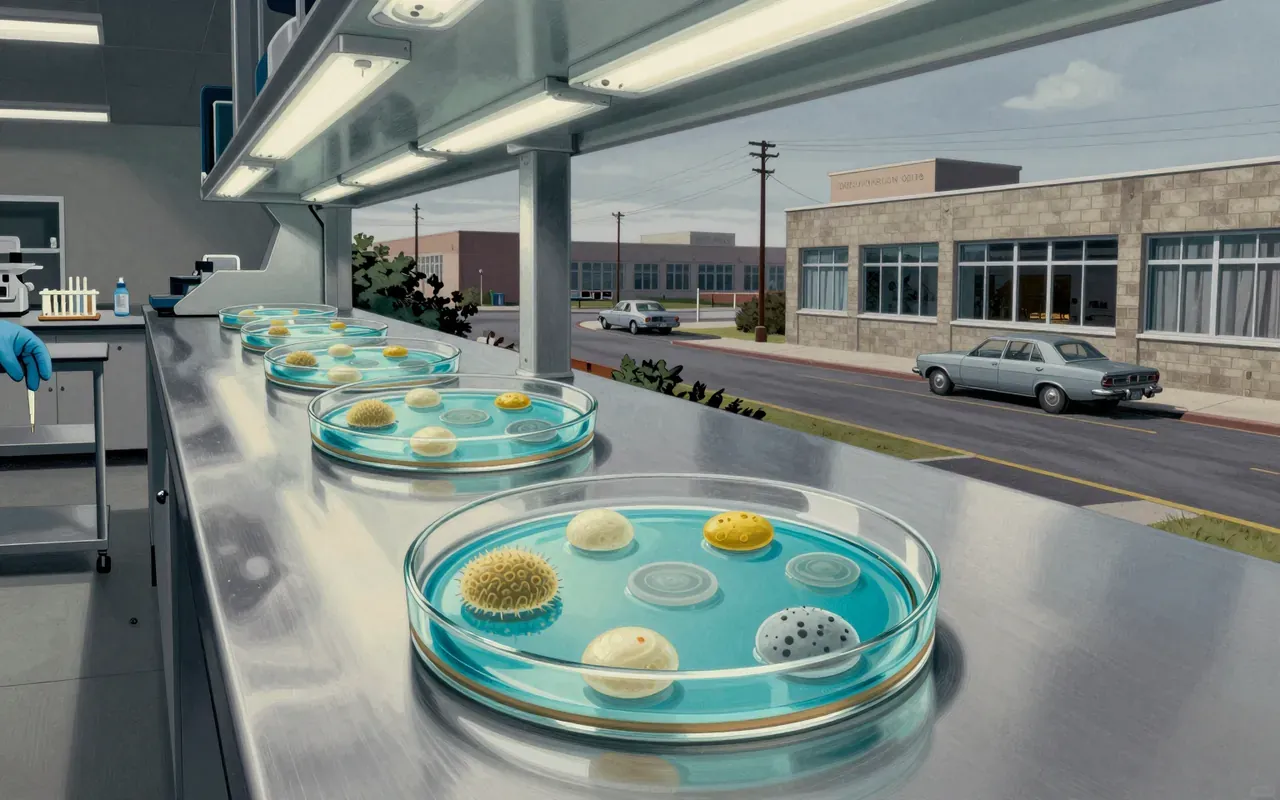







The Neanderthal genome project did not discover interbreeding as a hypothesis — it confirmed it with genomic data. It replaced speculation with measurement: four billion base pairs, three Croatian specimens, one decisive conclusion. Its legacy is methodological rigour and a rewritten human family tree.

The neutral theory reframed molecular evolution around stochasticity—not adaptation—as the dominant force shaping DNA change. It offered precise, falsifiable predictions about rates and variation, grounded in population genetics. It did not disprove selection; it defined its null model. Its endurance lies not in universality, but in utility: every test for selection begins here.





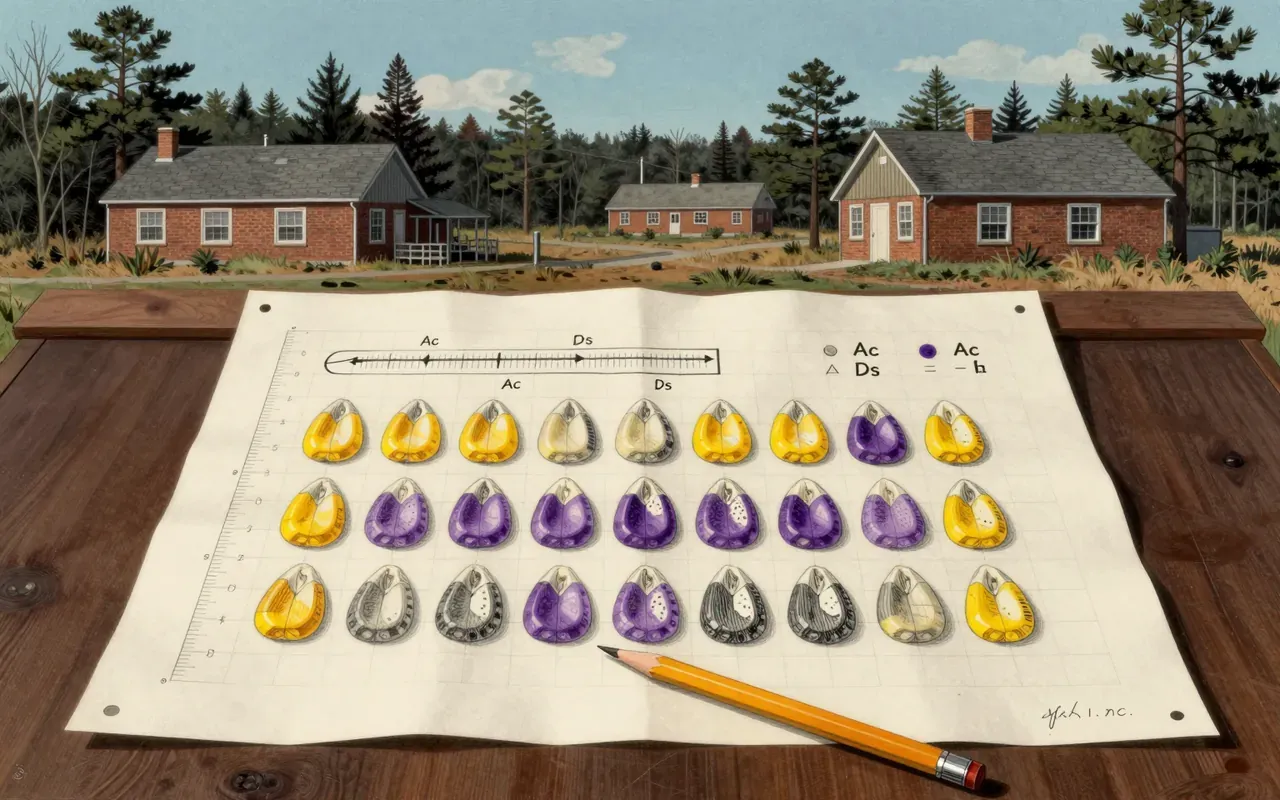














Crick’s central dogma is a precise, unidirectional constraint on sequential information transfer — not a summary of known pathways. It was proposed theoretically, refined formally in 1970, and immediately misrepresented. Its endurance lies not in experimental confirmation but in its utility as a boundary condition: what molecular biology *cannot* do.





Hayflick’s 1962 work established a finite replication limit for normal human fetal cells — 40–60 divisions — using culture methods and a definitive male-female co-culture experiment. It refuted Carrel’s immortality claim, distinguished mortal normal from immortal cancer cells, and produced WI-38 — the foundational cell strain for vaccine development. It did not identify the counting mechanism, nor prove cellular senescence drives whole-organism aging.



iPSCs are somatic cells reprogrammed to pluripotency using four transcription factors. Demonstrated in 2006 in mouse fibroblasts via retroviral delivery and Fbx15 selection. Established direct reprogramming as possible—but only to the level of Fbx15 reactivation, not full pluripotency validation.

The Asch experiments show that unanimous group pressure causes public conformity on simple perceptual judgments — not because people misperceive, but because they yield in speech. The effect is real, quantified, and limited: it depends on unanimity, not large numbers; it was tested only on white male undergraduates; and it measures response, not belief or vision.






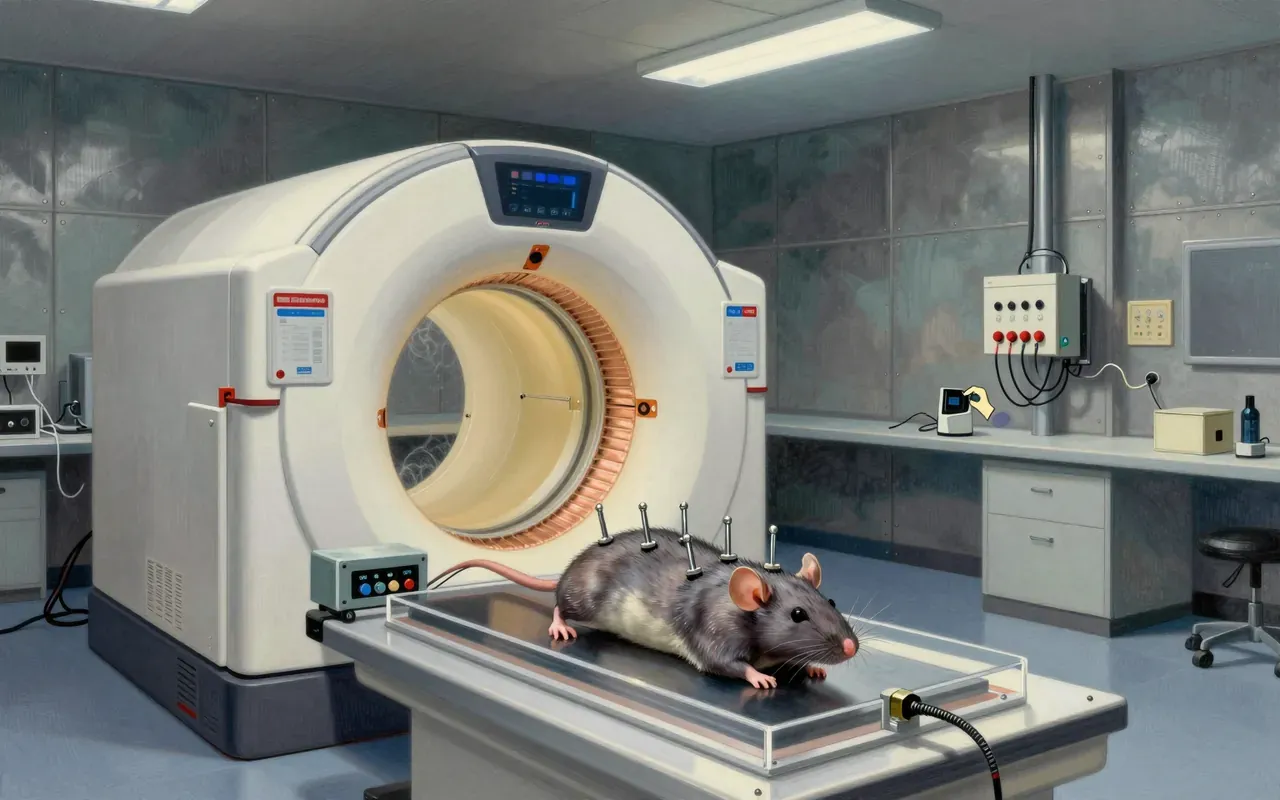
Ogawa’s 1990 work established the BOLD effect — a measurable, oxygenation-dependent MRI signal shift in rodent brain tissue — verified with blood samples and EEG correlation. It is the physical foundation of human fMRI, but maps vascular response, not neural activity directly.
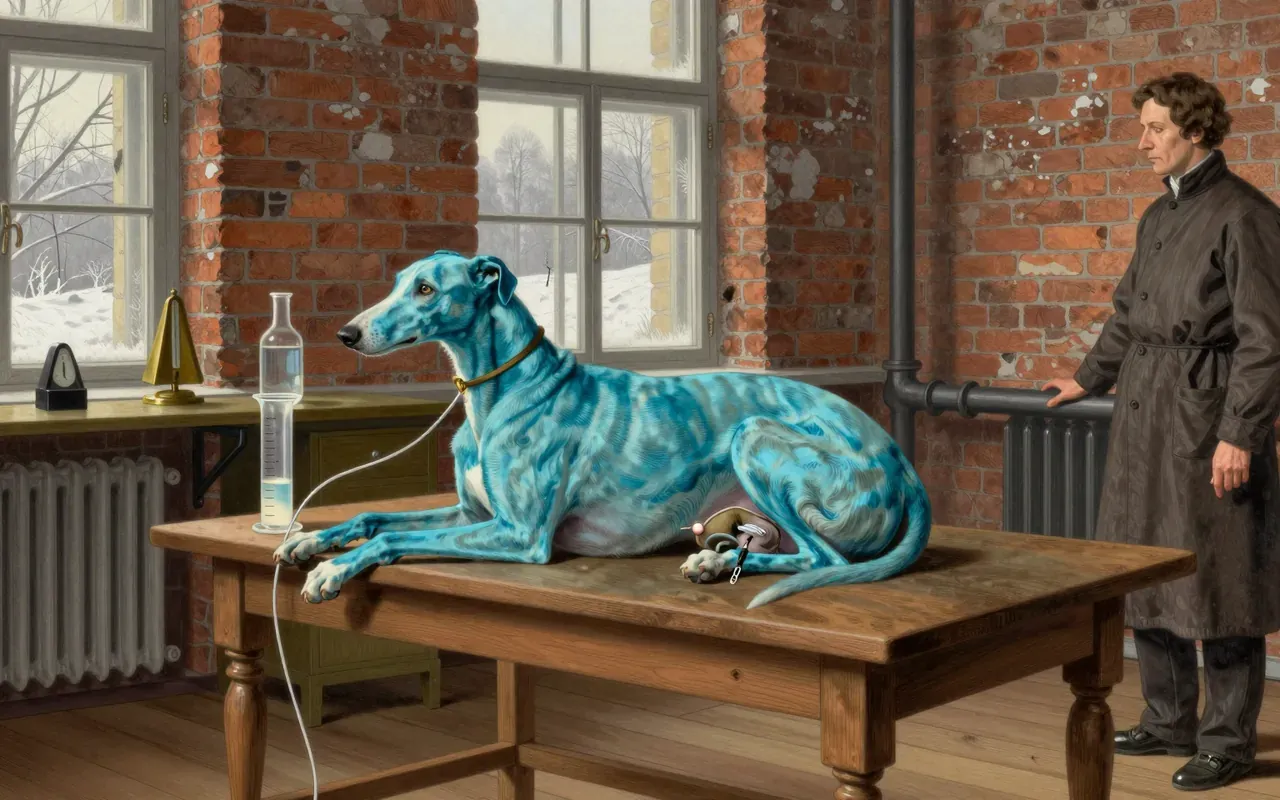








The Stanford prison experiment was a 1971 simulation study conducted by Philip Zimbardo at Stanford University, using 24 male college students randomly assigned as prisoners or guards in a mock prison in the psychology building basement. Its goal was to assess the psychological effects of role assignment, focusing on how roles, rules, symbols, group identity, and situational forces shape behavior. Results showed rapid, extreme role adaptation by both groups, leading to dangerous and psychologically damaging conditions; Zimbardo himself became immersed in his role as superintendent until intervened by Christina Maslach. The core conclusion was that situational forces can exert far greater influence on behavior than commonly recognized.

Ehrlich’s intravenous dye experiments revealed selective absence of brain staining — but he misinterpreted it as passive under-uptake. His student Goldmann’s 1913 intracerebrospinal injection proved compartmentalization. The barrier was attributed to blood vessels, not a membrane. Ehrlich never believed in it. The term came later, from Lina Stern.
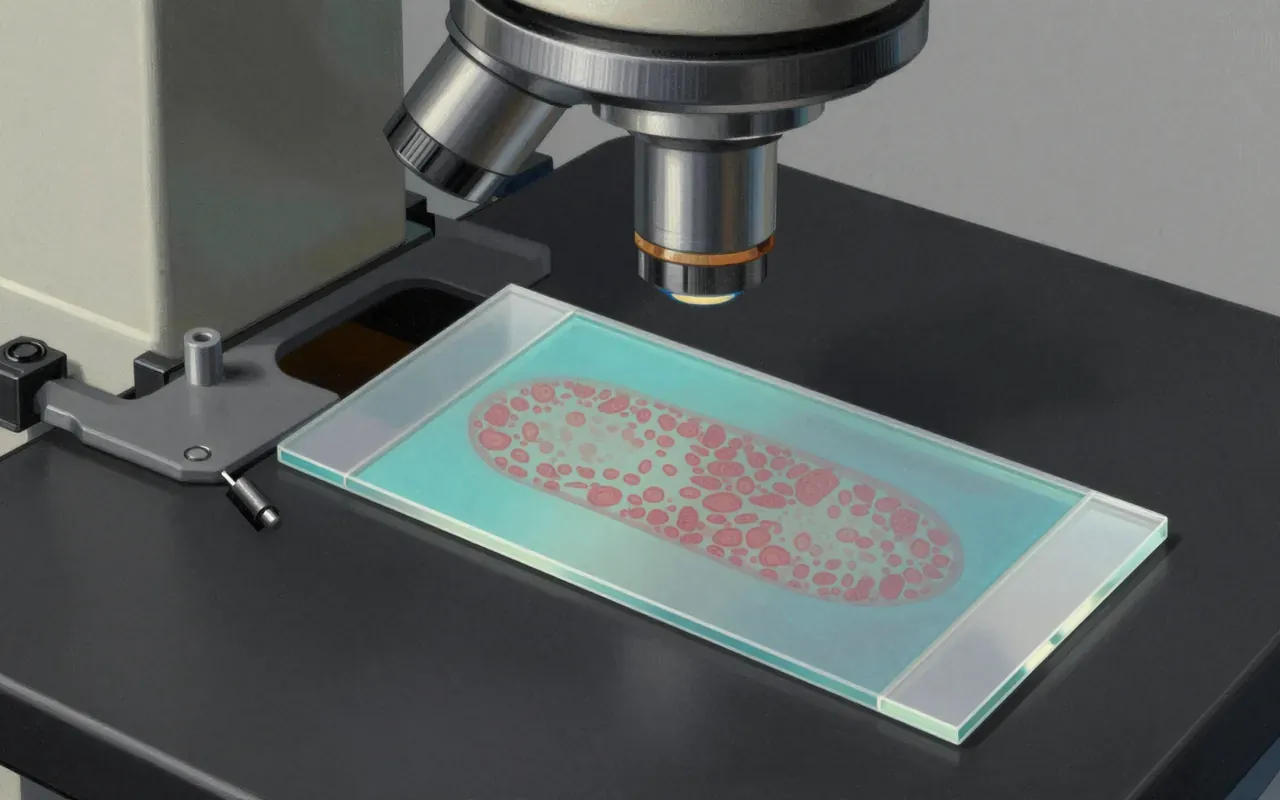

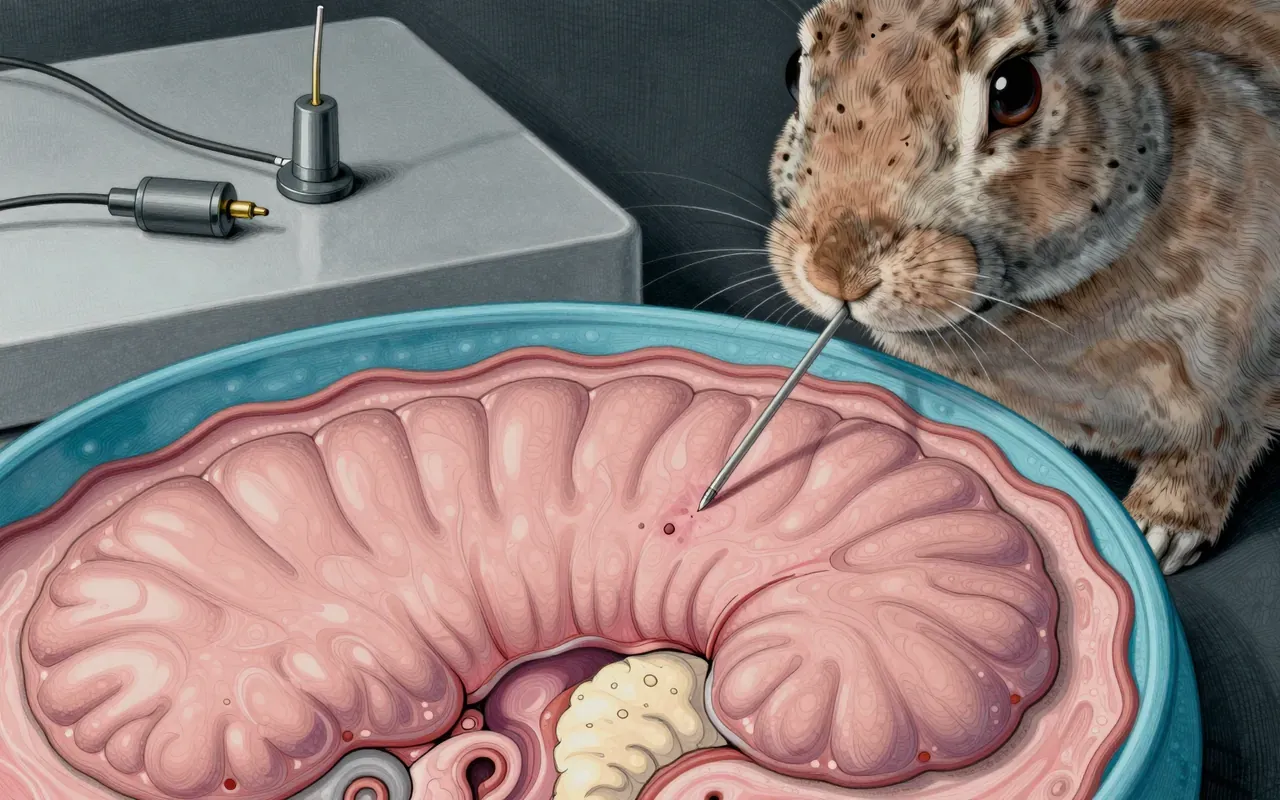











































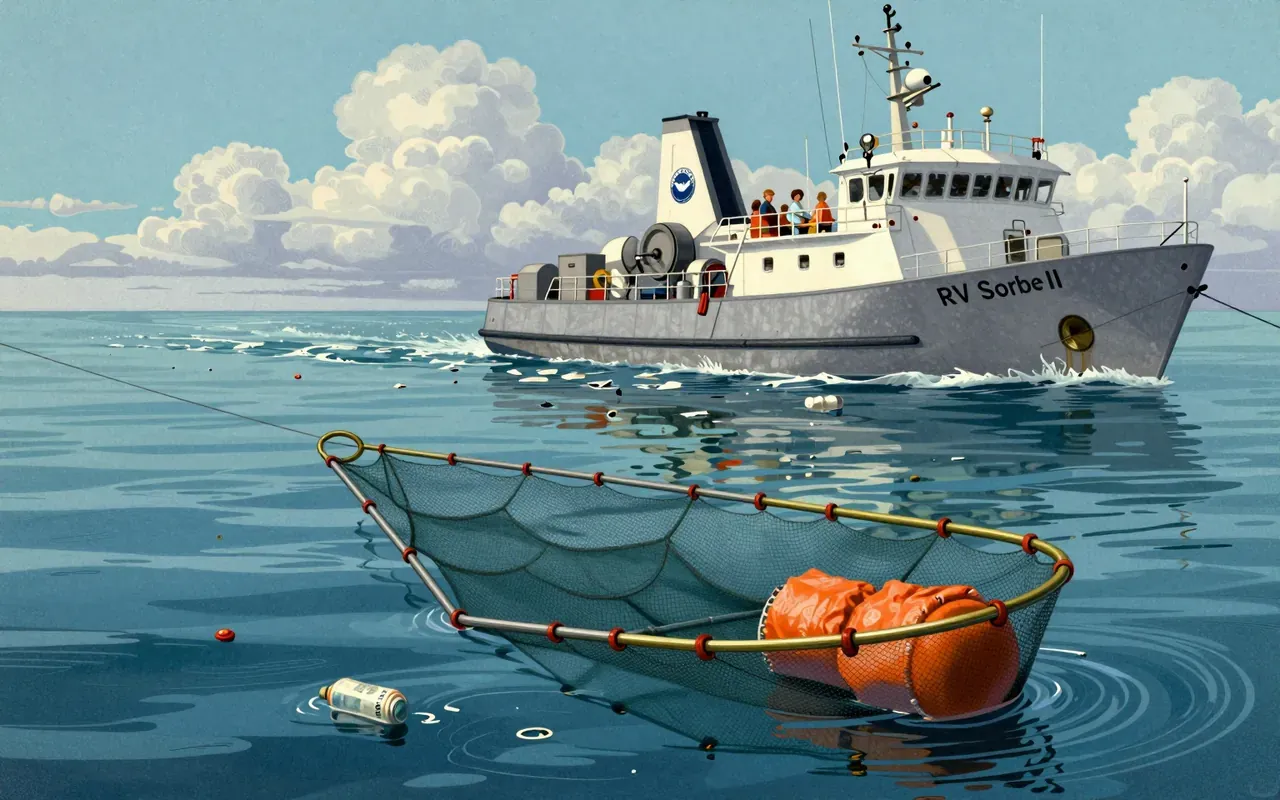
Moore’s 1997 observation was vivid and consequential — but not novel in evidence. The 1988 NOAA paper delivered the first empirical basis. The gap between public attribution and scientific priority is the real story.

The Keeling Curve is the first continuous, calibrated record of atmospheric CO₂. It shows a seasonal cycle and a monotonic rise — from 313 ppm in 1958 to 406 ppm in 2018. Its strength lies in methodological rigour: remote site selection, contamination control, and instrumental precision. It does not prove causation, but establishes an unambiguous trend correlated with fossil fuel use. It remains the gold standard for atmospheric CO₂ monitoring.


The Double Helix is not the discovery of DNA’s structure — it is Watson’s memoir of it. The real discovery is in the 1953 Nature papers. The book’s value lies in exposing how scientific credit gets assigned, not in explaining how the structure was found.

On the Origin of Species (1859) introduced natural selection as the mechanism for evolutionary descent with modification. It presented evidence for common descent via a branching pattern, drawn from Darwin’s Beagle expedition, research, correspondence, and experimentation. It established descent with modification as the dominant scientific explanation of natural diversification. Its proposition of universal common ancestry is now accepted—but that acceptance postdates the book and is not itself what the book established.