A cell built to make one thing
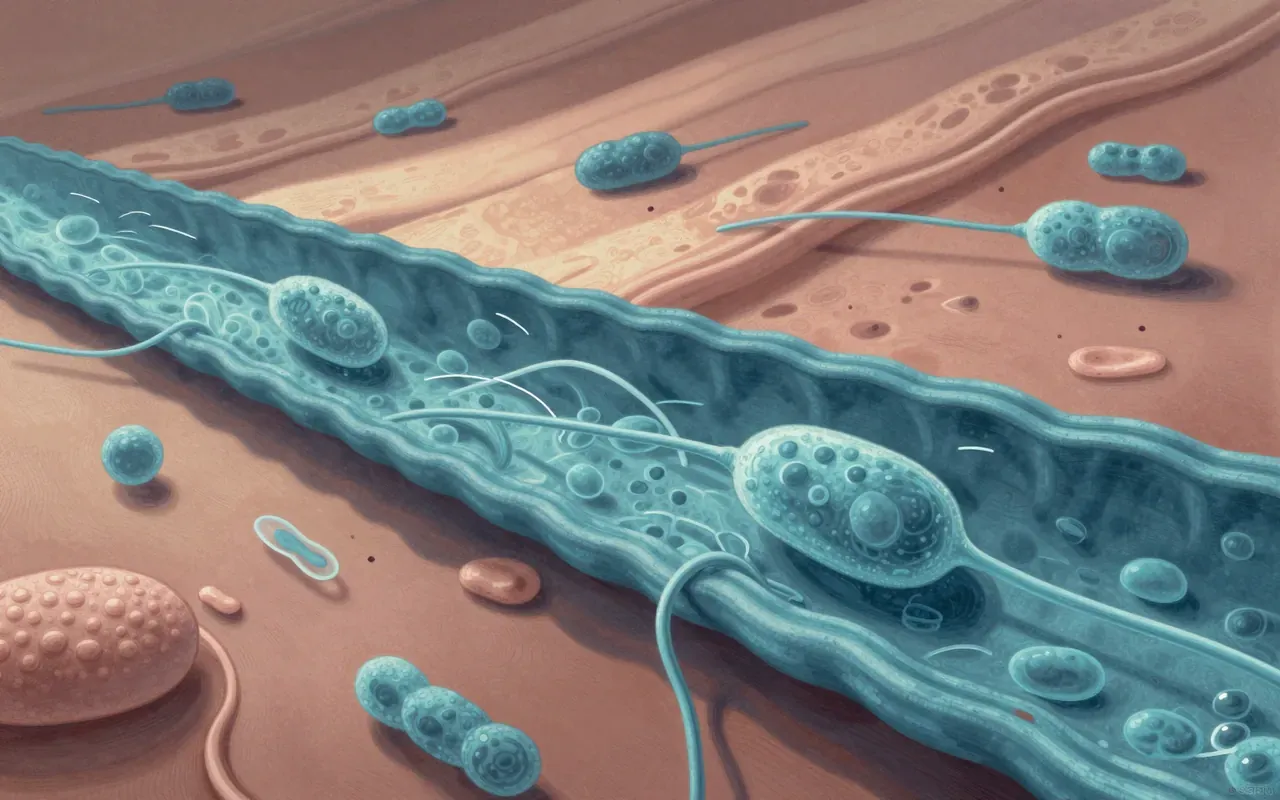
The core claim is that B lymphocytes exist for one purpose: producing antibodies, whether displayed on the cell’s own surface as a receptor or secreted into the blood once the cell has matured. Every B cell starts life carrying receptors that all recognise the same target, built before the cell has ever encountered that target in the body. What follows is a story about how a single kind of cell, working from that pre-built receptor, ends up generating an enormous and varied antibody response. The material distinguishes several roles a B cell can take on, from short-lived plasmablasts that respond quickly but weakly early in an infection, to long-lived plasma cells that emerge later and produce more effective, higher-affinity antibodies, to memory B cells that persist so a second exposure is met faster.
Named after a chicken organ, not bone marrow
The letter B is commonly assumed to stand for bone marrow, where B cells do indeed mature in mammals, but the material is specific that the name actually traces back to the bursa of Fabricius, a lymphoid organ found in birds. Timothy Chang and Bruce Glick identified this organ as the site where these antibody-producing cells developed in experiments reported in 1956, work carried out in chickens rather than mammals. That naming history is presented as more than trivia: it marks the point at which B cells were recognised as a distinct branch of the immune system, separate from the T cells that mature in the thymus, each handling a different side of adaptive immunity even though they frequently work together.
A receptor assembled before it is ever needed
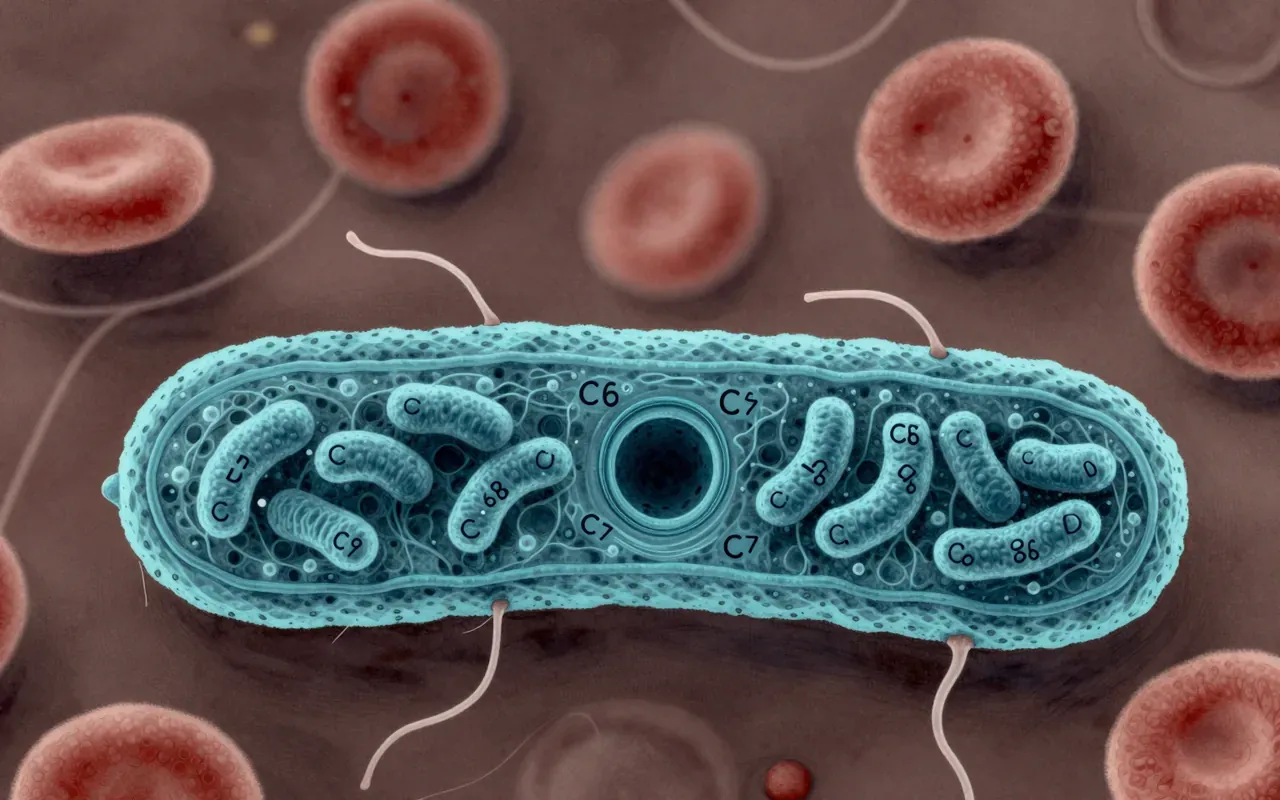
Before a B cell ever meets an antigen, it has already built a unique receptor through a process called V(D)J recombination, in which enzymes cut and rejoin gene segments in the developing cell’s DNA, selecting one variable, one diversity and one joining segment for the heavy chain, and a similar combination for the light chain. This essentially random shuffling, carried out independently in each developing B cell, is what generates the vast starting repertoire of different receptors circulating in the body before any infection occurs. Cells whose resulting receptor reacts too strongly against the body’s own molecules are eliminated through negative selection, a screening step meant to protect against self-directed immune attack, while functional, non-self-reactive receptors are allowed to proceed to circulation.
Getting better after the fact
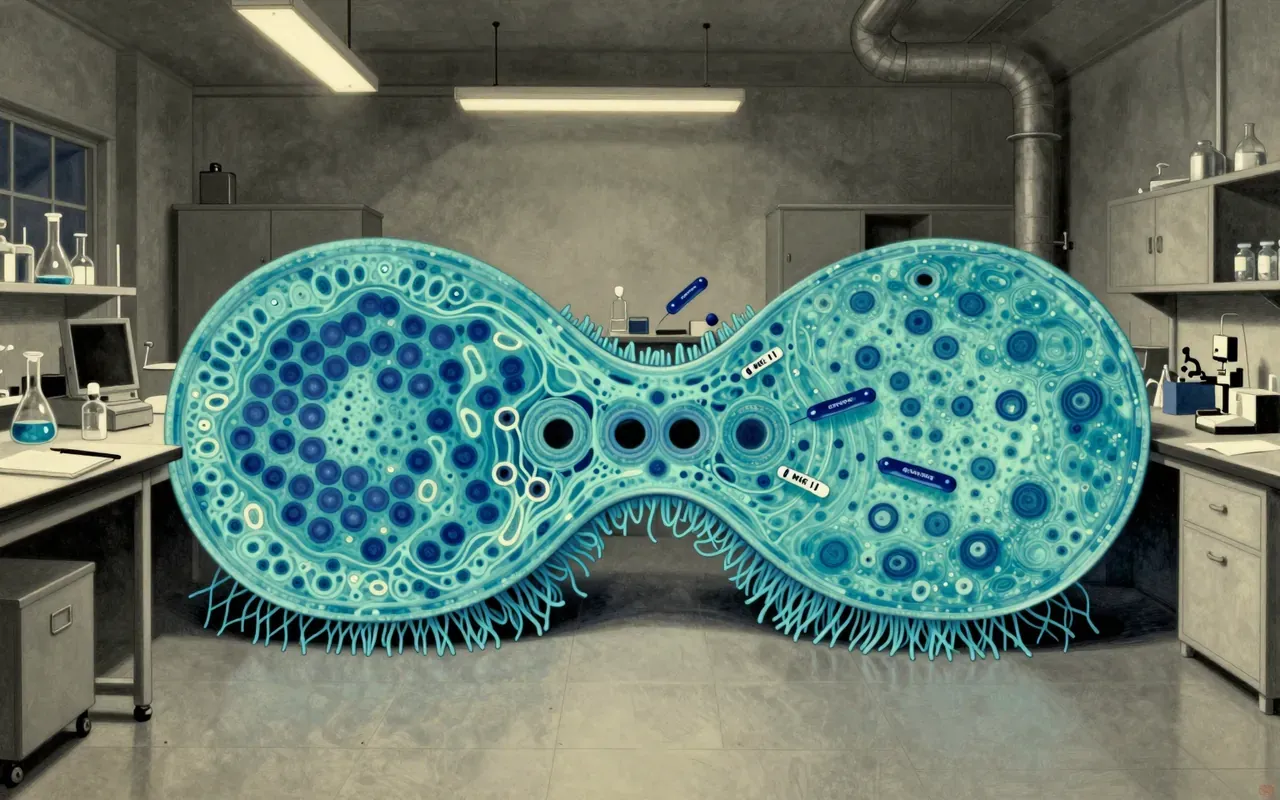
Activation is where the antibody response is refined rather than simply switched on. When a B cell encounters its matching antigen, particularly with support from T helper cells that supply a costimulatory signal, it proliferates and enters a germinal centre, a structure inside lymphoid tissue where its receptor genes undergo somatic hypermutation, accumulating mutations in the variable region at a notably higher rate than the rest of the genome. Cells producing a higher-affinity antibody after mutation receive stronger survival signals and outcompete their weaker-binding relatives, a selective process called affinity maturation. The practical result is that the antibodies present later in an immune response typically bind their target more tightly than the ones the response started with.
One cell, several antibody types
Separate from affinity maturation, activated B cells can also undergo class switching, in which the same antigen-binding variable region gets joined to a different constant region gene, changing the antibody’s class from IgM to IgG, IgA or IgE while keeping its target the same. Each class serves a different practical role: IgG circulates most abundantly and can cross the placenta, IgA is suited to mucosal surfaces such as the gut and airway lining, and IgE triggers the histamine release associated with allergic reactions. This switching means a single B cell lineage responding to one pathogen can end up producing antibodies suited to several different physical locations and functions in the body, all built from the same original recognition event.
From bird experiment to cancer drug
This is worth the time because it connects a term used constantly in health reporting, antibody, to the specific cellular machinery that produces it, and does so without skipping the genetics that make the story interesting. The path from a 1956 chicken experiment to the structural work of the 1960s and 1970s that resolved how antibody genes rearrange gives a clear sense of how long this understanding took to assemble, and the material is honest about pieces that remain unsettled, particularly the identity of regulatory B cell subsets. Readers who want the payoff for modern medicine get it too, since monoclonal antibody therapies now used against cancer and autoimmune disease are direct extensions of the same receptor biology described here.