sciencebriefs
Topic

Disease

What goes wrong, and what a society decides to do about it.

49
in science
11:57
average
586 min
in total
109
across the network
Disease across the network →
All briefs49
10:09

Horizontal gene transfer

Zinder and Lederberg · 1951

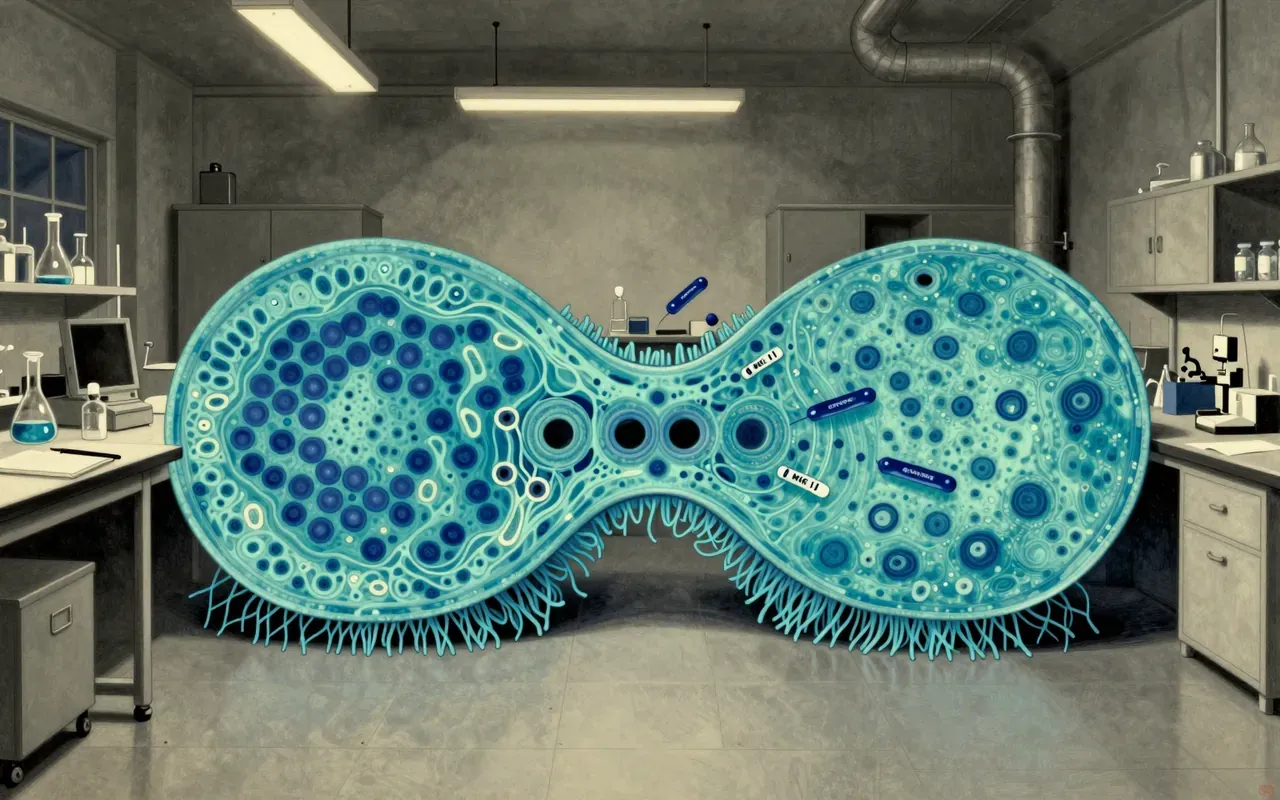
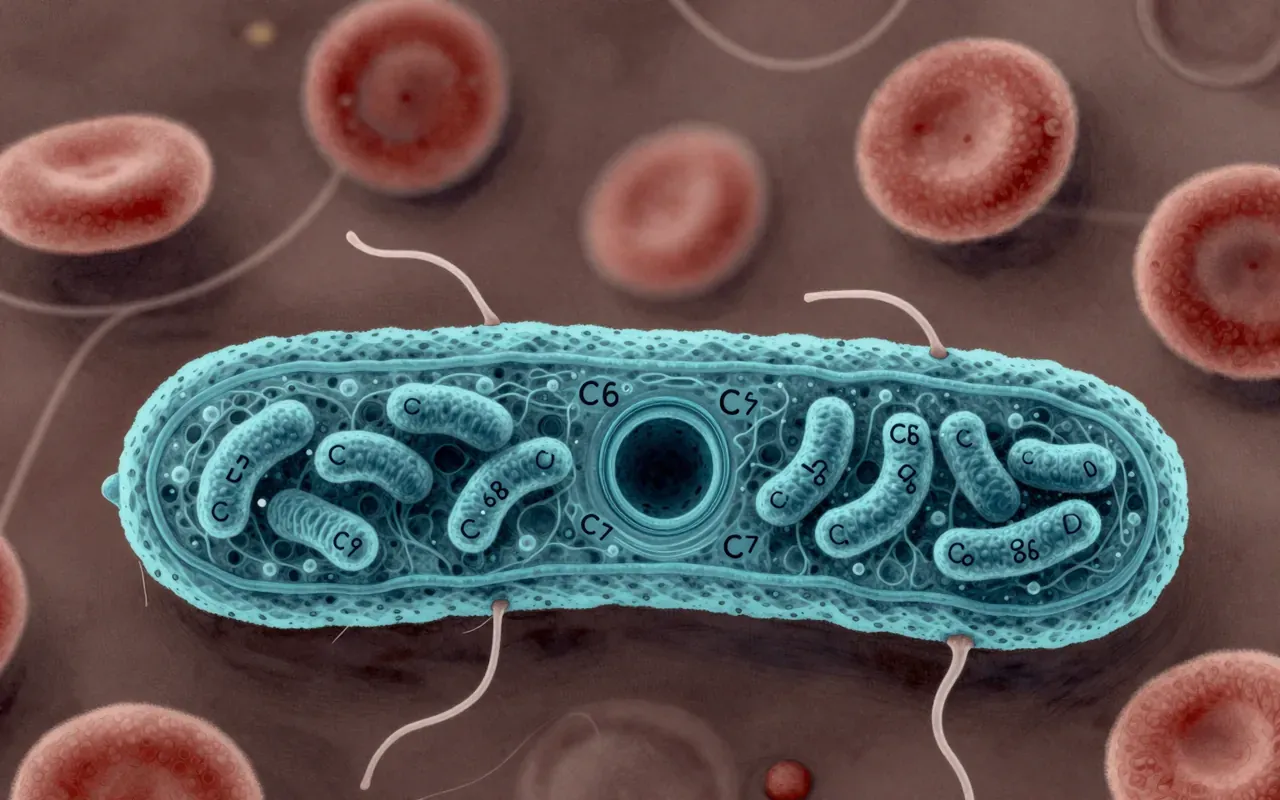
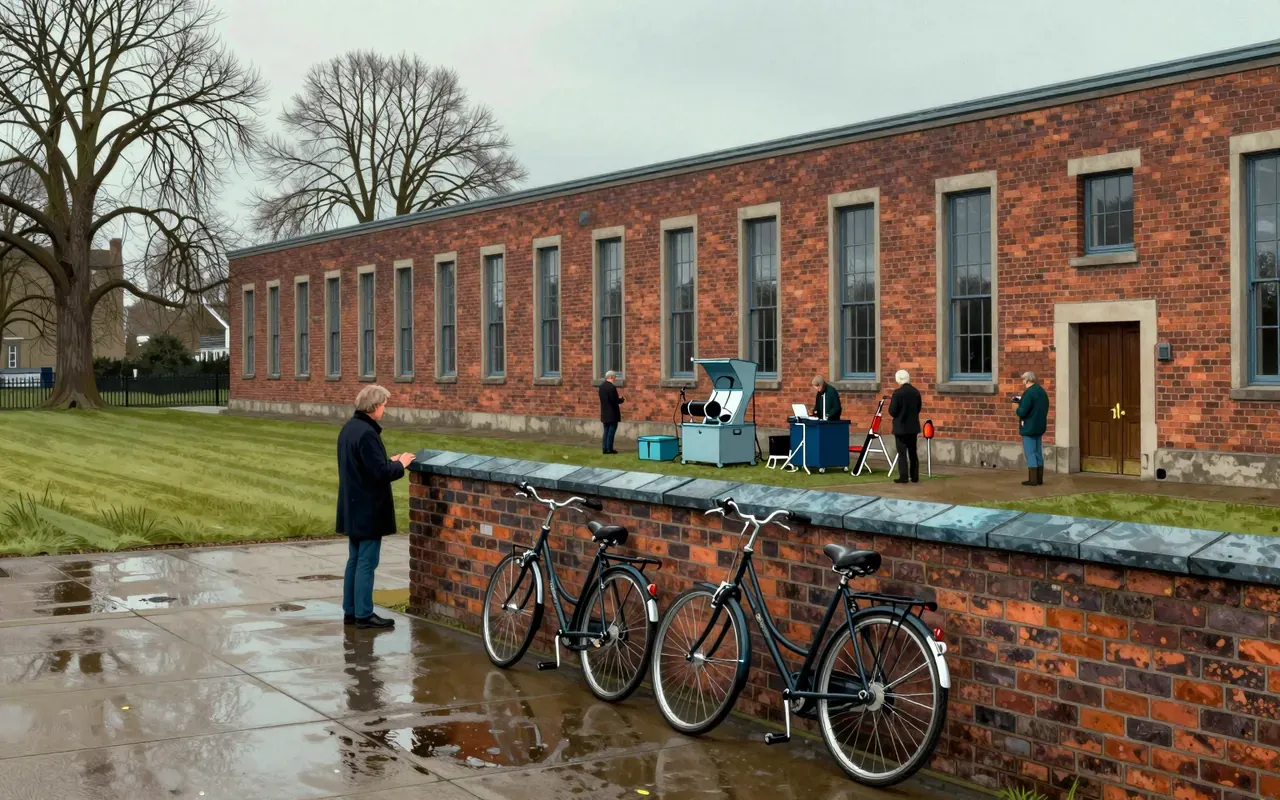
Bacteria can pick up genes from other cells by transformation, transduction or conjugation, not only by inheriting them. Lederberg and Zinder showed in 1951 that a virus could carry genes from one strain of Salmonella to another, and Lederberg's earlier work with Edward Tatum showed that E. coli can exchange genes by conjugation. The material treats the process as the main route by which antibiotic resistance spreads among bacteria.
8:42

Monoclonal antibody

Georges Köhler and César Milstein

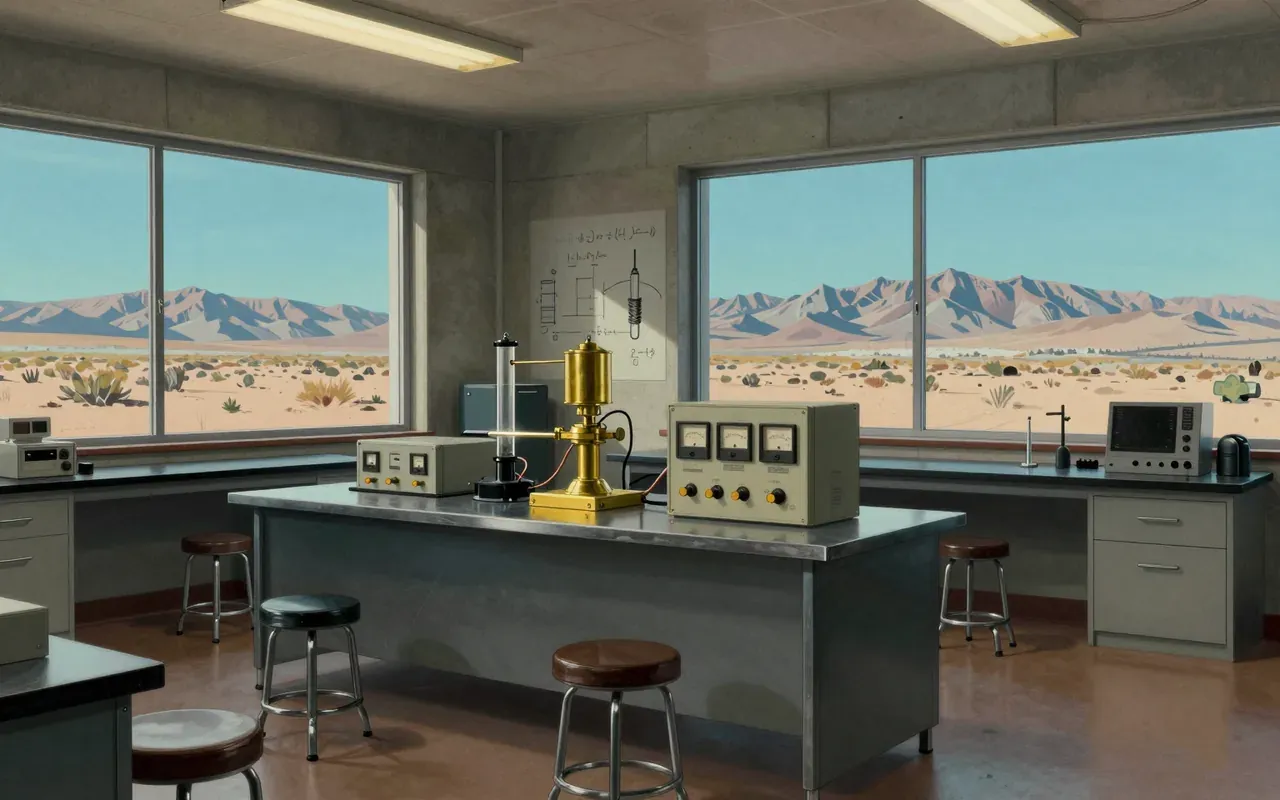
The 1975 hybridoma technique solved one problem: how to make unlimited quantities of identical antibodies targeting a known antigen. It did not solve delivery, safety, scalability, or therapeutic function. Its value lies in reproducibility — not potency, not novelty of target, not clinical impact.
8:44

Alexander Fleming

Fleming didn’t discover a drug — he discovered a warning system built into microbial ecology.
13:00

Management of HIV/AIDS

David Ho's mid-1990s viral dynamics research showed HIV replicates and mutates too fast for any single drug to outlast it, an insight that became the case for combination therapy and turned a fatal diagnosis into a manageable one.
13:00

Asepsis

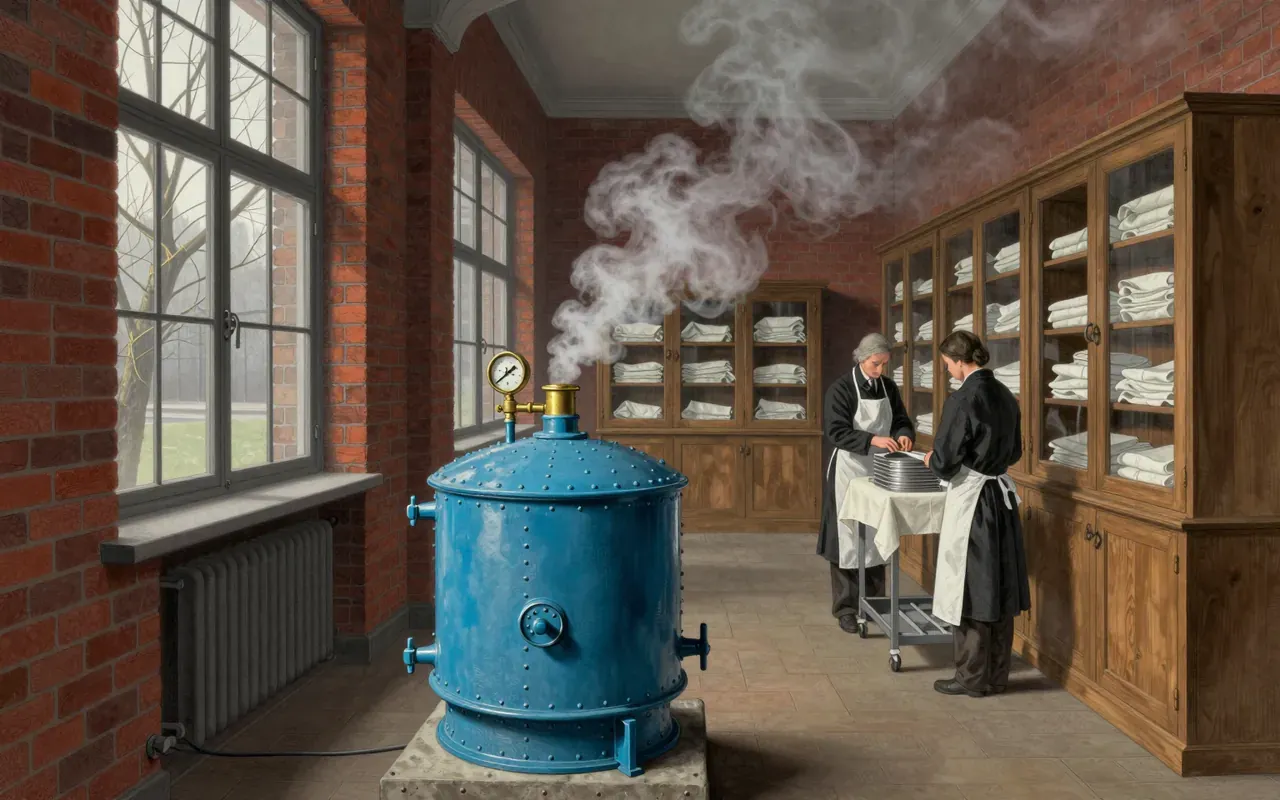
Where Joseph Lister's antiseptic method killed germs already in a wound with carbolic acid, Ernst von Bergmann's 1891 introduction of steam sterilization aimed to keep them out of the operating theatre altogether, a shift called asepsis.
13:00

Joseph Lister

From 1865 Joseph Lister applied Louis Pasteur's germ theory to the operating theatre, using carbolic acid to kill microbes on wounds, instruments and hands, and met years of resistance before antiseptic surgery became standard practice.
13:00

B cell

B cells build antibodies by shuffling gene segments almost at random, then let competition inside lymph tissue sharpen the best ones, and this brief follows that process from a chicken organ in 1956 to today's engineered antibody drugs.
9:55

Barry Marshall

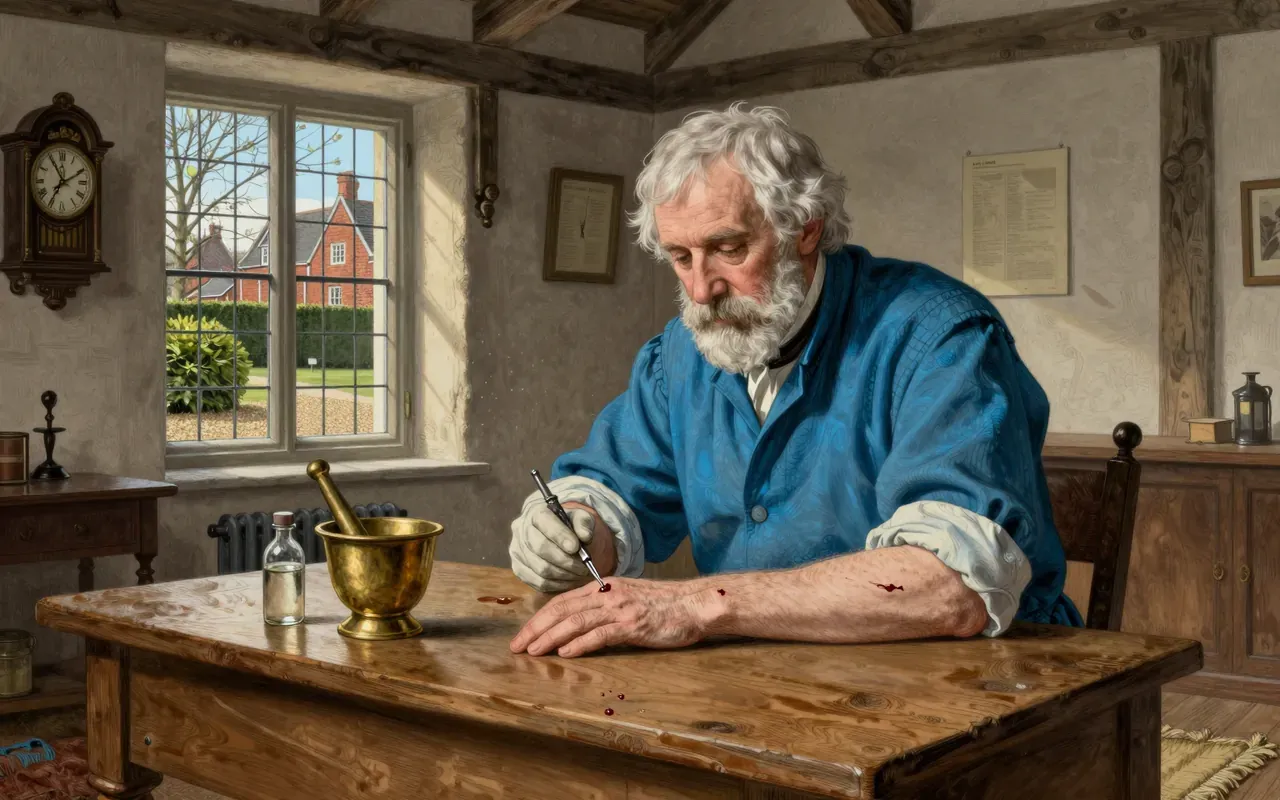
A man drank bacteria and proved ulcers were infectious—not psychological.
13:00

Cortisone

In 1948 Philip Hench found that a hormone Edward Kendall had isolated years earlier could dramatically relieve rheumatoid arthritis, and cortisone's stunning early results gave way to a more complicated picture once its long-term risks became clear.
13:00

Cytokine

Cytokines carry immune instructions at concentrations far lower than hormones, and the same signalling logic that lets a handful of molecules coordinate an infection response can also spiral into a cytokine storm, which this brief traces from 1957 discoveries to COVID-19.
13:00

Cytotoxic T cell

Cytotoxic T cells do not simply destroy infected cells, they trigger the same programmed death machinery a cell would use to remove itself in normal development, and this brief traces that shared pathway from a 1972 paper to today's cancer therapies.
13:00

Dendritic cell

Ralph Steinman named dendritic cells in 1973 and spent decades arguing they were the bridge between innate and adaptive immunity, a case the field only fully accepted after his death, and this brief follows that argument and the cell's actual job.
8:44

Edward Jenner

Jenner didn’t invent vaccination — he invented the human challenge trial.
13:00

Germ theory of disease

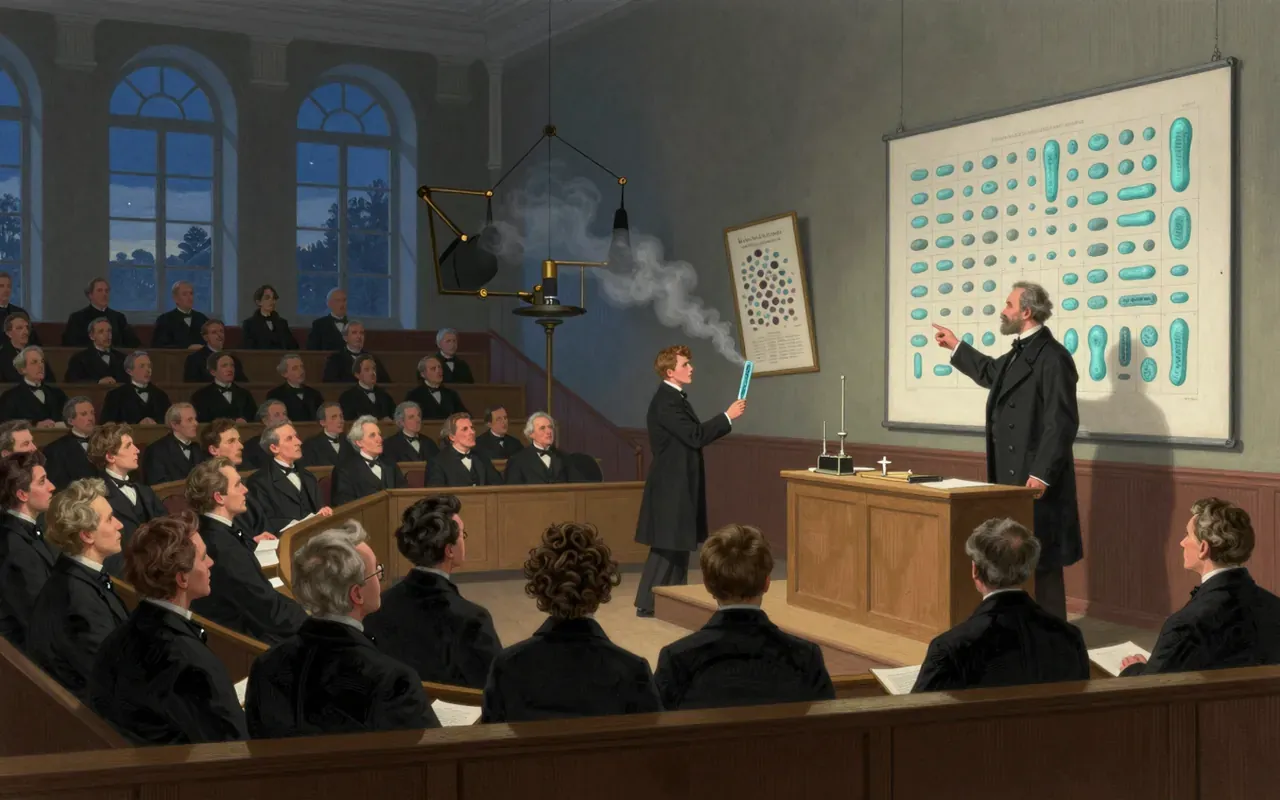
Working separately from the 1860s to the 1880s, Louis Pasteur and Robert Koch replaced the idea that disease arises from bad air with evidence that specific microorganisms cause specific infections, and Koch's postulates gave the field a standard for proving it.
11:14

Gerty Cori

Enzyme defects cause genetic disease — and this was proven, not hypothesised.
13:00

T helper cell

Helper T cells direct the rest of the immune response without killing anything themselves, and their CD4 surface marker is the same molecule HIV uses to get in, which is why this brief treats the two as one story.
11:14

Henrietta Lacks

HeLa didn’t just change science — it revealed that medical immortality has a name, a race, and no consent.
13:00

HIV

Two labs on opposite sides of the Atlantic isolated the same virus under different names within a year of each other, and it took another year of testing, and decades of dispute, to agree who found it first.
13:00

Hookworm

A 1909 survey of the American South found nearly half of school-aged children carrying hookworm, and a five-year Rockefeller-funded campaign against it measurably raised literacy, which this brief follows into a disease still infecting hundreds of millions today.
11:54

Ignaz Semmelweis

Semmelweis didn’t discover germs — he discovered that doctors were killing mothers, and proved it with monthly death counts.
9:42

Louis Pasteur

Pasteur didn’t discover germs—he proved dust carries them, and nothing grows without them.
9:31

Lysosome

Lysosomes weren’t found — they were inferred from acid phosphatase, then confirmed by centrifugation.
13:00

Plasmodium

Plasmodium spends part of its life dormant in the liver for over a year before it ever reaches the blood, a hiding strategy this brief follows alongside the parasite's steady, documented history of outlasting every drug built against it.
13:00

Natural killer cell

Natural killer cells attack by noticing what is missing from a cell's surface rather than what is present, an idea that only became testable once researchers could see the cells at all, and this brief follows that logic into innate immunity more broadly.
13:00

Swan neck flask

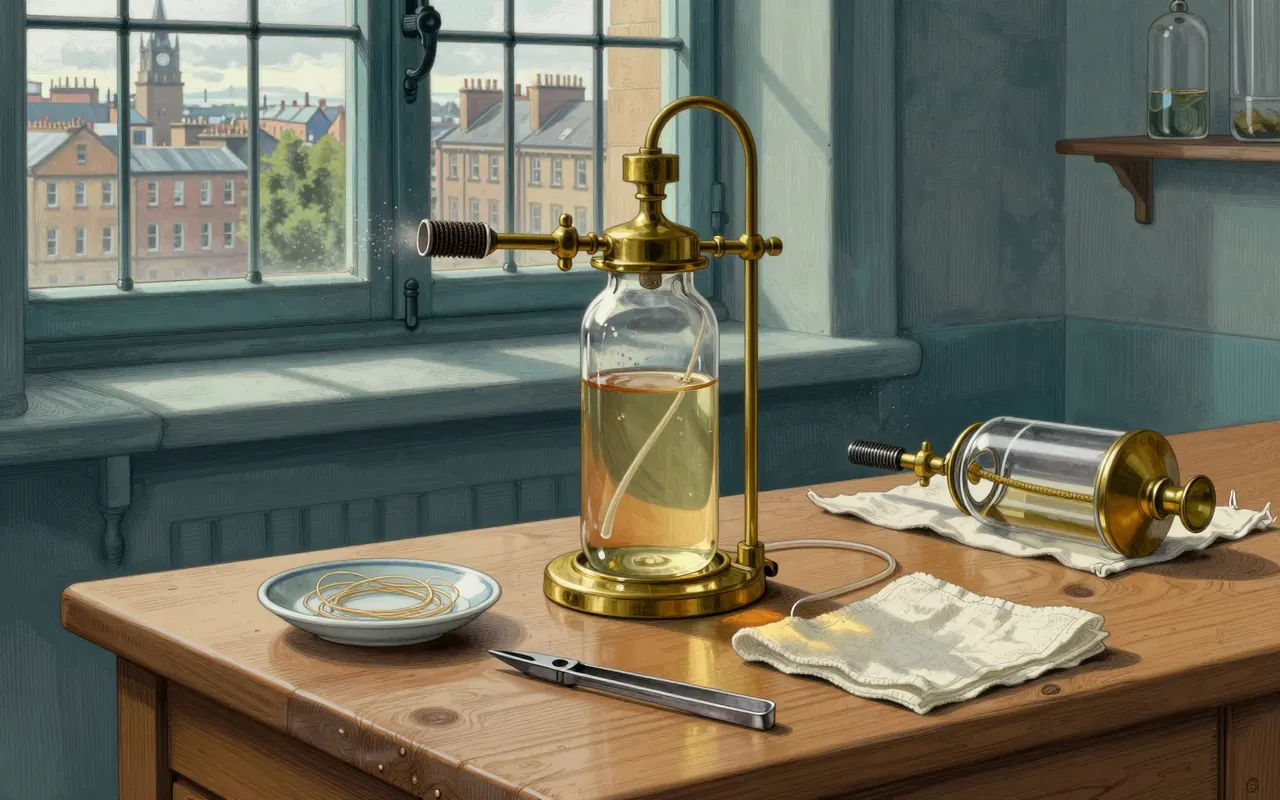
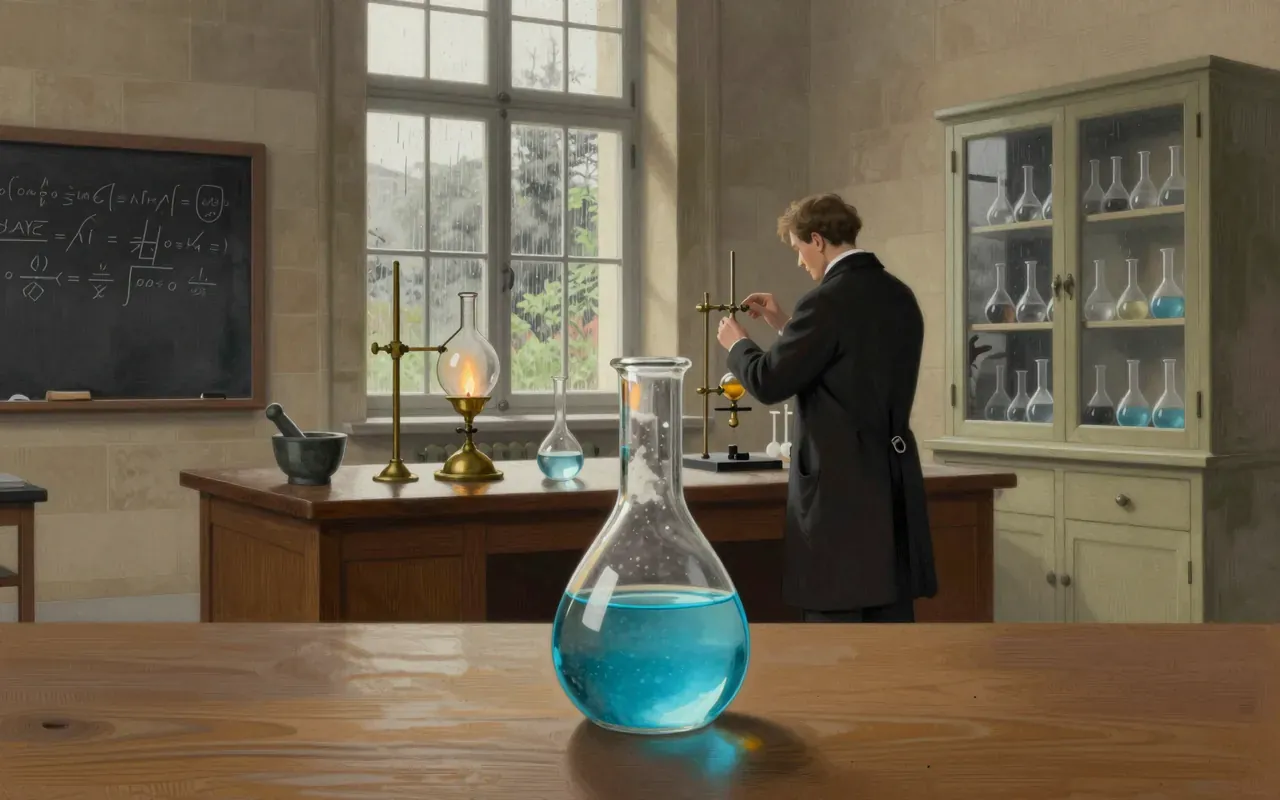
A curved glass neck that let air through but trapped dust settled a centuries-old argument about whether life could spring from nothing, by turning a philosophical dispute into a shape anyone could picture and test.
13:00

History of penicillin

Howard Florey and Ernst Chain's Oxford team, aided by a mould found on a Peoria cantaloupe, turned Fleming's decade-old observation into billions of units of penicillin a year, though Britain's refusal to patent the method cost it years of royalties.
13:00

COVID-19 pandemic

Confirmed COVID-19 deaths sit around seven million, but excess-mortality estimates run two to five times higher, and years on, researchers still cannot say for certain which animal carried the virus to humans in Wuhan.
13:00

Trypanosoma brucei

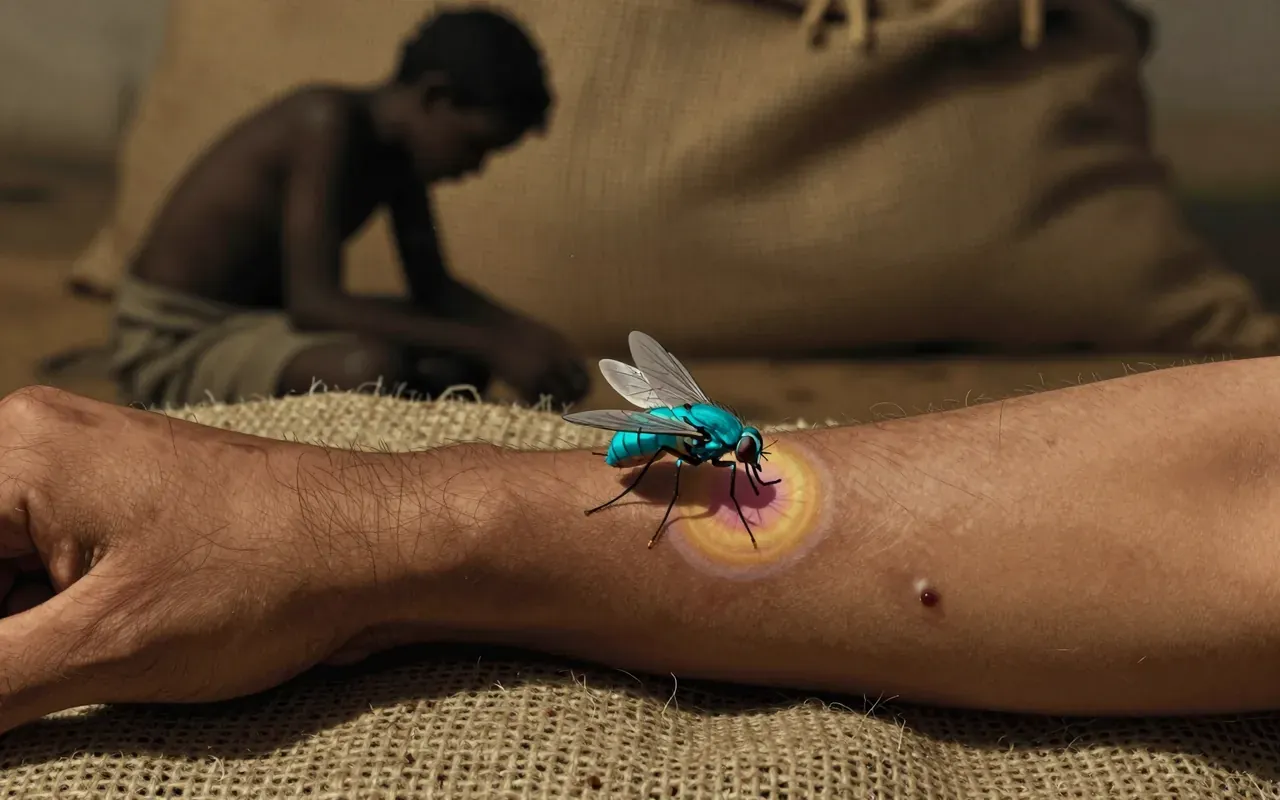
Trypanosoma brucei swaps its surface coat faster than the immune system can catch up, and this brief follows that trick from a 1901 Ugandan epidemic that killed a quarter of a million people to a single-dose drug approved a little over a year ago.
8:32

Cell-mediated immunity

Cell-mediated immunity isn’t a discovery—it’s a category carved from a 19th-century conceptual split.
11:03

British Doctors Study

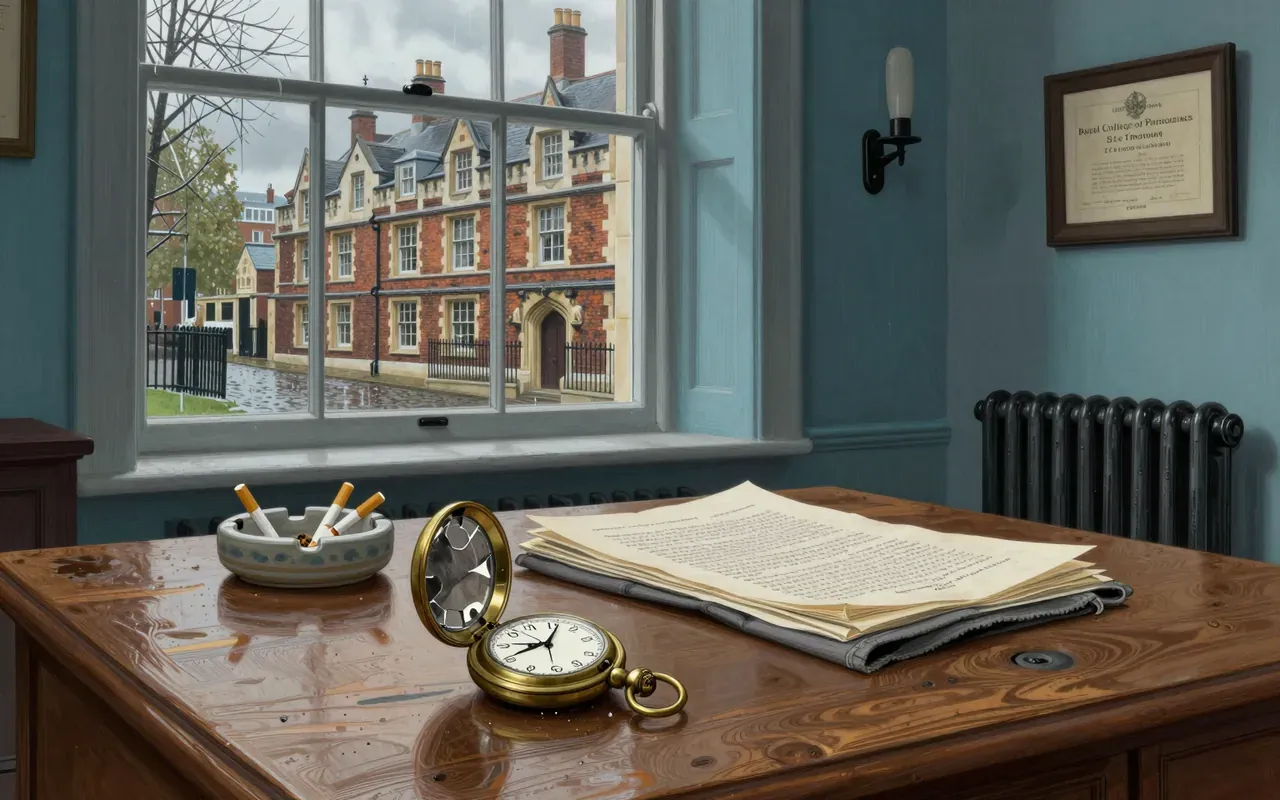
A single mail-out to British doctors in 1951 settled the smoking debate — but only for men, and only for death.
13:00

Complement system

The complement system was named for what it does to other parts of immunity, not for anything it does alone, and this brief follows about fifty blood proteins from an 1888 anthrax experiment to their newly found role trimming synapses in the brain.
13:00

Penicillin

Alexander Fleming's 1928 observation that a stray mould killed his bacterial cultures sat mostly ignored for a decade until Howard Florey and Ernst Chain turned it into the first mass-produced antibiotic.
13:00

Prion

Stanley Prusiner proposed that an infectious agent could be a misfolded protein with no genetic material at all — a claim his own field initially rejected as impossible.
13:00

Smallpox vaccine

In 1796 Edward Jenner tested whether cowpox could protect against smallpox, and the vaccination method that followed eventually let the World Health Organization declare smallpox eradicated in 1980.
13:00

Oncogene

Bishop and Varmus's 1976 discovery that a cancer virus's src gene was actually a captured, mutated version of a normal cellular gene reframed cancer as damage to the cell's own machinery, not a foreign invasion.
10:16

Tobacco mosaic virus

Ivanovsky and Beijerinck

The discovery of the tobacco mosaic virus established the existence of infectious agents smaller than bacteria and dependent on living hosts for replication. Ivanovsky (1892) demonstrated filterability; Beijerinck (1898) added host-dependent multiplication and coined 'virus'. Neither observed the virus itself. Their work founded virology — but also embedded a flawed 'fluid' model that delayed recognition of viruses as particulate, genetic entities.

13:00

Vitamin

Frederick Hopkins didn't discover a vitamin; he proved by feeding trial that food contains something beyond protein, fat and carbohydrate that animals cannot grow without.
13:00

Flow cytometry

An instrument that now sorts thousands of individual cells a second by their exact chemistry began as two borrowed industrial tricks, an electrical particle counter and an ink-jet printer, combined into a single machine decades apart.
12:05

Hayflick limit

Hayflick

Hayflick’s 1962 work established a finite replication limit for normal human fetal cells — 40–60 divisions — using culture methods and a definitive male-female co-culture experiment. It refuted Carrel’s immortality claim, distinguished mortal normal from immortal cancer cells, and produced WI-38 — the foundational cell strain for vaccine development. It did not identify the counting mechanism, nor prove cellular senescence drives whole-organism aging.

9:26

Human Microbiome Project

It gave us the first map of where microbes live in healthy humans — not why they matter, not how to fix them, just where they are.
13:00

Insulin

In 1921 Frederick Banting, Charles Best, John Macleod and James Collip at the University of Toronto isolated and purified insulin from animal pancreases, turning a previously fatal diagnosis into a manageable condition within months.
13:00

Human microbiome

Trillions of microbes live on and in every human body, and genetic sequencing has replaced old guesses about their numbers and roles — but most links between the microbiome and disease remain correlations, not proven causes.
13:00

BCG vaccine

Albert Calmette and Camille Guerin spent thirteen years weakening a tuberculosis strain into the BCG vaccine, first given to a child in 1921, whose protection has since proved real but strikingly inconsistent from one country to the next.
13:00

MMR vaccine and autism

A 1998 study of twelve children claiming a link between MMR vaccine and autism took thirteen years to be formally called fraud, and vaccination rates and measles cases moved in step the whole time.
13:00

Vitamin C

James Lind showed citrus cured scurvy in 1747 and the advice was ignored for decades; Albert Szent-Györgyi isolated the actual compound in 1927 and still needed another scientist's proof to confirm what he had found.
13:00

Vitamin D

Cod liver oil and sunlight looked like unrelated folk remedies for rickets until researchers proved both worked through the same molecule, vitamin D — a discovery that eliminated a disfiguring childhood disease at national scale.