sciencebriefs
all subjects →
9:15in productionCh. 1 · Method: Large-format, no manipulation/ 9:15 · ceiling 15 min
Natural sciences · Ecology

Per Bak Jensen

Realism isn’t captured — it’s removed.

Per Bak Jensen’s photography is a disciplined removal of realism — not a discovery in science, but a demonstration of how method shapes perception.

Chapters & takeaways4
  1. 0:55
    Method: Large-format, no manipulation

    He is a Danish landscape photographer who used a large-format camera to photograph Copenhagen’s parks, cemeteries, and monument areas in black and white.

  2. 2:18
    Subject: The banal made estranging

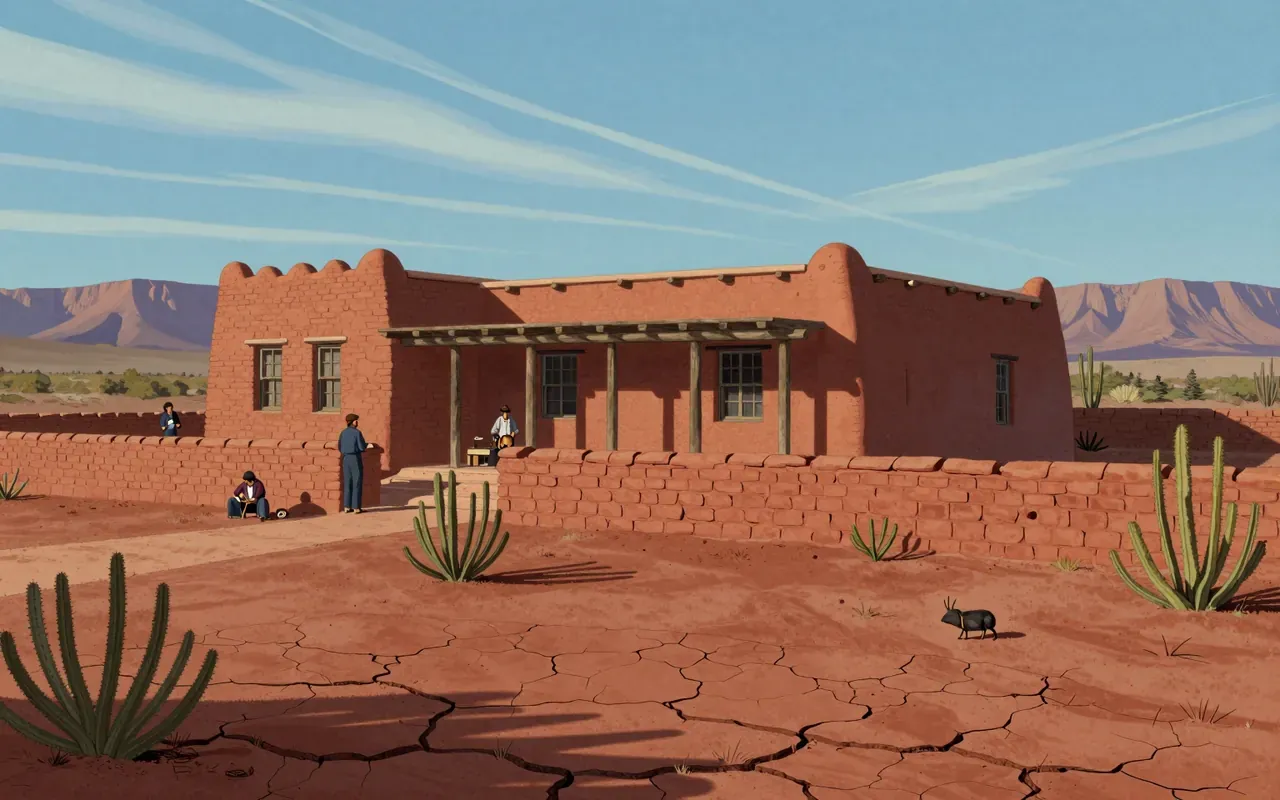
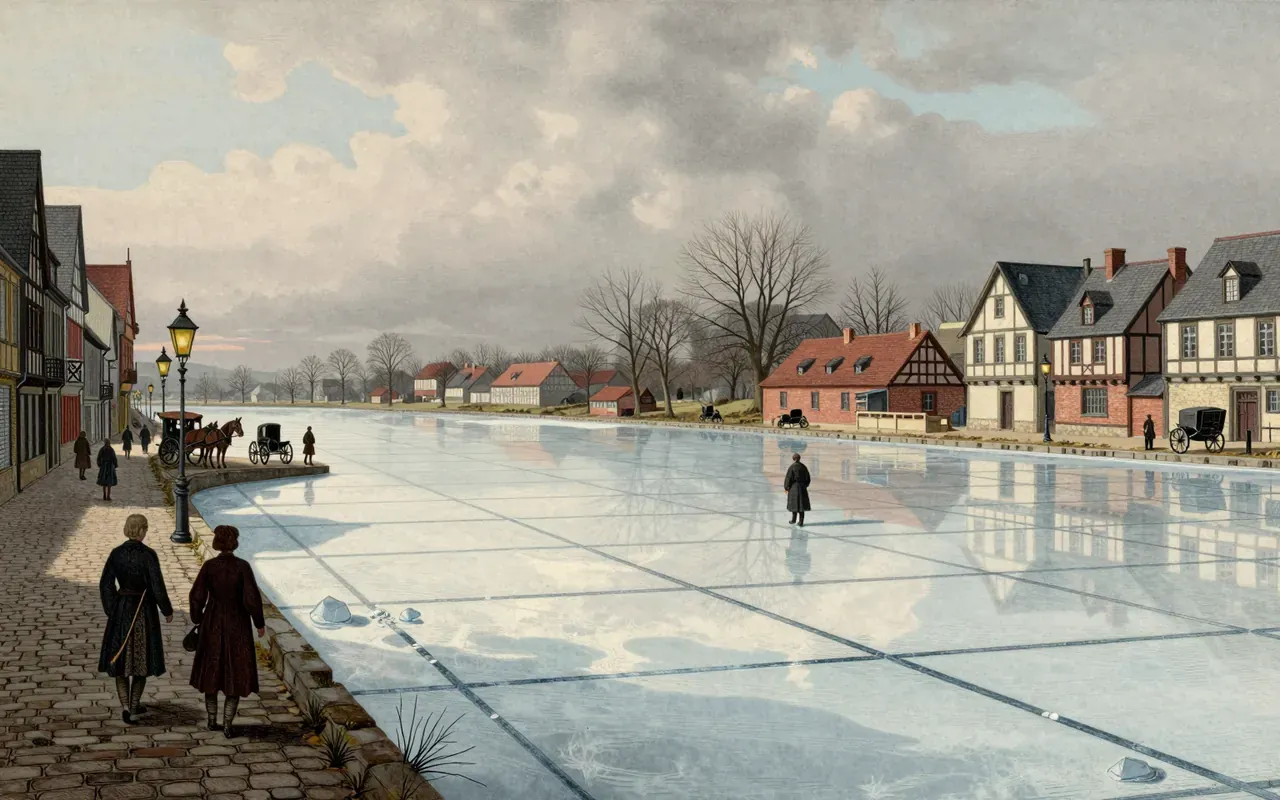
    He photographed corn stubble, twigs in snow, and isolated rocks — and made the city appear empty, distant, and alienated.

  3. 3:50
    Effect: The unreal at the centre of everyday life

    His images convey an almost metaphysical impression — revealing the 'invisible' aspects of the town in a new, mysterious light.

  4. 5:36
    Principle: Removal, not addition

    He never manipulates photographs after capture — and removes realism by revealing the unreal.

Worth your time?

Yes. Study the whole thing.

2.5/ 5
What works
  • photography
  • perception
  • abstraction
What does not
  • science/applied
  • science/physics
  • science/ecology
  • science/earth-and-climate
Study it if
  • visual-culture
  • art-history
  • urban-studies
Skip it if
  • data-science
  • environmental-policy
  • climate-modeling
The written brief1 min read

What the work claims

That realism is removable. That the ordinary contains an unreal core. That this unreality becomes visible through disciplined photographic attention — not editing, not abstraction, but framing, light, and exposure.

How it was done

Per Bak Jensen used a large-format camera to make unmanipulated black-and-white and colour photographs. He selected unconventional subjects — corn stubble, twigs in snow, isolated rocks, urban peripheries, industrial sites, motorways — and applied careful attention to angle, light, and exposure.

What holds up

His photographs consistently present urban and natural spaces as empty, distant, and alienated. They reveal an ‘unreal’ dimension at the centre of everyday life. This effect is achieved through deliberate subject choice and strict non-manipulation.

What does not

The work does not establish a scientific principle, test a hypothesis, quantify change, model behaviour, or engage with reproducible observation. It makes no claim about ecology, geology, physics, or human cognition — only about perception and presentation.

Why it matters beyond the lab

It matters for visual culture, not science. It shows how a fixed method — large-format, no post-processing, precise control — can produce metaphysical resonance from banal matter. It offers a counterpoint to algorithmic image-making and AI-generated abstraction.

Is it worth your time

Yes, if you want to see how photographic method can estrange the familiar without digital intervention. No, if you expect technical innovation, empirical measurement, or claims about natural systems.

Same field · Natural sciences4 of 10
Up next in Science

Perovskite solar cell

Kojima, Park and others · 10:19

A cheap, simple perovskite layer replaced silicon’s monopoly — but only in the lab, and only so far.

10:19