
Ibn al-Haytham
He didn’t just study light—he invented the scientific method for perception.
The rules underneath, as far as they are known.
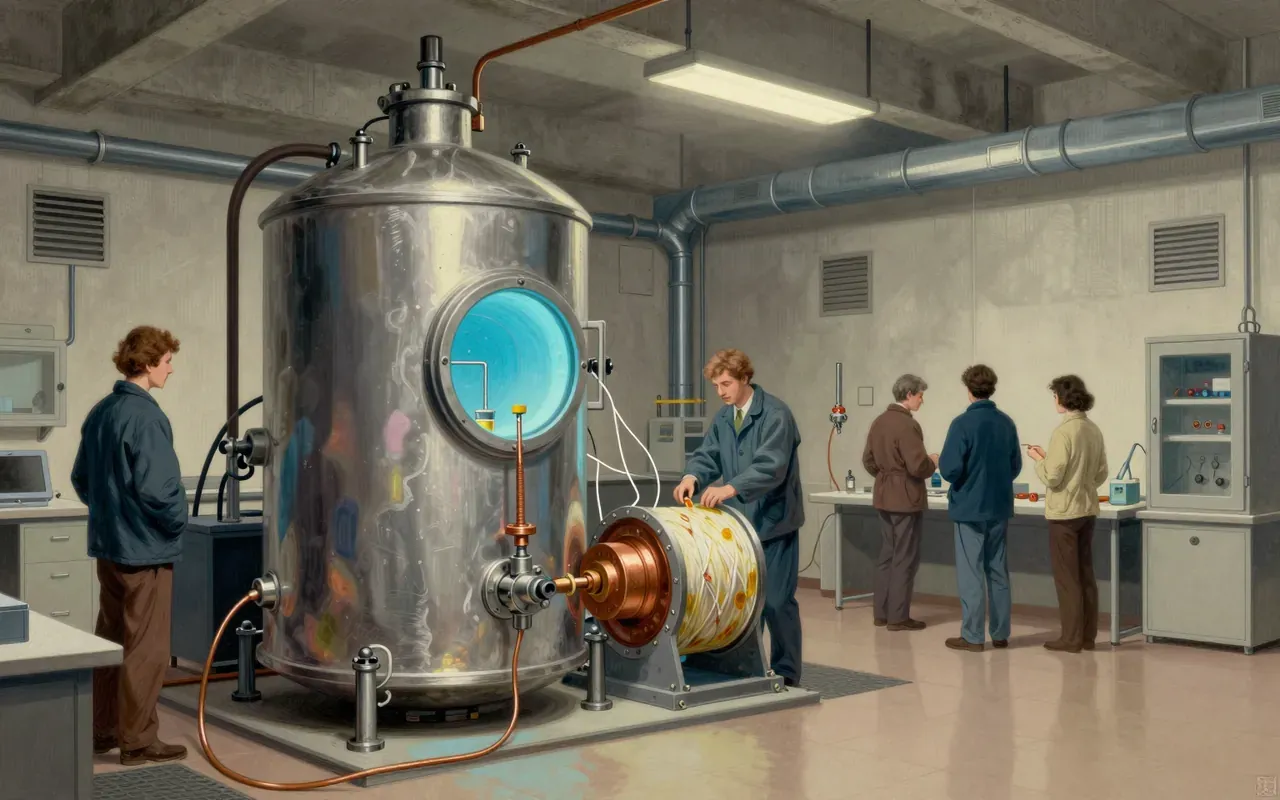















Chicago Pile-1 proved a self-sustaining nuclear chain reaction was possible using natural uranium and purified graphite — nothing more, nothing less.
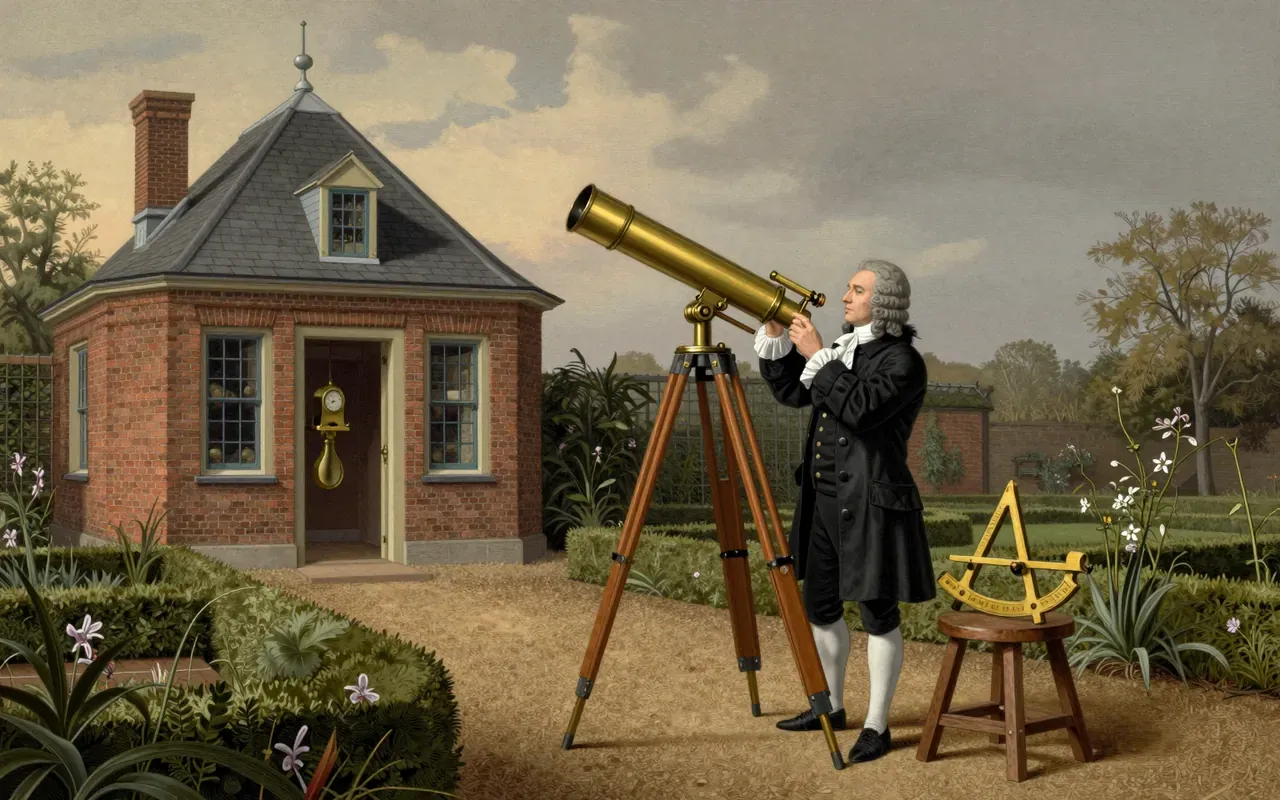


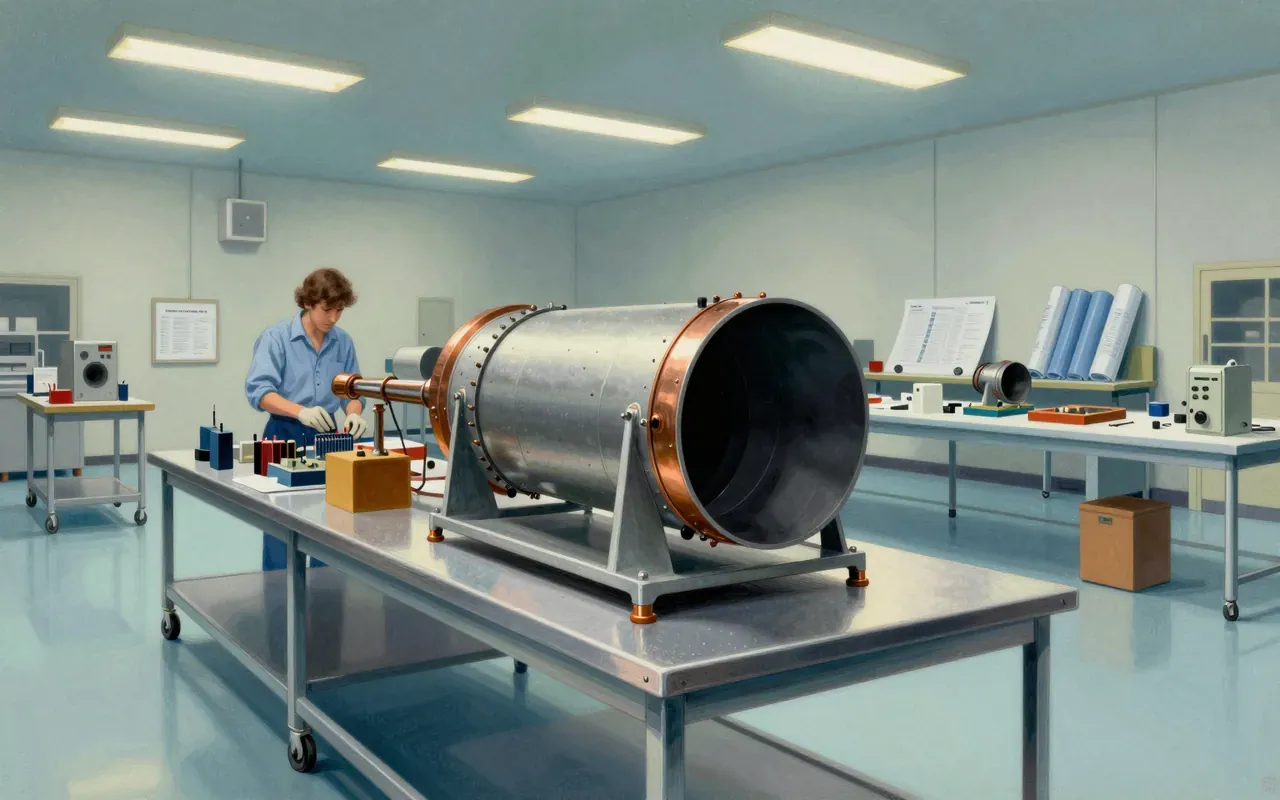
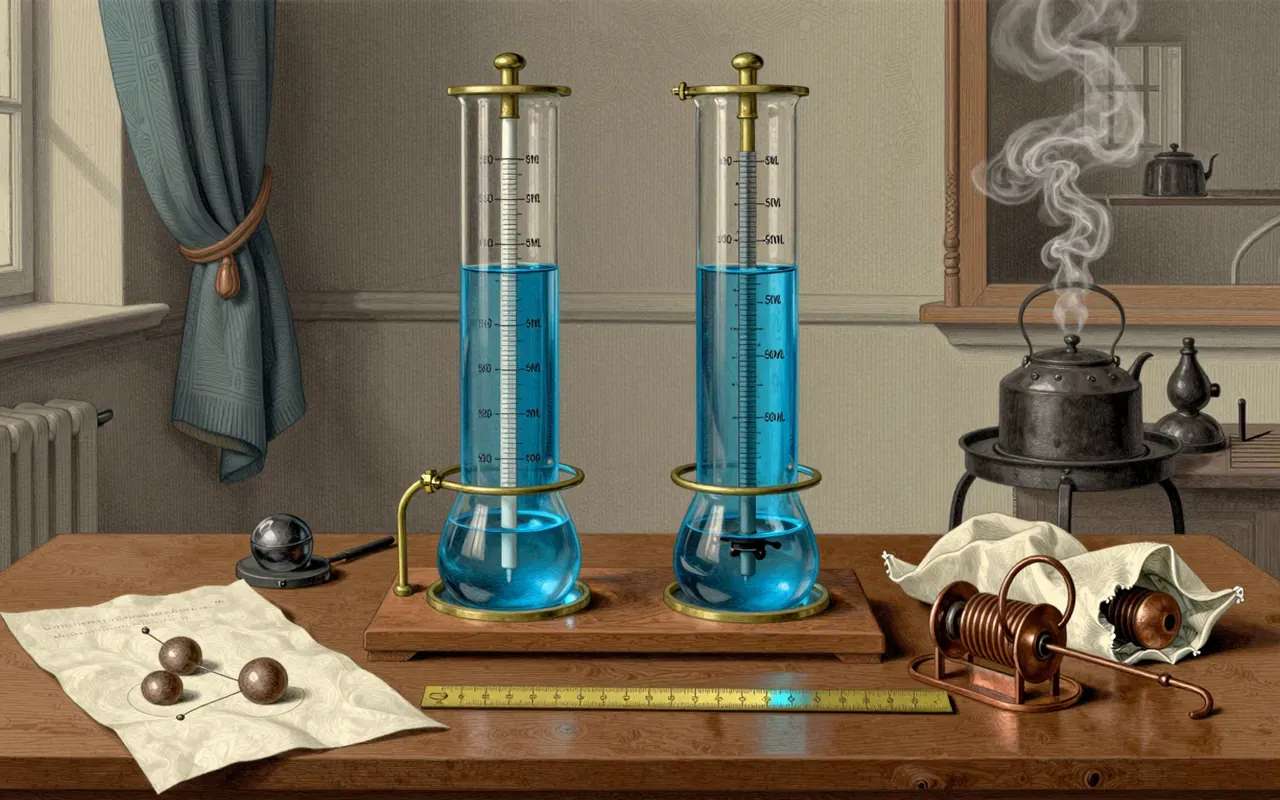


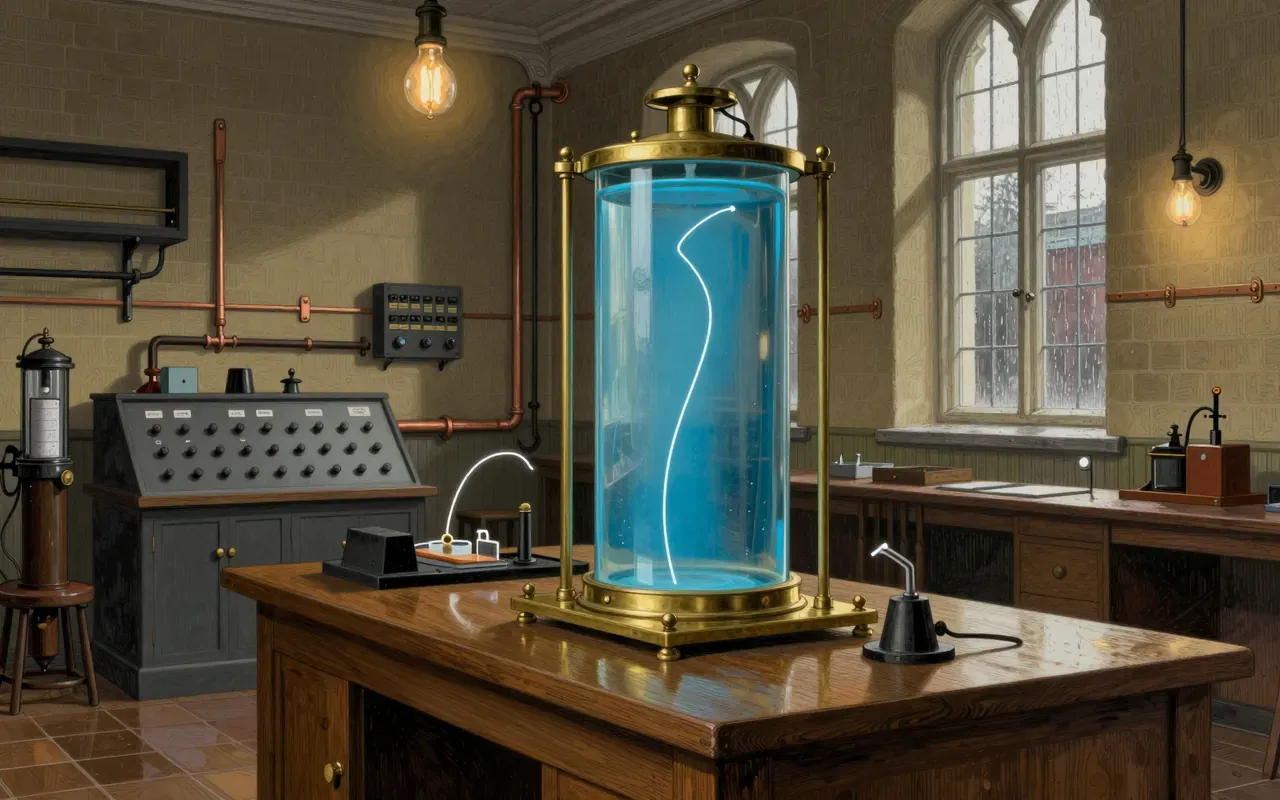
The Dirac equation is the first consistent relativistic quantum wave equation. It predicts antimatter and derives spin — verified by hydrogen fine structure and Anderson’s 1932 positron detection. It does not prove antimatter; it implies it. It does not go beyond first-order fine structure. It remains indispensable in particle physics.




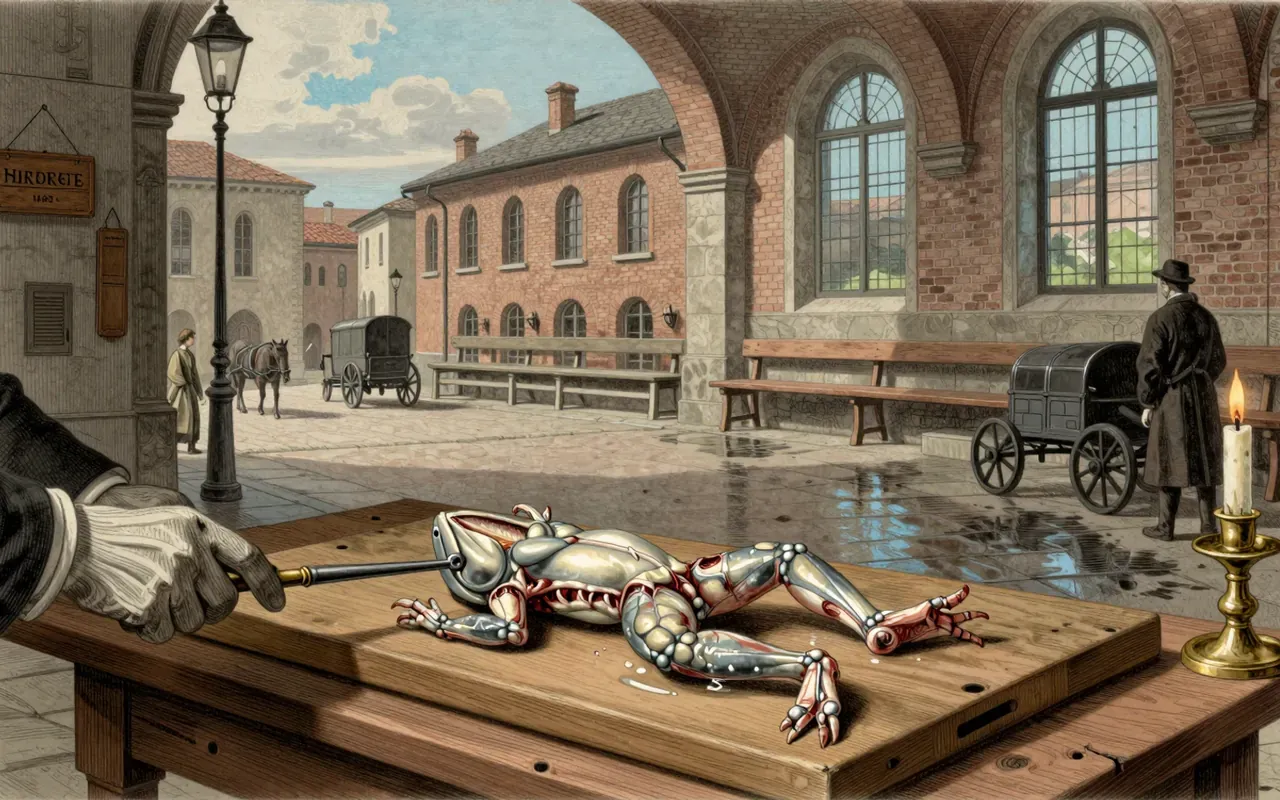
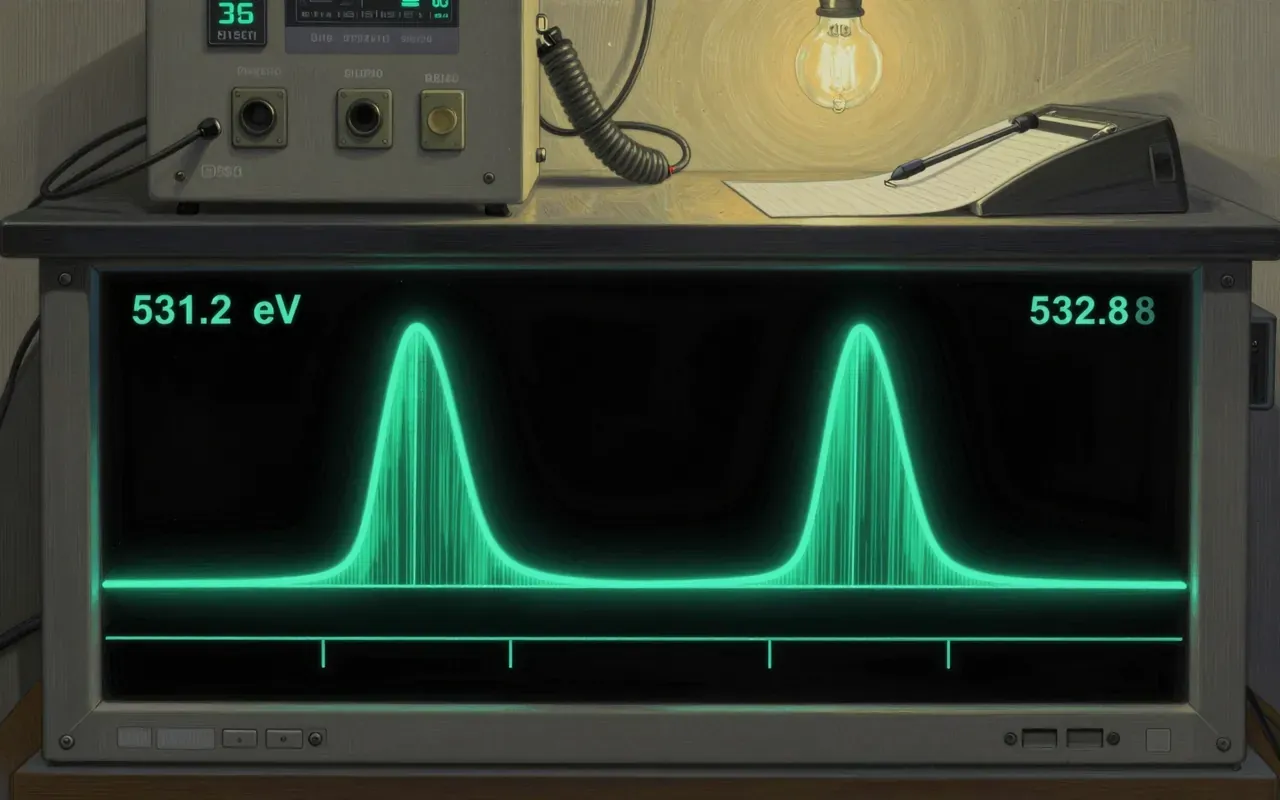






Fick’s laws quantify diffusion in fluids using direct measurements of salt flux and concentration. They hold for liquids, not solids. Their derivation is experimental, their form exact, and their reach vast — but they are not universal, not theoretical first principles, and not extended beyond their empirical domain.
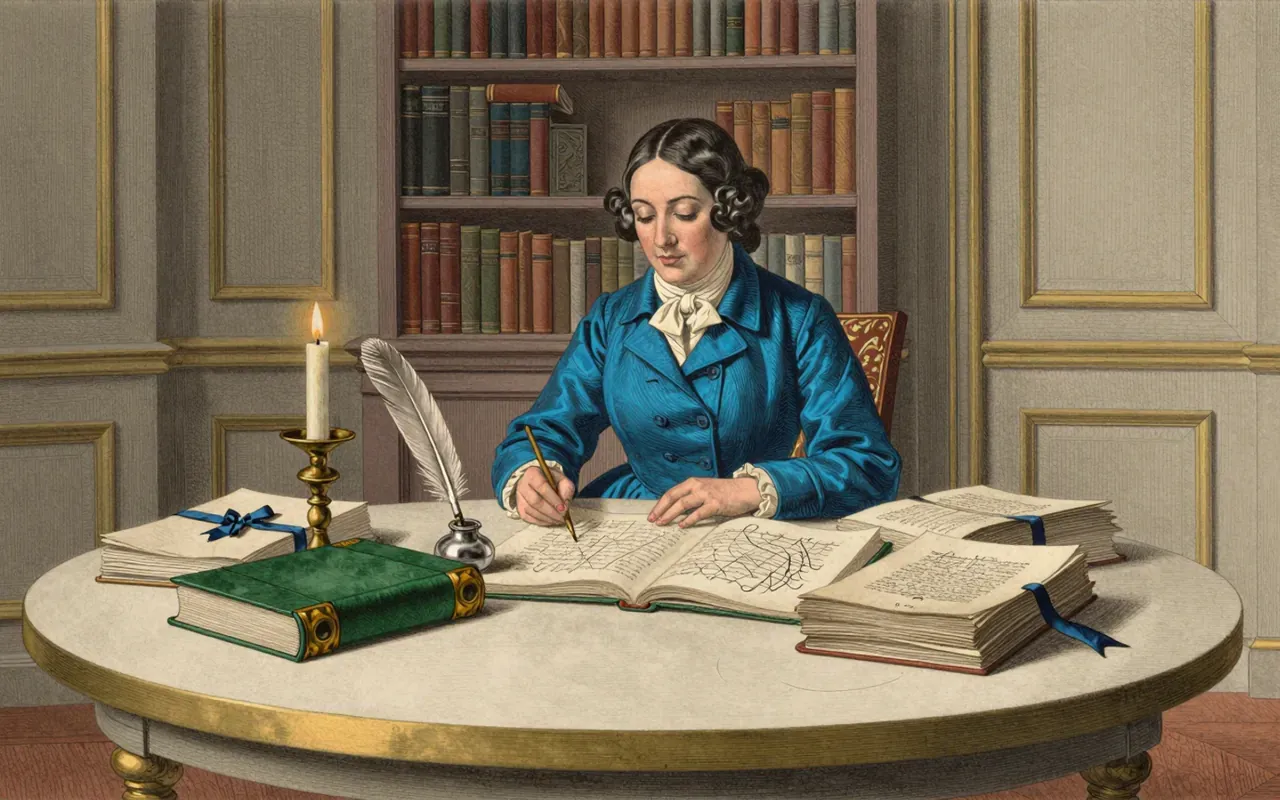


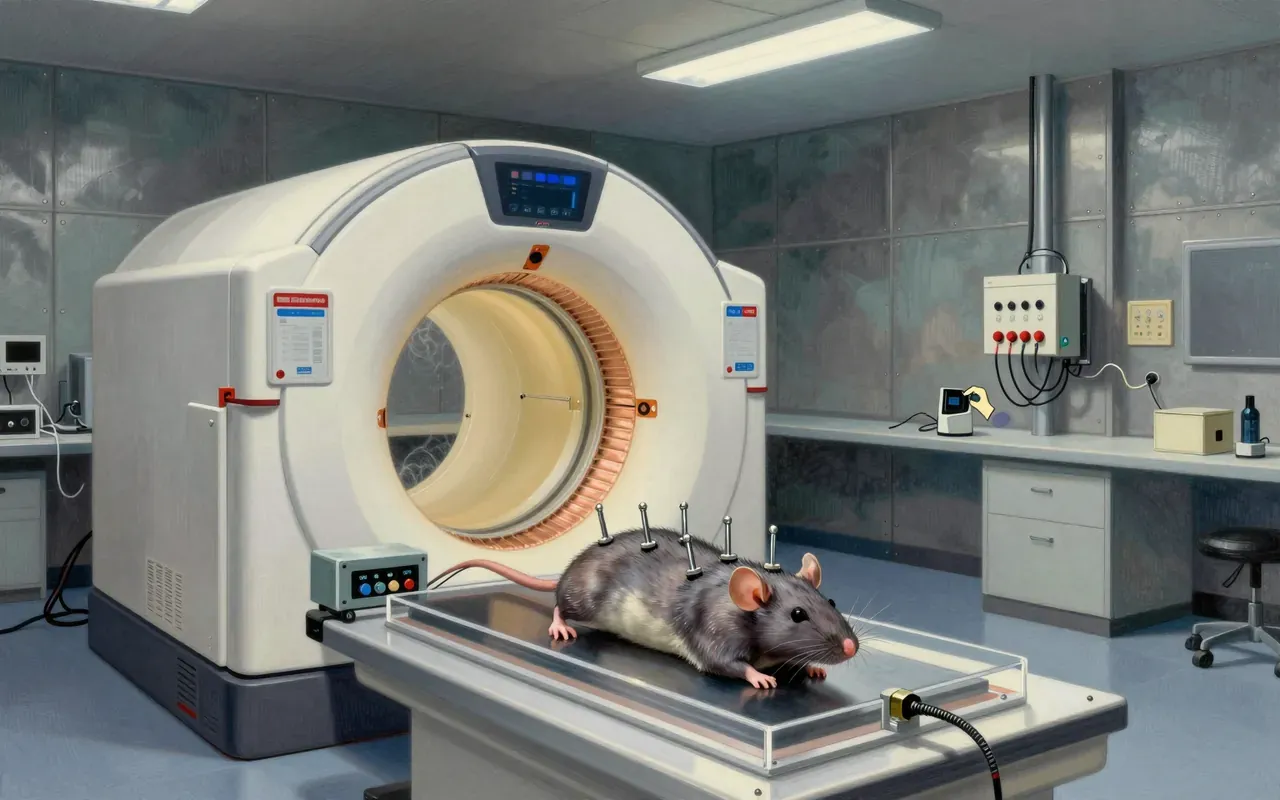
Ogawa’s 1990 work established the BOLD effect — a measurable, oxygenation-dependent MRI signal shift in rodent brain tissue — verified with blood samples and EEG correlation. It is the physical foundation of human fMRI, but maps vascular response, not neural activity directly.



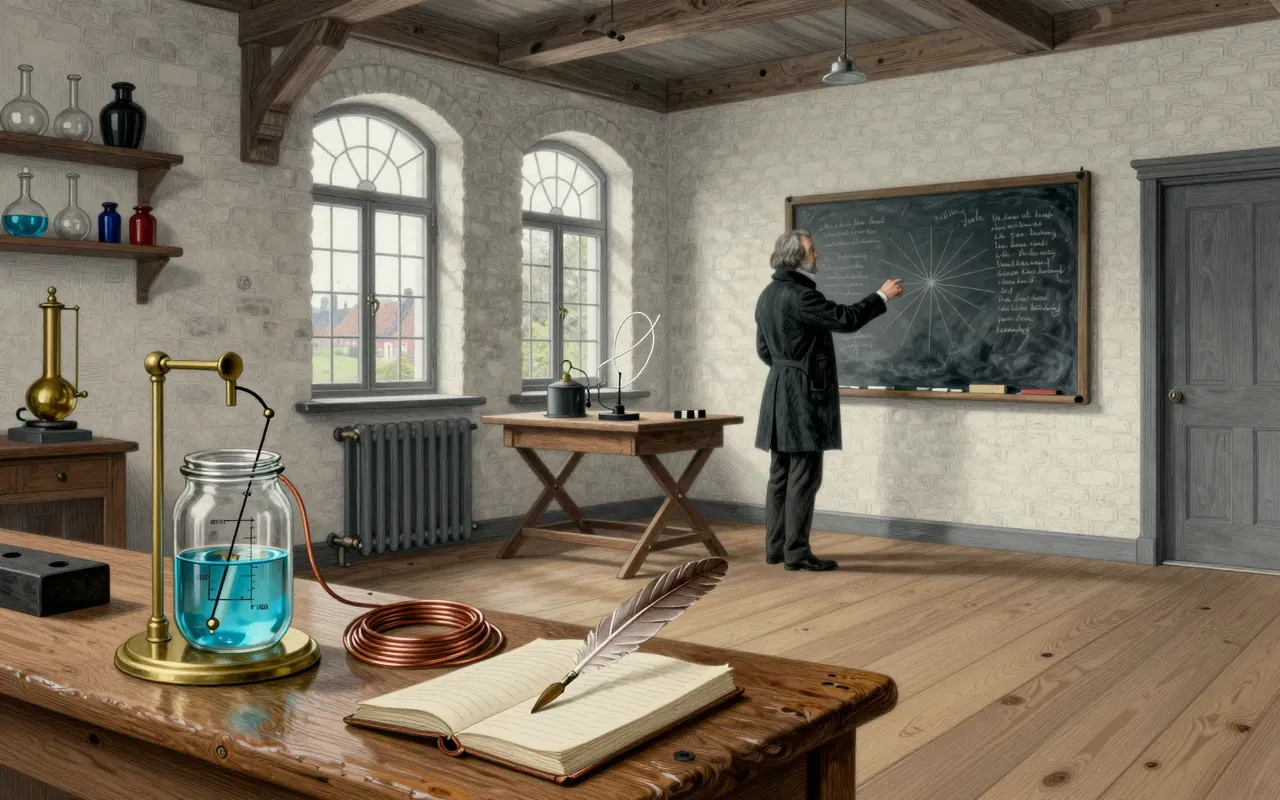

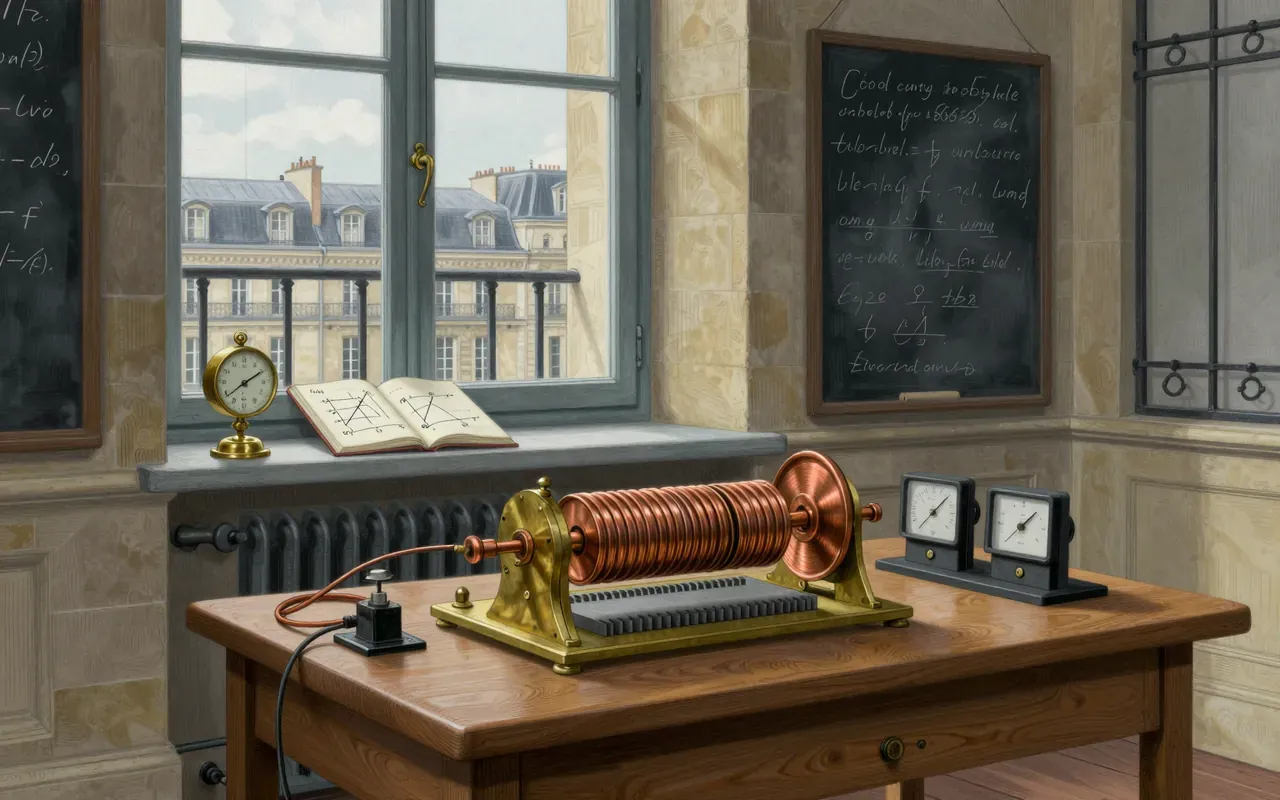
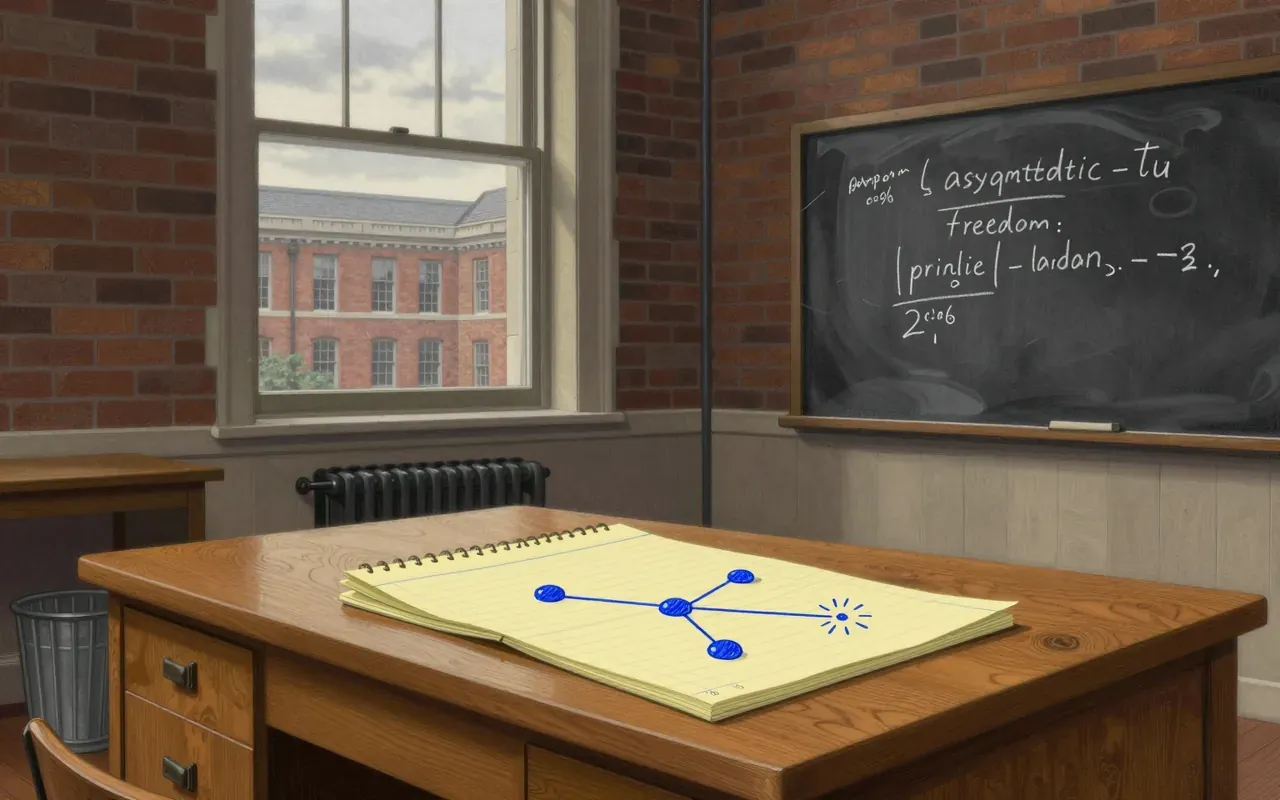


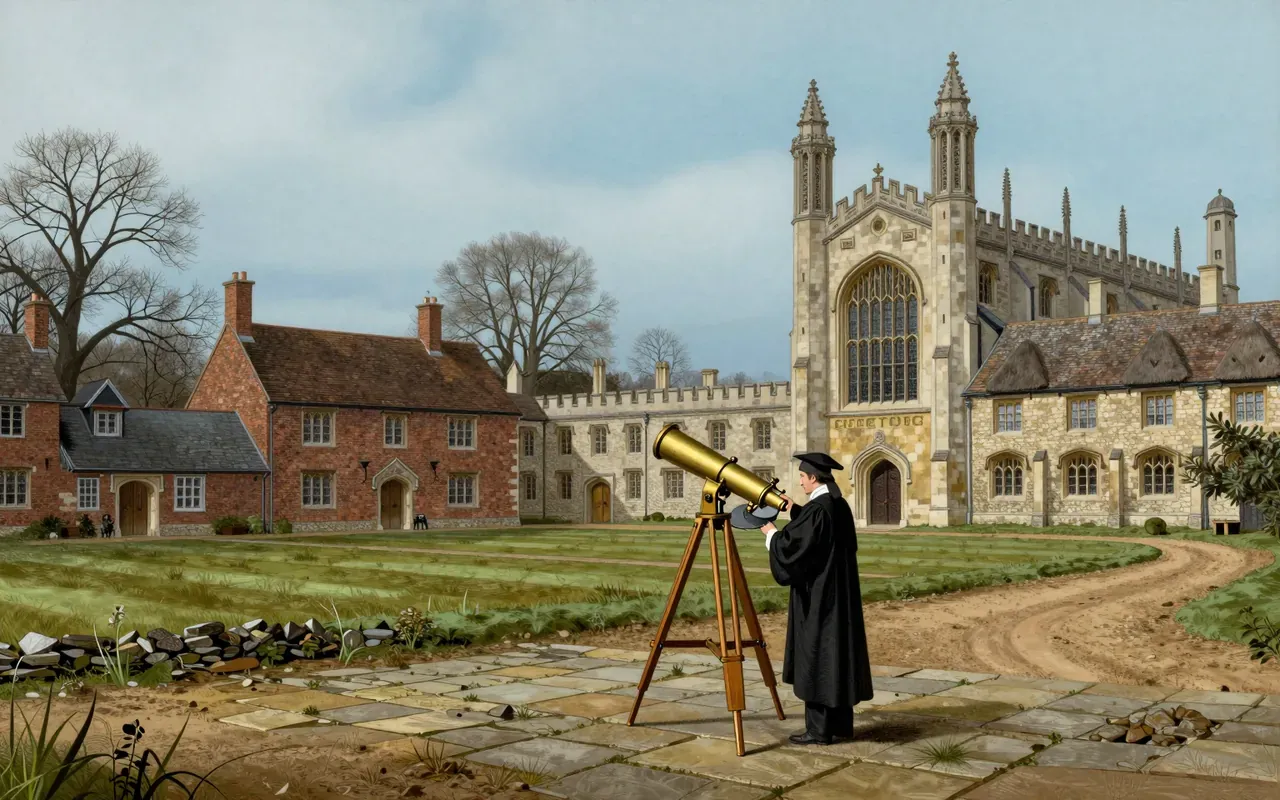
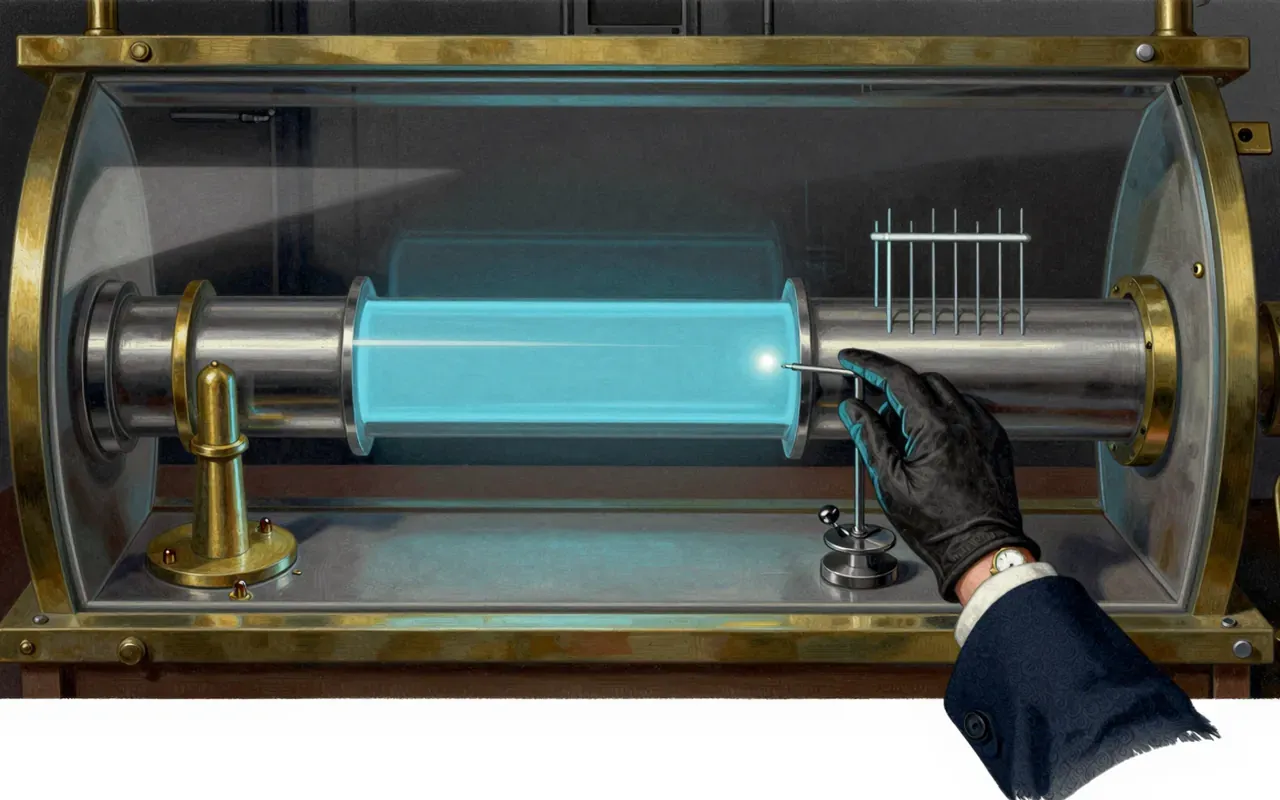



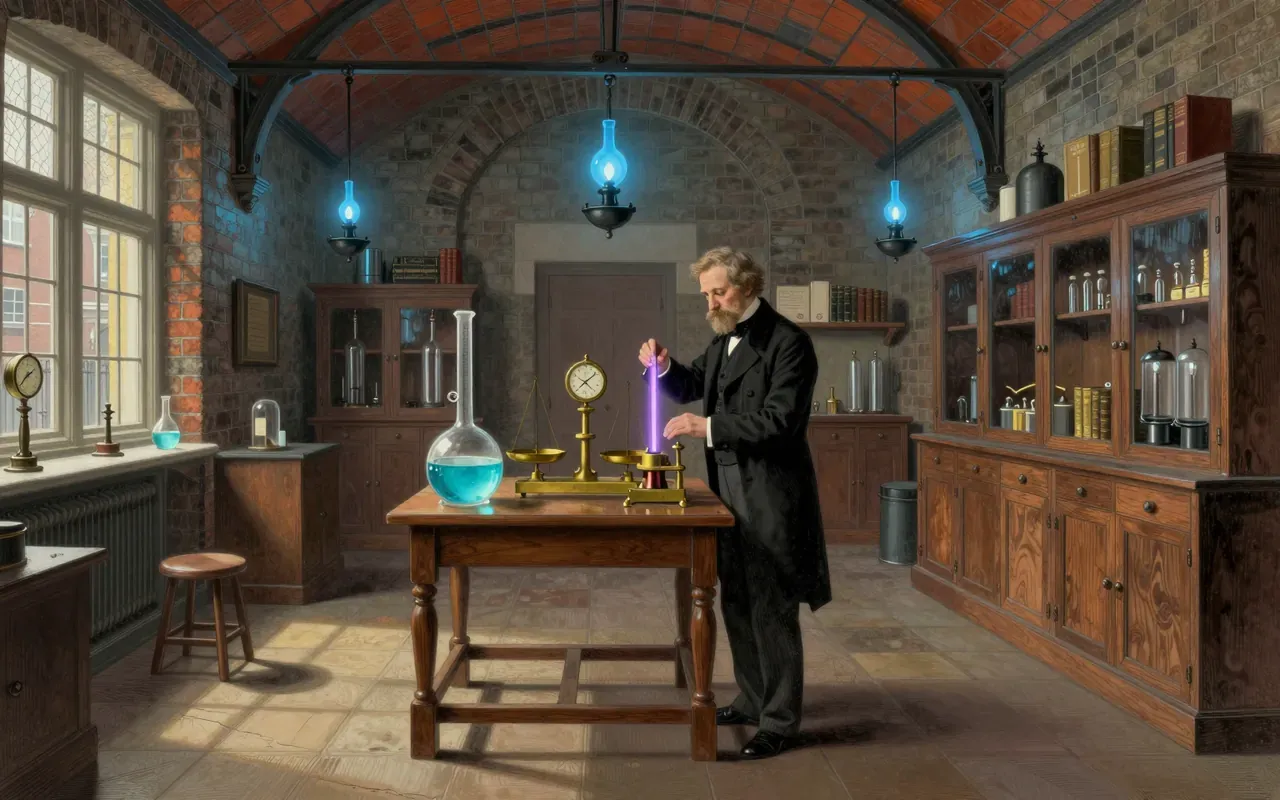
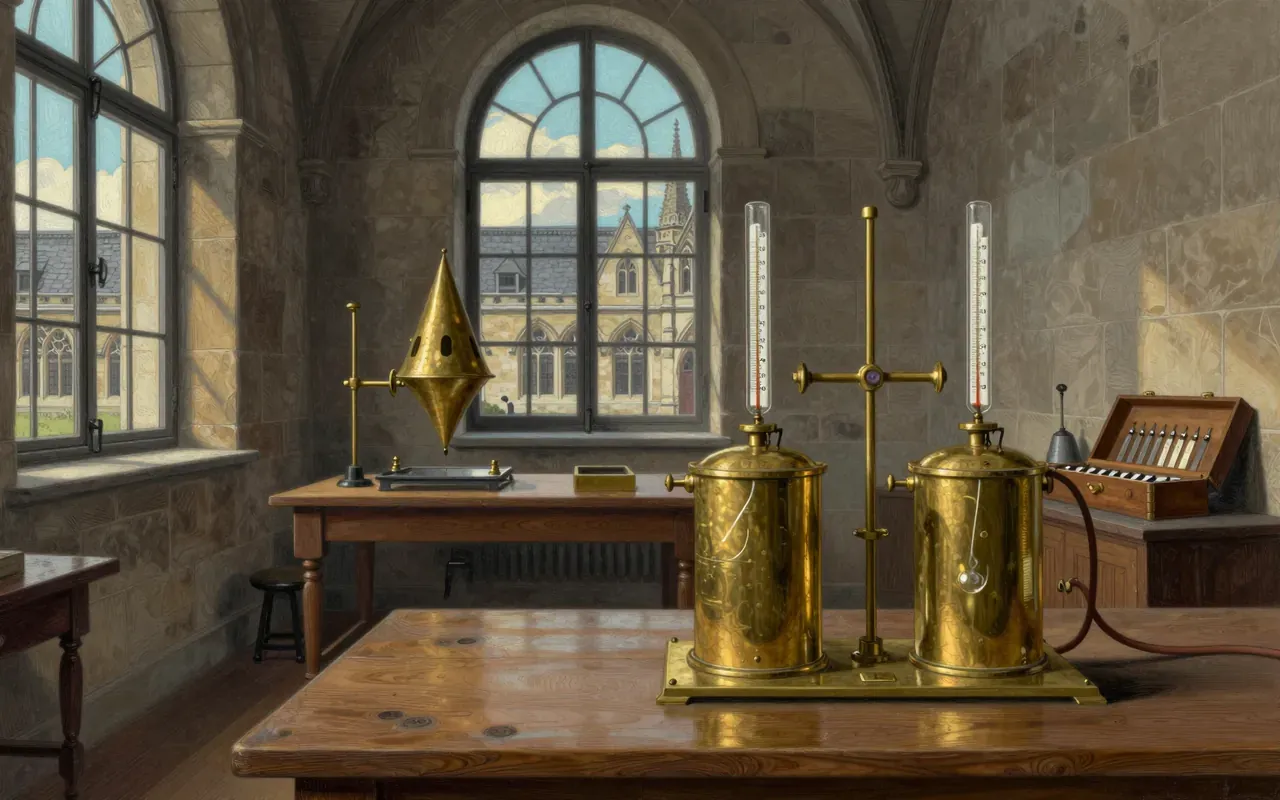



Bernoulli’s 1738 kinetic theory is the first mechanistic explanation of gas behaviour. It correctly identifies pressure as momentum transfer and temperature as mean kinetic energy. It derives Boyle’s law from molecular motion. It fails to resolve energy conservation or collision elasticity — gaps that stalled acceptance for a century. Its value lies not in immediate utility but in framing matter as particulate and dynamic — a conceptual pivot that enabled thermodynamics and statistical mechanics.
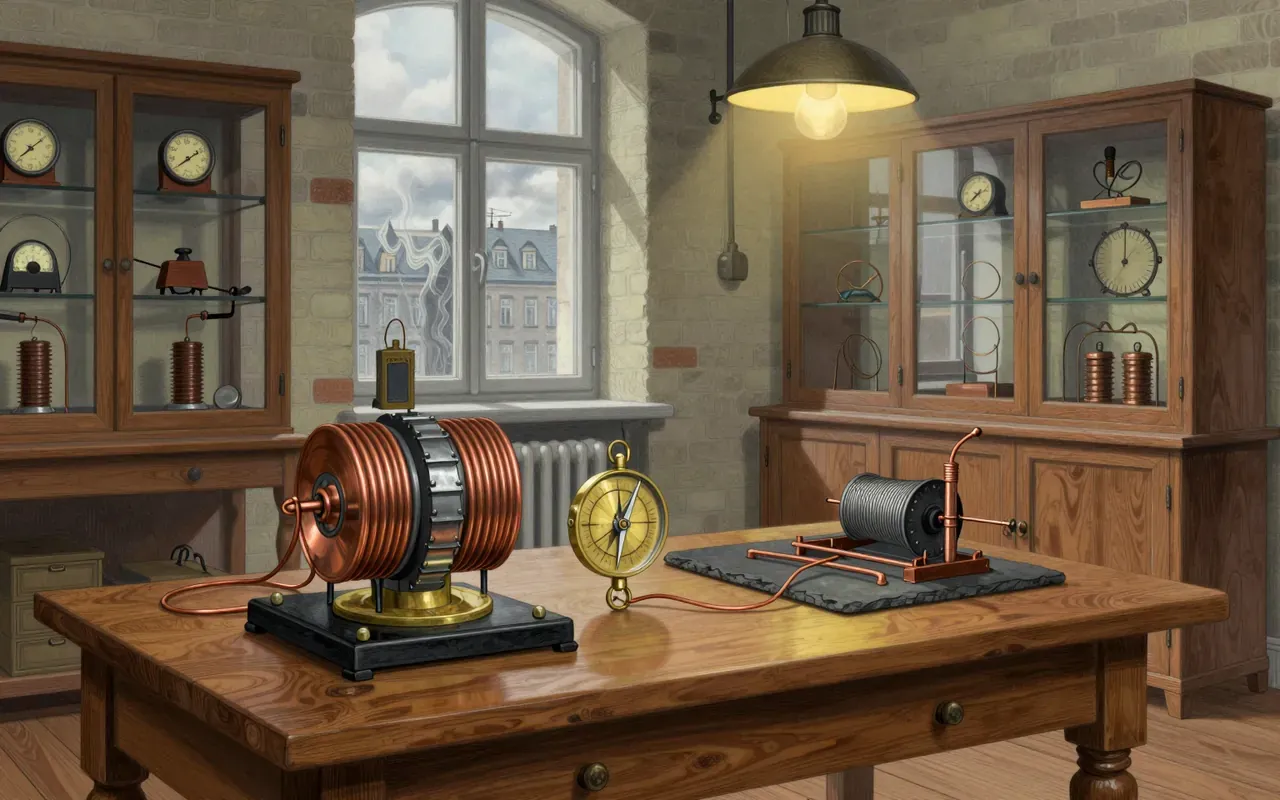
Kirchhoff’s 1845 circuit laws are two experimentally derived equalities — one for current at junctions, one for voltage around loops — valid only under strict physical assumptions of the lumped-element model.


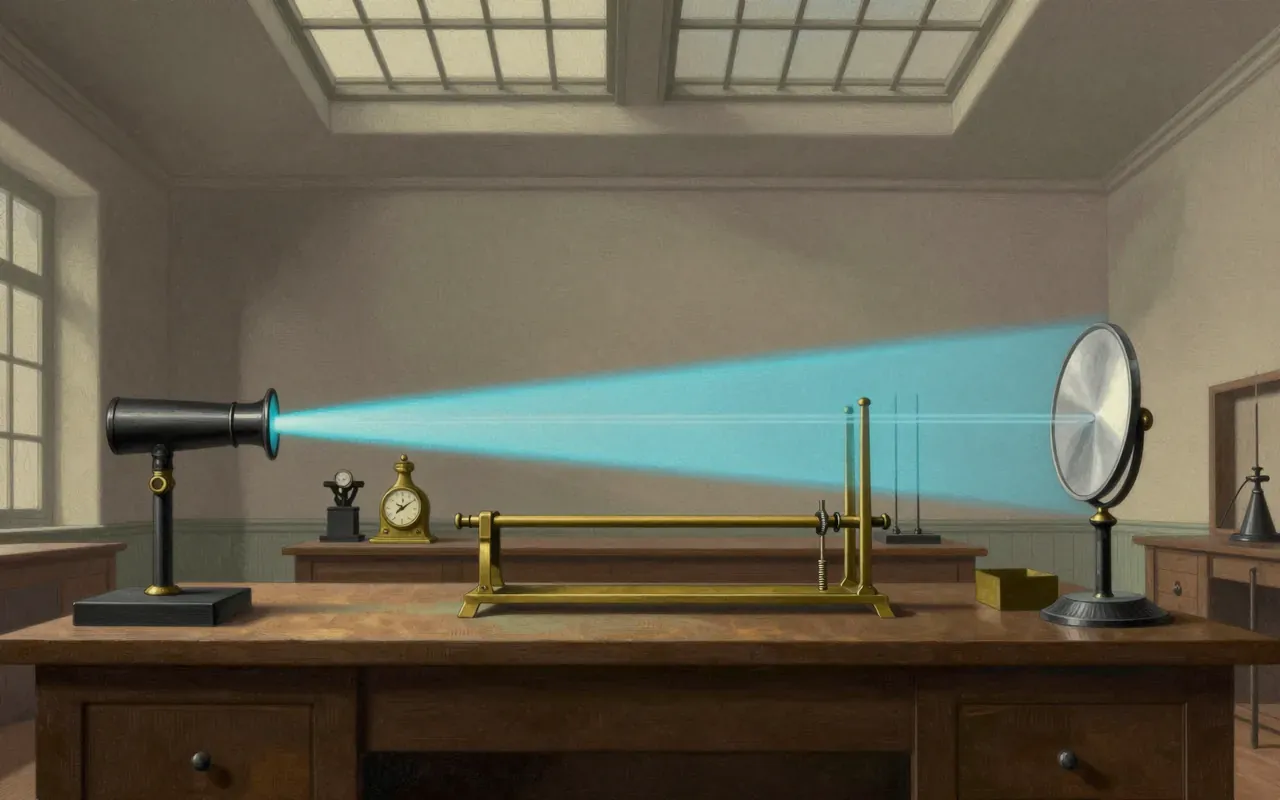
Lorentz’s transformations were a technically successful but conceptually constrained response to experimental anomalies in electrodynamics. They preserved the aether while making predictions match observation—by introducing local time, length contraction, and time dilation as mathematical corrections. Their algebraic form survived into special relativity, but their physical meaning did not.
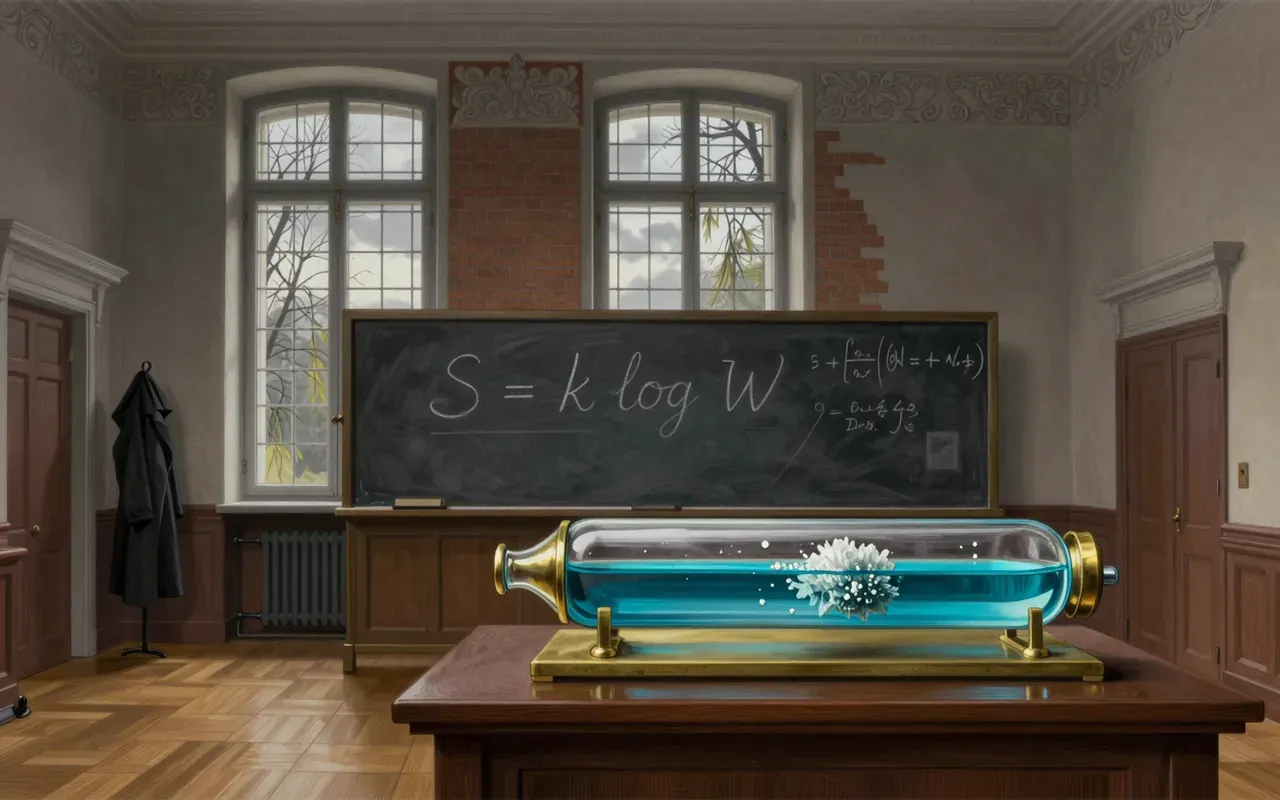

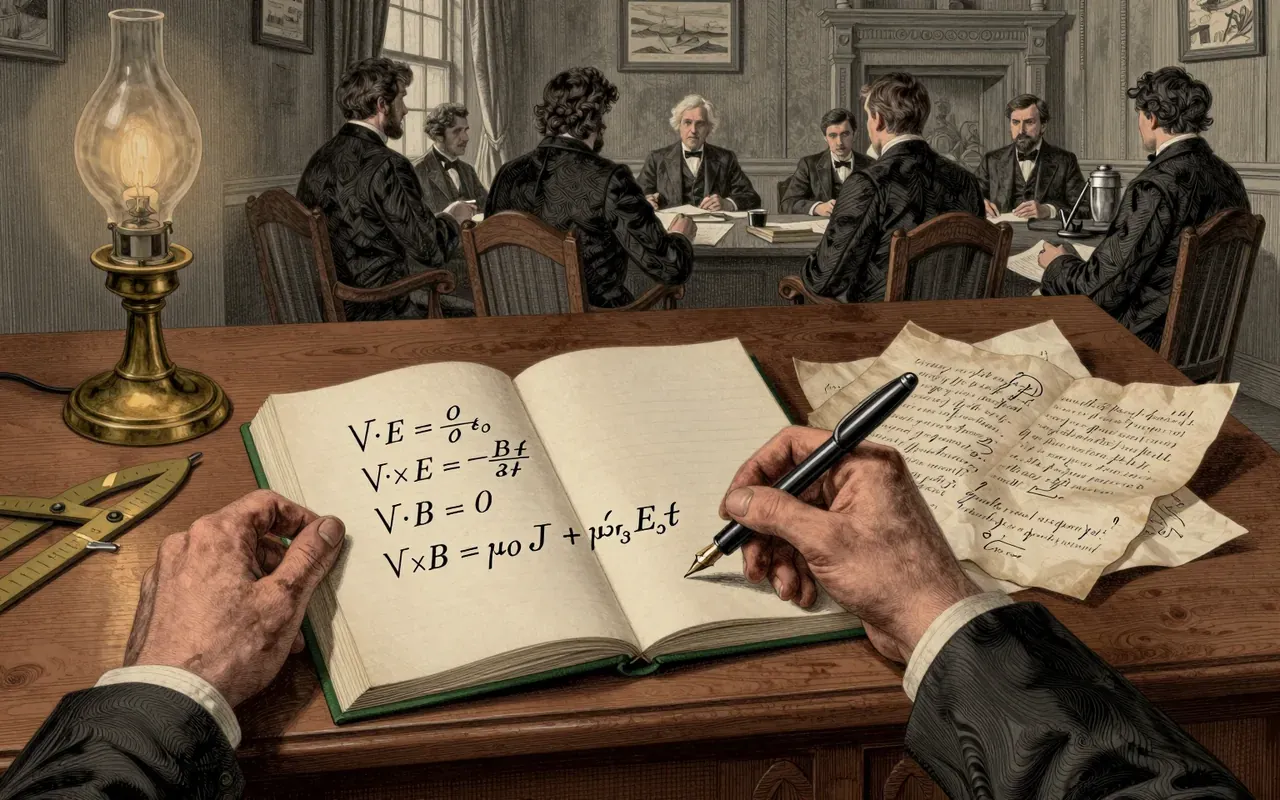





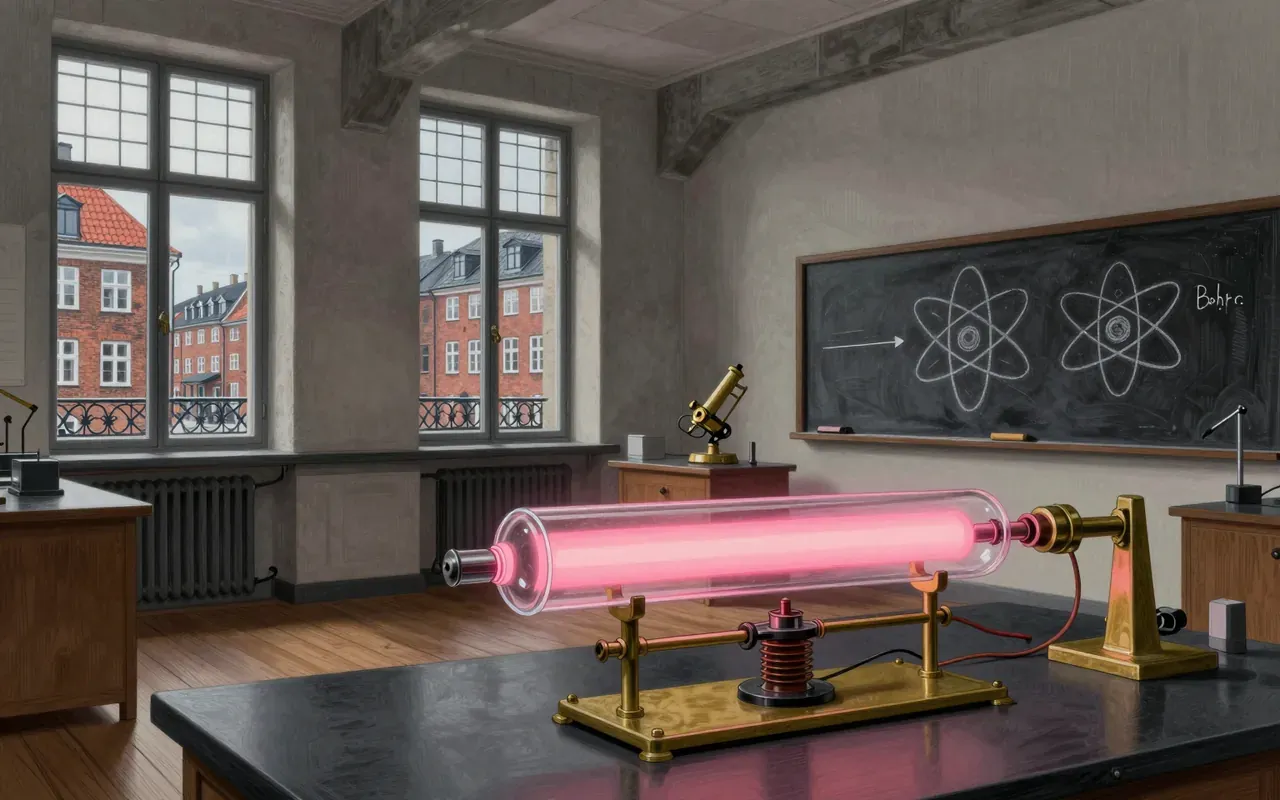

Noether's theorem is the rigorous, general proof that continuous symmetries of the action imply conservation laws. It was published in 1918 in Invariante Variationsprobleme. It applies only to smooth, differentiable symmetries in conservative systems. It resolved energy conservation in general relativity. It reshaped theoretical physics’ emphasis toward symmetry.


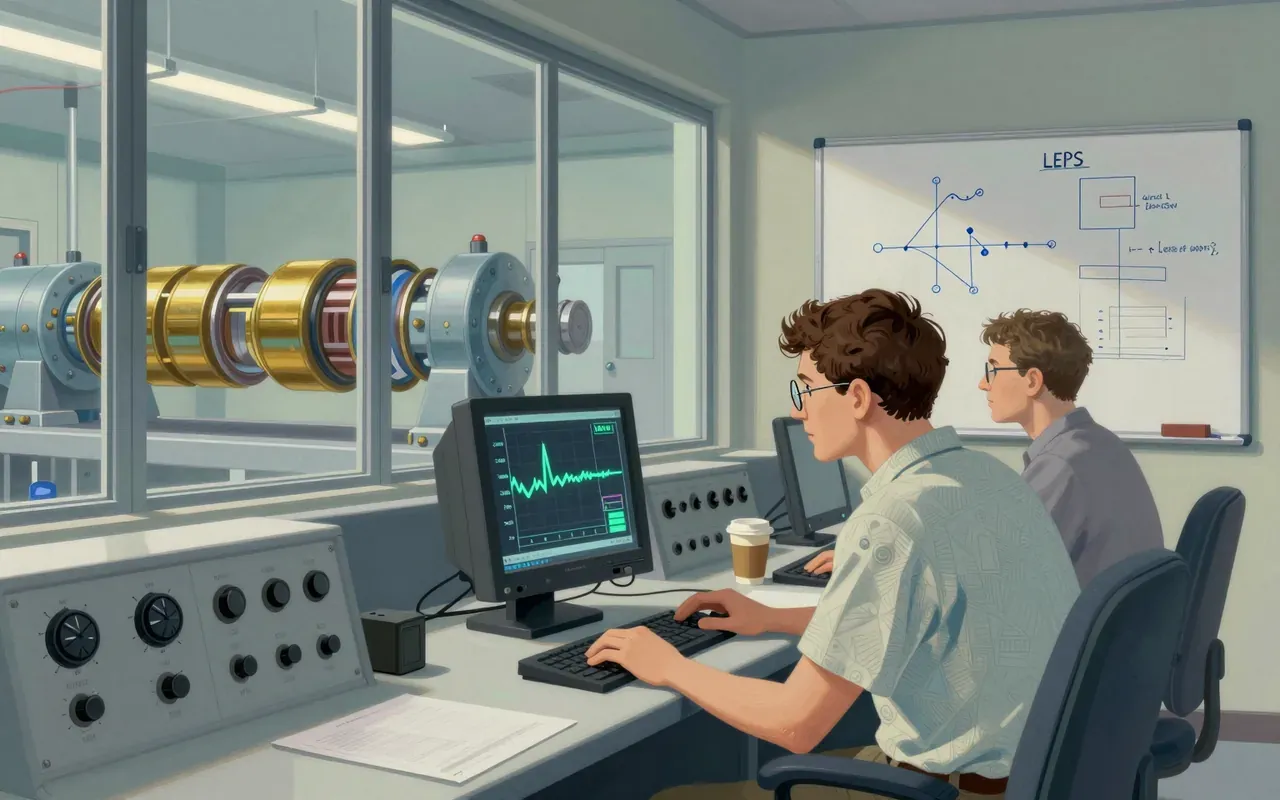


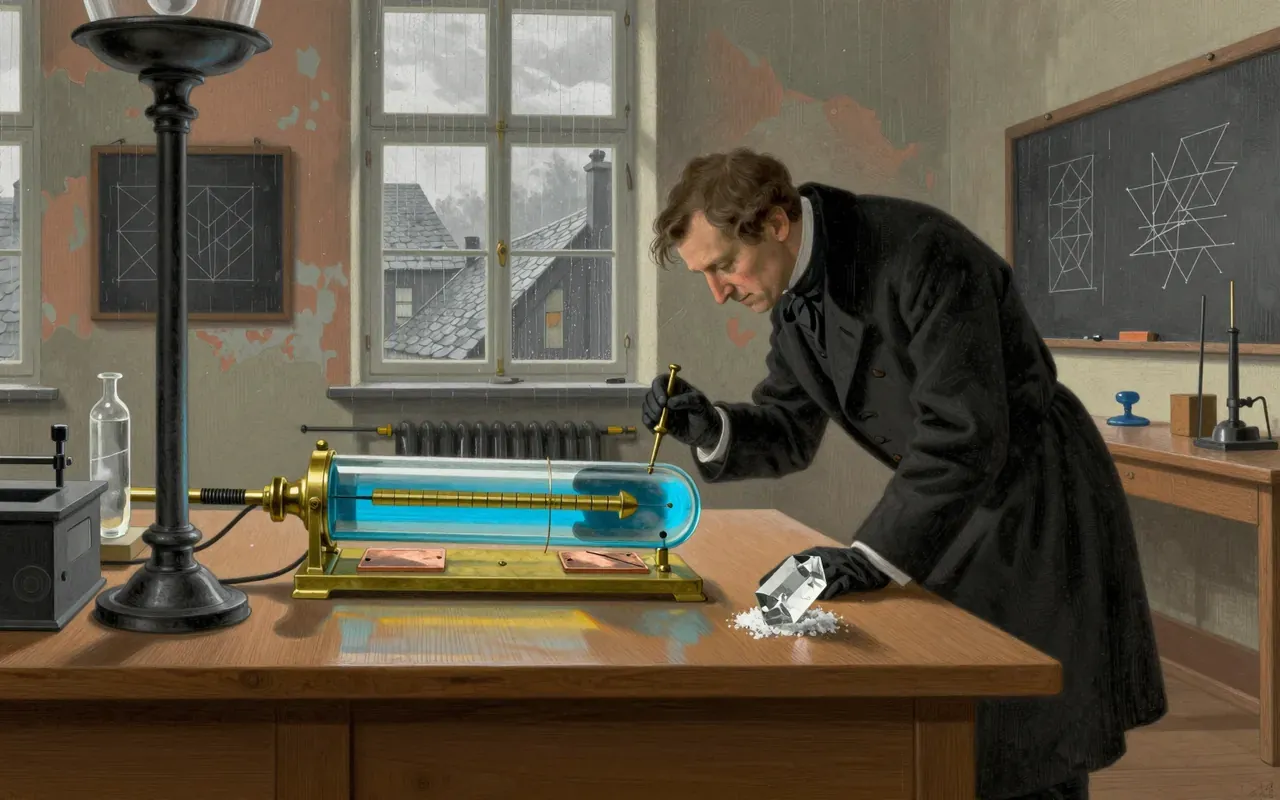







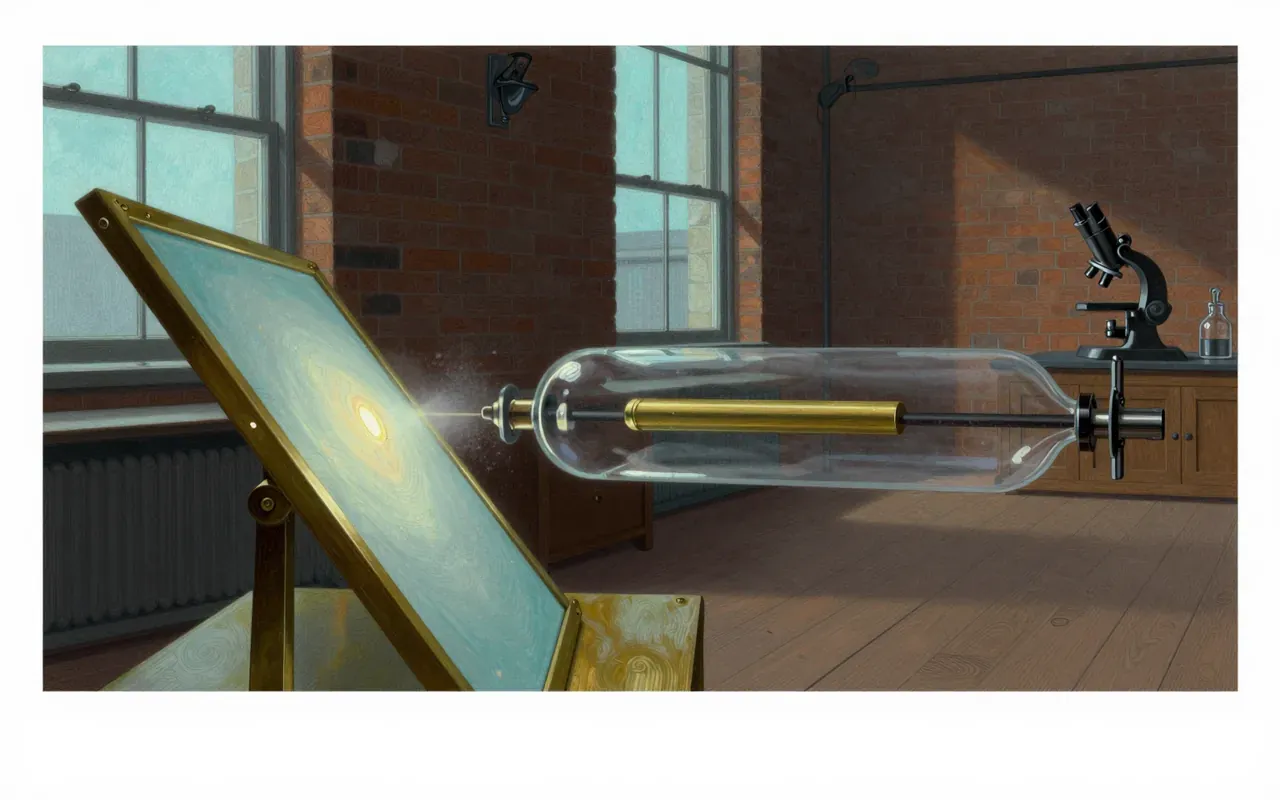
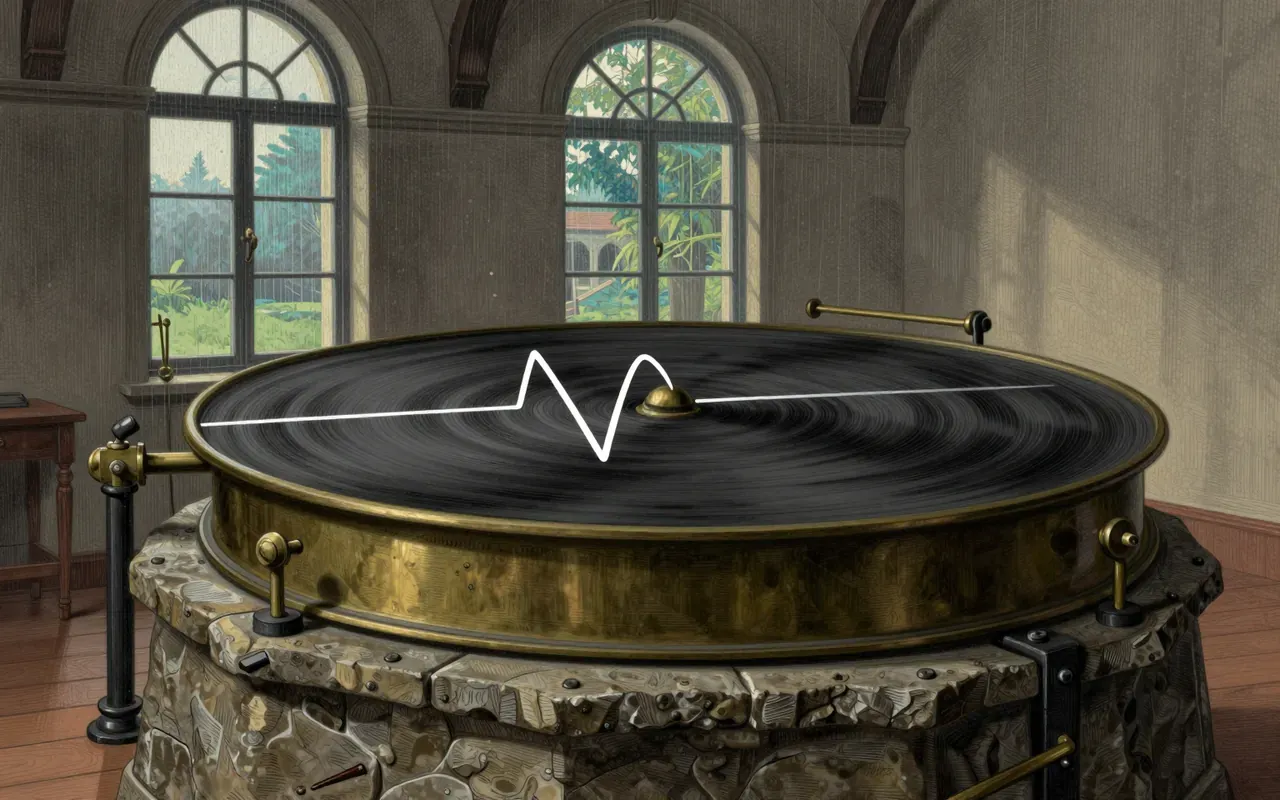



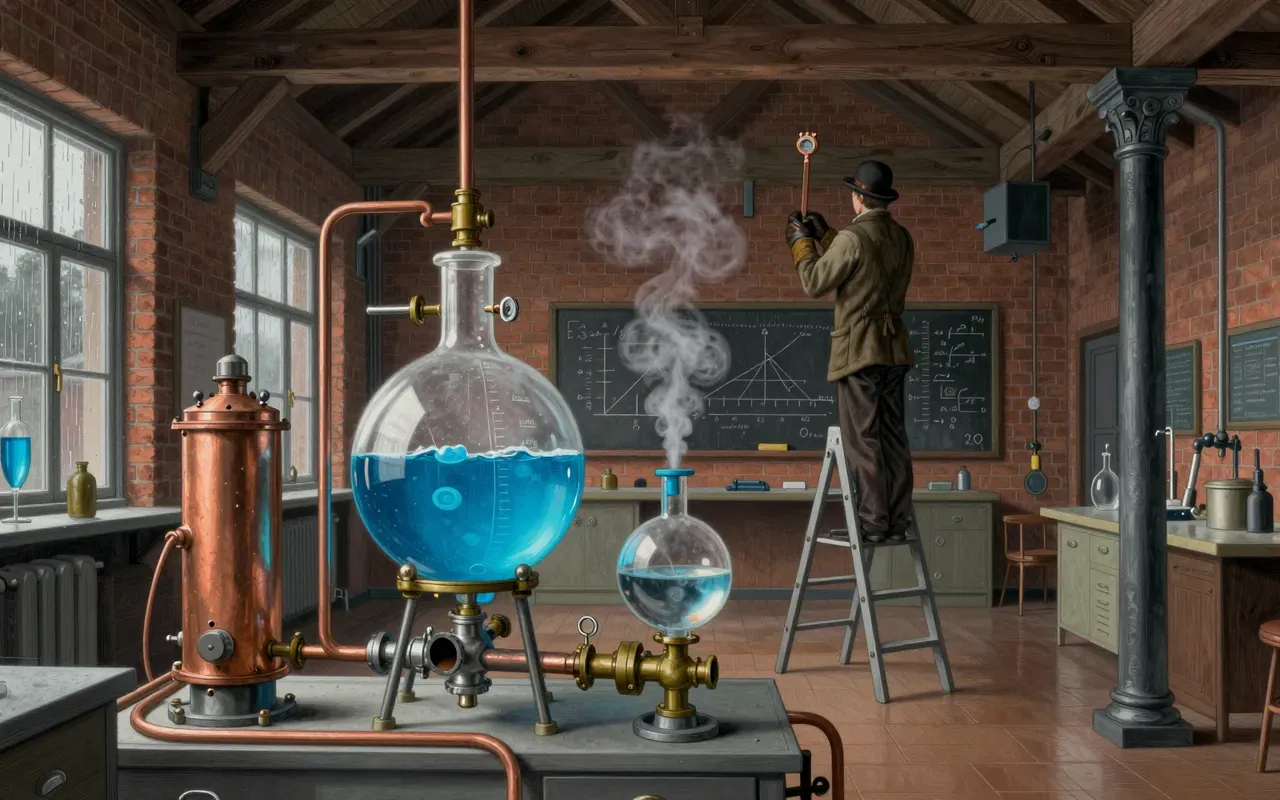
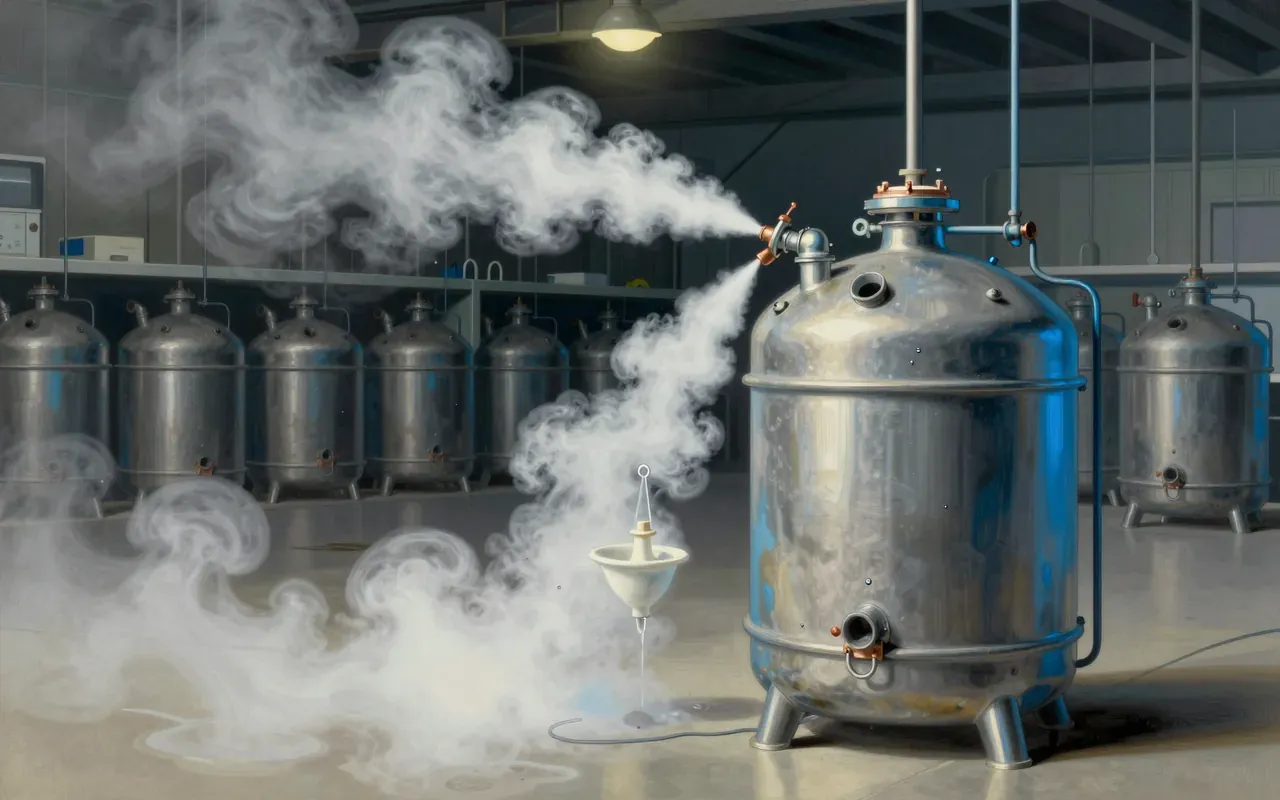
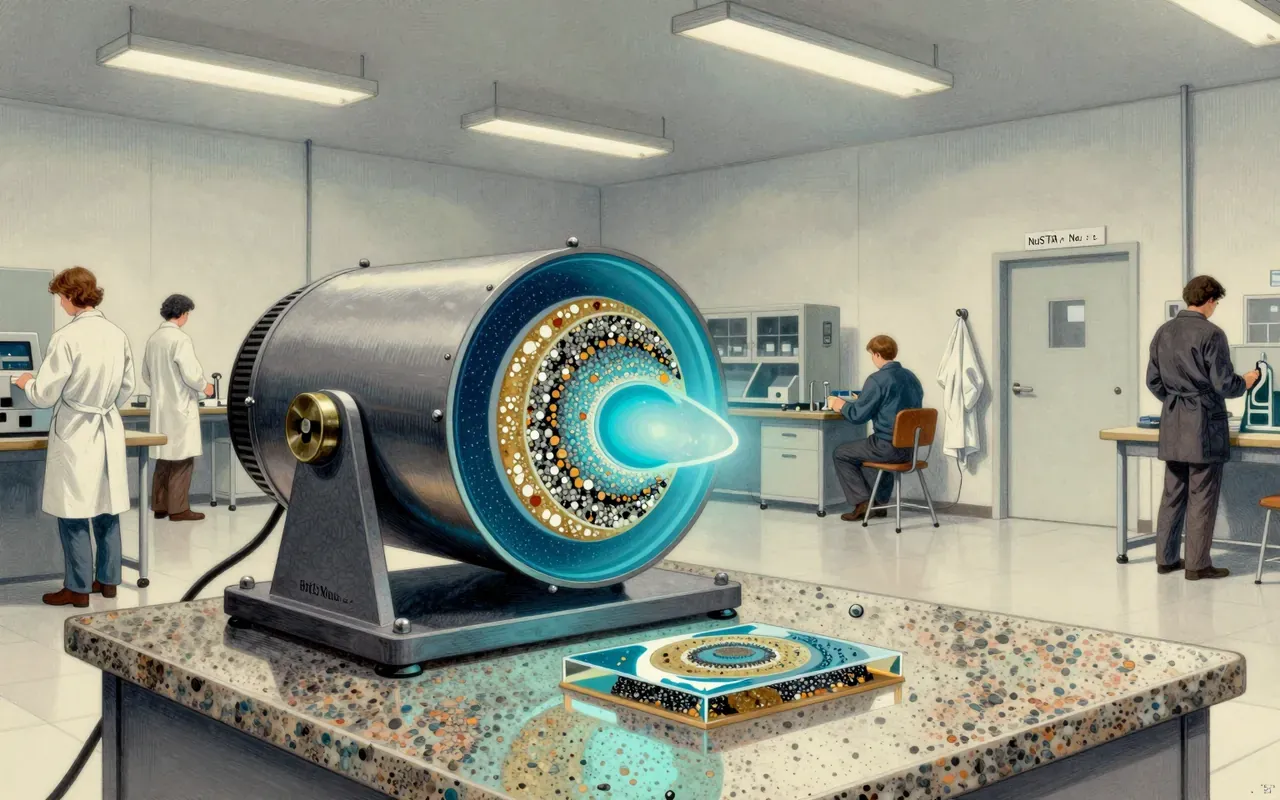







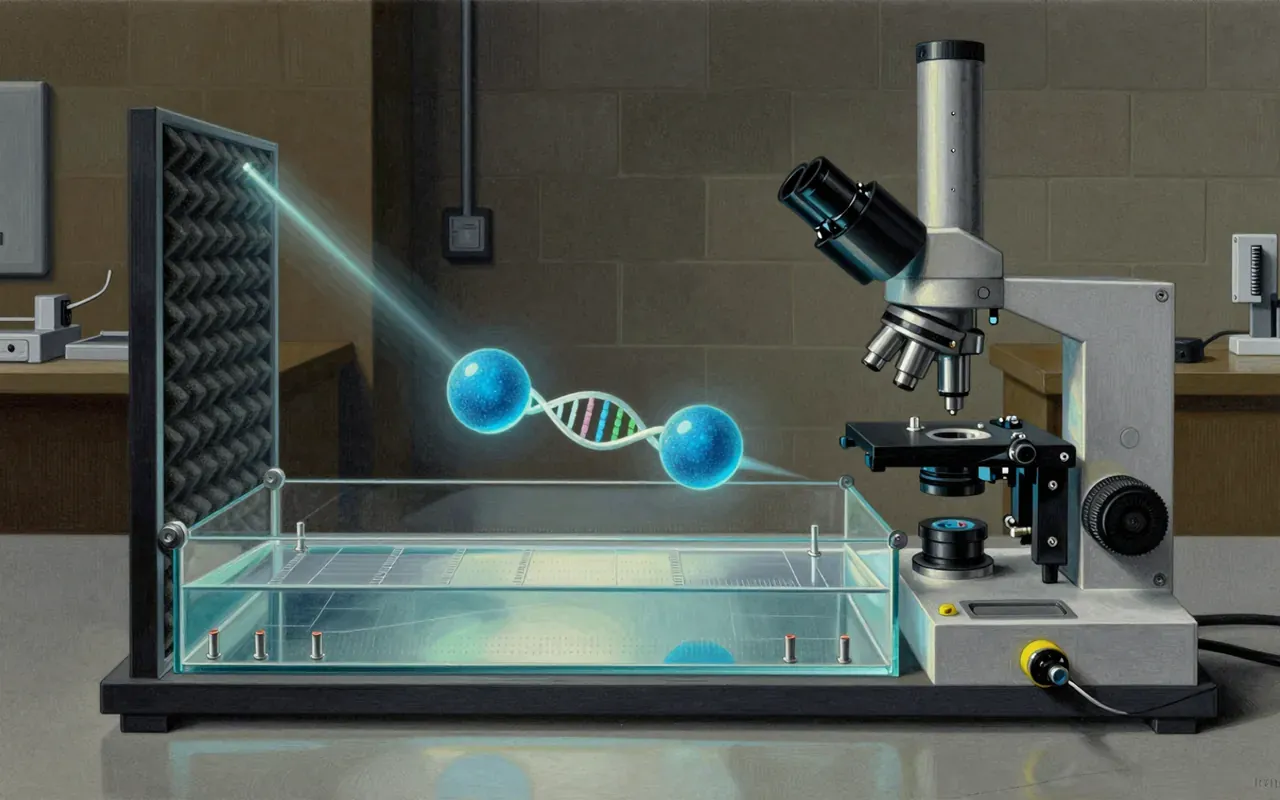
The electron microscope began not with biology, but with physics: a test of magnetic lensing on engineered grids. Its first success was mechanical and conceptual — not observational.




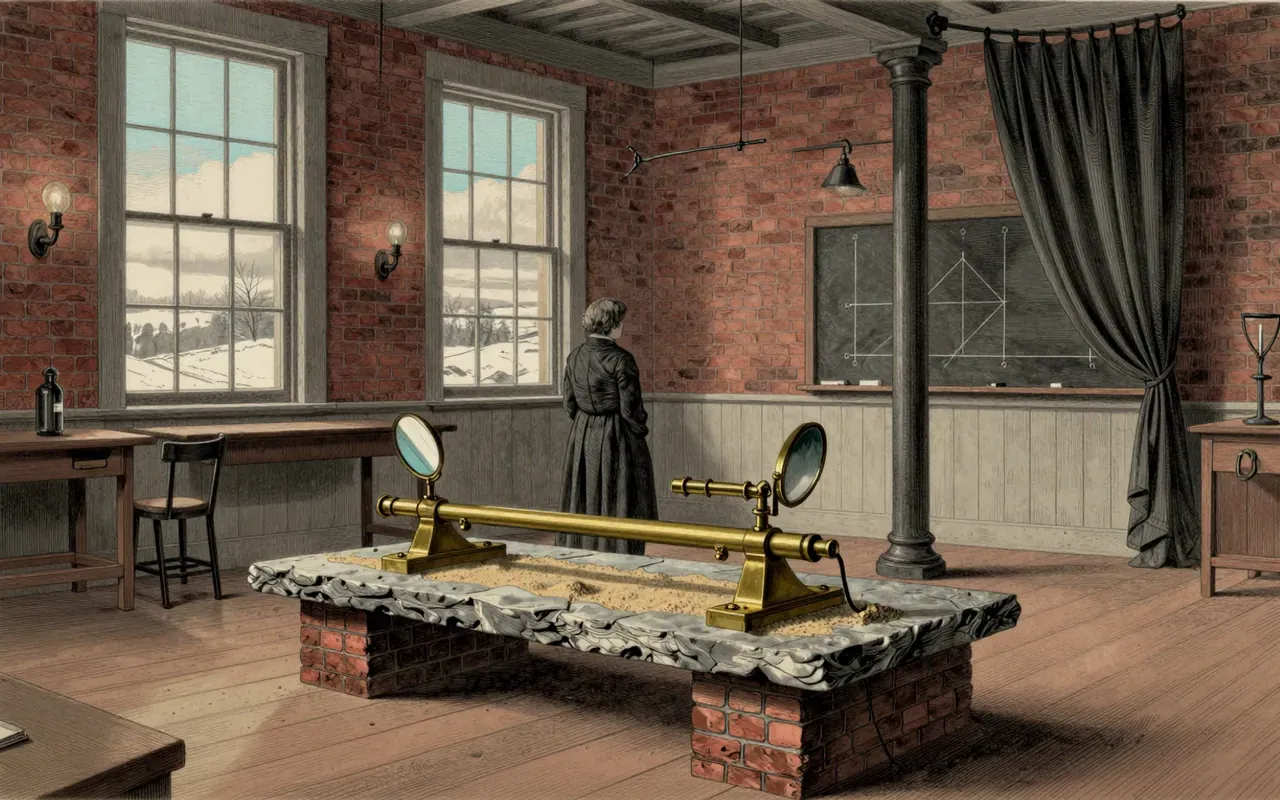



The Pauli exclusion principle is not a force or interaction. It is a constraint on how quantum states may be occupied. It arose from spectral anomalies, not theory-first deduction. Its power lies in its austerity: four numbers, one electron, and a sign flip upon exchange. It remains indispensable — and unexplained at root.


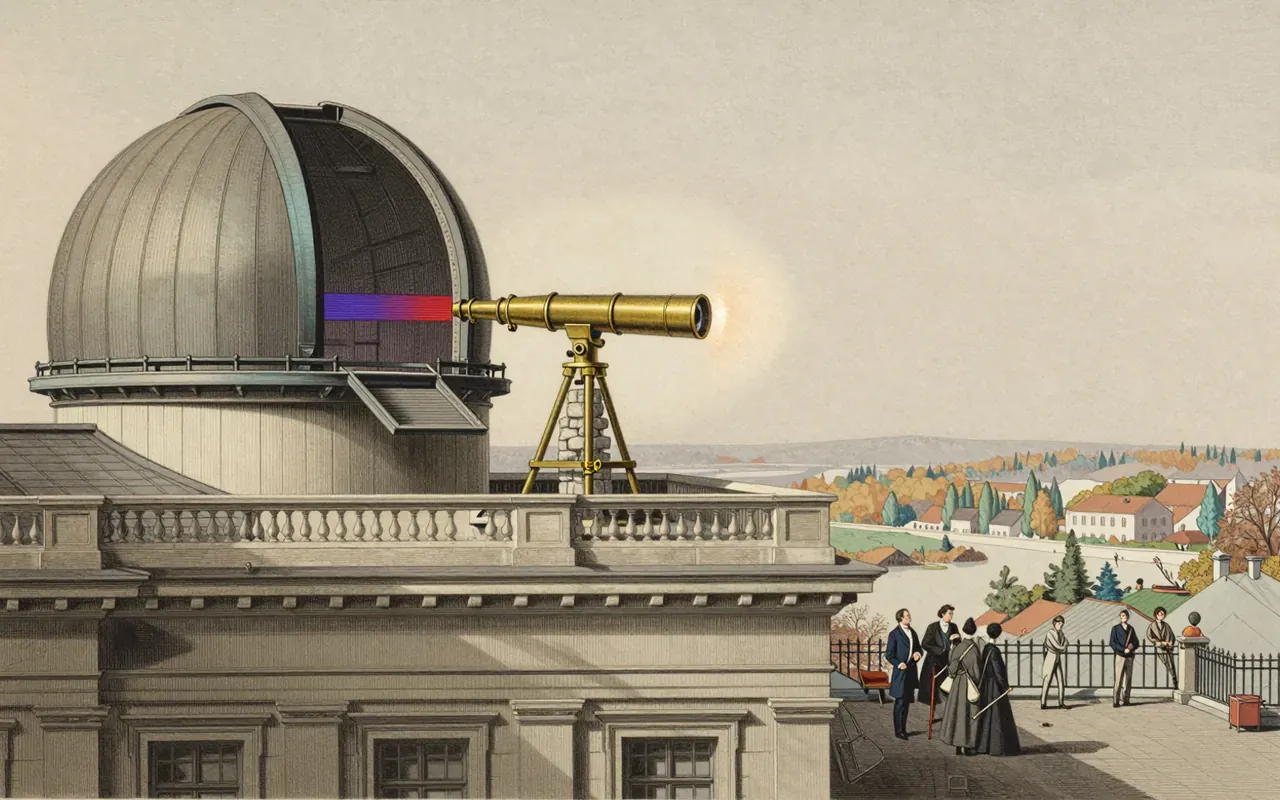

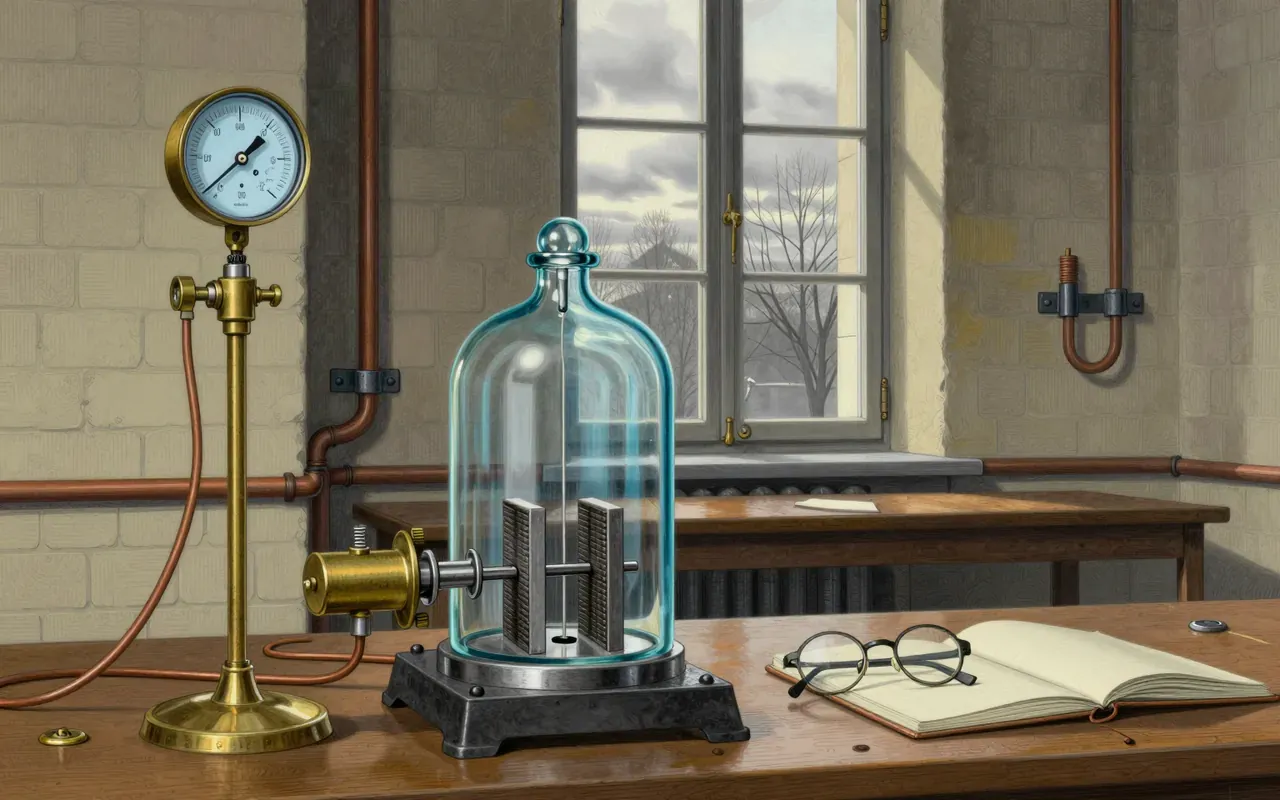



Van der Waals’s 1873 equation was the first thermodynamic model to treat fluids as composed of real molecules — with finite size and mutual attraction — and it successfully described both liquid and gas phases, predicted critical-point behaviour, and yielded quantitative estimates of molecular size and attraction strength. It did not prove molecular existence, nor does it hold across all conditions. Its value lies in making molecular assumptions productive — long before they were directly observable.


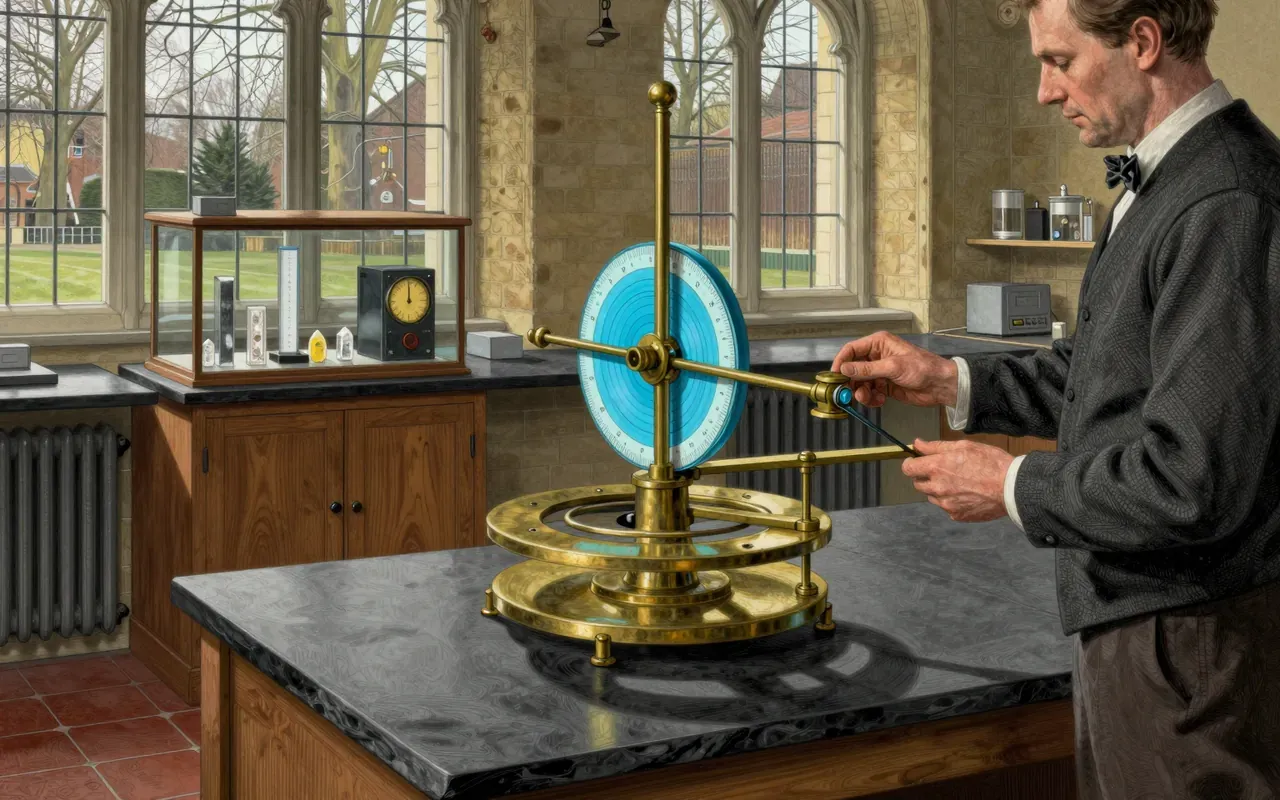
The Braggs established X-ray crystallography as a quantitative physical method by linking diffraction geometry to atomic spacing — using simple crystals, mechanical rotation, film detection, and arithmetic. They did not image atoms. They inferred lattice periodicity. Their work is durable, narrow, and strictly instrumental.

Einstein’s 1905 derivation unified mass and energy conceptually — not empirically. It replaced two conservation laws with one. It did not predict applications. It did not contain E = mc² as written. Its power lies in logical necessity, not experimental novelty.
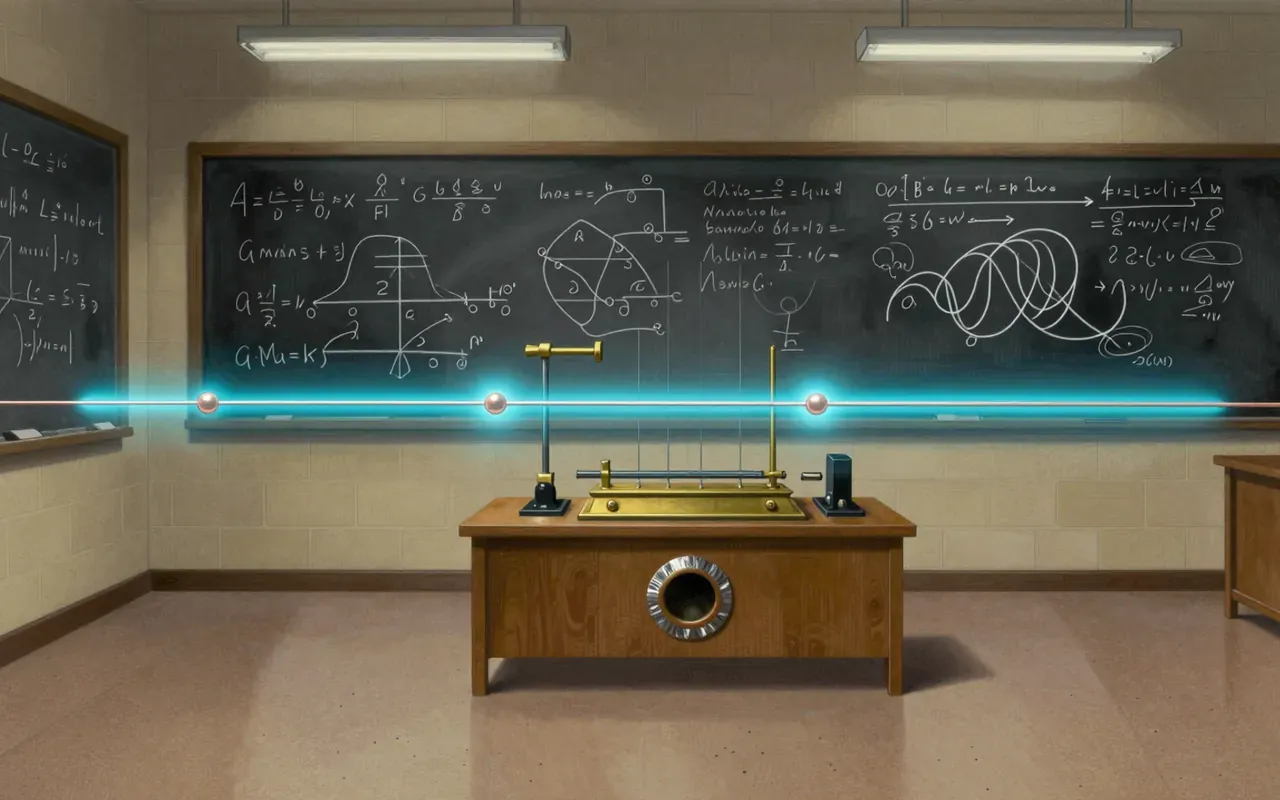
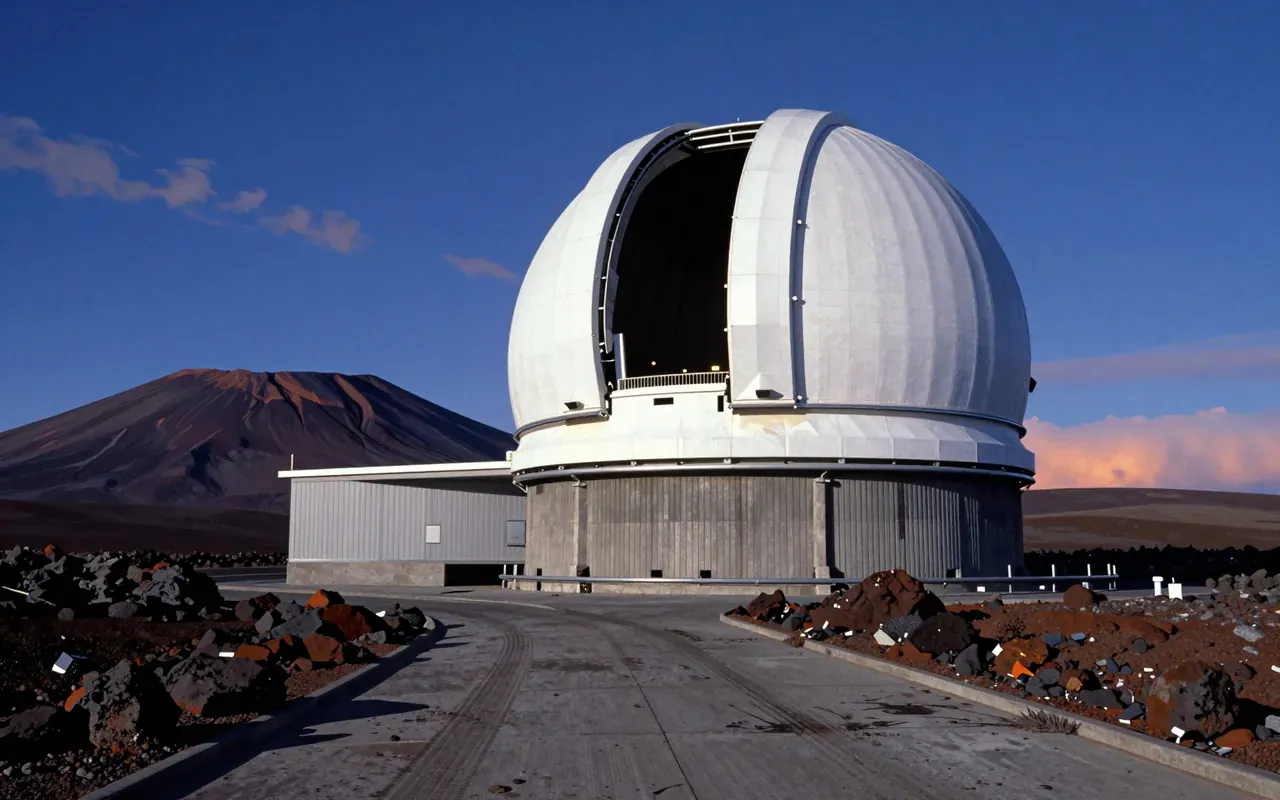
The 1998 supernova measurements established cosmic acceleration via distance–redshift mismatch — not theory, not analogy, but empirical inference from standard candles. It overturned the assumption of gravitational deceleration. It did not identify dark energy. It did not prove Λ. It remains the strongest direct evidence for accelerated expansion — and the clearest signal of our ignorance about 70% of reality.
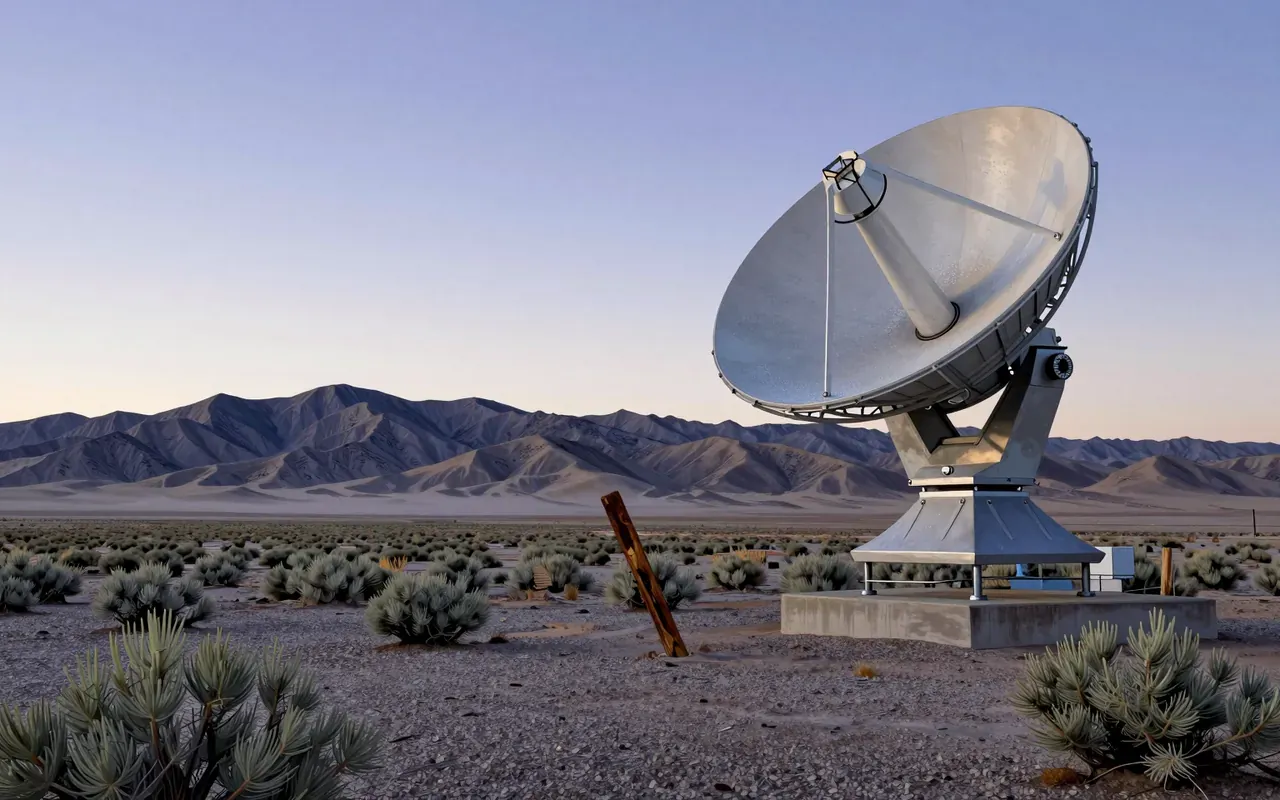
Penzias and Wilson discovered a 3.5 K isotropic microwave background in 1964 using the Holmdel Horn Antenna at Bell Labs. They eliminated local interference — including pigeon droppings — and confirmed the signal originated outside the Milky Way. Its match to Dicke’s prediction prompted interpretation as the Big Bang’s remnant. But the work itself claimed only a persistent, unexplained antenna temperature — not cosmology.

Young’s 1801 double-slit experiment established wave behaviour for visible light. Later versions with electrons (1927) extended it to matter. The interference pattern is real. The disappearance of that pattern upon path detection is real. But Young did not observe particles, nor did he claim duality — he argued for waves only. Duality emerged from later experiments combining his method with quantum detection.