sciencebriefs
Field

Mathematics

Proof rather than measurement: what was actually established, what it rules out, and what it leaves open.
16
briefs
13:00
average
208 min
in total
All briefs16
video still
13:00

Boolean algebra

George Boole wrote down an algebra for pure logic in 1854 with no interest in machinery; Claude Shannon's 1937 thesis is why every digital computer runs on it anyway.
video still
13:00

Catastrophe theory

René Thom classified every possible way a stable system can suddenly break into seven geometric templates. The mathematics is settled; its 1970s use to explain animal and human behaviour was not, and a public critique said so.
video still
13:00

Seven Bridges of Königsberg

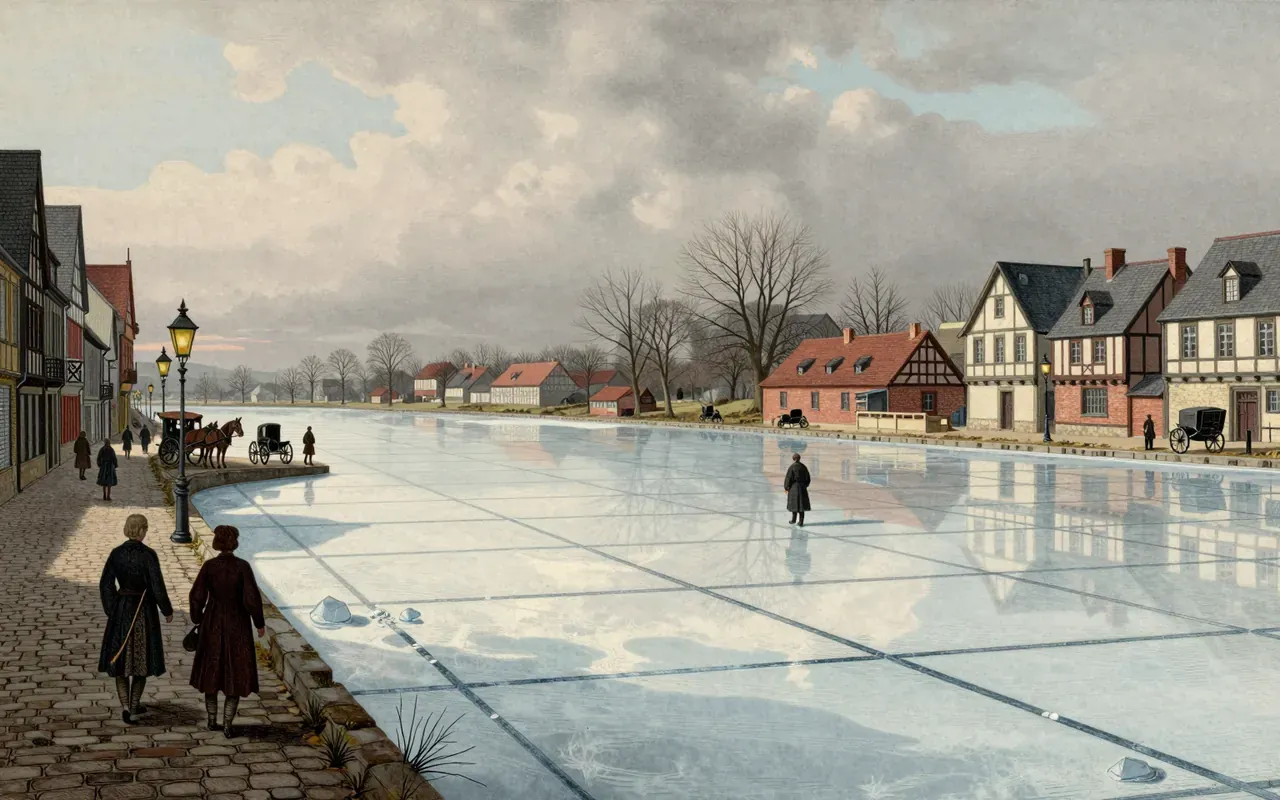
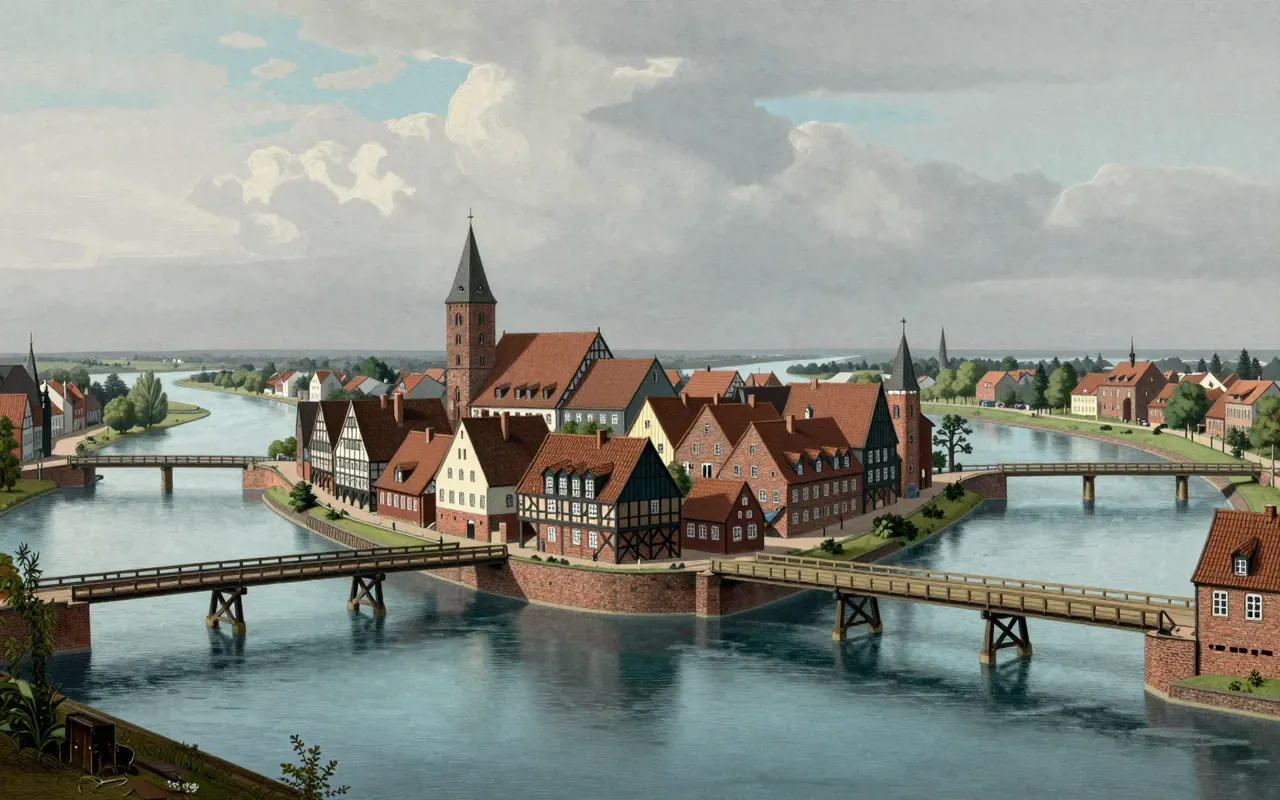
In 1735 Leonhard Euler proved that no walk through Königsberg could cross all seven of its bridges exactly once, by throwing away the map entirely and reducing the city to dots and lines — the first proof in what became graph theory, and arguably the birth of topology.
video still
13:00

Group theory

At eighteen, Évariste Galois worked out exactly which polynomial equations can be solved with a formula and which cannot, by studying the symmetries of their roots — then died in a duel at twenty before anyone understood what he had actually found.
video still
13:00

Knot theory

A wrong theory that atoms were knotted loops of ether pushed nineteenth-century mathematicians to catalogue every possible knot — the classification survived even after the physics it was built to explain was abandoned.
video still
13:00

Lambda calculus

Alonzo Church built computation from three constructs and one substitution rule in the 1930s, a system minimal enough that its equivalence to Turing machines still defines what "computable" means, and specific enough to have real blind spots.
video still
13:00

Non-Euclidean geometry

For two thousand years mathematicians tried proving Euclid's parallel postulate from his other axioms. In 1829 and 1832, Lobachevsky and Bolyai independently showed the opposite: denying it produces a consistent geometry, one Gauss had already found and hidden.
video still
13:00

Ramsey theory

At any party of six people, mathematics guarantees either three mutual acquaintances or three mutual strangers — a provable fact built on an idea so simple it dates to 1622, and one that grows, in Ramsey theory generally, into numbers too large to compute.
video still
13:00

Four color theorem

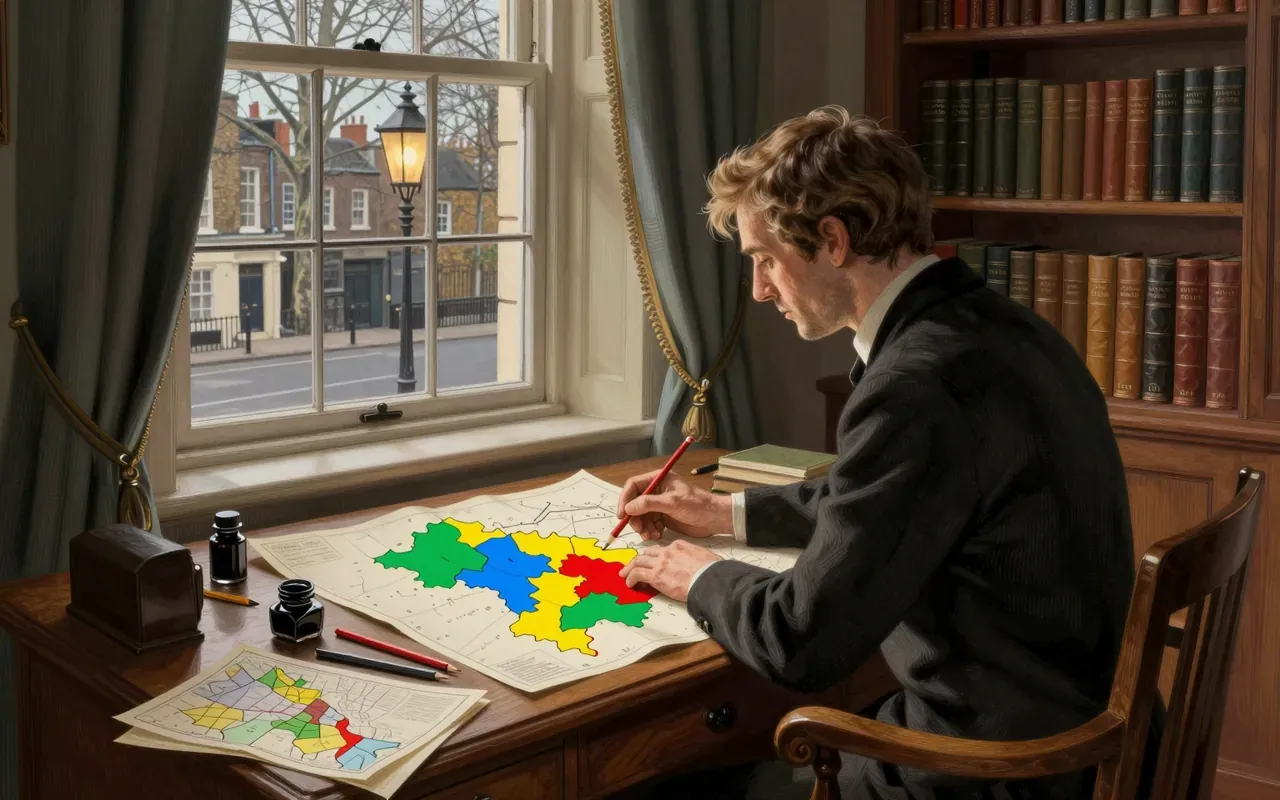
In 1976 Kenneth Appel and Wolfgang Haken proved that any map can be coloured with just four colours so no two neighbouring regions match, by having a computer check over 1,800 configurations for more than 1,000 hours — the first major theorem no human could verify by hand.
video still
13:00

Fundamental theorem of calculus

Newton and Leibniz independently found that finding a curve's area and its rate of change are the same operation reversed, then spent decades accusing each other of theft — a dispute the Royal Society, with Newton as president, judged in his own favour.
video still
13:00

P versus NP problem

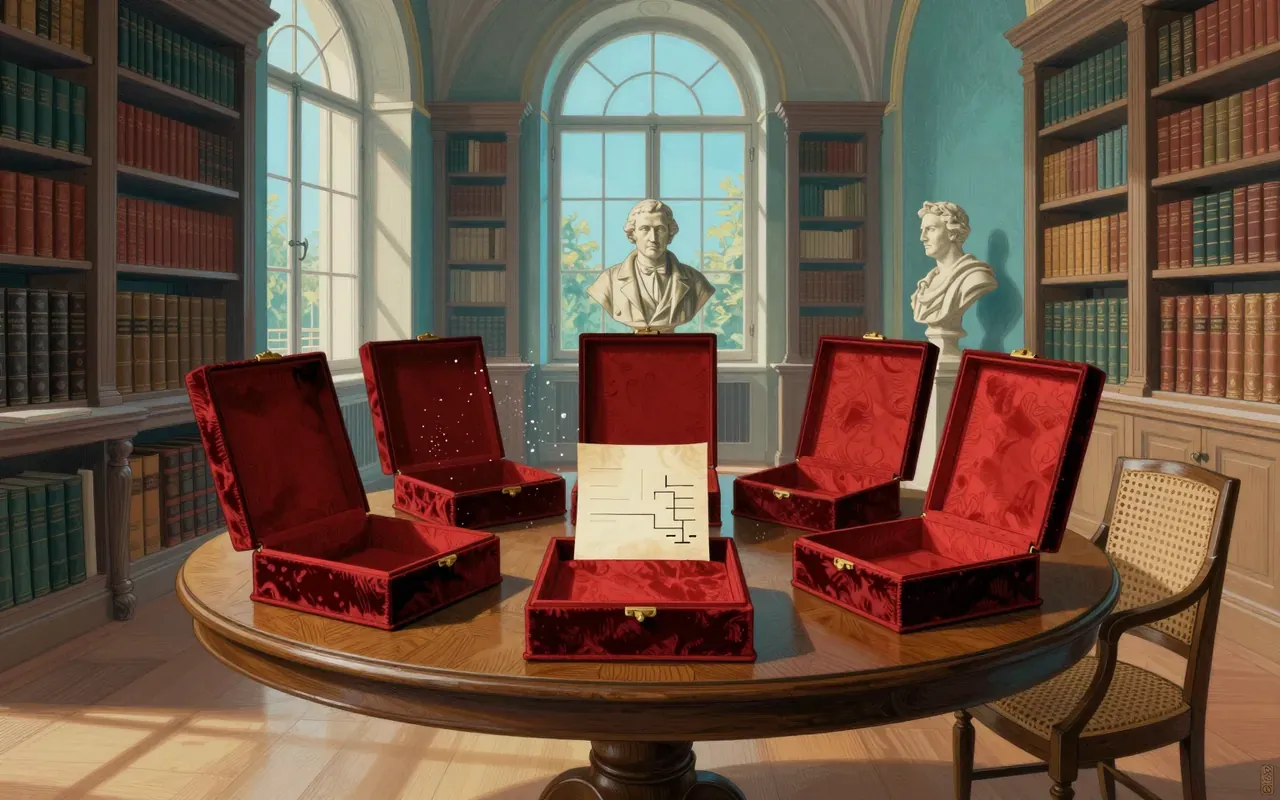
Stephen Cook's 1971 paper didn't solve P versus NP — it proved one problem could stand for all of them, which is why the question cryptography rests on is still open.