What the work claims
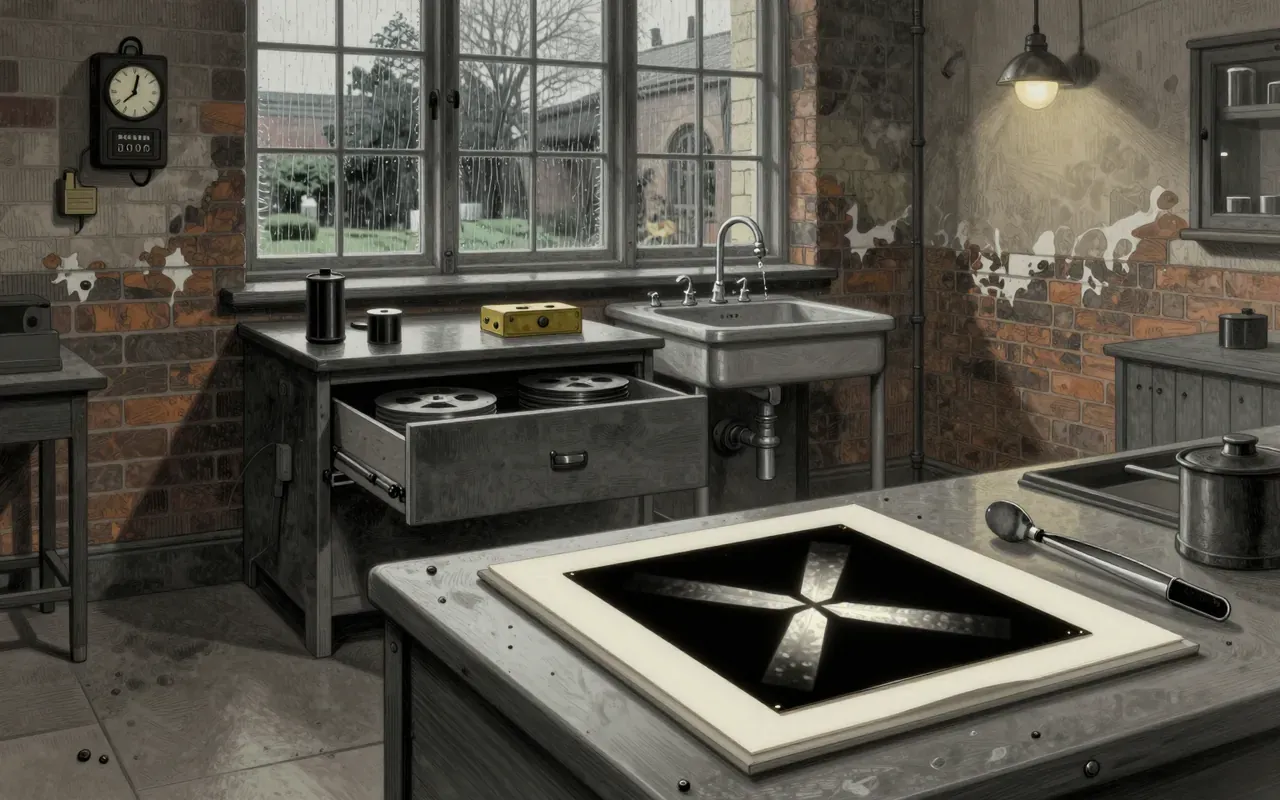
Franklin claimed DNA exists in two distinct physical forms governed by humidity. She claimed the crystalline (A) form has a spiral structure. She claimed the phosphate groups lie outside the molecule. She did not claim a double-stranded helix.
How it was done
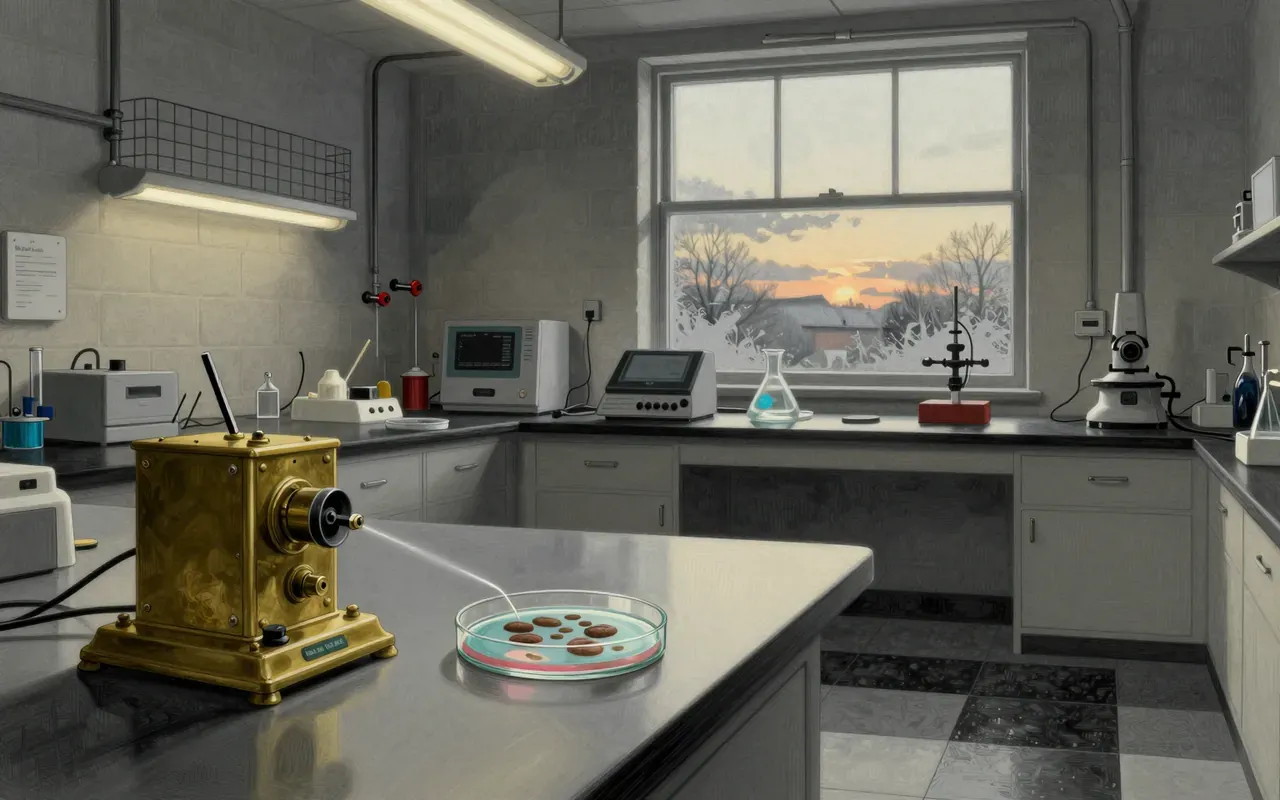
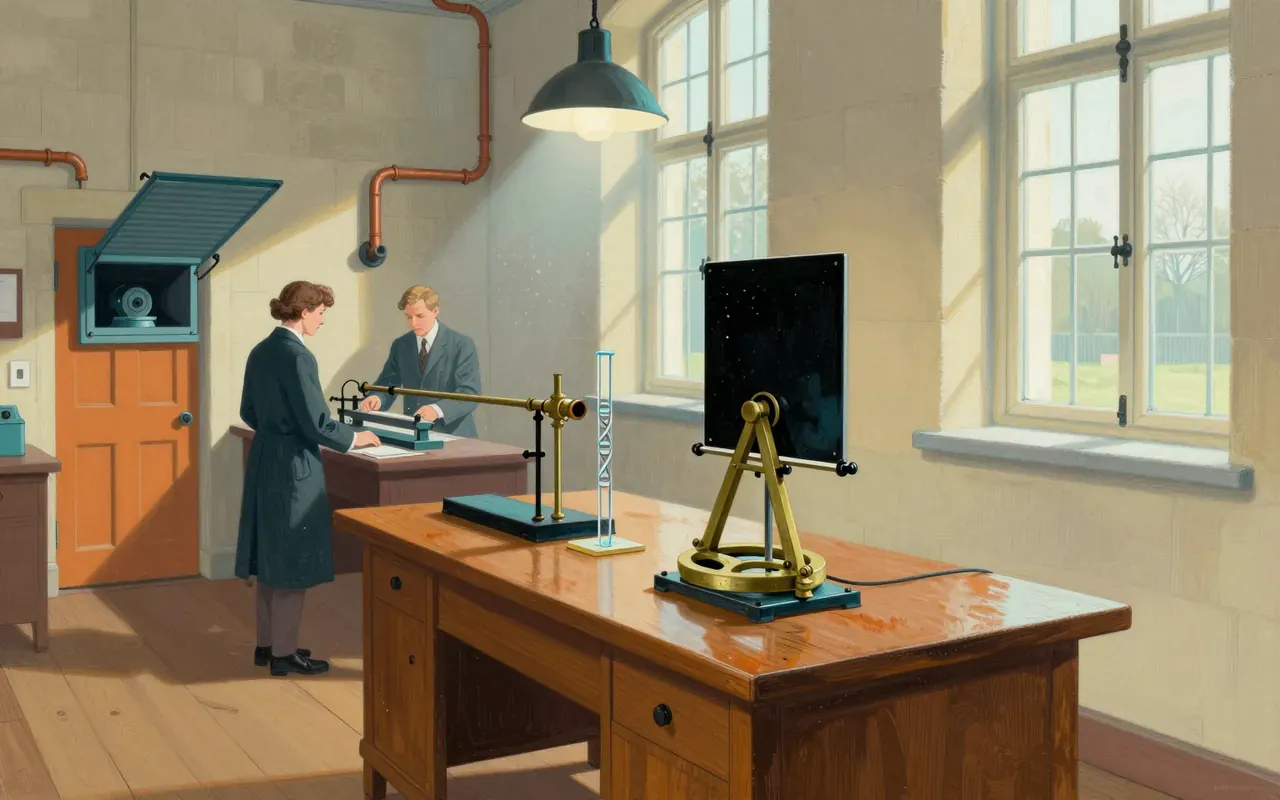
Franklin used a refined fine-focus X-ray tube and microcamera. She built a humidity-controlled camera chamber using saturated salt solutions. She produced X-ray diffraction images of DNA fibres under controlled humidity conditions.
What holds up
Her identification of two DNA forms (A and B), dependent on humidity above or below 75%, holds up. Her conclusion that the phosphate backbone lies outside the main chain holds up. Her use of humidity control and refined imaging hardware is documented and replicable.
What does not
She did not claim DNA was a double helix. She did not determine the number of chains in DNA. She did not confirm the B form was helical beyond ‘evidence for spiral structure’. She later questioned whether the A form was helical at all.
Why it matters beyond the lab
Her work established that biological structure is conditional — not fixed, but responsive to environment. This principle underpins structural biology, drug design, and nucleic acid therapeutics today. It also exposed how credit in science depends on who interprets, not just who measures.
Is it worth your time
Yes. Her methods defined the experimental rigour required to resolve biological macromolecules. Her data directly enabled the double helix model — but her conclusions were narrower, more cautious, and more technically precise than the final interpretation.