sciencebriefs
Natural sciences

Chemistry

58
briefs
11:44
average
681 min
in total
20
researchers
All briefs58
10:55

Viking lander biological experiments

Gil Levin

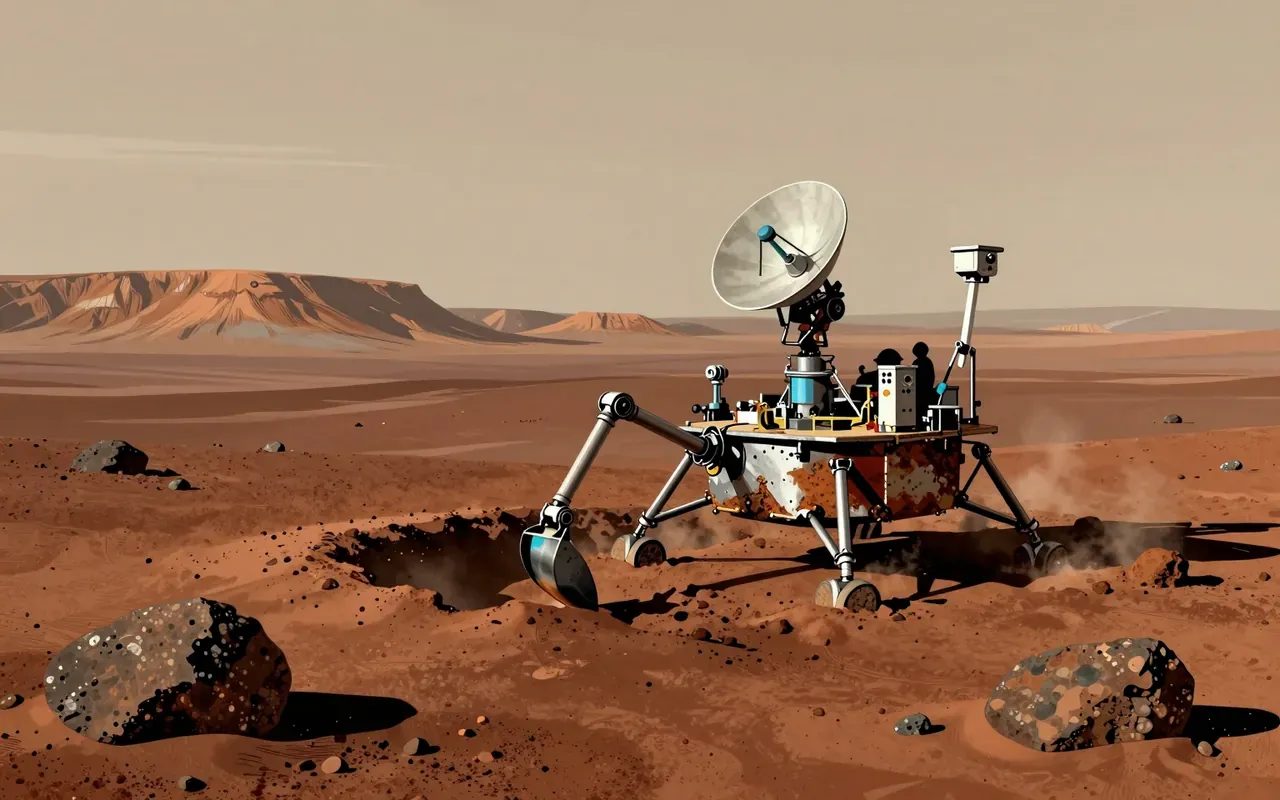
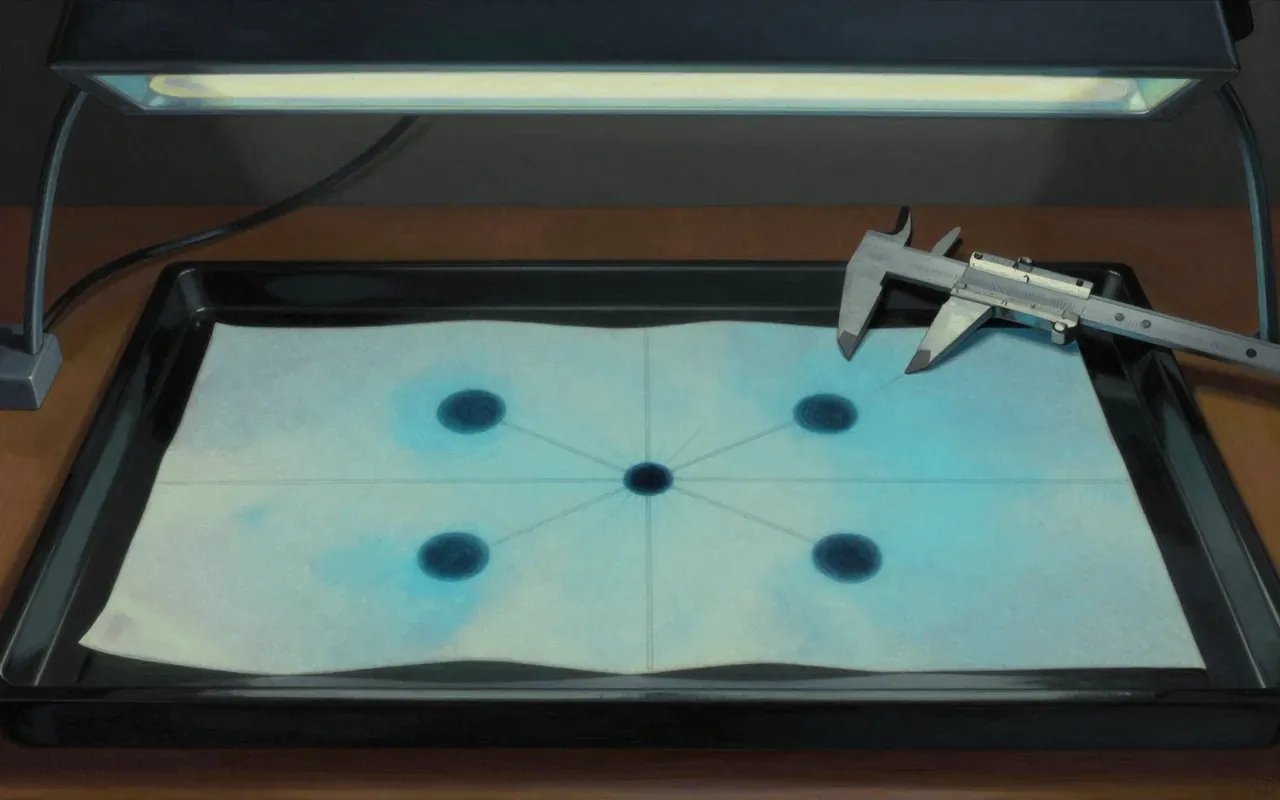
The Viking lander biological experiments were a suite of four in situ tests conducted in 1976 by the Viking 1 and Viking 2 landers to detect microbial life on Mars. The experiments—Gas Chromatograph–Mass Spectrometer (GCMS), Gas Exchange (GEX), Labeled Release (LR), and Pyrolytic Release (PR)—used soil samples collected by robotic arm and analyzed them under controlled conditions. While GCMS found no significant organic molecules, LR yielded positive, reproducible signals of radioactive gas release upon nutrient addition—signals that diminished or disappeared after heat sterilization or cold storage—prompting ongoing debate over whether the results indicate biological metabolism or abiotic oxidative chemistry, especially in light of later discoveries like perchlorate.
9:31

Arieh Warshel

He did not explain enzymes—he built the first working computational microscope for them.
13:00

Carbon nanotube

Sumio Iijima's 1991 paper on tubes of carbon rolled from arc-burned graphite launched a research boom, even though Soviet scientists had photographed similar structures nearly forty years earlier without anyone noticing.
13:00

Carotenoid

Chlorophyll makes plants green precisely because it is bad at absorbing green light, and carotenoids do the opposite job of protecting the plant from the light chlorophyll absorbs too well, which this brief explains alongside a decades-old chlorophyll marketing hoax.
13:00

Catalysis

Berzelius named catalysis in 1835, but Elizabeth Fulhame had already documented the phenomenon decades earlier. What survived from either of them is a substance that speeds a reaction without being used up — now behind roughly ninety percent of manufactured chemical products.
13:00

Chargaff's rules

Erwin Chargaff measured DNA base ratios across dozens of species and found a pairing rule steady enough to become the numerical clue behind Watson and Crick's double helix — credit for which he never received.
13:00

Chirality (chemistry)

Two batches of tartaric acid had identical formulas and reactions, yet one twisted light and the other didn't. Pasteur solved it by hand-sorting crystals into two mirror-image piles under a microscope — early proof that shape alone can change what a molecule does.
13:00

History of atomic theory

Dalton built his atomic theory on the neat observation that elements combine in small whole-number ratios. His method for weighing the atoms themselves was flawed from the start, and every one of his five postulates about what atoms actually are has since been revised.
13:00

Dihydrogen monoxide parody

Describing plain water by its formal chemical name and a list of true but alarming facts got a New Zealand MP asking for a ban, proving how easily technically accurate language can mislead.
10:44

Dmitri Mendeleev

Mendeleev didn’t discover elements — he discovered how to think like nature thinks.
13:00

Periodic table

Mendeleev left blank spaces in his 1869 table and named what should fill them before anyone had found the elements. Gallium and germanium turned up within his lifetime and matched almost exactly — the part of the story that made the table more than a filing system.
13:00

Galvanic cell

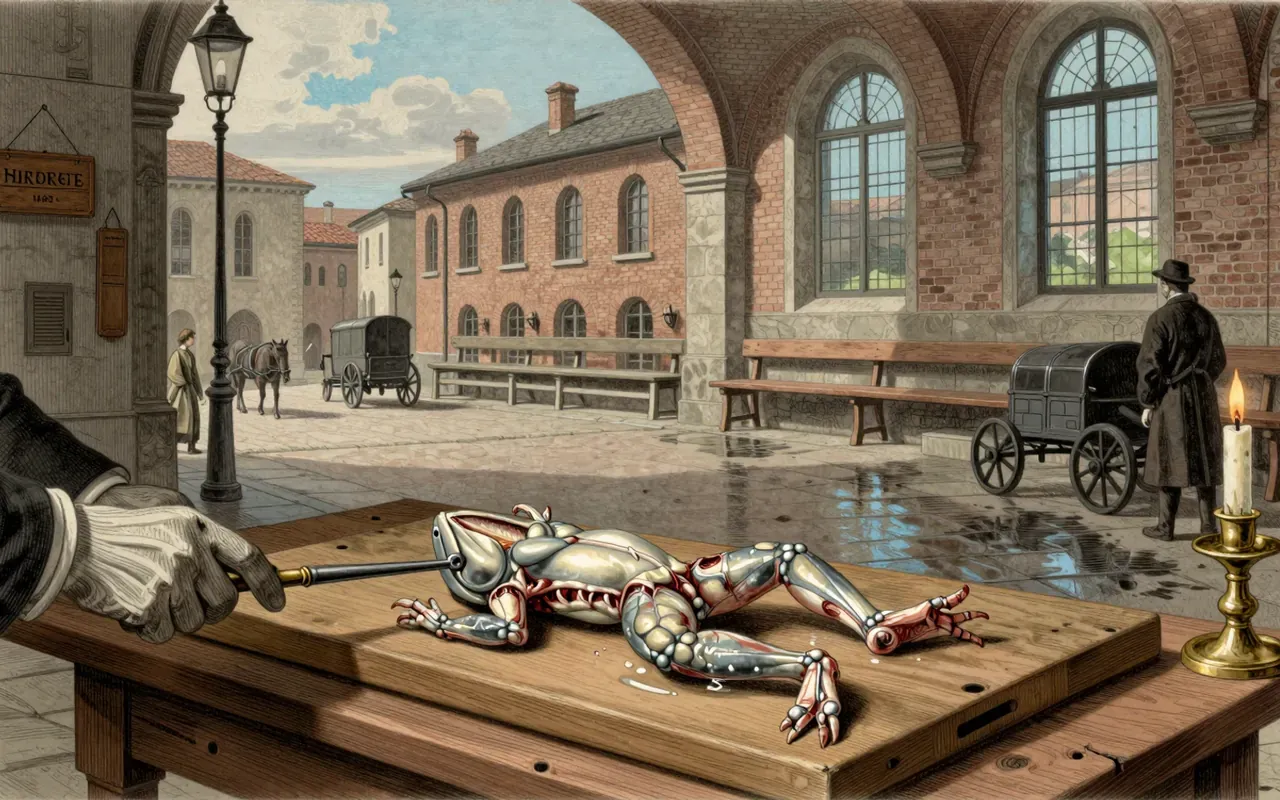
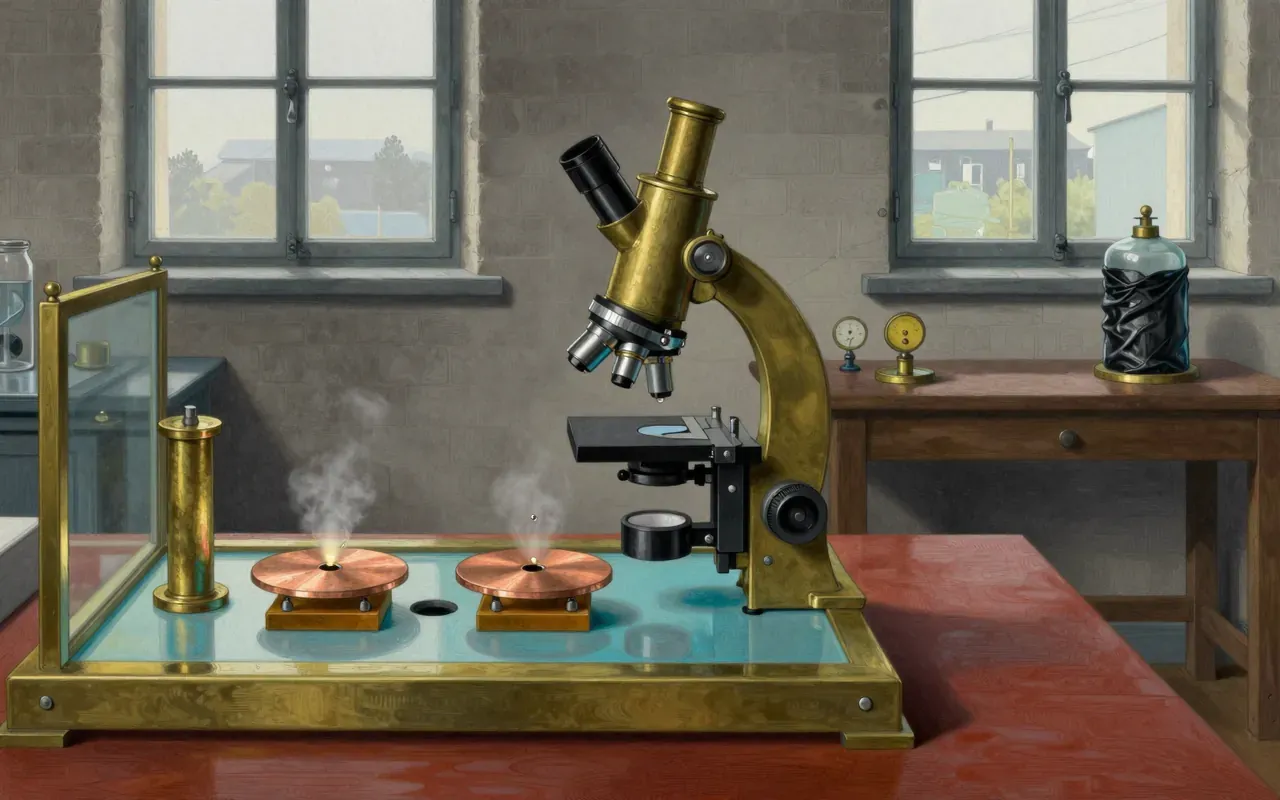
Galvani thought a frog's twitching leg proved animals generate their own electricity. Volta thought the frog was just a wet detector wired between two different metals, and he built a stack of zinc and copper discs to prove it — the first battery, and the end of the argument.
13:00

Photoemission spectroscopy

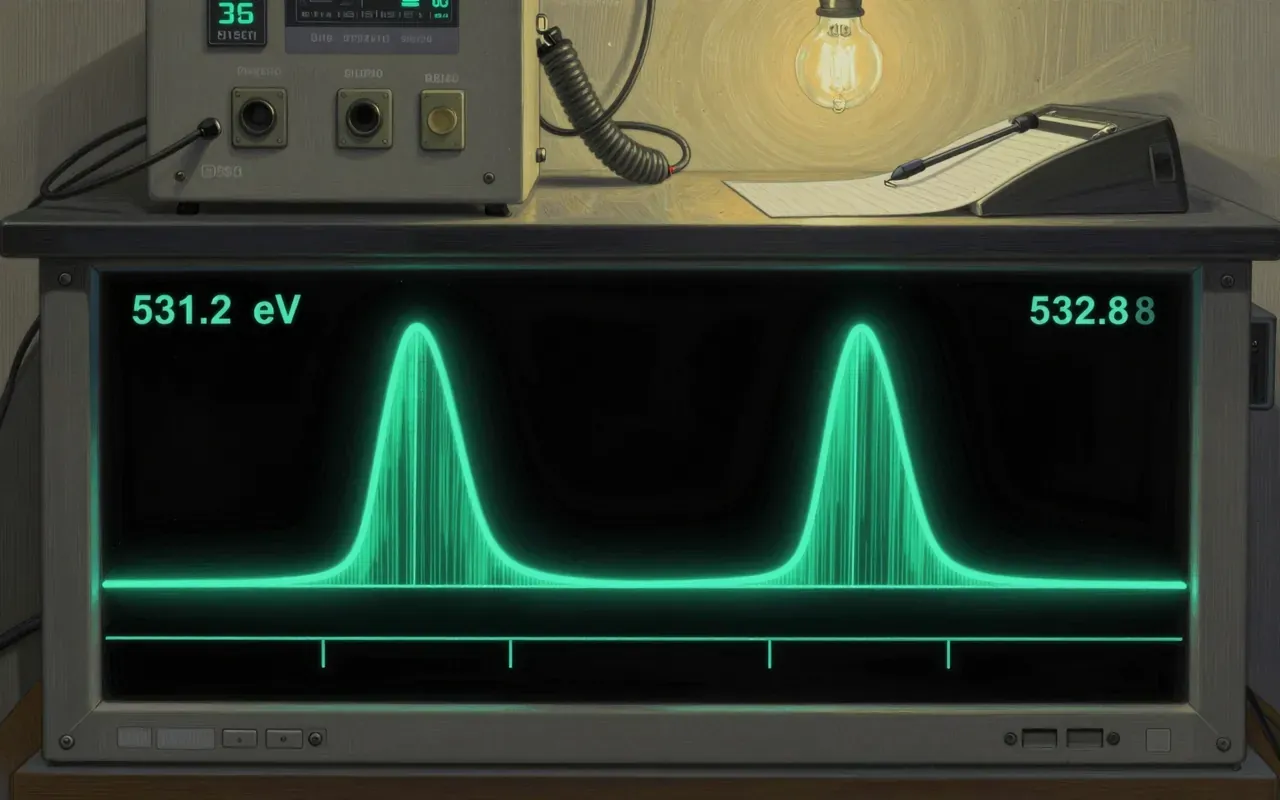
Shine light on a surface and the electrons it knocks loose carry a precise record of the energy levels inside — the method Kai Siegbahn spent decades turning into one of chemistry's sharpest tools.
9:52

Fick's laws of diffusion

Adolf Fick

Fick’s laws quantify diffusion in fluids using direct measurements of salt flux and concentration. They hold for liquids, not solids. Their derivation is experimental, their form exact, and their reach vast — but they are not universal, not theoretical first principles, and not extended beyond their empirical domain.

13:00

Lithium cobalt oxide

In 1980 John Goodenough found a layered cobalt compound that could double a battery's capacity, Oxford chose not to patent it, and nearly forty years later he collected the Nobel Prize for it at ninety-seven, the oldest laureate in the prize's history.
9:46

Ilya Prigogine

Prigogine did not discover life’s origin—he discovered how chemistry stops being passive when you pump energy through it.
13:00

Isotope

Forty radioactive substances had been found between uranium and lead, but the periodic table had room for only eleven. Soddy's 1913 answer was that many were the same element at different weights — and a doctor friend named the idea over conversation.
10:31

James Lovelock

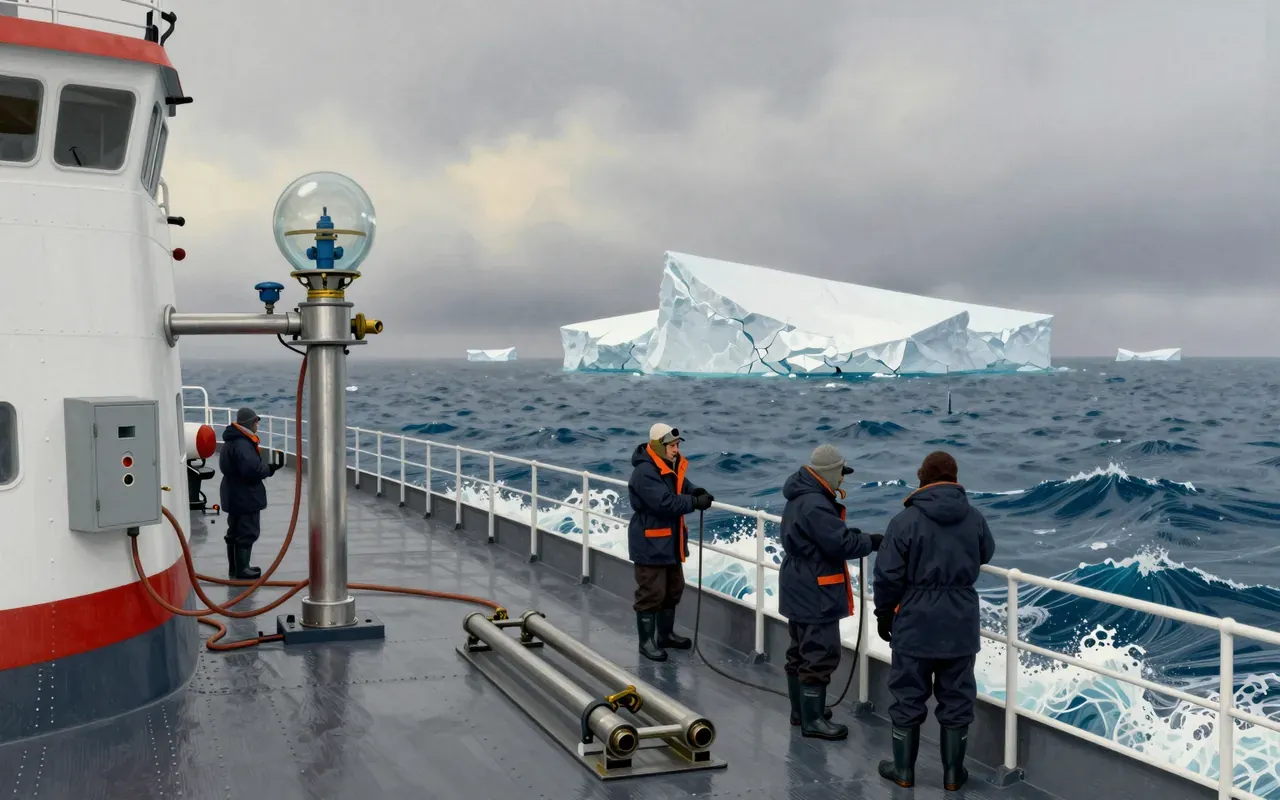
A gas detector built for Mars revealed Earth’s pollution — and mistook it for safety.
10:04

Kinetic theory of gases

Daniel Bernoulli

Bernoulli’s 1738 kinetic theory is the first mechanistic explanation of gas behaviour. It correctly identifies pressure as momentum transfer and temperature as mean kinetic energy. It derives Boyle’s law from molecular motion. It fails to resolve energy conservation or collision elasticity — gaps that stalled acceptance for a century. Its value lies not in immediate utility but in framing matter as particulate and dynamic — a conceptual pivot that enabled thermodynamics and statistical mechanics.
13:00

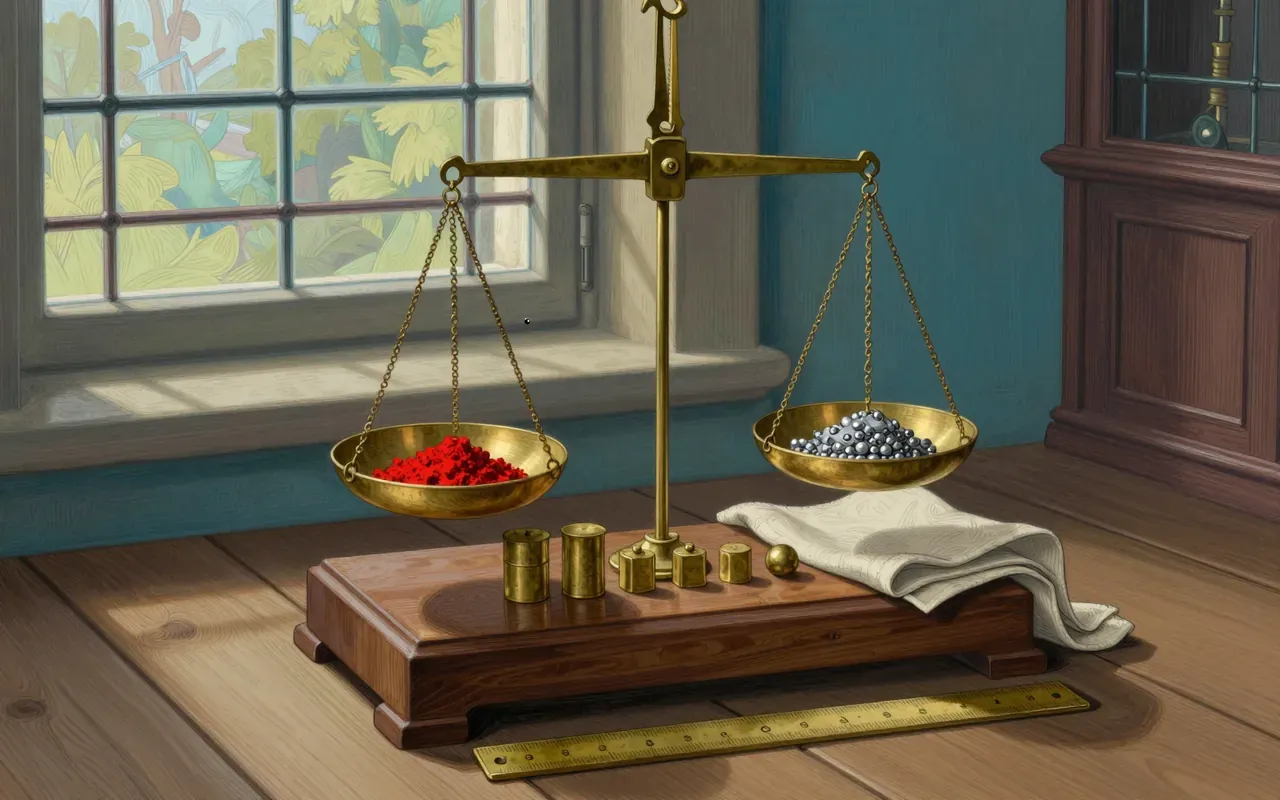
Conservation of mass

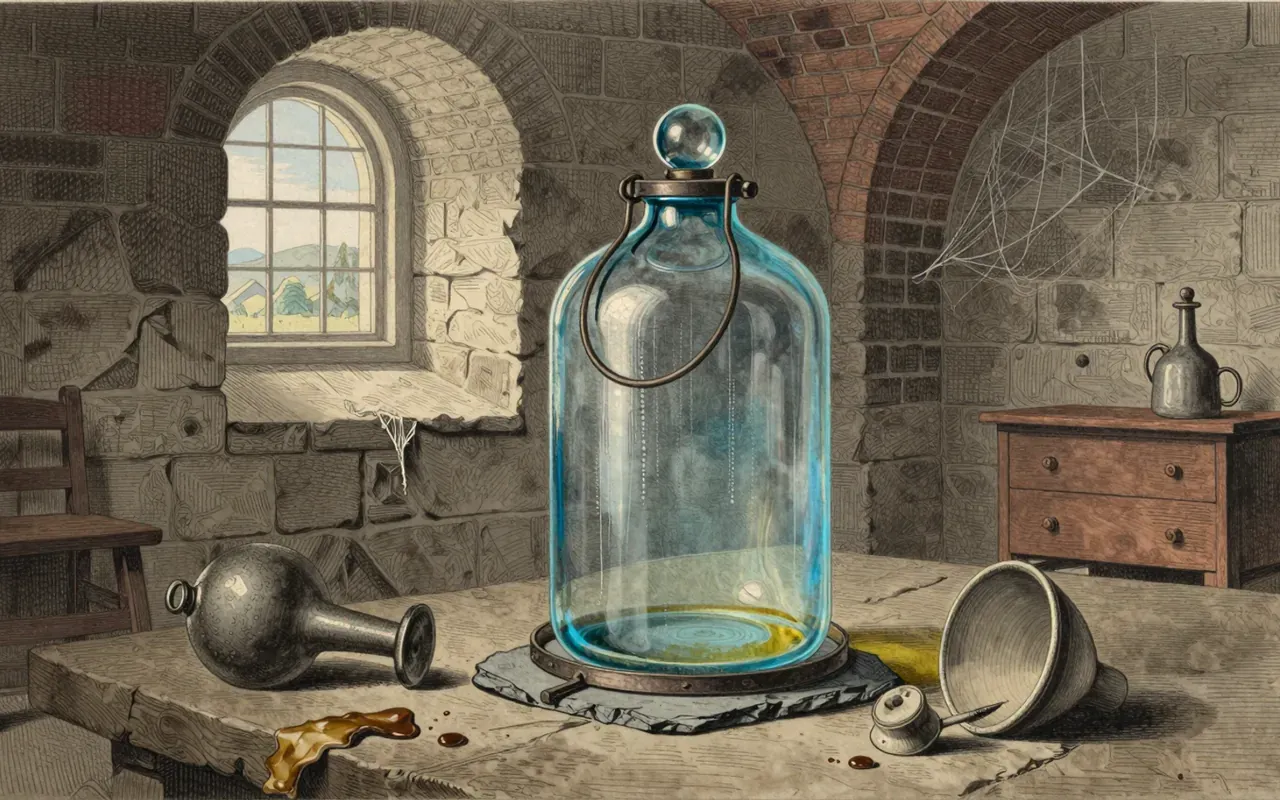
Lavoisier weighed everything, sealed his reactions in glass so nothing could escape unnoticed, and found the numbers always balanced. That habit of weighing rather than guessing did more to end phlogiston theory than any argument could have.
11:09

Lise Meitner

Meitner and Frisch didn’t discover fission — they explained it, named it, and measured its energy in six weeks.
10:19

Ludwig Boltzmann

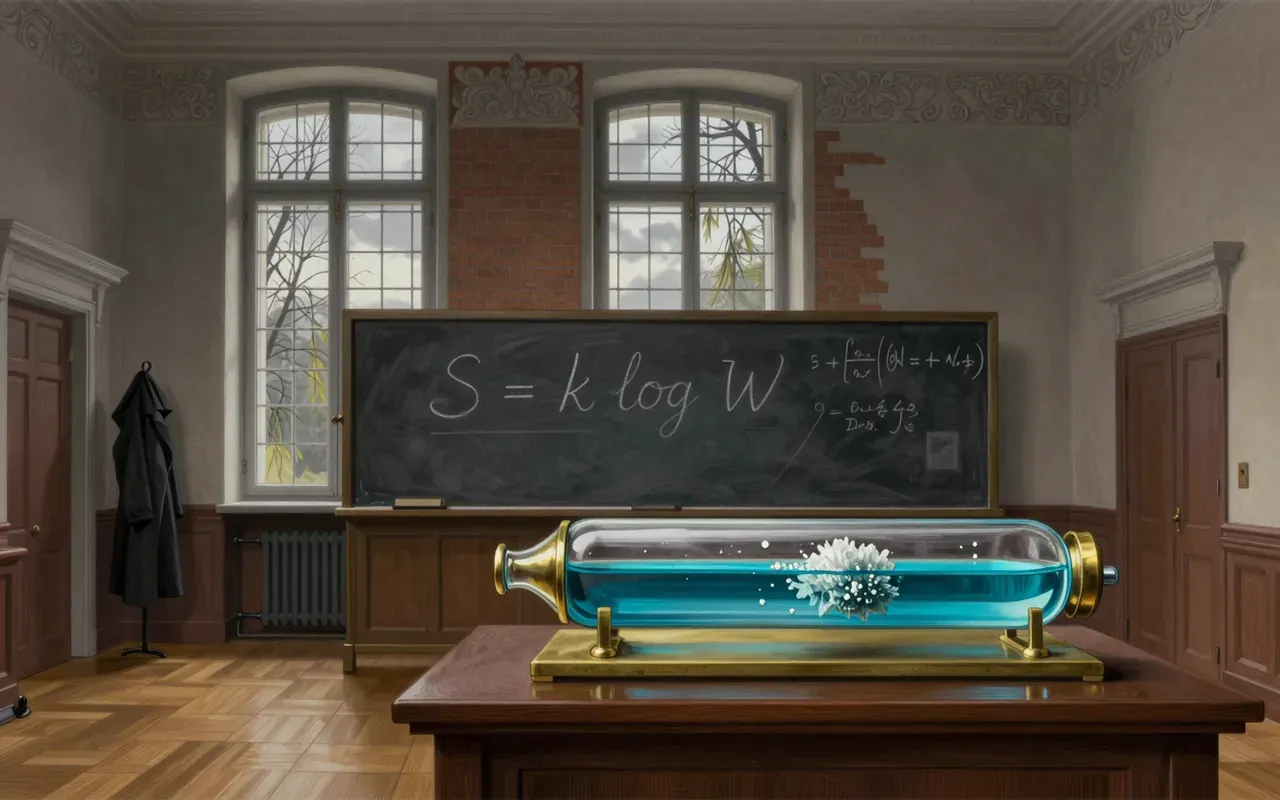
Entropy isn’t fate — it’s odds. Boltzmann proved the second law is a bet, not a command.
9:19

Marie Curie

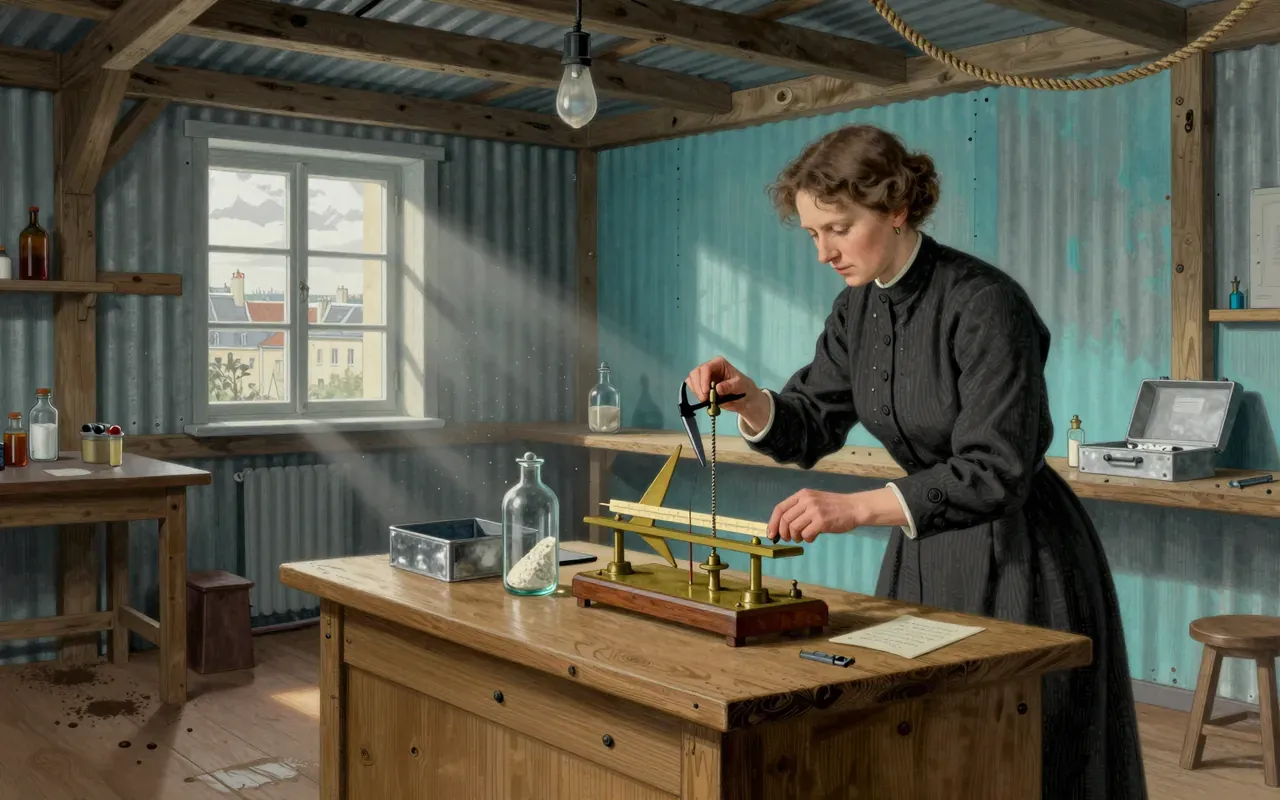
She didn’t find radioactivity—she proved it lived inside the atom.
10:33

Mario Molina

A postdoc and a chemist proved your fridge coolant was eating the sky — and changed how the world governs chemistry.
13:00

Nylon

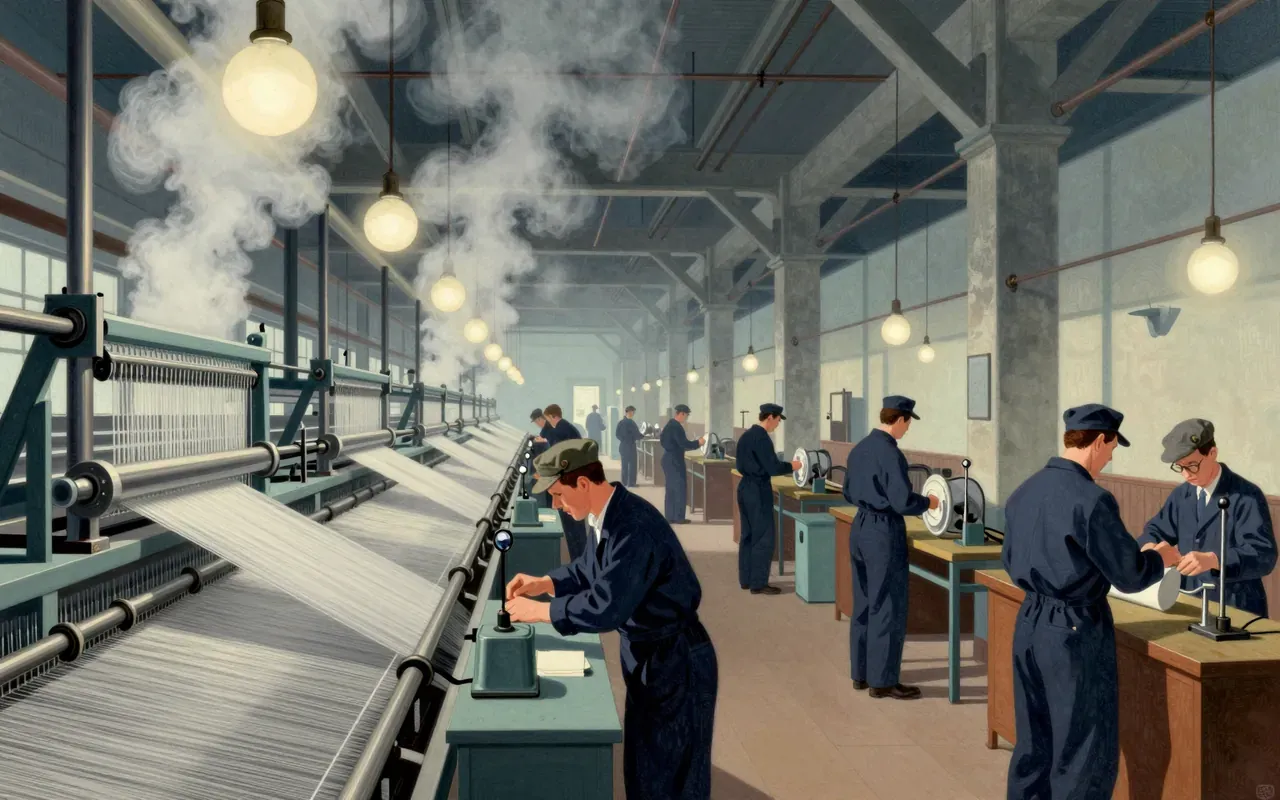
Carothers's lab made the first fully synthetic fibre strong enough to replace silk in 1935. He died by suicide sixteen months before DuPont told the world, and never saw the 64 million pairs of stockings that sold in the first year alone.
13:00

Ocean acidification

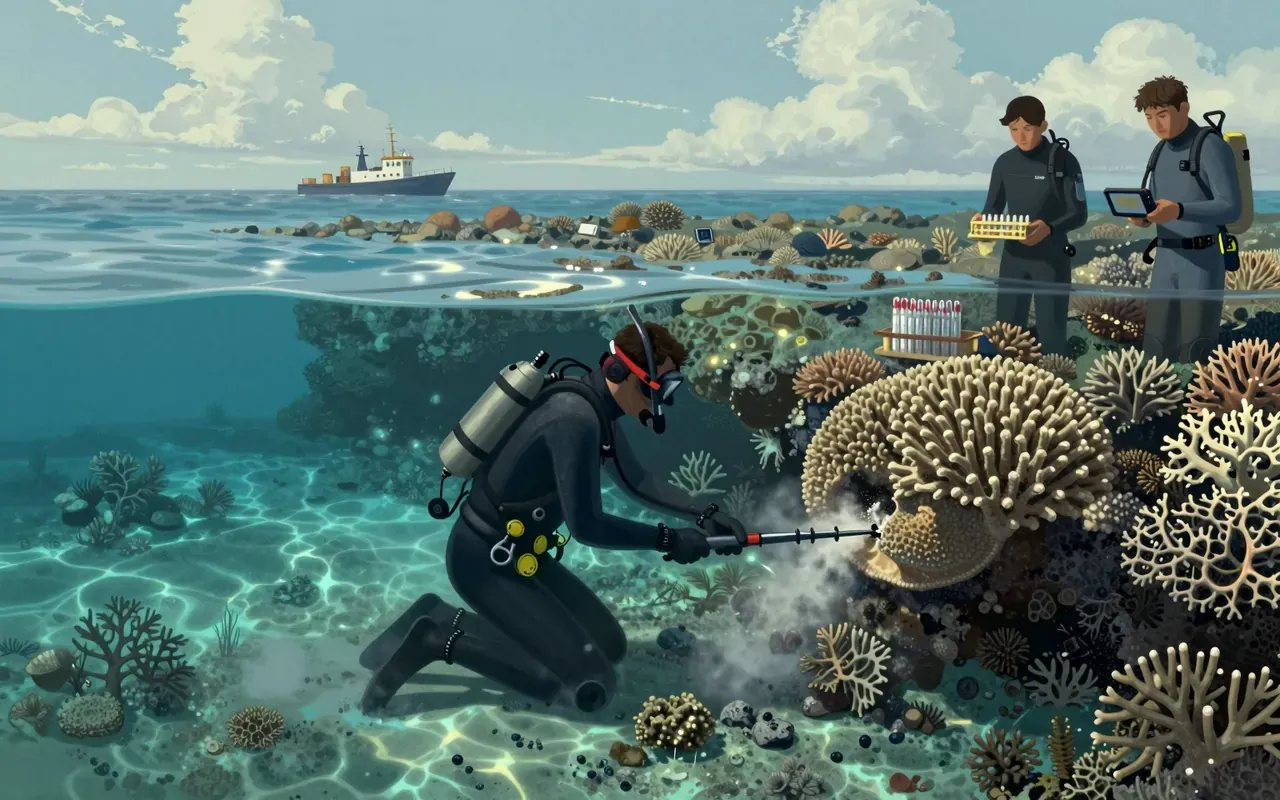
Roughly a third of the carbon dioxide humans have put into the air over 270 years has dissolved into the ocean, and surface seawater pH has already dropped further than at any point in at least 26,000 years.
13:00

Ozone depletion

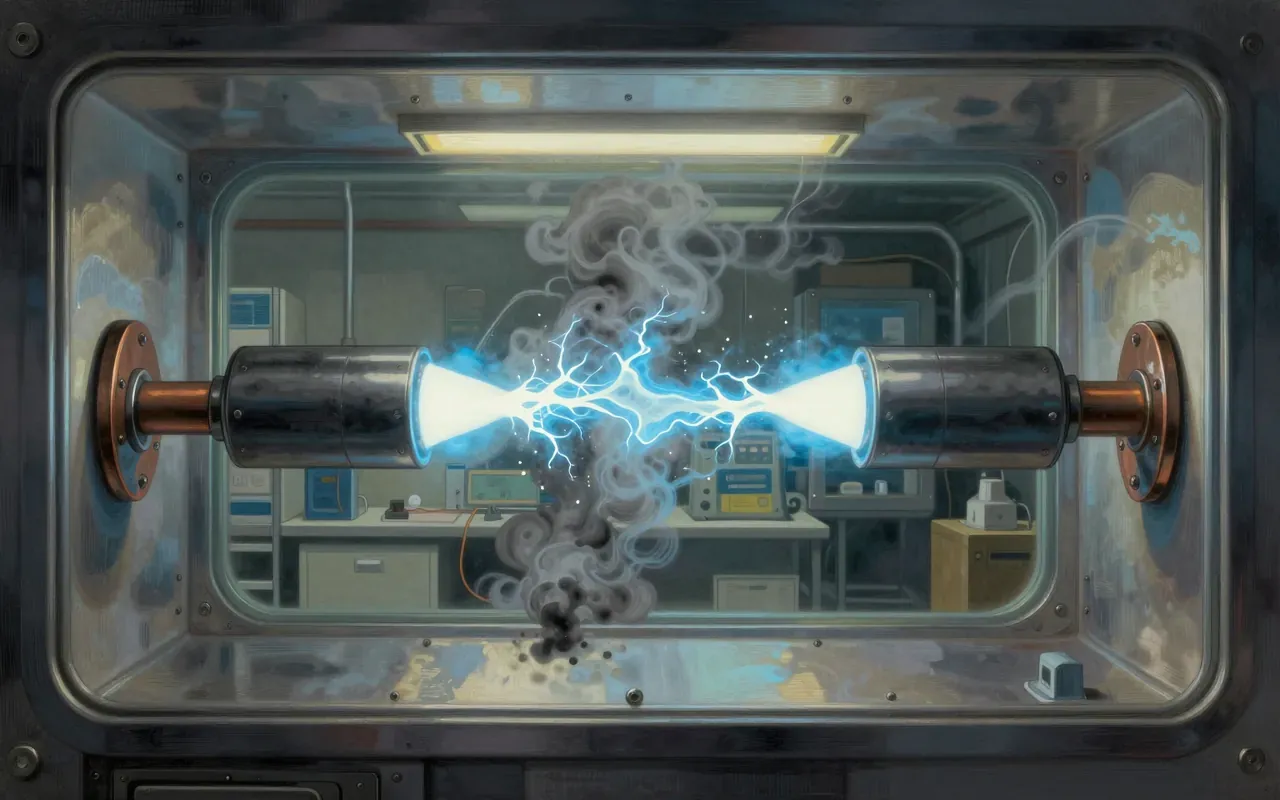
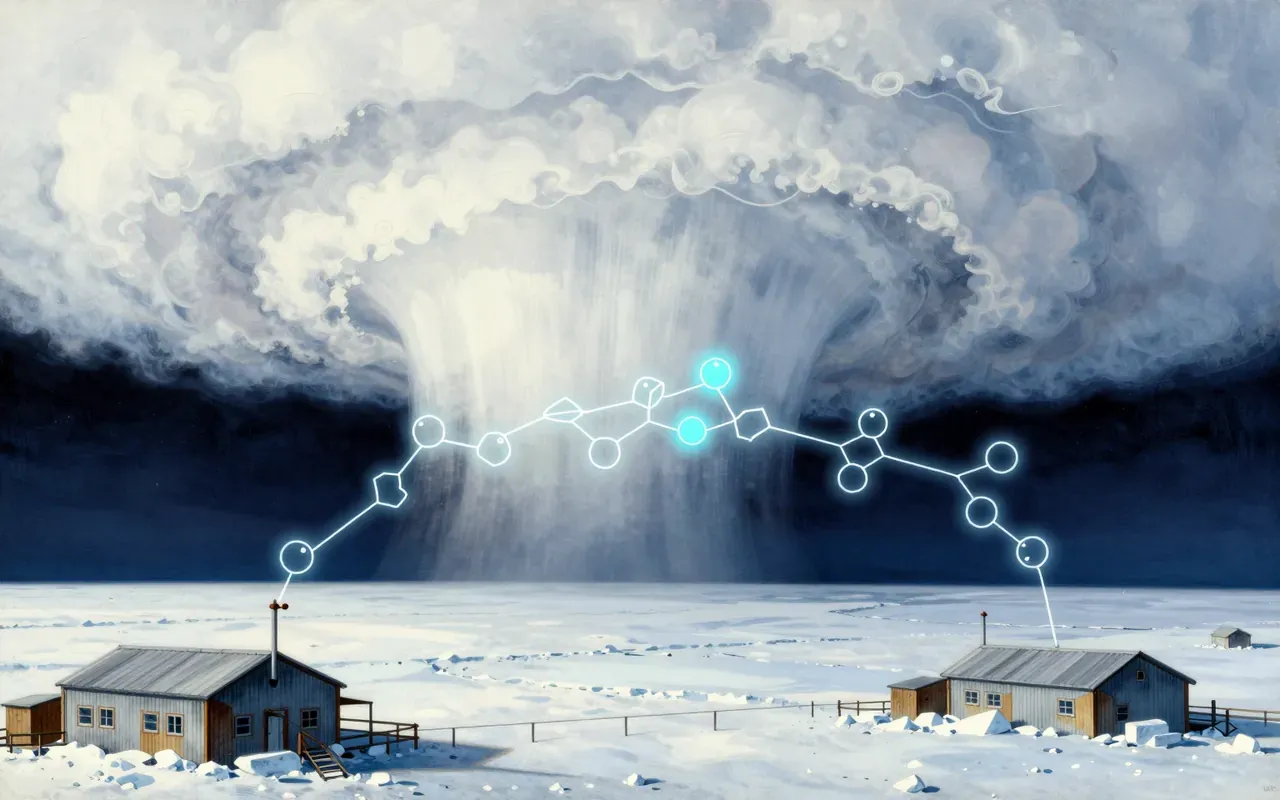
A single chlorine atom released from a refrigerant molecule can wreck roughly one hundred thousand ozone molecules before it is finally removed from the cycle, and this brief follows that chemistry from a 1985 Antarctic discovery to a treaty now credited with actual recovery.
13:00

Polymerization

Hermann Staudinger's macromolecule hypothesis, once dismissed by his own field, is the reason polymerisation is understood as chains of covalently linked units rather than clusters of small molecules stuck together.
13:00

Molecular orbital theory

Ordinary oxygen is attracted to a magnet, a fact the older theory of chemical bonds simply could not explain. Molecular orbital theory got it right by giving up on the idea that a bond belongs to two atoms alone.
10:58

Rachel Carson

Carson didn’t need a lab to prove pesticides were biocides — she used lawsuits, sick farmers, and library stacks.
13:00

Radiocarbon dating

Willard Libby built radiocarbon dating around a half-life value later found off by three percent, an error still baked into how raw dates get reported, and this brief follows that wrinkle and everything else that must be corrected first.
13:00

Ribozyme

In the early 1980s Thomas Cech and Sidney Altman independently found RNA molecules that catalyse chemical reactions on their own, overturning the assumption that only proteins act as biological catalysts.
10:57

Rosalind Franklin

Franklin didn’t discover the double helix — she discovered that DNA’s shape changes with humidity, and that its backbone faces outward. Everything else was interpretation.
9:30

Calvin cycle

Calvin

The Calvin cycle is the first experimentally mapped biochemical pathway for carbon fixation. It established the sequence of carbon-containing intermediates using carbon-14 labelling in algae. It did not characterise enzymes, kinetics, or regulation. Its power lies in its direct, empirical tracing — not theoretical elegance.

13:00

Covalent bond

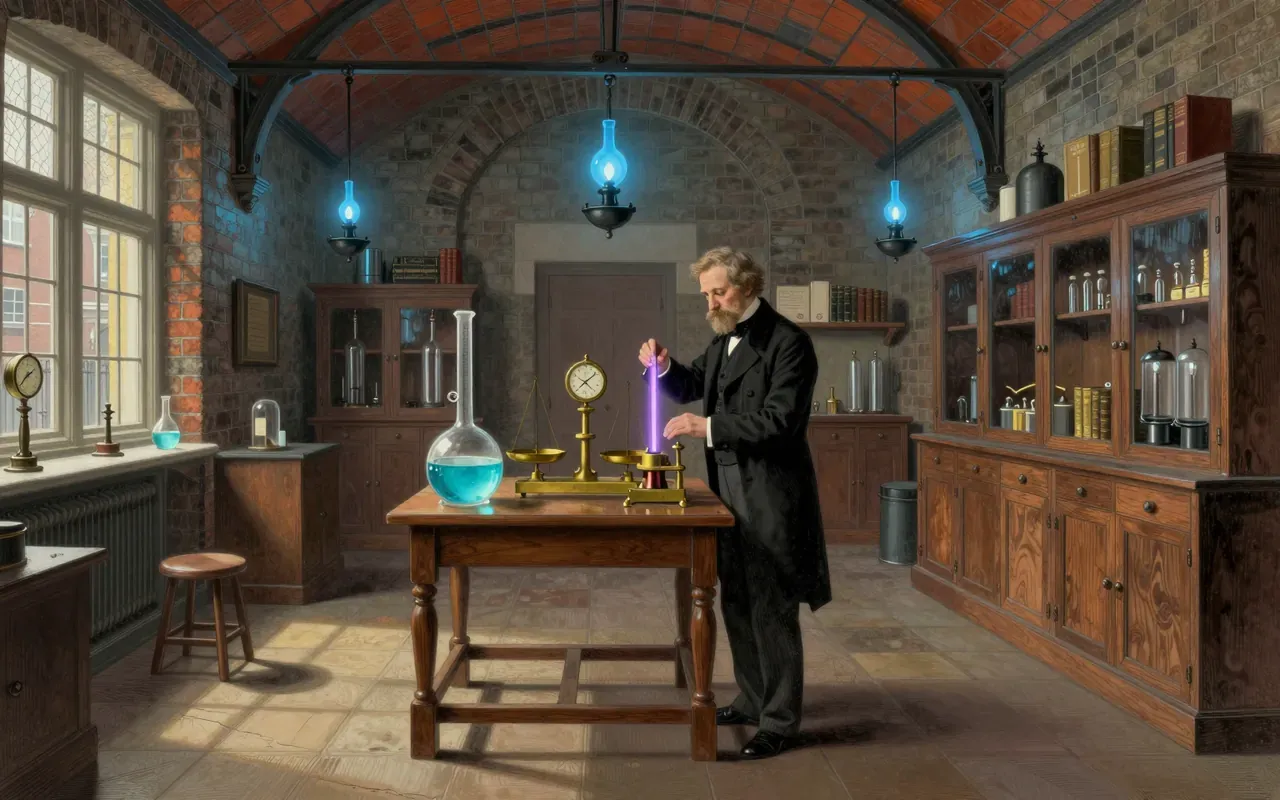
Lewis drew two dots between atomic symbols in 1916 and called it a bond. Pauling spent the next two decades giving that drawing a quantum-mechanical foundation, then later applied the same confident certainty to a vitamin C cancer claim a 1982 re-evaluation could not support.
13:00

Benzene

Kekulé's 1865 ring solved a real structural puzzle using real isomer counts. The story that a dream of a snake biting its tail handed him the answer came twenty-five years later, and historians now think he may have invented the anecdote rather than remembered it.
13:00

Chlorine

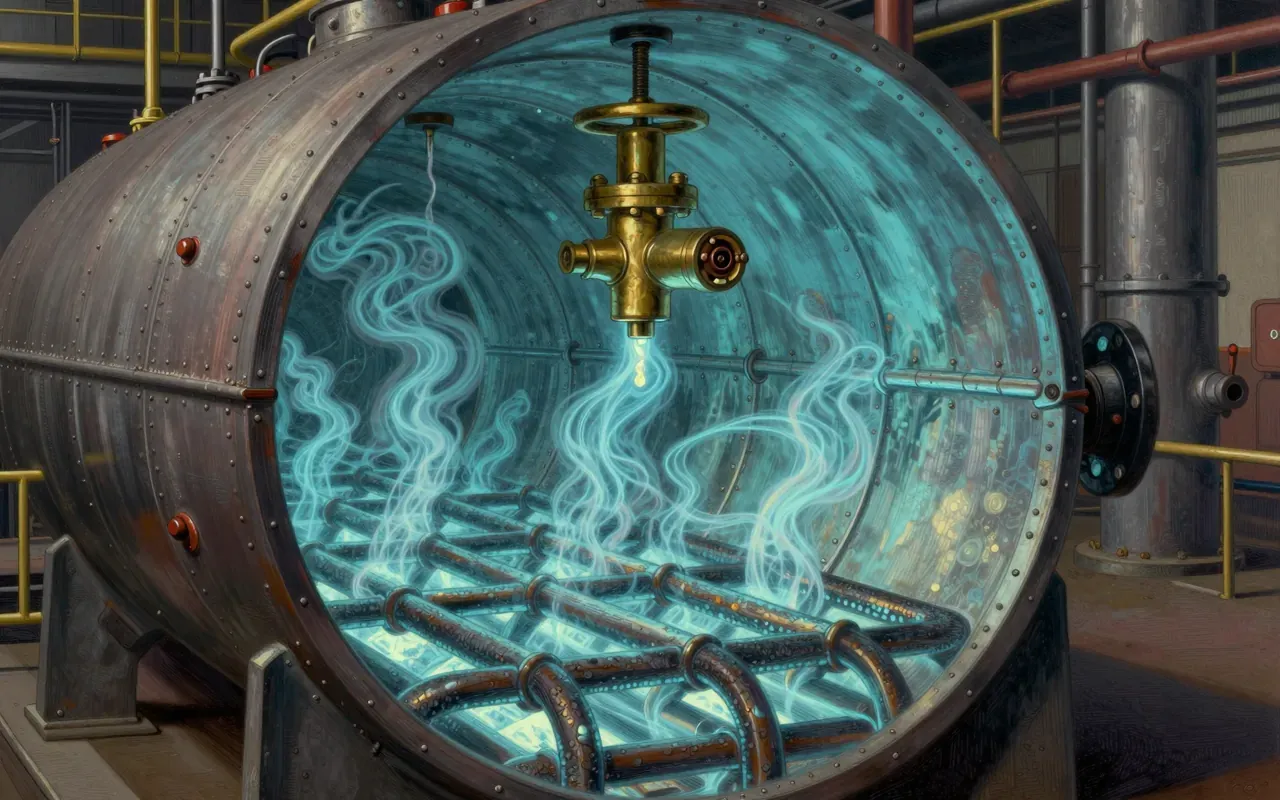
Scheele made a yellow-green gas in 1774 that bleached litmus paper and stripped the colour from flowers. He decided it was a compound of muriatic acid missing its phlogiston. It took Humphry Davy another thirty-six years to tell him, posthumously, that he'd isolated an element.
13:00

Fullerene

Kroto was chasing carbon chains from outer space, not a new form of carbon on Earth. Vaporising graphite with a laser to mimic a dying star's atmosphere produced a molecule shaped like a football instead — sixty carbon atoms folded into a closed cage.
13:00

Hydrogen

Henry Cavendish isolated the gas in 1766 and showed in 1781 that burning it makes water. He explained both facts through phlogiston theory, a framework chemistry would later discard entirely — the credit for what hydrogen actually is went to Lavoisier, who named it.
13:00

Haber process

The reaction that fixes nitrogen out of thin air now feeds close to half the people on Earth. The chemist who invented it also personally directed the first large chlorine gas attack of the First World War, days before his wife took her own life with his service revolver.
13:00

Inert-pair effect

Thallium would rather give up one electron than the three its position on the periodic table suggests it should. Sidgwick named the pattern in 1927; nobody has ever reduced it to a single cause.
13:00

Noble gas

Ramsay and Travers found an entire missing column of the periodic table by carefully distilling liquid air. The gases they pulled out were named for being lazy, hidden, new and strange — and chemistry believed they never reacted with anything until 1962 proved otherwise.
11:08

Pauli exclusion principle

Wolfgang Pauli

The Pauli exclusion principle is not a force or interaction. It is a constraint on how quantum states may be occupied. It arose from spectral anomalies, not theory-first deduction. Its power lies in its austerity: four numbers, one electron, and a sign flip upon exchange. It remains indispensable — and unexplained at root.

13:00

Synthetic diamond

Hall's press squeezed carbon to roughly 100,000 atmospheres and 1,600 degrees Celsius in 1954, and thirty-eight minutes later found actual diamond crystals on a tantalum disk. GE's reward for the invention that built an industry was a ten-dollar savings bond.
13:00

Optical spectrometer

In 1815 a German physicist counted six hundred dark gaps in the spectrum of sunlight, and within a few decades that oddity had become a method for reading the chemical makeup of a flame in a laboratory or a star many light years away.
13:00

Ion channel

Roderick MacKinnon's 1998 crystal structure of a bacterial potassium channel showed the shape that lets potassium pass freely while turning away the smaller sodium ion — a puzzle that had stood since Hodgkin and Huxley's electrical studies of the 1950s.
13:00

Wöhler synthesis

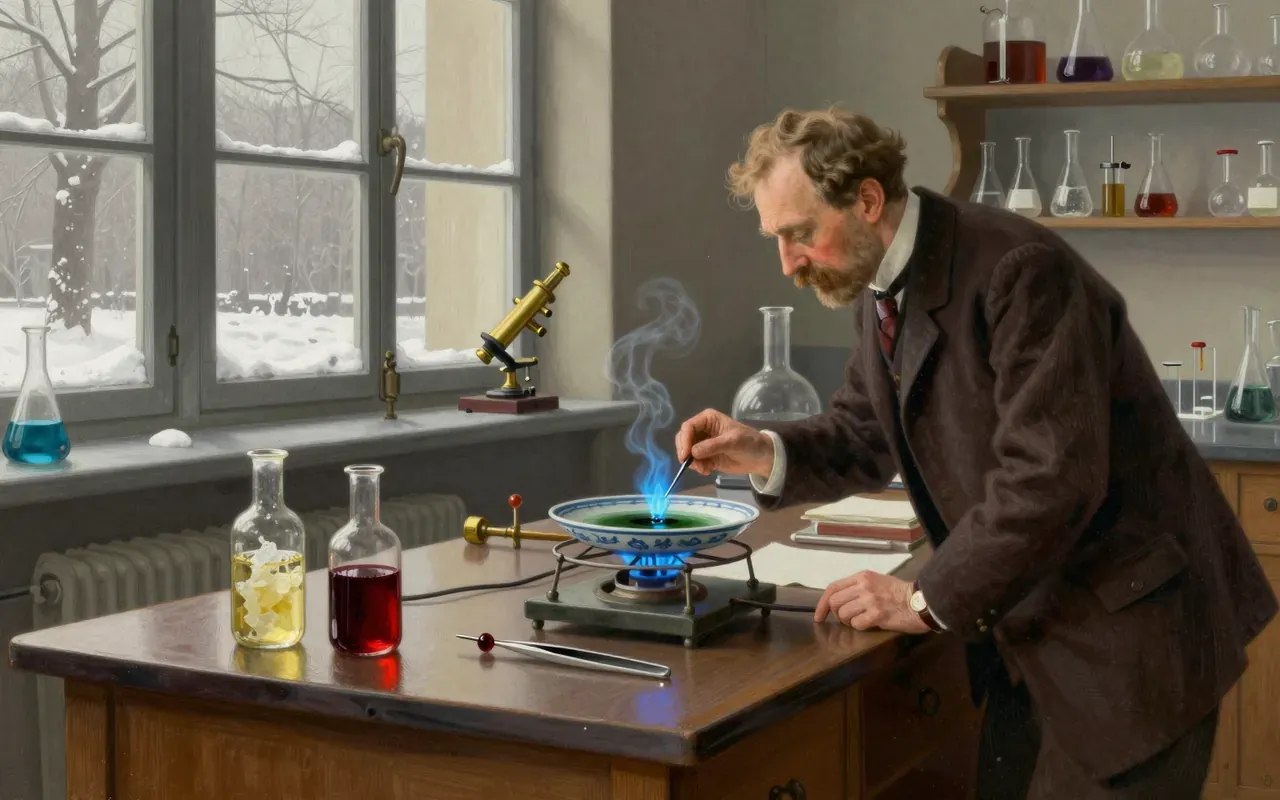
Wöhler heated ammonium cyanate in 1828 and got urea. Textbooks still call this the moment vitalism died on the spot. A 2000 survey found nine in ten chemistry textbooks repeat that version, and the actual history took another seventeen years to catch up.
9:44

Ultracentrifuge

It didn’t reveal life’s blueprint — it gave biologists the first tool to hold molecules still enough to weigh them.
12:07

Van der Waals equation

Johannes van der Waals

Van der Waals’s 1873 equation was the first thermodynamic model to treat fluids as composed of real molecules — with finite size and mutual attraction — and it successfully described both liquid and gas phases, predicted critical-point behaviour, and yielded quantitative estimates of molecular size and attraction strength. It did not prove molecular existence, nor does it hold across all conditions. Its value lies in making molecular assumptions productive — long before they were directly observable.