sciencebriefs
Topic

Materials

Every era is named after one, which should be a clue.

21
in science
12:18
average
258 min
in total
138
across the network
Materials across the network →
All briefs21
9:54

3D printing

Chuck Hull

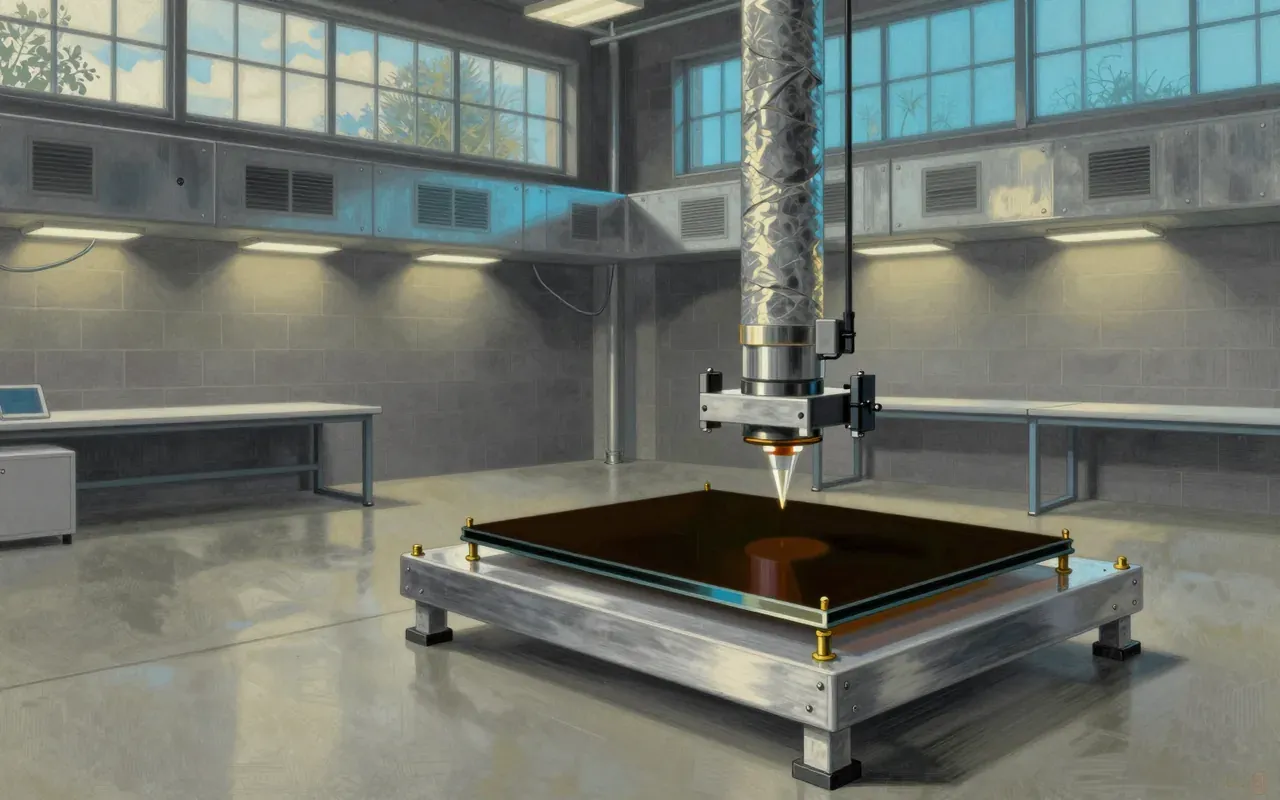
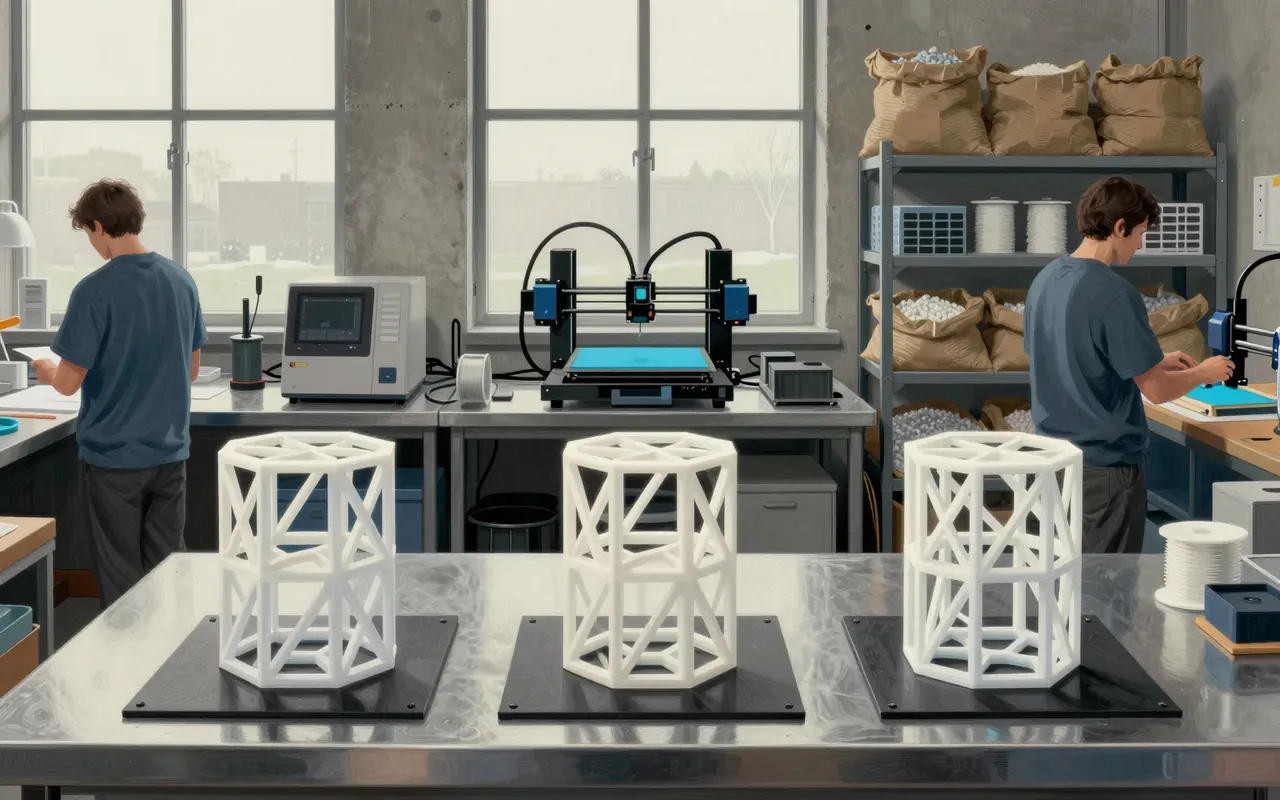
3D printing is a layer-by-layer fabrication method rooted in Chuck Hull’s 1984 stereolithography patent. It evolved from rapid prototyping in the 1980s into an industrial production option by 2019. Its real advantage is enabling previously impossible geometries—like hollow or truss-structured parts—that cut weight and waste. Fused deposition modeling (FDM) was the most common process as of 2020. It does not replace conventional manufacturing at scale. It does not solve material consistency, certification, or throughput problems. Its impact is precise, not pervasive.
9:39

Thomas Edison

Edison didn’t invent the light bulb—he invented the process that made it matter.
13:00

Atomic force microscopy

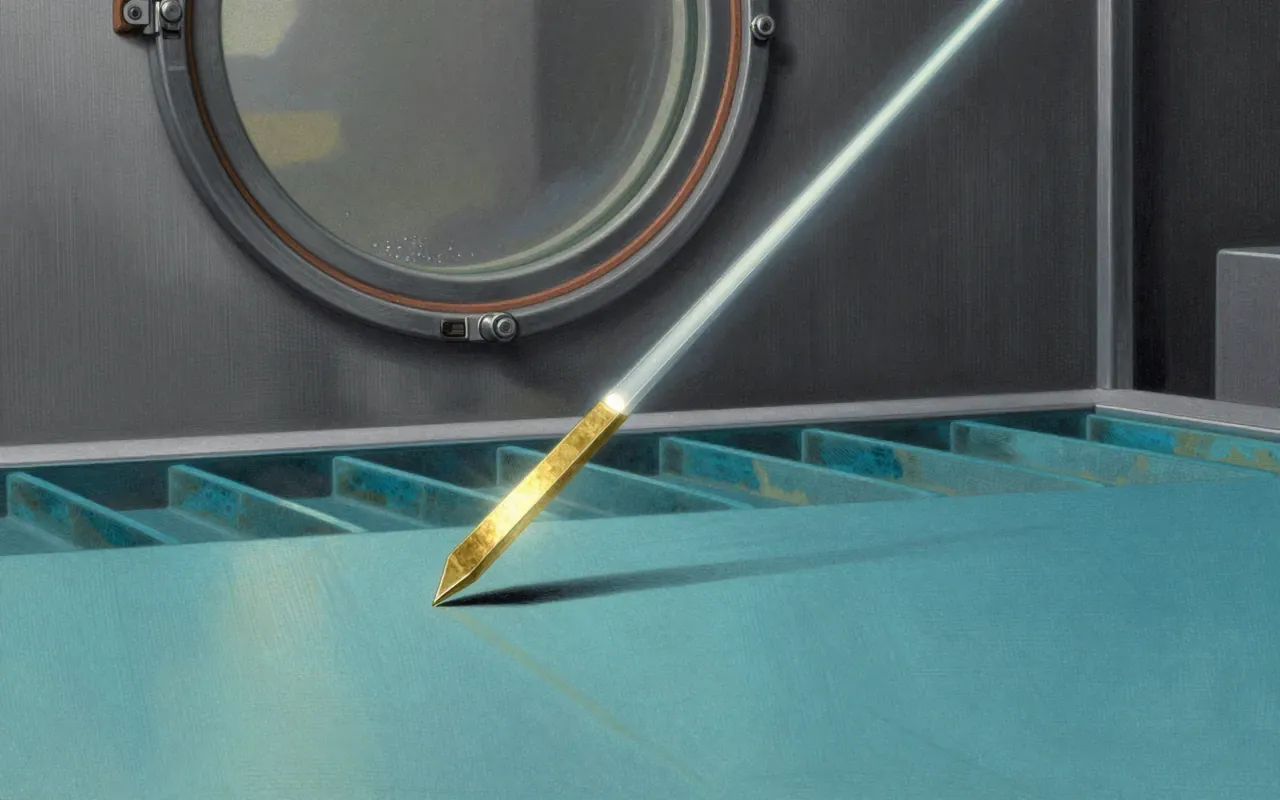
A sharp tip on a bending cantilever, tracked by a laser, let researchers feel the shape of a surface at nanometre scale, including surfaces that do not conduct electricity at all.
13:00

Carbon nanotube

Sumio Iijima's 1991 paper on tubes of carbon rolled from arc-burned graphite launched a research boom, even though Soviet scientists had photographed similar structures nearly forty years earlier without anyone noticing.
13:00

Ferromagnetism

Pierre-Ernest Weiss proposed in 1906 that magnets divide into microscopic regions pointing different ways to save energy, an idea confirmed decades later when Francis Bitter found a way to actually see the boundaries between them.
13:00

Lithium cobalt oxide

In 1980 John Goodenough found a layered cobalt compound that could double a battery's capacity, Oxford chose not to patent it, and nearly forty years later he collected the Nobel Prize for it at ninety-seven, the oldest laureate in the prize's history.
13:00

Graphene

Theory said a sheet one atom thick should tear itself apart. Geim and Novoselov peeled it off graphite with sticky tape in 2004, and it just sat there, strong enough that a square metre could hold up a cat while weighing about as much as one of its whiskers.
13:00

Metamaterial

A material Victor Veselago predicted mathematically in 1967 and nobody believed worth building sat ignored for three decades until copper rings on circuit board made light bend the wrong way in 2000.
13:00

Nylon

Carothers's lab made the first fully synthetic fibre strong enough to replace silk in 1935. He died by suicide sixteen months before DuPont told the world, and never saw the 64 million pairs of stockings that sold in the first year alone.
10:19

Perovskite solar cell

Kojima, Park and others

Perovskite solar cells began with CsSnI3 in a solid-state dye-sensitized architecture. They proved 3D halide perovskites could act as efficient semiconductors — not just additives — and enabled rapid efficiency gains: 3.8% to 27% (single-junction) and 34.85% (silicon tandem) between 2009 and 2025. The materials are cheap and simple to make. But no source names Kojima or Park, reports stability, or confirms real-world deployment.

13:00

Piezoelectricity

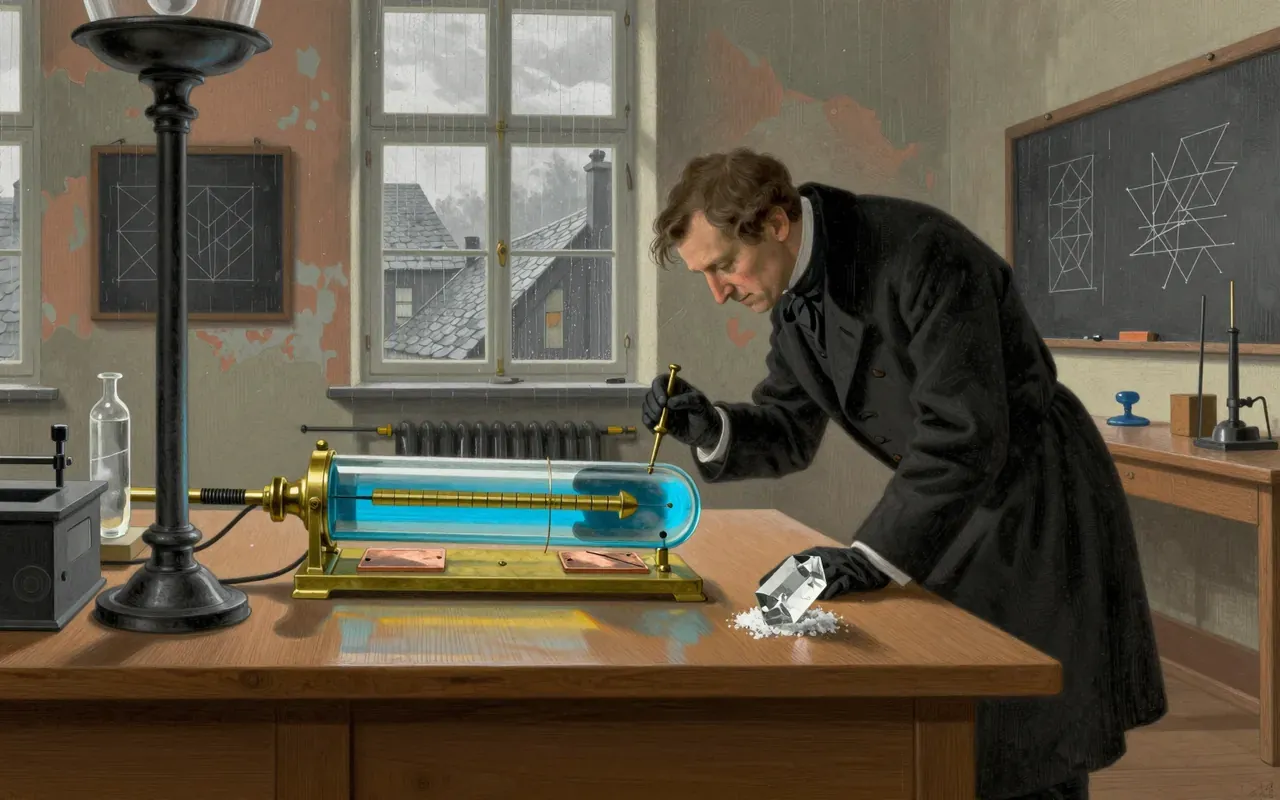
Pierre and Jacques Curie showed in 1880 that squeezing certain crystals generates a voltage, and the reverse effect their colleague predicted the following year now drives everything from sonar to quartz watches to fuel injectors.
13:00

Polymerization

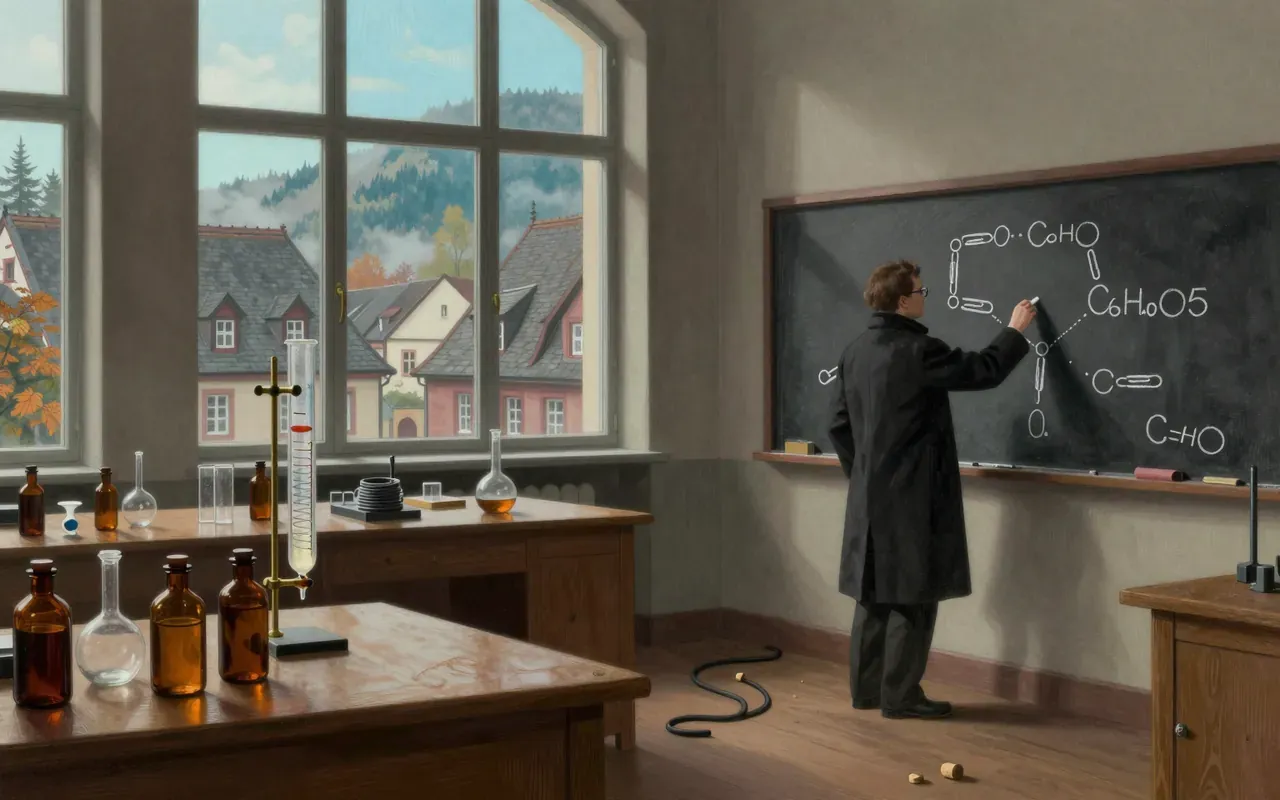
Hermann Staudinger's macromolecule hypothesis, once dismissed by his own field, is the reason polymerisation is understood as chains of covalently linked units rather than clusters of small molecules stuck together.
10:57

Rosalind Franklin

Franklin didn’t discover the double helix — she discovered that DNA’s shape changes with humidity, and that its backbone faces outward. Everything else was interpretation.
13:00

High-temperature superconductivity

A ceramic that theory said should not superconduct at all did so at 35 kelvin in 1986, and the mechanism behind it is still not fully explained nearly four decades later.
13:00

Solar cell

In 1954 Bell Labs built a silicon cell that converted sunlight to electricity roughly six times better than anything before it, and then spent the next two decades discovering that solving efficiency was the easy half of the problem.
13:00

Fullerene

Kroto was chasing carbon chains from outer space, not a new form of carbon on Earth. Vaporising graphite with a laser to mimic a dying star's atmosphere produced a molecule shaped like a football instead — sixty carbon atoms folded into a closed cage.
13:00

Synthetic diamond

Hall's press squeezed carbon to roughly 100,000 atmospheres and 1,600 degrees Celsius in 1954, and thirty-eight minutes later found actual diamond crystals on a tantalum disk. GE's reward for the invention that built an industry was a ten-dollar savings bond.
13:00

Scanning tunneling microscope

Quantum tunnelling had been known physics for decades before Gerd Binnig and Heinrich Rohrer built an instrument steady enough to hold a metal tip a few atomic widths above a surface and turn that old effect into a working microscope.
13:00

Topological insulator

Charles Kane and Eugene Mele predicted in 2005 that a material could conduct only along its edges while remaining insulating throughout its interior, and a mercury telluride sandwich confirmed it two years later.
11:22

X-ray crystallography

William Henry Bragg and William Lawrence Bragg

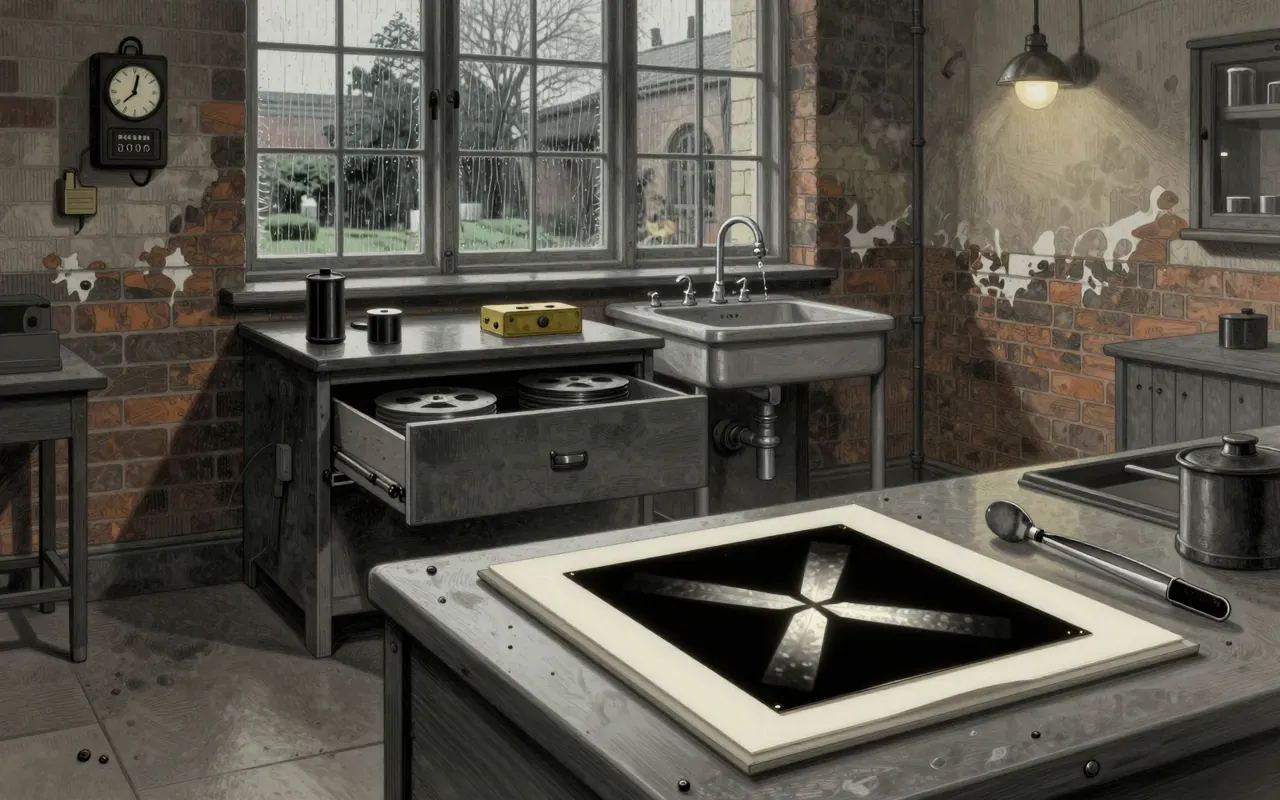
The Braggs established X-ray crystallography as a quantitative physical method by linking diffraction geometry to atomic spacing — using simple crystals, mechanical rotation, film detection, and arithmetic. They did not image atoms. They inferred lattice periodicity. Their work is durable, narrow, and strictly instrumental.