sciencebriefs
Life sciences

Genetics

61
briefs
11:39
average
711 min
in total
23
researchers
All briefs61
10:09

Horizontal gene transfer

Zinder and Lederberg · 1951

Bacteria can pick up genes from other cells by transformation, transduction or conjugation, not only by inheriting them. Lederberg and Zinder showed in 1951 that a virus could carry genes from one strain of Salmonella to another, and Lederberg's earlier work with Edward Tatum showed that E. coli can exchange genes by conjugation. The material treats the process as the main route by which antibiotic resistance spreads among bacteria.
10:16

Jennifer Doudna

Jennifer Doudna and Emmanuelle Charpentier

Doudna and Charpentier’s 2012 work established CRISPR-Cas9 as the first programmable, RNA-guided DNA cleavage system. It relies on Cas9 protein and a synthetic guide RNA chimera. It works in vitro. It does not demonstrate editing in living organisms or repair outcomes. It is the origin of all subsequent CRISPR applications — not a refinement, but the first functional design.

8:20

Eric F. Wieschaus

He didn’t find genes that build embryos—he found the switches that start the clock.
8:42

Monoclonal antibody

Georges Köhler and César Milstein

The 1975 hybridoma technique solved one problem: how to make unlimited quantities of identical antibodies targeting a known antigen. It did not solve delivery, safety, scalability, or therapeutic function. Its value lies in reproducibility — not potency, not novelty of target, not clinical impact.

9:56

Alfred Wegener

Wegener didn’t prove continental drift—he proved it was the only explanation that fit the map, the rocks, and the fossils.
13:00

Ancient DNA

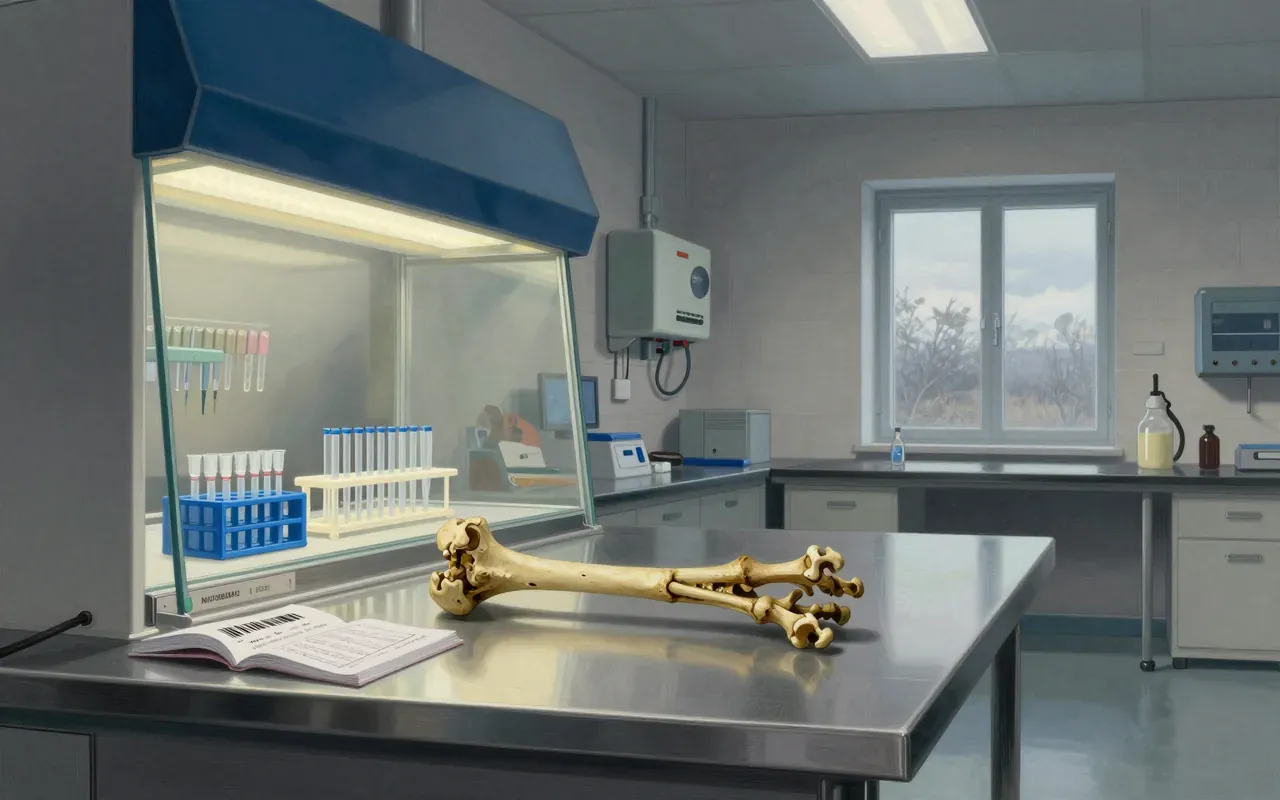
Svante Pääbo spent decades building the methods to pull authentic genetic sequences out of fossils riddled with damage and contamination, work that let him sequence the Neanderthal genome and identify a new human relative from a single finger bone.
11:02

Aubrey de Grey

A gerontologist broke a 60-year-old maths stalemate—and used graveyard soil to test an anti-ageing idea no one else would touch.
9:05

Barbara McClintock

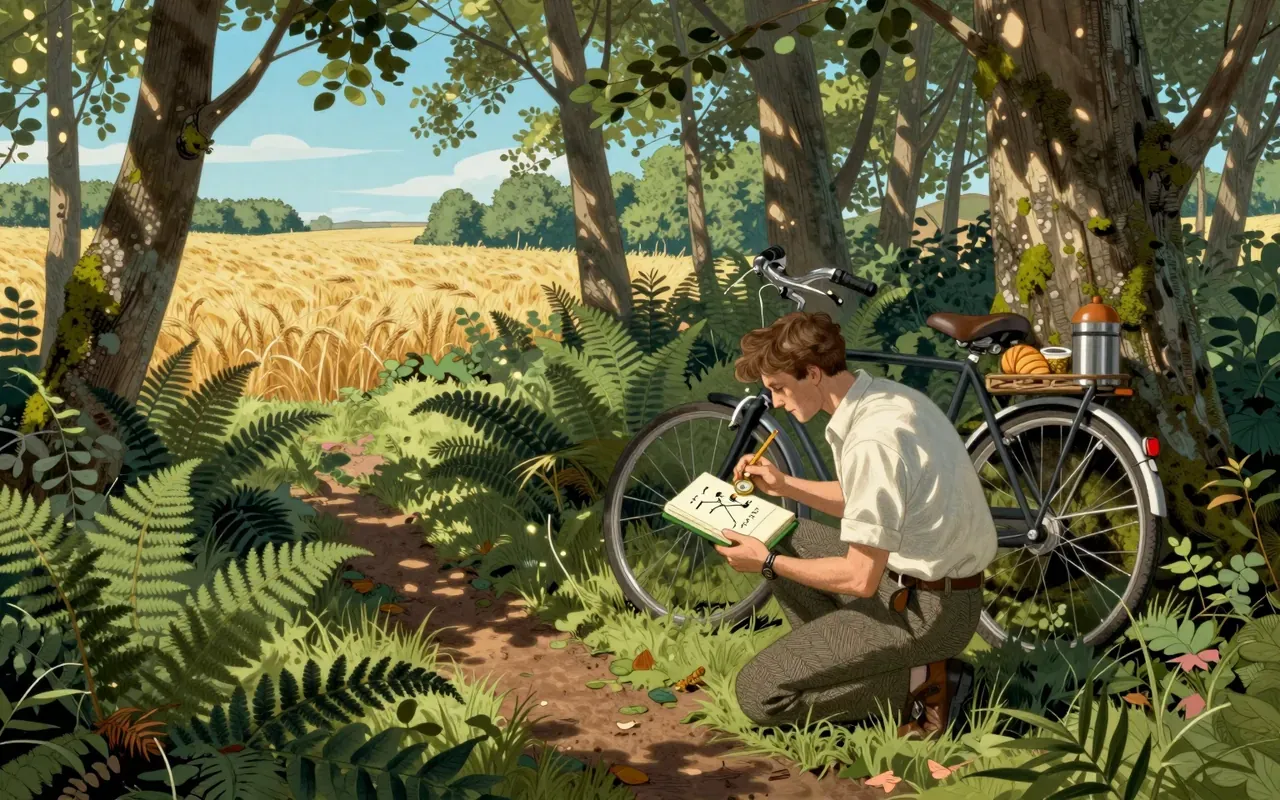
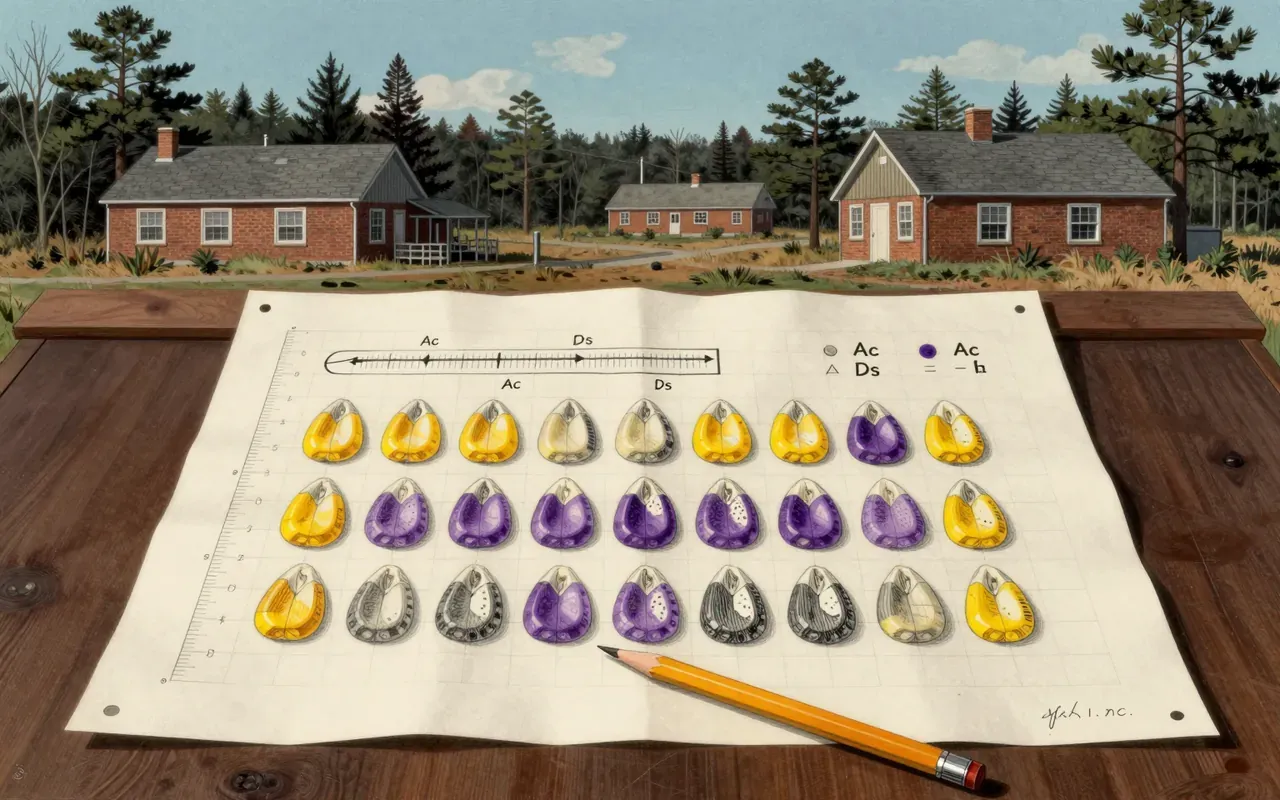
Genes don’t just code—they jump, break, and switch traits on and off depending on where they land.
13:00

Chargaff's rules

Erwin Chargaff measured DNA base ratios across dozens of species and found a pairing rule steady enough to become the numerical clue behind Watson and Crick's double helix — credit for which he never received.
13:00

CRISPR gene editing

CRISPR-Cas9, built from a bacterial virus-defence system decades in the discovering, turned gene editing into a routine laboratory tool now behind approved sickle-cell therapy and an unresolved fight over editing embryos.
13:00

Denisovan

A single finger bone found in a Siberian cave in 2008 was enough to identify an entirely new group of ancient humans through DNA alone, years before any skull could be confidently linked to them.
13:00

Sanger sequencing

A molecule engineered to stop DNA copying dead read out the first complete genome, a virus of 5,386 letters, then the whole human mitochondrial genome. Its successors are faster, but it is still the one labs trust to get a short stretch exactly right.
11:02

Edward B. Lewis

Lewis didn’t just find new genes — he broke the gene open, then used the pieces to rebuild how we think about risk, development, and inheritance.
13:00

Symbiogenesis

Lynn Margulis's paper arguing that mitochondria and chloroplasts were once free-living bacteria was rejected by around fifteen journals before publication in 1967, and it took another decade of genetic evidence before biologists widely accepted it.
13:00

FOXP2

FOXP2 was dubbed the language gene after a mutation was linked to a family's speech disorder, but the same gene shapes birdsong and bat echolocation, and a 2018 study found no evidence it was recently and specially selected in humans.
11:14

Gerty Cori

Enzyme defects cause genetic disease — and this was proven, not hypothesised.
9:17

Gregor Mendel

Mendel didn’t discover genes — he discovered that inheritance isn’t blended, but counted.
13:00

Experiments on Plant Hybridization

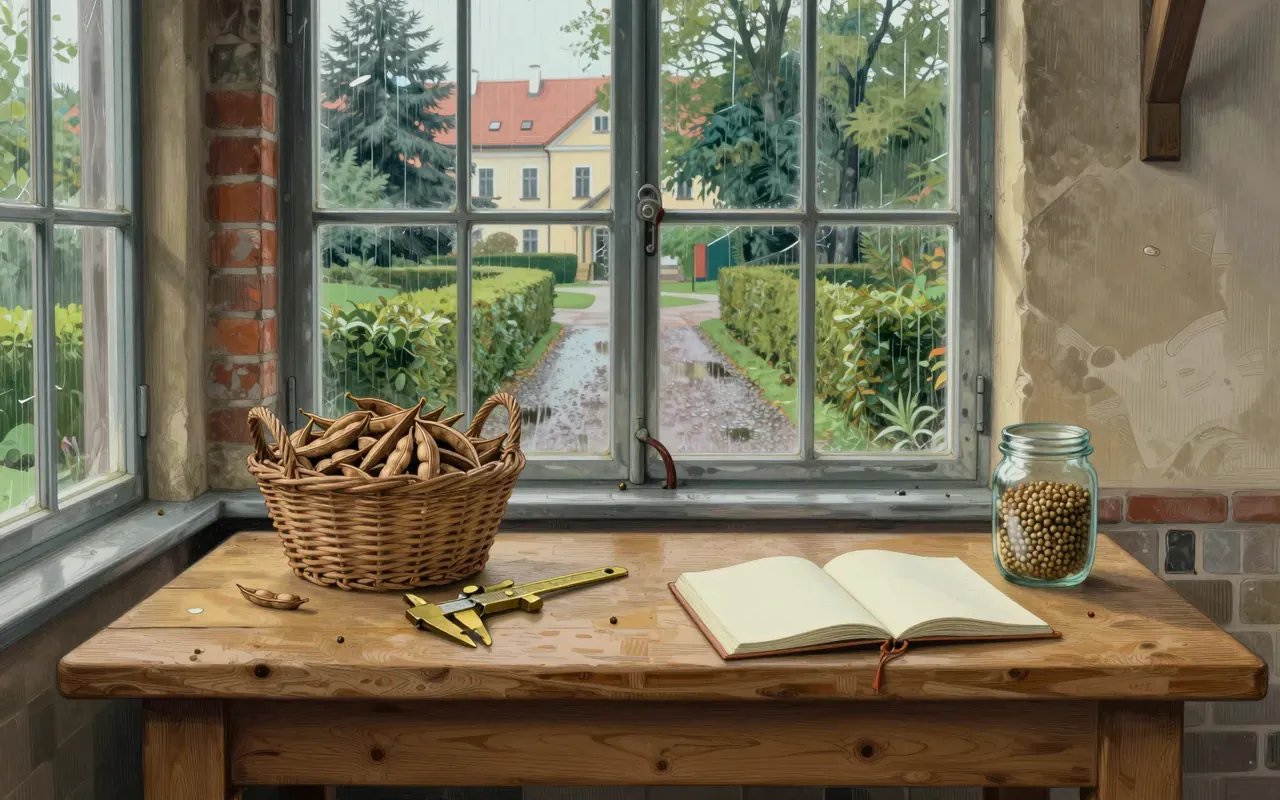
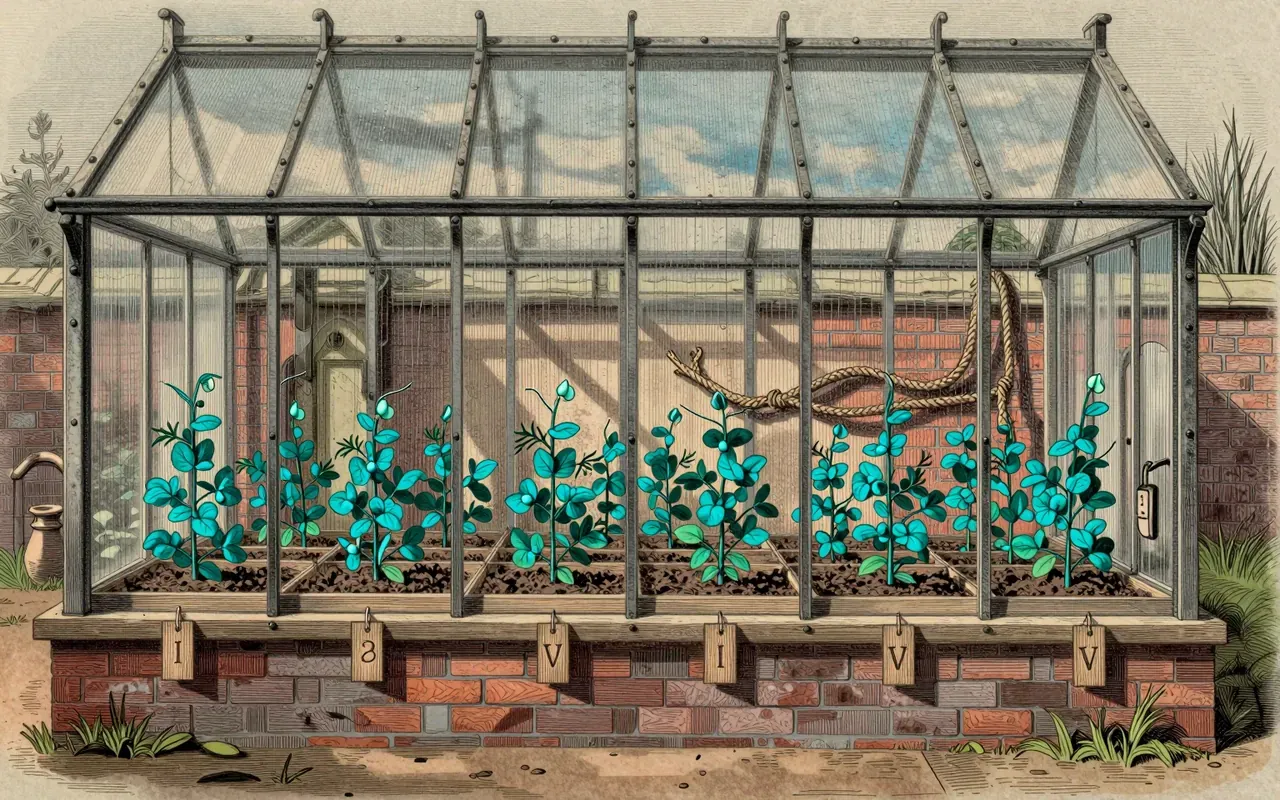
A monk in Moravia counted traits across 28,000 pea plants and found a hereditary pattern so tidy that a statistician later suspected the numbers were too good to be true, a suspicion still argued over more than a century on.
11:14

Henrietta Lacks

HeLa didn’t just change science — it revealed that medical immortality has a name, a race, and no consent.
13:00

Hox gene

A 1980 large-scale genetic screen by Christiane Nusslein-Volhard and Eric Wieschaus, combined with Edward Lewis's decades of work on homeotic mutants, revealed the Hox genes that assign body-plan identity along an animal's head-to-tail axis.
10:08

Lynn Margulis

Endosymbiosis isn’t just about organelles — it’s proof that evolution advances by merger, not just mutation.
13:00

Molecular clock

A 1967 protein comparison suggested humans and chimpanzees split far more recently than fossils then implied, and the molecular clock method behind that claim has since been refined to account for the fact that its own ticking rate is not actually constant.
13:00

Massively parallel sequencing

Reading DNA one lane at a time cost the Human Genome Project years and roughly a hundred million dollars. Spreading millions of short reads across one flow cell instead brought that down toward a few hundred dollars, trading length and certainty for volume.
8:55

Norman Borlaug

Borlaug didn’t end world hunger — he doubled wheat yields in three countries in five years by breeding shorter, sturdier plants.
13:00

Polymerase chain reaction

Thirty cycles of heating and cooling turn one strand of DNA into roughly a billion copies. The method came from Kary Mullis in 1983 and won a Nobel Prize; his later claims about HIV and AIDS did not come from the same place and should not borrow its authority.
13:00

Prime editing

David Liu's lab built a gene editor that writes new DNA directly into place without cutting both strands, and by 2025 a version of it had reportedly cleared a genetic disease from two patients' cells.
10:57

Rosalind Franklin

Franklin didn’t discover the double helix — she discovered that DNA’s shape changes with humidity, and that its backbone faces outward. Everything else was interpretation.
13:00

Photo 51

The X-ray photograph that revealed DNA's helical structure was Rosalind Franklin's, made with a camera she engineered herself, and it reached Watson and Crick's desk in 1953 through two separate acts of sharing she never agreed to.
9:36

Stanley Norman Cohen

This wasn’t about curing disease — it was about making bacteria read foreign genes, copy them, and pass them on.
12:20

Svante Pääbo

Human evolution wasn’t a ladder — it was a tangle of interbreeding lineages, and some of their genes are still making us sick.
10:39

Sydney Brenner

Brenner didn’t decode life — he built the syntax that made decoding possible.
11:05

Central dogma of molecular biology

Francis Crick

Crick’s central dogma is a precise, unidirectional constraint on sequential information transfer — not a summary of known pathways. It was proposed theoretically, refined formally in 1970, and immediately misrepresented. Its endurance lies not in experimental confirmation but in its utility as a boundary condition: what molecular biology *cannot* do.

13:00

CRISPR

A bacterial defence system that remembers past viral infections turned out, once its guide-RNA targeting was simplified in 2012, to be programmable enough to cut DNA anywhere a scientist chose.
13:00

RNA splicing

In 1977 Phillip Sharp and Richard Roberts, examining adenovirus RNA under the electron microscope, found that genes are not continuous stretches of code but are broken up by non-coding introns removed during splicing.
13:00

Oncogene

Bishop and Varmus's 1976 discovery that a cancer virus's src gene was actually a captured, mutated version of a normal cellular gene reframed cancer as damage to the cell's own machinery, not a foreign invasion.
13:00

Dutch famine of 1944–1945

The precisely dated 1944-45 Dutch famine let researchers trace, decades later, how prenatal starvation shaped adult diabetes, heart disease and possibly even grandchildren's health through epigenetic change.
13:00

Gel electrophoresis

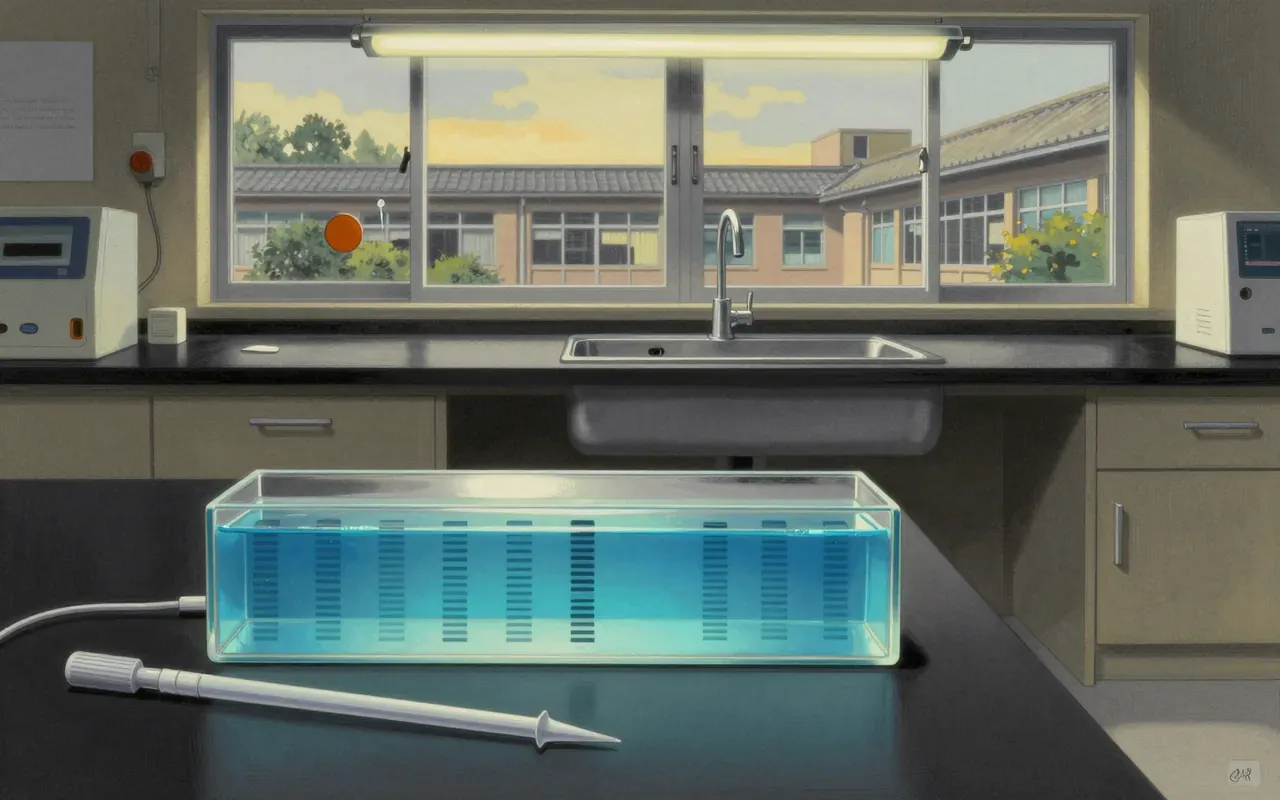
A phenomenon first noticed in 1801, that an electric field drags charged particles through a fluid, took more than a century of small, separate refinements before it became the gel-based technique that now sorts DNA and proteins by size in nearly every biology lab.
13:00

Recombinant DNA

Stanley Cohen and Herbert Boyer's 1973 splicing of foreign DNA into bacteria became the first licensed recombinant drug within five years, after scientists paused their own field in 1975 to weigh the risks first.
13:00

Mycoplasma laboratorium

Venter's team built a bacterial genome from chemical building blocks and started it running inside a hollowed-out cell in 2010, though the cell's machinery, not the genome alone, did the actual living.
13:00

Genetic code

A single experiment with a synthetic RNA of nothing but uracil gave Nirenberg and Matthaei the first codon; a decade of follow-up work by Khorana, Holley and others filled in the other sixty-three.
12:05

Hayflick limit

Hayflick

Hayflick’s 1962 work established a finite replication limit for normal human fetal cells — 40–60 divisions — using culture methods and a definitive male-female co-culture experiment. It refuted Carrel’s immortality claim, distinguished mortal normal from immortal cancer cells, and produced WI-38 — the foundational cell strain for vaccine development. It did not identify the counting mechanism, nor prove cellular senescence drives whole-organism aging.

9:06

Hershey–Chase experiment

DNA is genetic material — not because it looks right, but because it’s the only molecule that gets inside and gets copied.
9:26

Human Microbiome Project

It gave us the first map of where microbes live in healthy humans — not why they matter, not how to fix them, just where they are.
13:00

Luria–Delbrück experiment

In 1943 two scientists asked whether bacteria become resistant to a virus because the virus causes it or because a random mutation was already there waiting, and settled the question just by counting how unevenly resistant colonies turned up across separate culture tubes.
13:00

Meselson–Stahl experiment

A 1958 isotope-labelling experiment on dividing E. coli DNA ruled out two rival theories of how the double helix copies itself and confirmed the semiconservative model that Watson and Crick had only proposed.
13:00

RNA interference

In 1998 Andrew Fire and Craig Mello found that double-stranded RNA, not single-stranded RNA, silences genes with striking potency in roundworms, revealing RNA interference as a cellular pathway now used as both a lab tool and a medicine.
13:53

Neanderthal genome project

Svante Paabo · 2006

The Neanderthal genome project did not discover interbreeding as a hypothesis — it confirmed it with genomic data. It replaced speculation with measurement: four billion base pairs, three Croatian specimens, one decisive conclusion. Its legacy is methodological rigour and a rewritten human family tree.

11:10

Neutral theory of molecular evolution

Motoo Kimura

The neutral theory reframed molecular evolution around stochasticity—not adaptation—as the dominant force shaping DNA change. It offered precise, falsifiable predictions about rates and variation, grounded in population genetics. It did not disprove selection; it defined its null model. Its endurance lies not in universality, but in utility: every test for selection begins here.

13:00

Recent African origin of modern humans

Mitochondrial DNA studies traced every non-African lineage back to a single African branch, settling a long dispute over whether modern humans arose in one place or evolved in parallel across continents, though later genetics complicated the tidy version of the story.
13:00

Thermal cycler

An enzyme borrowed from a bacterium that lives in hot springs let a single sealed machine copy a chosen stretch of DNA over and over, doubling it with every cycle, and turned an idea worked out on a car journey into the standard tool of molecular biology.
13:00

Ribosome

The ribosome is a machine made mostly of RNA that reads genetic messages and builds proteins one amino acid at a time, and this brief traces how that was worked out and what still counts as settled.
13:00

Gene-centered view of evolution

Richard Dawkins's 1976 book argued natural selection is best understood from the gene's perspective, not the organism's, a framing Stephen Jay Gould called book-keeping mistaken for causality, and one Dawkins himself later regretted titling so misleadingly.
10:28

Thomas Hunt Morgan

Morgan didn’t discover the gene — he pinned it to a chromosome, and proved inheritance was mechanical, not mystical.
13:00

Transposable element

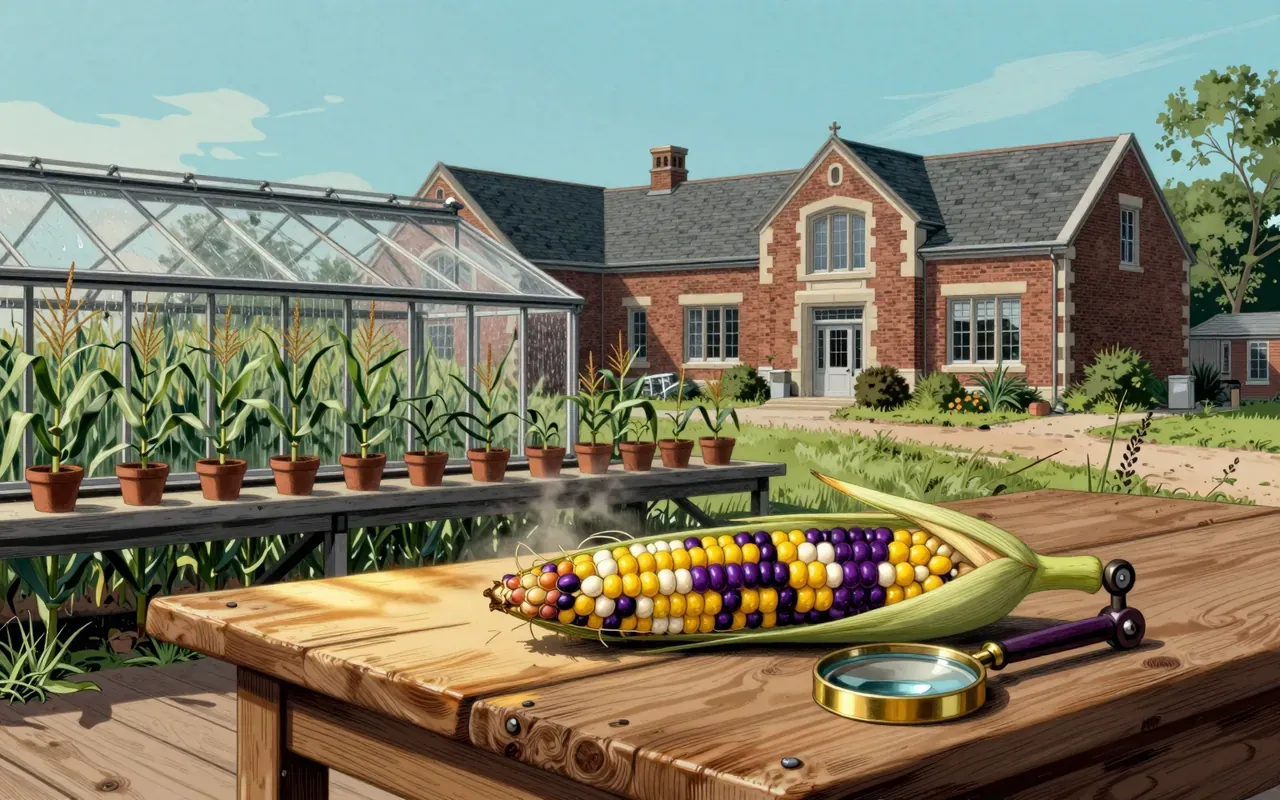
Barbara McClintock's 1940s maize experiments revealed that genes can change position within a genome, a finding dismissed for decades until molecular biology confirmed it and belatedly earned her an unshared Nobel Prize.
9:37

Induced pluripotent stem cell

Yamanaka

iPSCs are somatic cells reprogrammed to pluripotency using four transcription factors. Demonstrated in 2006 in mouse fibroblasts via retroviral delivery and Fbx15 selection. Established direct reprogramming as possible—but only to the level of Fbx15 reactivation, not full pluripotency validation.

13:00

Zinc finger

Aaron Klug's laboratory found that a small zinc-stabilised loop of protein, first spotted in a frog transcription factor, recurs across the genome as a modular way for proteins to grip specific DNA sequences.
8:52

The Double Helix

Watson, Crick, Franklin and Wilkins

The Double Helix is not the discovery of DNA’s structure — it is Watson’s memoir of it. The real discovery is in the 1953 Nature papers. The book’s value lies in exposing how scientific credit gets assigned, not in explaining how the structure was found.

7:37

Human Genome Project

A reference genome is not a human genome — it’s a mosaic scaffold, finished in stages, missing its most complex chromosome until 2023.