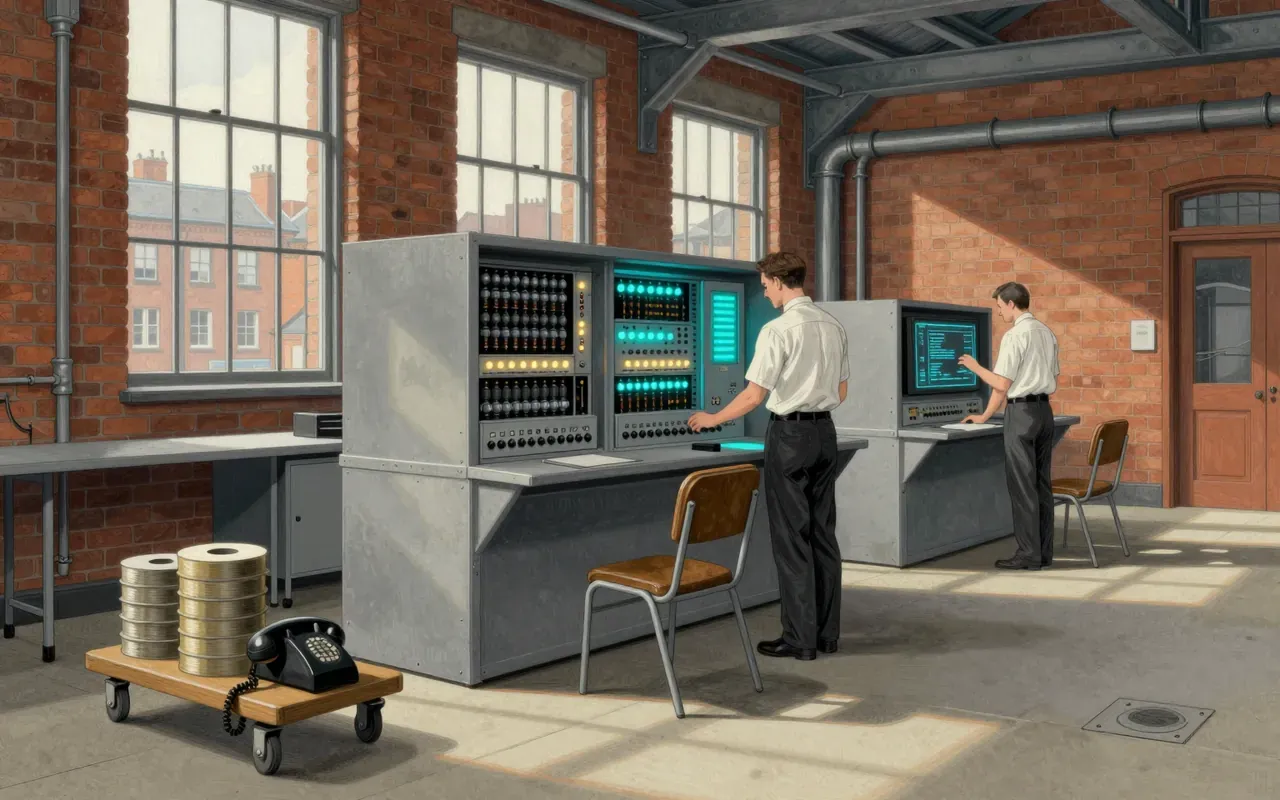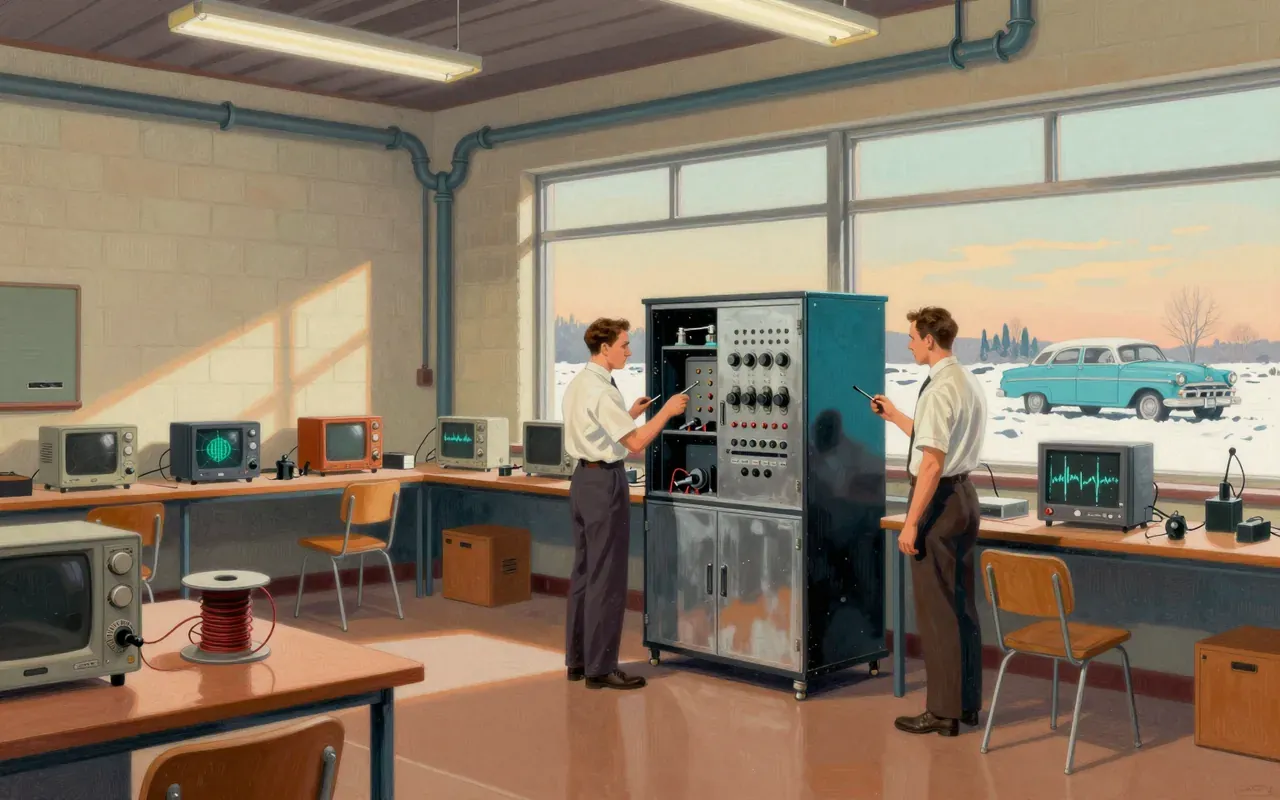
This was the founding event of AI as a field — not a conference, not a paper, but the formal birth of a discipline.
3:07
Where the Name Came From
The term 'artificial intelligence' first appeared in the formal proposal dated 2 September 1955.
5:04
The Conjecture
The entire effort rested on a single, untested conjecture: that all features of intelligence are precisely describable and simulable.
6:24
The Four Aims
It aimed to make machines use language, form abstractions, solve human-reserved problems, and improve themselves — none of which it achieved.
Worth your time?
Yes. Study the whole thing.
4.5/ 5
What works
established AI as a named field
introduced the term 'artificial intelligence'
defined the scope of the field by explicit conjecture
set enduring research aims
What does not
produce working systems
report empirical data
validate the conjecture
achieve any of its four aims
Study it if
historians of science
AI researchers tracing disciplinary origins
students of computing history
Skip it if
practitioners seeking technical methods
engineers evaluating current AI capabilities
policy makers assessing deployed systems
The written brief1 min read
What the work claims
That every aspect of learning or any other feature of intelligence can in principle be so precisely described that a machine can simulate it.
How it was done
The workshop was a formally proposed, two-month, ten-person summer study at Dartmouth College in Hanover, New Hampshire, in 1956.
What holds up
It established artificial intelligence as a field through formal proposal and collective framing. It introduced the term ‘artificial intelligence’ and defined its scope by conjecture.
What does not
It did not produce working systems, algorithms, or empirical results. It made no measurements, ran no experiments, and reported no data.
Why it matters beyond the lab
It set the conceptual agenda for decades: language use, abstraction, human-scale problem-solving, and self-improvement remain active research targets — not because they were solved, but because they were named and claimed as possible.
Is it worth your time
Yes — it is the origin point of AI as a named, self-conscious field, not a later milestone or technical advance.