A gas made before anyone knew what it was
The claim under examination is less about a single discovery than about the gap between making something and understanding what it is. Robert Boyle produced a gas by combining iron filings with dilute acid as early as 1671, but nothing in his account suggests he recognised its flammability or treated it as a distinct kind of air worth naming and studying on its own terms. It took nearly a century before anyone identified the same reaction’s product as a specific, characterisable substance rather than an incidental by-product of dissolving a metal in acid, which is where the more familiar version of this story actually begins.
Cavendish names the flammable air
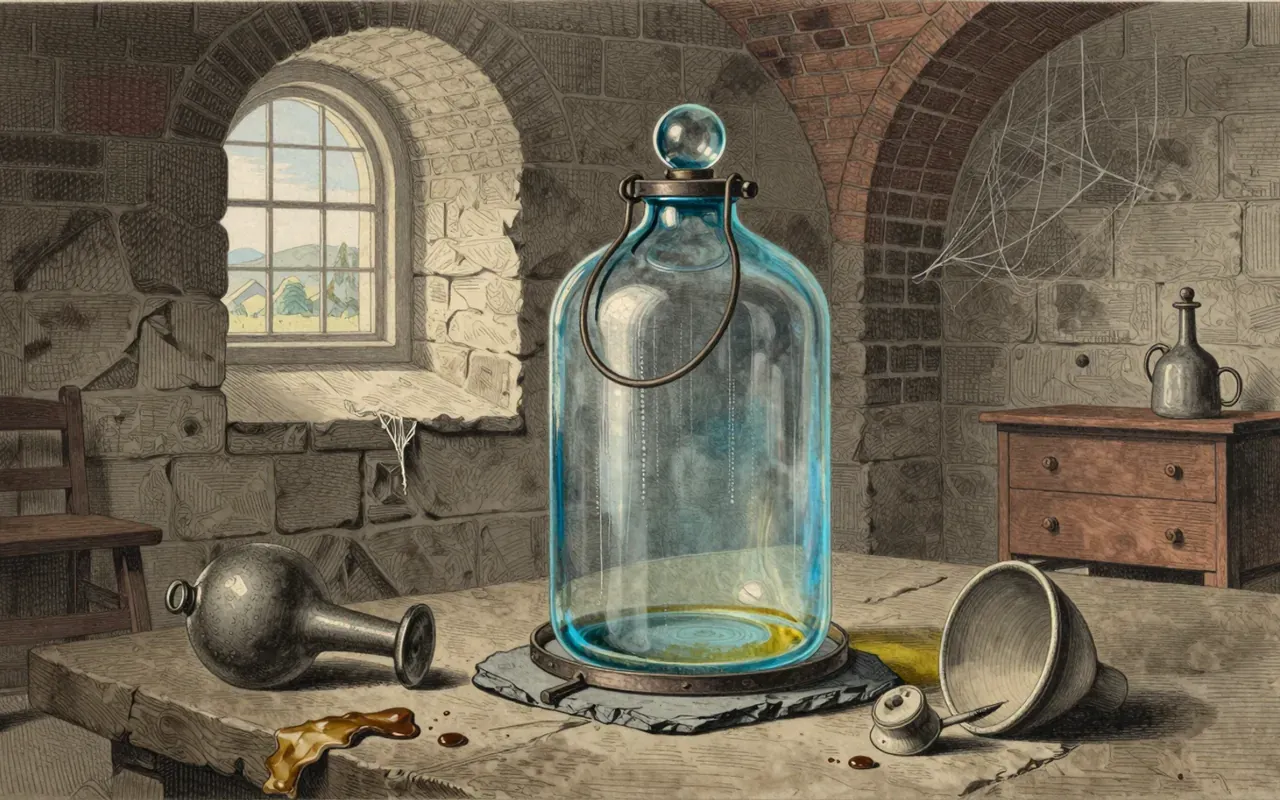
That identification came from Henry Cavendish, who in 1766 became the first to treat the gas produced from metal-acid reactions as a discrete substance, describing it as a distinctly and highly inflammable air. Cavendish worked as what would now be called a pneumatic chemist, measuring gases’ solubility, density and combustibility by collecting them in bottles inverted over water or mercury, and this careful, quantitative approach to a gas nobody had previously bothered to characterise in detail is what elevated the finding beyond Boyle’s earlier, unremarked observation of the same reaction, made long before Cavendish took it seriously.
The experiment that mattered most
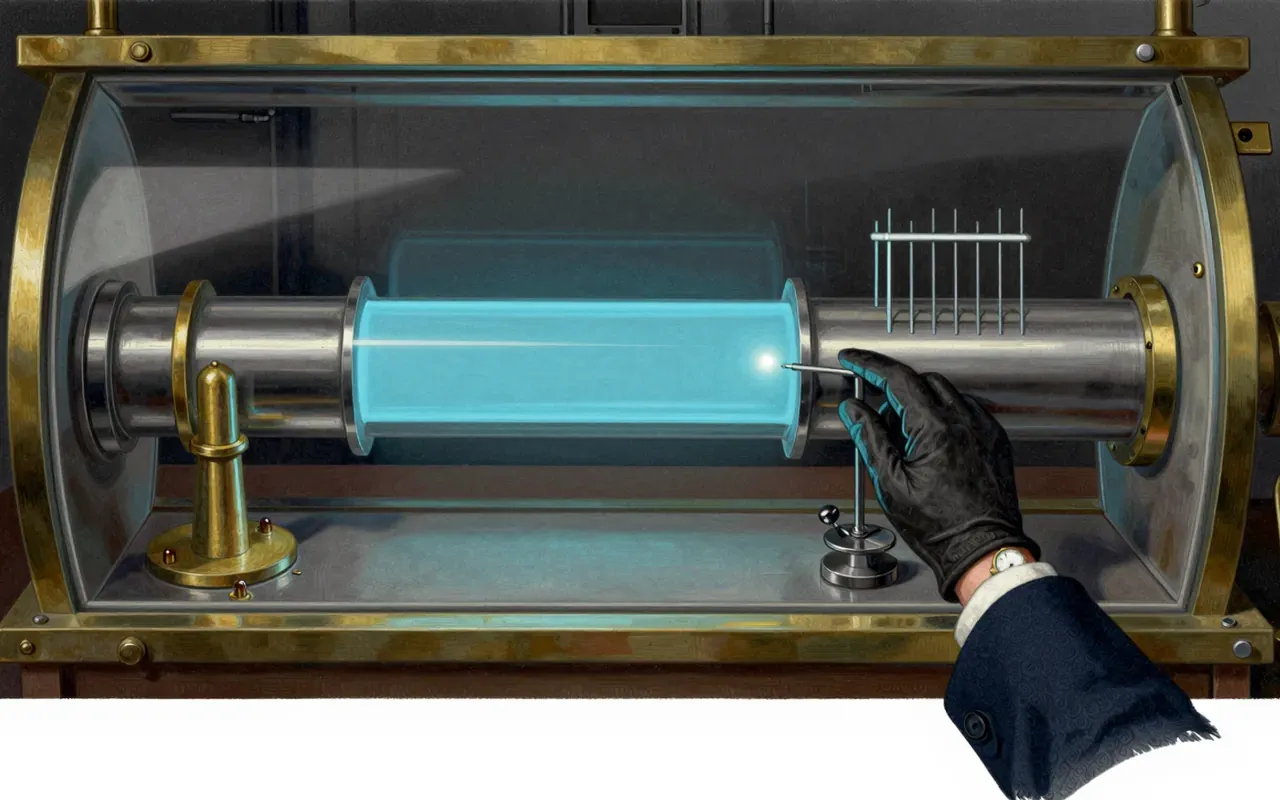
The result that gave the gas lasting chemical importance came later, in 1781, when Cavendish found that burning it in air produced water. That single observation connected a flammable gas most chemists would have treated as a curiosity to water, one of the most fundamental substances known, and it is this finding — not the 1766 identification alone — that underlies Cavendish’s standing as the discoverer of hydrogen as an element, even though he did not use that name and did not draw the conclusion modern chemistry draws from it.
The right result, the wrong theory
What does not hold up is Cavendish’s own explanation of his results. Working within the chemical framework of his time, he interpreted the gas as being, or being closely related to, phlogiston, a hypothetical substance chemists believed was released from any material during combustion. Phlogiston theory was subsequently abandoned entirely as chemistry developed a proper account of oxidation, which means Cavendish’s experimental results have survived intact while the theoretical language he used to describe and explain them has not — a clean illustration of a measurement outliving the framework built to interpret it.
Lavoisier reproduces it and renames it
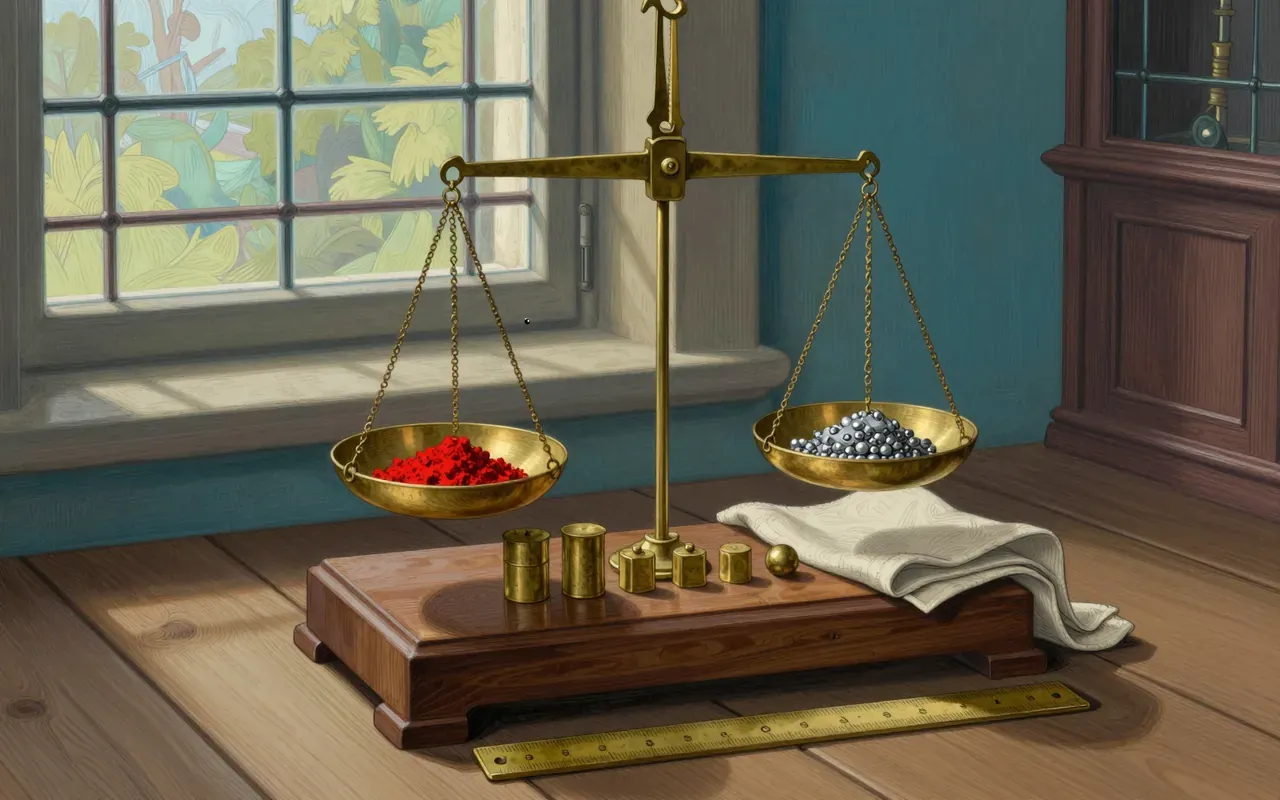
The reinterpretation came from Antoine Lavoisier, who reproduced Cavendish’s water-forming experiment in 1783 working alongside Laplace, generating the gas by passing water vapour over incandescent iron. Lavoisier rejected the phlogiston explanation, correctly identified the gas as a distinct chemical element rather than a phlogiston-laden air, and gave it the name hydrogen, from Greek roots meaning water-former, in recognition of the very reaction Cavendish had already run. It is this naming and correct theoretical placement, layered on top of Cavendish’s experimental groundwork, that chemistry now credits as settling what hydrogen actually is.
A short story with a clean moral
This is a short, well-bounded story and rewards the time it takes precisely because it resists being simplified into a single hero. Cavendish gets the experimental credit and Lavoisier the conceptual one, and neither claim cancels the other out — the finding that mattered, water from burning gas, was real and reproducible regardless of which discredited theory was used to explain it at the time. Anyone interested in how scientific credit gets split between the person who runs the decisive experiment and the person who supplies the correct theory to explain it will find this a tidy, specific case rather than an abstract point.