A hand map that redrew itself
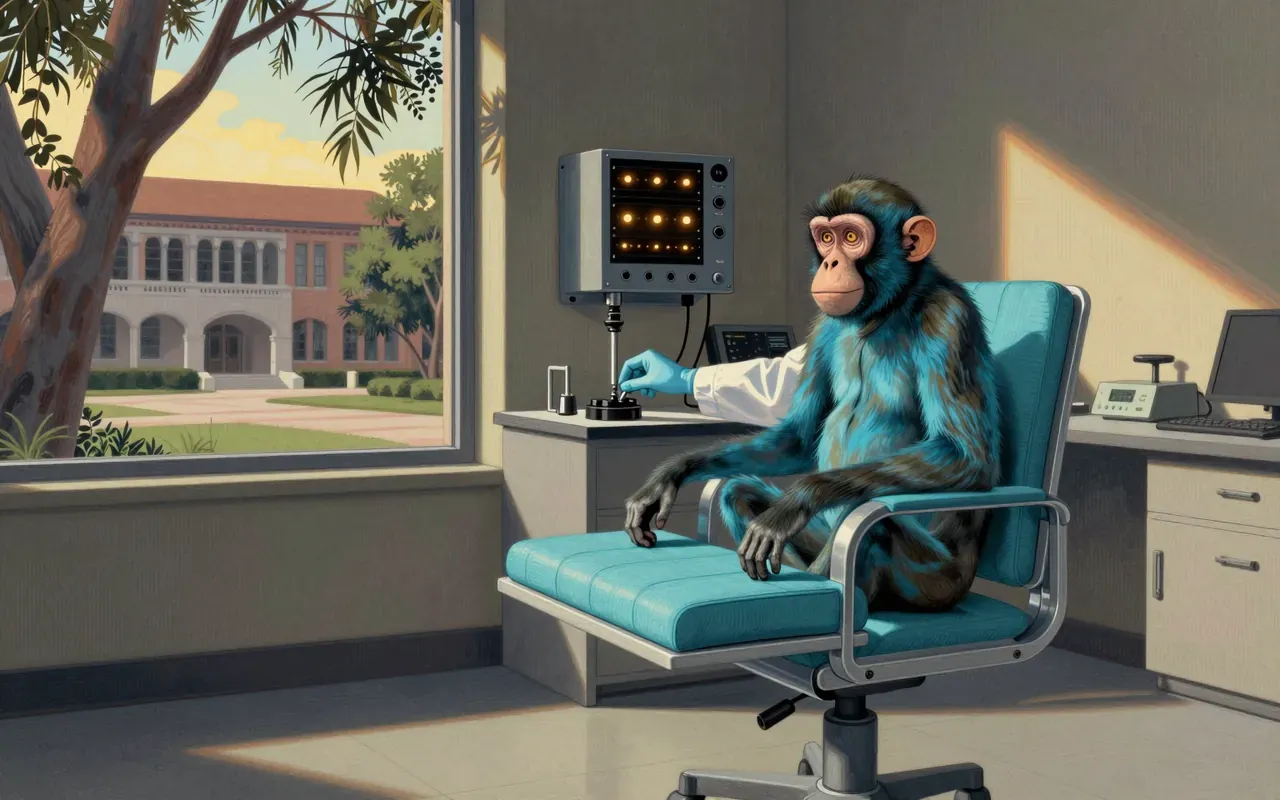
The claim is that the adult brain’s map of the body is not fixed once early development is finished, but can be substantially redrawn by experience and injury. Michael Merzenich’s group, building on earlier work by researchers such as Clinton Woolsey, studied what happened to the cortical map of a monkey’s hand after a peripheral nerve was cut and reattached. Once the animal had recovered, the map of that hand in the somatosensory cortex, mapped with dense microelectrode recordings, turned out to be nearly normal again rather than permanently scrambled by the disrupted input. Since a hardwired brain should not have been able to correct itself this way, Merzenich concluded the underlying architecture had to be plastic, adjustable by experience well into adulthood rather than fixed by it.
Mapping cortex with electrodes
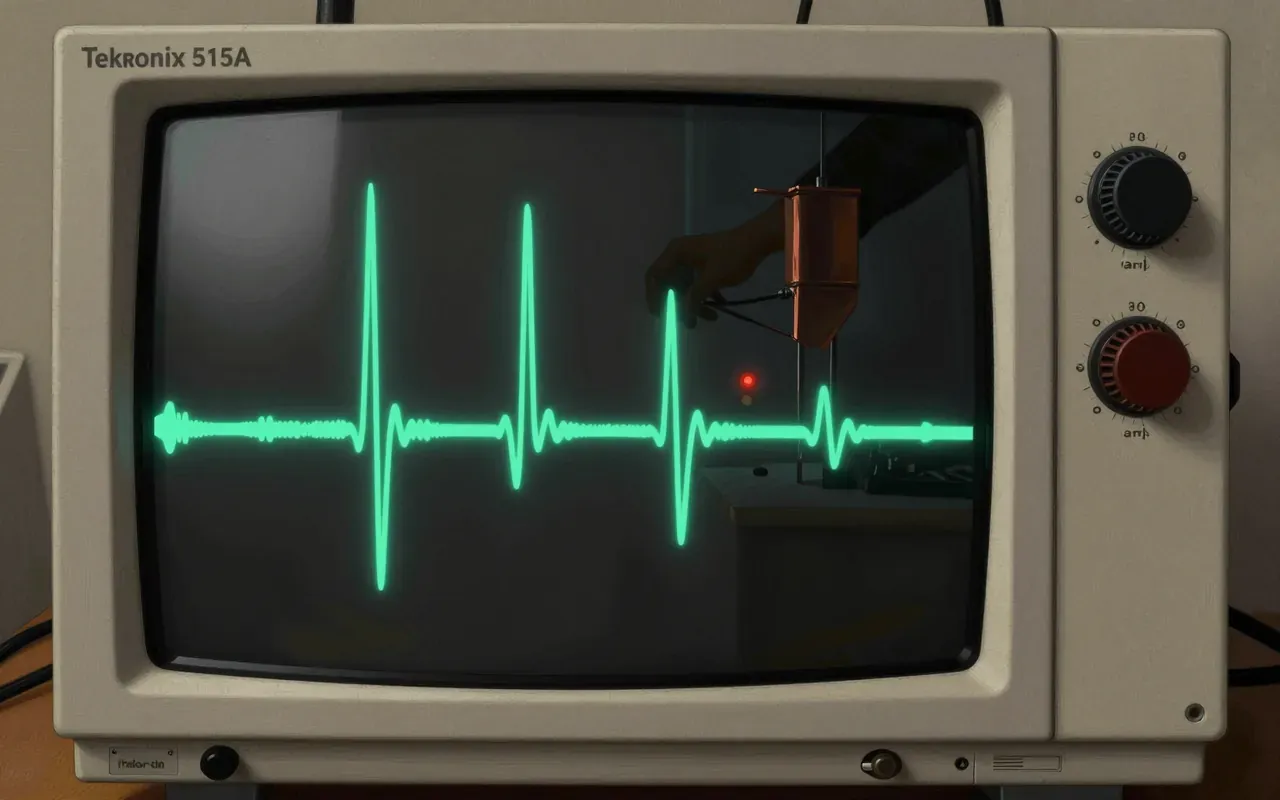
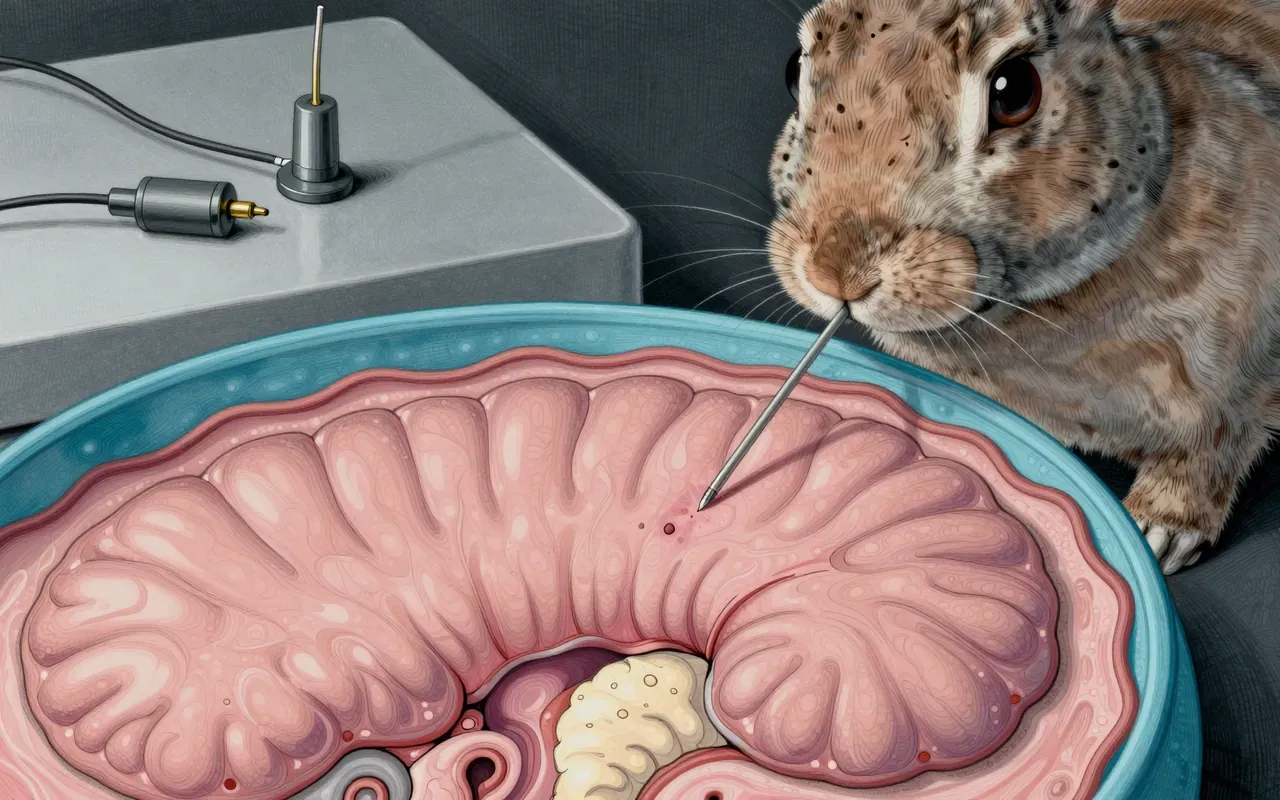
The method depended on precise, repeatable electrophysiology: researchers used dense microelectrode mapping to record, in fine detail, which cortical location responded to stimulation of which specific point on a monkey’s hand, both before and after a nerve was cut and allowed to regrow. Working with William Jenkins and Gregg Recanzone, Merzenich extended this to animals performing operant sensory tasks, deliberately trained behaviours that let the researchers track how cortical maps changed not just after injury but with sustained practice at a sensory discrimination. These studies, across the 1980s and into the 1990s, established that sensory maps stay labile, meaning changeable, in adult animals engaged in ongoing learning, not only in response to nerve damage.
Phantom limbs and taxi drivers
The core finding has held up and been reinforced from several independent directions. Herta Flor’s 1995 research linked cortical reorganisation specifically to phantom limb pain rather than to phantom sensation generally, suggesting the remapping process can be maladaptive as well as useful. Eleanor Maguire documented structural, anatomical differences in the hippocampus of London taxi drivers who had spent years learning the city’s street layout, extending plasticity from cortical maps to a different brain structure and a real-world skill. Stroke rehabilitation now routinely relies on the same underlying principle, using approaches such as constraint-induced movement therapy on the assumption that healthy brain regions can be encouraged to take over some of what damaged tissue no longer can, and Merzenich’s original contribution was recognised with the 2016 Kavli Prize in Neuroscience.
Plastic, but not infinitely so
What has not held up as broadly is any assumption that plasticity is unlimited or that every cognitive claim made in its name follows from the same evidence. The material notes that adult neurogenesis, the creation of new neurons in the adult brain, has not been convincingly demonstrated in humans, which complicates the more sweeping popular version of the plasticity story built partly on that idea. Plasticity itself is described as constrained: some brain functions remain specialised and do not simply reroute after damage, and how much reorganisation actually occurs varies with the severity of an injury and the individual. Commercially, Merzenich went on to co-found companies selling brain-training products, including Fast ForWord for language-impaired children, and meta-analytic reviews in 2011 and 2016 questioned whether that product’s specific claimed benefits were adequately supported.
From the lab to a product
The practical stakes are considerable because rehabilitation medicine now depends on the premise this research established. Stroke therapy, phantom limb pain treatment, and approaches to recovery after other kinds of brain injury are all designed around the expectation that the adult brain retains some capacity to reassign function from damaged tissue to healthy tissue, rather than treating any loss as permanent from the outset. That expectation has real consequences for how aggressively clinicians pursue rehabilitation and for how patients are counselled about their prospects of recovery. At the same time, the same underlying science has been used to market consumer brain-training software with confidence that has, in at least one well-studied case, outpaced what independent evaluation of the product’s actual effects has been able to confirm.
A gap between the science and the sales pitch
Yes, and the value is in holding both halves of the story together rather than taking either on its own. The monkey mapping experiments and the phantom limb and taxi driver evidence that followed them are genuinely solid, checkable science that changed how rehabilitation medicine treats brain injury. But the same researcher’s later commercial ventures show how easily a well-supported laboratory finding can be stretched into product claims that outrun the data, and the material is refreshingly direct about that gap rather than glossing over it. Read it to understand both why stroke rehabilitation looks the way it does today, and why a specific piece of brain-training software should be evaluated on its own evidence rather than on the reputation of the underlying science.