sciencebriefs
Topic

Neuroscience

Three pounds of tissue, and the slow business of mapping it.

21
in science
12:08
average
255 min
in total
23
across the network
Neuroscience across the network →
All briefs21
10:01

Ernst Mach

Mach didn’t discover relativity — he photographed shock waves and mapped how your inner ear keeps you upright.
13:00

FOXP2

FOXP2 was dubbed the language gene after a mutation was linked to a family's speech disorder, but the same gene shapes birdsong and bat echolocation, and a 2018 study found no evidence it was recently and specially selected in humans.
13:00

Neurotransmitter

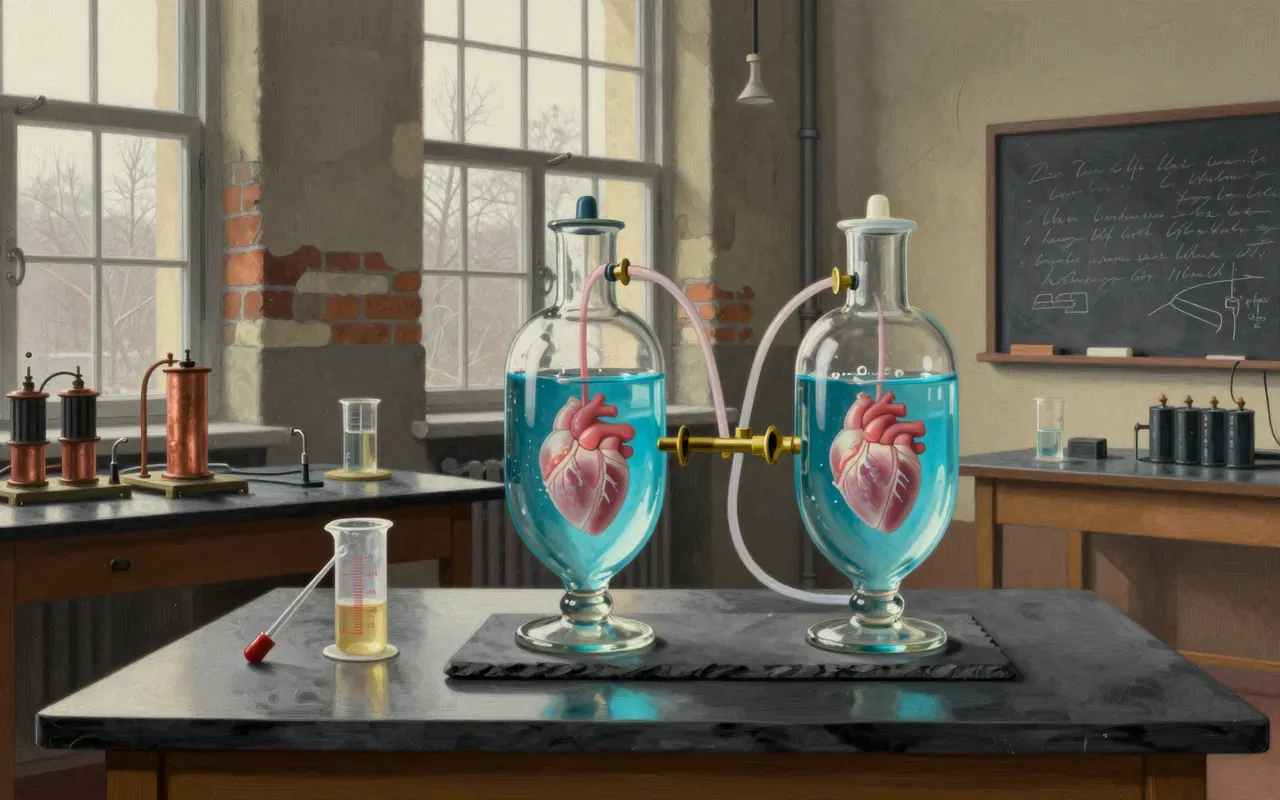
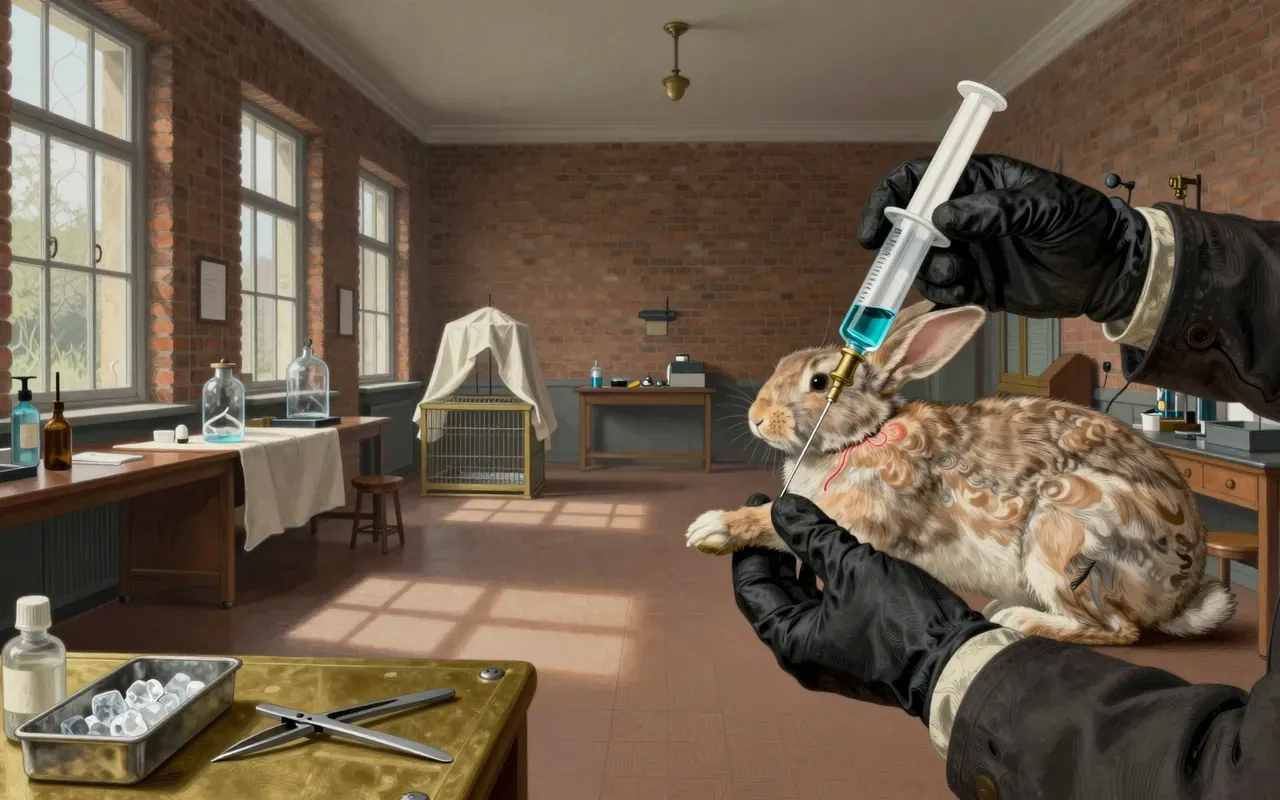
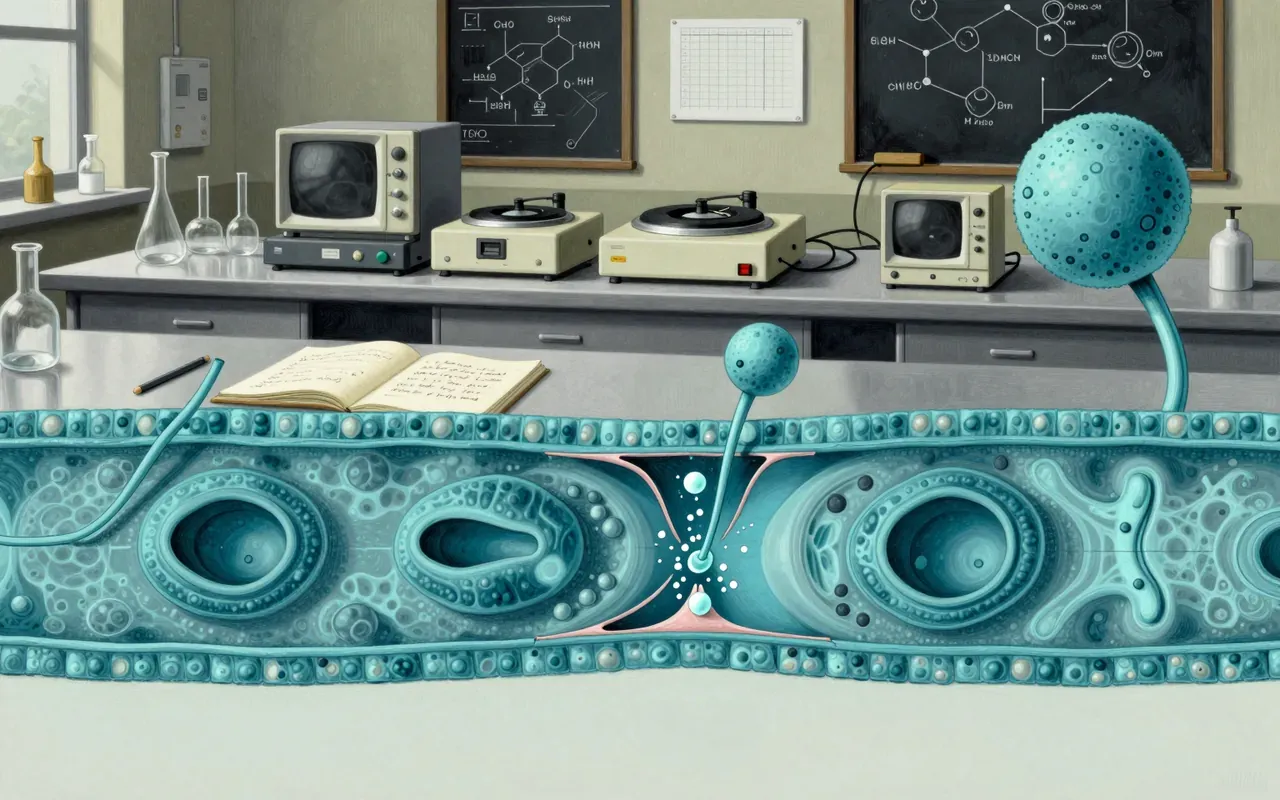
Otto Loewi's 1921 experiment transferred fluid from one stimulated frog heart to a second, unconnected heart, and it slowed too — evidence that nerves signal with a released chemical rather than electricity alone, and the start of a search for what else nerves release.
13:00

Henry Molaison

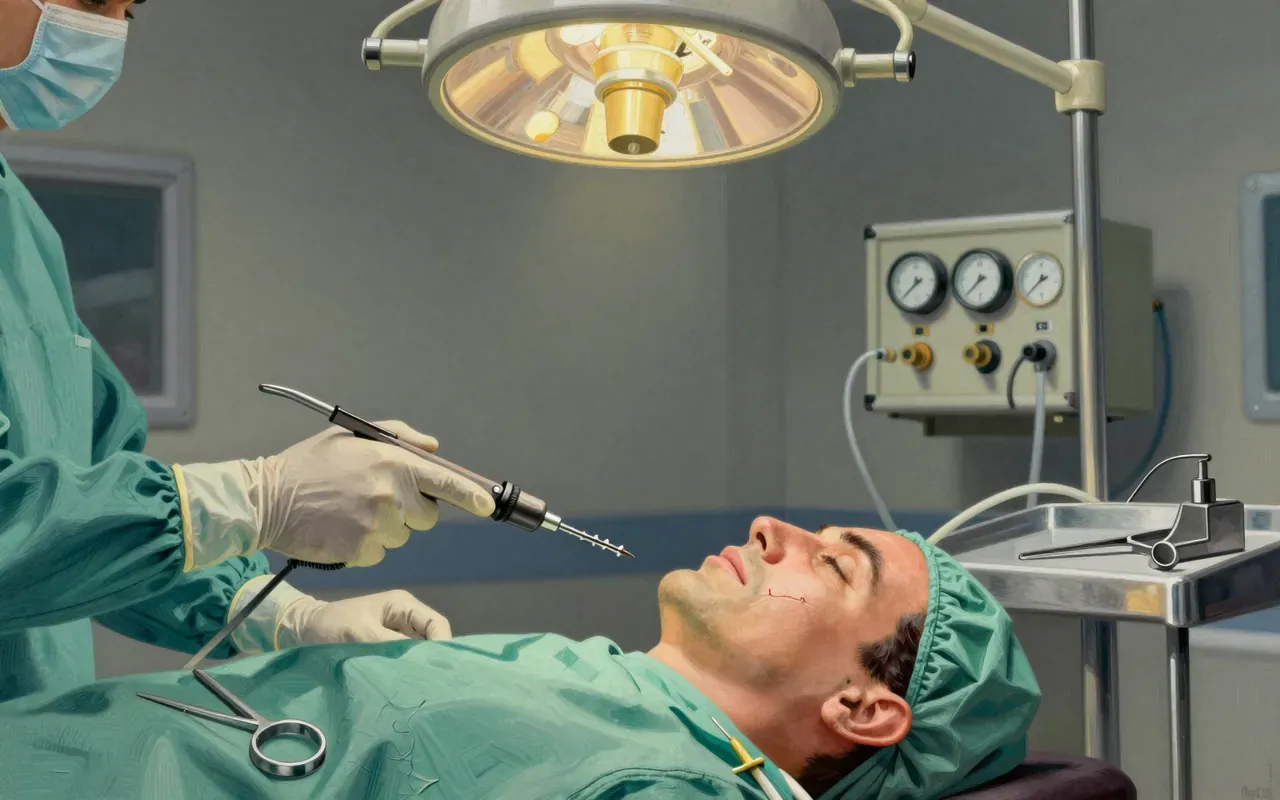
Henry Molaison's 1953 surgery destroyed his ability to form new memories but left skill learning intact, giving Brenda Milner decades of evidence that declarative and procedural memory are genuinely separate systems.
13:00

REM rebound

William Dement's REM-deprivation experiments showed the brain pushes back when a sleep stage is withheld, and that push-back, not sleep loss in general, is what REM rebound actually measures.
13:00

Snake venom

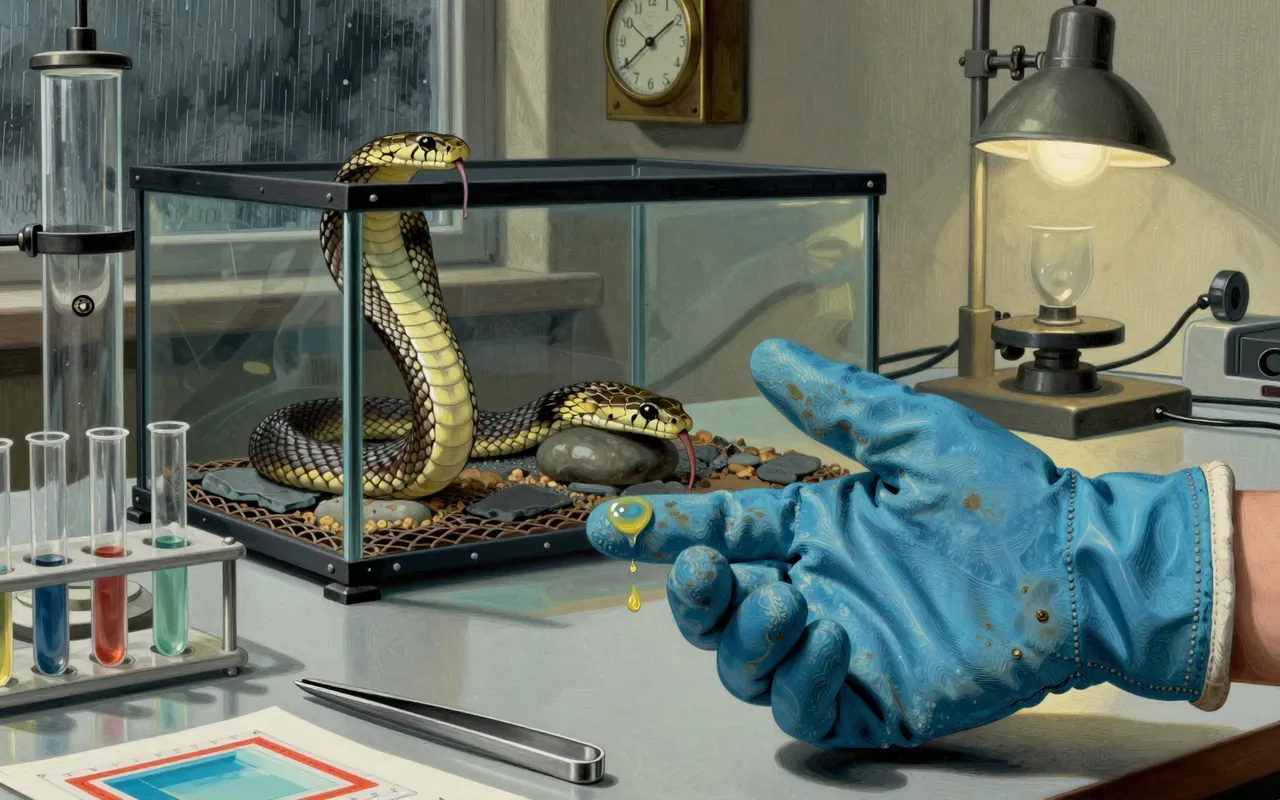
Snake venom is a mixture of enzymes and peptides, not a single poison, and its neurotoxins each interrupt one precise step in how a nerve signals a muscle — a mechanism well established even where the broader classification of venom types is not.
8:40

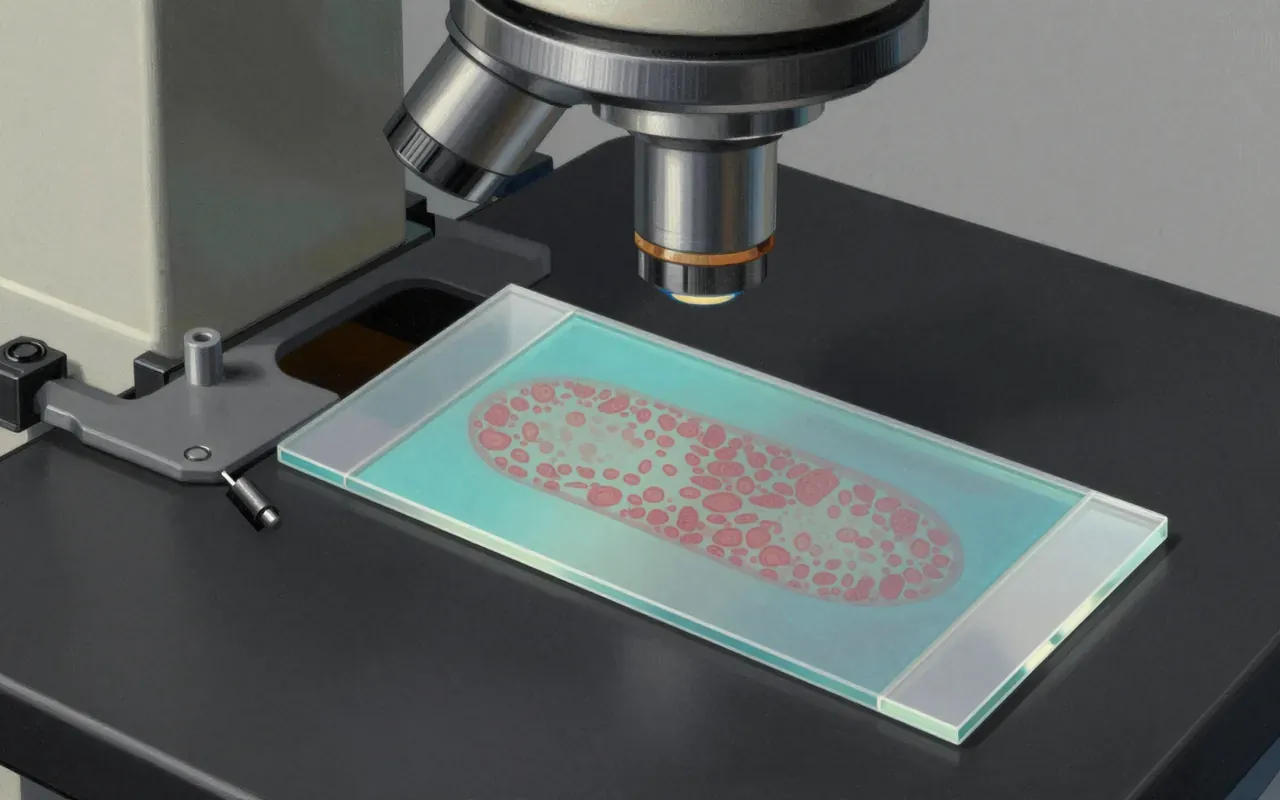
Blood–brain barrier

Paul Ehrlich

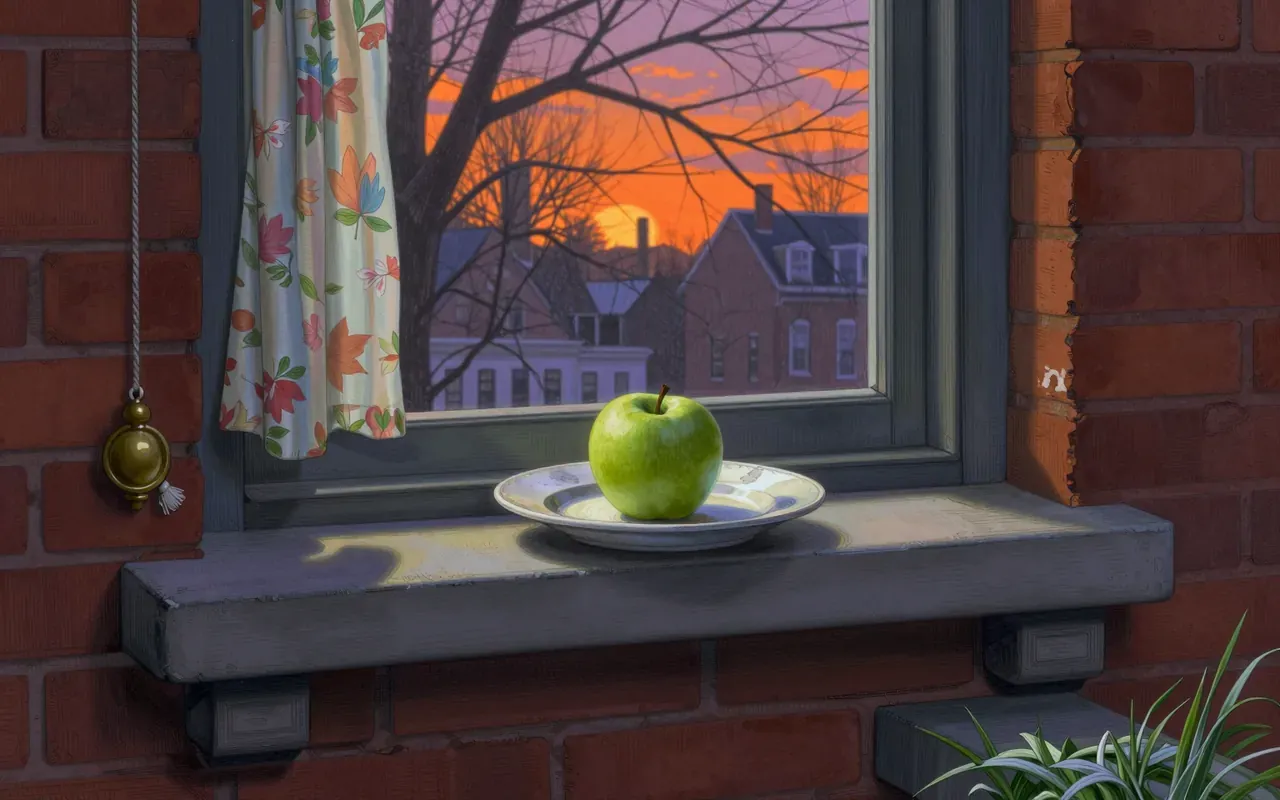
Ehrlich’s intravenous dye experiments revealed selective absence of brain staining — but he misinterpreted it as passive under-uptake. His student Goldmann’s 1913 intracerebrospinal injection proved compartmentalization. The barrier was attributed to blood vessels, not a membrane. Ehrlich never believed in it. The term came later, from Lina Stern.
13:00

Adult neurogenesis

In November 1998 Peter Eriksson and Fred Gage reported that the adult human brain does, after all, grow new neurons, overturning decades of dogma that people are born with a fixed supply — a claim a prominent 2018 study concluded may not hold in adults at all.
13:00

Color constancy

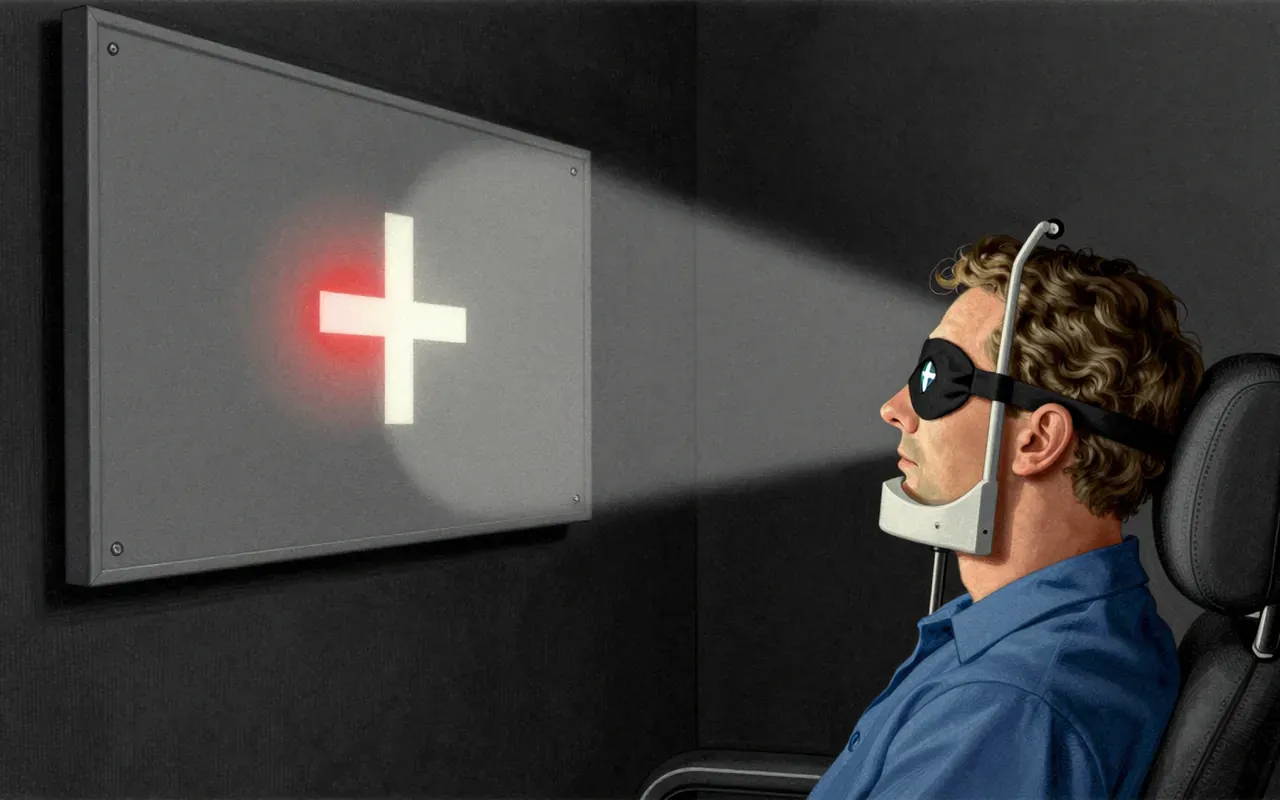
Edwin Land, better known for instant photography, showed in 1959 that projecting light from just two narrow wavebands could still make an audience see a full range of colour — evidence that colour depends on the brain comparing surfaces, not reading wavelength alone.
13:00

Long-term potentiation

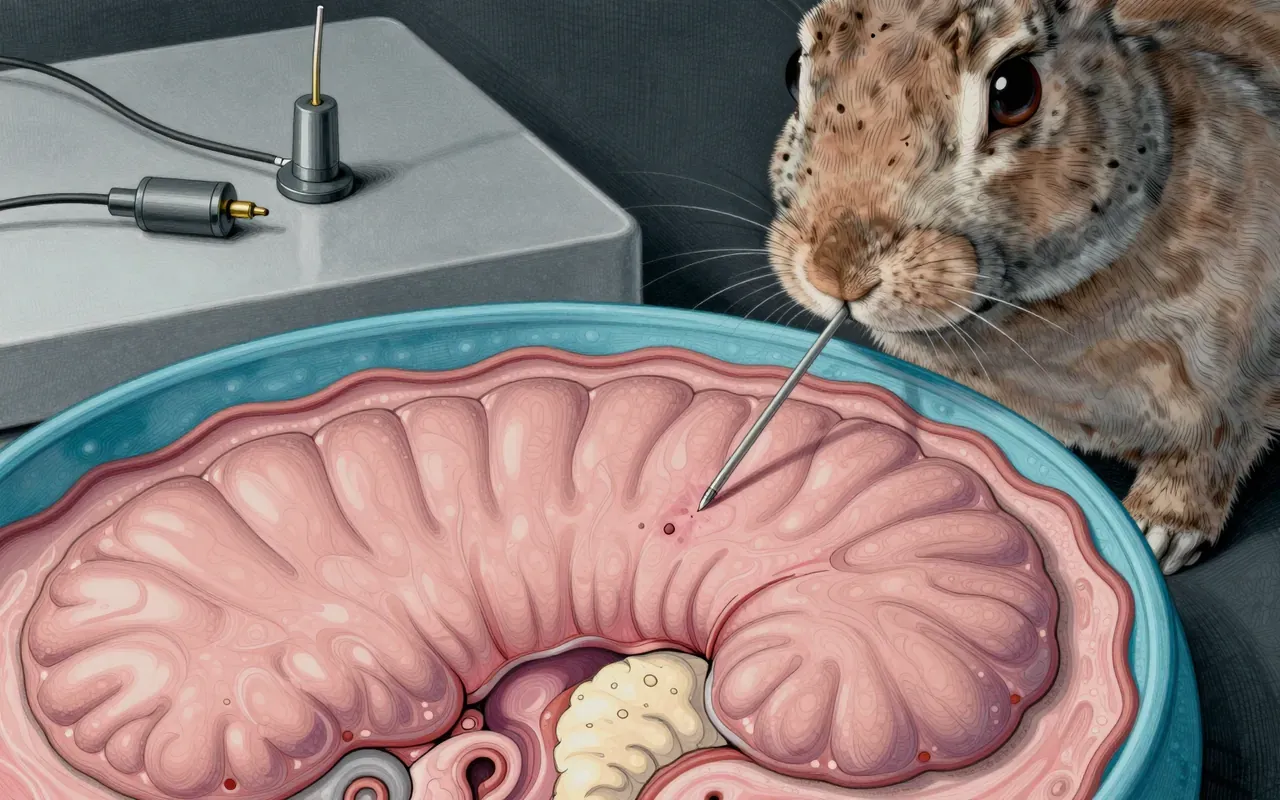
In 1973 Timothy Bliss and Terje Lømo showed that briefly stimulating a pathway in a rabbit's brain left its synapses firing harder for hours afterward — physical evidence for Donald Hebb's 1949 idea that repeated use is what strengthens a connection between neurons.
13:00

Mirror neuron

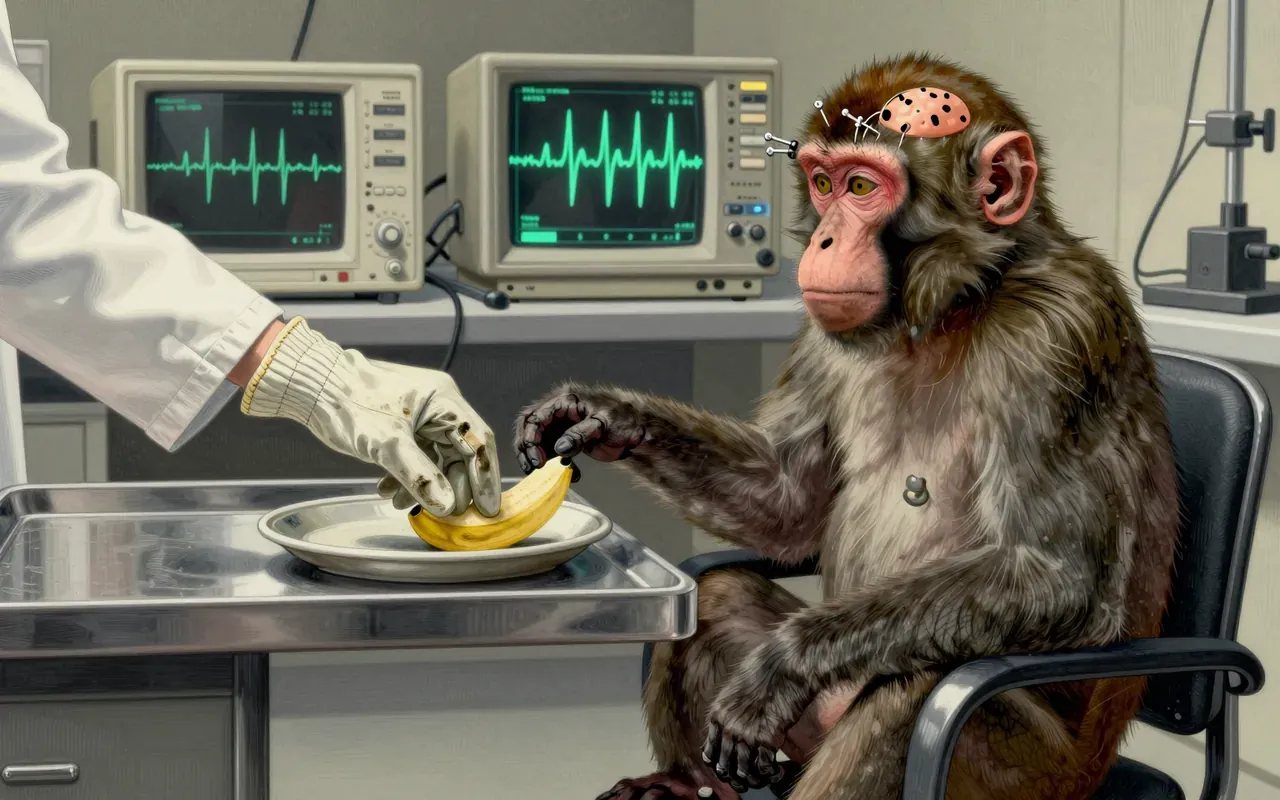
In the early 1990s a Parma laboratory found monkey brain cells that fired both when the animal grasped food and when it merely watched someone else grasp it — a finding since stretched into theories of empathy, language and autism that the evidence itself struggles to support.
13:00

Neuroplasticity

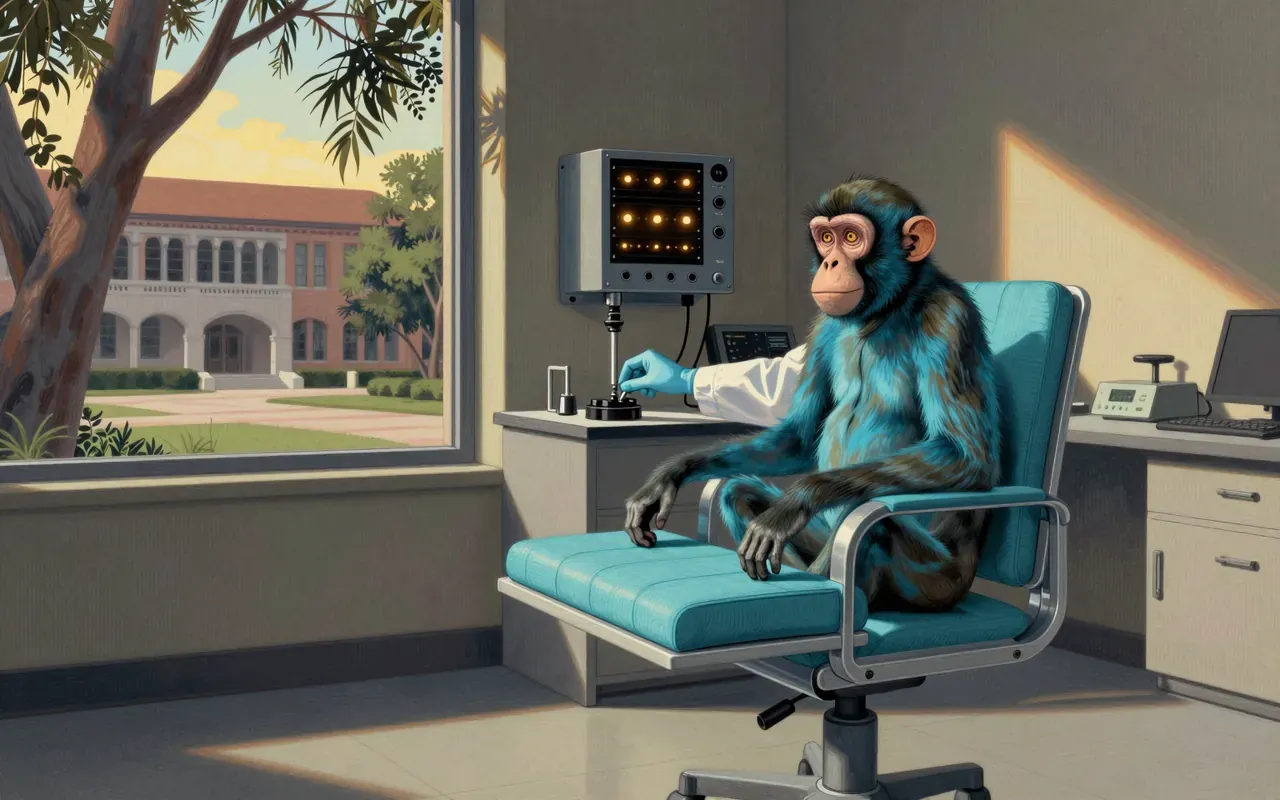
Michael Merzenich's monkey experiments in the 1980s showed a hand map in the brain redrawing itself after nerve surgery, overturning the assumption that adult brain wiring was fixed — a finding since used, and sometimes oversold, to build a commercial brain-training industry.
13:00

Rapid eye movement sleep

Kleitman and Aserinsky's 1953 discovery gave dream research a measurable brain state, rapid eye movement sleep, but seven decades on, what REM sleep actually evolved to do remains a genuinely open question.
13:00

Synesthesia

A rigorous population study put synesthesia, the blending of senses so letters carry colour or sounds carry taste, at 4.4 per cent of people — far below folklore's one in four, and far above the one-in-tens-of-thousands earlier, self-selected samples had produced.
13:00

Enkephalin

In 1975 researchers identified enkephalin, a chain of just five amino acids made in the brain, as a substance the body produces on its own that binds the very receptors morphine does — the first sign of a whole family of the body's own pain and reward chemistry.
9:19

Golgi apparatus

Camillo Golgi

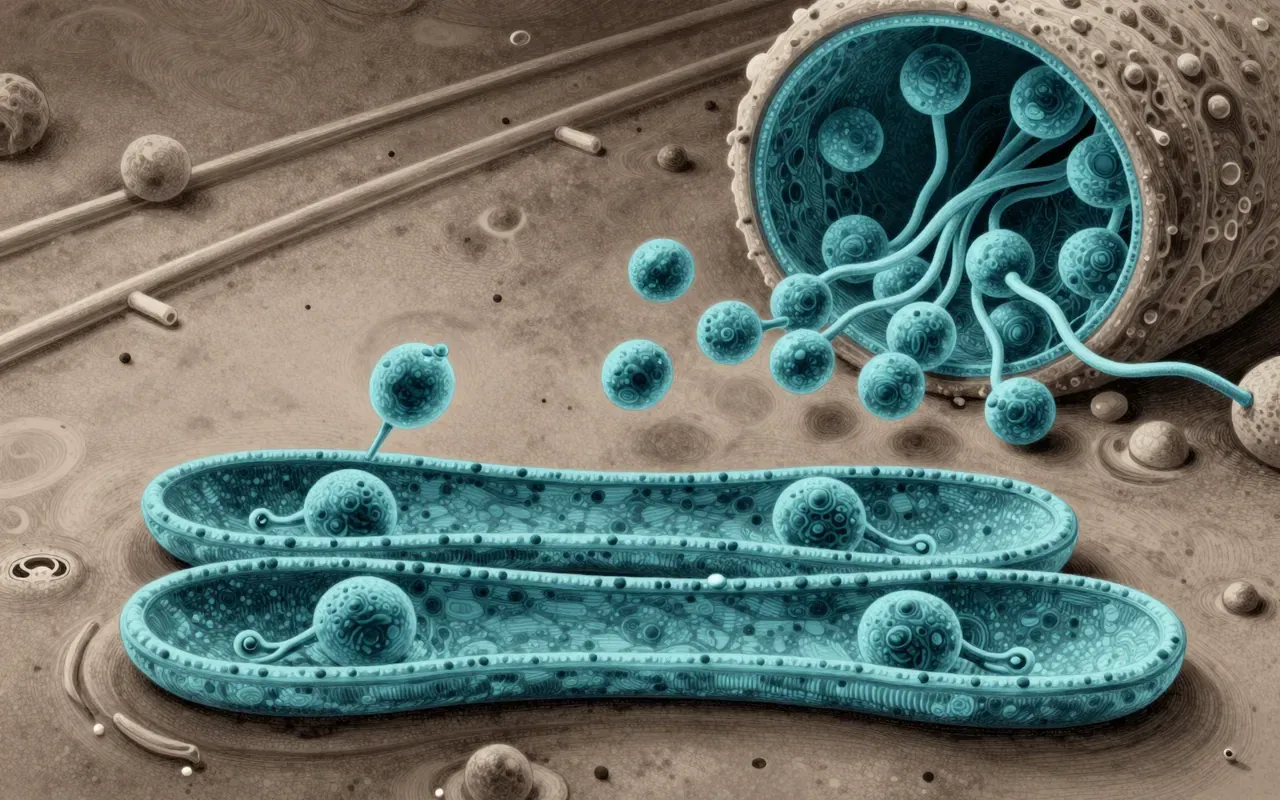
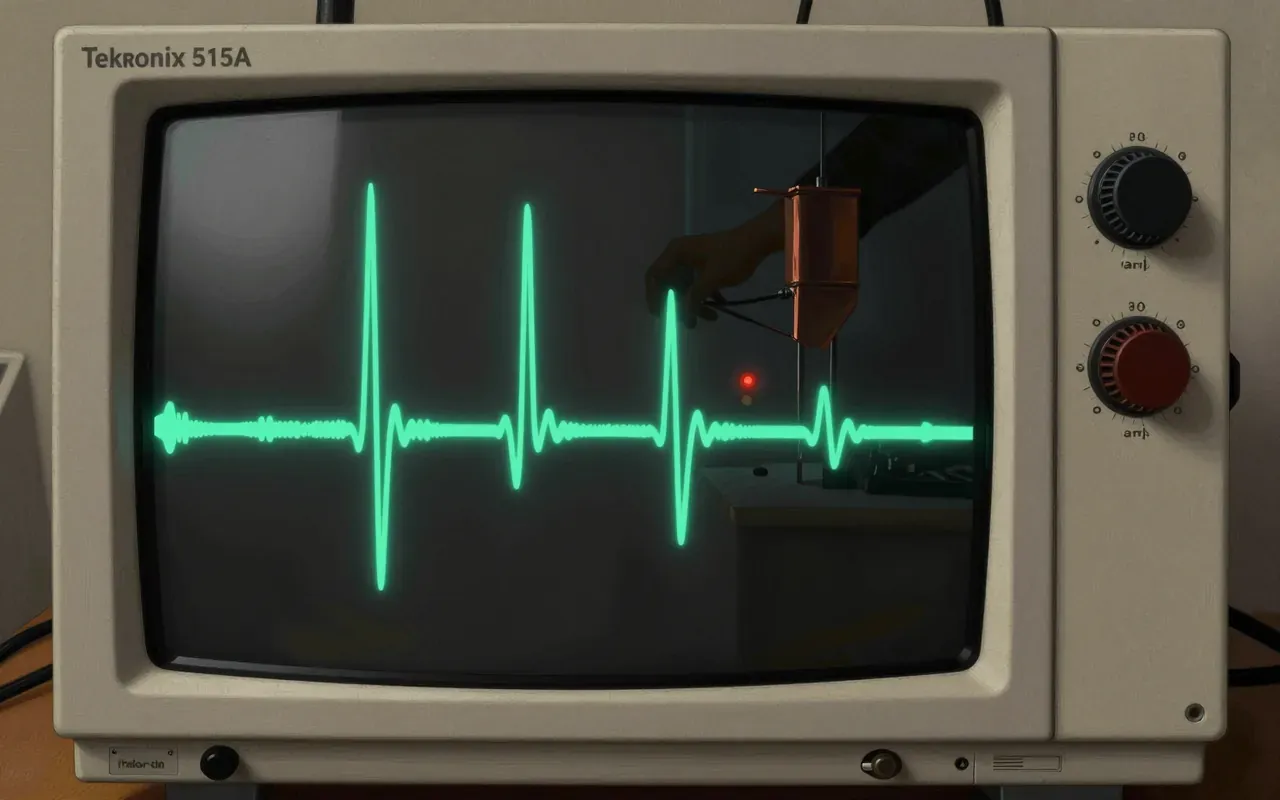
Camillo Golgi discovered the Golgi apparatus in 1898 using osmium dichromate staining on barn owl Purkinje cells. He named it 'apparato reticolare interno' and asserted it was a real, unique cellular component. Initial scepticism held that it was an optical illusion. The finding was not firmly established until electron microscopy emerged ~50 years later. It revealed a new intracellular structure but gave no insight into its function, mechanism, or universality.
13:00

Patch clamp

Sealing a glass pipette tightly enough against a cell membrane cut background electrical noise so far down that Erwin Neher and Bert Sakmann could finally watch a single ion channel molecule opening and closing, something no earlier technique could isolate at all.
13:00

Split-brain

Sperry and Gazzaniga's split-brain experiments showed real hemisphere specialisation and a left-brain 'interpreter' that invents confident reasons for actions it didn't cause, but not the tidy left-brain, right-brain myth it spawned.
13:00

Ion channel

Roderick MacKinnon's 1998 crystal structure of a bacterial potassium channel showed the shape that lets potassium pass freely while turning away the smaller sodium ion — a puzzle that had stood since Hodgkin and Huxley's electrical studies of the 1950s.
10:00

Baddeley's model of working memory

Alan Baddeley and Graham Hitch · 1974

Baddeley and Hitch’s 1974 model reframed working memory as a set of interacting, domain-specific components — not a single bottleneck. Dual-task interference, the word length effect, and amnesic patient profiles provide direct empirical support. Later additions (episodic buffer in 2000, renamed awareness buffer in 2026) extend but do not overturn the core claim of fractionation. It remains indispensable — not because it is complete, but because it is falsifiable, componential, and repeatedly predictive.