Dryness measured a specific way
Xerophiles are defined here through a specific technical measure rather than an everyday sense of dryness: water activity, a thermodynamic value describing how much water in an environment is actually available for biological processes, as opposed to simply how much water is present. Most life requires a water activity above roughly 0.8 to grow at all, and the material treats this threshold as the meaningful boundary separating ordinary organisms from xerophiles, which are specifically capable of growing and reproducing below it. This distinction matters because a substance can appear to contain plenty of water by weight while still having very little of it in a biologically usable form, which is exactly the situation that lets xerophiles colonise environments that look, at a glance, nothing like a desert.
Surviving below the threshold life normally needs
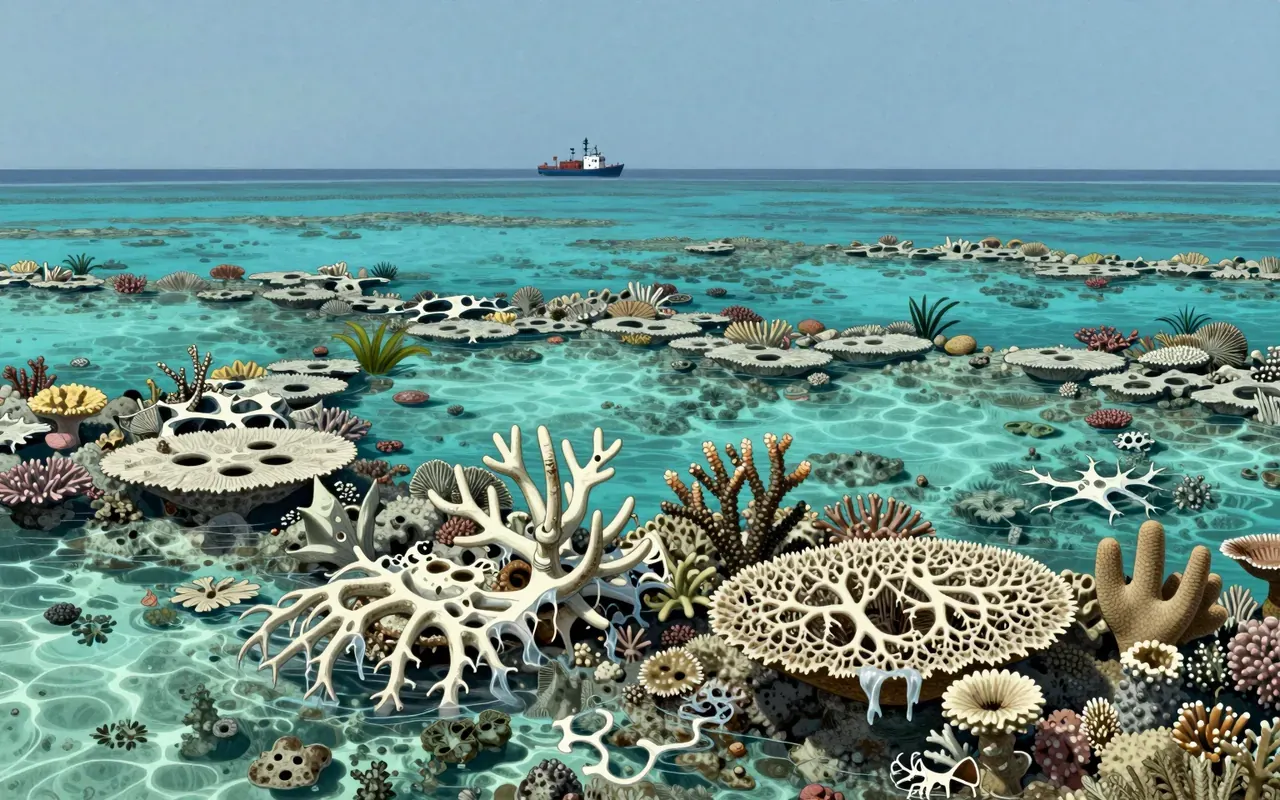
The material gives a specific figure for just how far this tolerance can extend: certain xerophilic fungi are documented surviving at a water activity as low as 0.61, a considerable distance below the 0.8 threshold that ordinary life needs. Organisms named across different domains include halophilic bacteria such as Halorhodospira halophila and Bacillus halophilus, the archaeon Natronococcus, and fungi including Trichosporonoides nigrescens, Zygosaccharomyces and Aspergillus penicillioides, alongside cacti as a familiar multicellular example of xerophilic plant adaptation. This spread across bacteria, archaea, fungi and plants is presented as evidence that tolerating low water activity, like other extremophile traits, has been arrived at independently by very different kinds of organisms rather than being confined to one narrow group.
Different organisms, different chemical answers
Two distinct chemical strategies are described for actually managing this water scarcity. Bacteria are said to accumulate potassium chloride internally as a way of counterbalancing the osmotic pressure created by their low-water surroundings, essentially adjusting their own internal ion concentration to match the environment rather than losing water to it. Fungi instead rely primarily on glycerol as their key osmolyte, and the material notes that fungal organisms cultured in high glycerol concentrations show improved survival specifically at low water activity, treating this as direct evidence that glycerol accumulation is functionally responsible for the tolerance rather than merely correlated with it. These are presented as genuinely separate biochemical routes to the same underlying problem, in keeping with the pattern seen across other extremophile categories, where different lineages tend to solve a shared survival problem in their own distinct chemical way.
Where the fungi actually turn up
Habitats favoured by xerophiles are described as sugar-rich or salt-rich environments and arid desert soils, settings that share the common feature of low water activity even where they otherwise look quite different from each other. The material frames this habitat preference in competitive terms: xerophiles are able to establish themselves specifically where ordinary microbial competitors cannot survive at all, meaning low water availability functions less as an obstacle for these organisms and more as a kind of exclusive ecological niche, one they can occupy without pressure from faster-growing but less tolerant microbes that would otherwise outcompete them in a more hospitable environment.
Food preservation’s blind spot
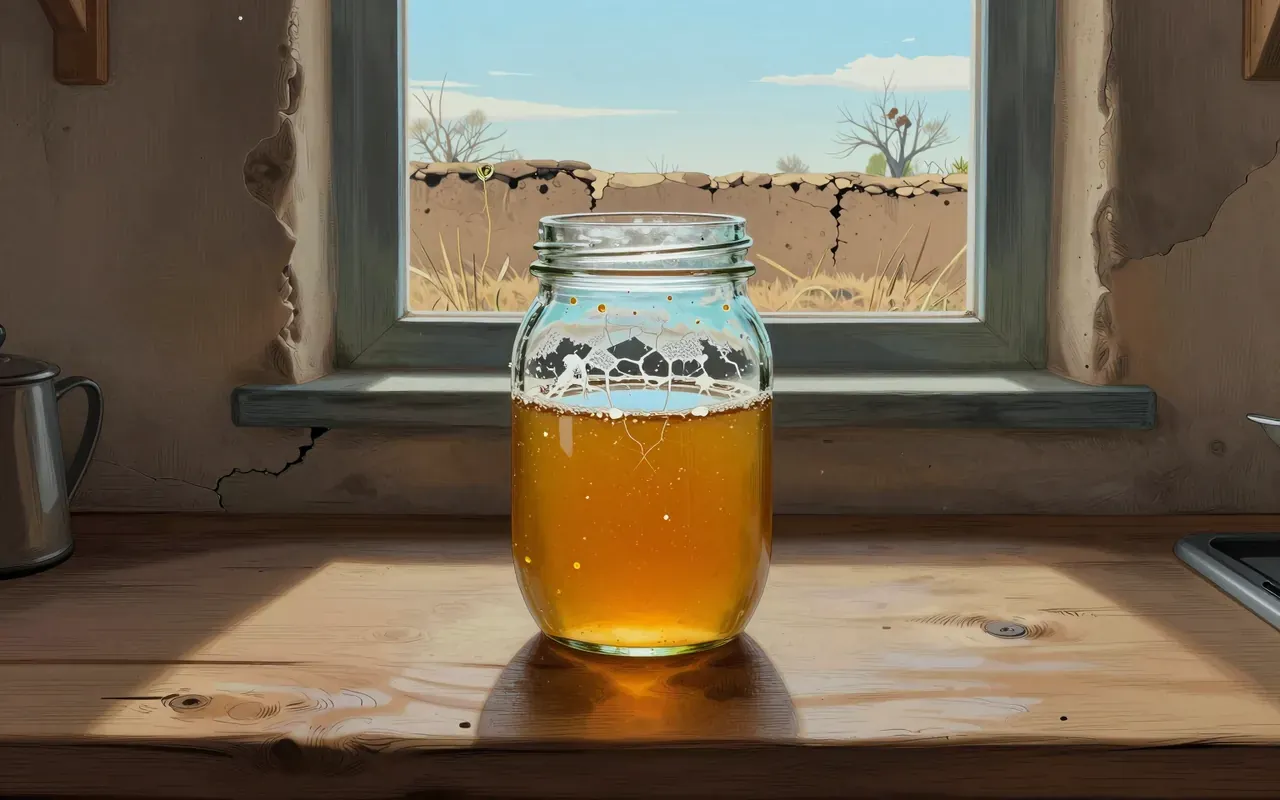
The practical consequences of this tolerance show up directly in food storage and preservation. Honey and jam rely on their high sugar content and correspondingly low water activity to prevent ordinary microbial growth, an assumption that underlies a great deal of everyday food safety practice, yet the material is specific that xerophilic organisms can and do colonise these preserves anyway, undermining that assumption in a concrete, checkable way. Mould growth on bread is given as a related, more visible example of the same spoilage mechanism at work. Museum conservation faces a comparable problem, with xerophilic moulds described as affecting collections more frequently than has traditionally been acknowledged, pushing conservators toward tighter humidity and temperature controls than might otherwise seem necessary.
What this material does not claim
It is worth being direct about what this particular brief cannot offer, because the underlying material genuinely does not cover it: there is no mention here of Atacama Desert-specific xerophile organisms, no reference to Xeromyces bisporus by name despite it being a commonly cited example of extreme desiccation tolerance elsewhere, and no astrobiology discussion connecting xerophile survival to the search for life on other worlds, a link that shows up readily in other extremophile categories. Readers coming to this topic expecting those specific threads will need to look elsewhere. What the material does offer, a precise definition of water activity and a genuinely useful account of how food preservation can fail against organisms adapted to exploit exactly the dryness meant to stop them, is solid but narrower than the subject could support.