sciencebriefs
Topic

Ecology

How living things fit together, and what happens when a piece is removed.

24
in science
11:51
average
284 min
in total
337
across the network
Ecology across the network →
All briefs24
10:59

Alfred Russel Wallace

Wallace didn’t just co-discover natural selection—he built biogeography from scratch, in the field, one island at a time.
13:00

Kin selection

W.D. Hamilton's 1964 formula for when self-sacrifice pays off in genetic terms explained sterile worker ants better than anything before it, though a 2010 challenge from E.O. Wilson shows the theory is still argued over.
13:00

Biodiversity hotspot

Norman Myers set a strict numerical bar for calling a region a biodiversity hotspot, and the resulting list of places, covering a small slice of land but a huge share of species, has since directed hundreds of millions of dollars in conservation funding.
11:05

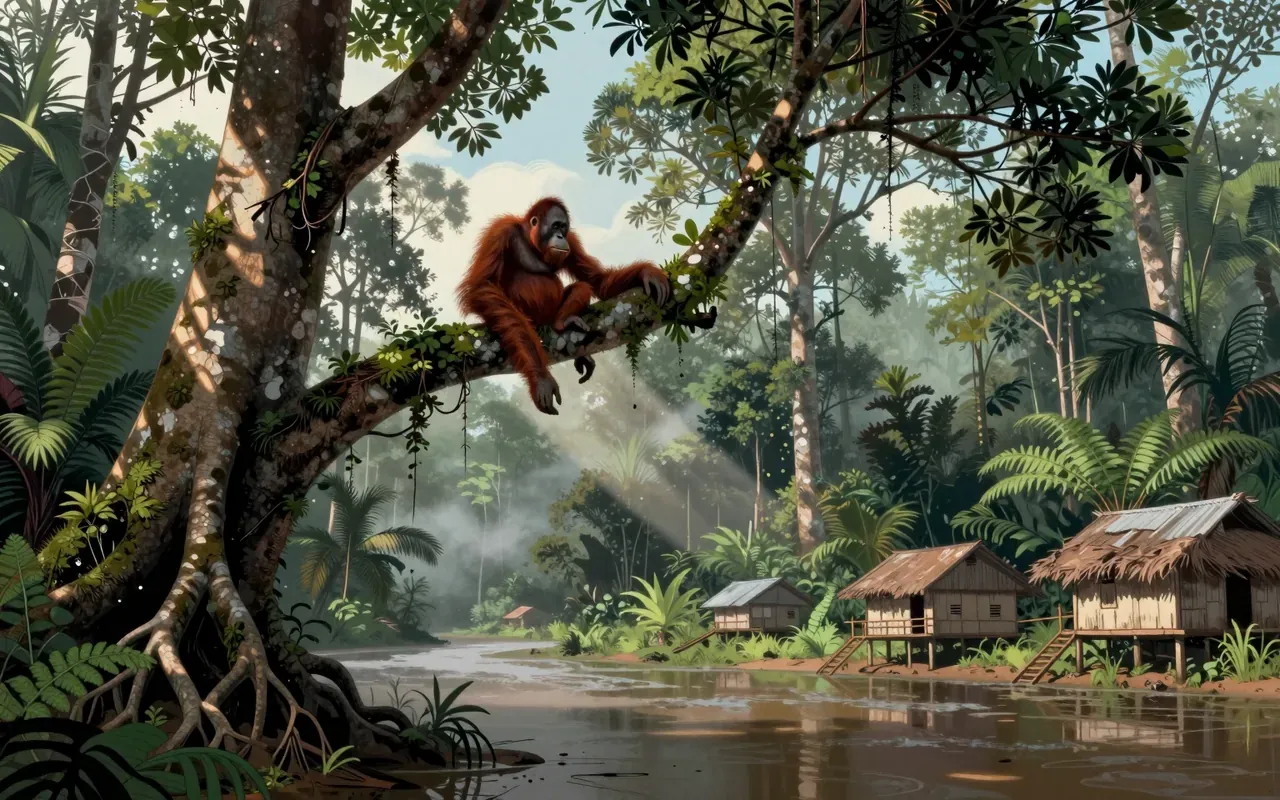
Biruté Galdikas

Fieldwork isn’t quaint — it’s the only way to document what no camera trap or genome ever will.
13:00

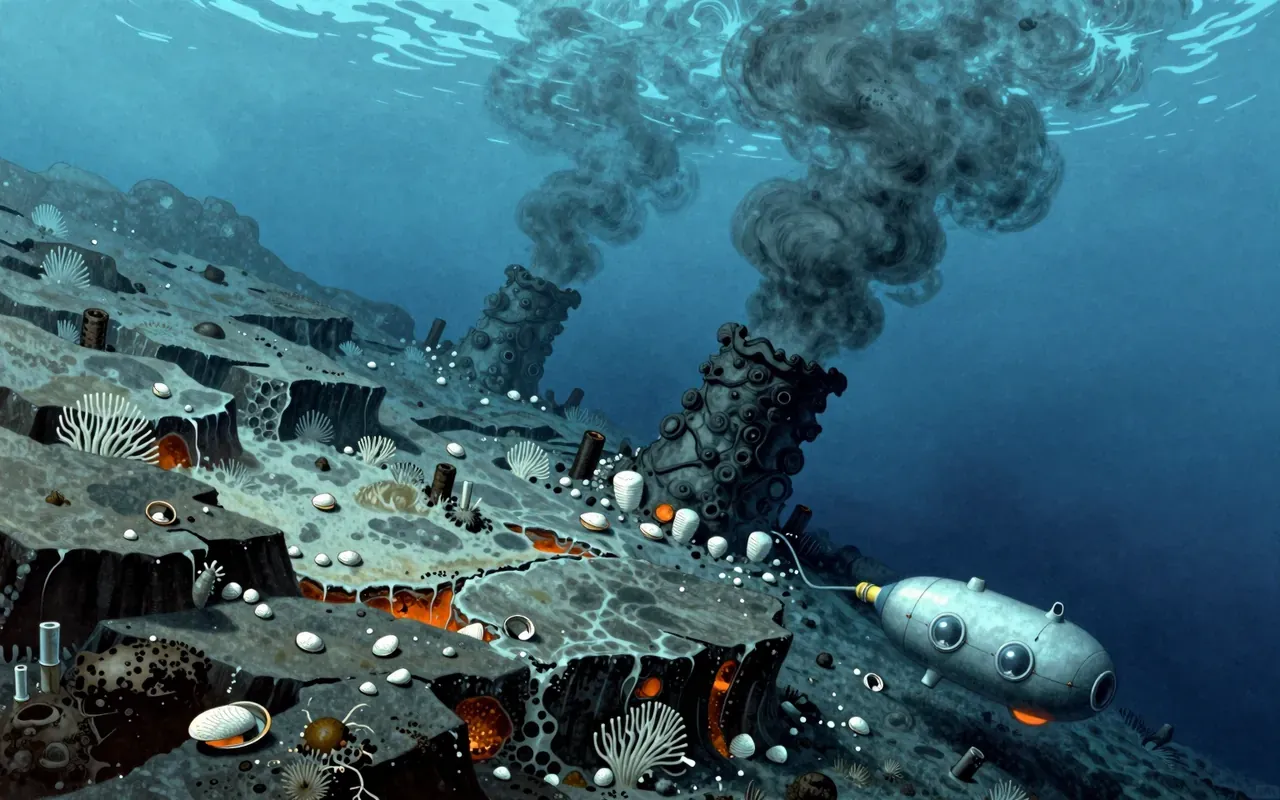
Hydrothermal vent

A 1977 dive to the Galapagos Rift found an ecosystem running entirely without sunlight, and a graduate student's follow-up work explained why, which this brief traces from that dive through the chemistry that still feeds tube worms without mouths.
8:59

Dian Fossey

She didn’t just watch gorillas—she fought for them, and changed conservation forever.
13:00

Hyperthermophile

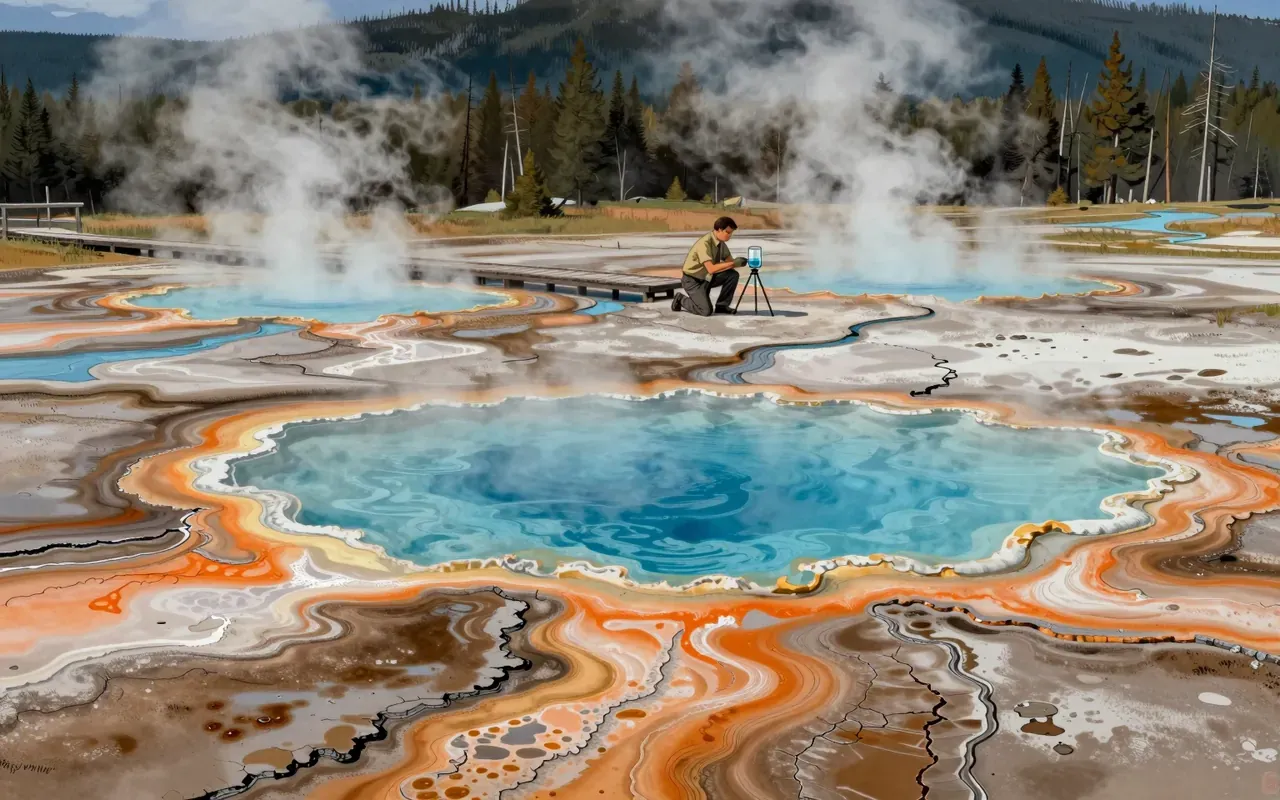
An organism identified in Yellowstone hot springs in 1965 pushed back what biologists thought life could survive, and a heat-tolerant enzyme from that same discovery went on to make modern DNA testing possible, which this brief follows from bacterium to lab bench.
13:00

Extremophile

Some organisms hold their internal chemistry near neutral by constantly pumping protons out against a hostile acidic environment, and this brief follows that strategy alongside the wider extremophile catalogue it belongs to, from mine drainage to the edge of space.
13:00

Halophile

Halophiles handle salt so completely one way that pure water can kill them by rupturing their cells outright, and this brief follows the two very different strategies these organisms use to survive salt levels many times higher than the ocean.
10:34

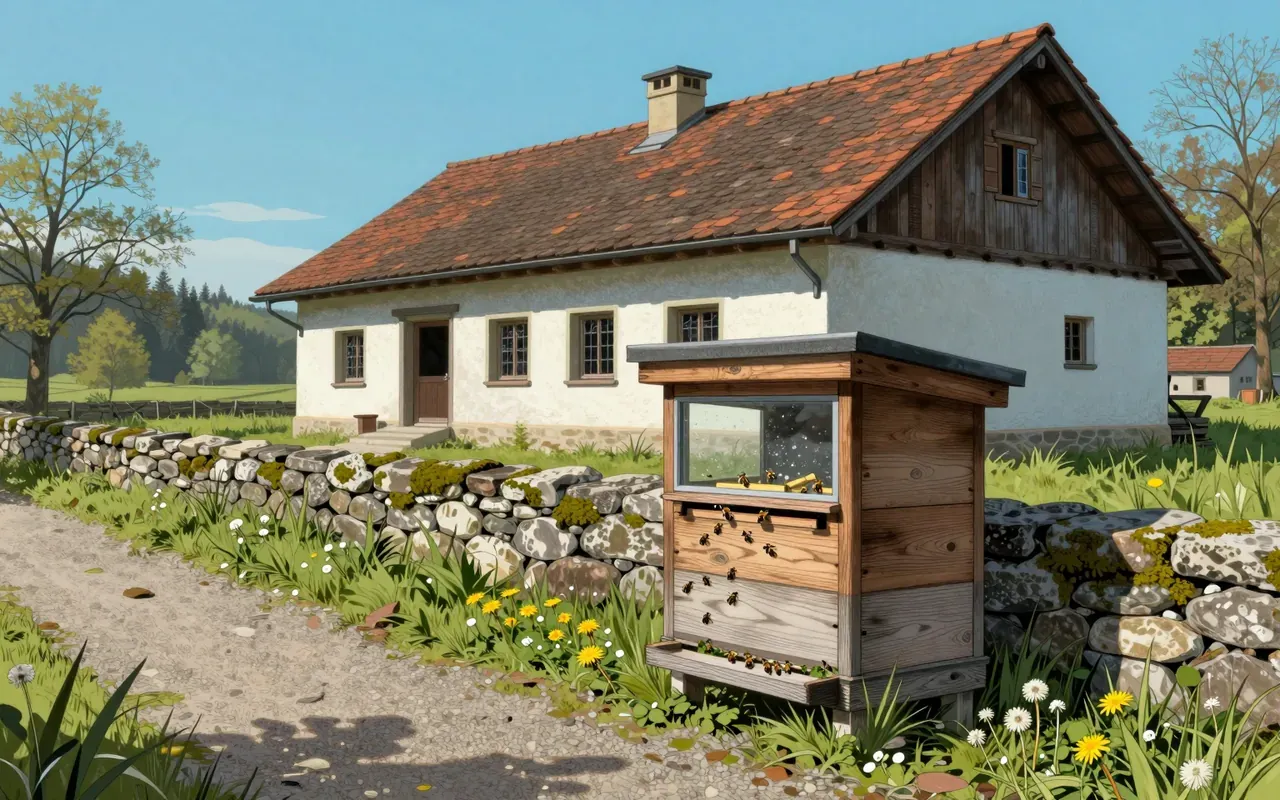
Karl von Frisch

Bees don’t just react — they compute direction, time, and identity with senses we lack.
13:00

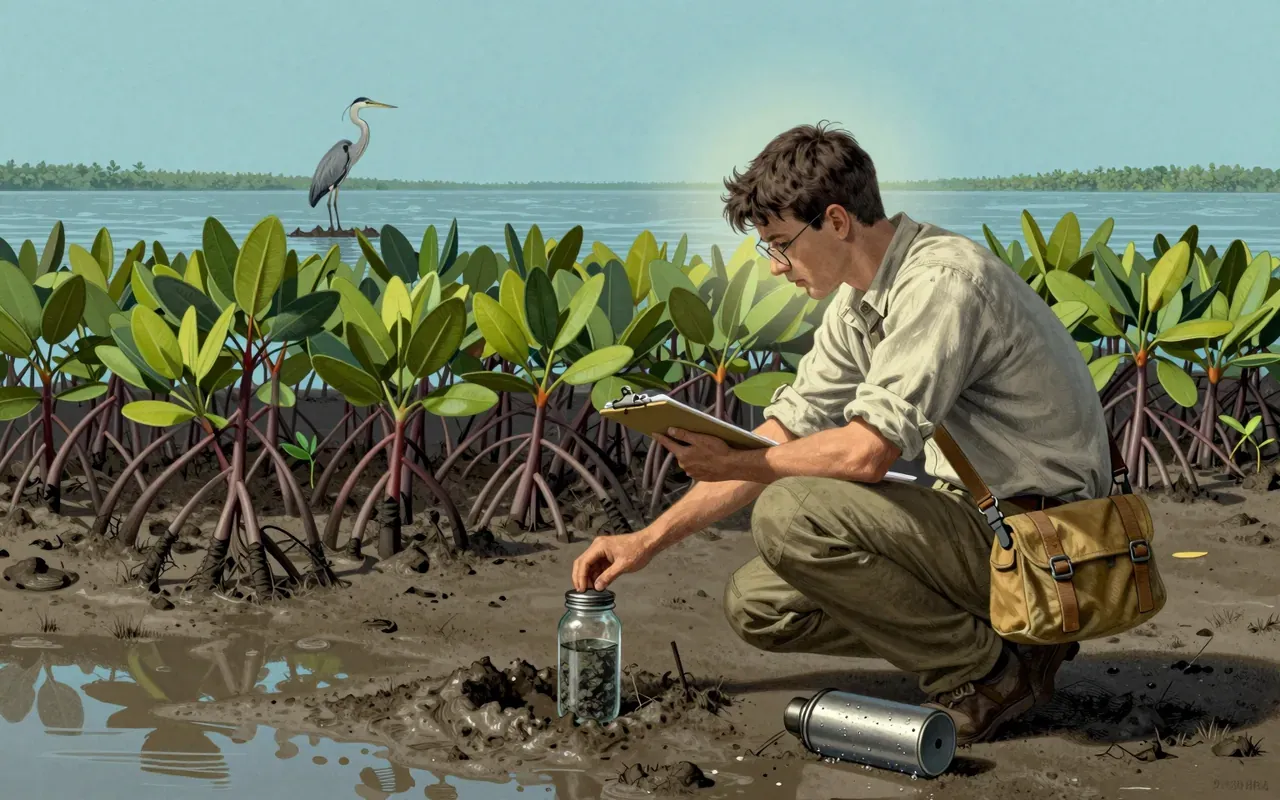
Insular biogeography

MacArthur and Wilson's 1967 theory that island species counts balance immigration against extinction was confirmed by deliberately wiping out mangrove islands, then sparked an unresolved fight over reserve design.
11:54

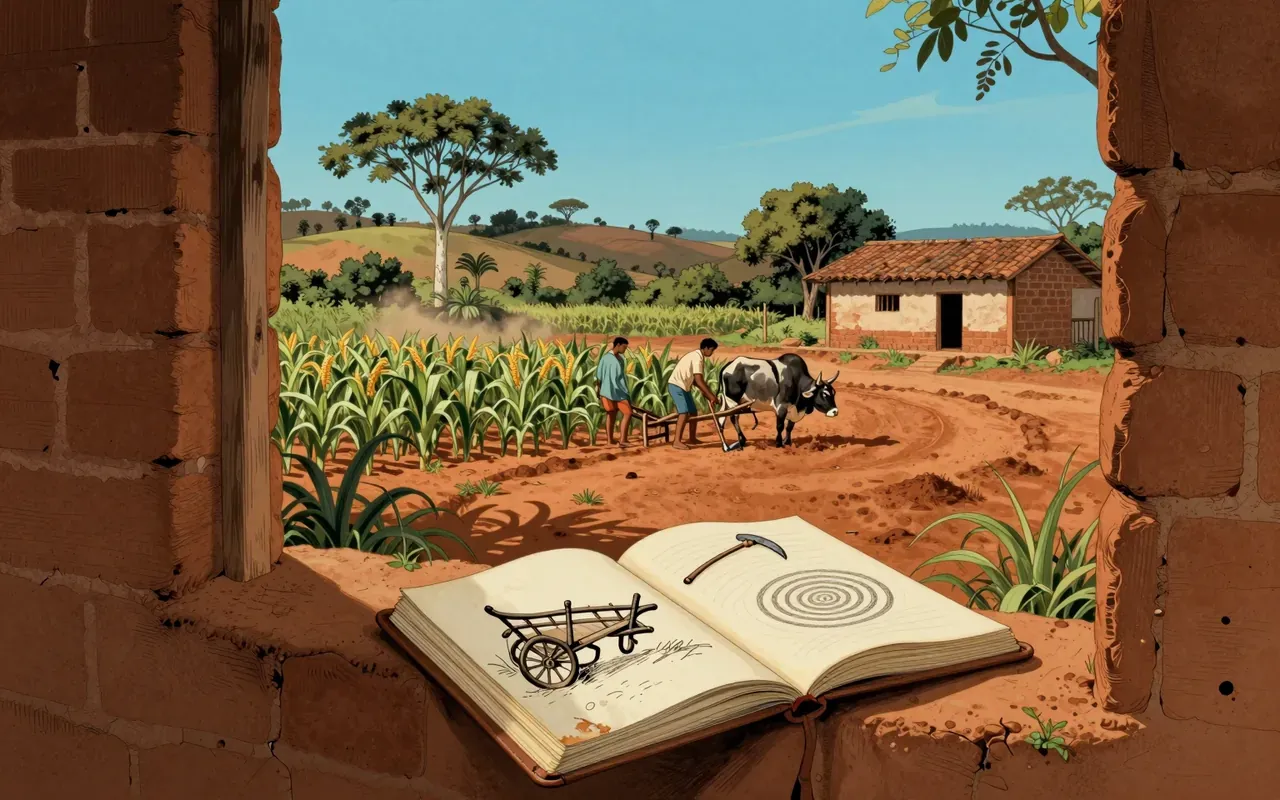
Marvin Harris

Marvin Harris didn’t prove materialism — he weaponised it as an organising principle for anthropology.
13:00

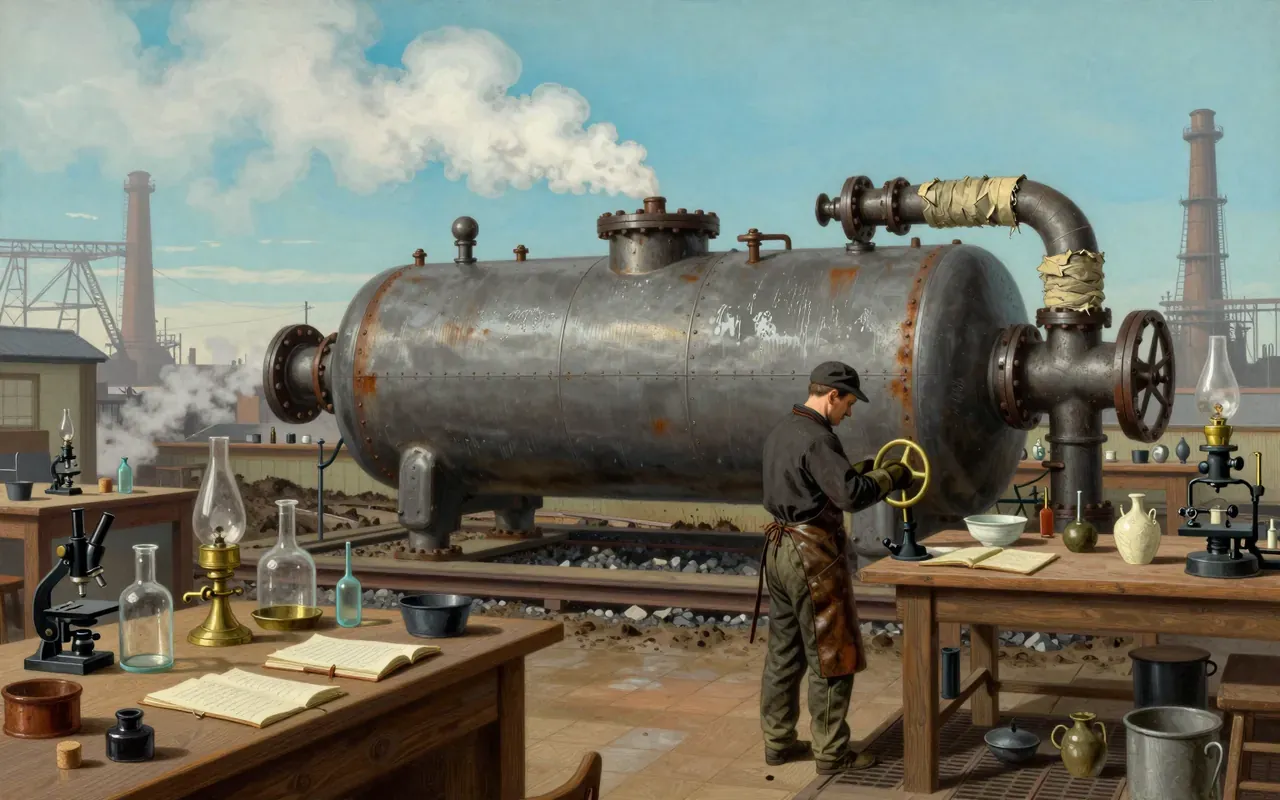
Nitrogen fixation

A single enzyme that breaks down the moment it meets oxygen is what lets bacteria turn inert air into usable nitrogen, and this brief follows that chemistry from an eccentric Dutch microbiologist's 1901 discovery to the industrial process that now feeds most of humanity.
13:00

Psychrophile

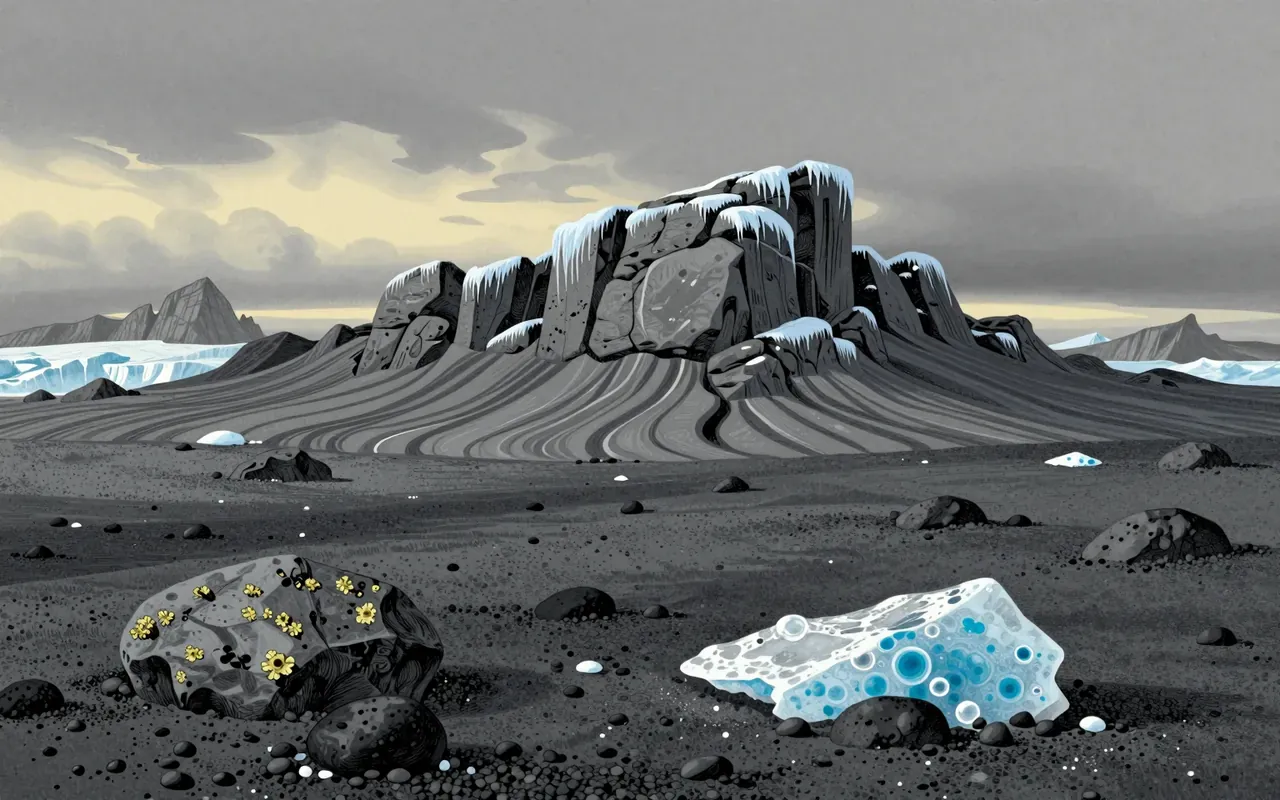
A lichen that keeps photosynthesising below freezing shows cold tolerance is not one trick but several, and this brief follows those strategies alongside a decades-old dispute over what actually counts as a true psychrophile.
10:58

Rachel Carson

Carson didn’t need a lab to prove pesticides were biocides — she used lawsuits, sick farmers, and library stacks.
13:00

Root nodule

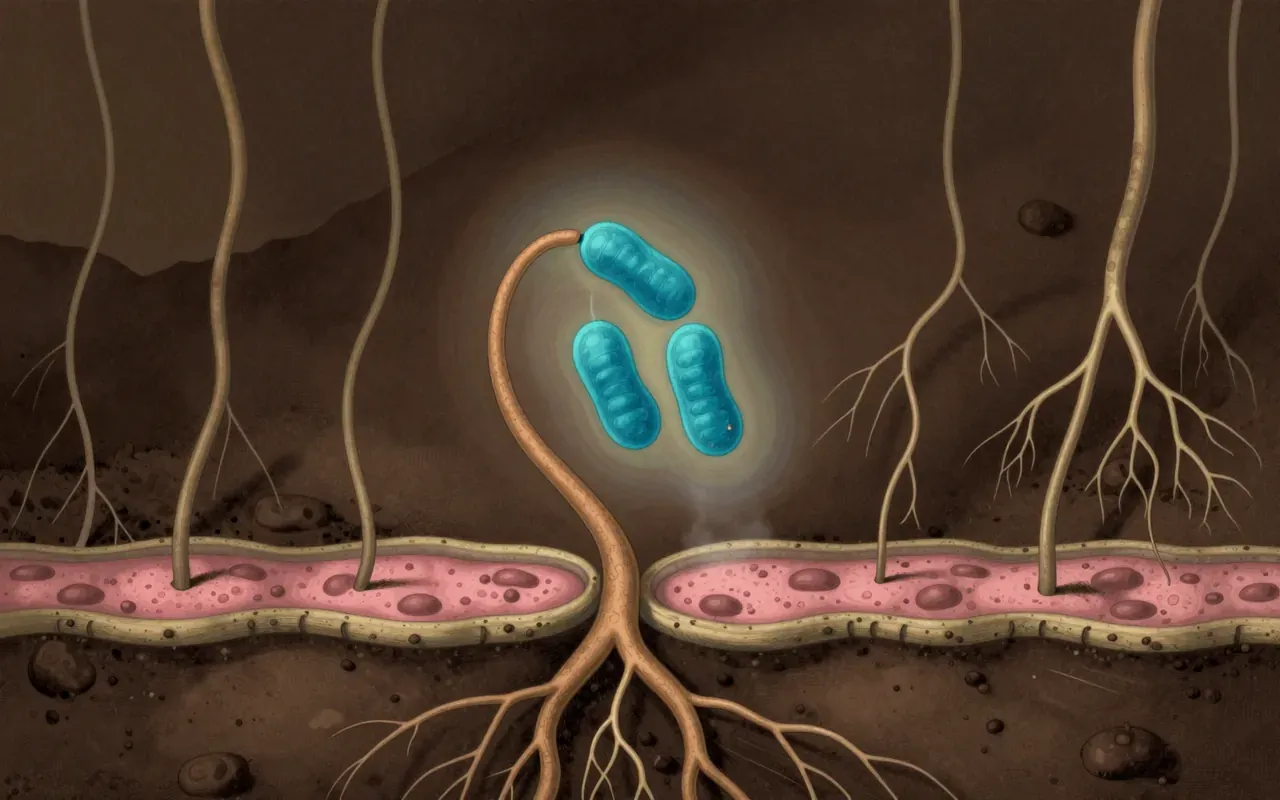
A legume root sends out a chemical invitation, a bacterium curls a root hair in response, and what follows is a structure built specifically to keep oxygen away from the enzyme doing the actual nitrogen fixing, which this brief walks through step by step.
13:00

Soil microbiology

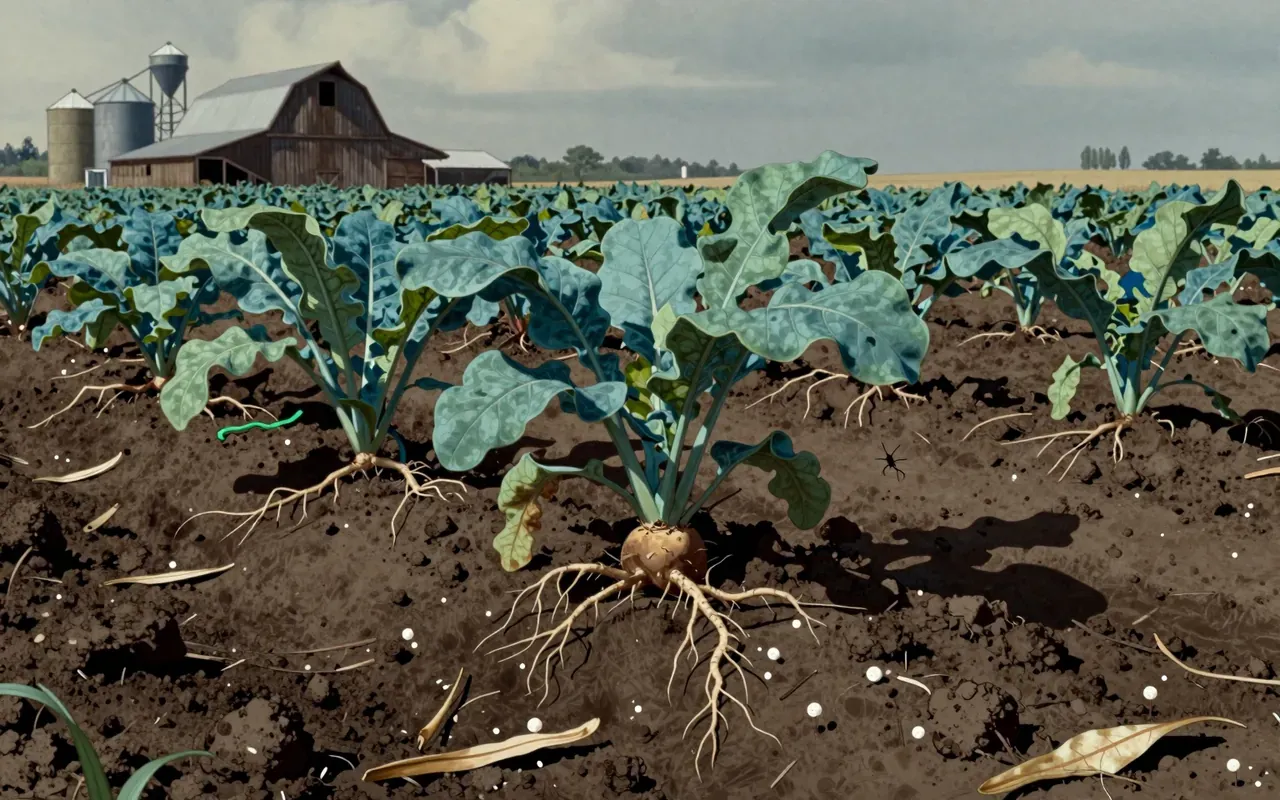
A gram of soil around a plant's roots can hold up to ten billion bacteria, and this brief follows what they do for nitrogen, the nutrient plants run short of most, alongside the industrial process that now supplies nearly a third of it artificially.
13:00

Ecosystem

Arthur Tansley's 1935 ecosystem concept, coined against a rival view of nature as a superorganism, turned ecology into something measurable, and now finds only four of twenty-four global ecosystem services improving.
9:30

Great Pacific Garbage Patch

Charles Moore · 1980

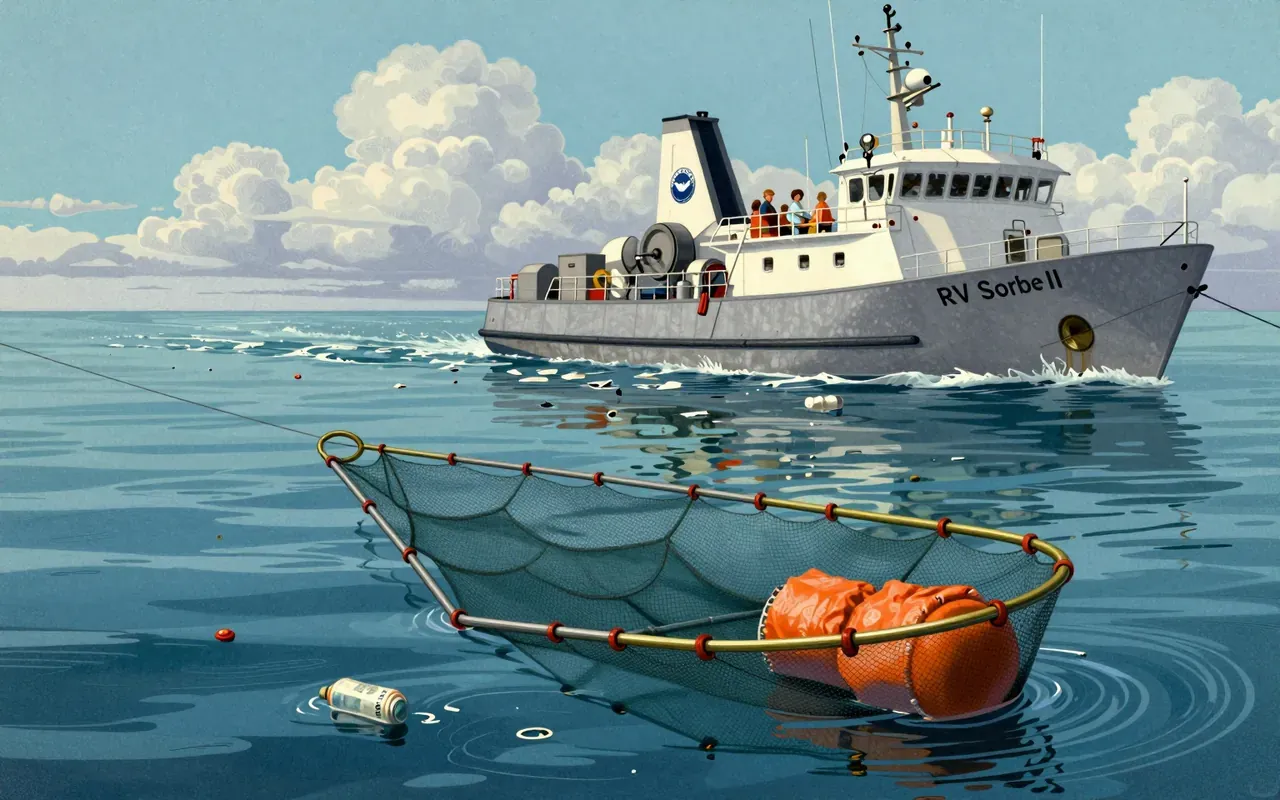
Moore’s 1997 observation was vivid and consequential — but not novel in evidence. The 1988 NOAA paper delivered the first empirical basis. The gap between public attribution and scientific priority is the real story.
11:43

Keeling Curve

Charles Keeling

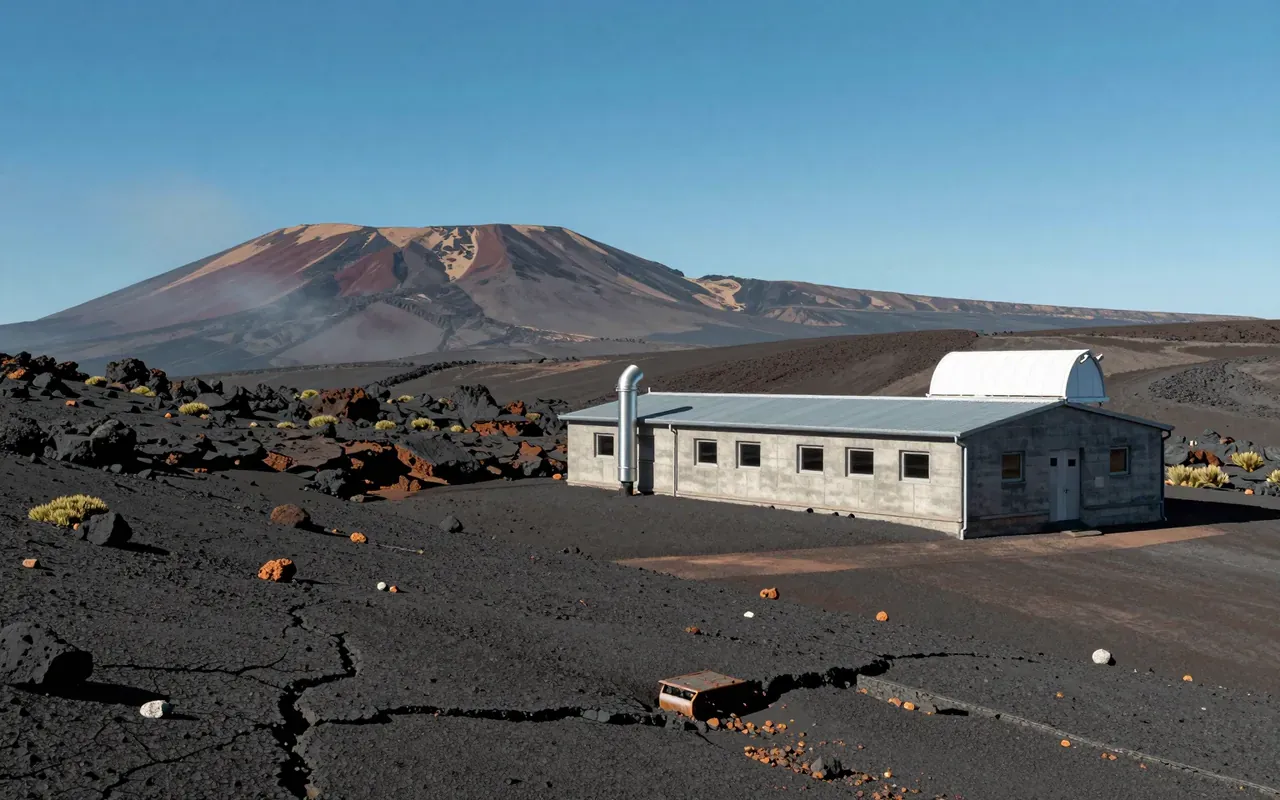
The Keeling Curve is the first continuous, calibrated record of atmospheric CO₂. It shows a seasonal cycle and a monotonic rise — from 313 ppm in 1958 to 406 ppm in 2018. Its strength lies in methodological rigour: remote site selection, contamination control, and instrumental precision. It does not prove causation, but establishes an unambiguous trend correlated with fossil fuel use. It remains the gold standard for atmospheric CO₂ monitoring.

9:49

Vladimir Vernadsky

Life isn’t just on Earth — it *is* Earth’s geology, and minds are its next stratum.
13:00

Xerophile

Honey and jam are supposed to be too dry inside for anything to grow, yet certain fungi manage it anyway, and this brief follows the specific chemistry that lets xerophiles colonise exactly the low-water conditions food preservation depends on.