A tree-shaped cell with one job
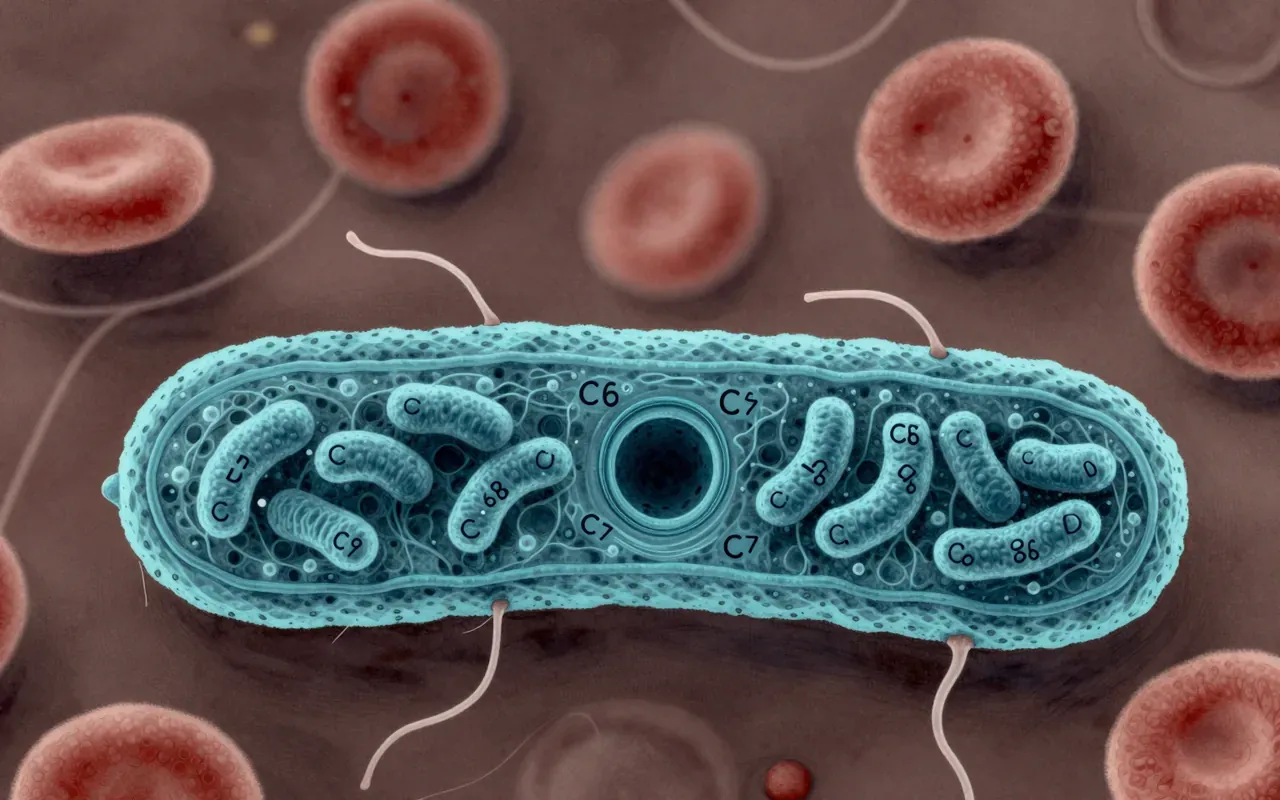
Dendritic cells take their name from the branching, tree-like projections they develop, and the material treats that shape as inseparable from their function: those projections increase the surface area available for sampling the surrounding tissue for pathogens. Their core job is antigen presentation. An immature dendritic cell captures material from viruses or bacteria, breaks it into fragments, and, once activated, displays those fragments on its surface using MHC molecules so that T cells can recognise them. This puts dendritic cells at the meeting point between the immune system’s fast, non-specific innate defences and its slower, highly targeted adaptive response, since they are the ones translating a raw pathogen encounter into a signal T cells can actually act on. The material frames this translating role as the reason dendritic cells matter more than their relative rarity in the body would suggest.
The only cell that can start from zero
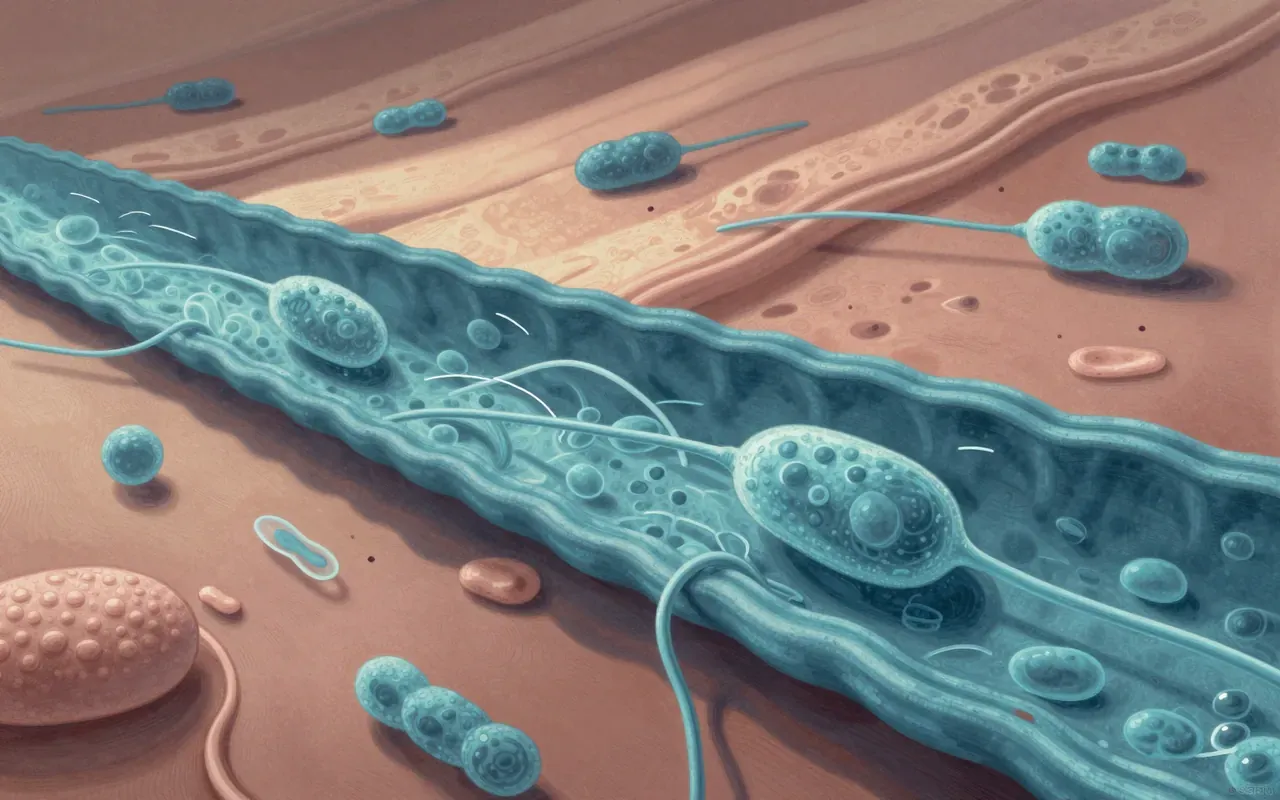
What sets dendritic cells apart from other antigen-presenting cells, according to the material, is that they are the only ones capable of activating a naive T cell, one that has never encountered its target antigen before, outside of lymphoid tissue. Other antigen-presenting cells can reinforce or redirect an immune response already underway, but starting one from a T cell that has not yet been primed appears to require a dendritic cell specifically. After capturing an antigen, a dendritic cell matures, upregulates costimulatory molecules alongside its antigen display, and migrates through the bloodstream or lymphatic system to reach the spleen or lymph nodes, where naive T cells are concentrated. This migration and maturation sequence is presented as the mechanical explanation for why dendritic cells sit at the actual starting point of an adaptive immune response rather than somewhere further along it.
Named in 1973, doubted for years
The cell type was identified and named in 1973 by Ralph Steinman, working as a postdoctoral fellow in Zanvil Cohn’s laboratory at Rockefeller University, who distinguished these cells from macrophages on the basis of specific molecular differences, including a distinct pattern of surface markers. Steinman went on to argue that dendritic cells functioned as the immune system’s own adjuvant, actively priming T cell responses rather than simply presenting antigen passively. The material indicates this argument took considerable time to gain acceptance within the field, consistent with how novel a claim it was that a single, relatively obscure cell type held this central a role. Recognition eventually came through the Albert Lasker Award in 2007 and, later, the Nobel Prize in Physiology or Medicine.
A Nobel Prize awarded after death
The Nobel Prize itself was announced under circumstances the awarding committee had never encountered before. Steinman died on 30 September 2011 from pancreatic cancer, and the Nobel committee announced his prize three days later, apparently unaware at the time of announcement that he had already died. Nobel statutes generally prohibit posthumous awards, but the committee determined that because the decision had been made in good faith while believing Steinman to be alive, the prize would stand as awarded, shared with Bruce Beutler and Jules Hoffmann. This is presented in the material as a genuinely unprecedented situation for the prize committee to navigate, and it gives the discovery story a specific, well-documented human dimension beyond the underlying cell biology.
Deciding whether to attack or stand down
Dendritic cells are not described purely as activators of immune responses; the material is equally clear that they help decide when not to respond. Certain receptors on the dendritic cell surface can push the cell toward inducing tolerance rather than activating T cells, a mechanism aimed at preventing the immune system from attacking the body’s own tissue. This dual capacity, to either trigger an attack or actively discourage one, is treated as central to keeping the two subtypes of conventional dendritic cells and the interferon-heavy plasmacytoid subtype distinct in what they contribute: some are geared toward activating cytotoxic T cells, others toward helper T cells, and the plasmacytoid subtype toward a strong antiviral interferon response rather than direct T cell priming.
Exploited by viruses, recruited against cancer
This is a strong hour for readers who want the actual cell biology behind terms like antigen-presenting cell, paired with a discovery story that has real narrative weight on its own. The material gives dendritic cells a specific, non-redundant role, activating naive T cells, that makes their importance concrete rather than assumed, and it does not inflate Steinman’s biography with details the source does not support. The closing material on HIV hijacking a dendritic cell receptor to reach T cells, and on cancer immunotherapy trying to recruit the same cells deliberately, gives the science a clear stake beyond the laboratory. It is a cell type worth knowing by name, and this brief gives the reasons why without resorting to hype.