10:18in productionCh. 1 · The Proof Was in the Absorption/ 10:18 · ceiling 15 min
Earth & climate · Physics
John Tyndall
Tyndall didn’t discover climate change — he discovered why the atmosphere holds heat at all.
Tyndall’s 1859 experiments established the physical basis of the greenhouse effect by measuring infrared absorption in atmospheric gases. He showed water vapour is the strongest absorber and principal controller of air temperature. He was the first to quantitatively compare CO2, ozone, methane, nitrogen, oxygen and others using differential absorption spectroscopy with Melloni’s thermopile at the Royal Institution. His work did not address climate change, emissions, or prediction — only the radiative properties of gases.
He proved the greenhouse effect by showing water vapour absorbs infrared radiation — not by theory, but by measurement.
2:08
Water Vapour Is the Thermostat
He ranked gases by infrared absorption — and found water vapour dominates, not CO2.
3:33
The First Climate Instrument
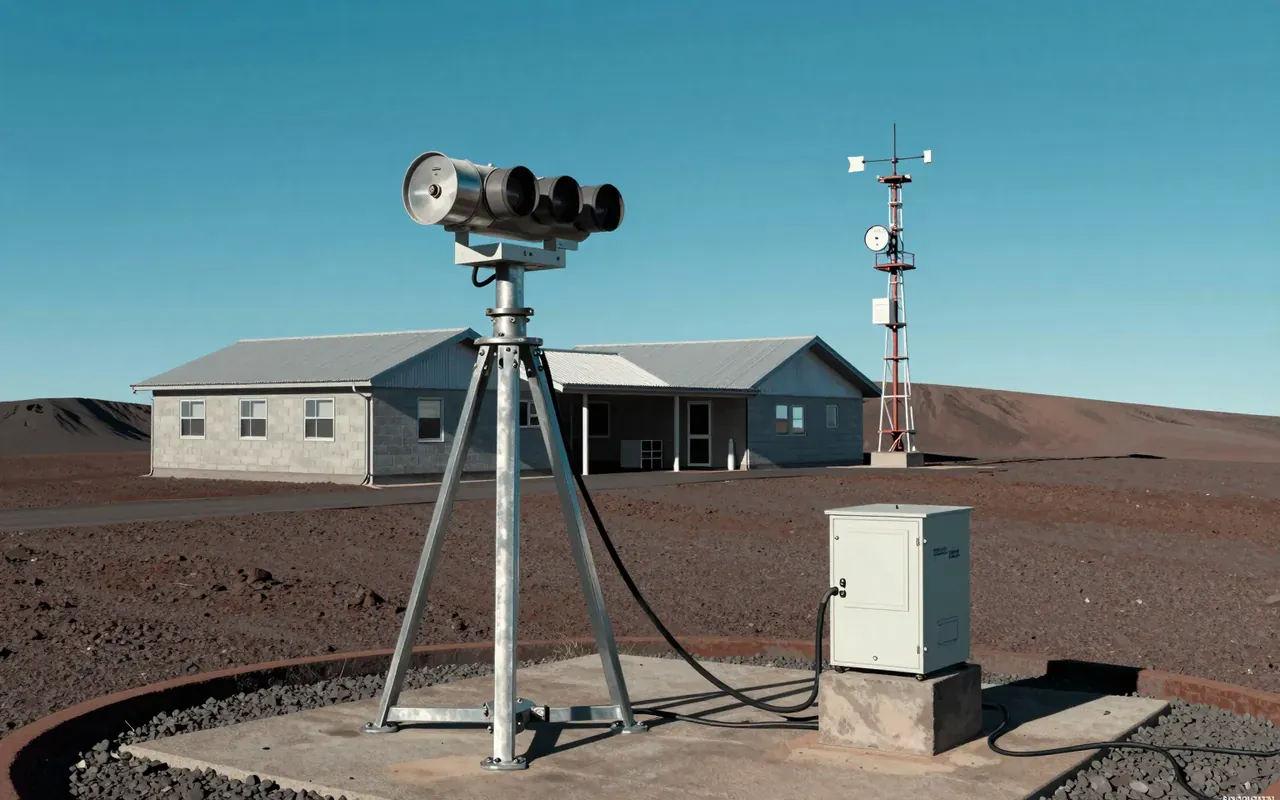
He invented differential absorption spectroscopy using Melloni’s thermopile — the first tool to isolate gas-specific heat capture.
5:29
CO2 Entered Climate Physics Here
His 1859 experiment connected CO2 to heat trapping — decades before anyone linked it to industrial emissions.
Worth your time?
Yes. Study the whole thing.
4.5/ 5
What works
established the physical mechanism of the greenhouse effect
ranked atmospheric gases by infrared absorptive power
proved water vapour dominates temperature control
connected CO2 to heat trapping experimentally
What does not
quantify climate sensitivity
model feedbacks
predict temperature rise
link CO2 to human emissions
Study it if
climate scientists
physics educators
historians of science
Skip it if
policy analysts seeking projections
activists seeking moral framing
journalists seeking 'first climate warning'
The written brief1 min read
What the work claims
That water vapour and CO2 absorb infrared radiation — establishing them as the physical agents of the greenhouse effect. That water vapour is the dominant controller of air temperature via this mechanism.
How it was done
Tyndall used differential absorption spectroscopy with Macedonio Melloni’s electro-magnetic thermopile to measure how atmospheric gases absorb radiant energy. He tested nitrogen, oxygen, water vapour, carbon dioxide, ozone, methane, and other trace gases.
What holds up
Tyndall’s 1859 measurements remain valid: water vapour absorbs more infrared than CO2; both absorb strongly; nitrogen and oxygen do not. His ranking of absorptive powers has been confirmed repeatedly.
What does not
The work does not quantify climate sensitivity. It does not model feedbacks, predict temperature rise, or link CO2 to human emissions. It says nothing about future warming or policy.
Why it matters beyond the lab
It shifted the greenhouse effect from speculation to measurable physics. Every climate model, satellite observation, and policy document on atmospheric heating rests on this experimental foundation.
Is it worth your time
Yes. It is the first experimental demonstration of the physical mechanism behind planetary heat retention — a direct, lab-based origin point for climate physics.