10:24in productionCh. 1 · The Instrument/ 10:24 · ceiling 15 min
Earth & climate · Chemistry
Charles David Keeling
Keeling didn’t prove humans cause climate change — he proved we can measure the signal.
Keeling’s work established the first accurate, continuous atmospheric CO₂ record — revealing both seasonal oscillation and monotonic rise. It confirmed Arrhenius’s 1896 hypothesis that human activity could influence the greenhouse effect. It did not quantify anthropogenic share, assign causality beyond possibility, or model future impacts.
Keeling built the first instrument capable of reliably measuring atmospheric CO₂.
2:39
The First Measurements
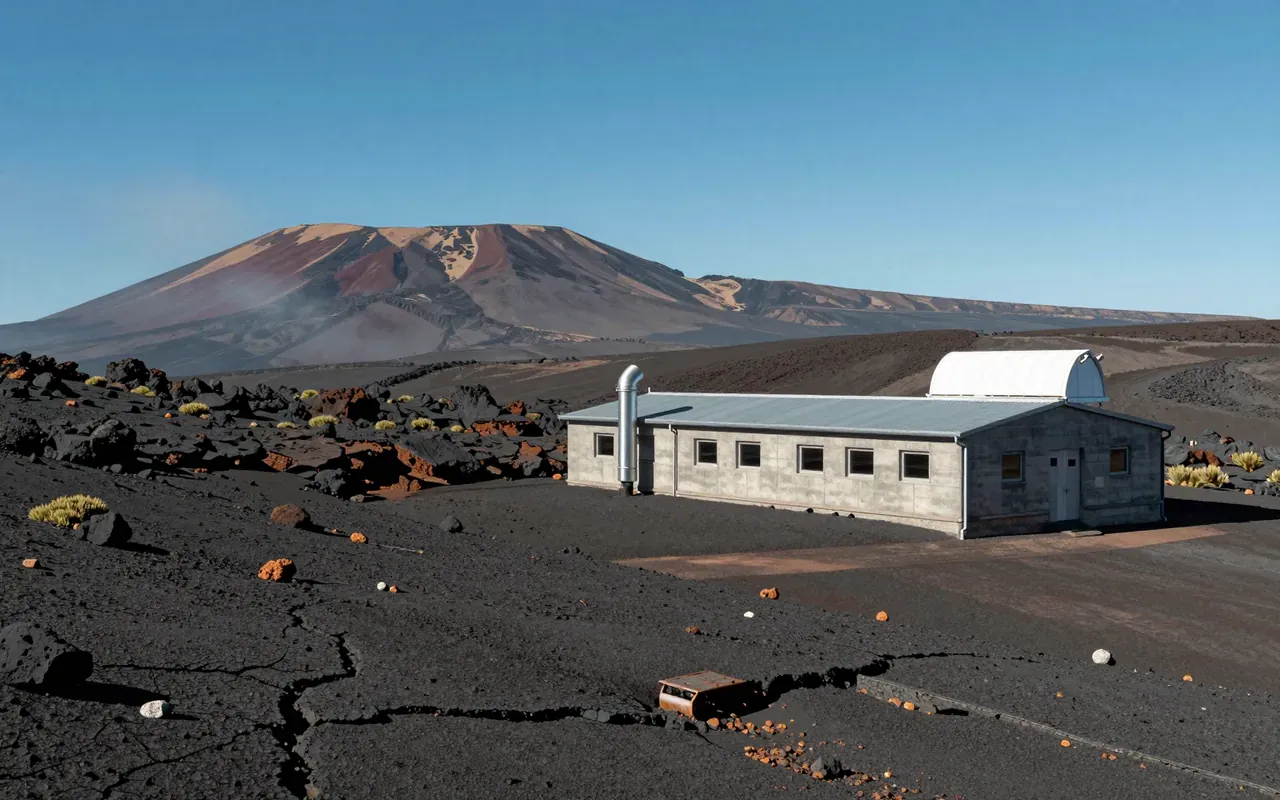
He found CO₂ had risen since the 19th century and began continuous sampling at Mauna Loa in 1958.
4:22
The Curve Emerges
By 1960, he had identified seasonal cycles; by 1961, he showed the long-term rise — the Keeling Curve.
6:06
The Record That Endures
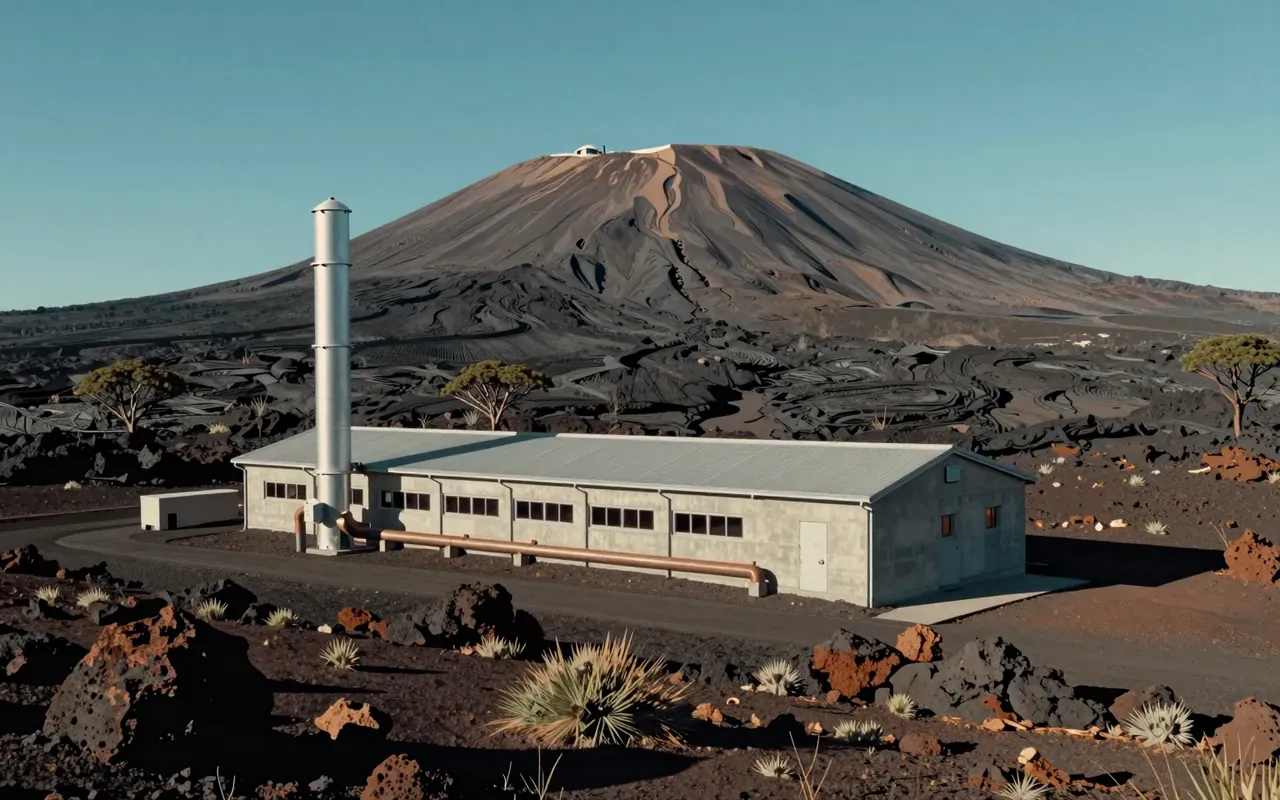
The Mauna Loa record is the longest continuous CO₂ dataset and a reliable indicator of the global trend.
Worth your time?
Yes. Study the whole thing.
4.5/ 5
What works
provides longest continuous CO₂ record
confirms Arrhenius’s 1896 proposition
reveals seasonal cycle and long-term trend
remains reliable indicator of global mid-troposphere trend
What does not
quantify anthropogenic contribution
identify emission sources
model climate response
establish causal mechanism beyond possibility
Study it if
climate scientists
policy analysts
historians of science
Skip it if
general public seeking proof of climate change
engineers designing mitigation tech
The written brief1 min read
What the work claims
That atmospheric CO₂ is rising steadily and varies seasonally — confirming Arrhenius’s 1896 proposition that human activity could contribute to the greenhouse effect and global warming.
How it was done
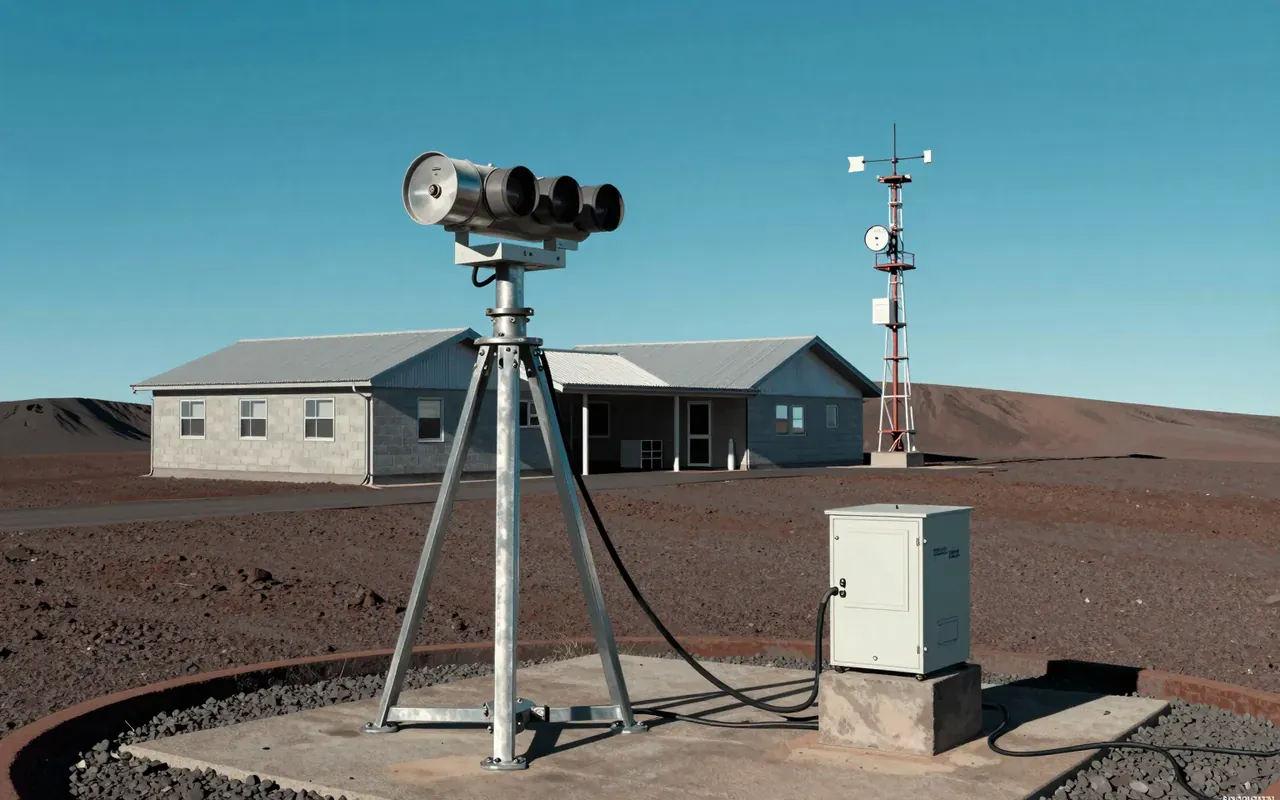
Keeling developed the first instrument able to measure carbon dioxide in atmospheric samples with consistently reliable accuracy. He used it at Big Sur and began continuous sampling at Mauna Loa in 1958.
What holds up
The Mauna Loa record remains the longest continuous measurement of atmospheric CO₂. It shows steady rise since 1958 and strong seasonal variation peaking in late northern hemisphere winter.
What does not
The work does not quantify the anthropogenic fraction of CO₂ rise. It confirms the possibility of anthropogenic contribution but does not apportion sources, mechanisms or feedbacks.
Why it matters beyond the lab
It provides the empirical anchor for climate science: a direct, unbroken observational record against which models, policies and emissions inventories are tested.
Is it worth your time
Yes. It established the first continuous, accurate record of atmospheric CO₂ — still the benchmark for detecting global change in the mid-level troposphere.