sciencebriefs
Natural sciences

Earth & climate

49
briefs
11:49
average
579 min
in total
14
researchers
All briefs49
10:10

Renewable energy

Renewables aren’t a discovery — they’re a scaling target with a definition, not a breakthrough.
9:19

Water cycle

A correct theory of the water cycle existed for 230 years before science accepted it.
9:56

Alfred Wegener

Wegener didn’t prove continental drift—he proved it was the only explanation that fit the map, the rocks, and the fossils.
10:47

Carl Sagan

Sagan didn’t predict Venus’s heat — he measured it with radio waves, and proved the greenhouse effect wasn’t just earthly.
13:00

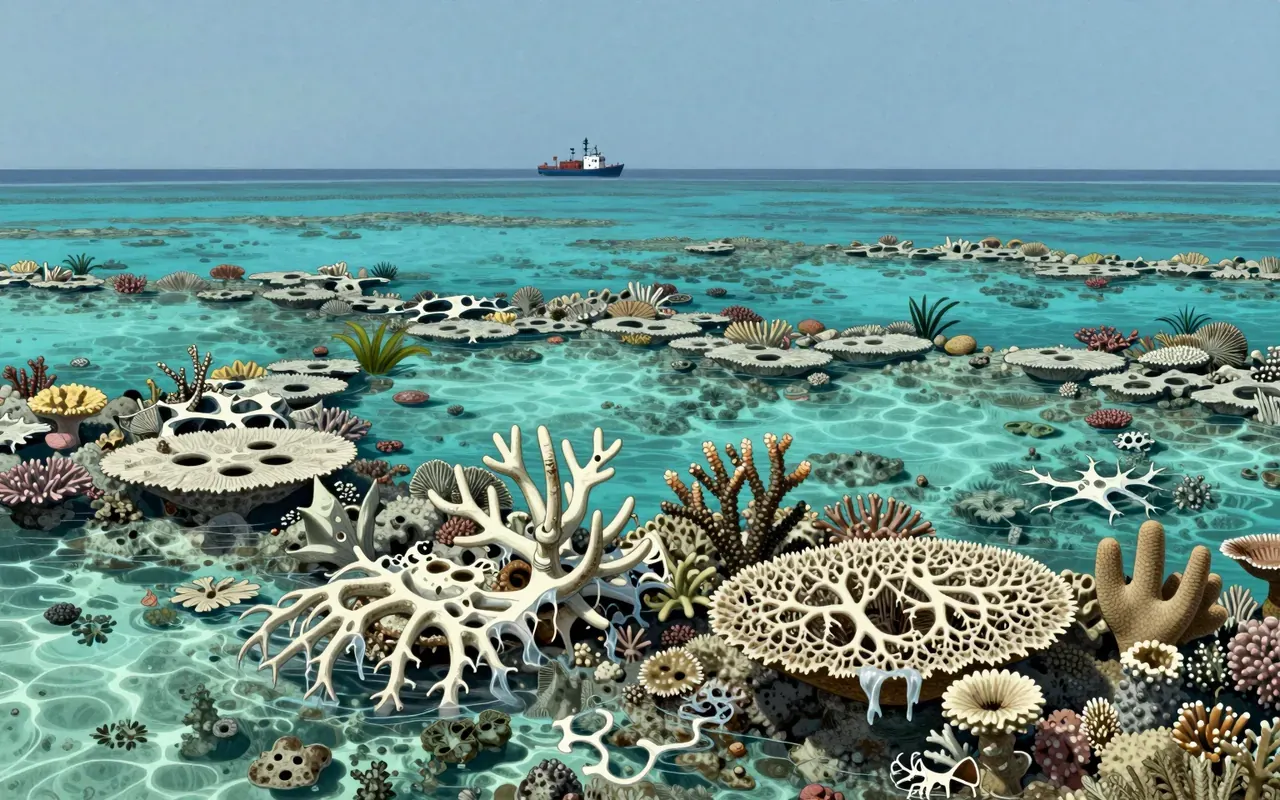
Coral bleaching

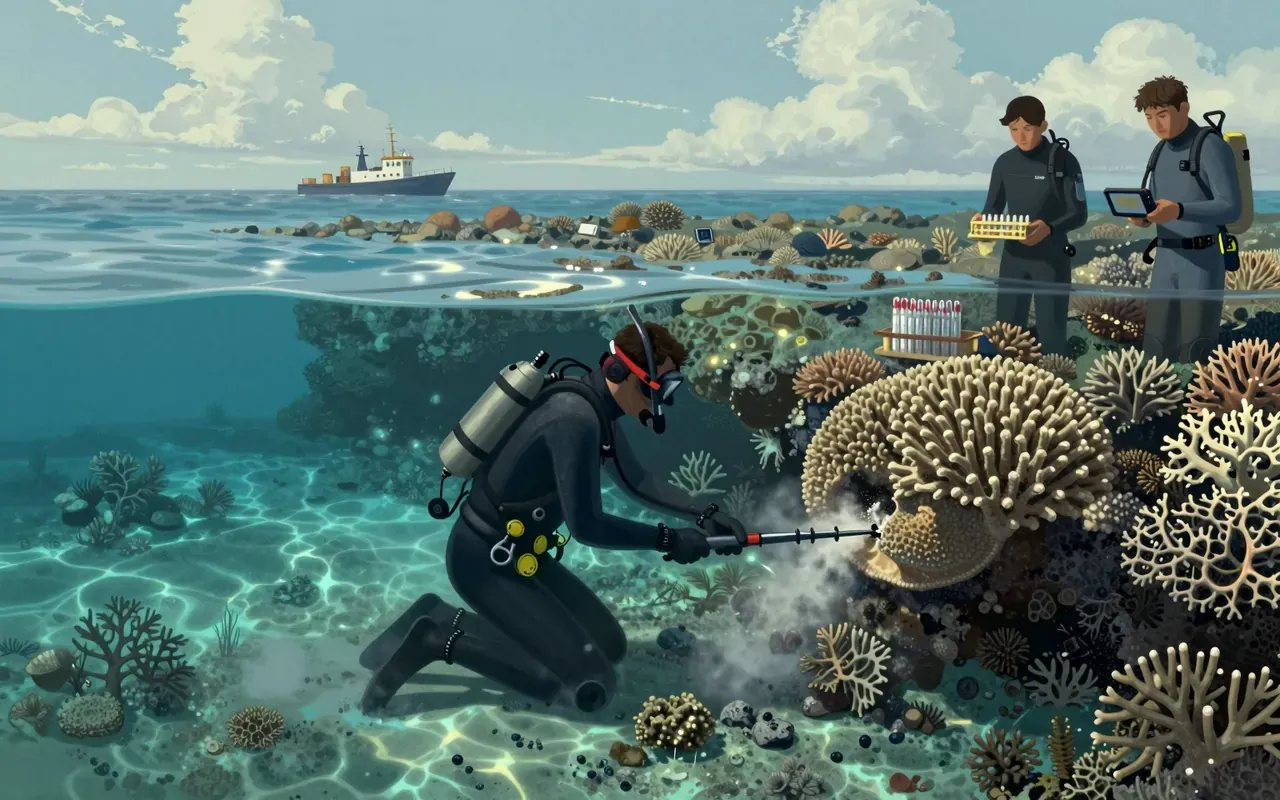
Ove Hoegh-Guldberg predicted in 1999 that most corals would not survive this century, a forecast many dismissed at the time and that recent Great Barrier Reef surveys now appear to be confirming.
13:00

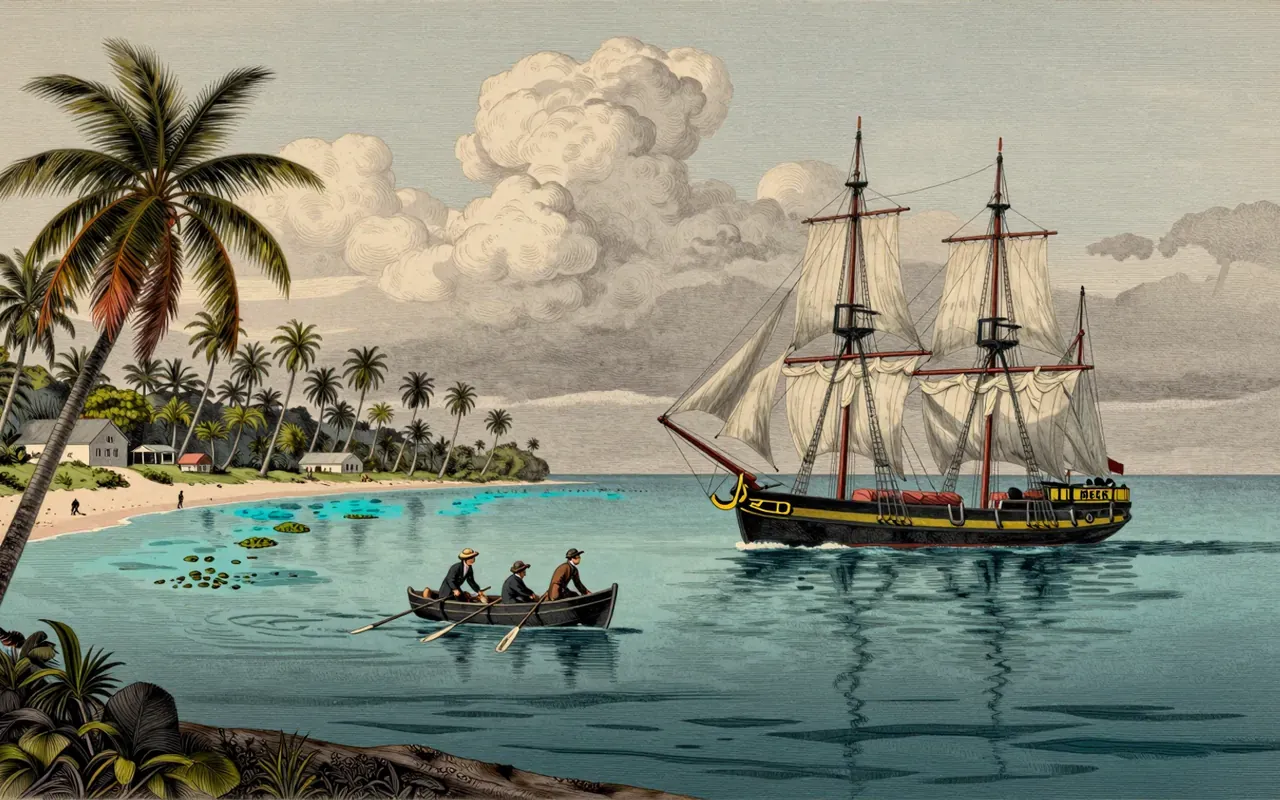
Atoll

Darwin's 1842 theory that atolls form as volcanic islands slowly sink beneath growing coral reefs was tested by drilling into Funafuti in the 1890s, but recent research suggests it explains only part of how atolls form.
9:01

David M. Raup

Extinction isn’t random — but the 26-million-year pulse Raup found is not a law of nature.
13:00

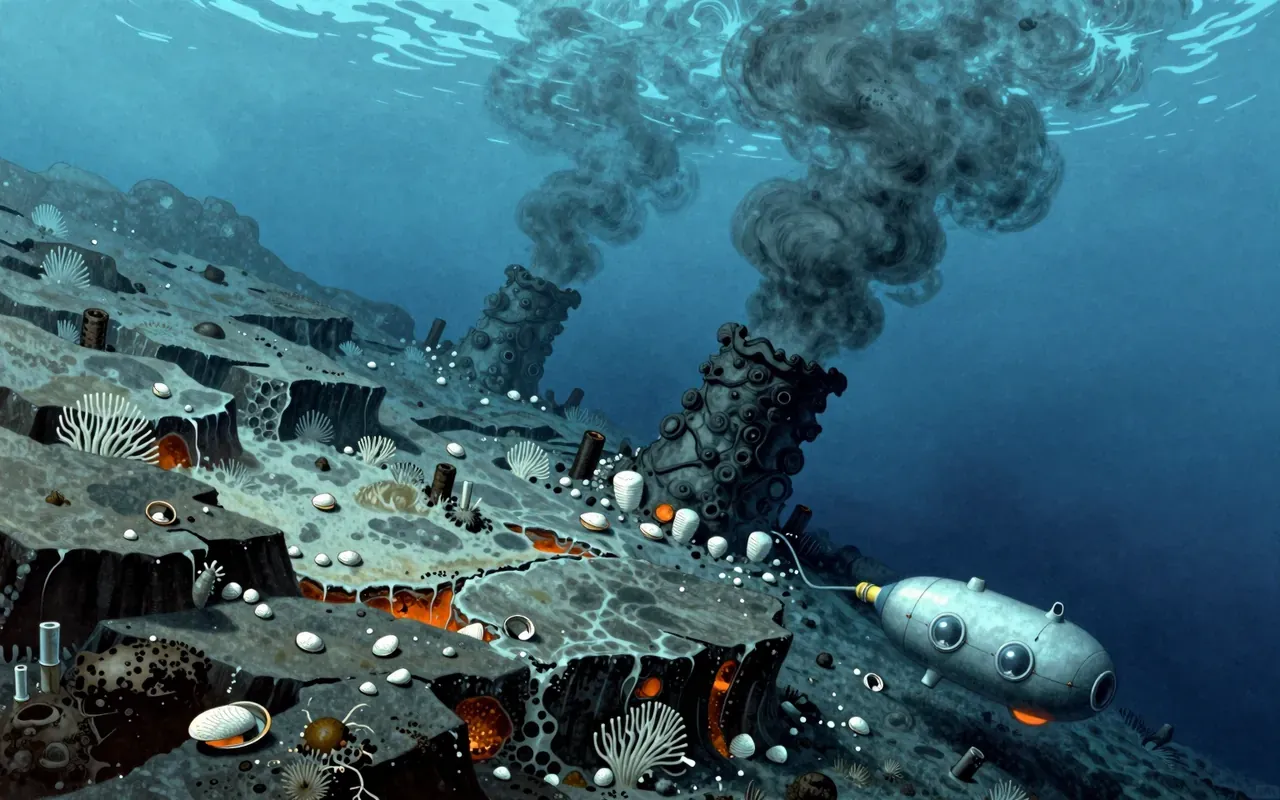
Hydrothermal vent

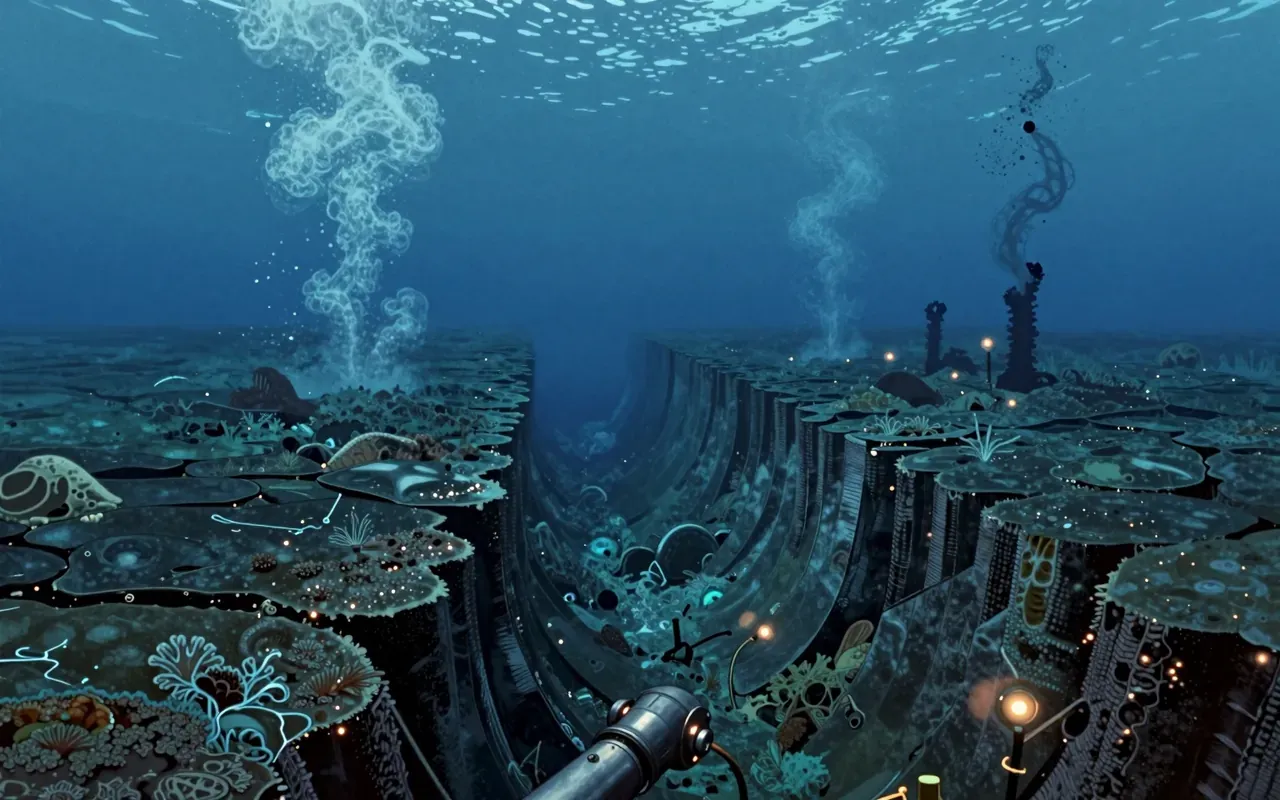
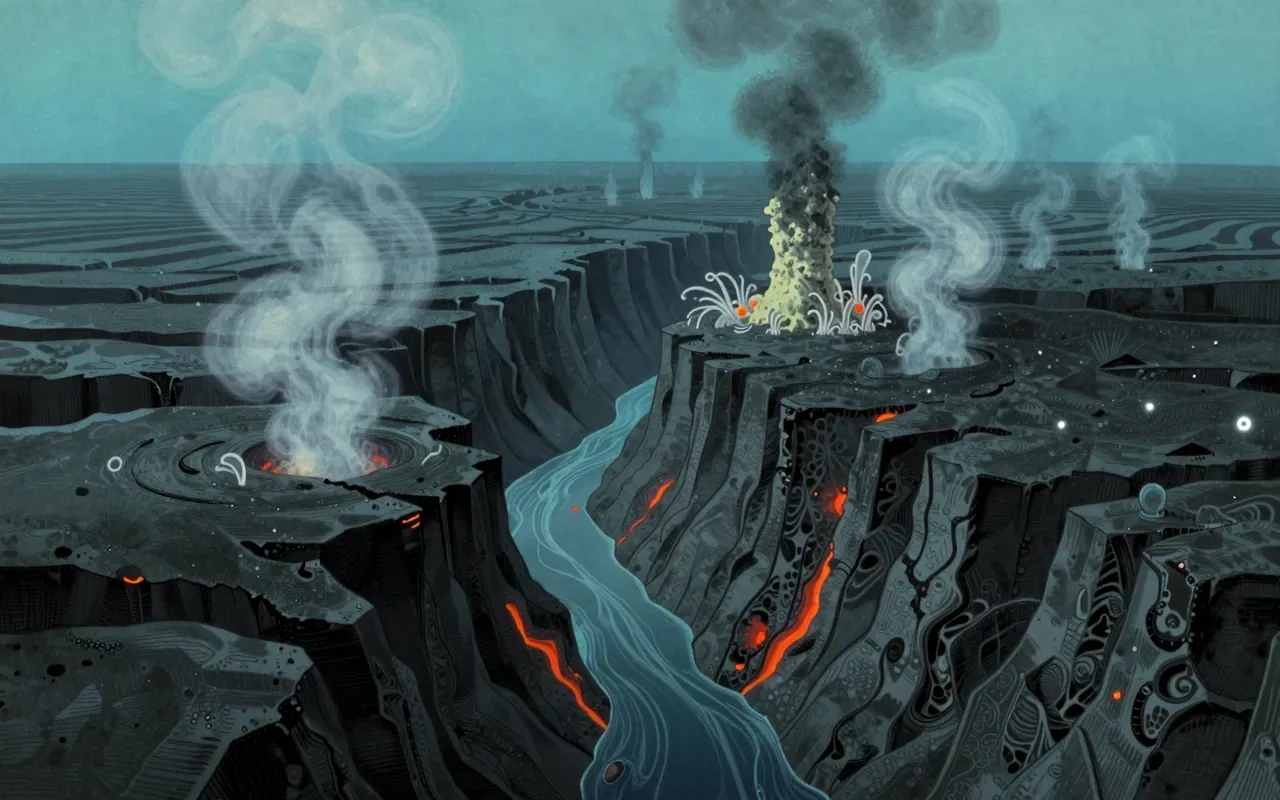
A 1977 dive to the Galapagos Rift found an ecosystem running entirely without sunlight, and a graduate student's follow-up work explained why, which this brief traces from that dive through the chemistry that still feeds tube worms without mouths.
13:00

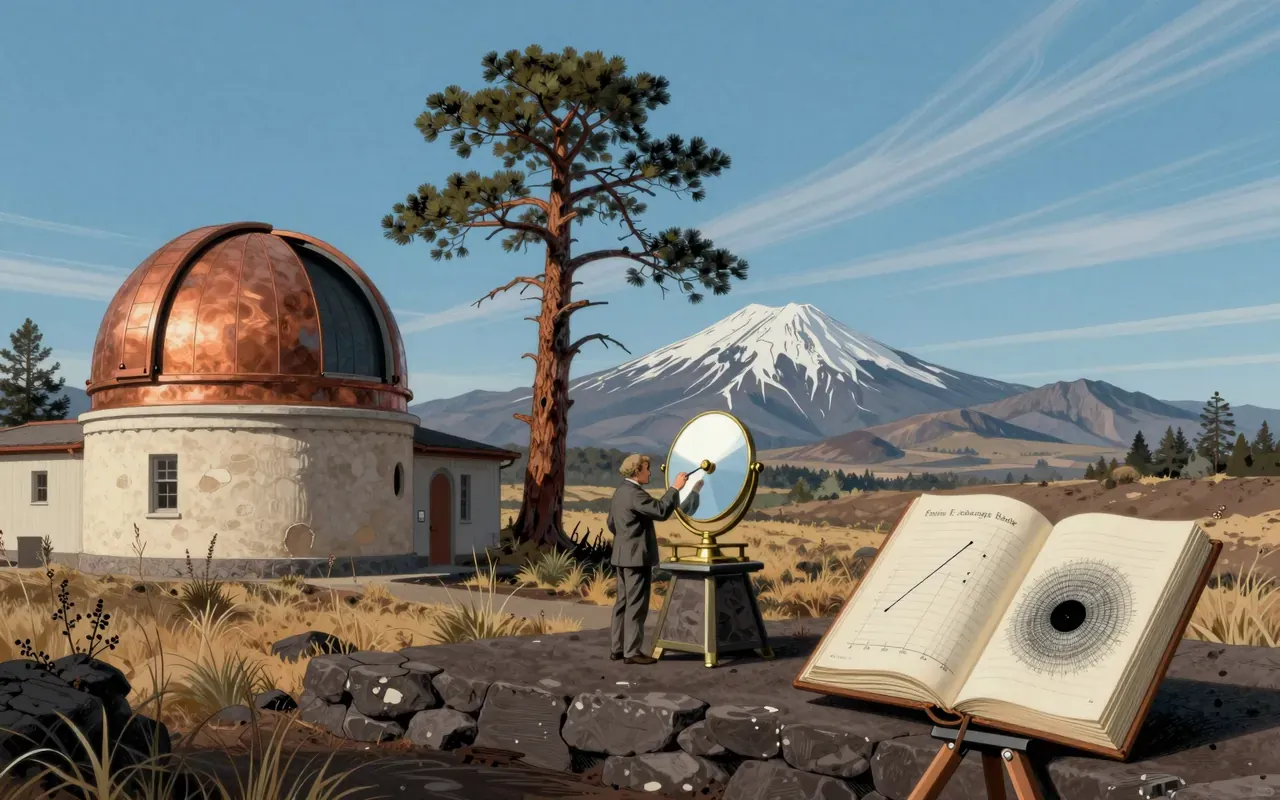
Dendrochronology

A single wooden beam found in Arizona in 1929 closed a gap between two separate tree-ring records and gave archaeologists a continuous calendar reaching back to the year 700, which this brief follows from an astronomer's sunspot obsession to modern art forgery detection.
13:00

Focal mechanism

A single earthquake can be read as a diagram that looks like a beach ball. Which quadrants come out shaded tells you whether a fault pulled apart, pushed together or slid sideways — and that reading once settled a live argument about seafloor spreading.
13:00

Earth's circumference

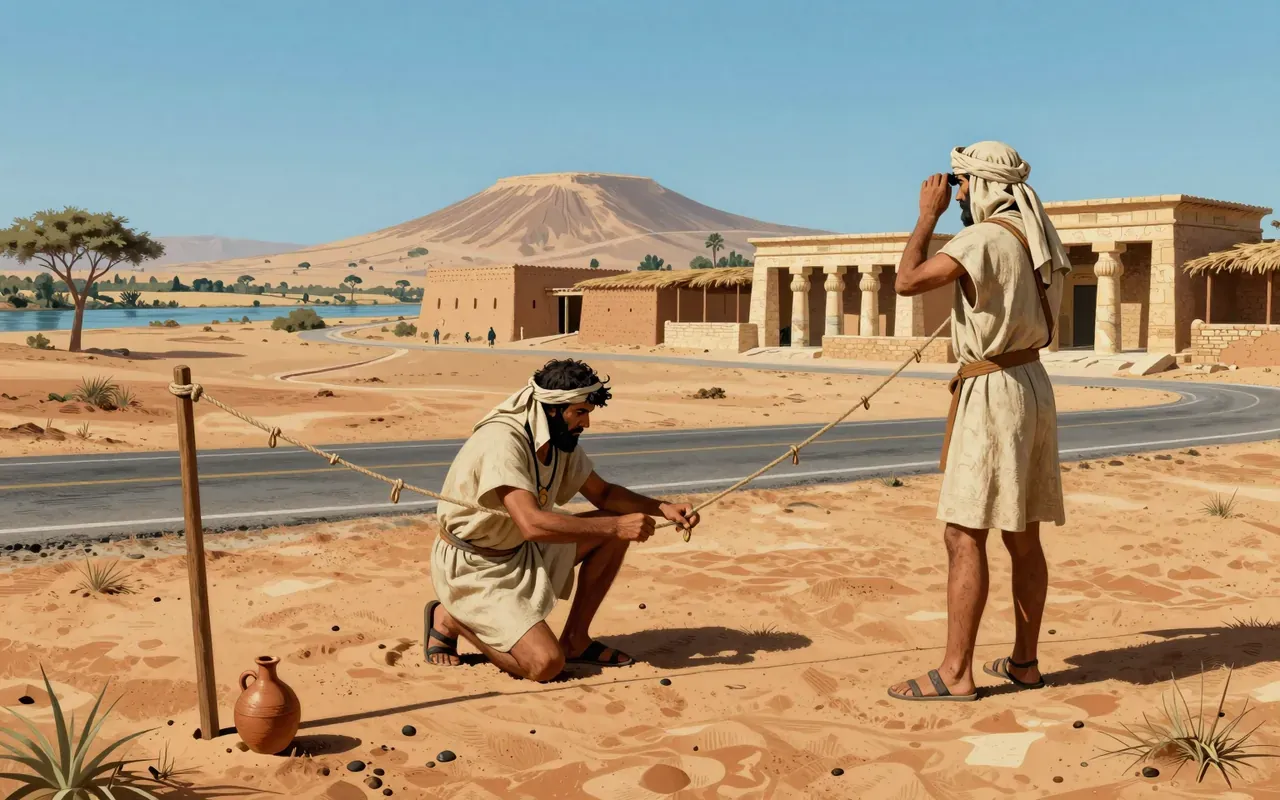
Around 240 BC a librarian in Alexandria compared a shadowless well in one city to a measurable shadow in another and worked out the size of the whole planet, though nobody today can say exactly how close he got, because his unit of measurement no longer has one agreed length.
10:14

Eunice Newton Foote

The first person to experimentally prove CO2 heats more than air under sunlight was a woman in 1856 — and her apparatus was simpler than your kitchen thermometer.
9:58

Georges Cuvier

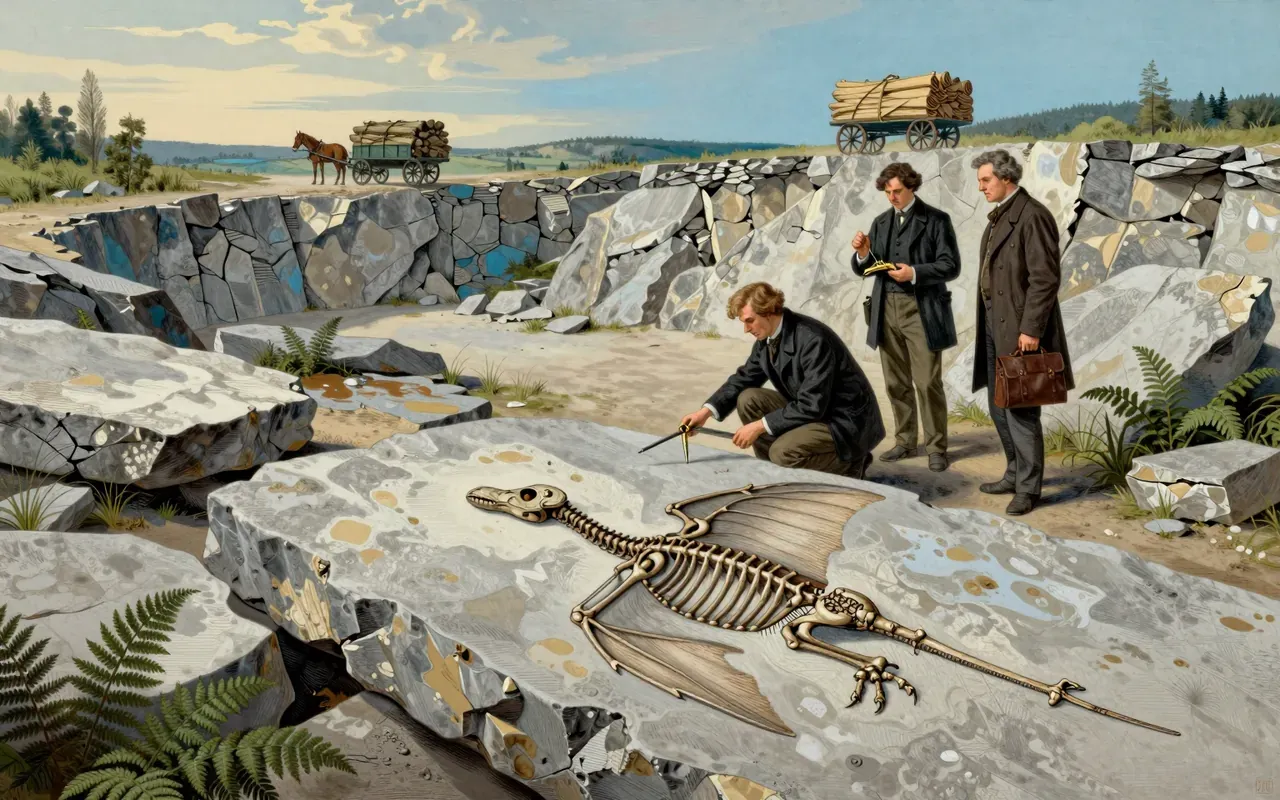
Cuvier didn’t just name extinct beasts — he proved life could vanish, and made Earth’s history a story of catastrophe, not continuity.
13:00

Milankovitch cycles

Milutin Milanković worked out how slow wobbles and stretches in Earth's orbit change sunlight at high latitudes, and ice cores confirm the pattern, but the dominant cycle length still does not match his prediction.
13:00

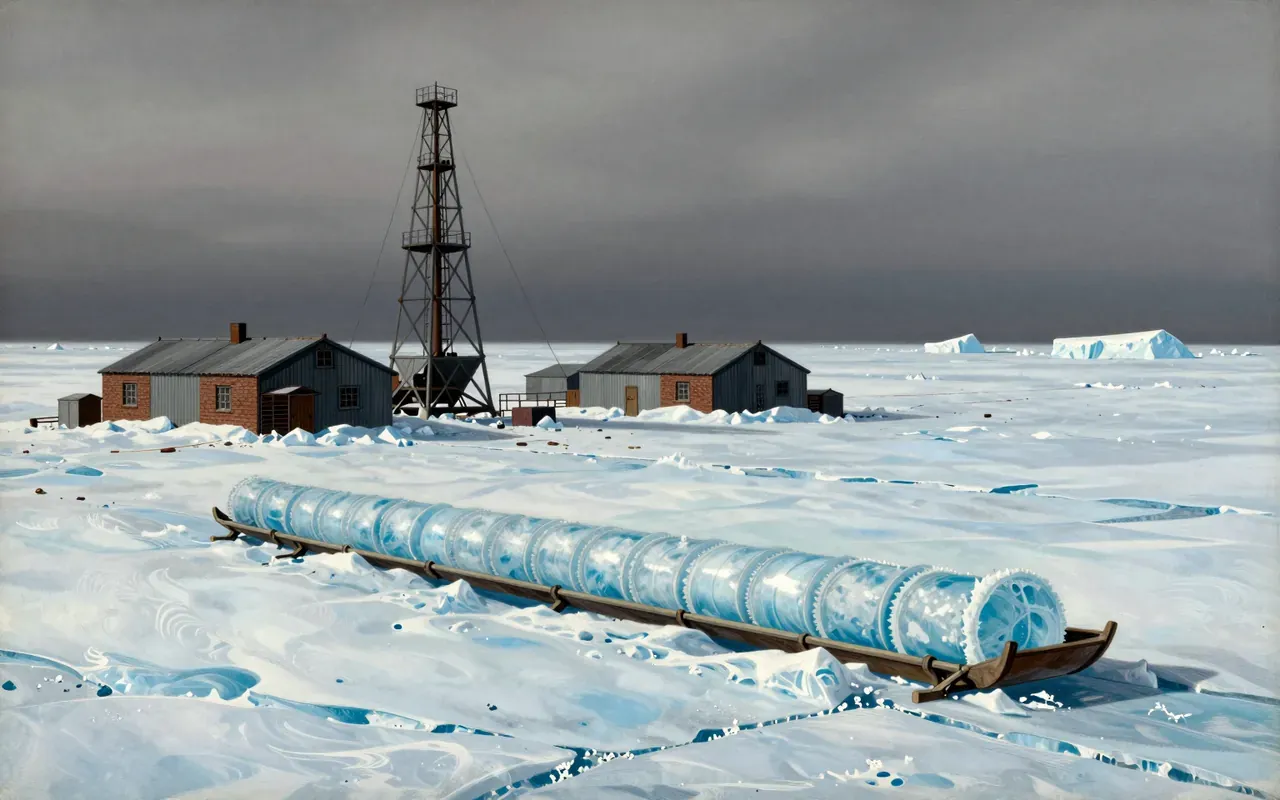
Ice core

Ice drilled from Antarctica now reaches back 2.7 million years, and the air bubbles trapped inside it are treated as a direct sample of ancient atmosphere, which this brief follows alongside the other proxies paleoclimatology relies on where ice cannot reach.
10:18

John Tyndall

Tyndall didn’t discover climate change — he discovered why the atmosphere holds heat at all.
13:00

Magnetostratigraphy

Rock cooling or settling locks in a record of which way Earth's magnetic field pointed at that moment, and stacking those records into black-and-white bands helped confirm seafloor spreading, which this brief follows into the reversals themselves.
13:00

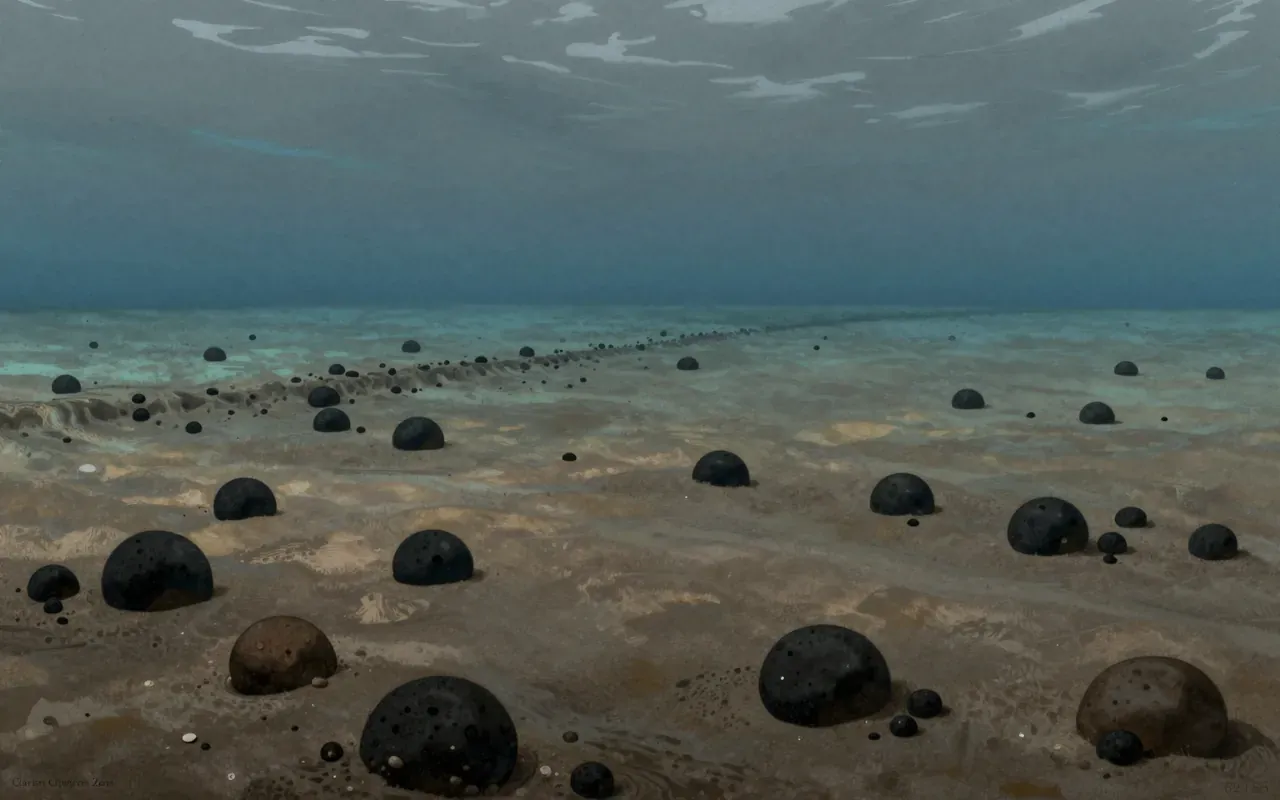
Manganese nodule

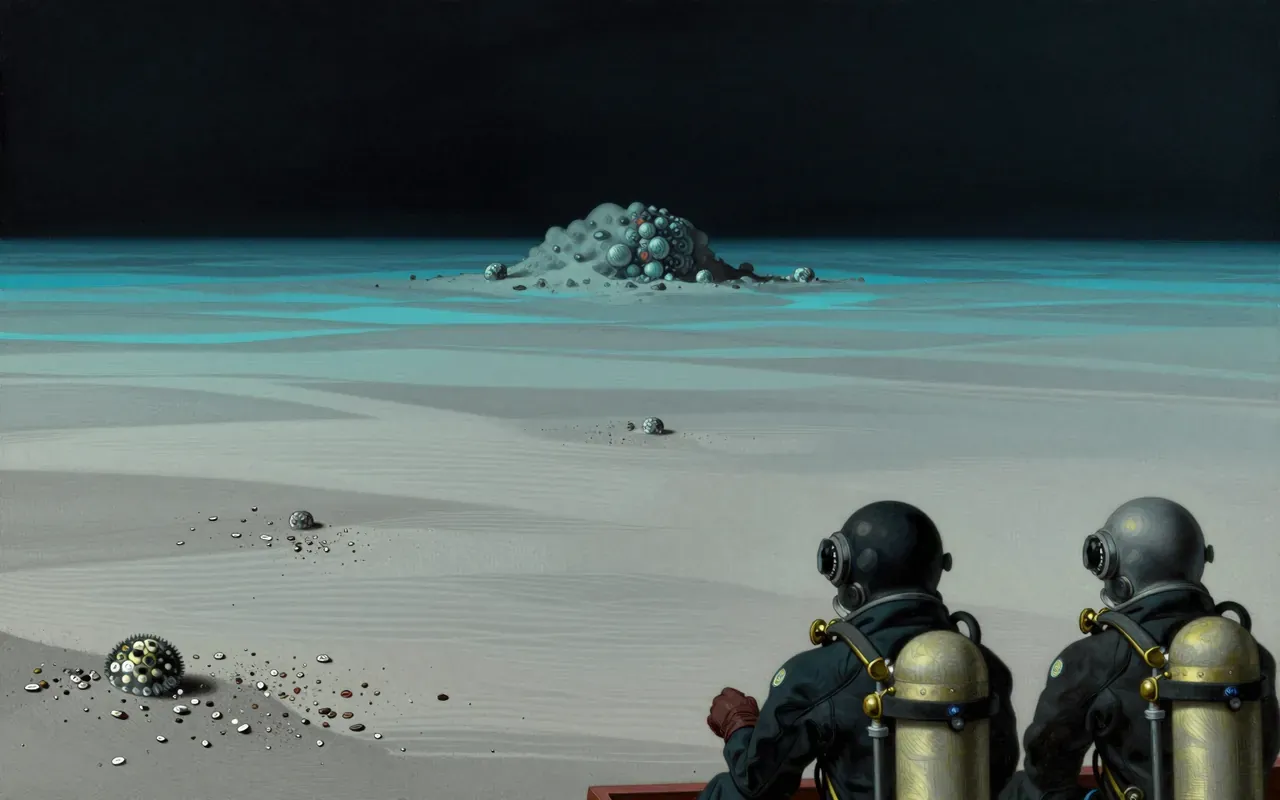
Potato-sized rocks that took millions of years to grow a few millimetres now sit at the centre of a mining industry racing ahead of ecosystem studies that find recovery incomplete even after 26 years.
10:33

Mario Molina

A postdoc and a chemist proved your fridge coolant was eating the sky — and changed how the world governs chemistry.
9:21

Mary Anning

She didn’t theorise deep time — she dug it up, dissected it, and named its waste.
13:00

Ocean acidification

Roughly a third of the carbon dioxide humans have put into the air over 270 years has dissolved into the ocean, and surface seawater pH has already dropped further than at any point in at least 26,000 years.
13:00

Thermohaline circulation

Sinking cold, salty water near Iceland and Antarctica drives a global circulation that keeps Europe warmer than its latitude suggests, and the IPCC now says it is very likely to weaken further this century.
13:00

Ozone depletion

A single chlorine atom released from a refrigerant molecule can wreck roughly one hundred thousand ozone molecules before it is finally removed from the cycle, and this brief follows that chemistry from a 1985 Antarctic discovery to a treaty now credited with actual recovery.
13:00

Seafloor spreading

A Canadian geologist worked out the same explanation as two Cambridge researchers in 1963, but his paper was rejected twice, and the idea now carries only their names in its title.
13:00

Seismic wave

Nobody has ever drilled to the centre of the Earth. What we know of its core comes from timing how earthquake waves bend, vanish and reappear on the far side of the planet — a method Richard Dixon Oldham first made work.
13:00

Soil microbiology

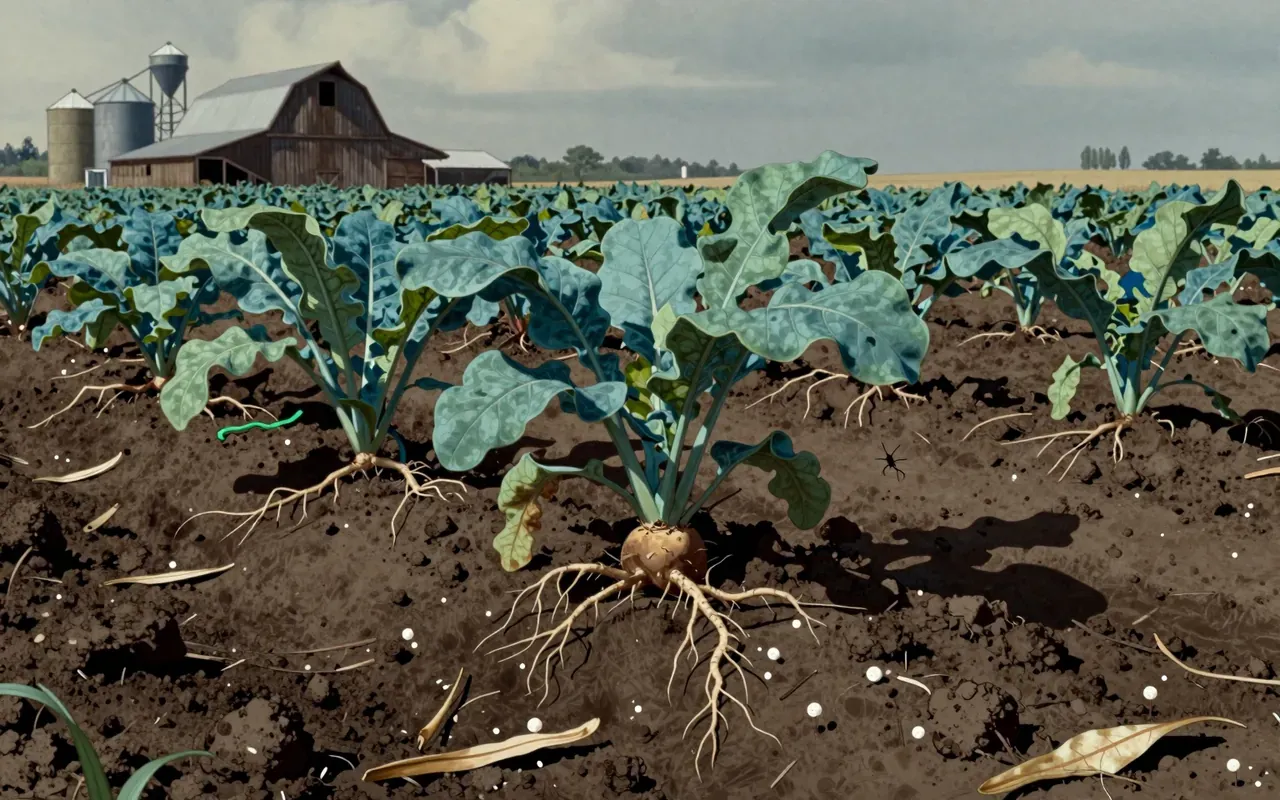
A gram of soil around a plant's roots can hold up to ten billion bacteria, and this brief follows what they do for nitrogen, the nutrient plants run short of most, alongside the industrial process that now supplies nearly a third of it artificially.
13:00

Anthropocene

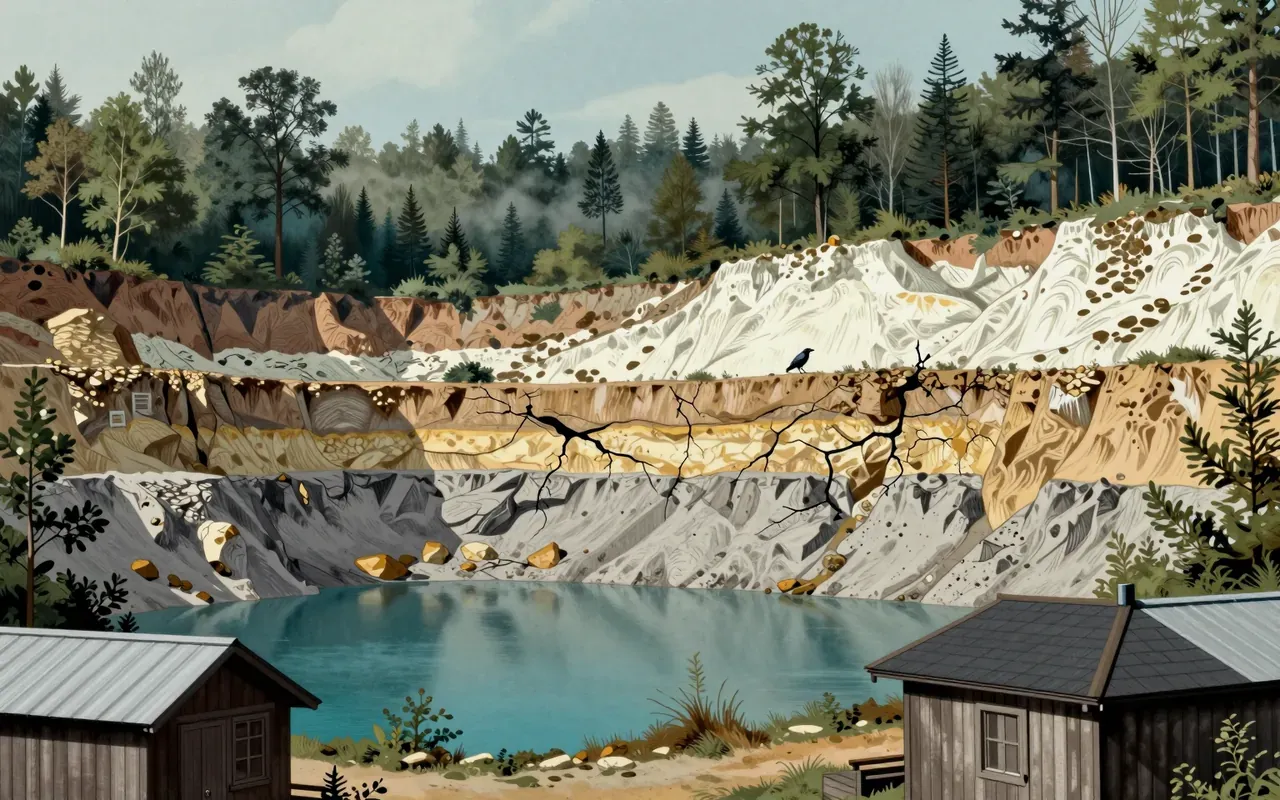
Geologists spent fifteen years deciding whether human impact deserves its own named epoch, and in 2024 formally said no, even as the biodiversity losses the term describes continue to be measured and debated.
13:00

Alvarez hypothesis

The Alvarez team's 1980 iridium anomaly predicted a hidden asteroid crater, confirmed a decade later at Chicxulub, turning the dinosaurs' extinction from vague speculation into a dated, physically evidenced event.
10:38

Barometer

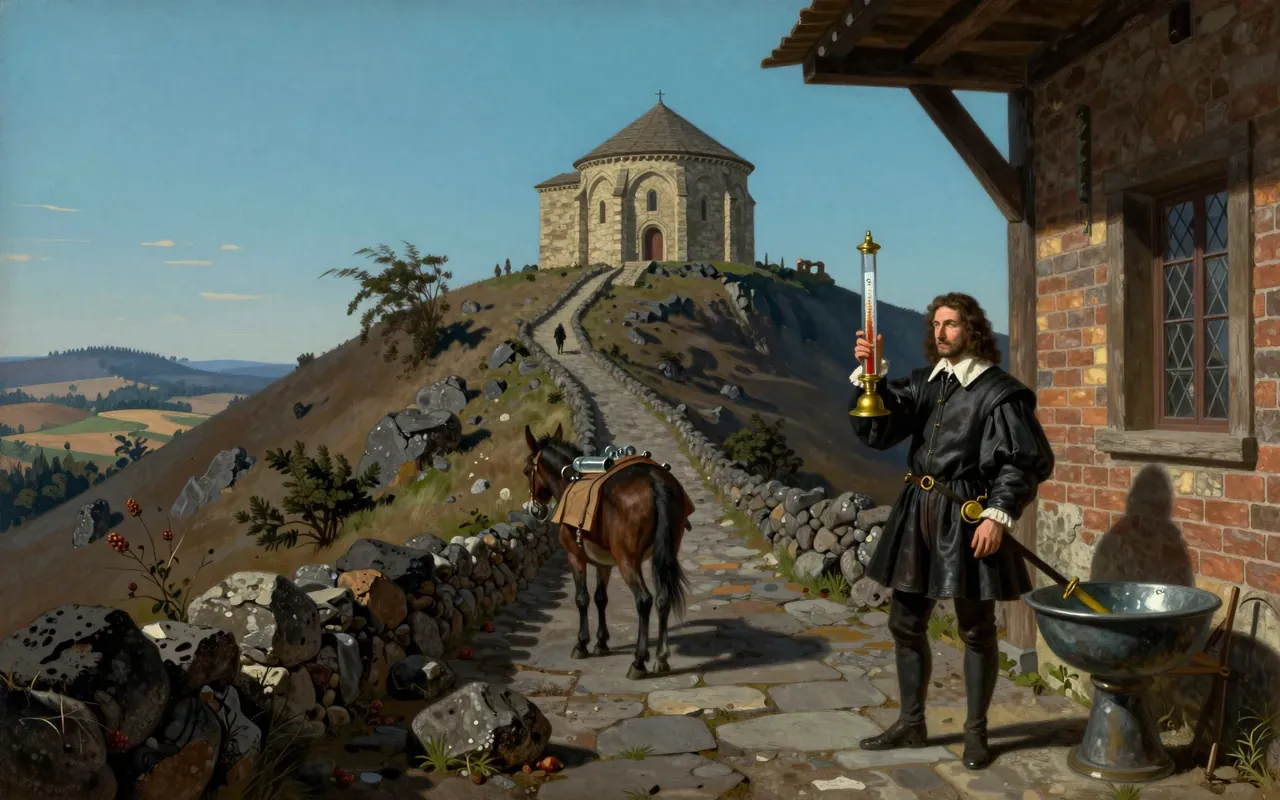
Torricelli didn’t discover air pressure—he killed the idea that nature abhors a vacuum.
9:13

Burgess Shale

The Burgess Shale doesn’t prove an ‘explosion’ — it’s the only place where we can see what exploded.
13:00

Challenger Deep

The Trieste's 1960 dive to the Challenger Deep proved crewed vessels could survive Earth's deepest ocean point, though its famous fish sighting there is no longer considered valid by later authorities.
12:03

1883 eruption of Krakatoa

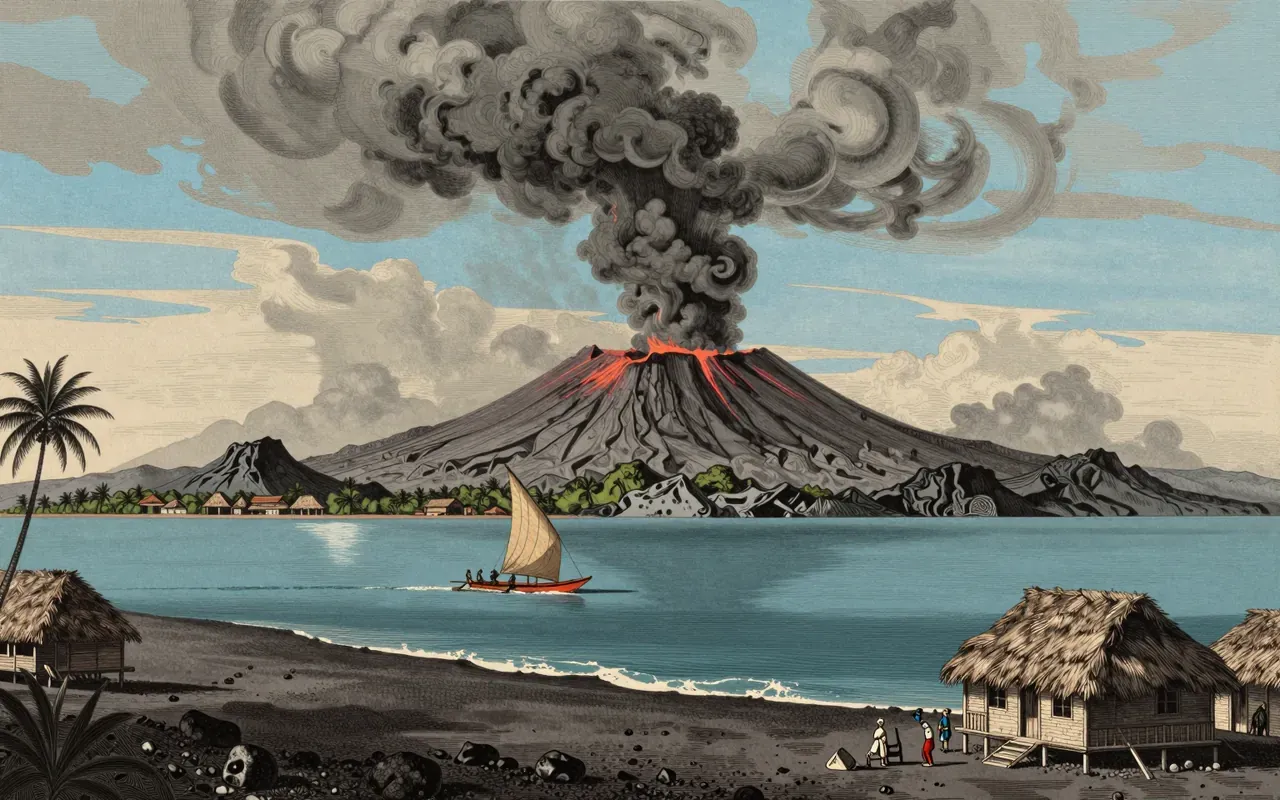
Krakatoa didn’t just boom — it turned the atmosphere into a resonant chamber and a reflective shield, with numbers we still use to test climate physics.
13:00

Numerical weather prediction

Richardson's 1922 hand-calculated weather forecast was correct in method but wildly wrong in result, and it took until a 1950 computer at ENIAC to finally calculate weather faster than the weather itself changed.
9:46

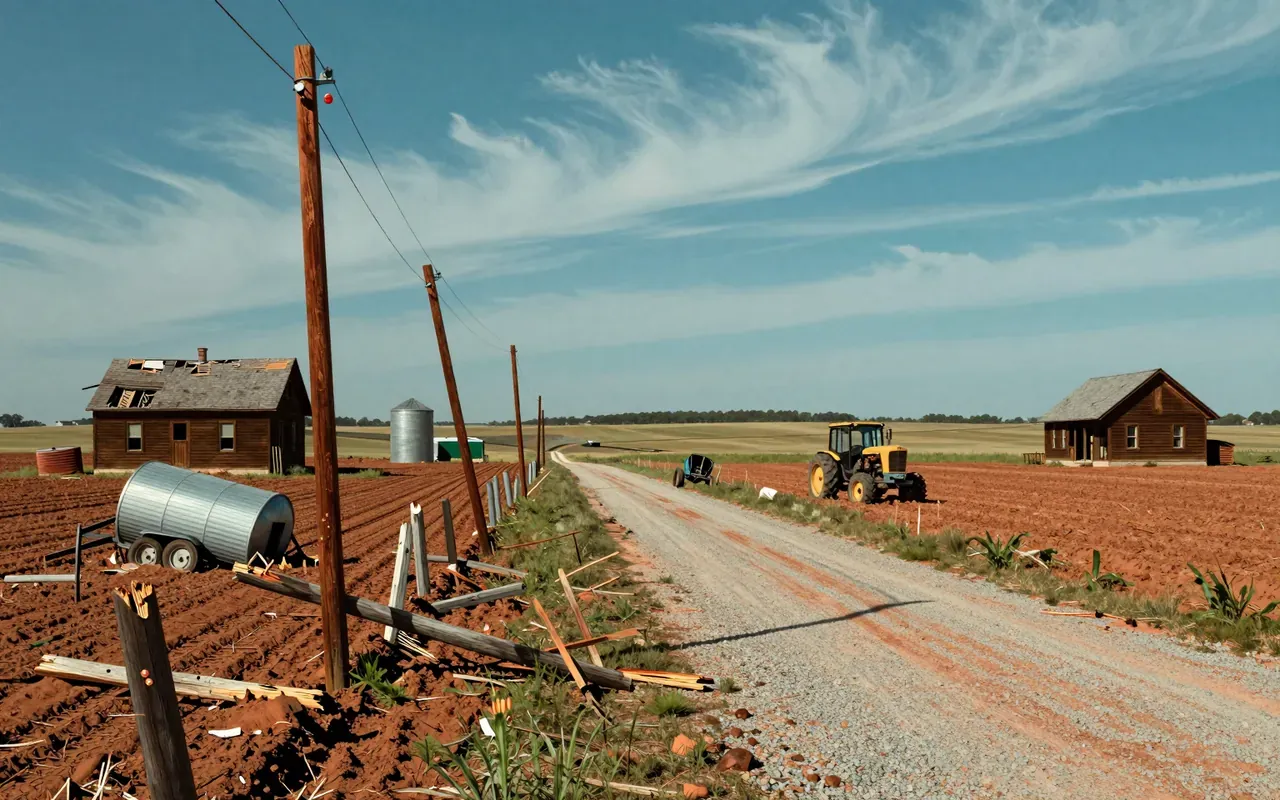
Fujita scale

Fujita

The Fujita scale is a damage-based tornado classification system introduced in 1971. It is not a wind-speed measurement tool. Its F0–F5 categories remain operationally useful. Its theoretical F6–F12 levels were never used. Its wind-speed estimates were unverified and later shown to be inflated.
9:30

Great Pacific Garbage Patch

Charles Moore · 1980

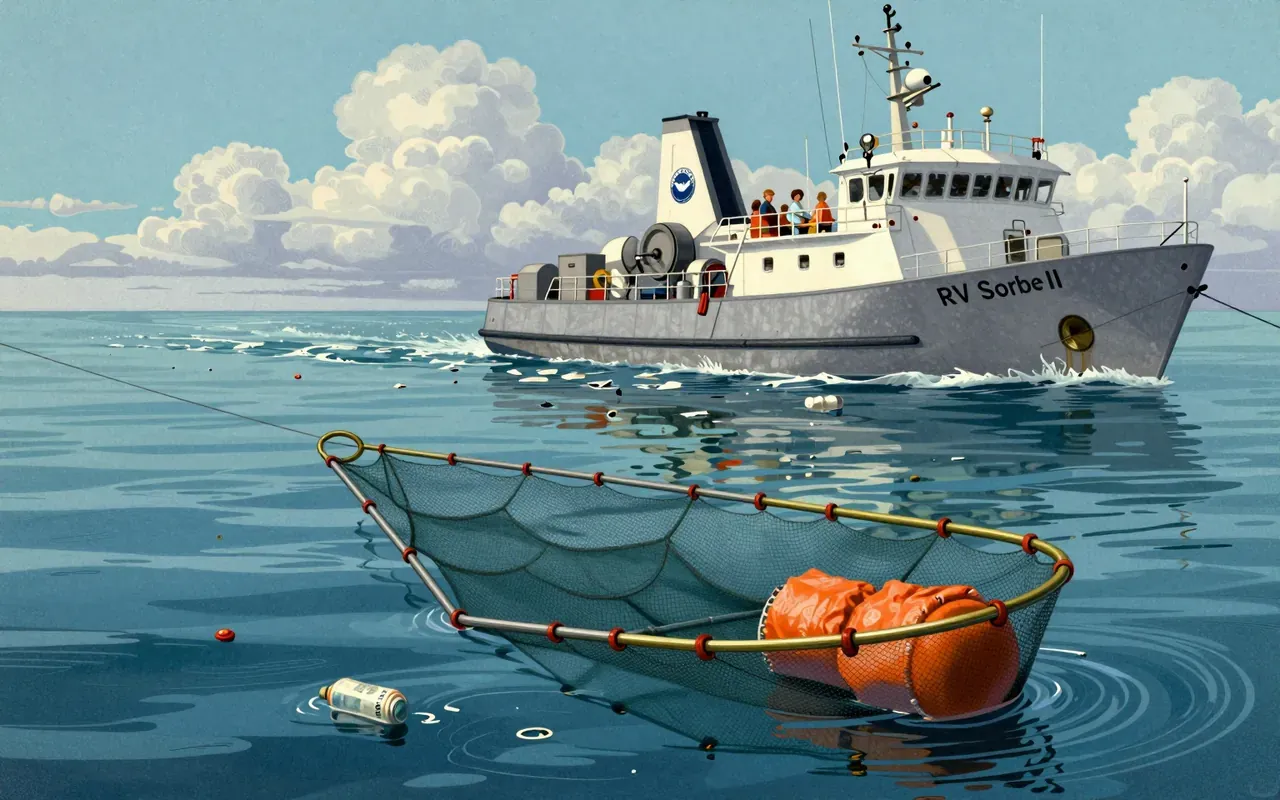
Moore’s 1997 observation was vivid and consequential — but not novel in evidence. The 1988 NOAA paper delivered the first empirical basis. The gap between public attribution and scientific priority is the real story.
11:43

Keeling Curve

Charles Keeling

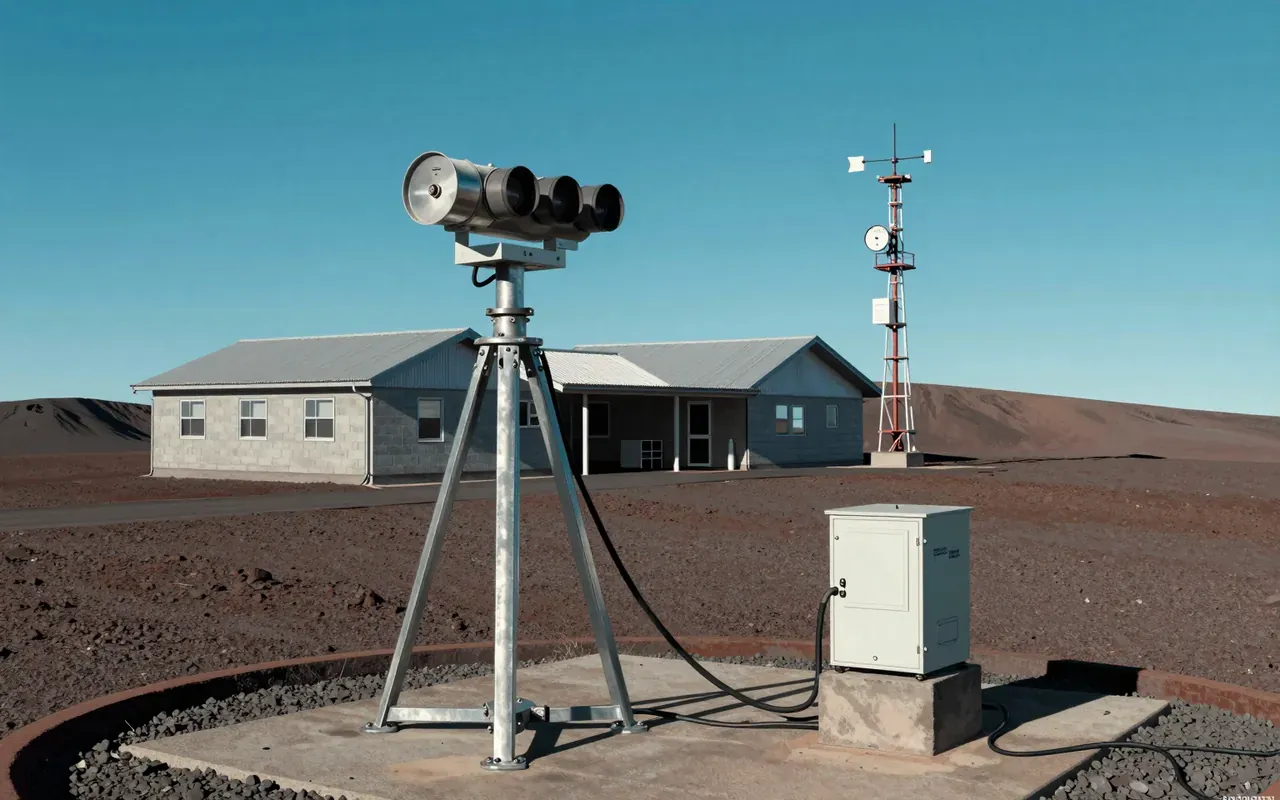
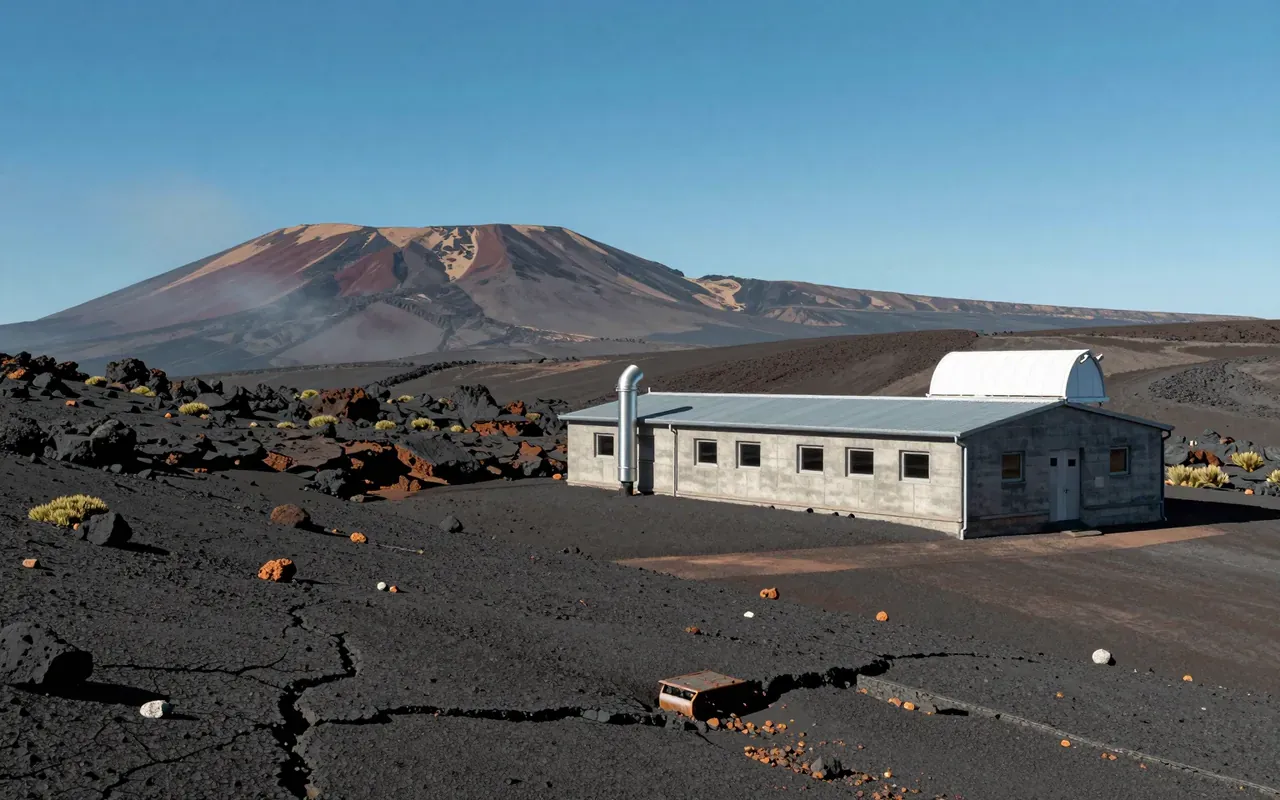
The Keeling Curve is the first continuous, calibrated record of atmospheric CO₂. It shows a seasonal cycle and a monotonic rise — from 313 ppm in 1958 to 406 ppm in 2018. Its strength lies in methodological rigour: remote site selection, contamination control, and instrumental precision. It does not prove causation, but establishes an unambiguous trend correlated with fossil fuel use. It remains the gold standard for atmospheric CO₂ monitoring.
13:00

Mid-ocean ridge

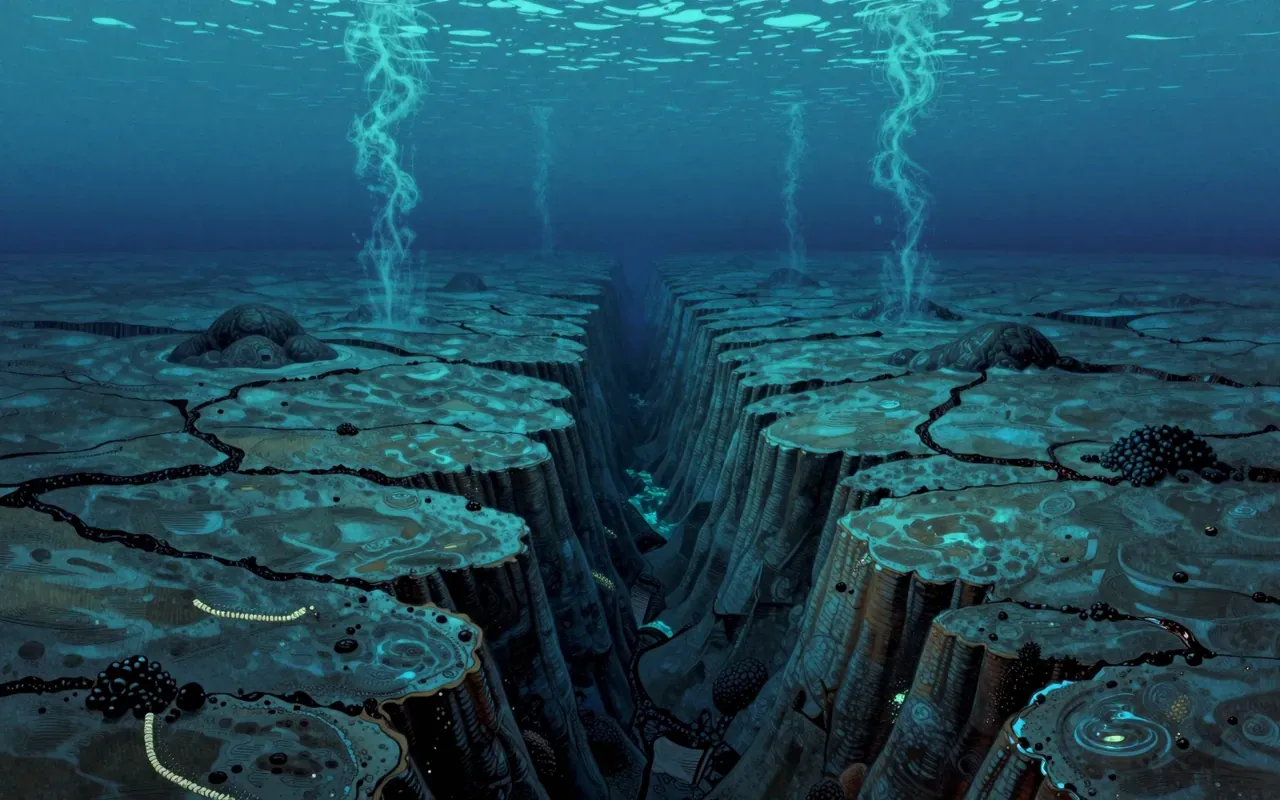
Marie Tharp saw a valley running down the centre of a seafloor mountain range in her own sounding data, and her research partner initially dismissed it as girl talk because it supported a theory the field had already rejected.
10:53

Richter scale

Richter

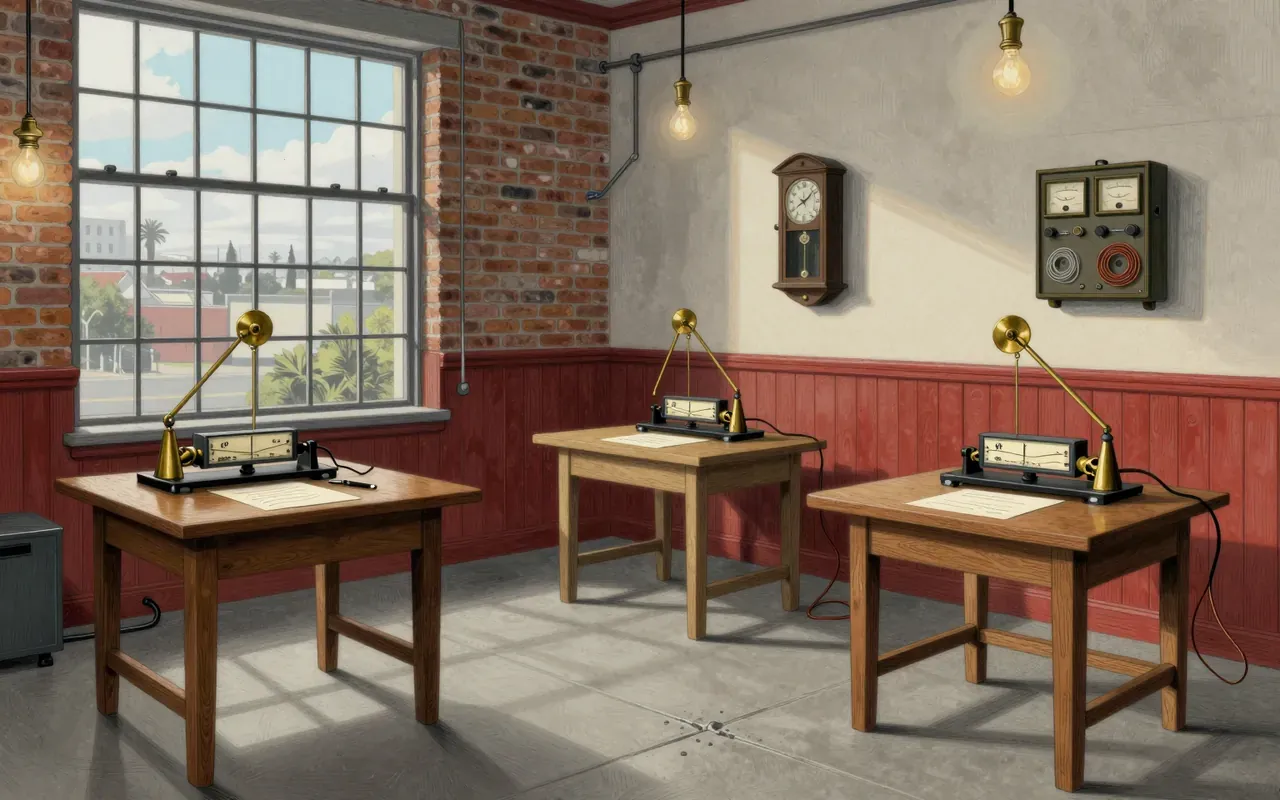
The Richter scale is a local, instrument-specific amplitude scale — not a universal measure of earthquake size. Its rigour lies in its narrow definition, not its breadth.


13:00

Elastic-rebound theory

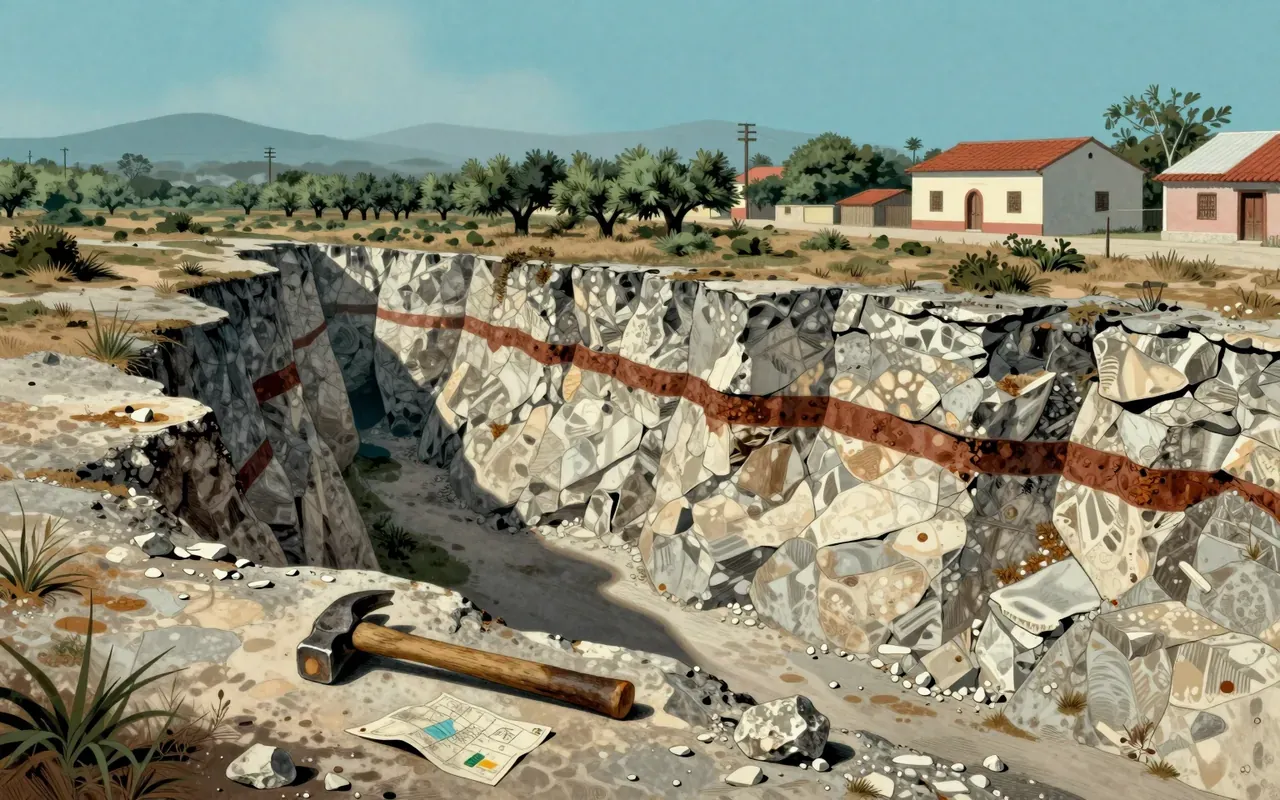
After the 1906 San Francisco earthquake, geologist Harry Fielding Reid measured decades of ground bending along the San Andreas Fault and proposed that faults store strain quietly for years before snapping back all at once.
13:00

Seismometer

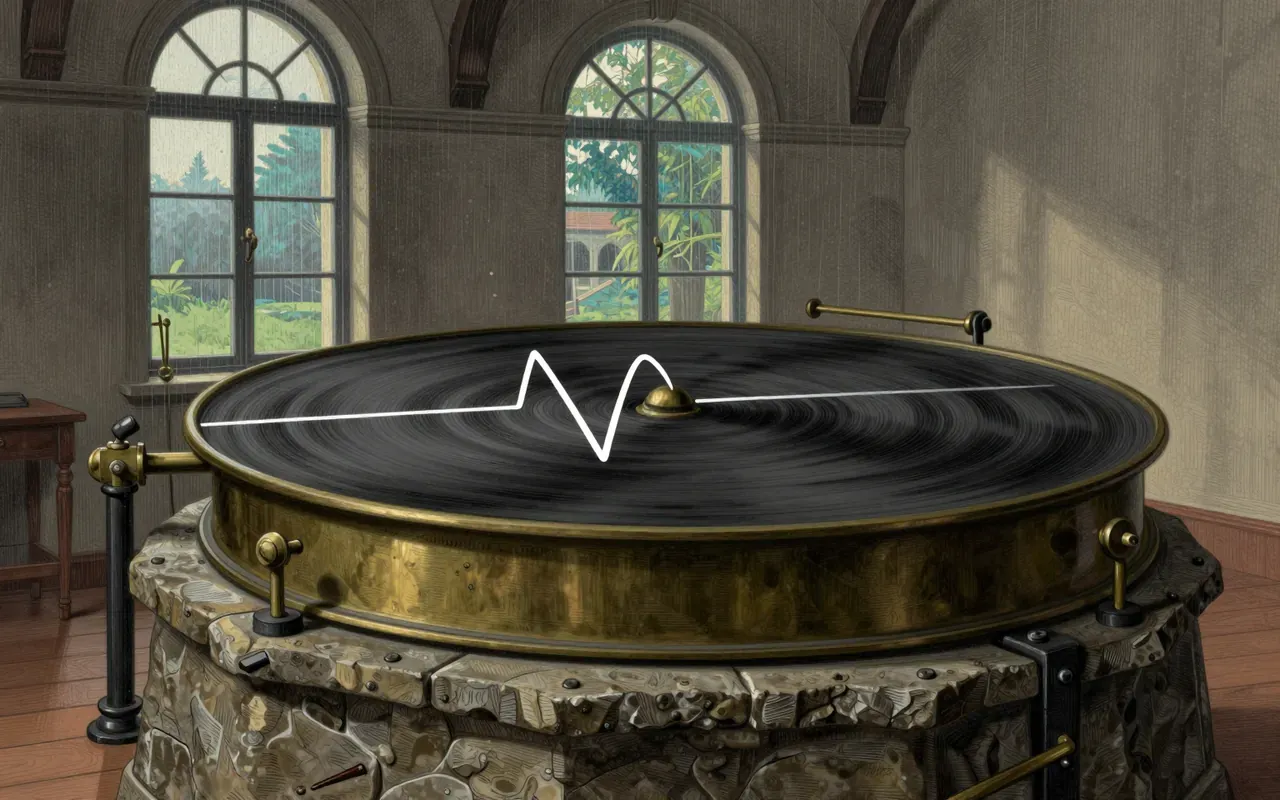
A bronze vessel ringed with dragons detected a Chinese earthquake in AD 143 that nobody nearby had felt, and it took well over a thousand years before any instrument matched what it had already managed to do.
13:00

Younger Dryas

The Younger Dryas plunged the Northern Hemisphere back into cold within decades, and while most researchers link it to a slowdown in Atlantic ocean circulation, a rival comet-impact idea has been examined and largely rejected.
13:00

Tsunami

Tsunamis begin when a megathrust earthquake abruptly lifts or drops a stretch of seafloor, and the resulting wave stays almost invisible in the open ocean before growing dangerous as it reaches shallow water.
13:00

Uniformitarianism

James Hutton and Charles Lyell argued that the slow processes shaping the Earth today have always operated the same way, and reading that logic backward is what first showed the planet had to be far older than tradition allowed.
9:49

Vladimir Vernadsky

Life isn’t just on Earth — it *is* Earth’s geology, and minds are its next stratum.
13:00

Volcanic winter

Sulphate haze from Tambora's 1815 eruption cooled the world enough to freeze crops in New England, and that one well-documented winter anchors the theory of how big eruptions chill the planet.
13:00

Continental drift

Wegener's 1912 evidence for drifting continents was sound, but geologists rightly rejected it for lacking a mechanism, until seafloor spreading and magnetic striping supplied one roughly fifty years later.
10:35

William Buckland

He proved hyaenas once ruled Yorkshire caves—but still buried them under Noah’s flood.