sciencebriefs
Topic

Climate change

Physics that became politics, on a schedule nobody set.
20
in science
11:49
average
236 min
in total
107
across the network
Climate change across the network →
All briefs20
10:10

Renewable energy

Renewables aren’t a discovery — they’re a scaling target with a definition, not a breakthrough.
10:47

Carl Sagan

Sagan didn’t predict Venus’s heat — he measured it with radio waves, and proved the greenhouse effect wasn’t just earthly.
13:00

Coral bleaching

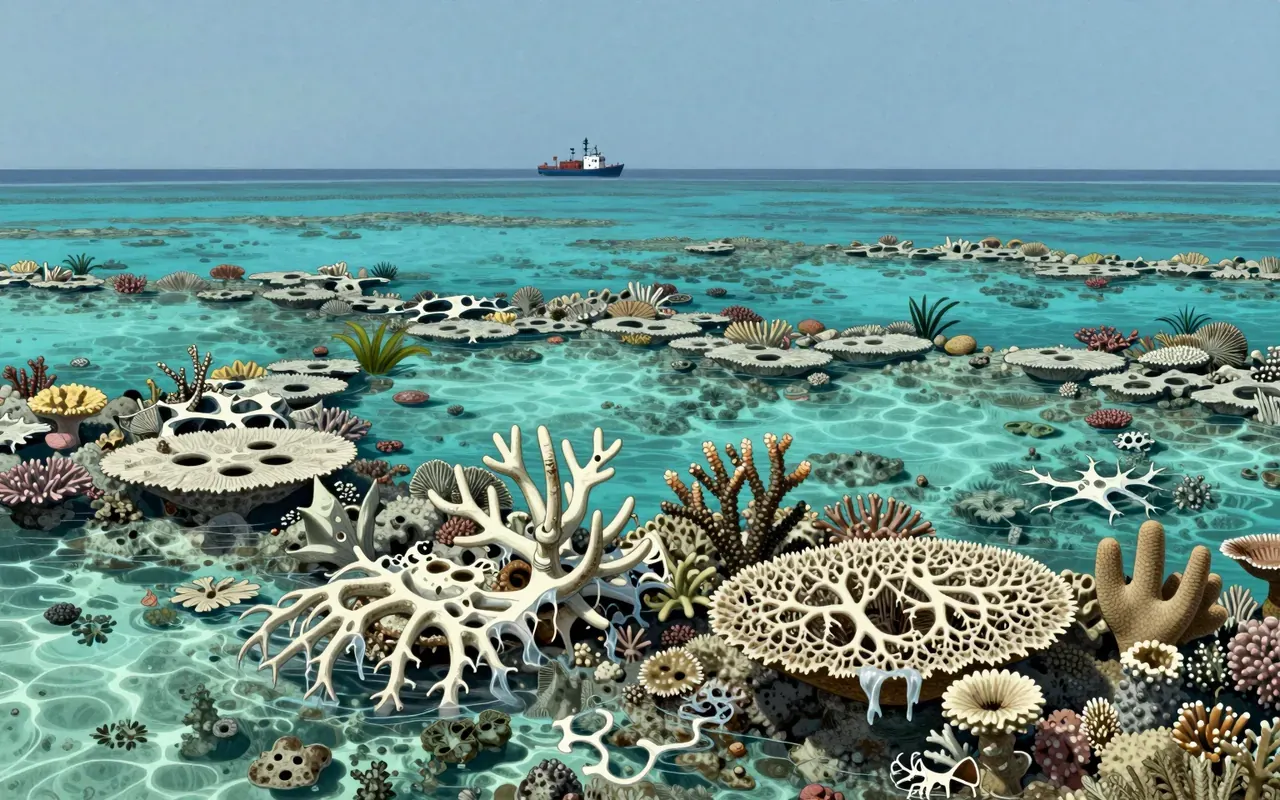
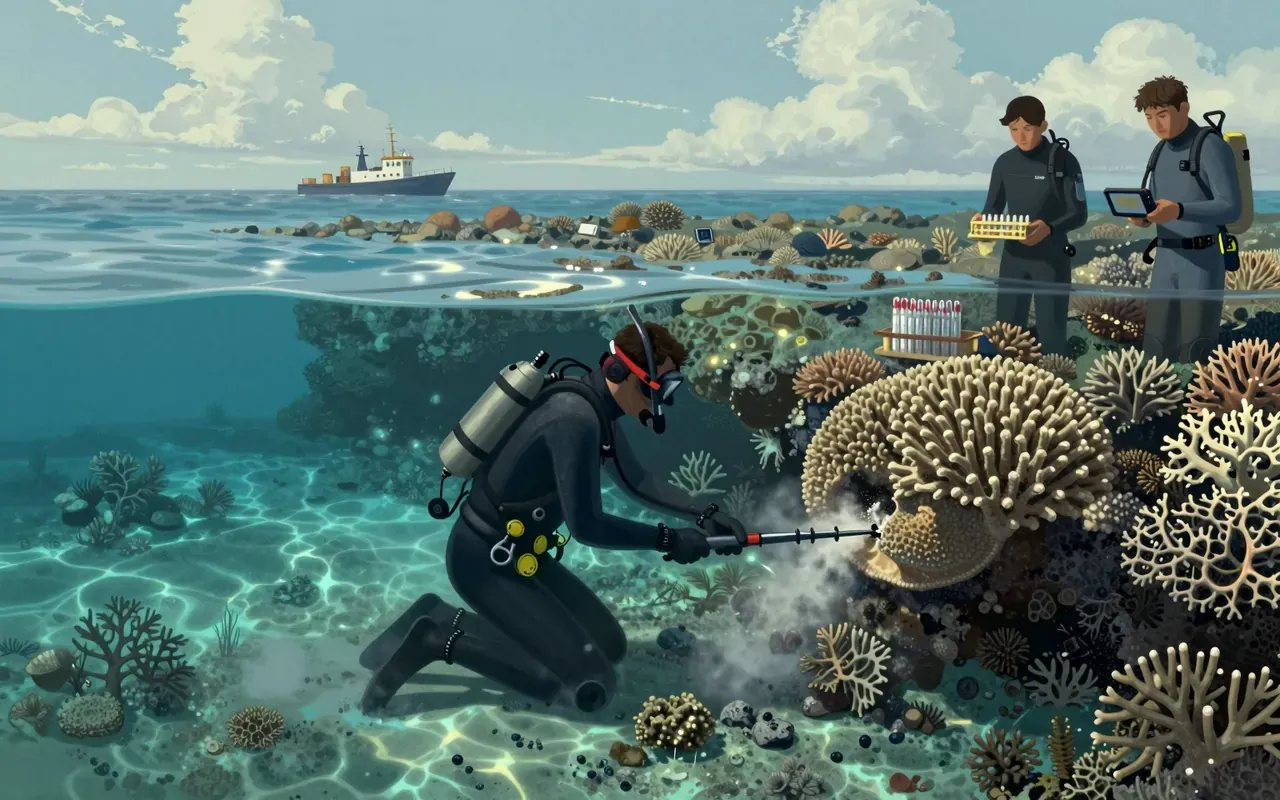
Ove Hoegh-Guldberg predicted in 1999 that most corals would not survive this century, a forecast many dismissed at the time and that recent Great Barrier Reef surveys now appear to be confirming.
10:14

Eunice Newton Foote

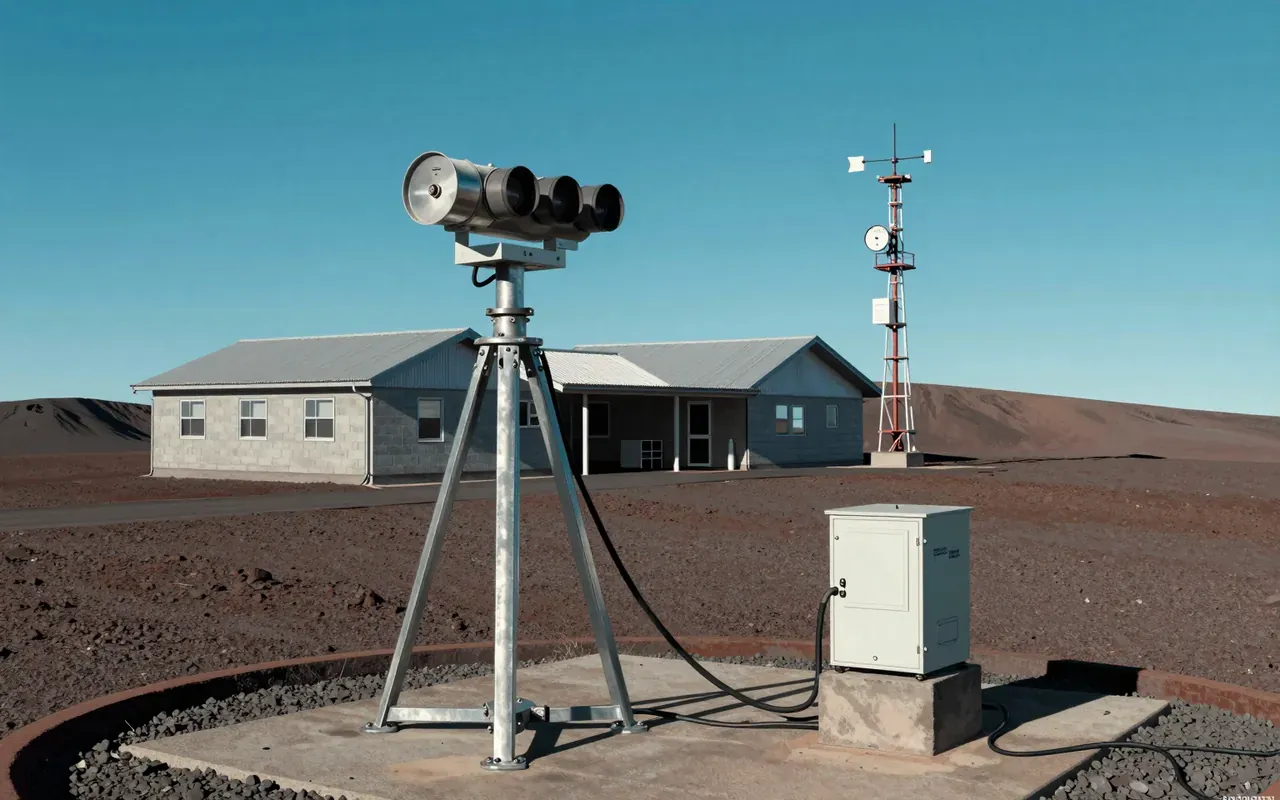
The first person to experimentally prove CO2 heats more than air under sunlight was a woman in 1856 — and her apparatus was simpler than your kitchen thermometer.
13:00

Milankovitch cycles

Milutin Milanković worked out how slow wobbles and stretches in Earth's orbit change sunlight at high latitudes, and ice cores confirm the pattern, but the dominant cycle length still does not match his prediction.
13:00

Ice core

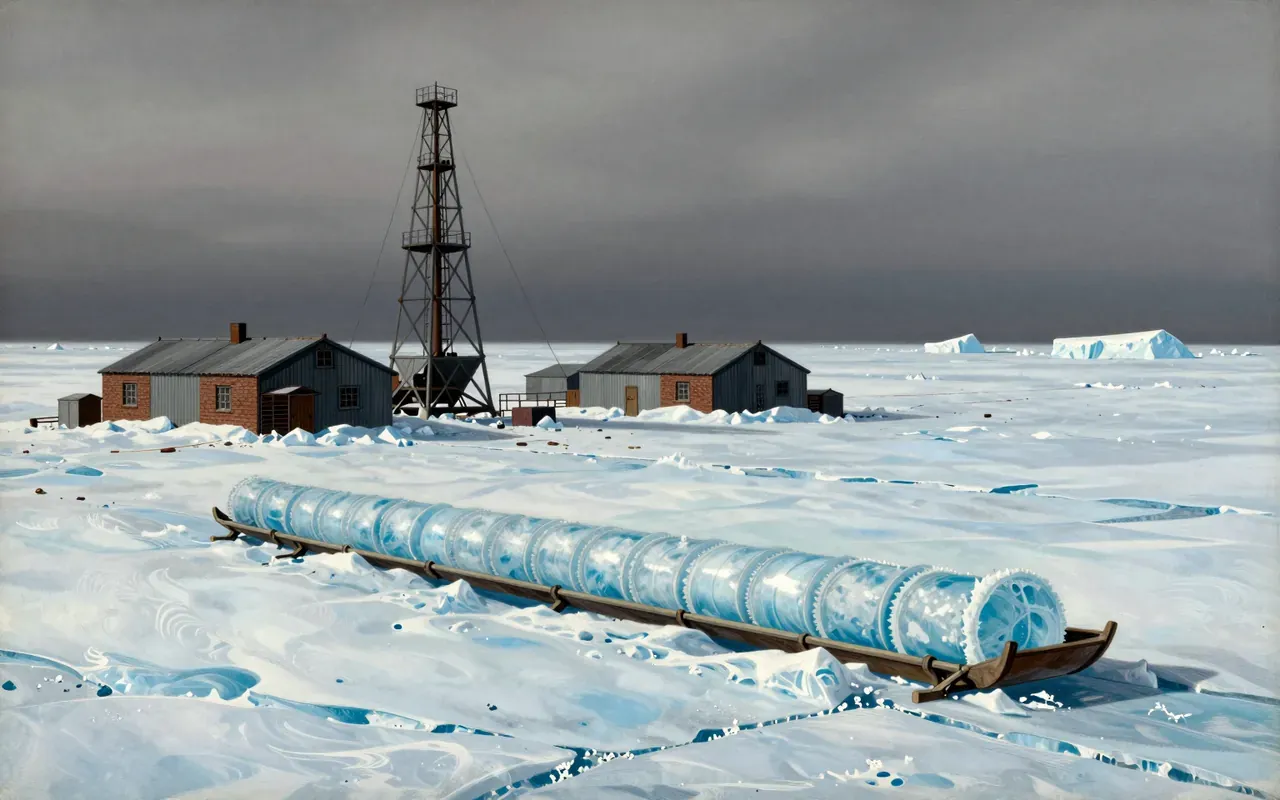
Ice drilled from Antarctica now reaches back 2.7 million years, and the air bubbles trapped inside it are treated as a direct sample of ancient atmosphere, which this brief follows alongside the other proxies paleoclimatology relies on where ice cannot reach.
10:31

James Lovelock

A gas detector built for Mars revealed Earth’s pollution — and mistook it for safety.
10:18

John Tyndall

Tyndall didn’t discover climate change — he discovered why the atmosphere holds heat at all.
10:33

Mario Molina

A postdoc and a chemist proved your fridge coolant was eating the sky — and changed how the world governs chemistry.
13:00

Ocean acidification

Roughly a third of the carbon dioxide humans have put into the air over 270 years has dissolved into the ocean, and surface seawater pH has already dropped further than at any point in at least 26,000 years.
13:00

Thermohaline circulation

Sinking cold, salty water near Iceland and Antarctica drives a global circulation that keeps Europe warmer than its latitude suggests, and the IPCC now says it is very likely to weaken further this century.
13:00

Ozone depletion

A single chlorine atom released from a refrigerant molecule can wreck roughly one hundred thousand ozone molecules before it is finally removed from the cycle, and this brief follows that chemistry from a 1985 Antarctic discovery to a treaty now credited with actual recovery.
13:00

Soil microbiology

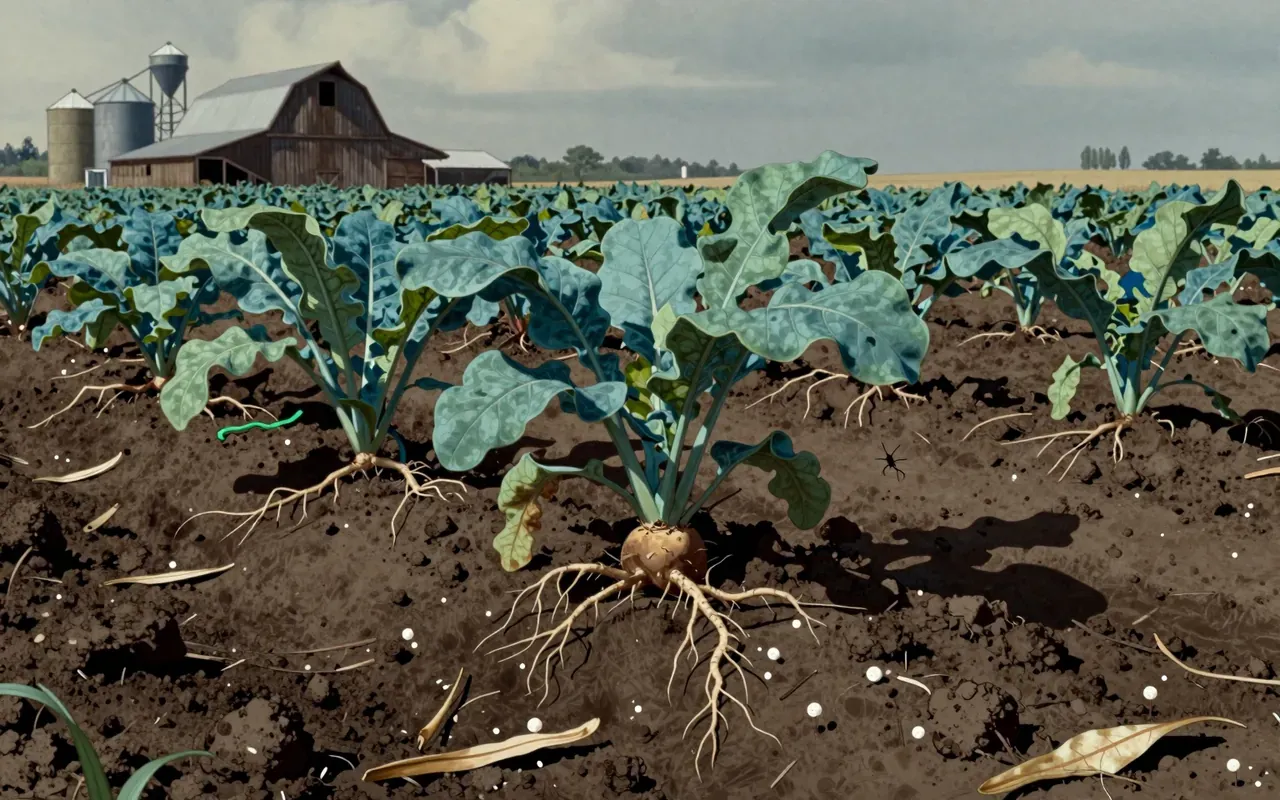
A gram of soil around a plant's roots can hold up to ten billion bacteria, and this brief follows what they do for nitrogen, the nutrient plants run short of most, alongside the industrial process that now supplies nearly a third of it artificially.
13:00

Anthropocene

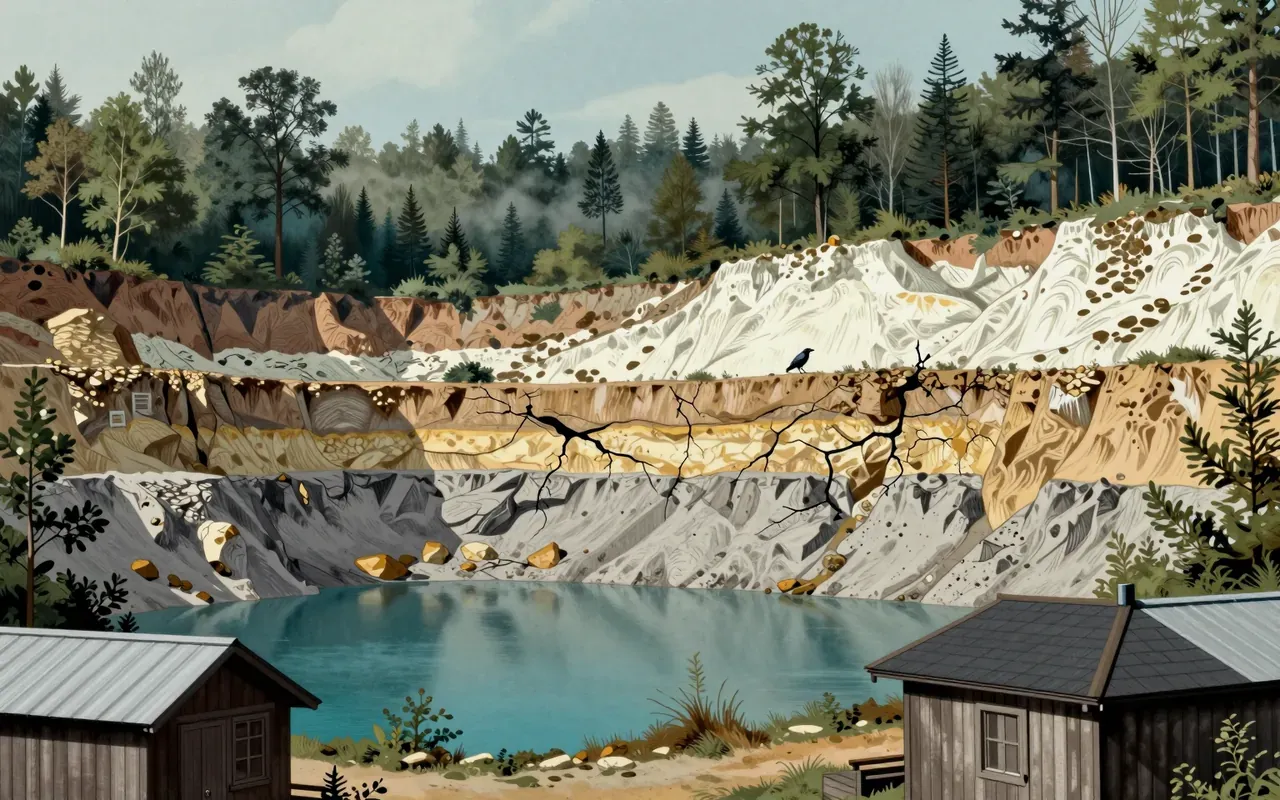
Geologists spent fifteen years deciding whether human impact deserves its own named epoch, and in 2024 formally said no, even as the biodiversity losses the term describes continue to be measured and debated.
12:03

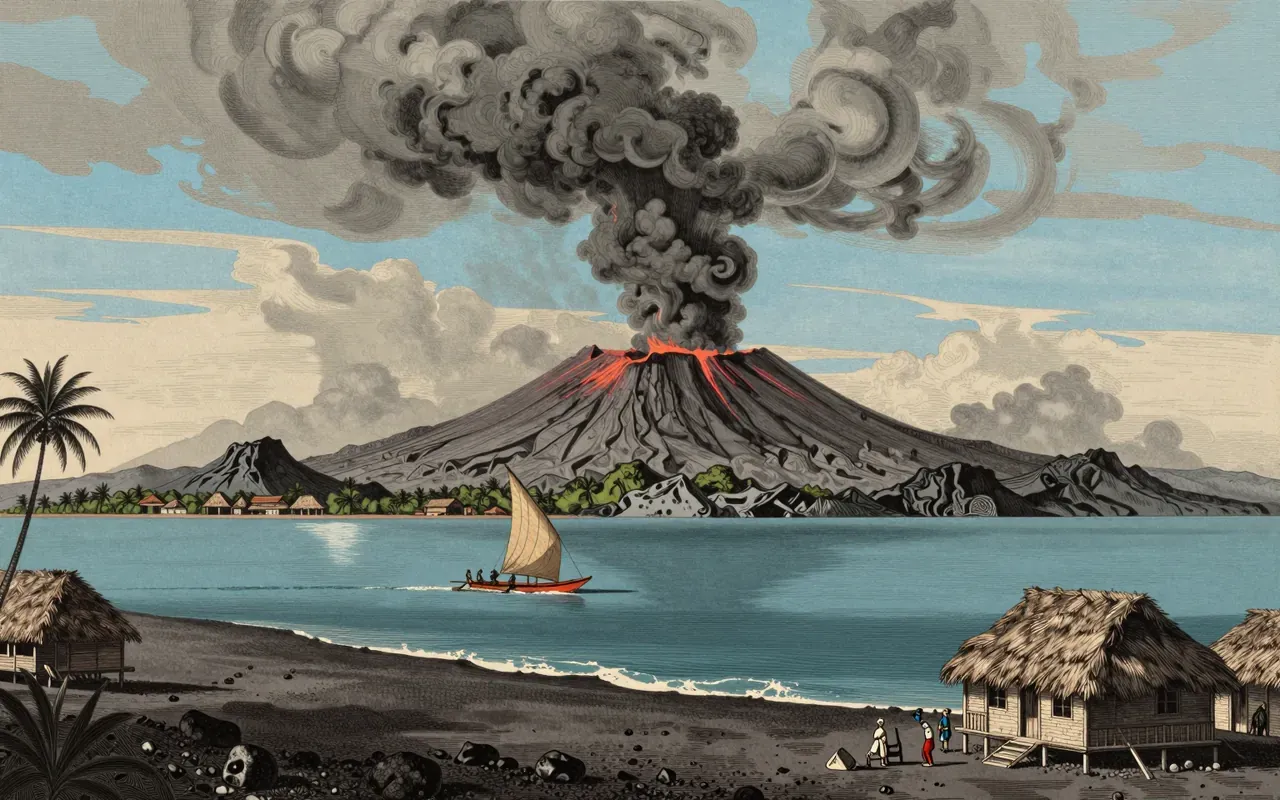
1883 eruption of Krakatoa

Krakatoa didn’t just boom — it turned the atmosphere into a resonant chamber and a reflective shield, with numbers we still use to test climate physics.
9:30

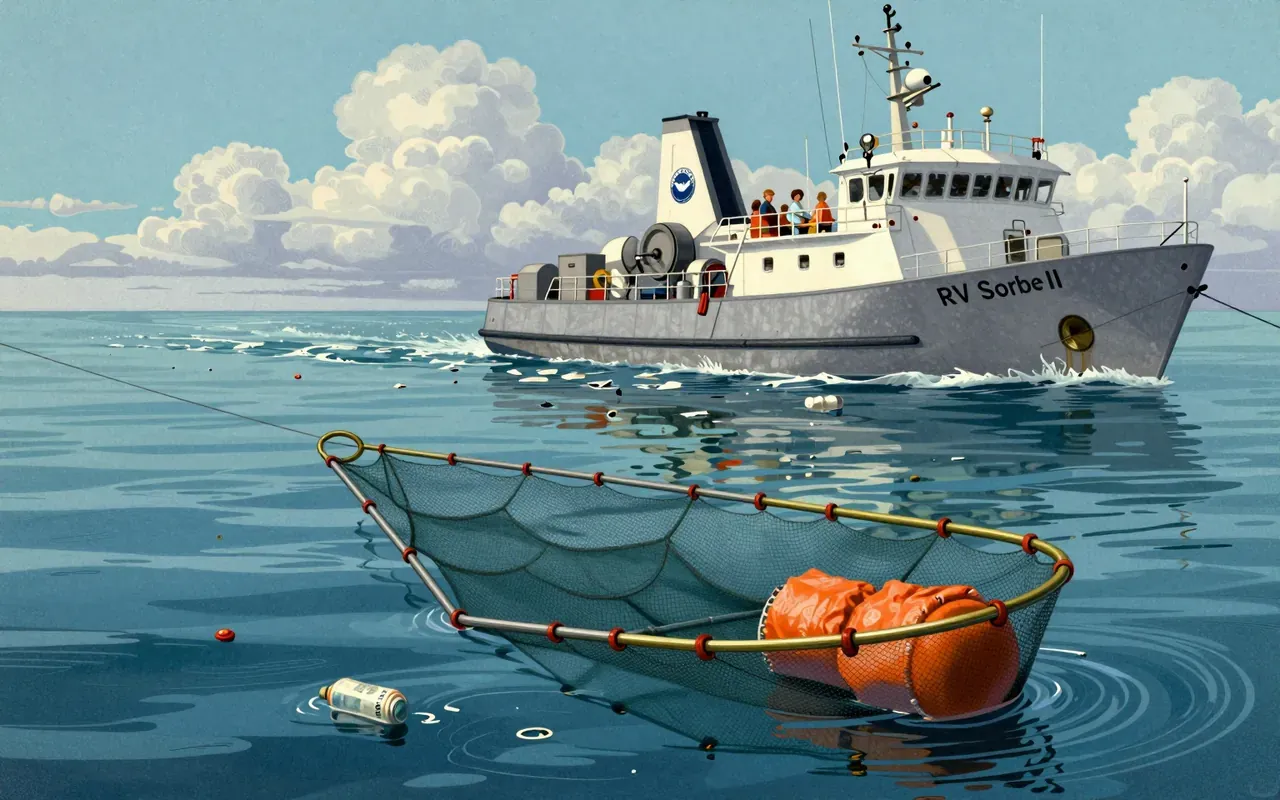
Great Pacific Garbage Patch

Charles Moore · 1980

Moore’s 1997 observation was vivid and consequential — but not novel in evidence. The 1988 NOAA paper delivered the first empirical basis. The gap between public attribution and scientific priority is the real story.
11:43

Keeling Curve

Charles Keeling

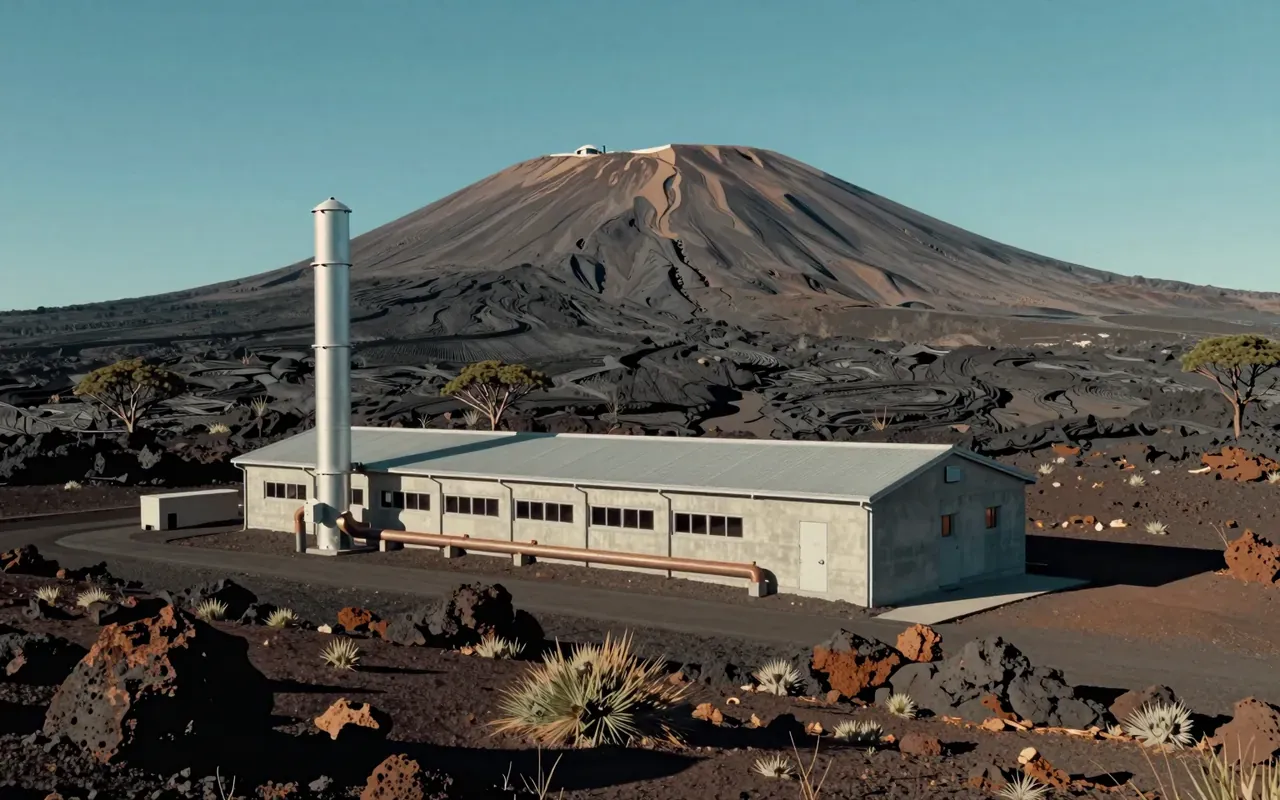
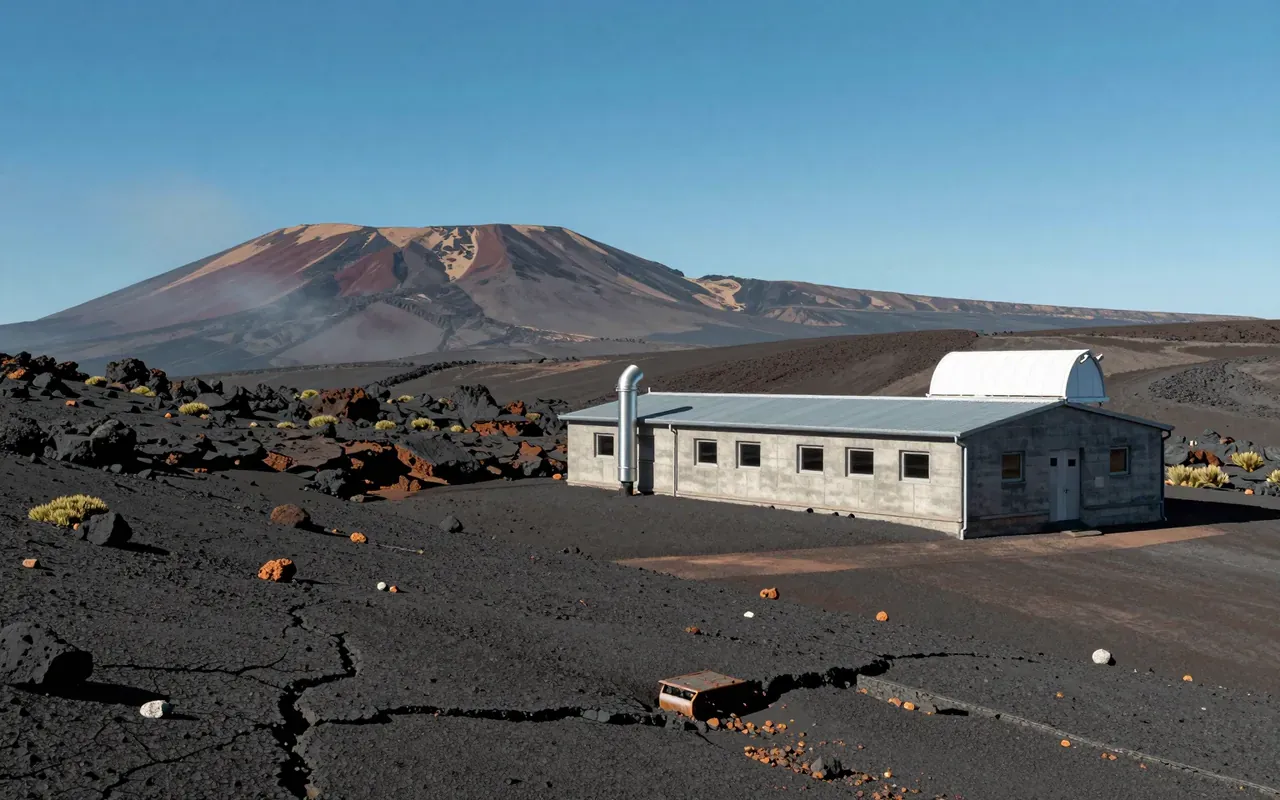
The Keeling Curve is the first continuous, calibrated record of atmospheric CO₂. It shows a seasonal cycle and a monotonic rise — from 313 ppm in 1958 to 406 ppm in 2018. Its strength lies in methodological rigour: remote site selection, contamination control, and instrumental precision. It does not prove causation, but establishes an unambiguous trend correlated with fossil fuel use. It remains the gold standard for atmospheric CO₂ monitoring.
13:00

Younger Dryas

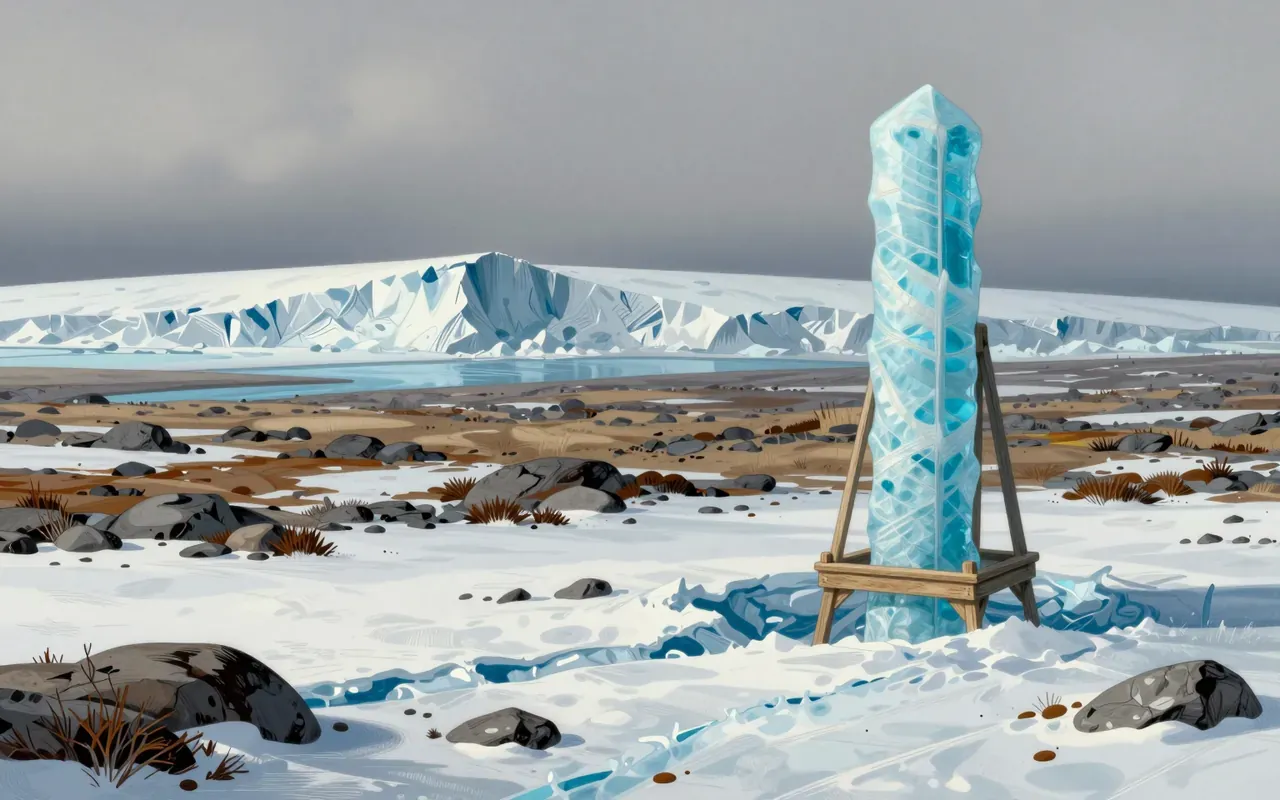
The Younger Dryas plunged the Northern Hemisphere back into cold within decades, and while most researchers link it to a slowdown in Atlantic ocean circulation, a rival comet-impact idea has been examined and largely rejected.
13:00

Volcanic winter

Sulphate haze from Tambora's 1815 eruption cooled the world enough to freeze crops in New England, and that one well-documented winter anchors the theory of how big eruptions chill the planet.