10:25in productionCh. 1 · Why the sky is blue/ 10:25 · ceiling 15 min
Physics · Chemistry
John William Strutt, 3rd Baron Rayleigh
He didn’t just name the blue sky — he weighed the air and found a ghost gas hiding in plain sight.
Rayleigh’s work established two concrete, testable results: a quantitative explanation for sky colour via light scattering, and experimental evidence for a previously unknown atmospheric gas later named argon. Neither claim relied on speculation. Both emerged from repeatable measurement and mathematical derivation. Nothing in the sources supports broader claims about quantum theory, atmospheric modelling, or noble gas chemistry beyond argon’s identification.
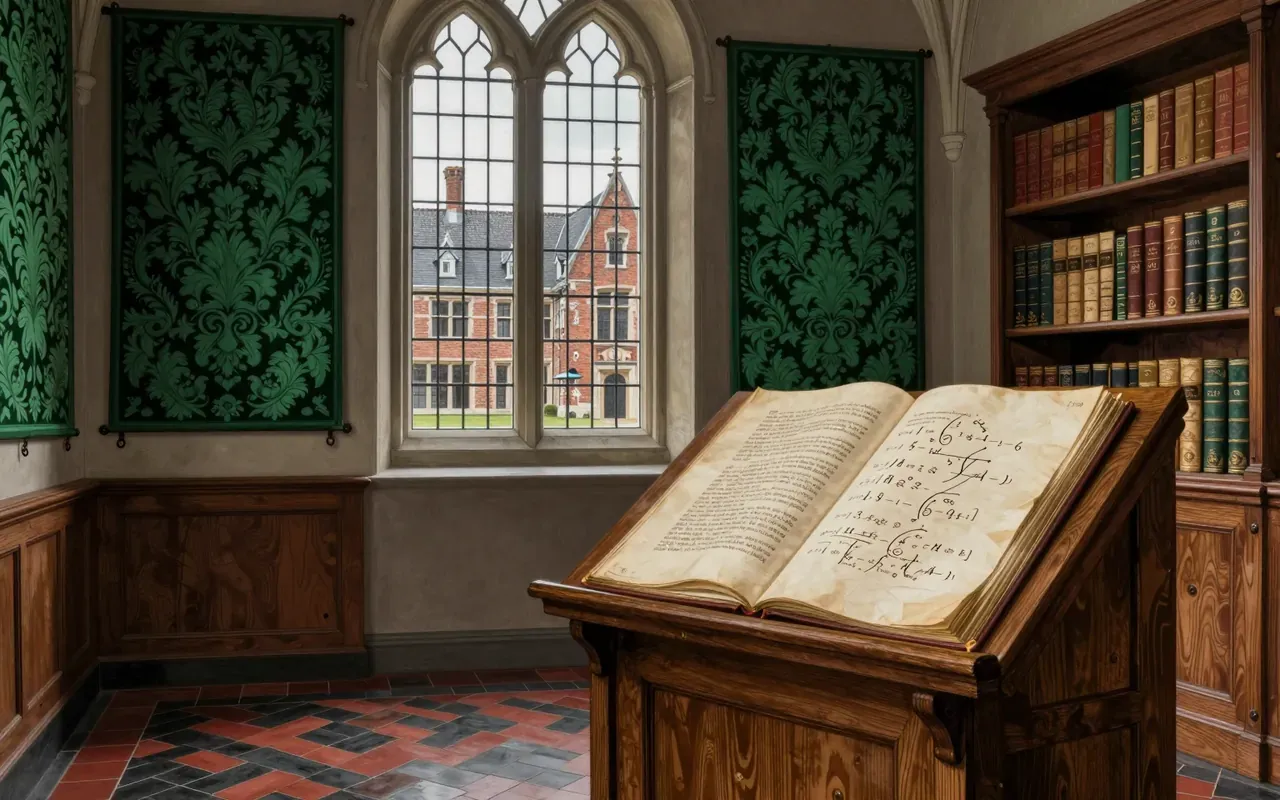
Rayleigh’s 1871 theory was the first to mathematically explain why the sky is blue — using only classical electromagnetism and particle size.
3:01
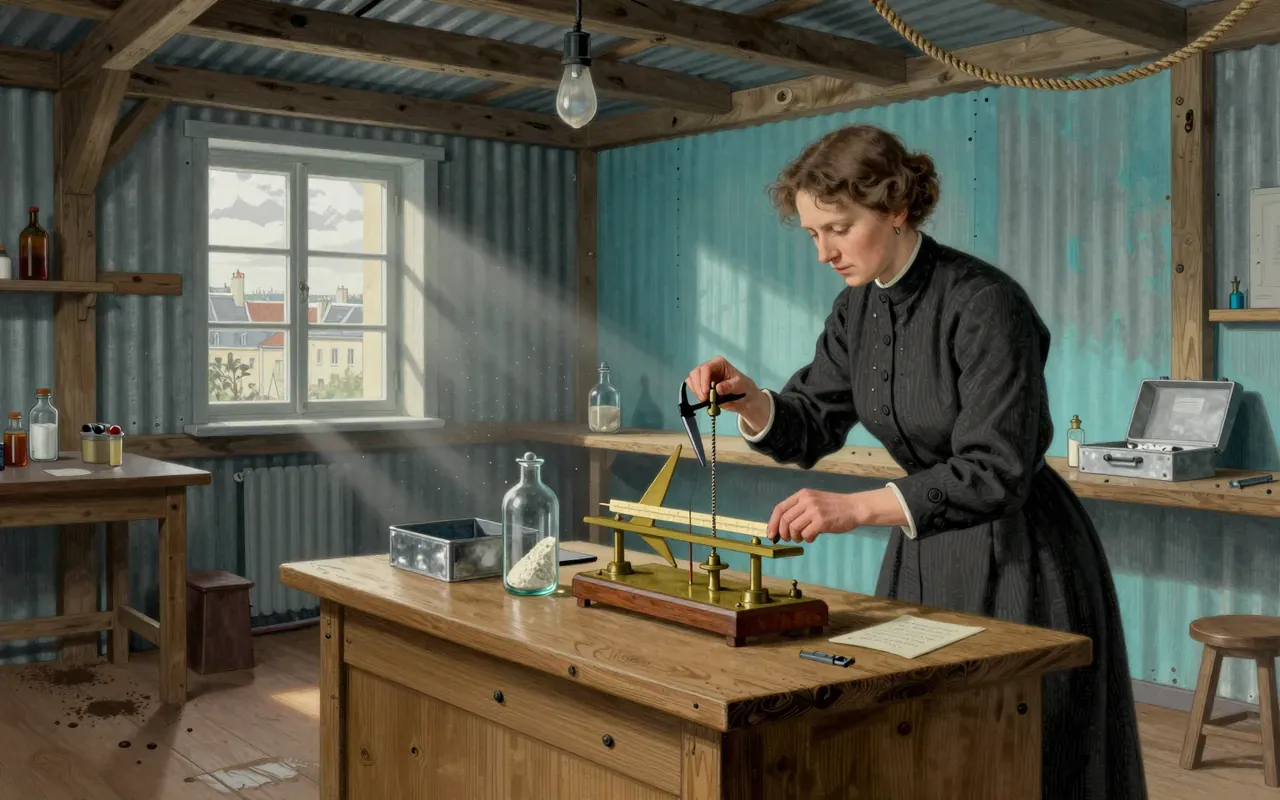
The weight of missing air
By measuring nitrogen’s atomic mass through multiple isolation routes, Rayleigh detected a reproducible discrepancy — evidence of contamination by an unknown heavier gas.
4:41
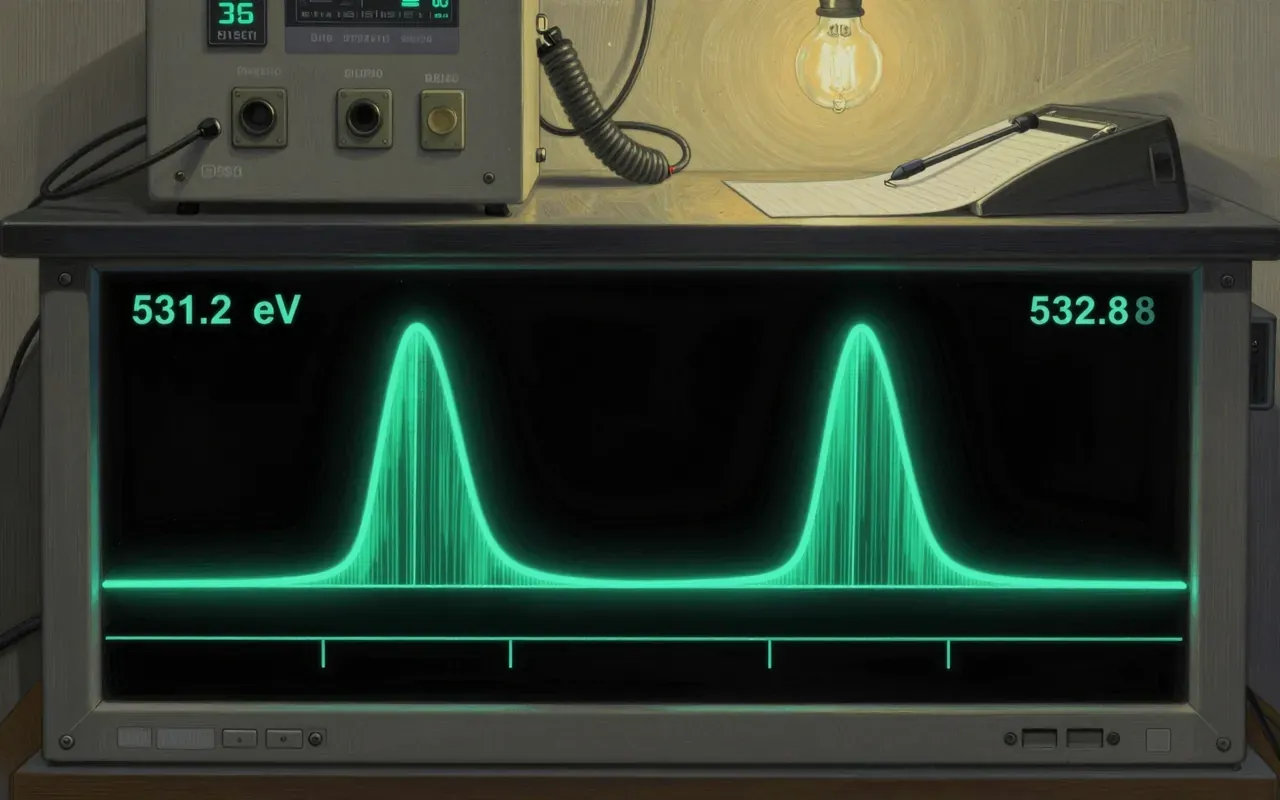
The ghost gas revealed
Argon was co-discovered with William Ramsay in August 1894 — the first noble gas isolated and identified.
6:17
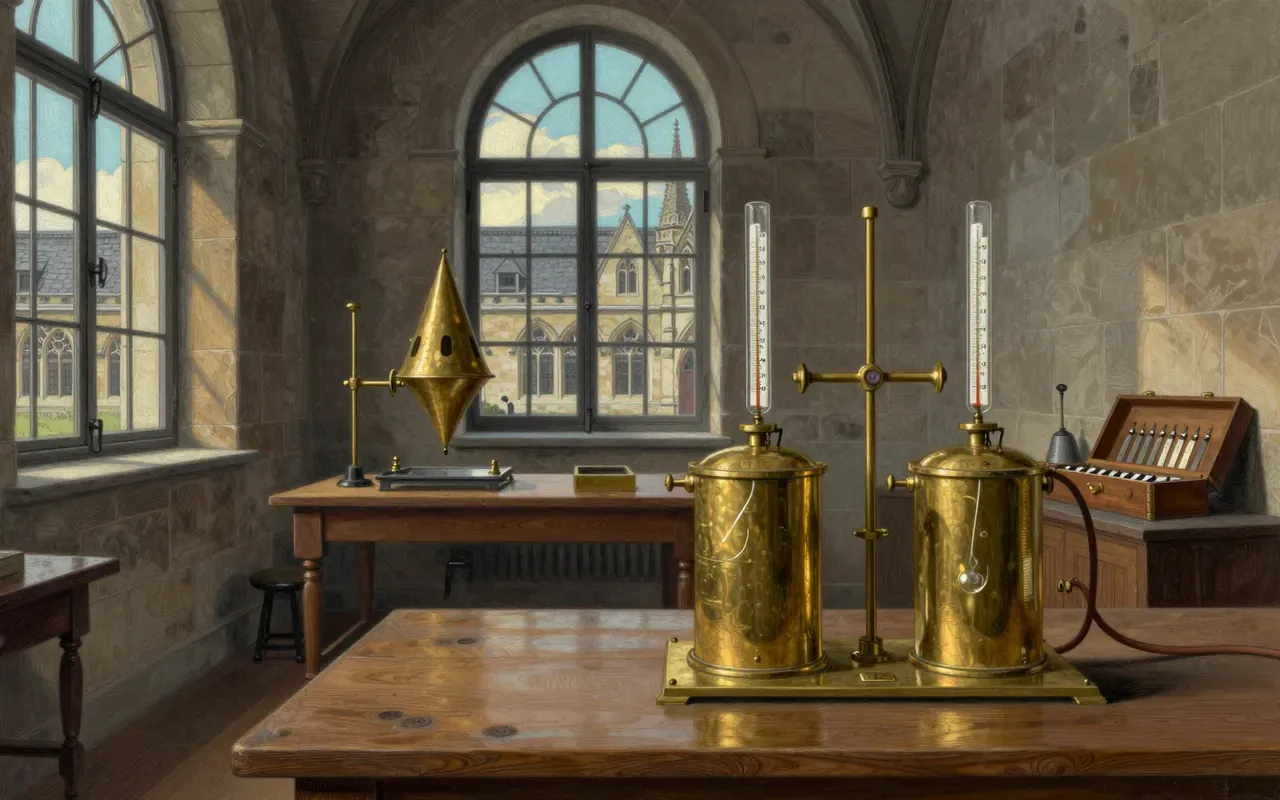
Two discoveries, one method
Two independent lines of precise physical inquiry — one optical, one chemical — converged on new categories of matter and interaction.
Worth your time?
Yes. Study the whole thing.
4.5/ 5
What works
Rayleigh scattering explains why the sky is blue
Nitrogen mass discrepancy indicated a heavier inert gas
Argon was discovered with Ramsay in August 1894
First theoretical treatment of sub-wavelength light scattering
What does not
proves
confirms
validates
establishes consensus
Study it if
physicists
chemists
history-of-science readers
Skip it if
quantum-theory specialists
climate-modelers
materials-engineers
The written brief1 min read
What the work claims
That light scatters inversely with the fourth power of wavelength when interacting with particles smaller than that wavelength — explaining the blue sky. That atmospheric nitrogen contains an undetected heavier inert component.
How it was done
Rayleigh isolated nitrogen via different chemical methods and measured its atomic mass with careful precision. He published the first theoretical treatment of elastic light scattering by sub-wavelength particles in 1871.
What holds up
Rayleigh scattering explains why the sky is blue. The nitrogen mass discrepancy indicated a heavier inert gas in air. Rayleigh and Ramsay discovered argon in August 1894.
What does not
The sources do not establish that Rayleigh alone discovered argon, proved the existence of noble gases as a class, or derived a complete quantum-mechanical account of scattering. They do not report error bars, sample sizes, confidence levels, or replication status.
Why it matters beyond the lab
Rayleigh scattering underpins atmospheric optics, remote sensing, and fibre-optic design. The argon discovery inaugurated the noble gas group and reshaped the periodic table — confirmed by direct isolation and collaboration, not speculation.
Is it worth your time
Yes — two distinct, experimentally grounded contributions to physics and chemistry, both rooted in measurement and theory that remain foundational.