A surgery that cured seizures and erased memory
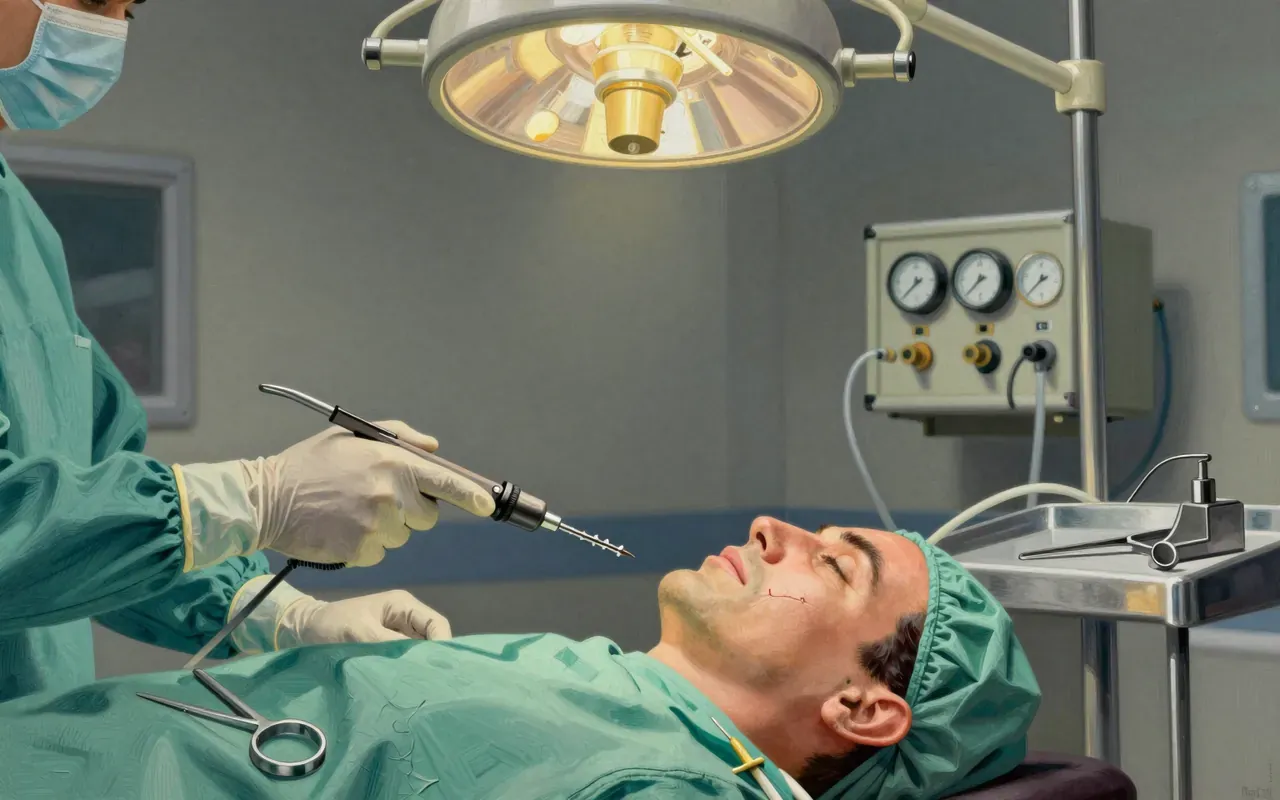
On 1 September 1953, surgeon William Beecher Scoville removed roughly two-thirds of both hippocampi, along with surrounding tissue, from a 27-year-old patient named Henry Molaison in an attempt to control severe epilepsy that had left him unable to work or live independently. The seizures improved, but Molaison was left with a profound and permanent inability to form new long-term memories, a condition called anterograde amnesia, while his memory of events from years before the surgery, and especially from his childhood, remained largely intact. His case, studied for decades afterward under the initials H.M. to protect his identity, became one of the most closely examined instances in the history of neuroscience, because it showed with unusual clarity that a specific brain structure, the hippocampus, was necessary for turning new experience into lasting, consciously recallable memory.
Improving at a task he couldn’t remember doing
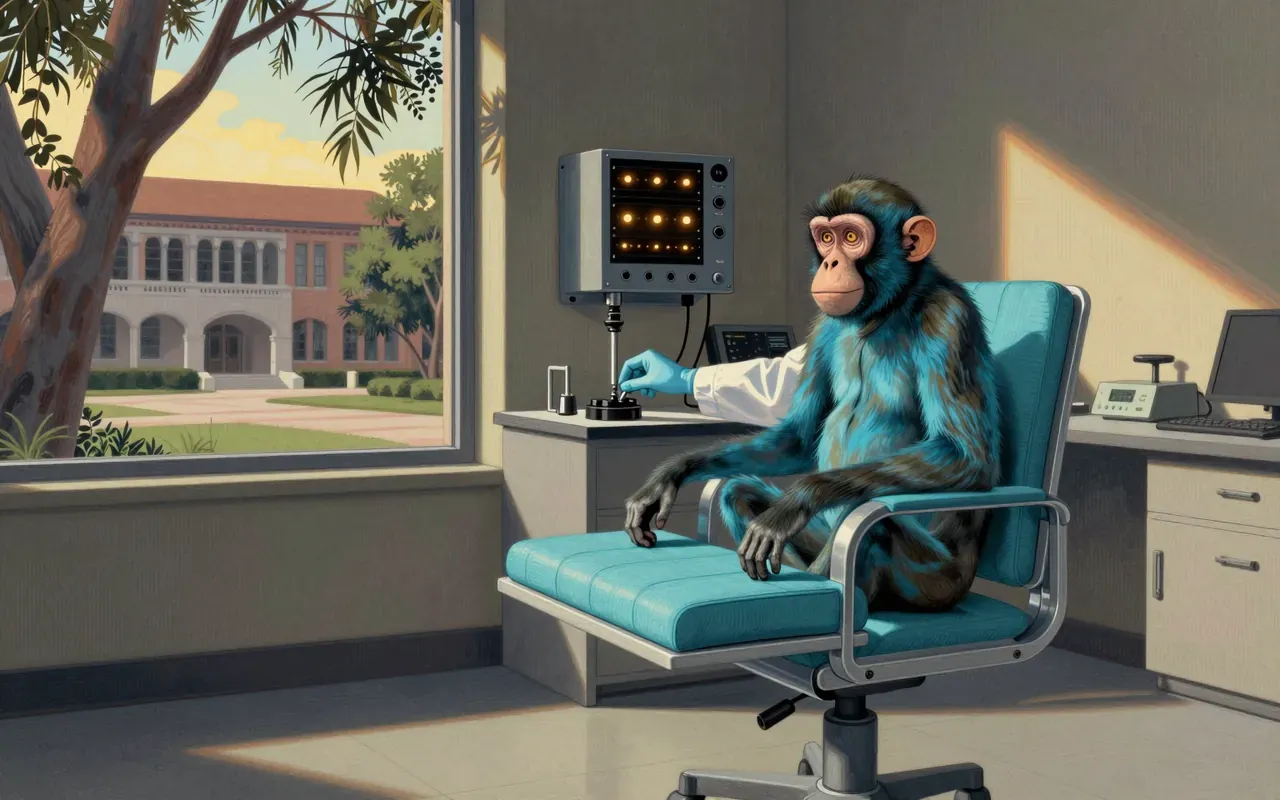
Working with Molaison from 1957 onward, the researcher Brenda Milner devised experiments that separated memory into distinct systems rather than treating it as a single faculty. In one now-famous task, Molaison traced the outline of a star while watching only its mirror reflection, a skill that is initially difficult for anyone. Across repeated trials on a single day his error count dropped steadily, from around thirty errors on his first attempt to five or six by his tenth, and his performance kept improving across separate days even though each time he had no conscious memory of ever having done the task before. Separate tests showed he could also acquire subtler, unconscious forms of learning, called priming, again without any memory of the learning episode itself, while remaining unable to consciously recall a new fact or event even minutes after encountering it.
Two memory systems, not one
The distinction Milner’s work with Molaison established, between declarative memory, the conscious recall of facts and events, and non-declarative or procedural memory, the unconscious retention of skills and conditioned responses, has held up as one of the foundational frameworks in memory research. It has been replicated and extended across decades of subsequent work with other patients and, later, with brain imaging in healthy people, confirming that these memory systems depend on genuinely different brain structures rather than being a single system operating at different strengths. Molaison’s case is still cited as the clearest single demonstration that the hippocampus is specifically necessary for consolidating new declarative memories, since procedural learning of the mirror-tracing kind survived his surgery essentially intact.
A brain more complicated than assumed
What Molaison’s case did not offer, for a long time, was a fully precise picture of exactly which tissue had been removed and which had survived, and that uncertainty affected how confidently his results could be attributed to the hippocampus specifically. When his brain was examined after his death in 2008, through a detailed digital reconstruction completed in 2014, researchers found that roughly half his hippocampal tissue had actually survived the surgery, along with a previously undetected lesion in his prefrontal cortex, both facts requiring some reconsideration of earlier interpretations of his memory profile. His spatial memory also complicated a simple story: he was able to draw a reasonably detailed map of the home he had lived in for five years after surgery, suggesting that some forms of memory could still form through pathways other than the ones his surgery had damaged.
The end of an era in epilepsy surgery
Molaison’s case reshaped medicine well beyond neuroscience research: his surgery is now cited as a central reason bilateral medial temporal lobe removal of that scale was abandoned as a treatment for epilepsy, since the memory cost turned out to be catastrophic and irreversible in a way no one had anticipated beforehand. More broadly, the declarative-procedural memory distinction his case helped establish now underlies how clinicians think about memory loss in conditions such as Alzheimer’s disease and other forms of dementia, where different memory systems can be affected to different degrees. His decades of cooperative participation in research, submitting to the same tests repeatedly without ever remembering having done so before, also became a distinctive case study in research ethics regarding long-term study of a person who could not remember consenting to previous sessions.
Decades of research with no memory of consenting
This is genuinely worth the time, both as a landmark in neuroscience and as an unusually vivid, human story about what memory actually is. The mirror-tracing result in particular is worth sitting with, since watching someone improve at a skill they insist they have never attempted before makes the abstract idea of separate memory systems concrete in a way few other examples manage. Readers should not expect a fully closed case, since the 2014 brain reconstruction showed even this most-studied patient in the history of psychology still held surprises decades after his death. It rewards attention for anyone curious about memory, about how much of scientific consensus can rest on a single, carefully studied individual, and about the ethical weight of research involving someone who could not retain what had already been asked of him.