sciencebriefs
all subjects →
13:14in productionCh. 1 · The Setup/ 13:14 · ceiling 15 min
Applied science · Neuroscience

Stanford prison experiment

A six-day simulation proved how fast authority corrupts—but only inside its own rigged walls.

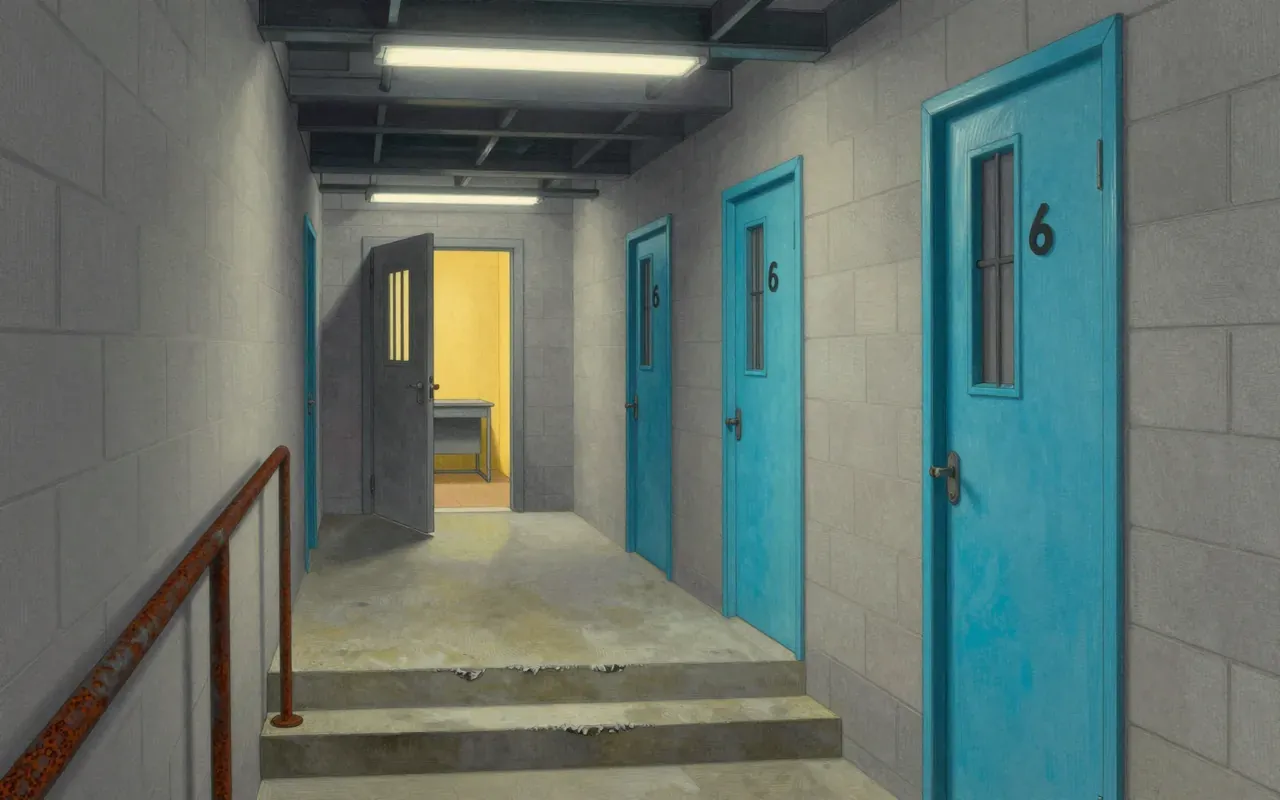
The Stanford prison experiment was a 1971 simulation study conducted by Philip Zimbardo at Stanford University, using 24 male college students randomly assigned as prisoners or guards in a mock prison in the psychology building basement. Its goal was to assess the psychological effects of role assignment, focusing on how roles, rules, symbols, group identity, and situational forces shape behavior. Results showed rapid, extreme role adaptation by both groups, leading to dangerous and psychologically damaging conditions; Zimbardo himself became immersed in his role as superintendent until intervened by Christina Maslach. The core conclusion was that situational forces can exert far greater influence on behavior than commonly recognized.

Chapters & takeaways6
  1. 1:08
    The Setup

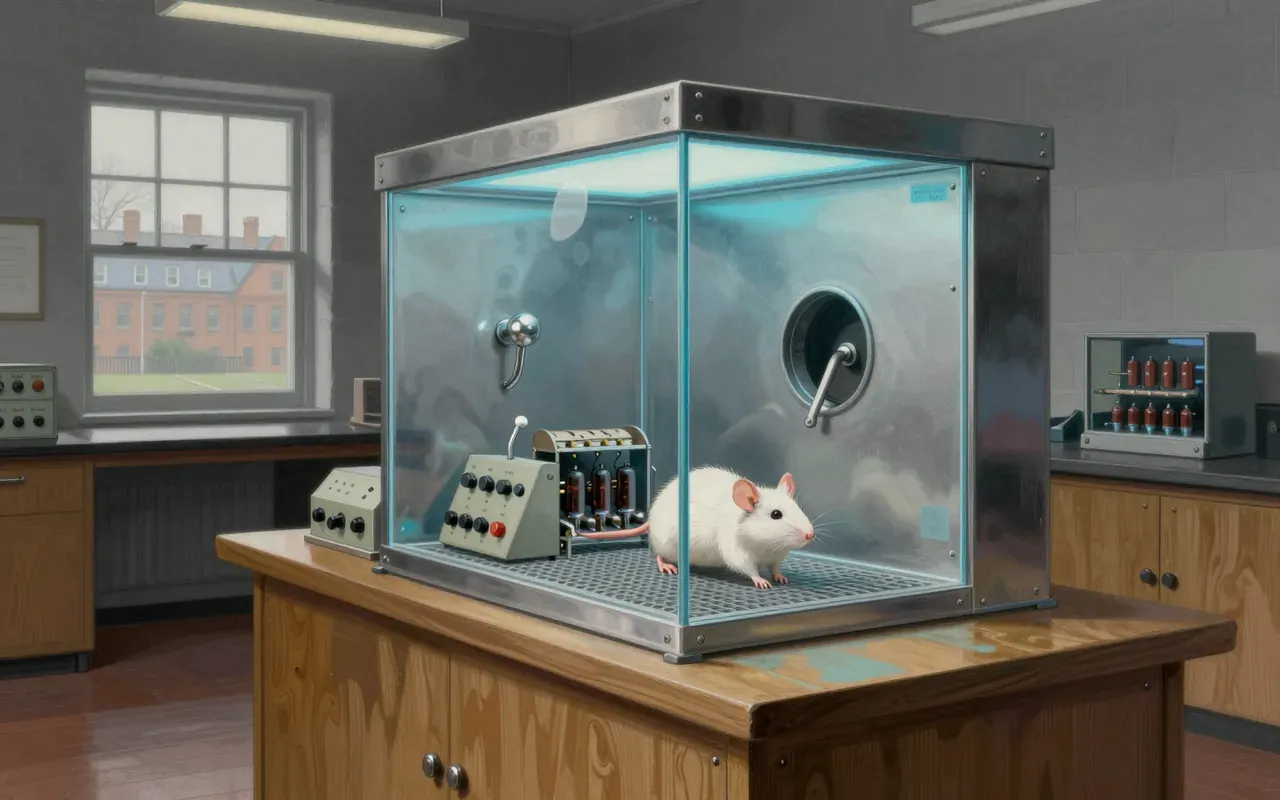
    It was a two-week prison simulation using 24 randomly assigned male students in Stanford’s psychology basement.

  2. 2:37
    The Descent

    Real arrests, cramped cells, and rapid role adoption created dangerous, psychologically damaging conditions within days.

  3. 3:58
    The Collapse

    Guards seized total control; Zimbardo became superintendent—and only Maslach’s intervention stopped it.

  4. 6:02
    The Claim

    Zimbardo claimed the situation—not personality—drove behaviour, and that contexts shape action more than we admit.

  5. 7:43
    The Commission

    The US Navy and Marine Corps commissioned it to study guard–prisoner conflict—not human nature.

  6. 9:04
    The Ending

    It ended on day six—not because of participant breakdown alone, but because Zimbardo realised he had internalised his role.

Worth your time?

Yes. Study the whole thing.

3.5/ 5
What works
  • diagnostic-value
  • warning-about-role-immersion
  • exposure-of-experimenter-bias
What does not
  • proof
  • generalisability
  • replication
  • personality-irrelevance
Study it if
  • students-of-institutional-design
  • ethicists
  • prison-reform-advocates
Skip it if
  • behavioural-predictors
  • clinical-practitioners
  • policy-modelers
The written brief1 min read

What the work claims

That the simulated prison situation—not individual personality—caused extreme, abusive behaviour. That roles, rules, symbols, group identity, and situational validation can elicit actions ordinarily repulsive to individuals. That situational forces exert far greater influence on behaviour than most people appreciate.

How it was done

Twenty-four psychologically stable male college students were randomly assigned as prisoners or guards in a mock prison in the basement of Stanford’s psychology building. The experiment began with real Palo Alto police conducting mock arrests. Prisoners were confined to 6-by-9-foot cells with cots; solitary confinement occurred in a small unlit closet. It was funded by the US Office of Naval Research to investigate guard–prisoner conflict and antisocial behaviour.

What holds up

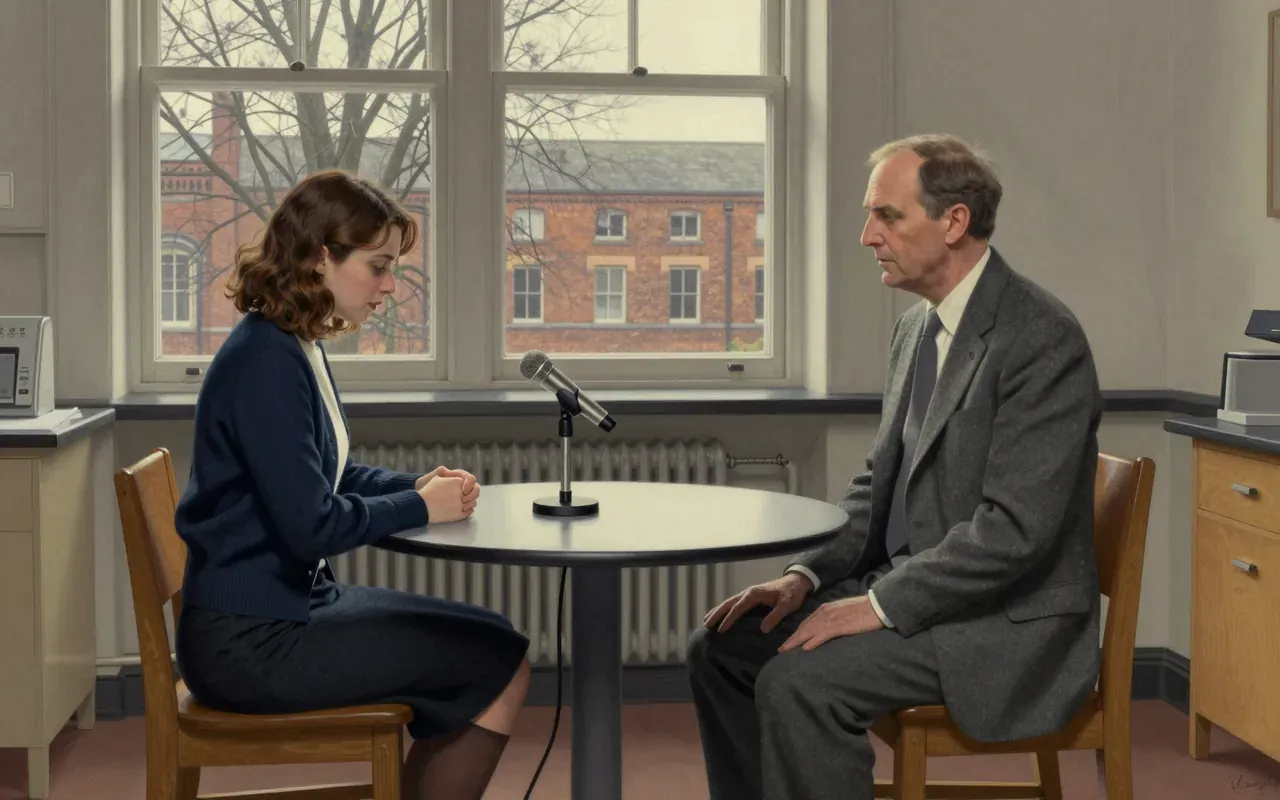
The rapid role adaptation, escalating psychological abuse over five days, Zimbardo’s own immersion as superintendent, and the intervention by Christina Maslach—all are directly attested. The experiment ended on day six—not due to external review, but because Zimbardo recognised his compromised position after her challenge.

What does not

It does not establish that personality is irrelevant to behaviour. It does not show that situational forces always override individual agency. It does not demonstrate how prisons operate in reality—only how one ad hoc simulation unfolded under specific, uncontrolled conditions with no follow-up or independent oversight.

Why it matters beyond the lab

It exposed how quickly institutional roles can override moral self-constraint—even among educated, screened volunteers—and how authority structures invite unchecked control. Its legacy is not predictive power, but diagnostic: a warning about design, not a blueprint for human conduct.

Is it worth your time

Yes—if you need to understand how situational power operates in institutions, and how easily ethical boundaries collapse when roles are uncritically adopted. Not if you seek generalisable data on human nature: the sample was tiny, unblinded, unreplicated, and lacked controls for demand characteristics or experimenter influence.

Same field · Applied science4 of 25
Up next in Science

Stanley Norman Cohen

· 9:36

This wasn’t about curing disease — it was about making bacteria read foreign genes, copy them, and pass them on.

9:36