sciencebriefs
Topic

Ethics

What is owed, to whom, and who gets to decide.
10
in science
13:01
average
130 min
in total
44
across the network
Ethics across the network →
All briefs10
13:00

CRISPR gene editing

CRISPR-Cas9, built from a bacterial virus-defence system decades in the discovering, turned gene editing into a routine laboratory tool now behind approved sickle-cell therapy and an unresolved fight over editing embryos.
13:00

PSR B1919+21

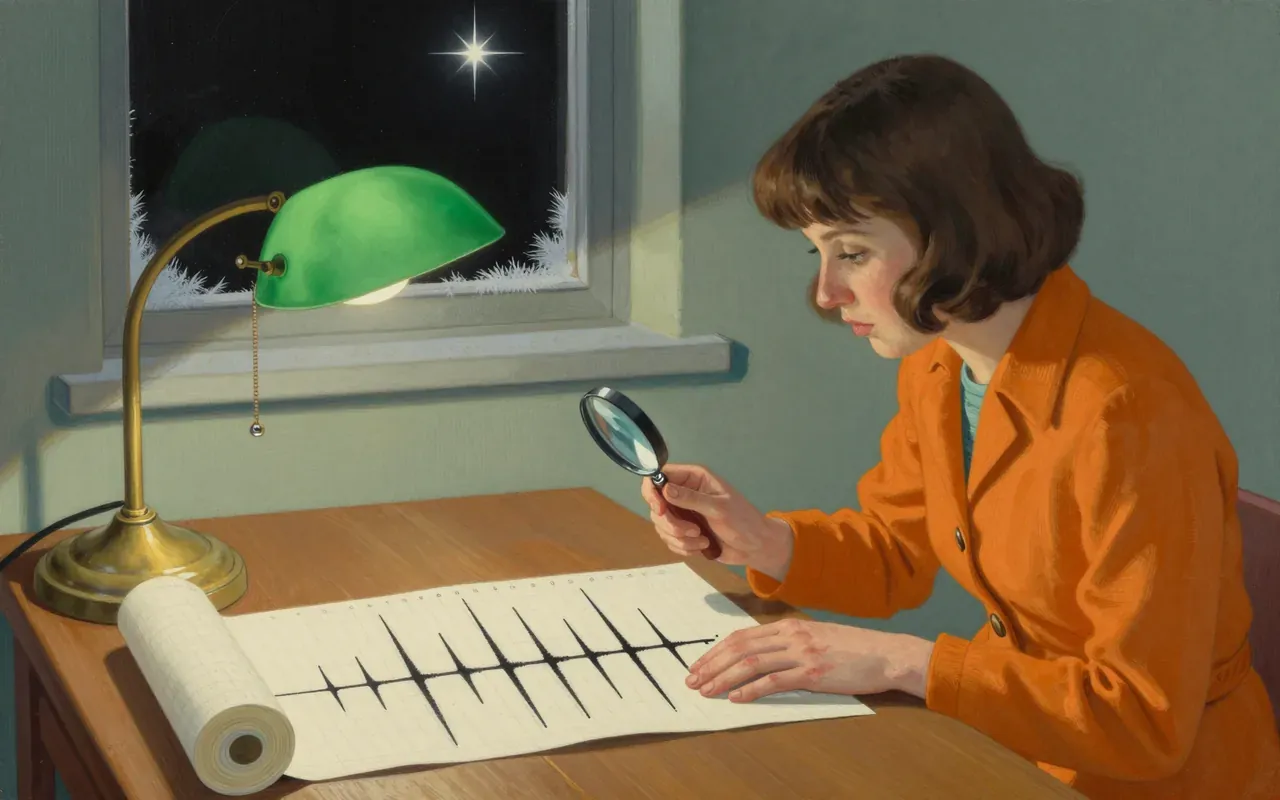
In 1967 a Cambridge graduate student noticed an oddly regular signal on a chart recorder, ruled out interference and little green men, and found the first pulsar, a discovery that won a Nobel Prize for the men above her.
13:00

Milgram experiment

In 1961, months after Adolf Eichmann's trial opened, Stanley Milgram found 65 per cent of volunteers at Yale would deliver what they believed was a 450-volt shock to a stranger simply because told to continue — far more than psychiatrists had predicted.
13:00

Combined oral contraceptive pill

Gregory Pincus and John Rock turned a 1950s hypothesis about progesterone into the first oral contraceptive, tested on women in Puerto Rico whose reported side effects were overridden on the way to FDA approval in 1960.
13:00

Photo 51

The X-ray photograph that revealed DNA's helical structure was Rosalind Franklin's, made with a camera she engineered herself, and it reached Watson and Crick's desk in 1953 through two separate acts of sharing she never agreed to.
13:14

Stanford prison experiment

Philip Zimbardo

The Stanford prison experiment was a 1971 simulation study conducted by Philip Zimbardo at Stanford University, using 24 male college students randomly assigned as prisoners or guards in a mock prison in the psychology building basement. Its goal was to assess the psychological effects of role assignment, focusing on how roles, rules, symbols, group identity, and situational forces shape behavior. Results showed rapid, extreme role adaptation by both groups, leading to dangerous and psychologically damaging conditions; Zimbardo himself became immersed in his role as superintendent until intervened by Christina Maslach. The core conclusion was that situational forces can exert far greater influence on behavior than commonly recognized.

13:00

Recombinant DNA

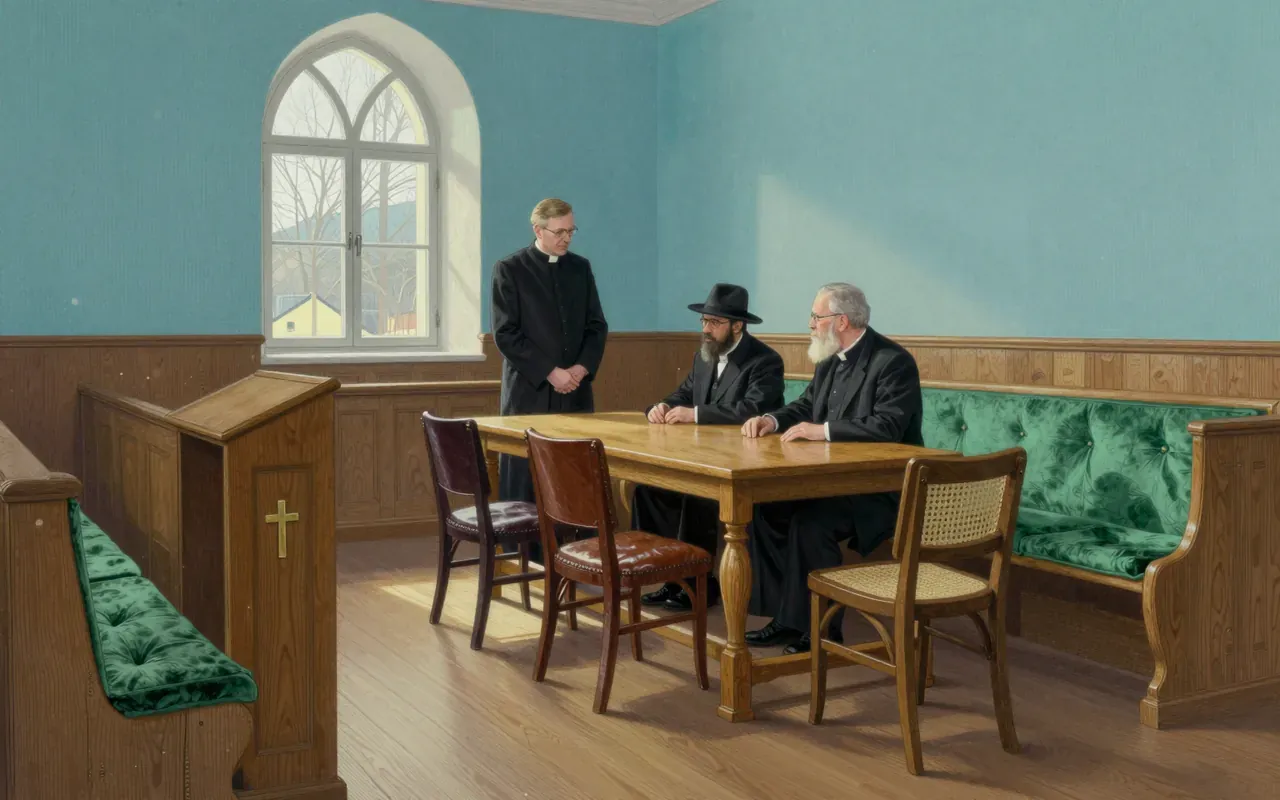
Stanley Cohen and Herbert Boyer's 1973 splicing of foreign DNA into bacteria became the first licensed recombinant drug within five years, after scientists paused their own field in 1975 to weigh the risks first.
13:00

Kidney transplantation

On 23 December 1954 Joseph Murray transplanted a kidney between identical twins Richard and Ronald Herrick, sidestepping the rejection problem that had defeated every earlier attempt, and the ethical question of operating on a healthy donor to help his brother.
13:00

Haber process

The reaction that fixes nitrogen out of thin air now feeds close to half the people on Earth. The chemist who invented it also personally directed the first large chlorine gas attack of the First World War, days before his wife took her own life with his service revolver.
13:00

Rabies vaccine

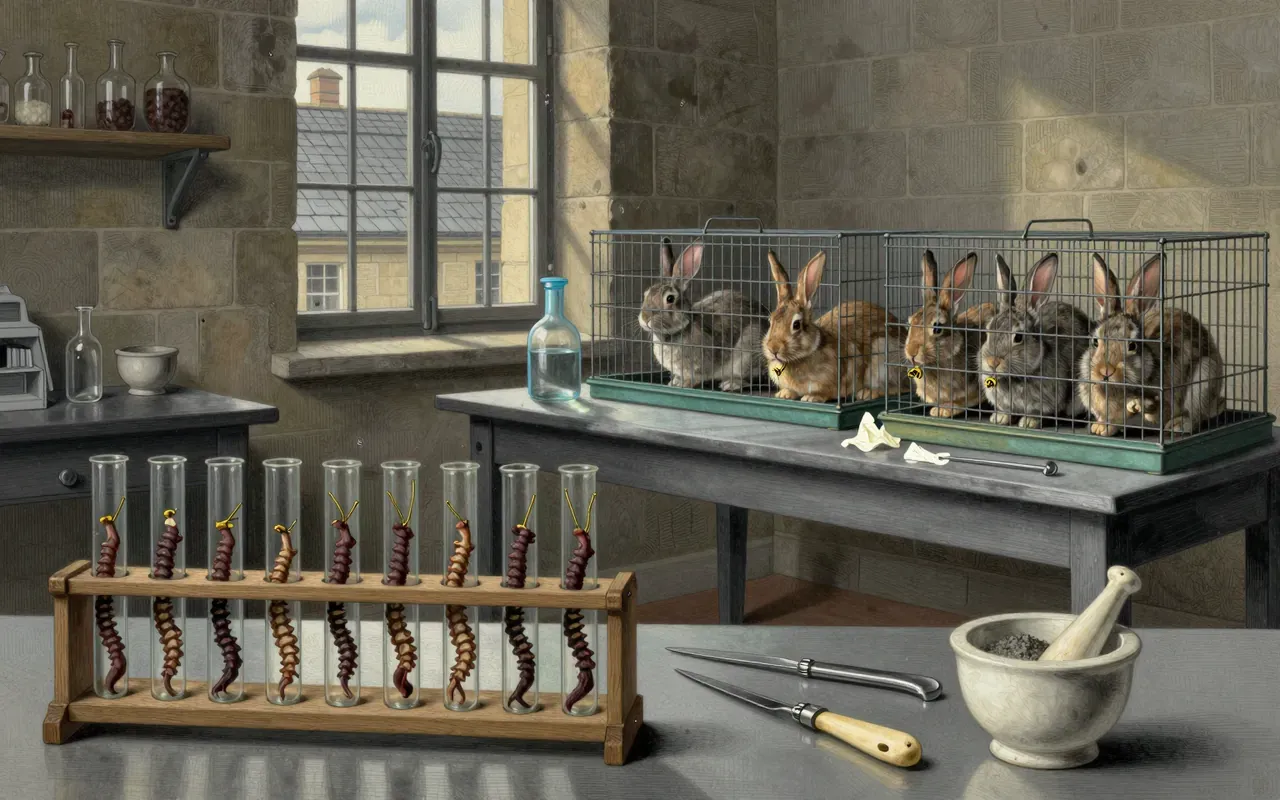
In July 1885 Louis Pasteur gave an unlicensed, ethically fraught treatment to a bitten nine-year-old, having claimed far more animal testing than his own lab notebooks later showed he had actually done.