Human evolution wasn’t a ladder — it was a tangle of interbreeding lineages, and some of their genes are still making us sick.
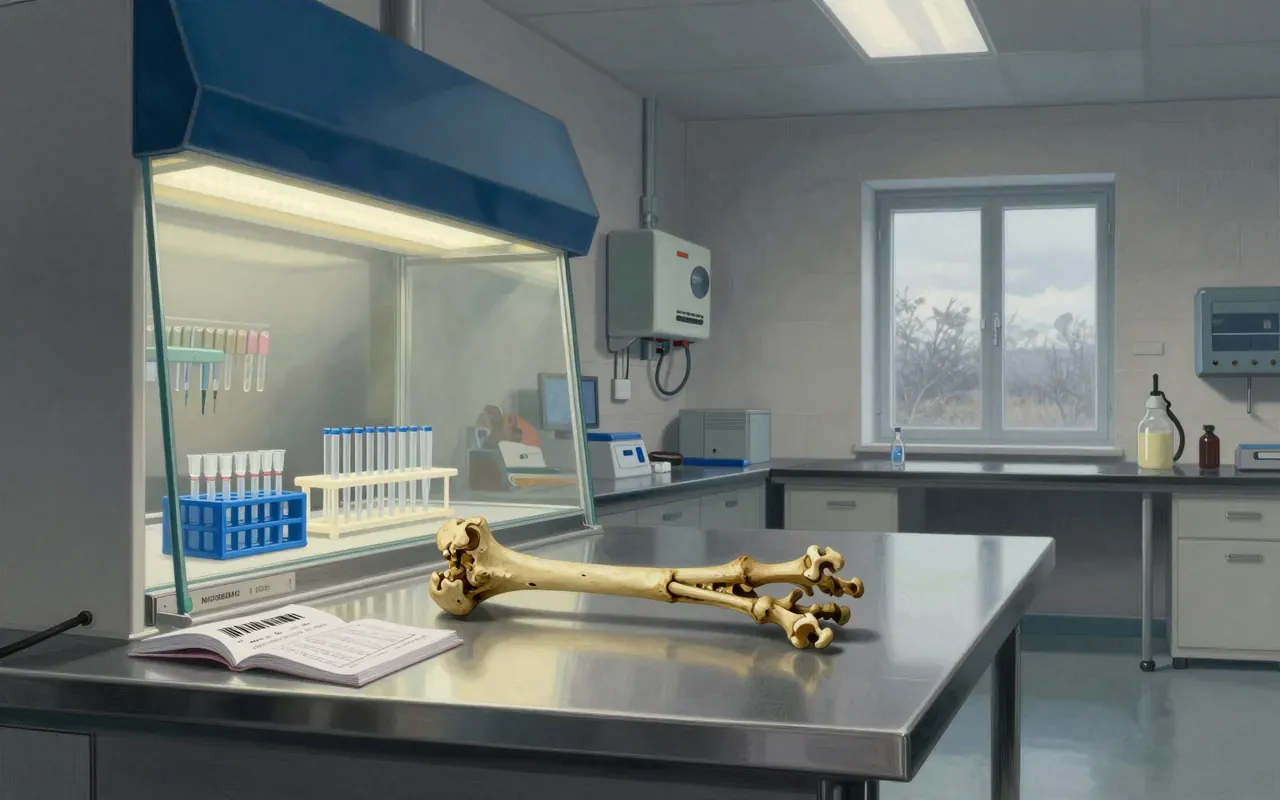
Svante Pääbo pioneered paleogenetics by extracting and sequencing ancient DNA — first from a Neanderthal in Germany’s Feldhofer grotto, then from a full genome and a Siberian finger bone that revealed the Denisovans. His team showed Neanderthals interbred with Eurasian humans 50,000–60,000 years ago — but not with Sub-Saharan Africans — and identified functional differences in genes like TKTL1 and disease-linked variants on chromosome 3.
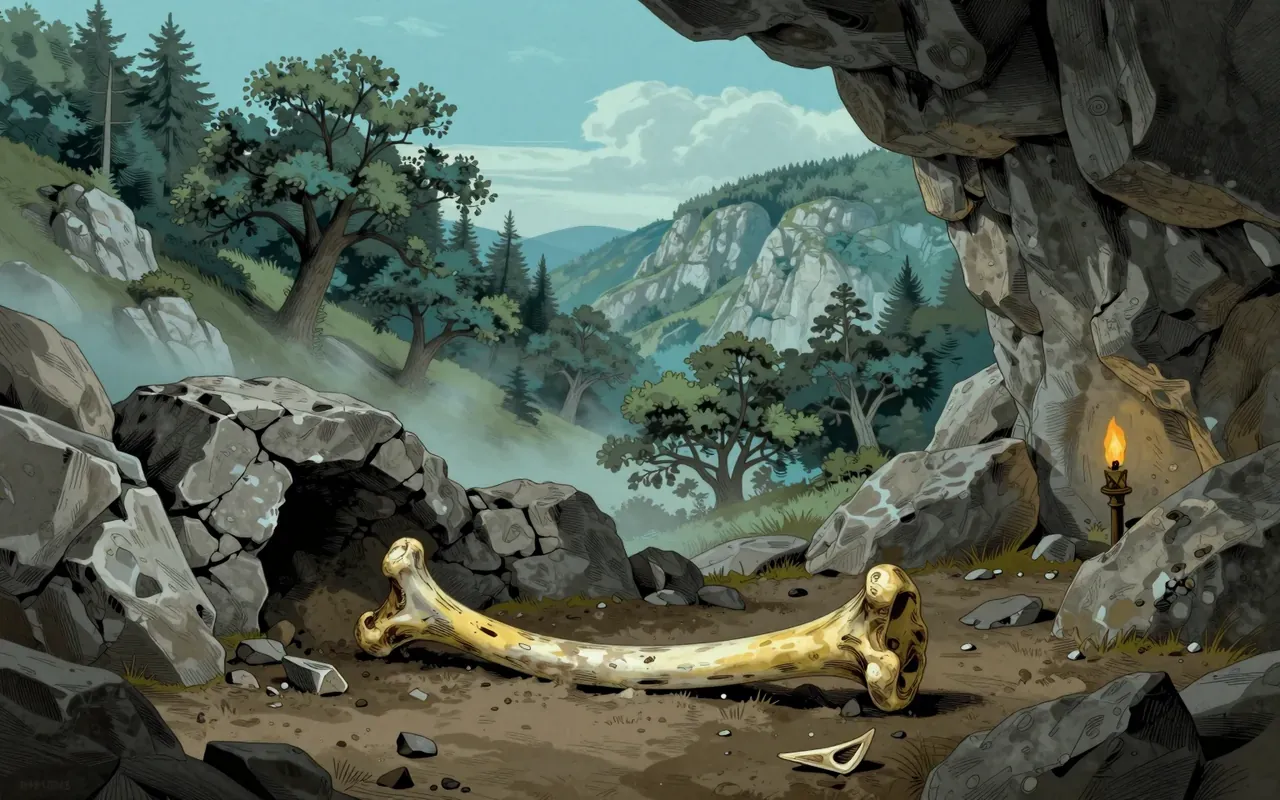
The first ancient hominin DNA ever sequenced came from a single Neanderthal bone in Germany’s Feldhofer grotto.
3:08
Two genomes, one revolution
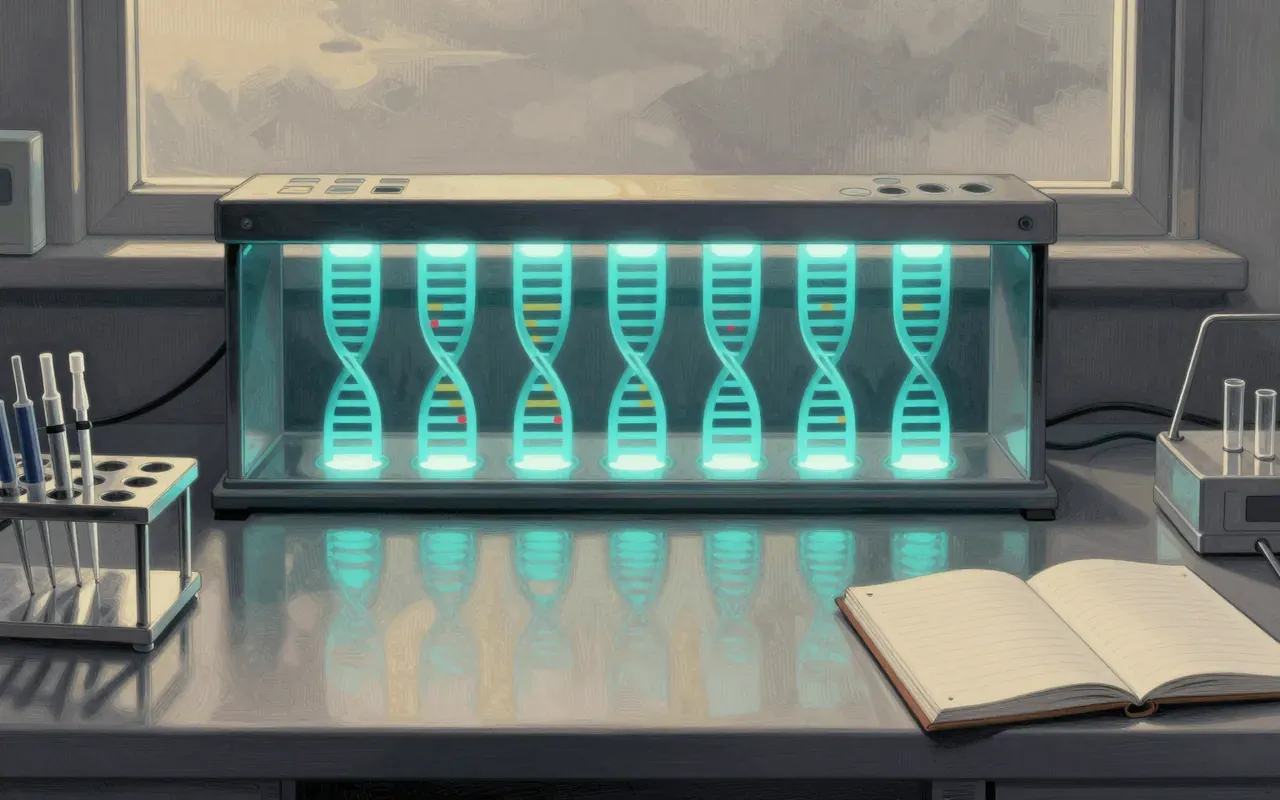
A draft genome of 3 billion base pairs — and a finger bone from Siberia — proved Neanderthals weren’t the only archaic humans we’d mixed with.
5:29
The bottleneck and the bridge
Non-Africans carry Neanderthal DNA; Africans do not — and the mixing happened once, 50–60 millennia ago, in the Middle East.
7:10
From skull shape to hospital beds
One amino acid change in TKTL1 may have shaped our brains — and one chunk of Neanderthal DNA on chromosome 3 worsens COVID-19 outcomes.
Worth your time?
Yes. Study the whole thing.
4.5/ 5
What works
establishing Neanderthal-modern human interbreeding
identifying Denisovans from DNA alone
linking archaic variants to modern disease outcomes
What does not
causation for TKTL1’s role in brain evolution
Denisova as a formally defined species
quantified functional impact of chromosome 3 variants on hospitalisation risk
exclusivity of Middle East interbreeding location
Study it if
anthropologists
geneticists
epidemiologists
Skip it if
clinicians seeking treatment protocols
archaeologists without molecular training
The written brief2 min read
What the work claims
Neanderthals contributed genetic material to non-African modern humans. A Siberian finger bone belonged to a new hominin group — the Denisovans. A specific amino acid change in TKTL1 distinguishes Neanderthals from modern humans and likely influenced neuronal development. Neanderthal-derived genetic variants on chromosome 3 increase vulnerability to severe COVID-19.
How it was done
Pääbo and colleagues sequenced Neanderthal mitochondrial DNA from a specimen found in Feldhofer grotto. They produced the first draft Neanderthal genome — over 3 billion base pairs — using collaboration with 454 Life Sciences Corporation. They analysed DNA from a finger bone found in Denisova Cave. They compared Neanderthal, Denisovan, and modern human genomes to infer interbreeding. They identified a single amino acid substitution in TKTL1 by comparing Neanderthal and modern human sequences. They linked genetic variants at chromosomal region 3 to COVID-19 severity via DNA analysis.
What holds up
Neanderthal mtDNA was successfully sequenced from the Feldhofer grotto specimen. The first draft Neanderthal genome — over 3 billion base pairs — was completed. DNA from the Denisova Cave finger bone identified a previously unrecognised member of the genus Homo. Interbreeding occurred between Neanderthals and Eurasian (but not Sub-Saharan African) humans. Admixture is estimated to have occurred 50,000–60,000 years ago in the Middle East. TKTL1 carries a single amino acid substitution in Neanderthals versus modern humans. Chromosome 3 variants associated with European Neanderthal heritage correlate with more severe COVID-19 impacts.
What does not
The work does not establish causation for TKTL1’s role in brain evolution. It does not prove the Denisova hominin was a distinct species. It does not quantify the functional impact of the chromosome 3 variants on COVID-19 hospitalisation risk. It does not show interbreeding occurred only in the Middle East — only that admixture is estimated to have occurred there.
Why it matters beyond the lab
It transformed anthropology from morphology-based classification to evidence-based genealogy. It revealed that archaic ancestry actively modulates present-day disease risk. It made human evolutionary history legible through medical genetics — not just fossils.
Is it worth your time
Yes. It redefined human origins as a story of mixture, not replacement — and showed archaic genes still shape disease outcomes today.