Paul Ehrlich discovered the blood–brain barrier by missing it.
Ehrlich’s intravenous dye experiments revealed selective absence of brain staining — but he misinterpreted it as passive under-uptake. His student Goldmann’s 1913 intracerebrospinal injection proved compartmentalization. The barrier was attributed to blood vessels, not a membrane. Ehrlich never believed in it. The term came later, from Lina Stern.
Ehrlich saw unstained brains after intravenous dye — but thought the brain just ignored the dye.
2:08
The discoverer who rejected his discovery
He illuminated the barrier without believing it existed.
3:41
The experiment that flipped the route
Goldmann proved compartmentalization in 1913 — and the barrier was attributed to blood vessels, not a membrane.
5:26
A name borrowed from silence
The term 'blood–brain barrier' came later — from Lina Stern, not Ehrlich or Goldmann.
Worth your time?
Yes. Study the whole thing.
4/ 5
What works
Demonstrates how experimental route determines interpretation
Shows that conceptual framing lags evidence by decades
Highlights role of student replication in correcting mentor error
What does not
Ehrlich claimed a barrier existed
Ehrlich believed in the barrier
The term 'blood–brain barrier' originated with Ehrlich or Goldmann
Study it if
historians of science
neuroscientists studying drug delivery
anyone who assumes discovery is belief
Skip it if
clinicians seeking current BBB models
students needing mechanistic explanations
The written brief1 min read
What the work claims
Ehrlich’s work did not claim a barrier. It illuminated one only in retrospect. The conceptual framing — that blood vessels themselves constituted the barrier — emerged after his misinterpretation.
How it was done
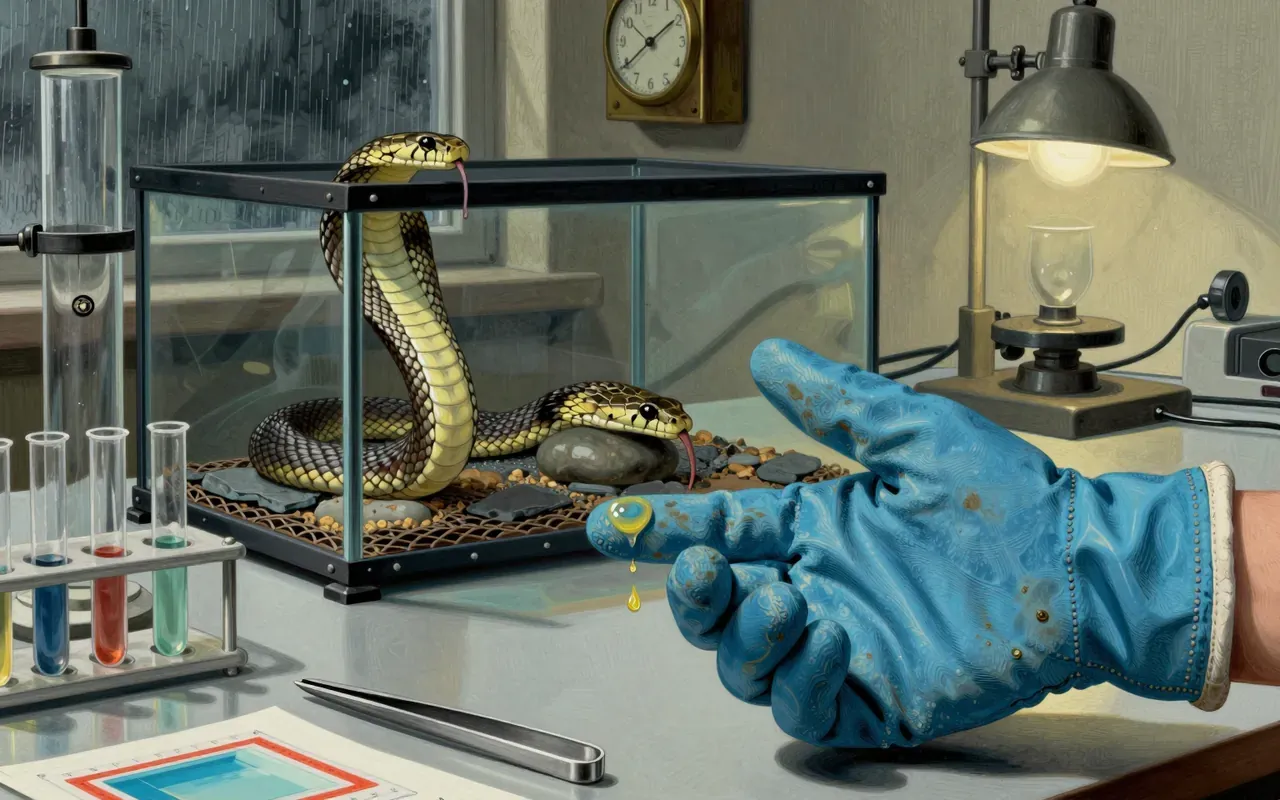
Ehrlich injected aniline dyes intravenously and observed selective absence of brain staining under microscopy. Goldmann later injected the same dyes into the cerebrospinal fluid in 1913.
What holds up
Goldmann’s 1913 experiment demonstrated compartmentalization: dye in CSF stained brain but not body; intravenous dye stained body but not brain.
What does not
Ehrlich did not claim a barrier existed. He interpreted absent staining as passive under-uptake. He never believed in the barrier.
Why it matters beyond the lab
It shows how terminology lags evidence — and how a phrase (‘blood–brain barrier’) coined decades later retroactively organises earlier, contradictory observations.
Is it worth your time
Yes — it reveals how foundational observations can mislead even their discoverer, and how experimental design (route of administration) alone resolved a conceptual impasse.