A glow that should not have been there
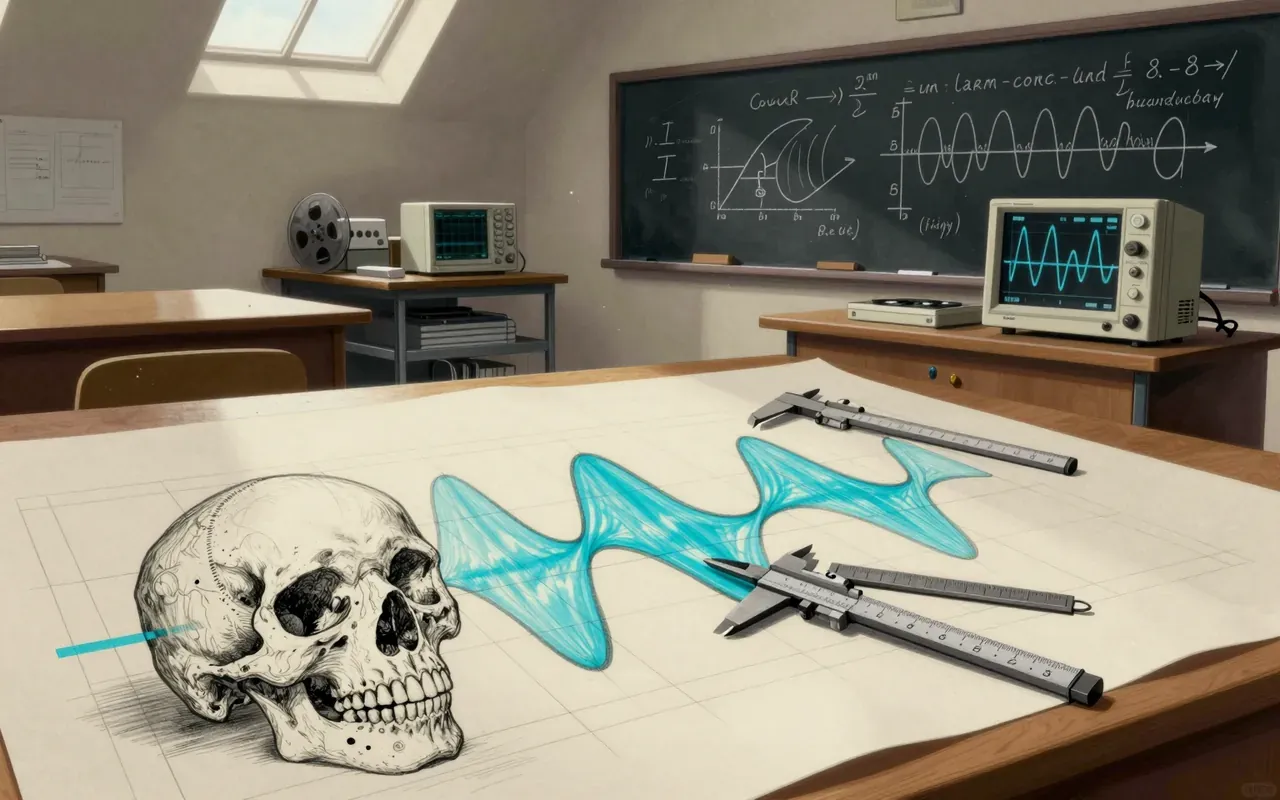
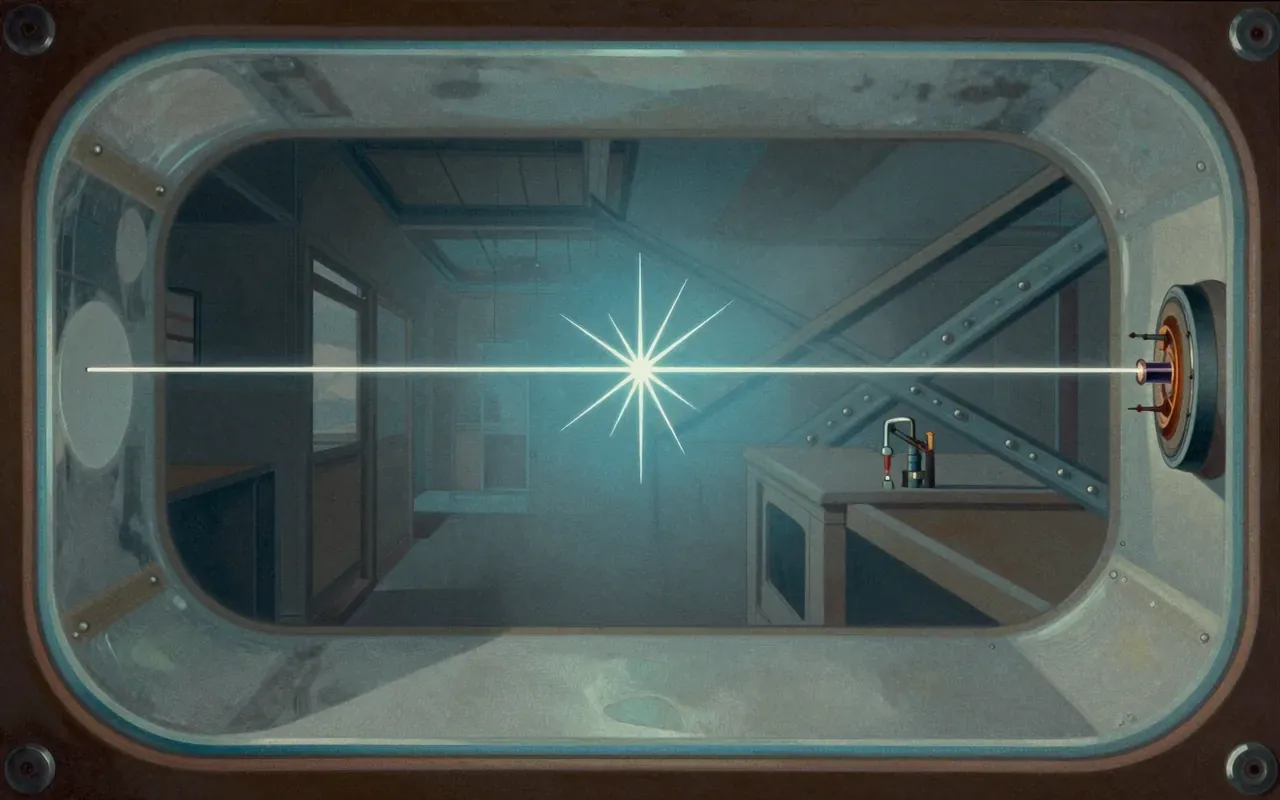
On the afternoon of 8 November 1895, Wilhelm Rontgen, a physicist at the University of Wurzburg, was investigating the behaviour of a Crookes tube, a partially evacuated glass tube that produces cathode rays when a high voltage is passed through it. He had wrapped the tube in black cardboard to block any visible light it produced, wanting to test only for a different kind of effect. Working in a darkened room, he noticed a faint glow coming from a bench about a metre away, where he had earlier set out a screen coated with a fluorescent chemical for unrelated later use. The screen should not have reacted to anything the covered tube could produce, and Rontgen set out to work out what was actually causing it.
Naming an unknown ray
Over the following days and weekend, Rontgen tested the unexplained effect systematically, moving the screen further from the tube, placing various objects between the two, and confirming that whatever was travelling from the tube to the screen passed through materials that blocked ordinary light, including, he found, the flesh of his own hand, which produced a faint image of his bones on the screen. Unable to identify the radiation with any known type, he called it X-rays, using the mathematical symbol for an unknown quantity, and submitted a paper describing the phenomenon, titled On a New Kind of Rays, on 28 December 1895 to a physical-medical society in Wurzburg.
A hand, its bones, and its rings
About six weeks after his first observation, Rontgen produced the image that made the discovery famous beyond physics: an X-ray of his wife Anna Bertha’s hand, showing her finger bones and the ring she wore in stark outline. When she saw the picture, she reportedly said she had seen her own death, a reaction that captured how unsettling it was to see inside a living body for the first time without cutting it open. News of the discovery spread through newspapers within days of the paper’s publication, and the image itself became one of the most widely reproduced scientific pictures of the period, doing more than any technical description to convey what the new rays could do.
Adopted before it was understood
Adoption outpaced understanding of the risks by a wide margin. Within about two months of Rontgen’s announcement, X-ray demonstrations and early clinical uses were already spreading across Europe and North America, including a documented clinical use in Birmingham, England in January 1896 to locate a needle embedded in a patient’s hand, and dozens of experimenters in North America alone were working with the technique by February of that year. No one yet understood that repeated or prolonged exposure to X-rays could damage living tissue, and the early equipment offered no shielding at all, since the entire concept of radiation safety did not yet exist to guide how the tubes should be handled.
A prize refused to become property
Rontgen himself declined to patent the discovery, saying he wanted it to benefit society freely rather than become his personal property, and in 1901 he received the first Nobel Prize in Physics ever awarded, in recognition of the discovery of the rays that came to bear his name in many languages, though he was too shy to deliver the customary Nobel lecture. His refusal to commercialise the finding meant X-ray technology developed and spread through many independent hands almost immediately, which helped drive its rapid uptake in medicine but also meant there was no single point of control over how safely, or unsafely, it was used in those early years.
The cost some early users paid
The cost of that unregulated early adoption fell on some of the people who worked with X-rays most directly. Researchers who tested tubes on their own hands or exposed themselves repeatedly during demonstrations developed radiation burns, and in more severe cases, cancer; one of Edison’s glassblowers, who had tested tubes on his own hands for years, died in 1904 in what is regarded as the first known death attributed to X-ray exposure, and another early clinical pioneer eventually lost both arms to the same cause before dying of cancer in 1926. Reading Rontgen’s fast, generous discovery alongside those later casualties gives a fuller sense of what it costs a field to adopt a powerful new tool before it has worked out how to use it safely.