Why old DNA is hard to trust
The claim is that genetic material from long-dead organisms can, under the right conditions and with the right methods, be extracted and read reliably enough to answer real questions about extinct species and human ancestry. This is harder than it sounds because DNA is a fragile molecule: after death it breaks down through processes including fragmentation and chemical changes to its bases, so that what survives after thousands or millions of years is a small quantity of short, damaged fragments. Compounding the difficulty, any ancient sample is easily contaminated by modern DNA, a problem that is especially severe for human remains because the researchers studying them are themselves a source of exactly the kind of DNA that could be mistaken for the ancient original.
A decade of false starts
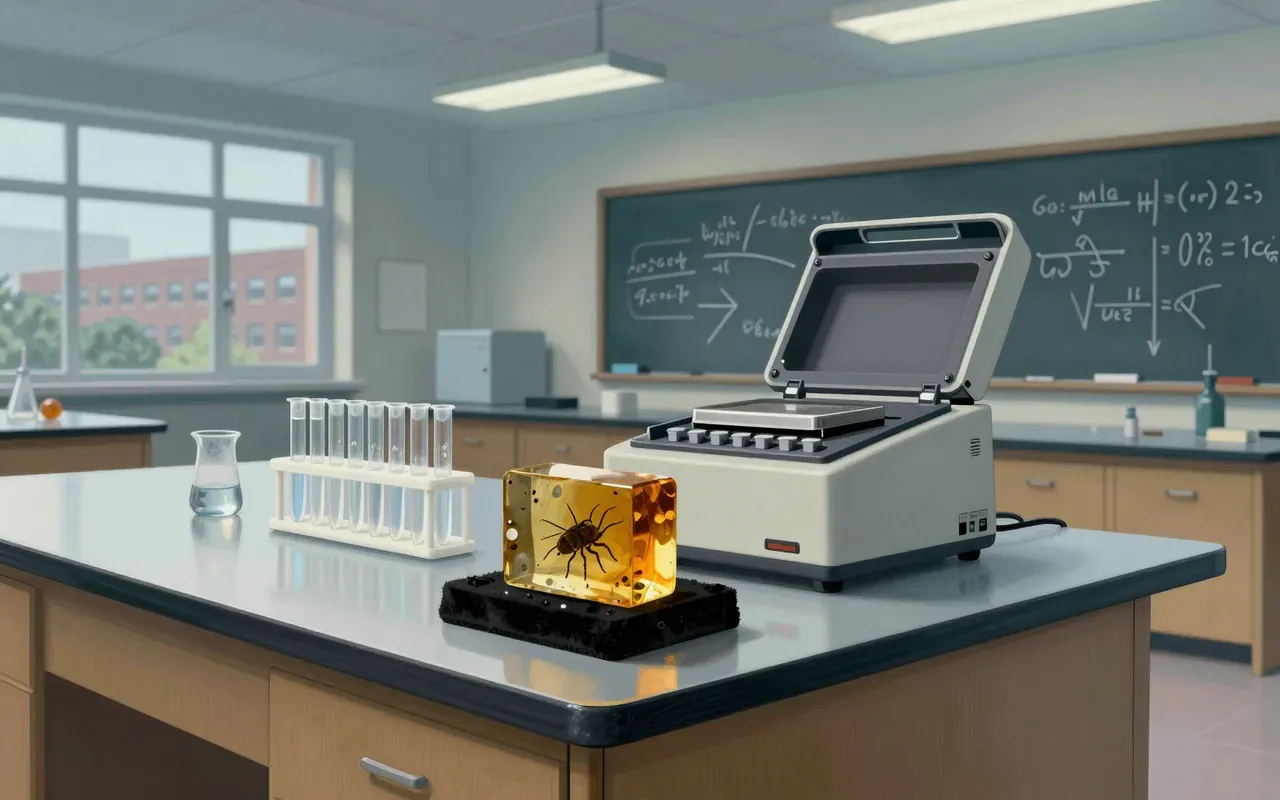
The field learned this lesson the hard way. In the 1990s, following the arrival of the polymerase chain reaction technique that let tiny amounts of DNA be copied and amplified, researchers reported recovering DNA from sources including insects trapped in amber tens of millions of years old and dinosaur bone tens of millions of years older still. These claims did not survive careful replication; the supposed dinosaur DNA, for instance, was later shown to be modern human genetic material that had contaminated the sample. Episodes like this forced the field to develop much stricter standards before a result could be trusted, rather than accepting a plausible-looking sequence at face value.
Pääbo’s authentication methods
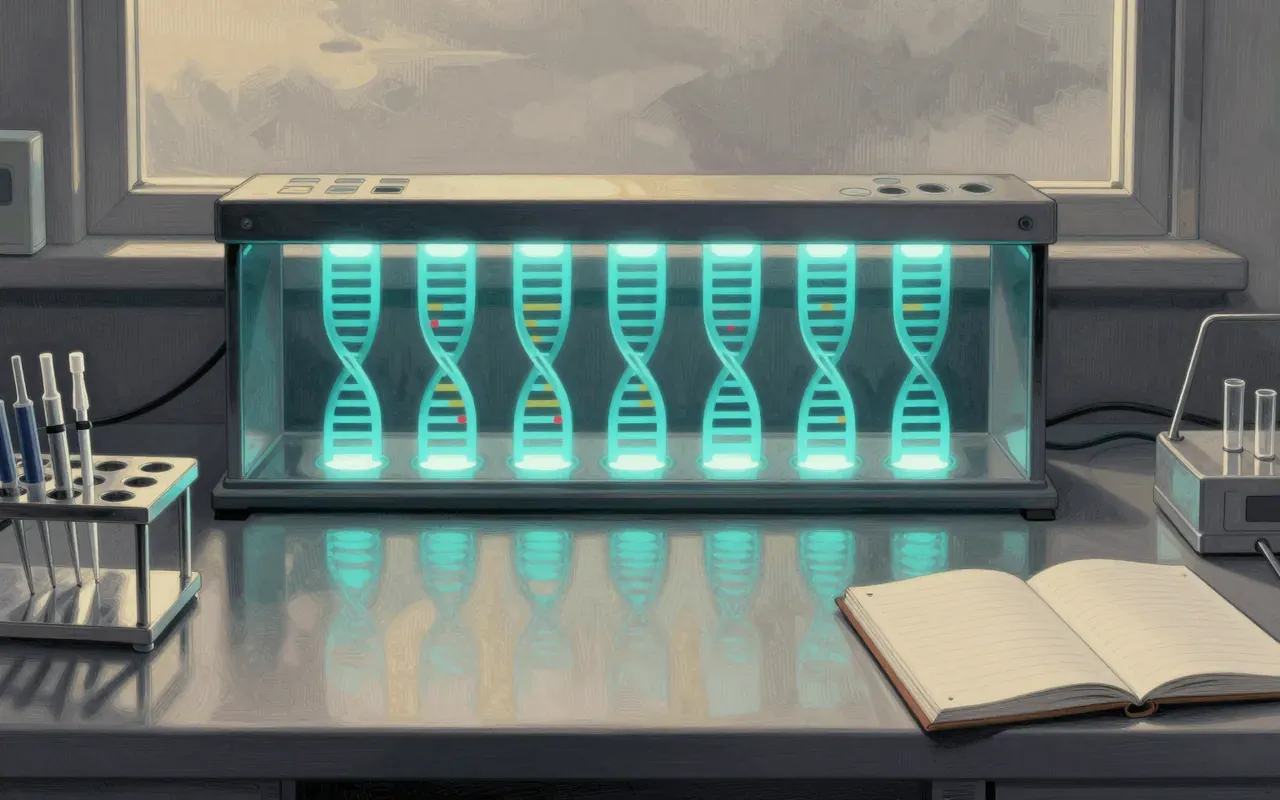
Svante Pääbo, working from the 1980s onward and later founding the genetics department at the Max Planck Institute for Evolutionary Anthropology, built much of that stricter toolkit. His methods addressed both extraction, getting usable fragments out of degraded material without introducing new contamination, and authentication, distinguishing genuinely ancient DNA from modern contaminants after the fact. One key authentication signature is a specific chemical change, the deamination of cytosine into uracil, that accumulates at the ends of DNA fragments over time and shows up as a distinctive pattern of substitutions when the DNA is sequenced, a pattern modern contaminating DNA does not share.
A genome and a new relative
These methods produced results that reshaped human evolutionary history. Pääbo’s team sequenced Neanderthal mitochondrial DNA as early as 1997 and completed a draft of the full Neanderthal nuclear genome by 2010, sequencing billions of base pairs from degraded fossil material. In the same period, analysis of DNA from a single finger bone recovered in Denisova Cave in Siberia revealed genetic sequences unlike those of any known human population, leading to the identification of an entirely new extinct human relative, the Denisovans, previously unknown from any substantial fossil record. Both findings also demonstrated that ancient humans interbred with these archaic relatives, leaving detectable genetic traces in many people living today.
Pushing the age limit back
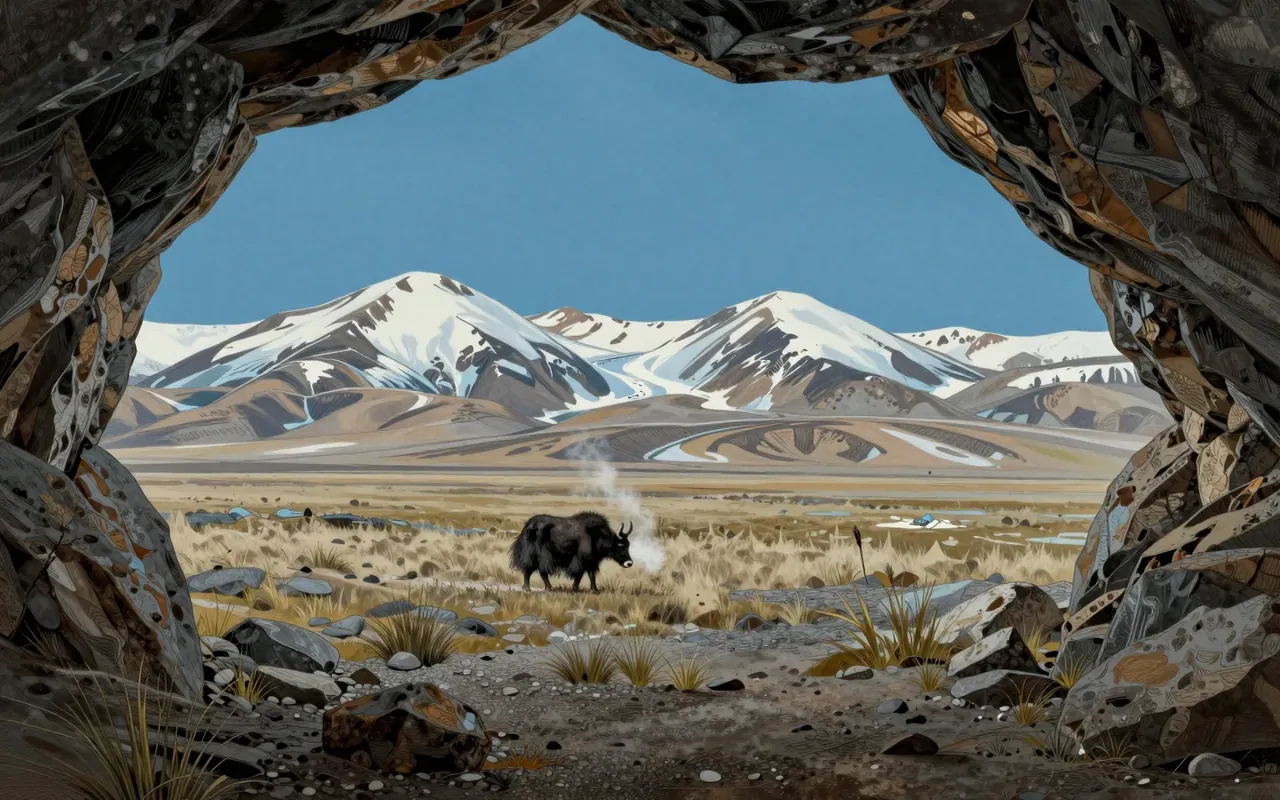
Since then the field has pushed the boundary of how old a sample can be and still yield usable DNA. Researchers recovered nuclear DNA from Siberian mammoth teeth preserved in permafrost and estimated at over a million years old, and in 2022 announced the recovery of genetic material from Greenland sediment dated to around two million years, the oldest DNA identified to date. Separate work has also shown that permafrost is not the only viable preservation environment, with authenticated ancient DNA recovered from a cave bear specimen more than 300,000 years old that had not been frozen, indicating that cold, stable conditions of various kinds can preserve DNA over very long spans.
A hard ceiling still applies
This is worth the time because it is a genuine case of a scientific field disciplining itself, learning from its own high-profile errors in the 1990s to build the rigorous standards that made discoveries such as the Neanderthal genome and the Denisovans credible rather than merely plausible. It rewards the reader with concrete, well-documented breakthroughs rather than speculation, work recognised with Pääbo’s 2022 Nobel Prize. It will disappoint anyone hoping the method could ever reach dinosaurs: even under ideal preservation, researchers estimate DNA cannot remain intact and sequenceable much beyond roughly a million to a few million years, a hard chemical limit no amount of technical refinement is expected to overcome.