sciencebriefs
Topic

Deep time

Timescales the mind is not equipped to hold.
30
in science
11:45
average
352 min
in total
80
across the network
Deep time across the network →
All briefs30
8:07

Henry Gee

Henry Gee is a British palaeontologist and evolutionary biologist, a senior editor at Nature, and the author of books on deep time, the origin of vertebrates and human evolution.
9:19

Water cycle

A correct theory of the water cycle existed for 230 years before science accepted it.
9:56

Alfred Wegener

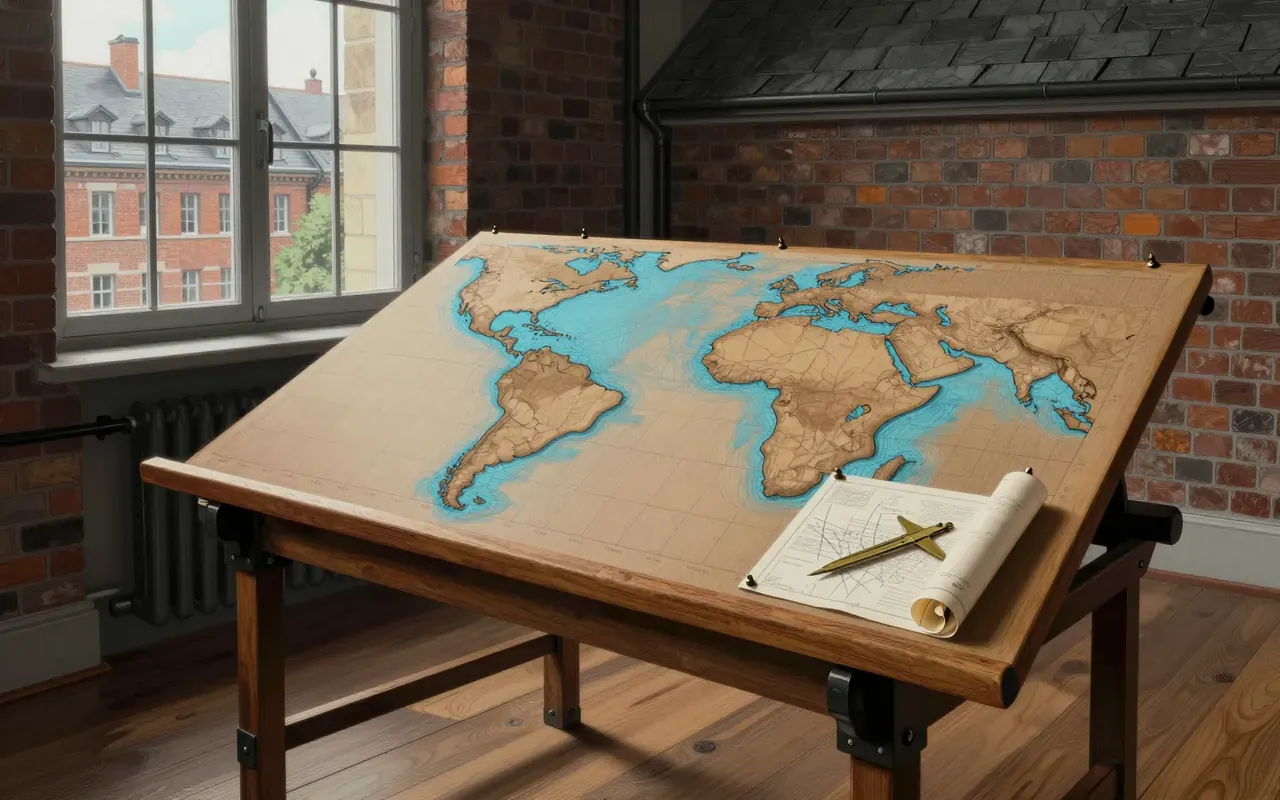
Wegener didn’t prove continental drift—he proved it was the only explanation that fit the map, the rocks, and the fossils.
13:00

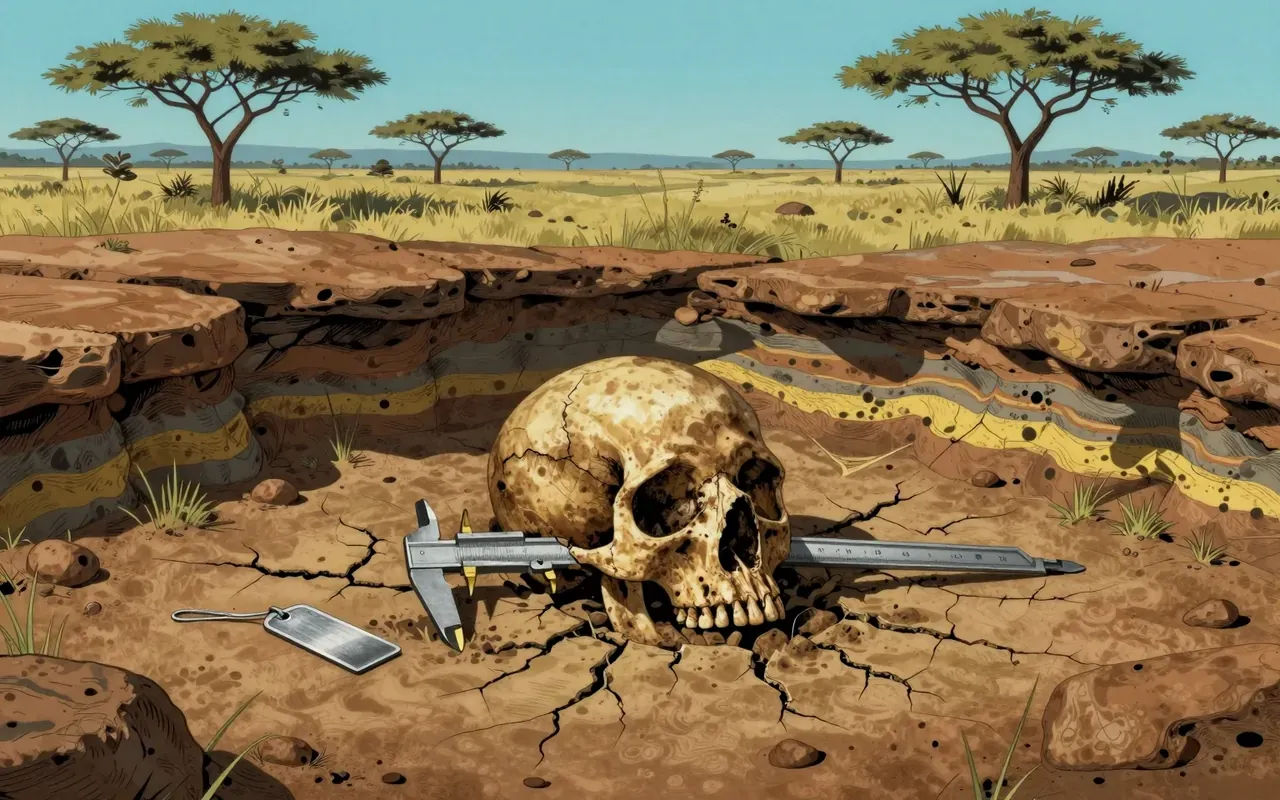
Ancient DNA

Svante Pääbo spent decades building the methods to pull authentic genetic sequences out of fossils riddled with damage and contamination, work that let him sequence the Neanderthal genome and identify a new human relative from a single finger bone.
13:00

Biosignature

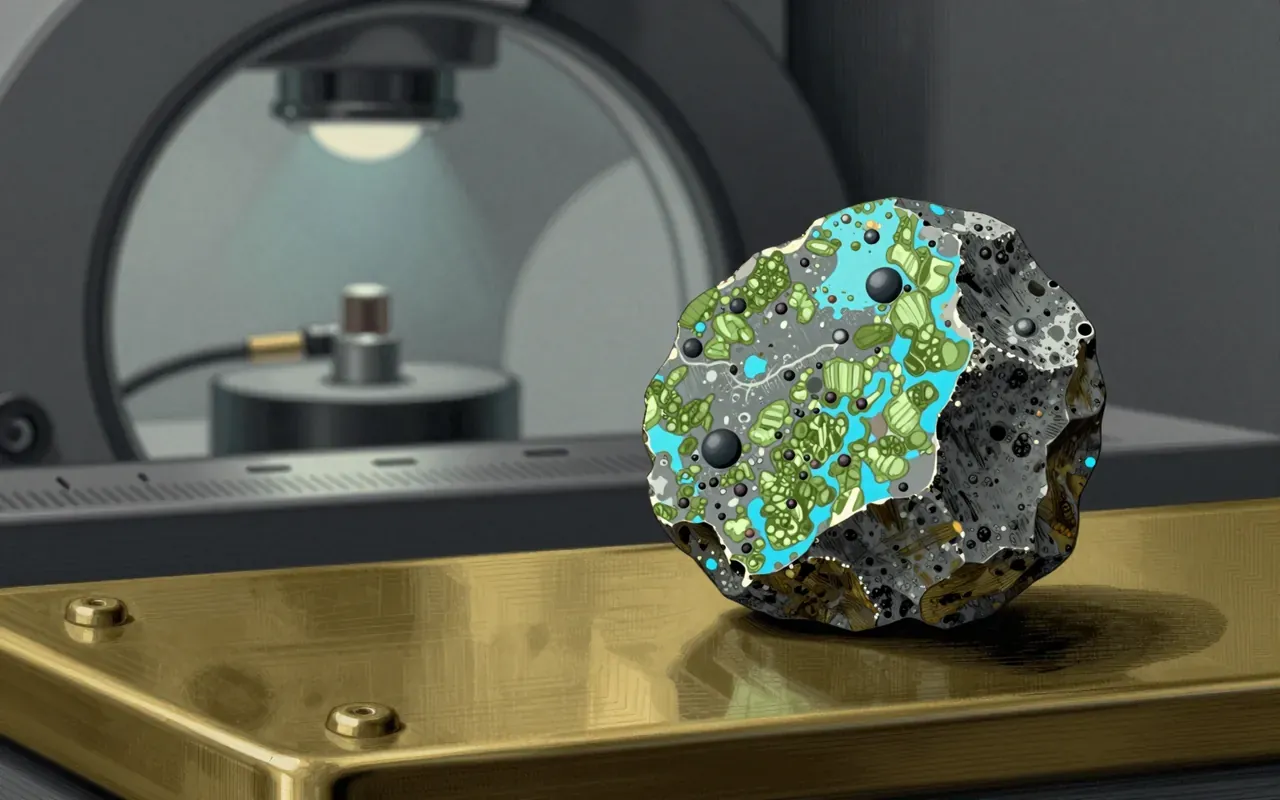
A meteorite once thought to hold fossilised Martian bacteria turned out to show structures too small to be cells, and that failure is the reason biosignature science now demands several independent lines of evidence, which this brief follows from oil-industry chemistry to Mars.
10:48

Charles Darwin

Darwin did not discover evolution — he discovered how it works, and why it must be true.
13:00

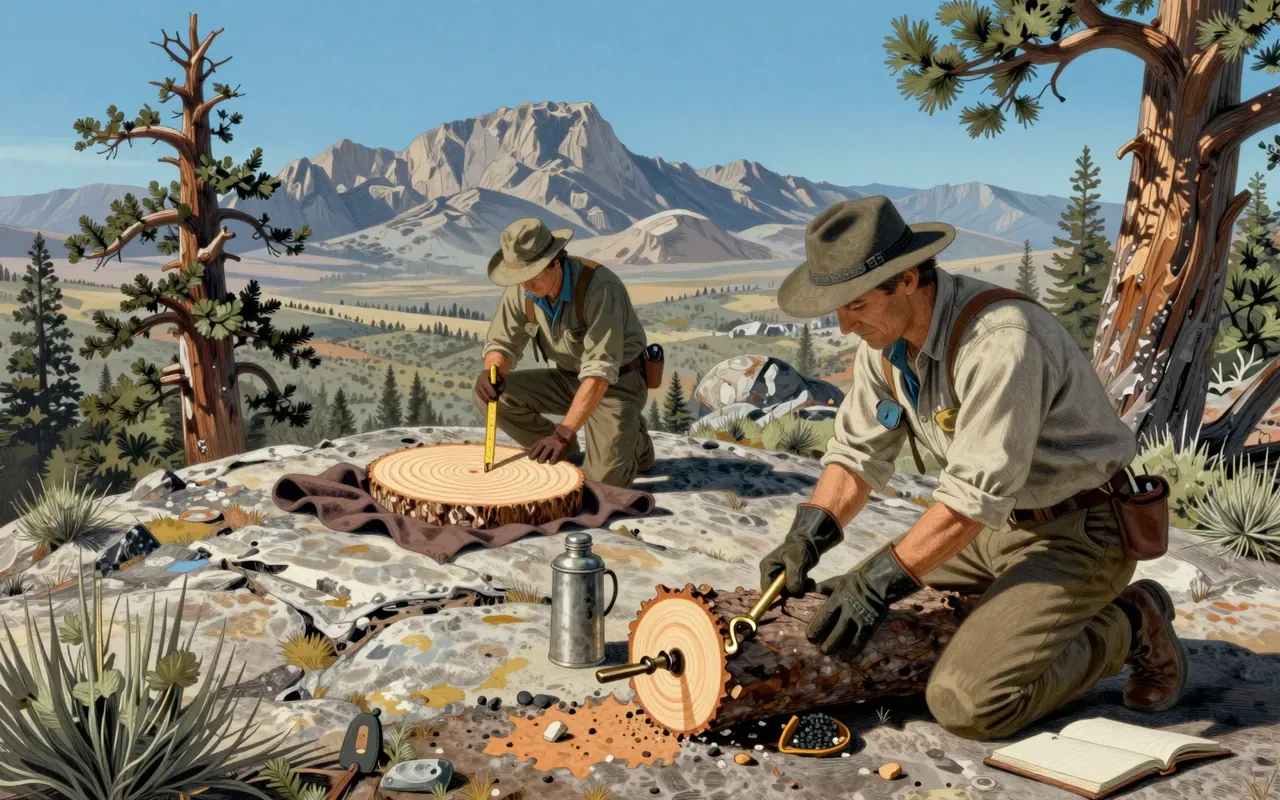
Dendrochronology

A single wooden beam found in Arizona in 1929 closed a gap between two separate tree-ring records and gave archaeologists a continuous calendar reaching back to the year 700, which this brief follows from an astronomer's sunspot obsession to modern art forgery detection.
13:00

Denisovan

A single finger bone found in a Siberian cave in 2008 was enough to identify an entirely new group of ancient humans through DNA alone, years before any skull could be confidently linked to them.
13:00

Symbiogenesis

Lynn Margulis's paper arguing that mitochondria and chloroplasts were once free-living bacteria was rejected by around fifteen journals before publication in 1967, and it took another decade of genetic evidence before biologists widely accepted it.
9:58

Georges Cuvier

Cuvier didn’t just name extinct beasts — he proved life could vanish, and made Earth’s history a story of catastrophe, not continuity.
13:00

Milankovitch cycles

Milutin Milanković worked out how slow wobbles and stretches in Earth's orbit change sunlight at high latitudes, and ice cores confirm the pattern, but the dominant cycle length still does not match his prediction.
9:46

Jean-Baptiste Lamarck

Lamarck didn’t get evolution wrong — he built the first working theory of it, and it still shapes how we ask biological questions.
13:00

Australopithecus afarensis

Lucy's 1974 skeleton, confirmed two years later by footprints preserved at Laetoli, showed that walking upright evolved long before the large human brain, though her species' exact lifestyle and lineage remain debated.
13:00

Magnetostratigraphy

Rock cooling or settling locks in a record of which way Earth's magnetic field pointed at that moment, and stacking those records into black-and-white bands helped confirm seafloor spreading, which this brief follows into the reversals themselves.
13:00

Molecular clock

A 1967 protein comparison suggested humans and chimpanzees split far more recently than fossils then implied, and the molecular clock method behind that claim has since been refined to account for the fact that its own ticking rate is not actually constant.
13:00

Palynology

Lennart von Post built the first modern pollen diagram in 1916 but published mostly in Swedish, and it took a colleague's German-language paper to spread the method, which this brief follows from a Christiania lecture to modern forensic and honey testing.
13:00

Seafloor spreading

A Canadian geologist worked out the same explanation as two Cambridge researchers in 1963, but his paper was rejected twice, and the idea now carries only their names in its title.
10:26

Punctuated equilibrium

Gould and Eldredge

Punctuated equilibrium is a descriptive claim about fossil patterns — not a mechanism, not a refutation, not a universal law. It says what is seen (stasis), what is rare (gradualism), and where change appears (cladogenesis). Its power lies in its restraint.
13:00

Radiocarbon dating

Willard Libby built radiocarbon dating around a half-life value later found off by three percent, an error still baked into how raw dates get reported, and this brief follows that wrinkle and everything else that must be corrected first.
9:13

Burgess Shale

The Burgess Shale doesn’t prove an ‘explosion’ — it’s the only place where we can see what exploded.
11:40

Hubble Deep Field

The Hubble Deep Field didn’t reveal the early universe — it revealed how little we knew about galaxy assembly before we counted them properly.
13:00

Mid-ocean ridge

Marie Tharp saw a valley running down the centre of a seafloor mountain range in her own sounding data, and her research partner initially dismissed it as girl talk because it supported a theory the field had already rejected.
13:00

Recent African origin of modern humans

Mitochondrial DNA studies traced every non-African lineage back to a single African branch, settling a long dispute over whether modern humans arose in one place or evolved in parallel across continents, though later genetics complicated the tidy version of the story.
13:00

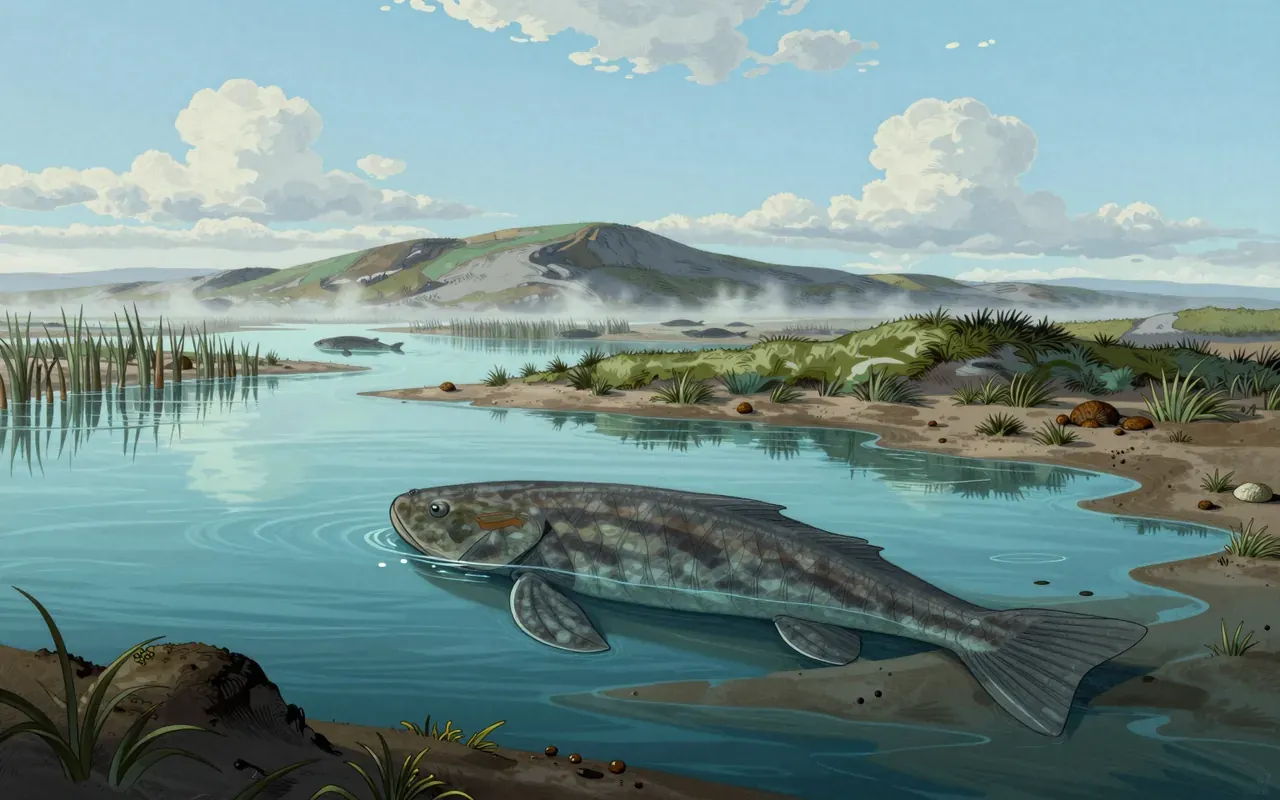
Tiktaalik

Neil Shubin's team predicted where a fish-to-land transitional fossil should be found, went looking on Arctic Ellesmere Island, and found Tiktaalik, though a 2010 trackway discovery has since complicated the tidy story of what it represents.
13:00

Younger Dryas

The Younger Dryas plunged the Northern Hemisphere back into cold within decades, and while most researchers link it to a slowdown in Atlantic ocean circulation, a rival comet-impact idea has been examined and largely rejected.
13:00

Uniformitarianism

James Hutton and Charles Lyell argued that the slow processes shaping the Earth today have always operated the same way, and reading that logic backward is what first showed the planet had to be far older than tradition allowed.
9:49

Vladimir Vernadsky

Life isn’t just on Earth — it *is* Earth’s geology, and minds are its next stratum.
13:00

Continental drift

Wegener's 1912 evidence for drifting continents was sound, but geologists rightly rejected it for lacking a mechanism, until seafloor spreading and magnetic striping supplied one roughly fifty years later.
9:33

On the Origin of Species

Charles Darwin

On the Origin of Species (1859) introduced natural selection as the mechanism for evolutionary descent with modification. It presented evidence for common descent via a branching pattern, drawn from Darwin’s Beagle expedition, research, correspondence, and experimentation. It established descent with modification as the dominant scientific explanation of natural diversification. Its proposition of universal common ancestry is now accepted—but that acceptance postdates the book and is not itself what the book established.