What the work claims
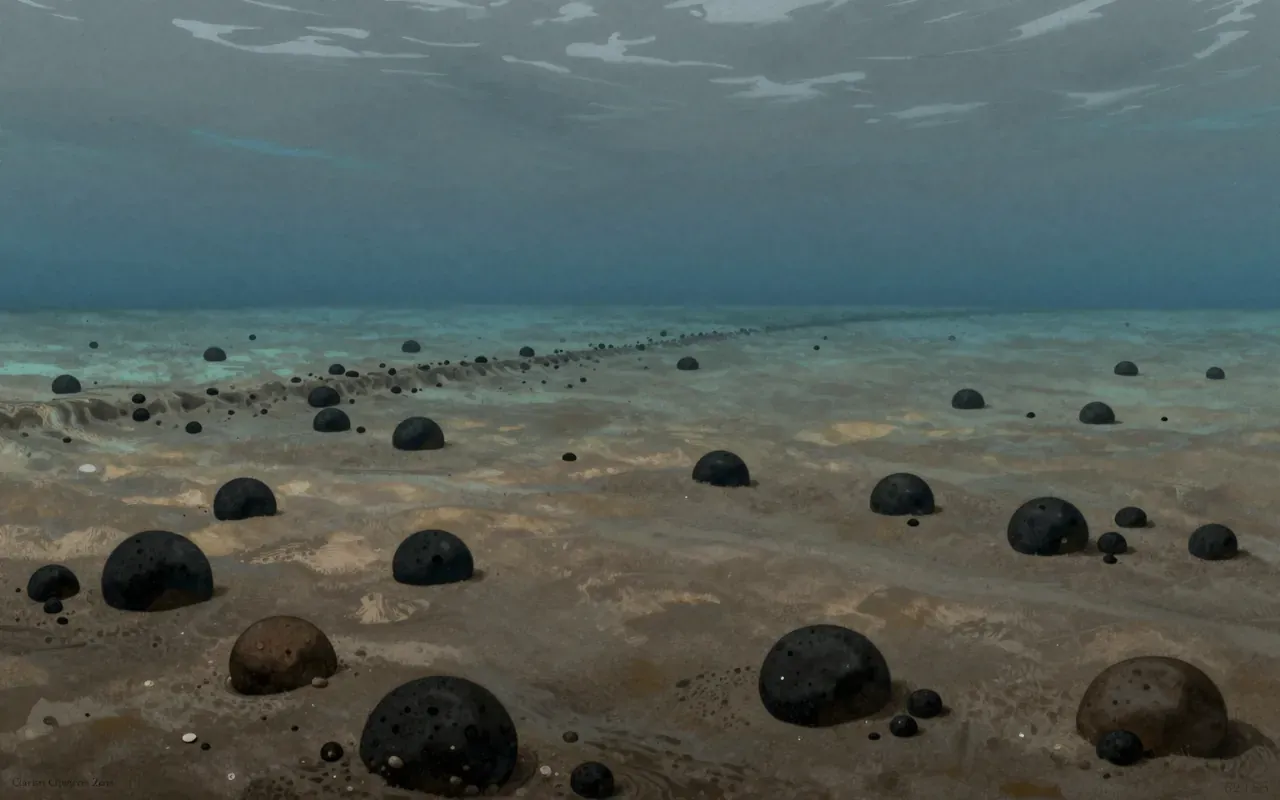
That the deep sea is physically measurable, biologically inhabited, and topographically structured—beyond the continental shelf and below known shallow limits.
How it was done
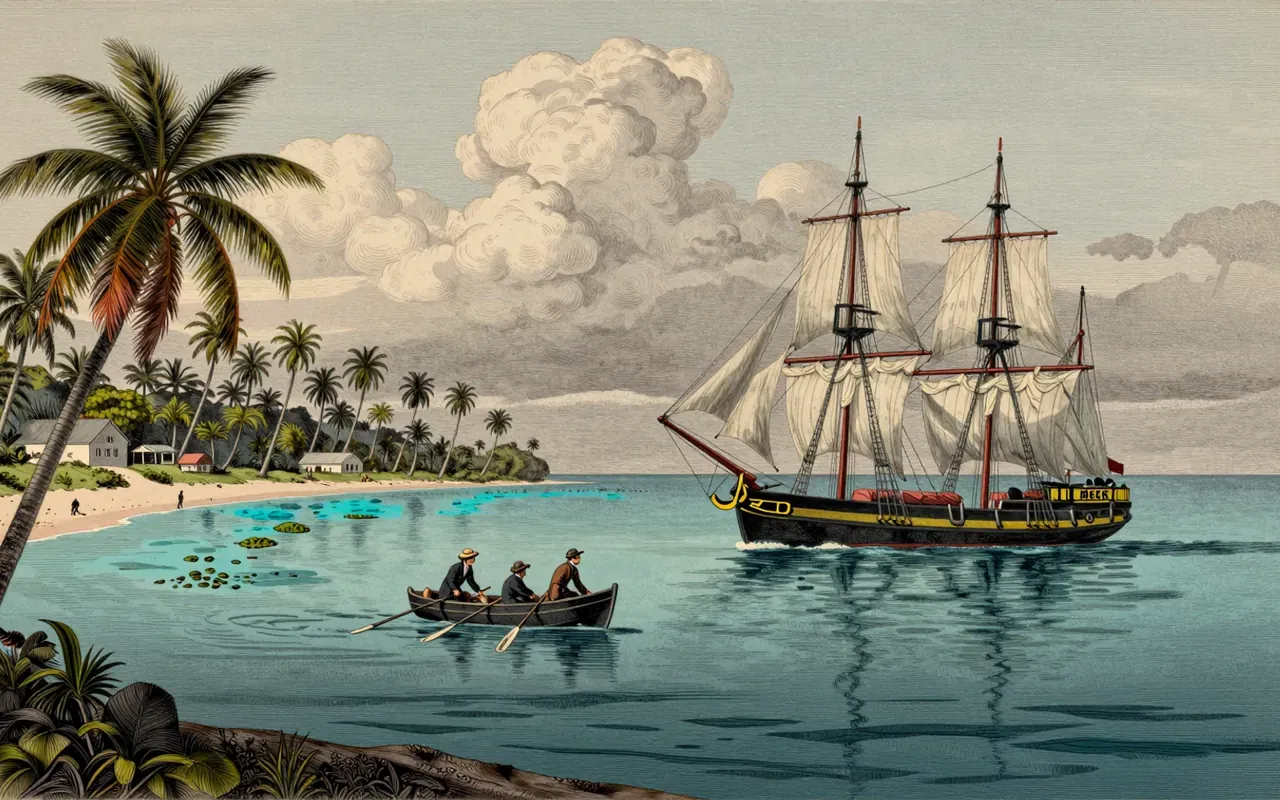
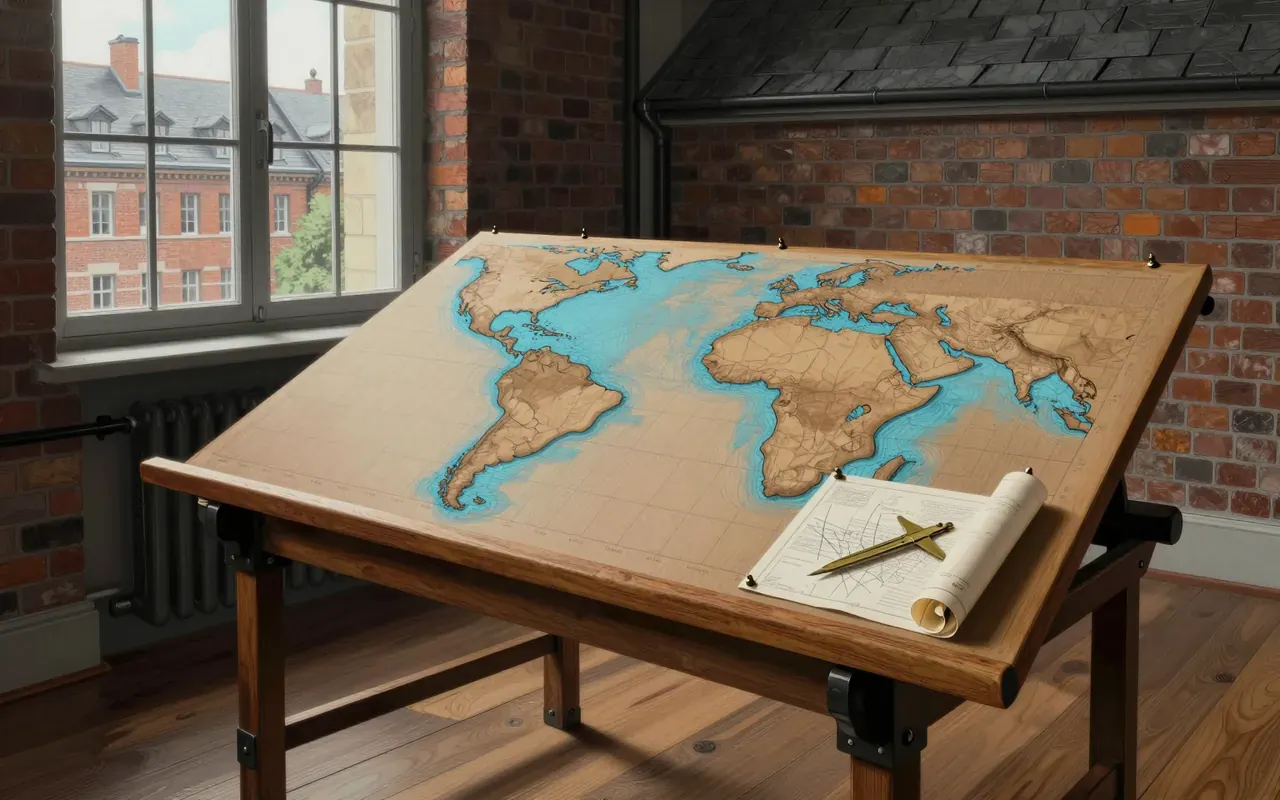
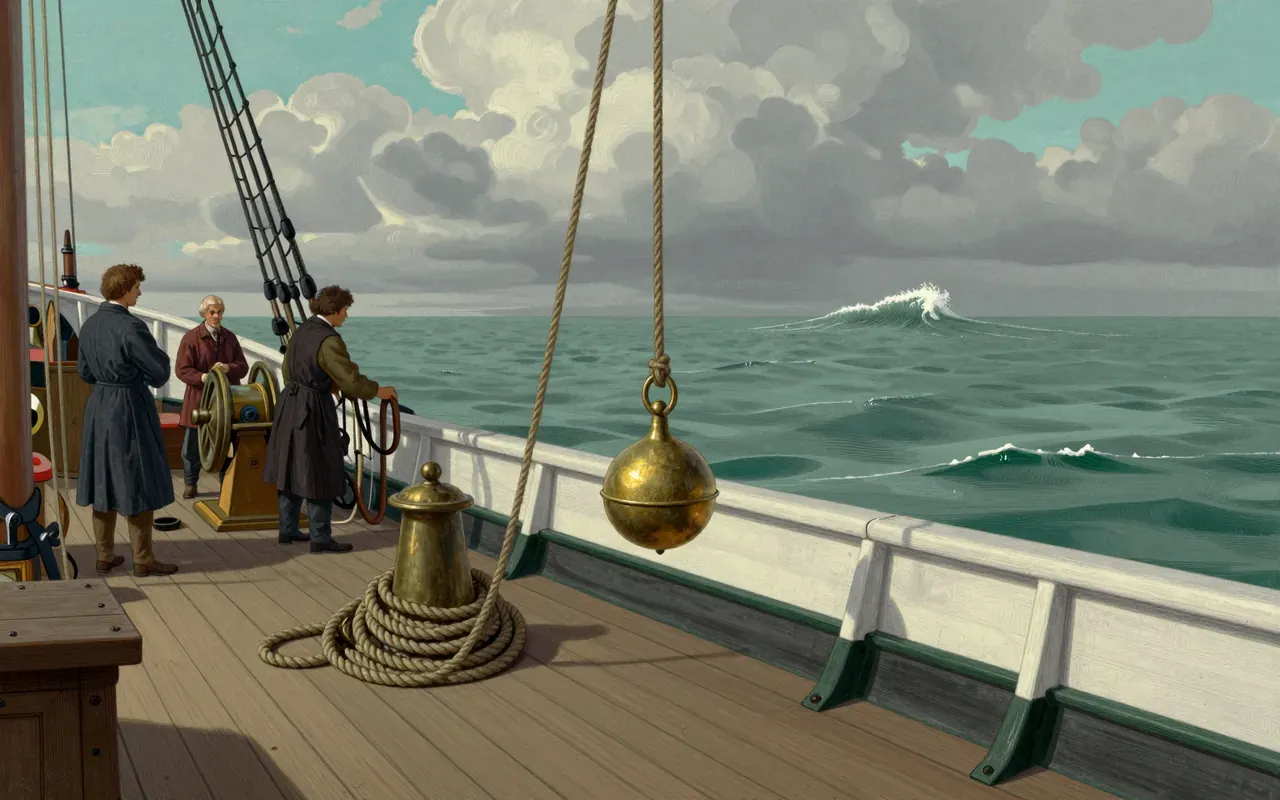
Deep-sea exploration began with Laplace’s analysis of Atlantic tidal motions from Brazilian and African coasts. The sounding weight—used by Sir James Clark Ross in 1840—measured depth mechanically. In 1864, Norwegian researchers sampled a stalked crinoid at 3,109 m. The HMS Challenger expedition (1872–1876) deployed systematic sampling across ocean basins.
What holds up
Laplace’s 3,962 m Atlantic average depth was later confirmed by echo-sounding. Ross’s 3,700 m sounding weight measurement stands as the first verified deep depth. The 1864 crinoid at 3,109 m remains the first documented deep-sea organism. Challenger’s mapping of deep ocean basins remains foundational topographic evidence.
What does not
It does not establish deep-sea ecosystems as interconnected, dynamic, or vulnerable. It does not quantify biodiversity beyond species counts. It does not link physical measurements to chemical or biological mechanisms. It does not refute the idea that the deep sea is lifeless—only that it contains some life.
Why it matters beyond the lab
It redefined the ocean from an unmeasurable void into a quantifiable domain. It shifted marine science from coastal observation to global-scale investigation. It enabled later work on plate tectonics, carbon cycling, and conservation—but none of those follow from this work alone.
Is it worth your time
Yes—if you need to understand how ocean depth, life distribution, and seafloor topography were first empirically anchored. No—if you expect modern instrumentation, ecological theory, or climate context.