sciencebriefs
Topic

Oceans

Most of the planet, least of the attention.
11
in science
12:29
average
137 min
in total
48
across the network
Oceans across the network →
All briefs11
13:00

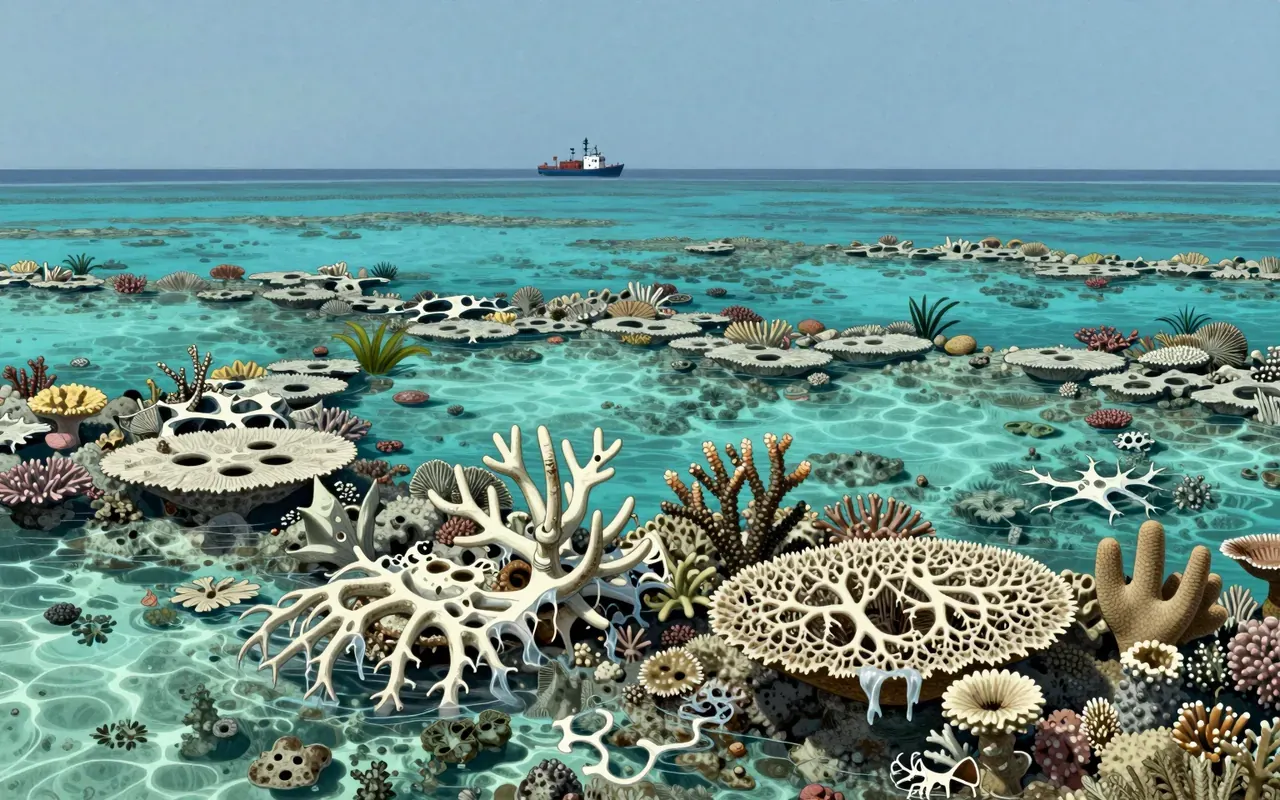
Coral bleaching

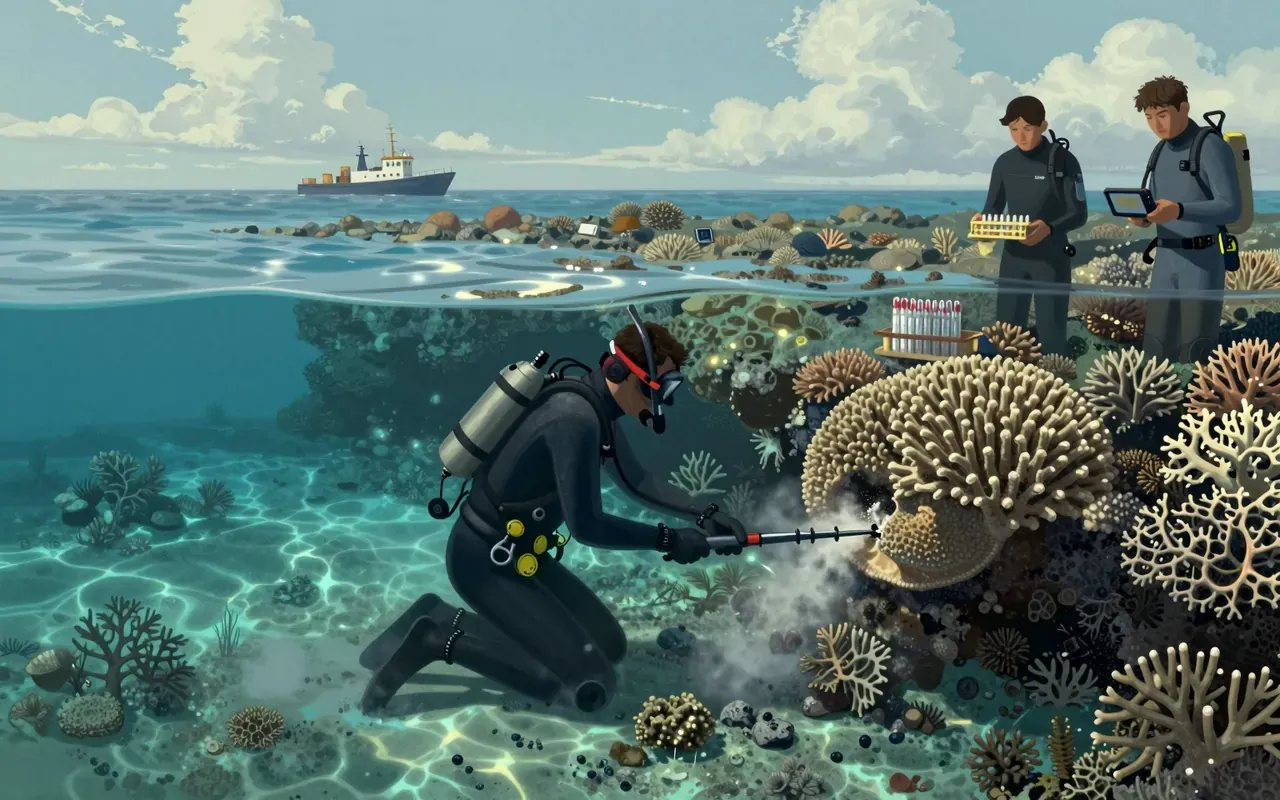
Ove Hoegh-Guldberg predicted in 1999 that most corals would not survive this century, a forecast many dismissed at the time and that recent Great Barrier Reef surveys now appear to be confirming.
13:00

Atoll

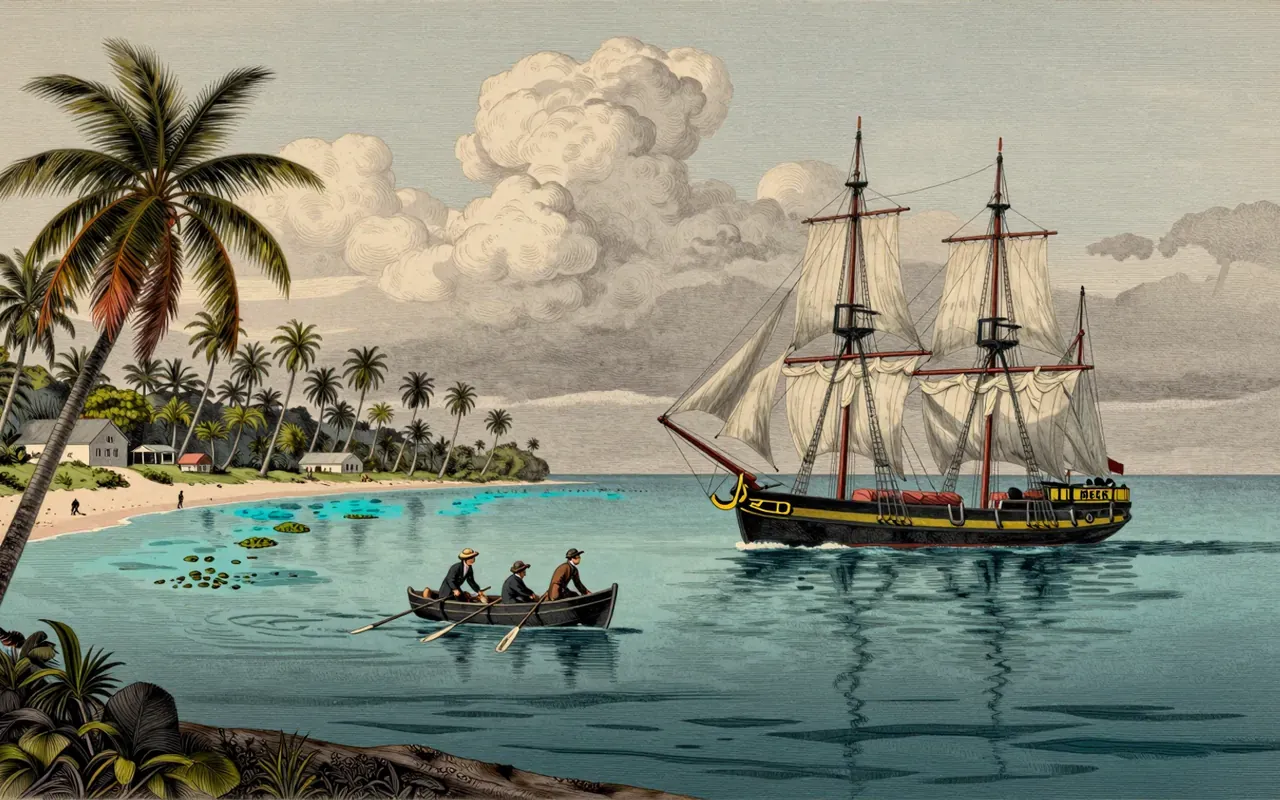
Darwin's 1842 theory that atolls form as volcanic islands slowly sink beneath growing coral reefs was tested by drilling into Funafuti in the 1890s, but recent research suggests it explains only part of how atolls form.
13:00

Hydrothermal vent

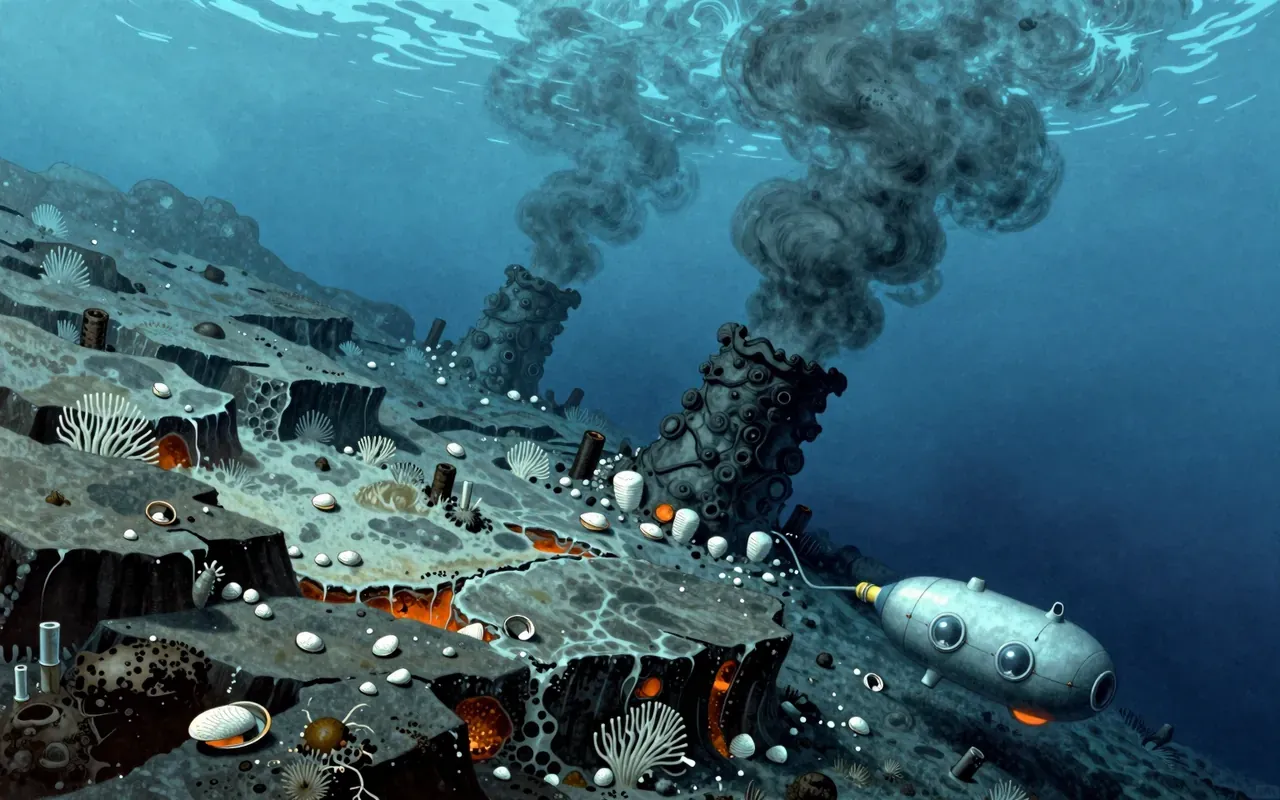
A 1977 dive to the Galapagos Rift found an ecosystem running entirely without sunlight, and a graduate student's follow-up work explained why, which this brief traces from that dive through the chemistry that still feeds tube worms without mouths.
13:00

Manganese nodule

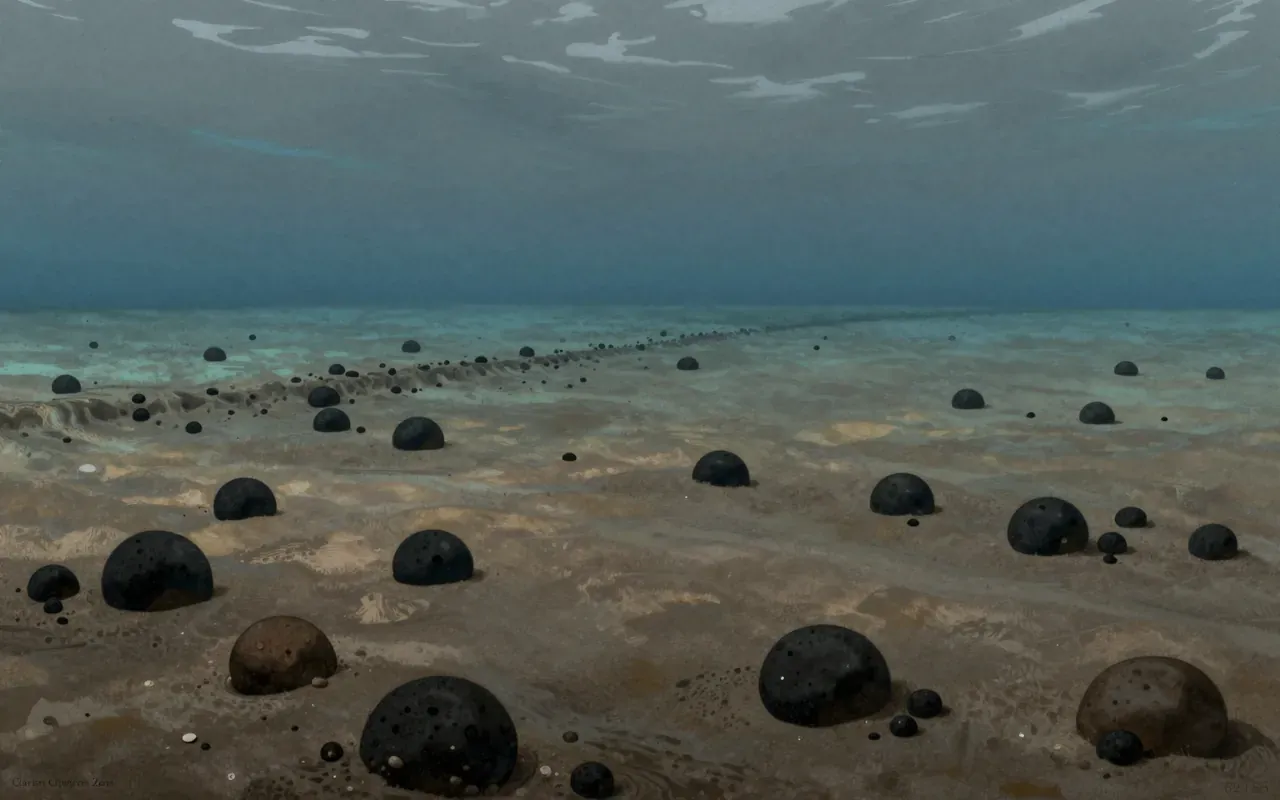
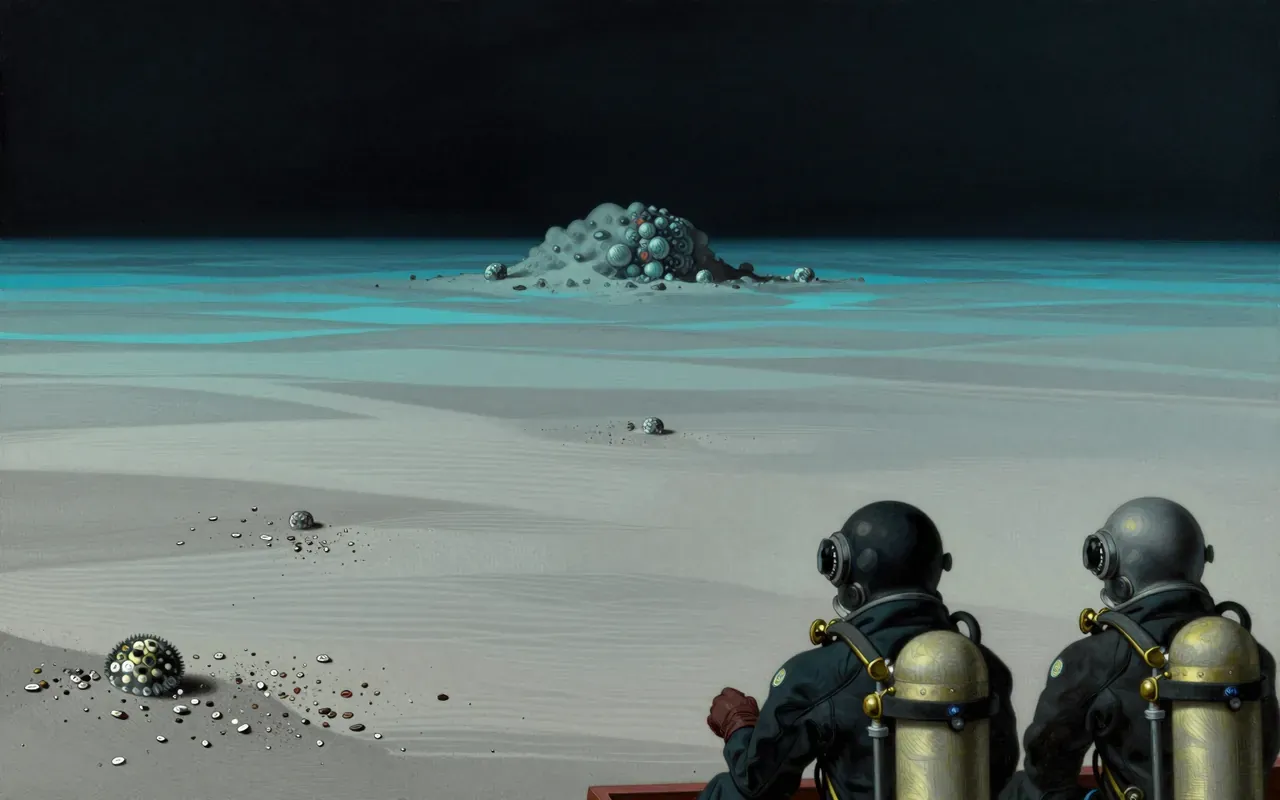
Potato-sized rocks that took millions of years to grow a few millimetres now sit at the centre of a mining industry racing ahead of ecosystem studies that find recovery incomplete even after 26 years.
13:00

Ocean acidification

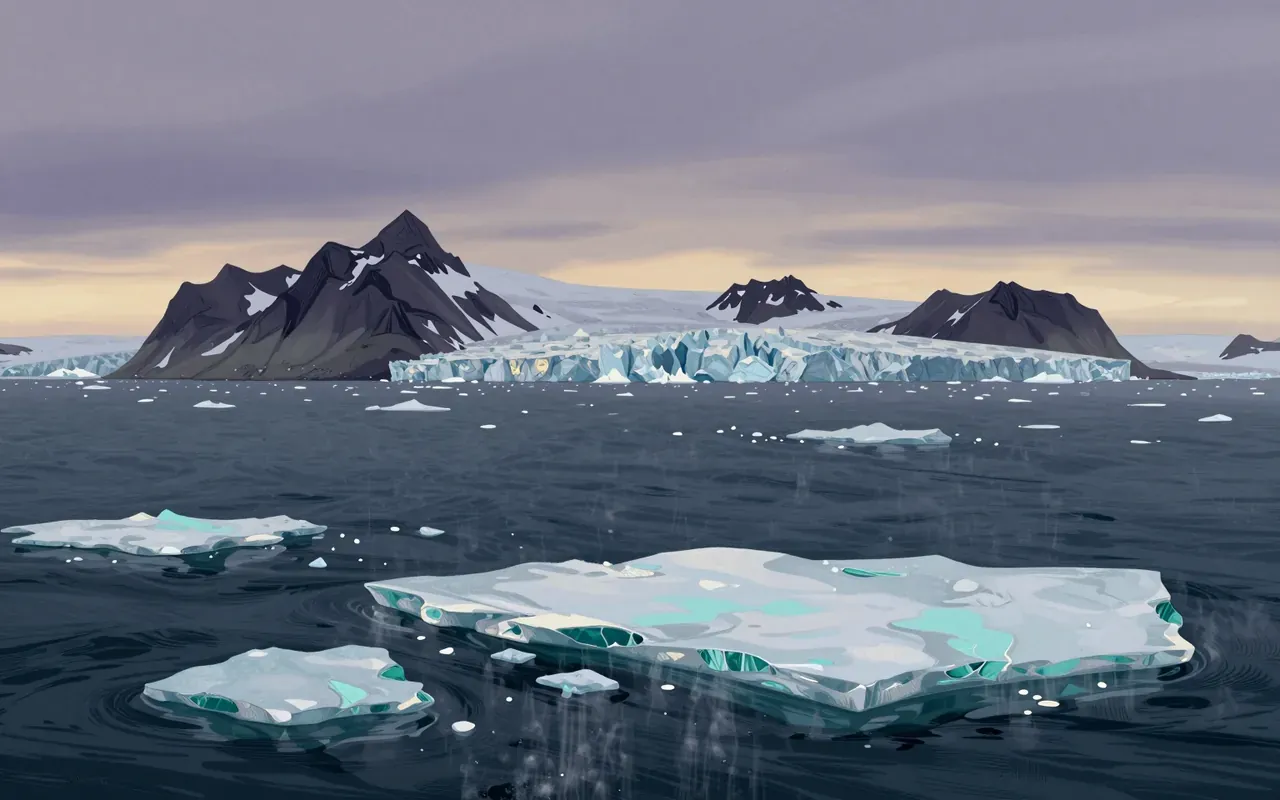
Roughly a third of the carbon dioxide humans have put into the air over 270 years has dissolved into the ocean, and surface seawater pH has already dropped further than at any point in at least 26,000 years.
13:00

Thermohaline circulation

Sinking cold, salty water near Iceland and Antarctica drives a global circulation that keeps Europe warmer than its latitude suggests, and the IPCC now says it is very likely to weaken further this century.
13:00

Challenger Deep

The Trieste's 1960 dive to the Challenger Deep proved crewed vessels could survive Earth's deepest ocean point, though its famous fish sighting there is no longer considered valid by later authorities.
13:00

Giant squid

It took following sperm whales to a spot 970 kilometres south of Tokyo and a four-hour struggle on a baited line before anyone photographed a living giant squid, and it showed an aggressive hunter, not a passive drifter.
9:30

Great Pacific Garbage Patch

Charles Moore · 1980

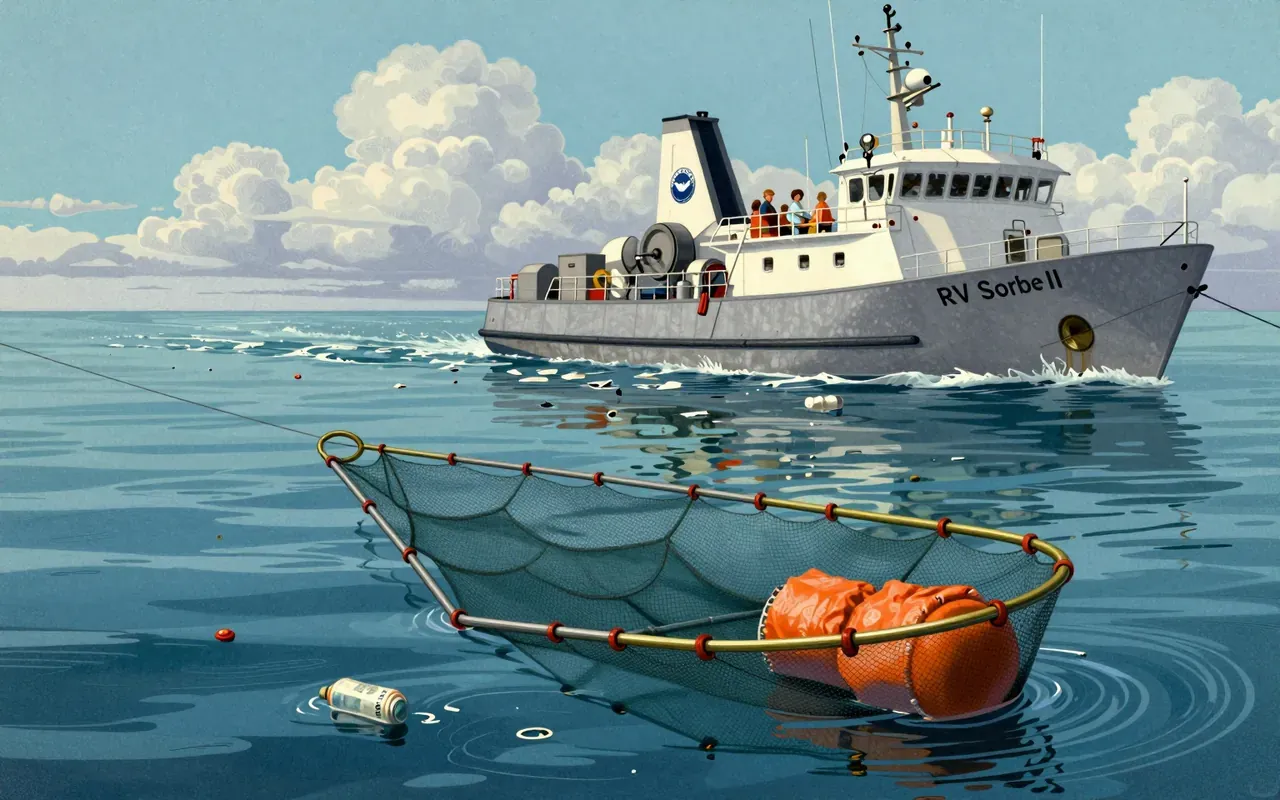
Moore’s 1997 observation was vivid and consequential — but not novel in evidence. The 1988 NOAA paper delivered the first empirical basis. The gap between public attribution and scientific priority is the real story.
13:00

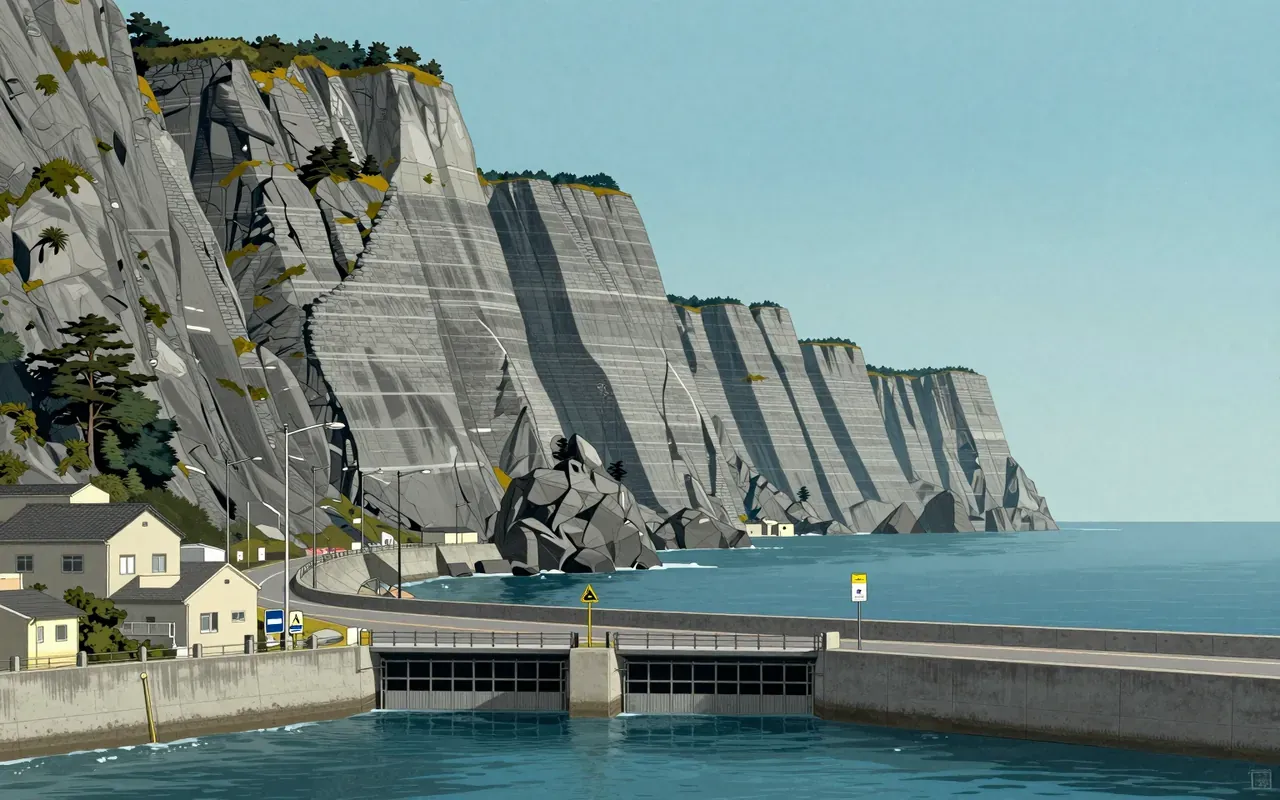
Tsunami

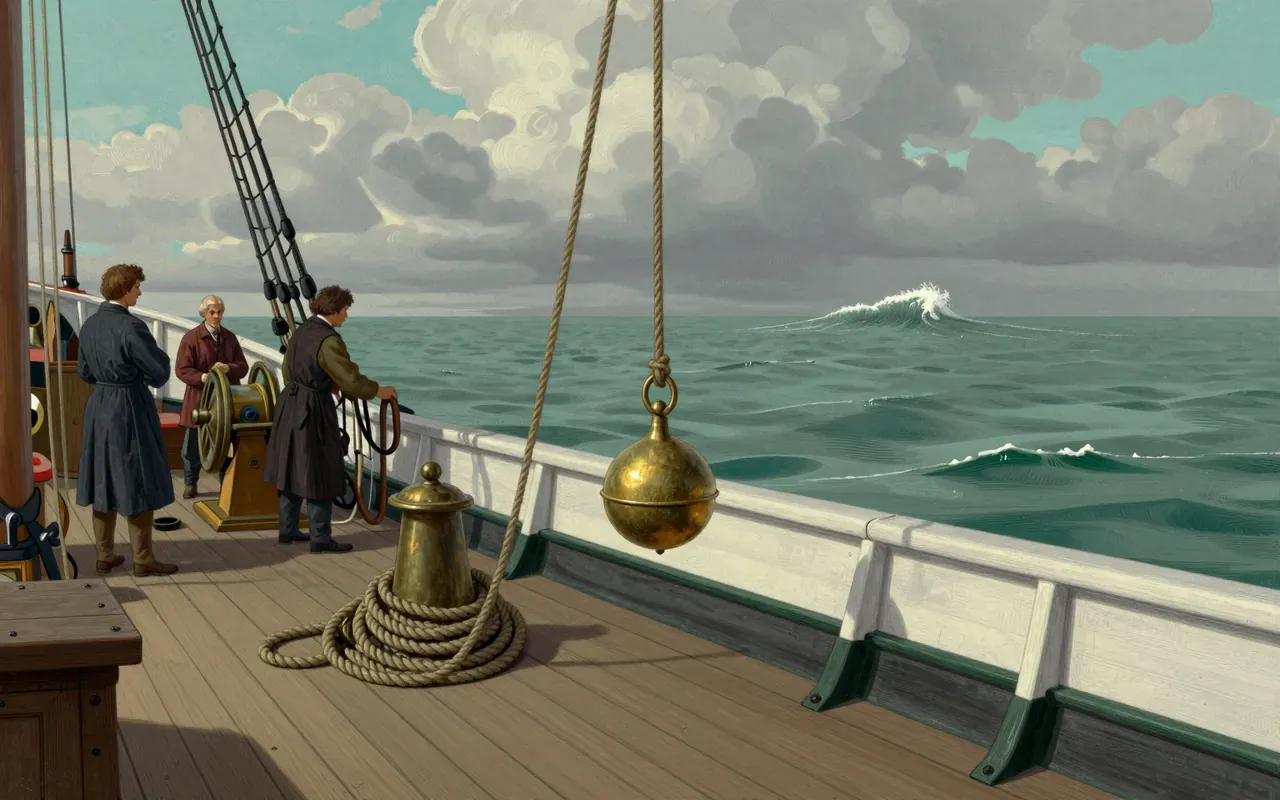
Tsunamis begin when a megathrust earthquake abruptly lifts or drops a stretch of seafloor, and the resulting wave stays almost invisible in the open ocean before growing dangerous as it reaches shallow water.