sciencebriefs
Topic

Geology

The planet as a document, read in layers.
26
in science
12:22
average
321 min
in total
96
across the network
Geology across the network →
All briefs26
9:56

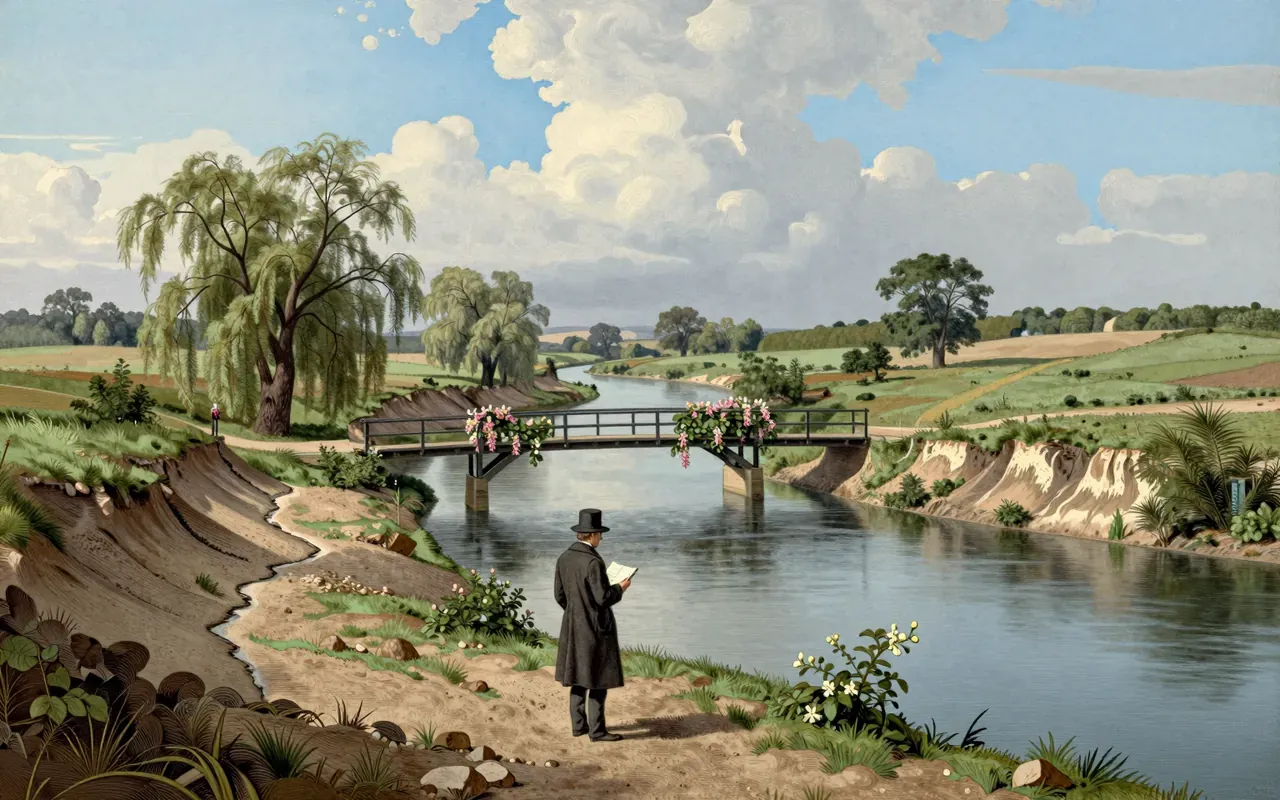
Alfred Wegener

Wegener didn’t prove continental drift—he proved it was the only explanation that fit the map, the rocks, and the fossils.
13:00

Cavendish experiment

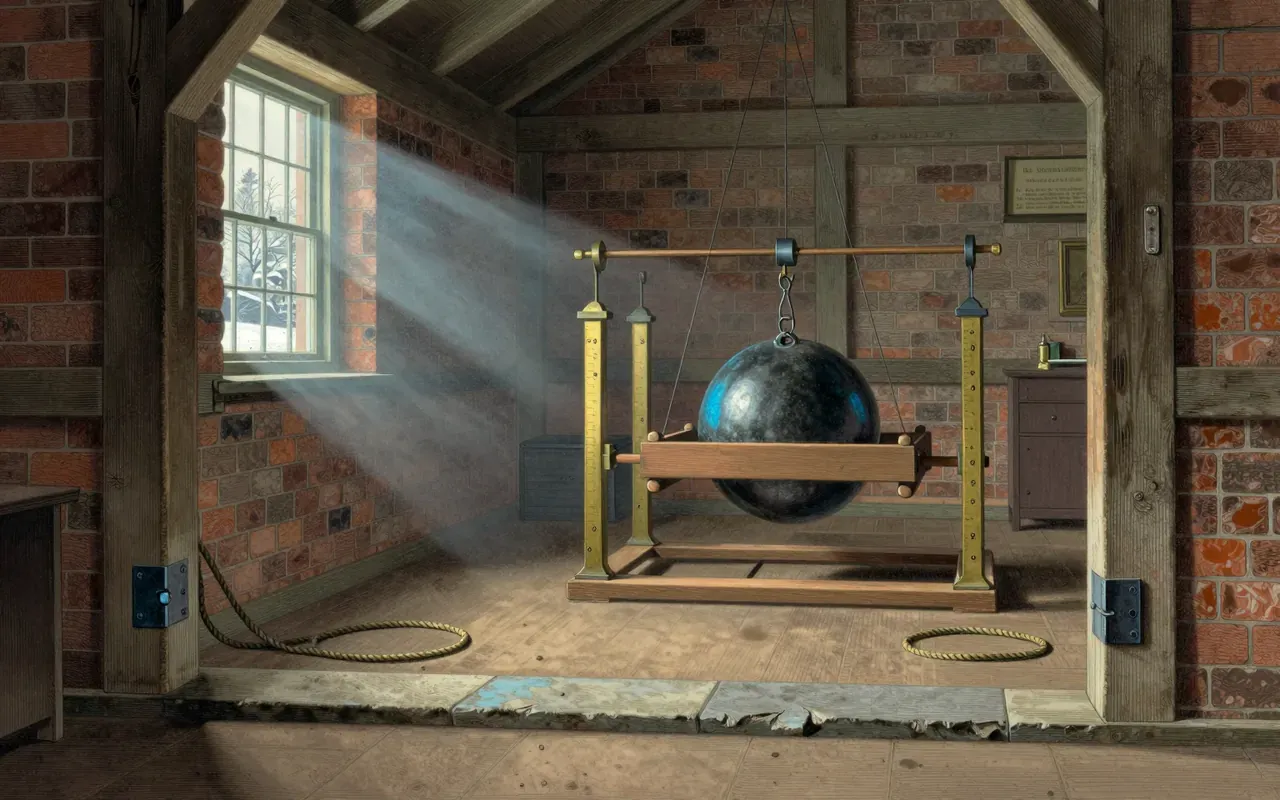
Henry Cavendish measured a gravitational force fifty million times weaker than the weight of the objects producing it, using an apparatus designed by a scientist who died before he could run the experiment himself.
13:00

Atoll

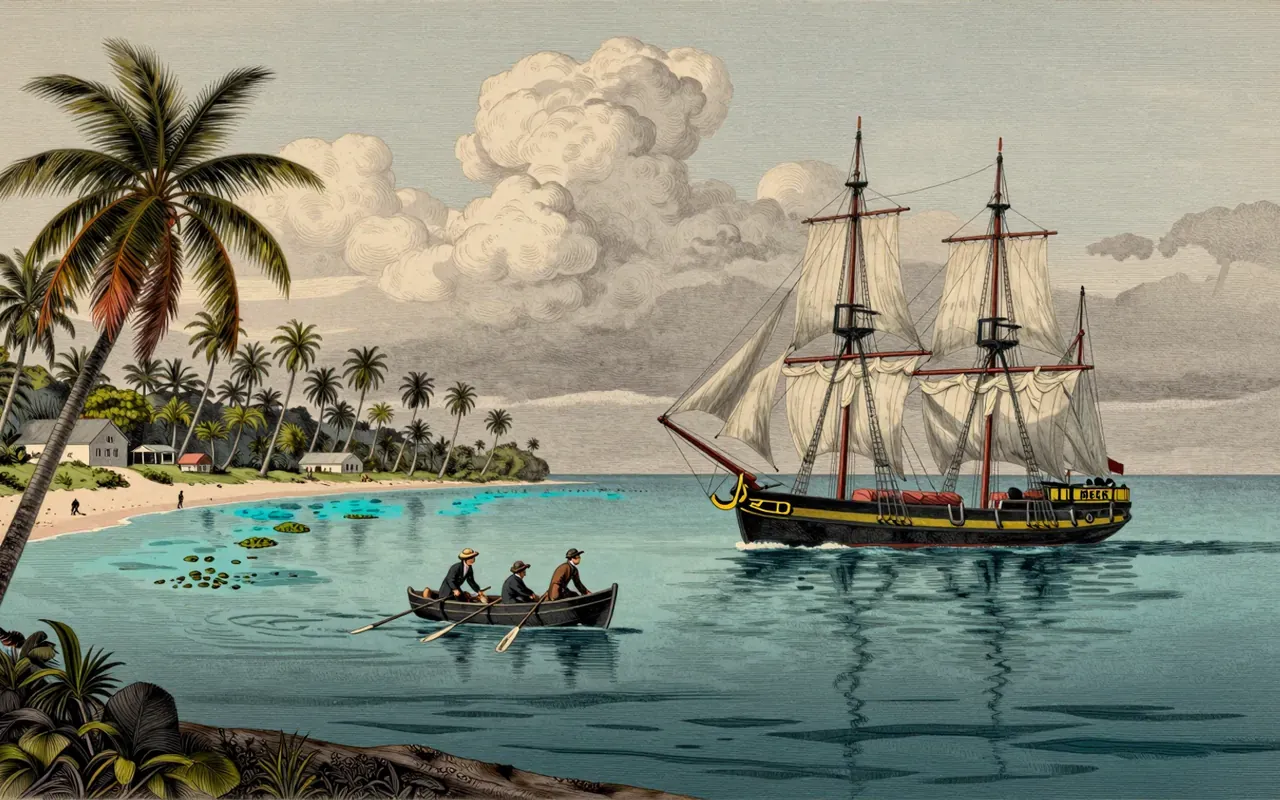
Darwin's 1842 theory that atolls form as volcanic islands slowly sink beneath growing coral reefs was tested by drilling into Funafuti in the 1890s, but recent research suggests it explains only part of how atolls form.
13:00

Dendrochronology

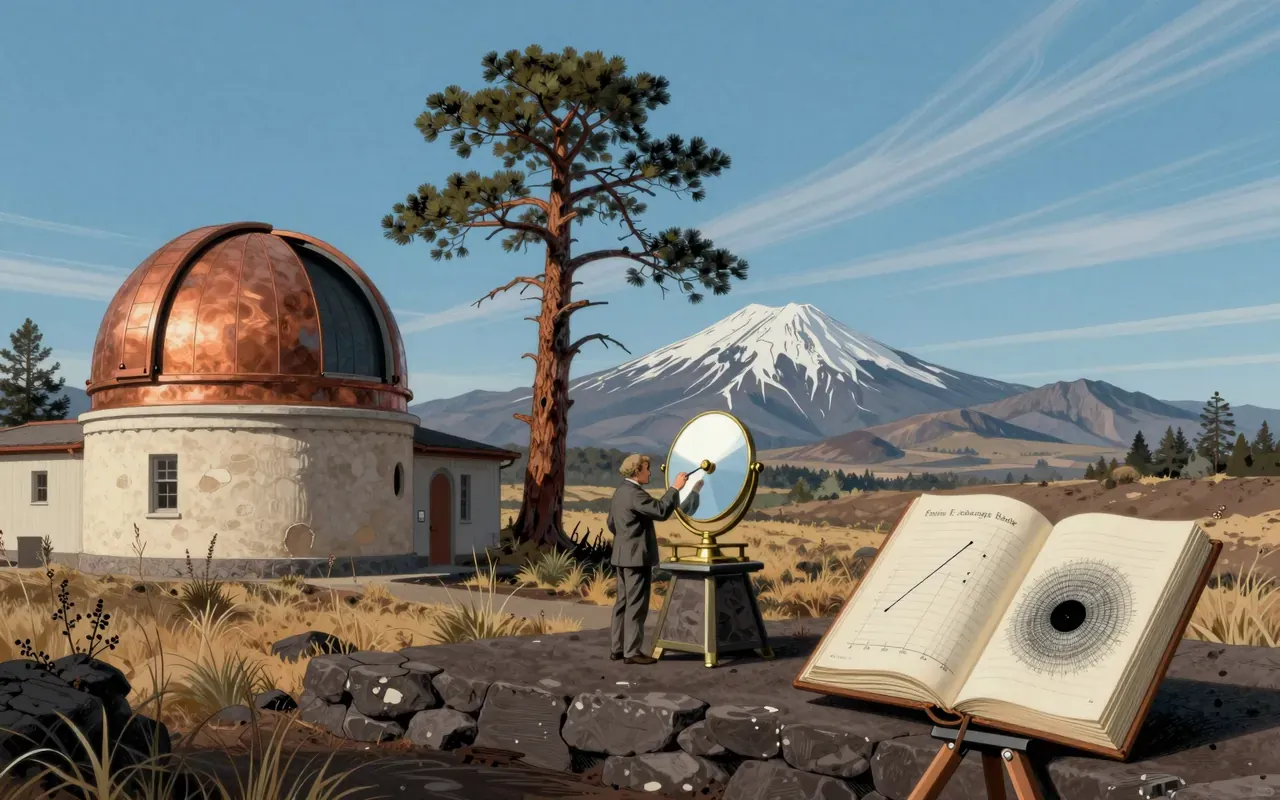
A single wooden beam found in Arizona in 1929 closed a gap between two separate tree-ring records and gave archaeologists a continuous calendar reaching back to the year 700, which this brief follows from an astronomer's sunspot obsession to modern art forgery detection.
13:00

Focal mechanism

A single earthquake can be read as a diagram that looks like a beach ball. Which quadrants come out shaded tells you whether a fault pulled apart, pushed together or slid sideways — and that reading once settled a live argument about seafloor spreading.
13:00

Earth's circumference

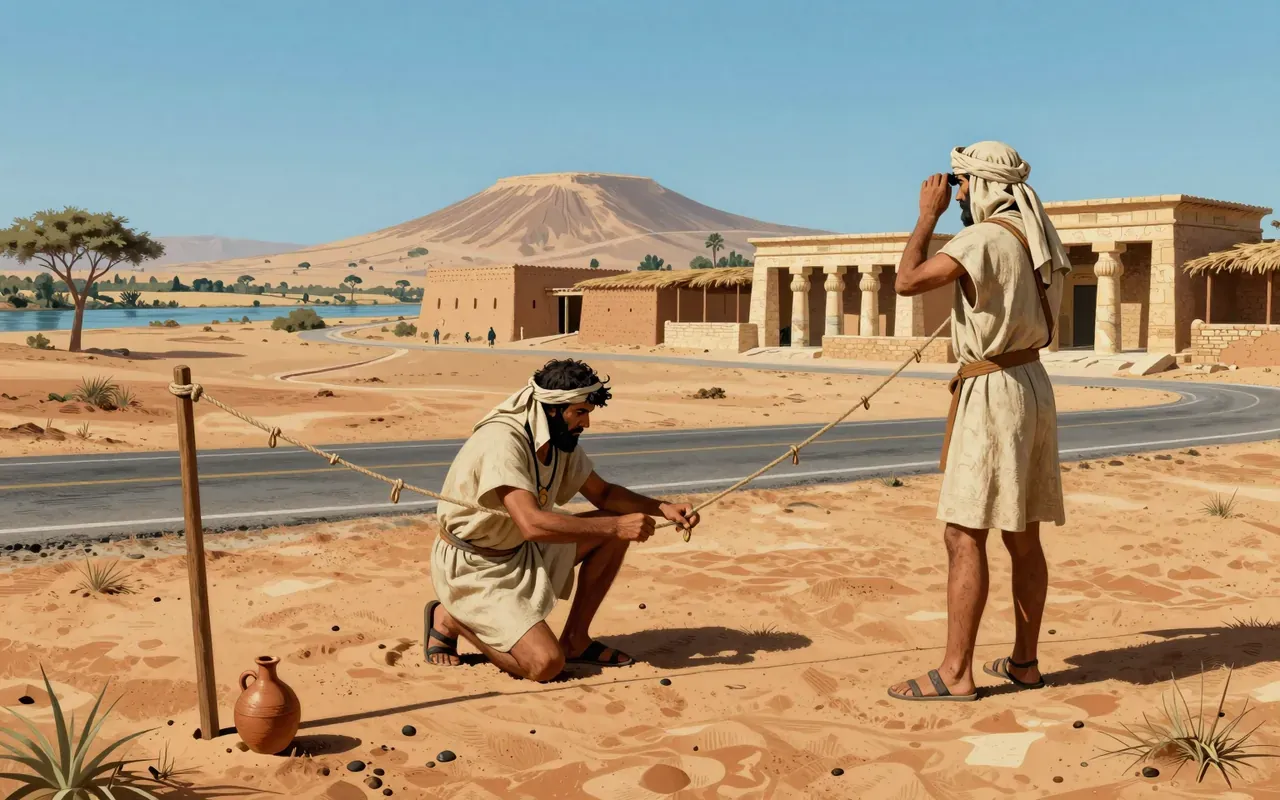
Around 240 BC a librarian in Alexandria compared a shadowless well in one city to a measurable shadow in another and worked out the size of the whole planet, though nobody today can say exactly how close he got, because his unit of measurement no longer has one agreed length.
13:00

Milankovitch cycles

Milutin Milanković worked out how slow wobbles and stretches in Earth's orbit change sunlight at high latitudes, and ice cores confirm the pattern, but the dominant cycle length still does not match his prediction.
13:00

Ice core

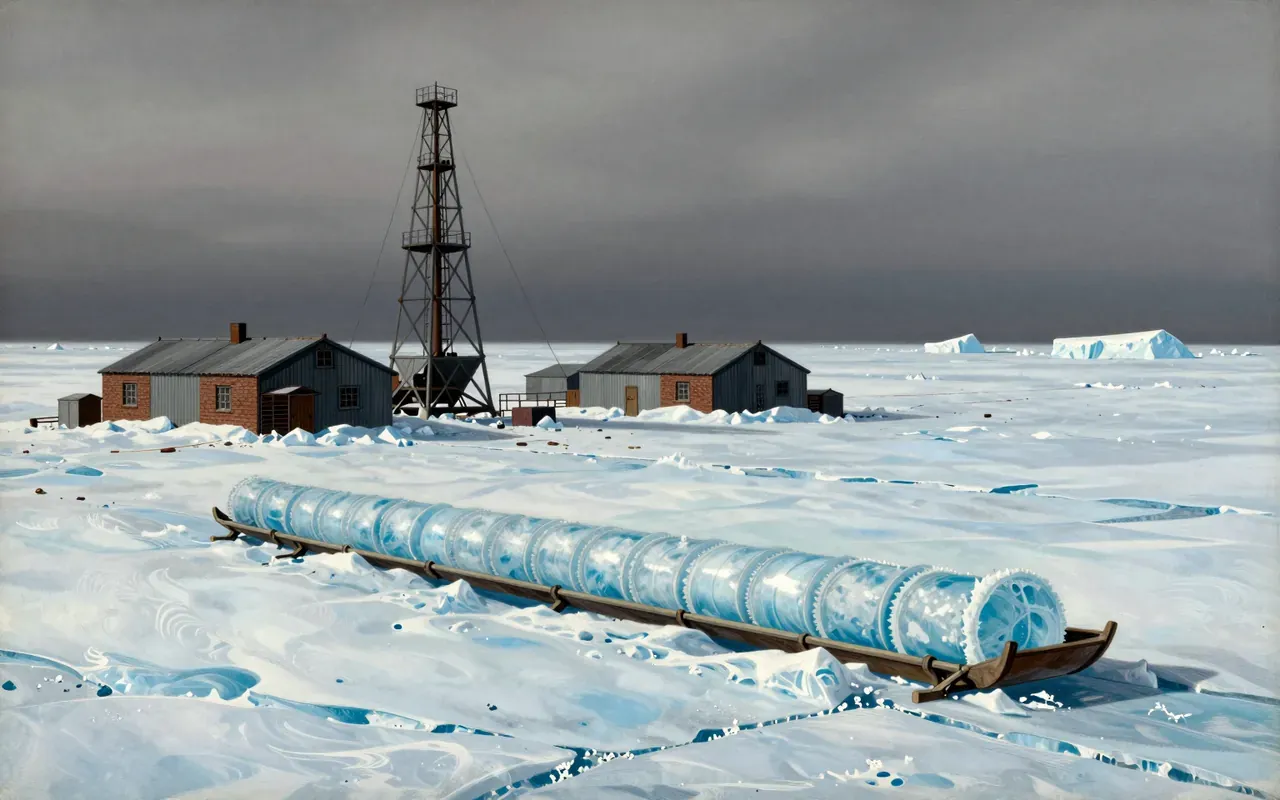
Ice drilled from Antarctica now reaches back 2.7 million years, and the air bubbles trapped inside it are treated as a direct sample of ancient atmosphere, which this brief follows alongside the other proxies paleoclimatology relies on where ice cannot reach.
13:00

Magnetostratigraphy

Rock cooling or settling locks in a record of which way Earth's magnetic field pointed at that moment, and stacking those records into black-and-white bands helped confirm seafloor spreading, which this brief follows into the reversals themselves.
13:00

Manganese nodule

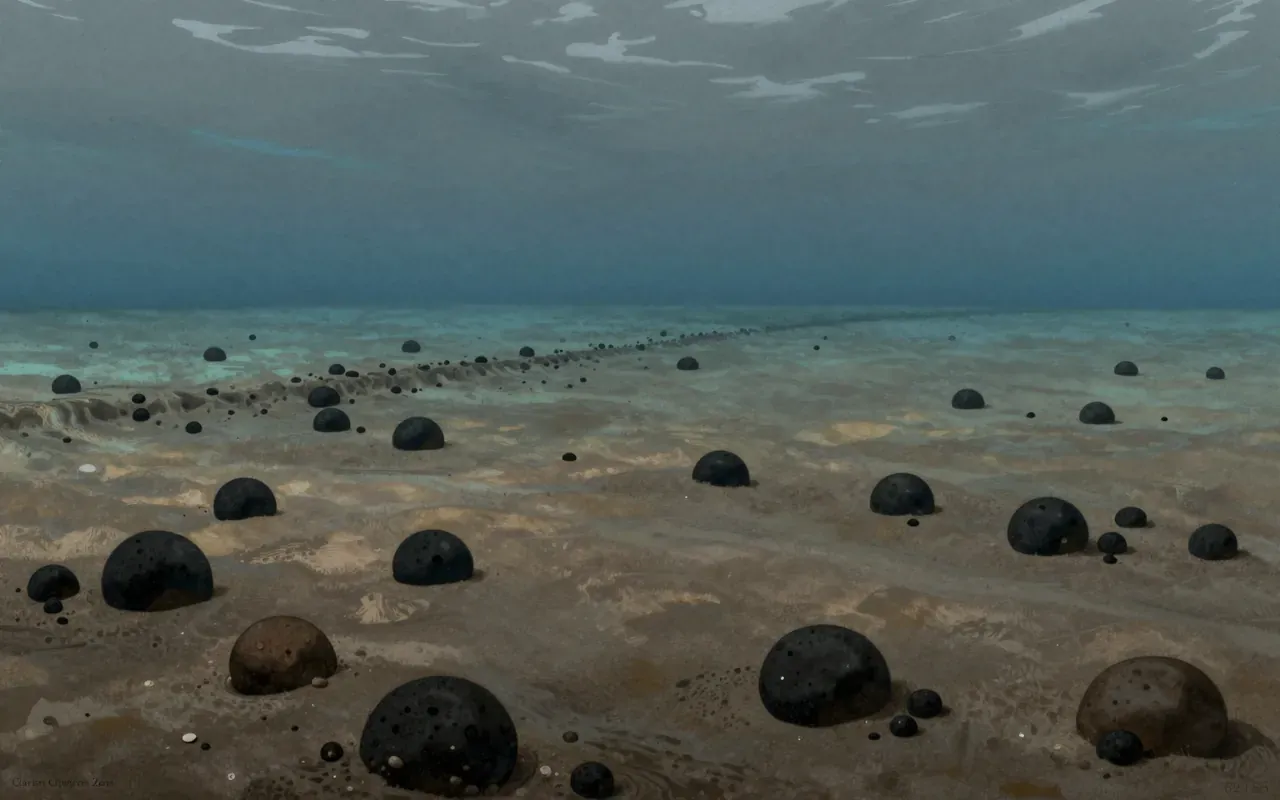
Potato-sized rocks that took millions of years to grow a few millimetres now sit at the centre of a mining industry racing ahead of ecosystem studies that find recovery incomplete even after 26 years.
9:21

Mary Anning

She didn’t theorise deep time — she dug it up, dissected it, and named its waste.
13:00

Seafloor spreading

A Canadian geologist worked out the same explanation as two Cambridge researchers in 1963, but his paper was rejected twice, and the idea now carries only their names in its title.
13:00

Seismic wave

Nobody has ever drilled to the centre of the Earth. What we know of its core comes from timing how earthquake waves bend, vanish and reappear on the far side of the planet — a method Richard Dixon Oldham first made work.
13:00

Anthropocene

Geologists spent fifteen years deciding whether human impact deserves its own named epoch, and in 2024 formally said no, even as the biodiversity losses the term describes continue to be measured and debated.
13:00

Mid-ocean ridge

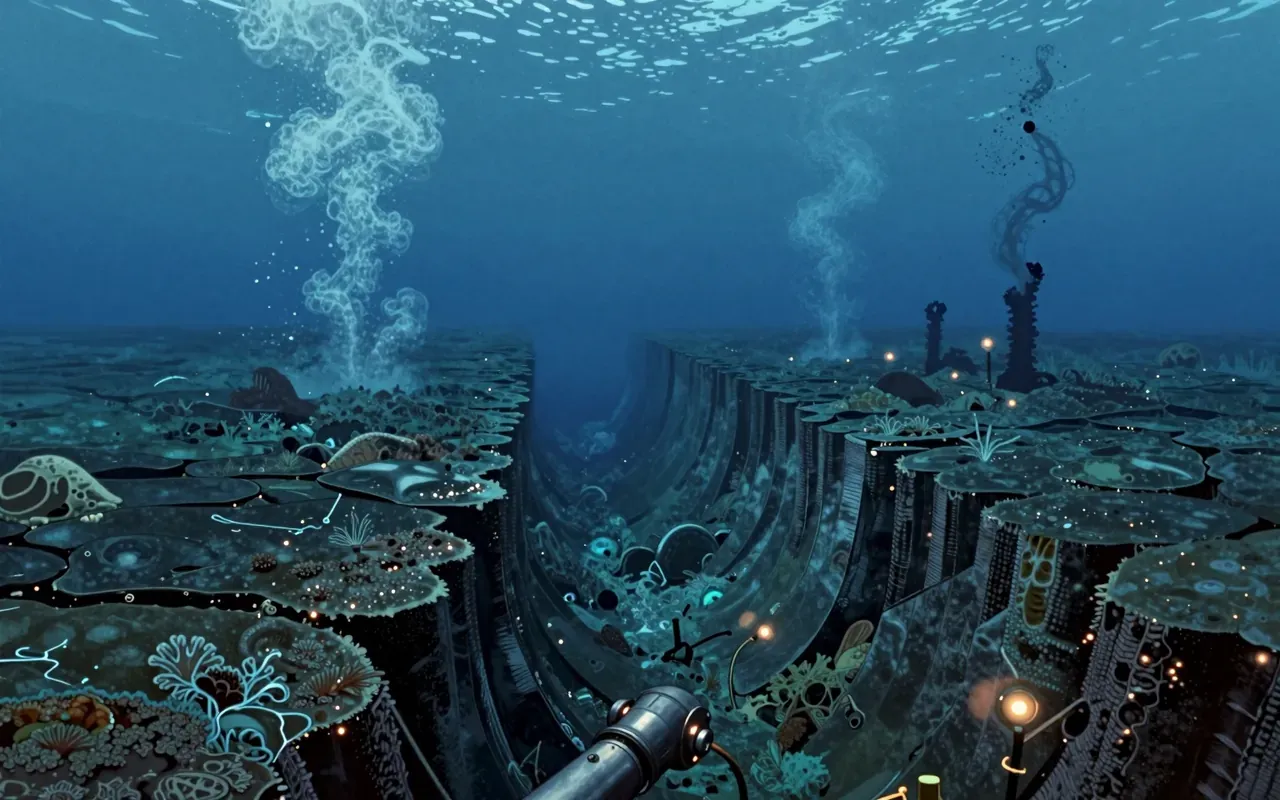
Marie Tharp saw a valley running down the centre of a seafloor mountain range in her own sounding data, and her research partner initially dismissed it as girl talk because it supported a theory the field had already rejected.
10:53

Richter scale

Richter

The Richter scale is a local, instrument-specific amplitude scale — not a universal measure of earthquake size. Its rigour lies in its narrow definition, not its breadth.

13:00

Elastic-rebound theory

After the 1906 San Francisco earthquake, geologist Harry Fielding Reid measured decades of ground bending along the San Andreas Fault and proposed that faults store strain quietly for years before snapping back all at once.
13:00

Seismometer

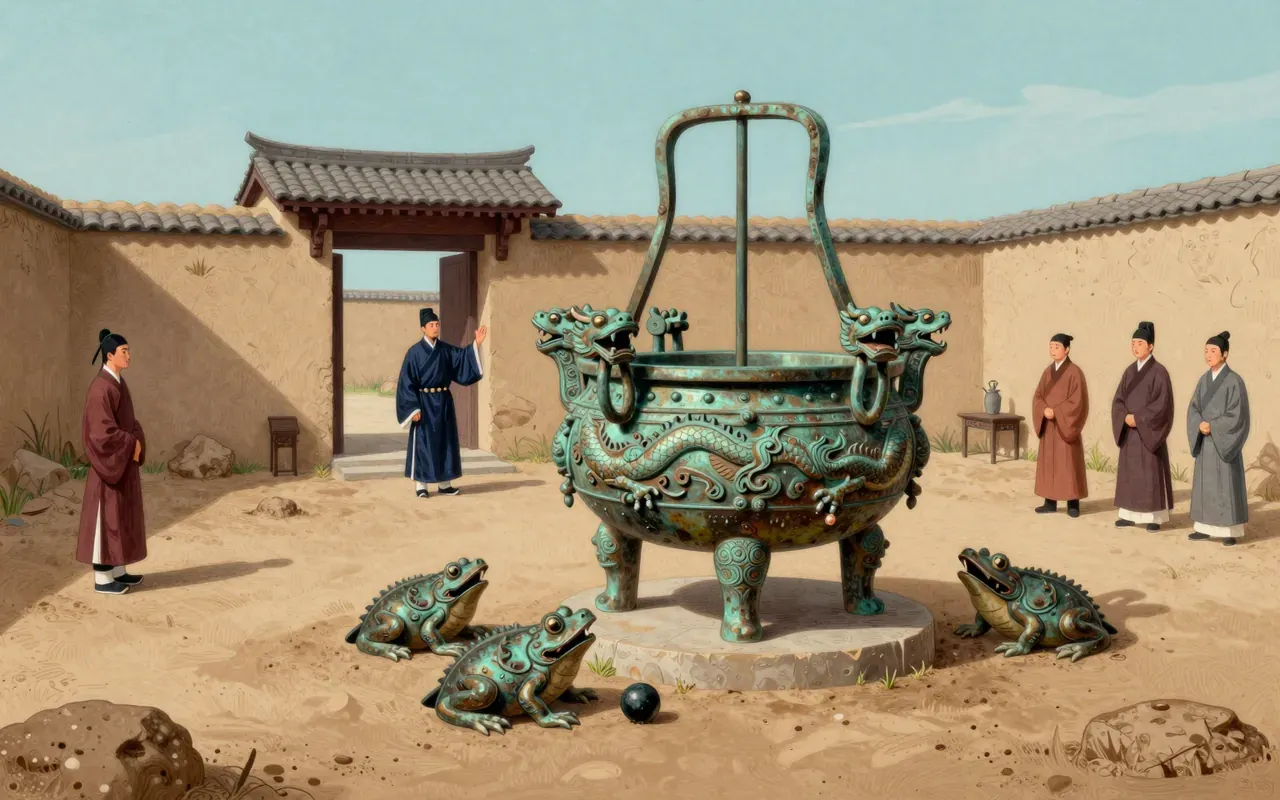
A bronze vessel ringed with dragons detected a Chinese earthquake in AD 143 that nobody nearby had felt, and it took well over a thousand years before any instrument matched what it had already managed to do.
13:00

Younger Dryas

The Younger Dryas plunged the Northern Hemisphere back into cold within decades, and while most researchers link it to a slowdown in Atlantic ocean circulation, a rival comet-impact idea has been examined and largely rejected.
13:00

Tsunami

Tsunamis begin when a megathrust earthquake abruptly lifts or drops a stretch of seafloor, and the resulting wave stays almost invisible in the open ocean before growing dangerous as it reaches shallow water.
13:00

Uniformitarianism

James Hutton and Charles Lyell argued that the slow processes shaping the Earth today have always operated the same way, and reading that logic backward is what first showed the planet had to be far older than tradition allowed.
9:49

Vladimir Vernadsky

Life isn’t just on Earth — it *is* Earth’s geology, and minds are its next stratum.
13:00

Volcanic winter

Sulphate haze from Tambora's 1815 eruption cooled the world enough to freeze crops in New England, and that one well-documented winter anchors the theory of how big eruptions chill the planet.
13:00

Continental drift

Wegener's 1912 evidence for drifting continents was sound, but geologists rightly rejected it for lacking a mechanism, until seafloor spreading and magnetic striping supplied one roughly fifty years later.
10:35

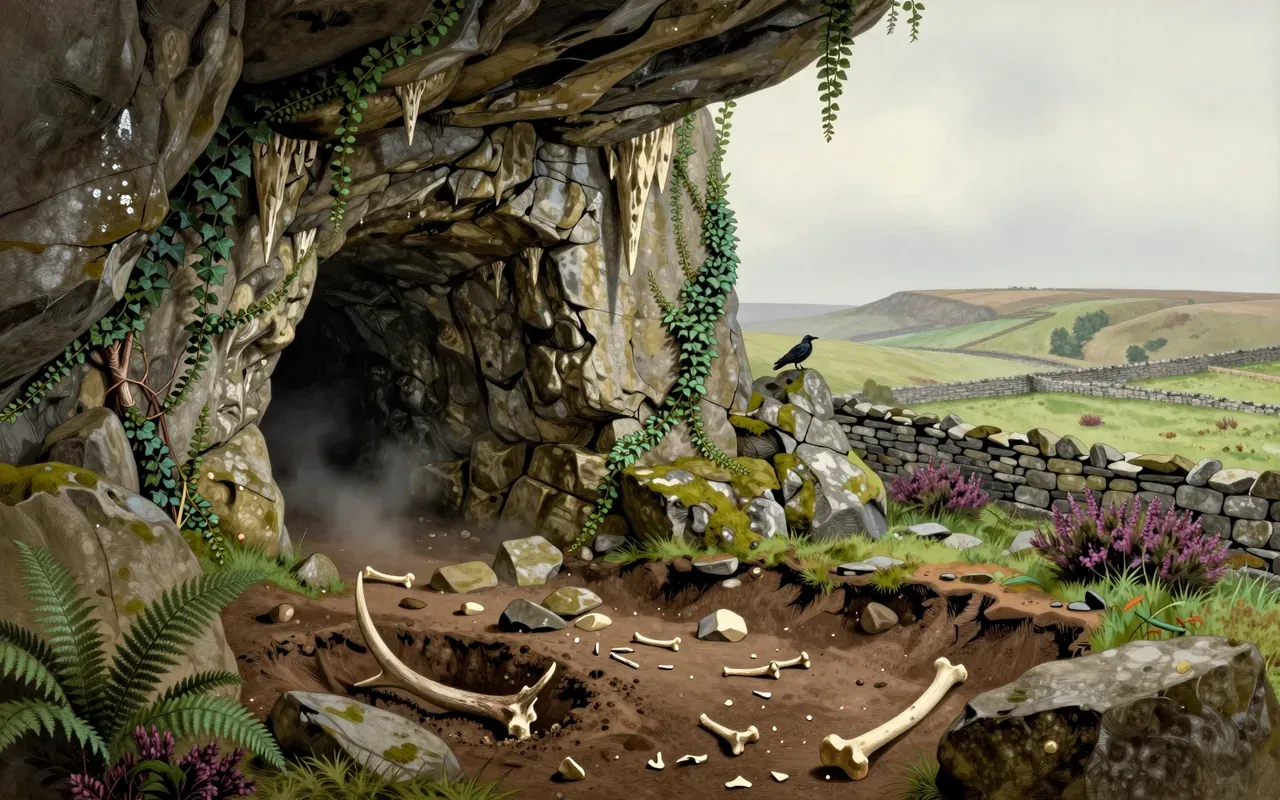
William Buckland

He proved hyaenas once ruled Yorkshire caves—but still buried them under Noah’s flood.