What the work claims
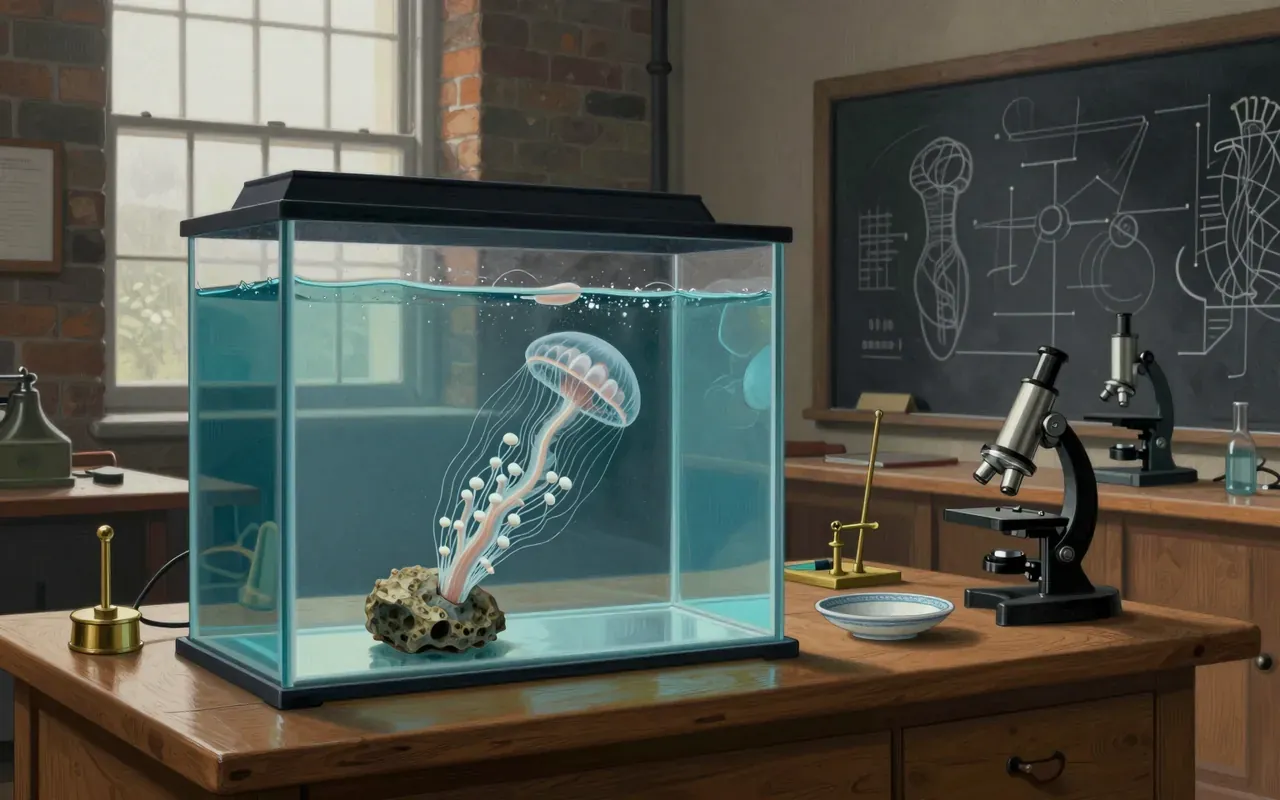
Huxley claimed that hydrozoans form a natural class based on germ-layer organisation; that tunicates (including Appendicularia and Ascidians) are chordate relatives; that apes and humans share defining brain structures; that Owen’s skull-spine homology is anatomically invalid; and that birds evolved from small carnivorous dinosaurs.
How it was done
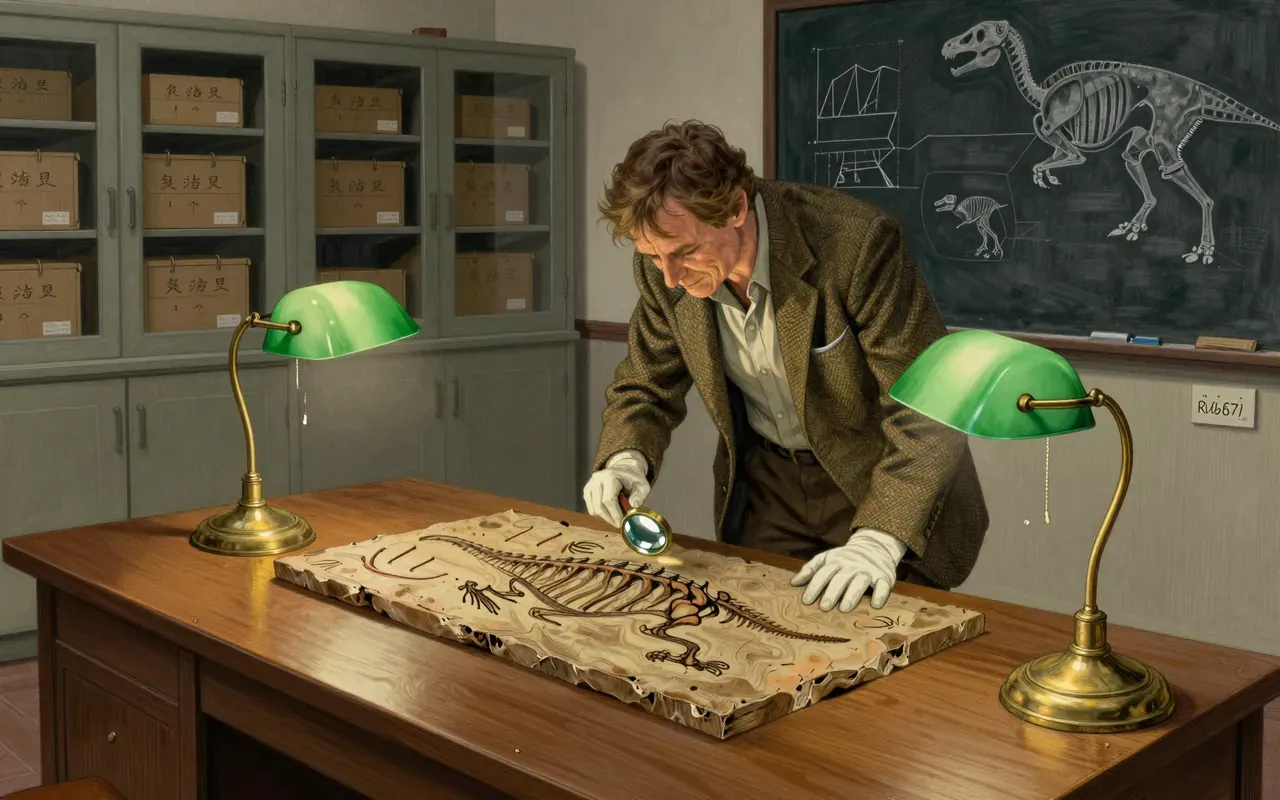
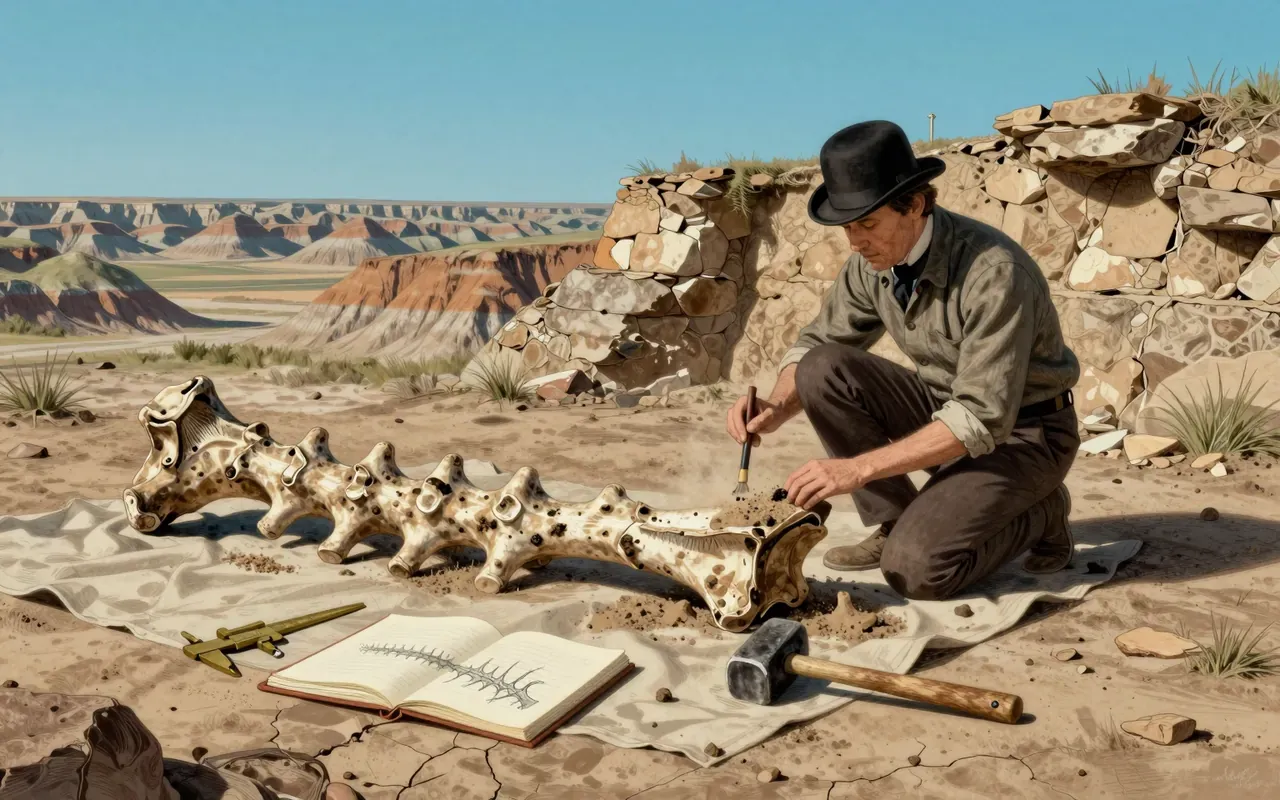
Huxley used comparative anatomy to group hydrozoans by germ-layer structure, compare their embryonic layers to higher animals, dissect ape and human brains, analyse skull and spine homologies, and compare Archaeopteryx with Compsognathus. He published key findings in Philosophical Transactions under the Royal Society’s auspices.
What holds up
His grouping of hydrozoans into a coherent class; his identification of tunicates as chordate relatives; his demonstration of shared brain structures between apes and humans; his rejection of Owen’s skull-spine homology; and his conclusion that birds evolved from small carnivorous dinosaurs — all rest on direct anatomical comparison and are verified in the sources.
What does not
The material does not support claims that Huxley proved bird origins, established evolutionary mechanisms, or resolved broader debates about natural selection. His conclusions were anatomical, not genetic or population-based.
Why it matters beyond the lab
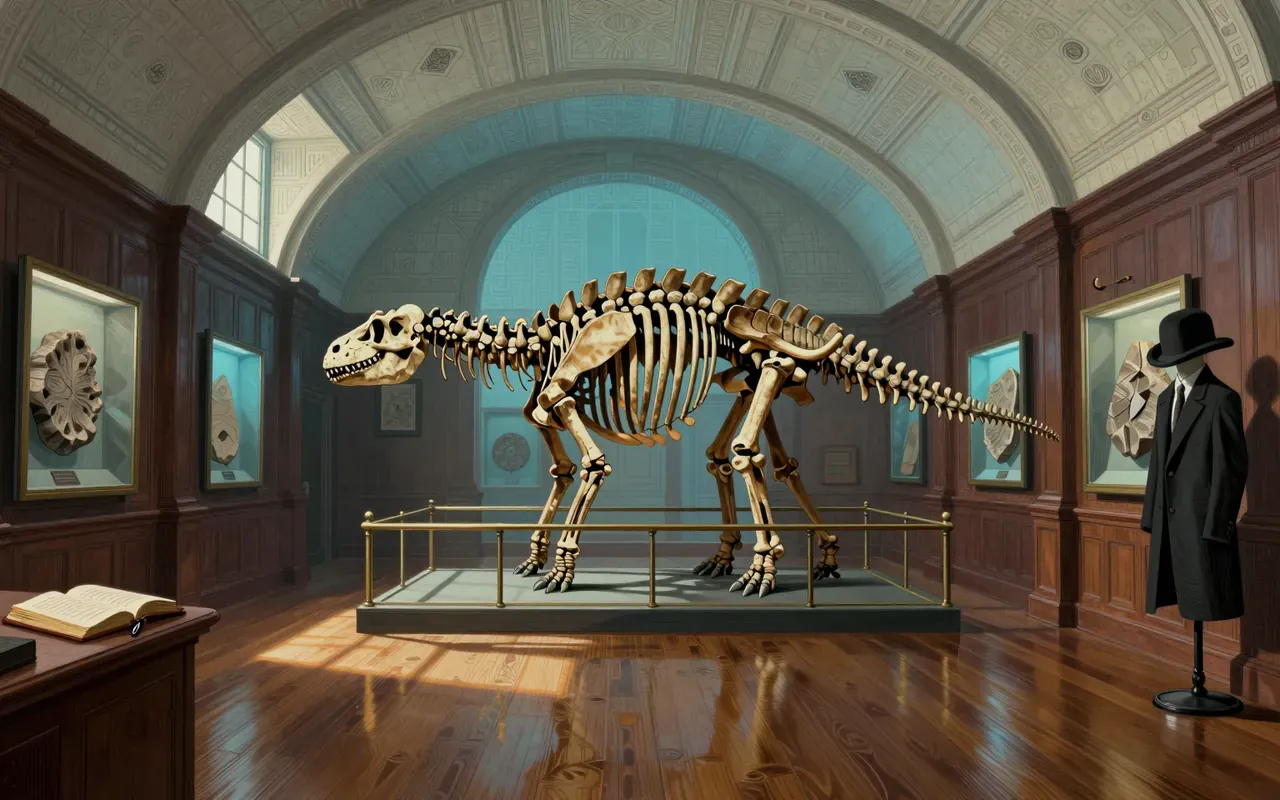
These claims redefined how biologists classify animals, anchored tunicates within Chordata, challenged authority-driven anatomy, and provided the first rigorous morphological basis for the dinosaur-bird link — a cornerstone of modern palaeontology.
Is it worth your time
Yes — his anatomical reasoning remains foundational for vertebrate phylogeny, tunicate classification, and dinosaur-bird links. His methods are transparent, testable, and still cited in modern systematics.