sciencebriefs
all subjects →
9:18in productionCh. 1 · The Dish in the Hole/ 9:18 · ceiling 15 min
Astronomy & space · Engineering

Arecibo Observatory

1963

A 305-m dish carved into a Puerto Rican sinkhole didn’t just listen to space — it bent the rules of what a telescope could be.

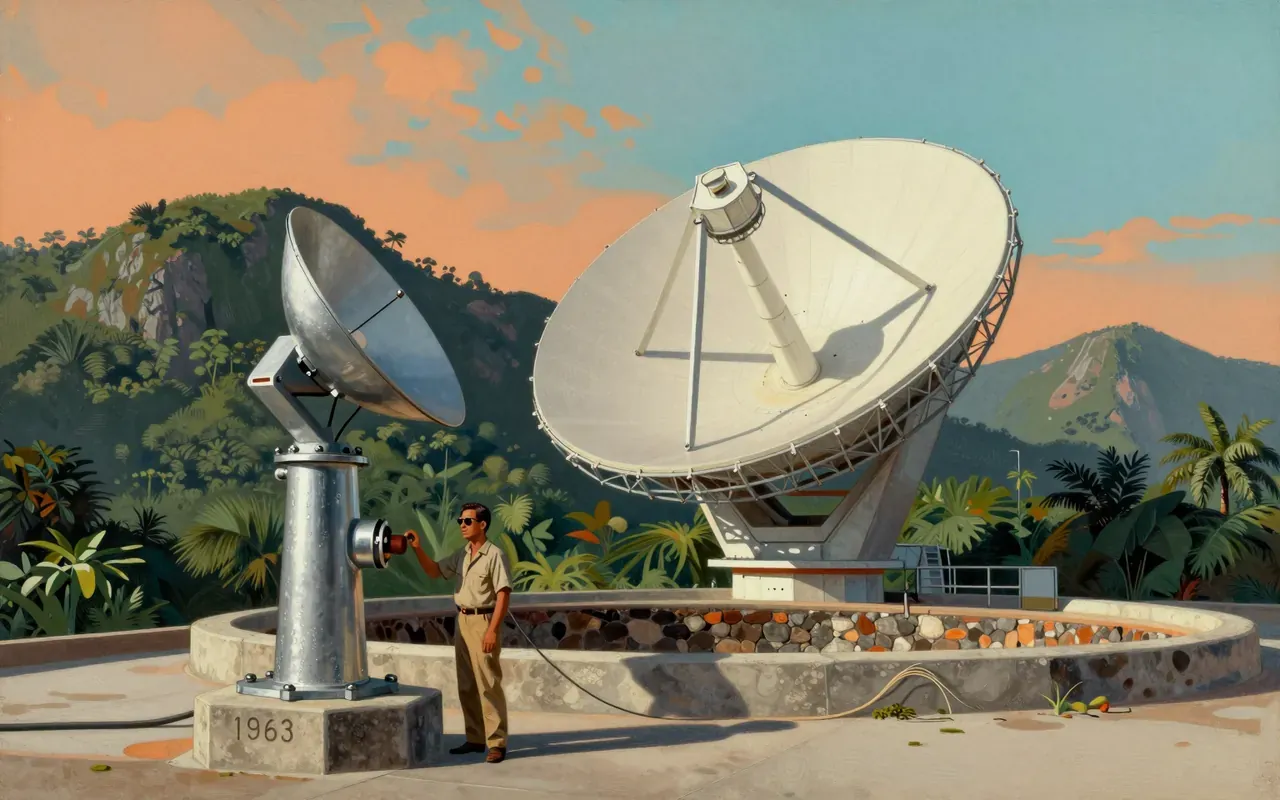
The Arecibo Observatory housed a 305 m spherical reflector dish built into a natural sinkhole in Puerto Rico. Completed in 1963, it served ionospheric research, radar and radio astronomy, SETI, and NASA’s Near-Earth object detection. It was the world’s largest single-aperture telescope for 53 years, until surpassed by FAST in 2016.

Chapters & takeaways4
  1. 1:00
    The Dish in the Hole

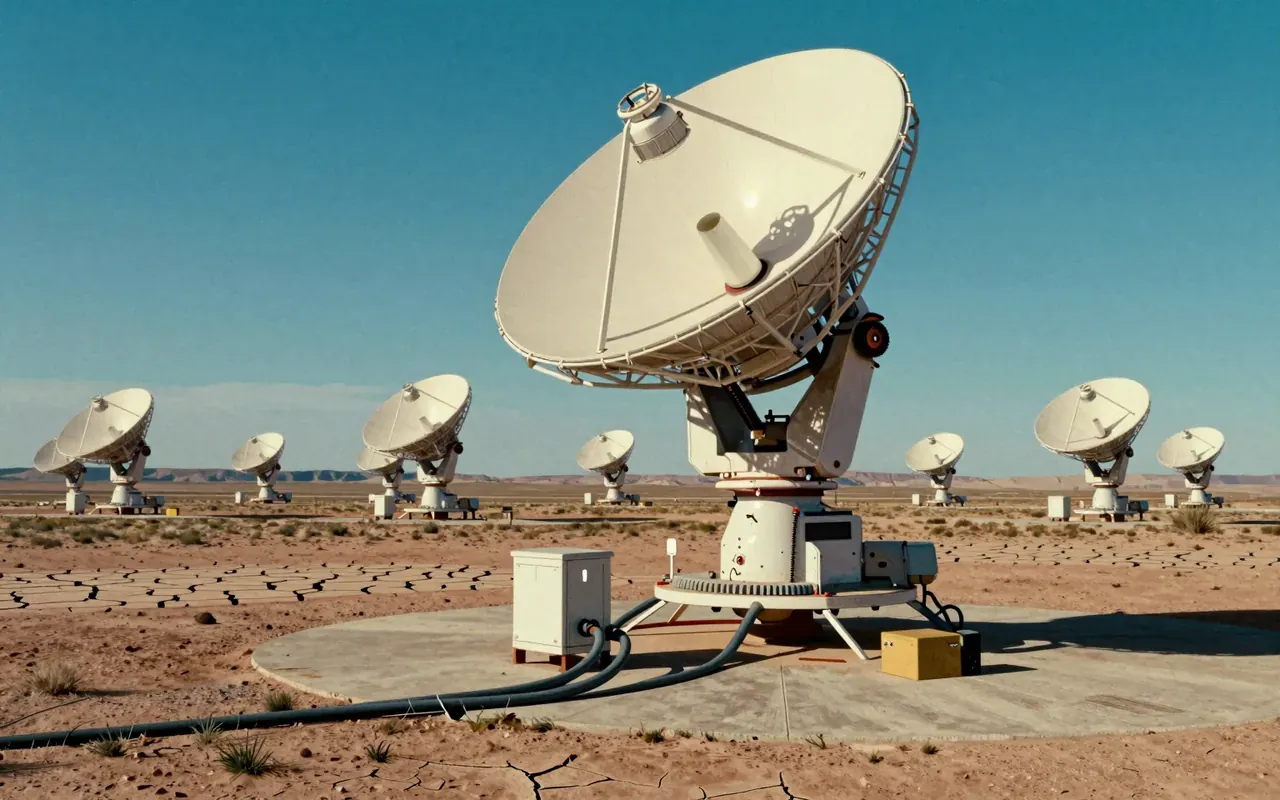
    A 305 m spherical dish built into a natural sinkhole, with a steerable receiver suspended 150 m above.

  2. 2:19
    The Record Holder

    World’s largest single-aperture telescope for 53 years — from 1963 until FAST surpassed it in 2016.

  3. 3:48
    Ionosphere First

    Built for ionospheric research first — then adapted as a general-purpose radio telescope.

  4. 5:20
    Four Jobs at Once

    Used for radar astronomy, radio astronomy, SETI, and NASA’s Near-Earth object detection.

Worth your time?

Yes. Study the whole thing.

4.5/ 5
What works
  • ionospheric profiling
  • planetary radar mapping
  • pulsar timing
  • near-Earth asteroid characterisation
What does not
  • prove extraterrestrial intelligence
  • detect life
  • image planets directly
Study it if
  • radio astronomers
  • planetary scientists
  • infrastructure engineers
Skip it if
  • exoplanet imagers
  • optical astrophysicists
  • quantum gravity researchers
The written brief1 min read

What the work claims

The Arecibo Observatory housed a purpose-built, fixed-spherical-dish radio telescope designed for ionospheric research, radar astronomy, radio astronomy, SETI, and NASA’s Near-Earth object detection.

How it was done

The Arecibo Telescope used a 305 m spherical reflector dish built into a natural sinkhole, with a steerable receiver and radar transmitters mounted 150 m above. It was built to study the ionosphere and serve as a general-purpose radio telescope.

What holds up

It was the world’s largest single-aperture telescope from 1963 until 2016. Its design enabled unique ionospheric, planetary radar, and deep-sky radio observations for 53 years.

What does not

It did not prove extraterrestrial intelligence. It did not detect life. It did not image planets directly. Its radar and radio capabilities were powerful but constrained by fixed aperture geometry and atmospheric limits.

Why it matters beyond the lab

It established that large-scale, terrain-integrated infrastructure could enable high-sensitivity radio observation — influencing how future observatories are sited and engineered.

Is it worth your time

Yes — it redefined what a ground-based radio observatory could do for over half a century, enabling measurements no other instrument could make at the time.

Same field · Astronomy & space4 of 50
Up next in Science

Arieh Warshel

· 9:31

He did not explain enzymes—he built the first working computational microscope for them.

9:31