sciencebriefs
Topic

Space exploration

Leaving the planet, at enormous cost, for contested reasons.

23
in science
11:35
average
266 min
in total
84
across the network
Space exploration across the network →
All briefs23
10:55

Viking lander biological experiments

Gil Levin

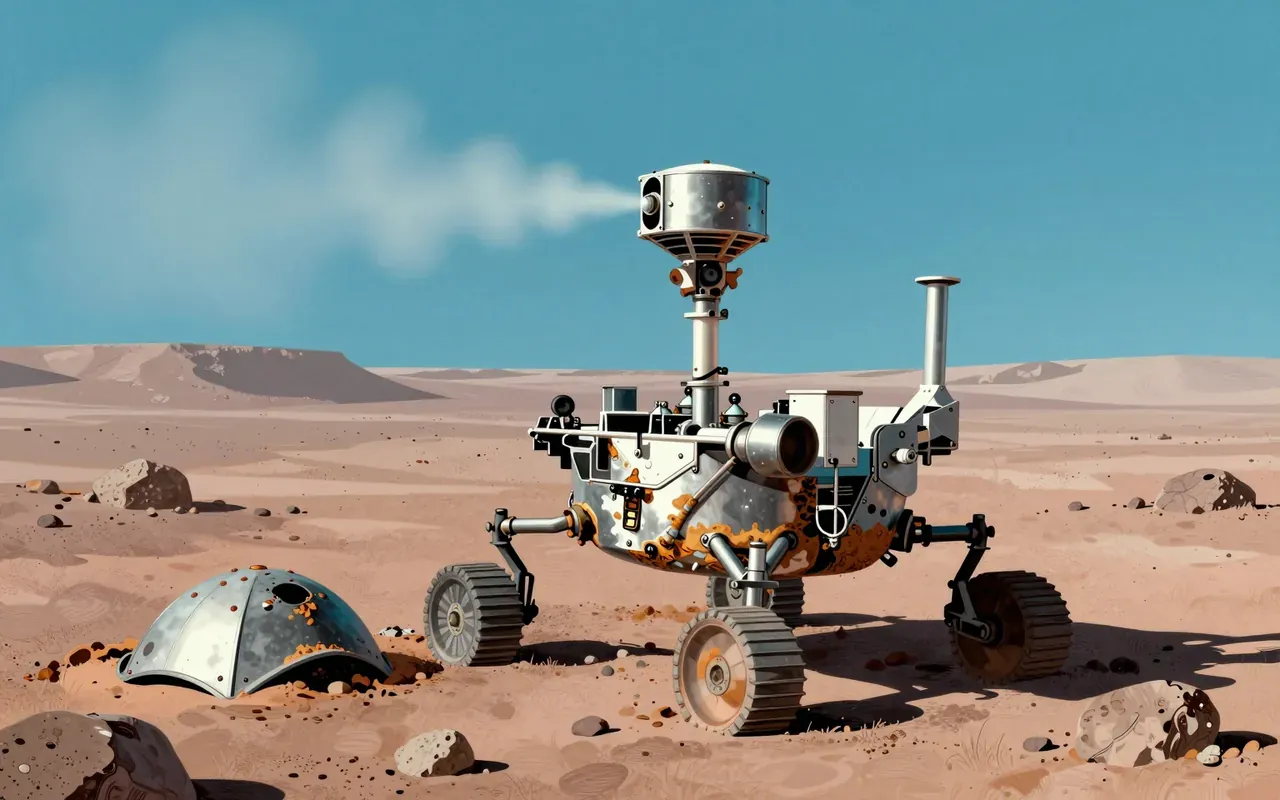
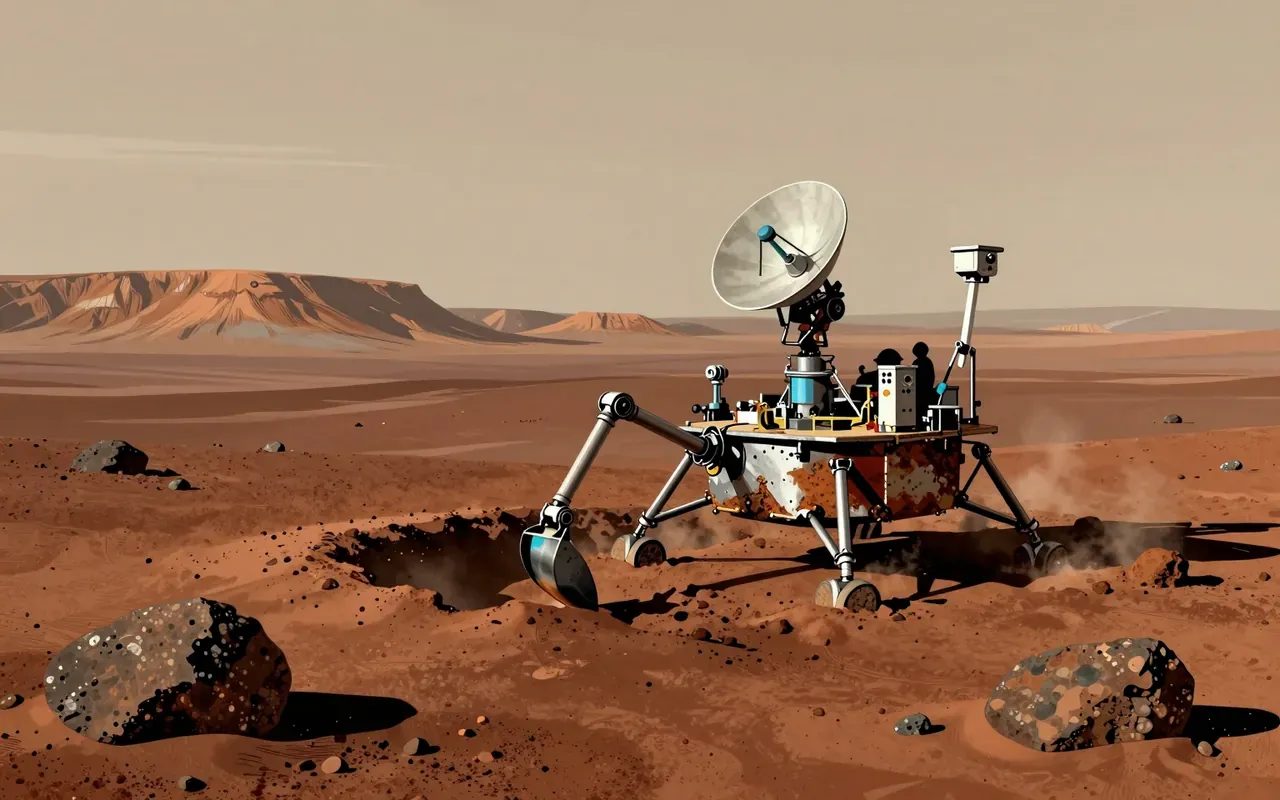
The Viking lander biological experiments were a suite of four in situ tests conducted in 1976 by the Viking 1 and Viking 2 landers to detect microbial life on Mars. The experiments—Gas Chromatograph–Mass Spectrometer (GCMS), Gas Exchange (GEX), Labeled Release (LR), and Pyrolytic Release (PR)—used soil samples collected by robotic arm and analyzed them under controlled conditions. While GCMS found no significant organic molecules, LR yielded positive, reproducible signals of radioactive gas release upon nutrient addition—signals that diminished or disappeared after heat sterilization or cold storage—prompting ongoing debate over whether the results indicate biological metabolism or abiotic oxidative chemistry, especially in light of later discoveries like perchlorate.
9:18

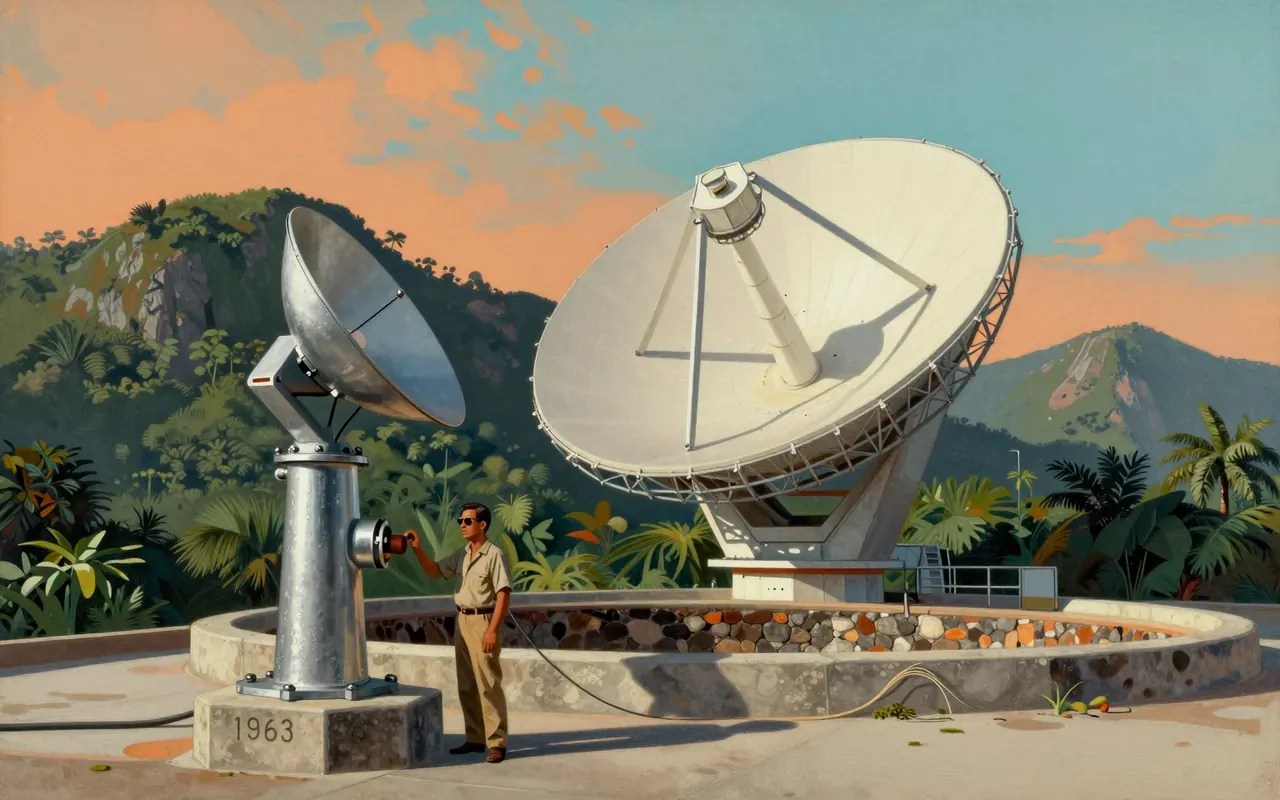
Arecibo Observatory

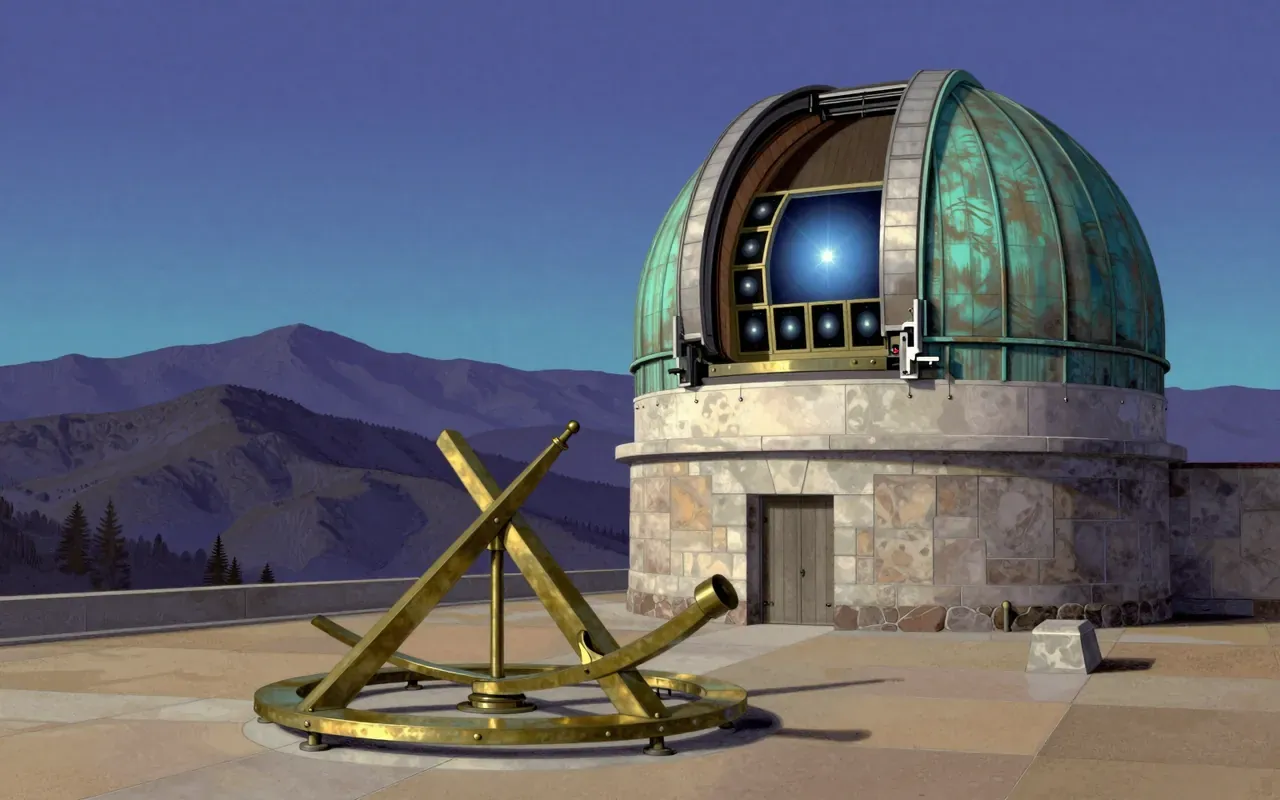
A 305-m dish carved into a Puerto Rican sinkhole didn’t just listen to space — it bent the rules of what a telescope could be.
13:00

Biosignature

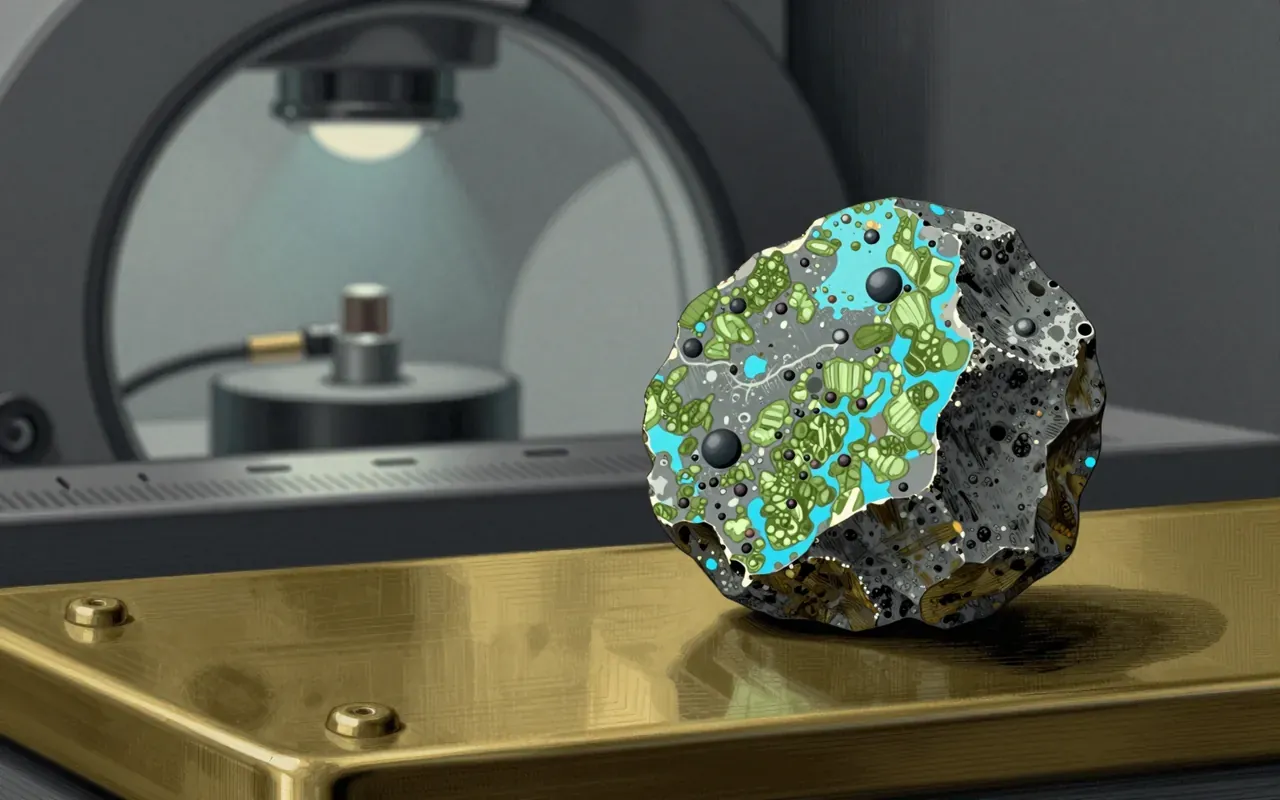
A meteorite once thought to hold fossilised Martian bacteria turned out to show structures too small to be cells, and that failure is the reason biosignature science now demands several independent lines of evidence, which this brief follows from oil-industry chemistry to Mars.
10:47

Carl Sagan

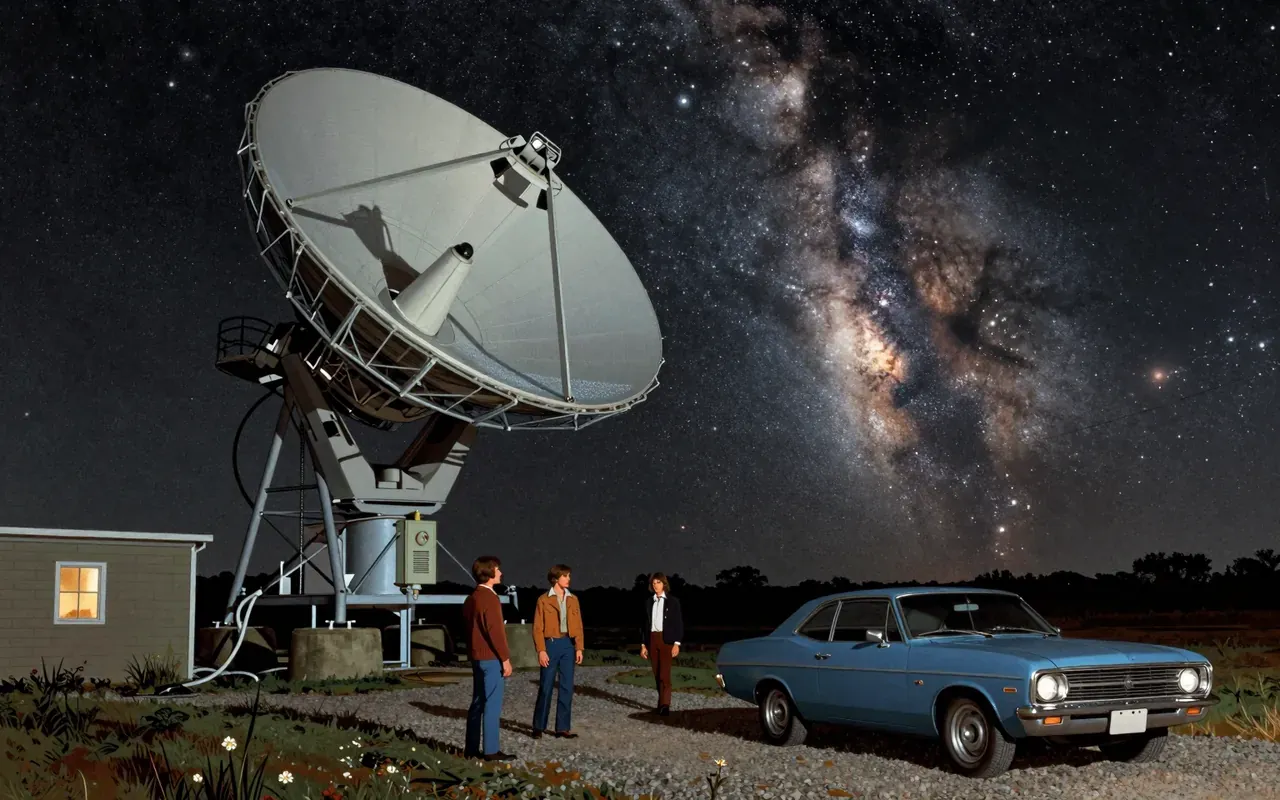
Sagan didn’t predict Venus’s heat — he measured it with radio waves, and proved the greenhouse effect wasn’t just earthly.
10:37

Cassini–Huygens

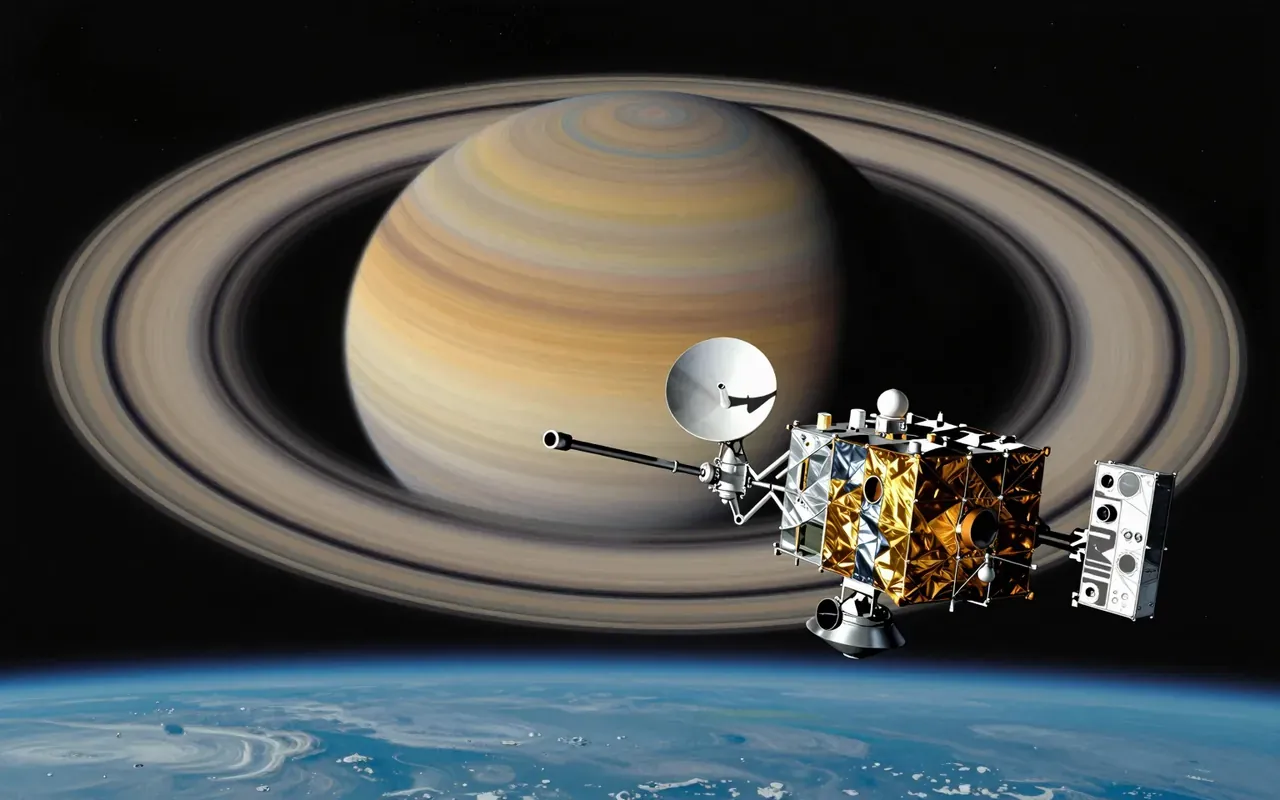
Cassini didn’t just visit Saturn — it proved icy moons can be wet, wild, and chemically alive.
13:00

Extraterrestrial atmosphere

David Charbonneau used starlight filtered through a planet's air during a transit to detect sodium around a distant world in 2002, opening a method that has since found water, carbon dioxide, and a puzzling absence of methane.
13:00

Hyperthermophile

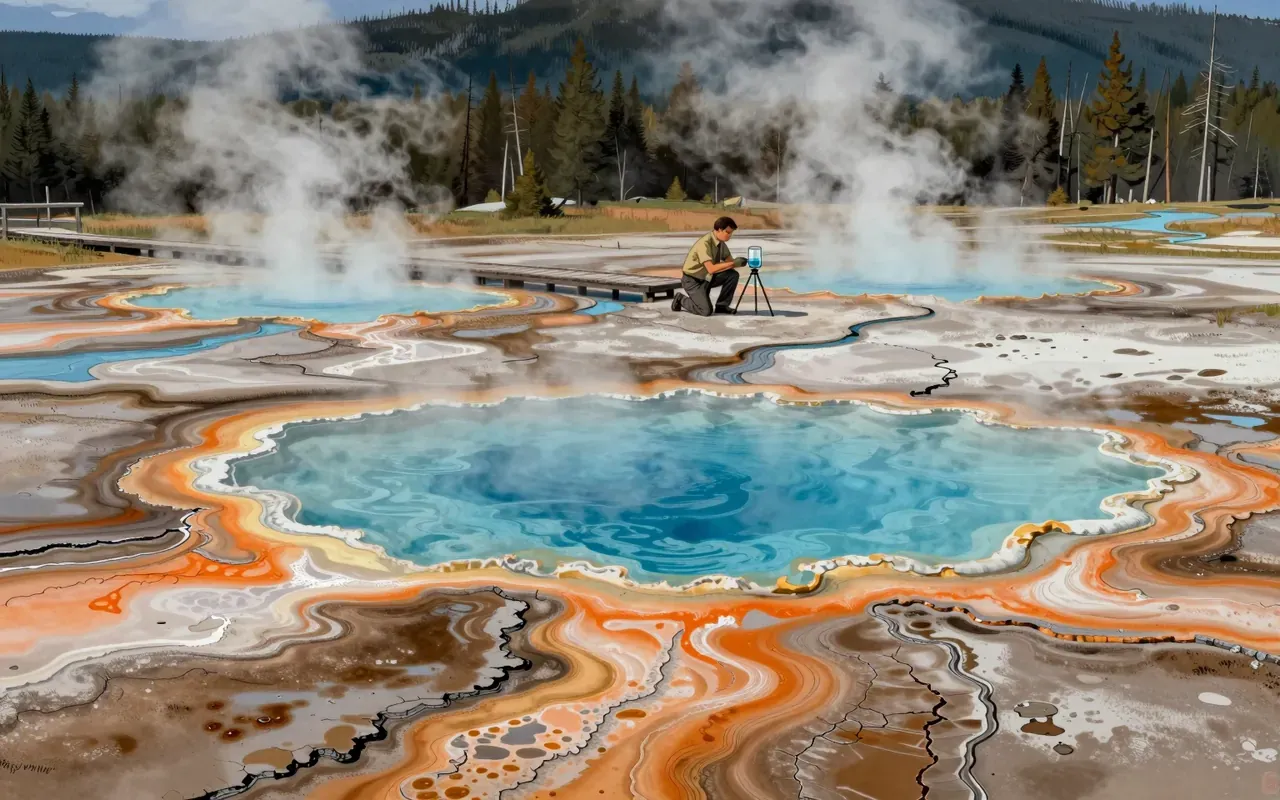
An organism identified in Yellowstone hot springs in 1965 pushed back what biologists thought life could survive, and a heat-tolerant enzyme from that same discovery went on to make modern DNA testing possible, which this brief follows from bacterium to lab bench.
13:00

Extremophile

Some organisms hold their internal chemistry near neutral by constantly pumping protons out against a hostile acidic environment, and this brief follows that strategy alongside the wider extremophile catalogue it belongs to, from mine drainage to the edge of space.
13:00

Halophile

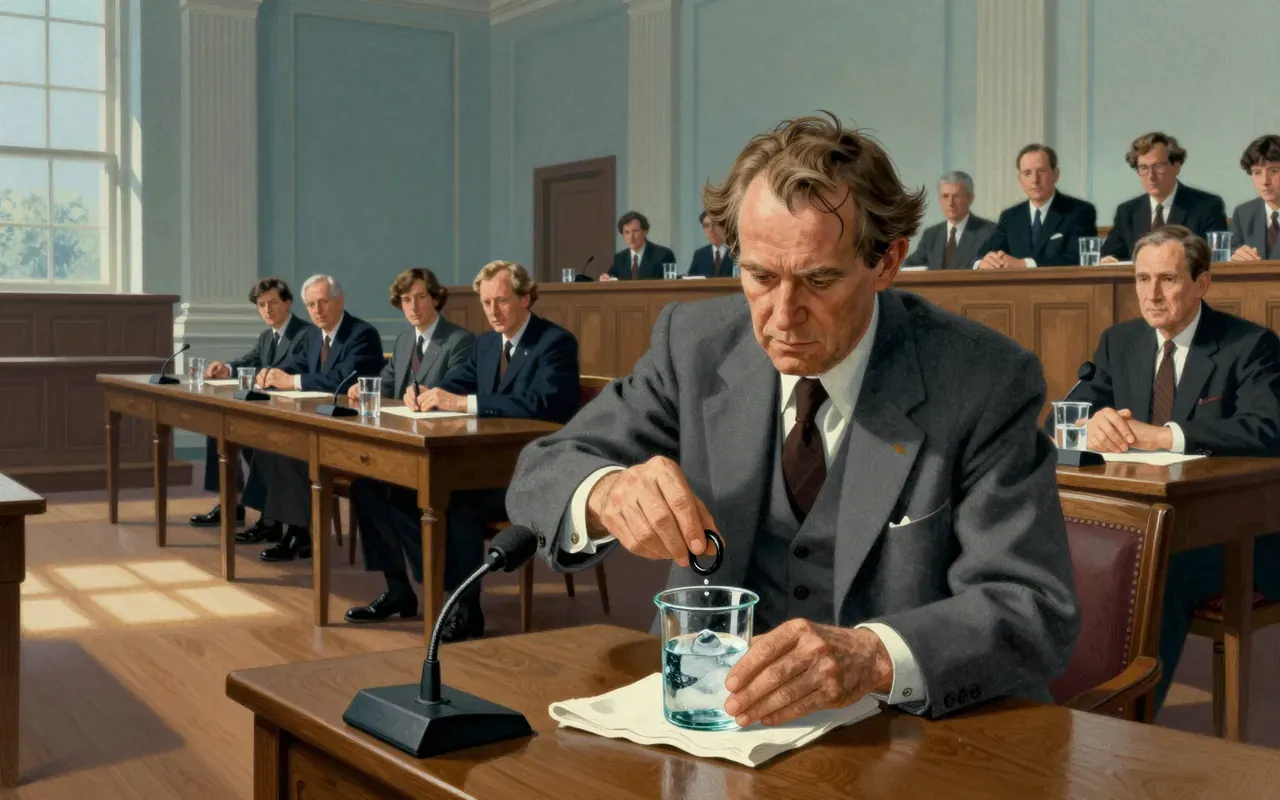
Halophiles handle salt so completely one way that pure water can kill them by rupturing their cells outright, and this brief follows the two very different strategies these organisms use to survive salt levels many times higher than the ocean.
10:31

James Lovelock

A gas detector built for Mars revealed Earth’s pollution — and mistook it for safety.
9:47

Katherine Johnson

Human calculation didn’t just support early spaceflight—it certified the machines that replaced it.
13:00

Space Shuttle Columbia disaster

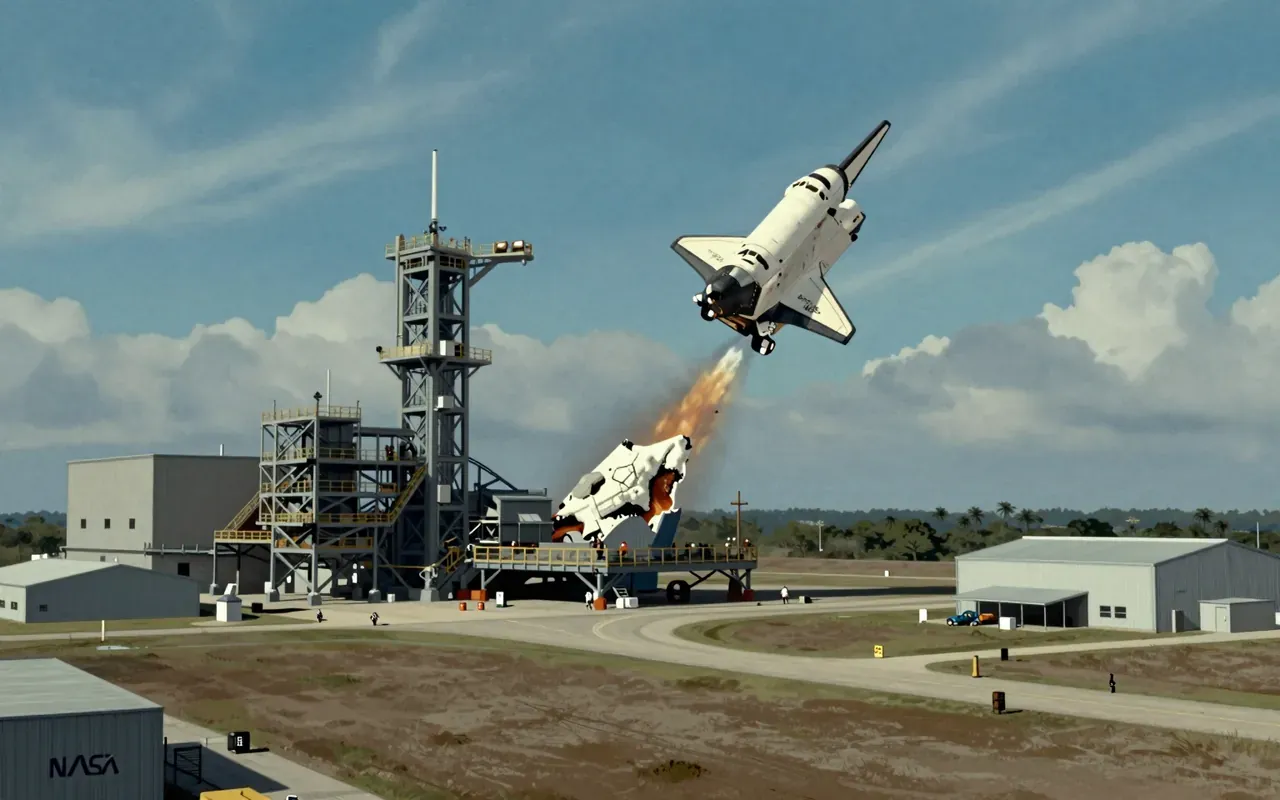
A briefcase-sized piece of foam had fallen off shuttle tanks six times before without incident, so when it struck Columbia's wing on launch, NASA managers treated the seventh strike as routine rather than as a threat.
13:00

Lunar water

A spectrometer aboard an Indian orbiter found hydroxyl and water signatures spread across the whole lunar surface in 2009, after more than a century of assuming the Moon was simply dry.
13:00

Enceladus

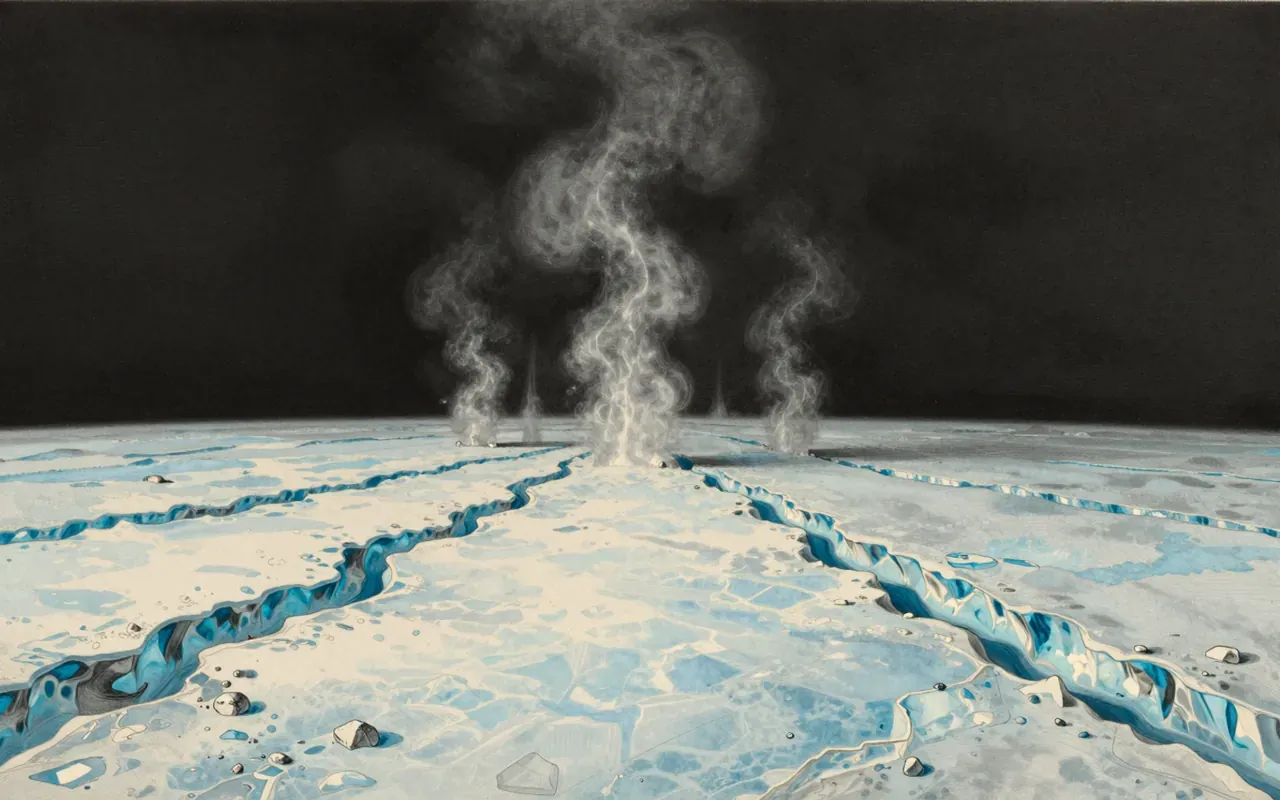
Cassini flew through jets of water vapour erupting from a small icy moon's south pole and found salts, organics, and eventually phosphates, evidence of a hidden alkaline ocean rather than a dead ball of ice.
13:00

Space Shuttle Challenger disaster

Engineers warned the night before that rubber seals had never been tested that cold, management overruled them, and Challenger broke apart 73 seconds after launch on 28 January 1986.
13:00

Perseverance (rover)

Perseverance's 2021 landing and its instruments have delivered exactly what was engineered, precise navigation, a surprise helicopter programme, oxygen from thin air, but the sample-return mission that would confirm any life finding is stalled.
9:28

Very Large Array

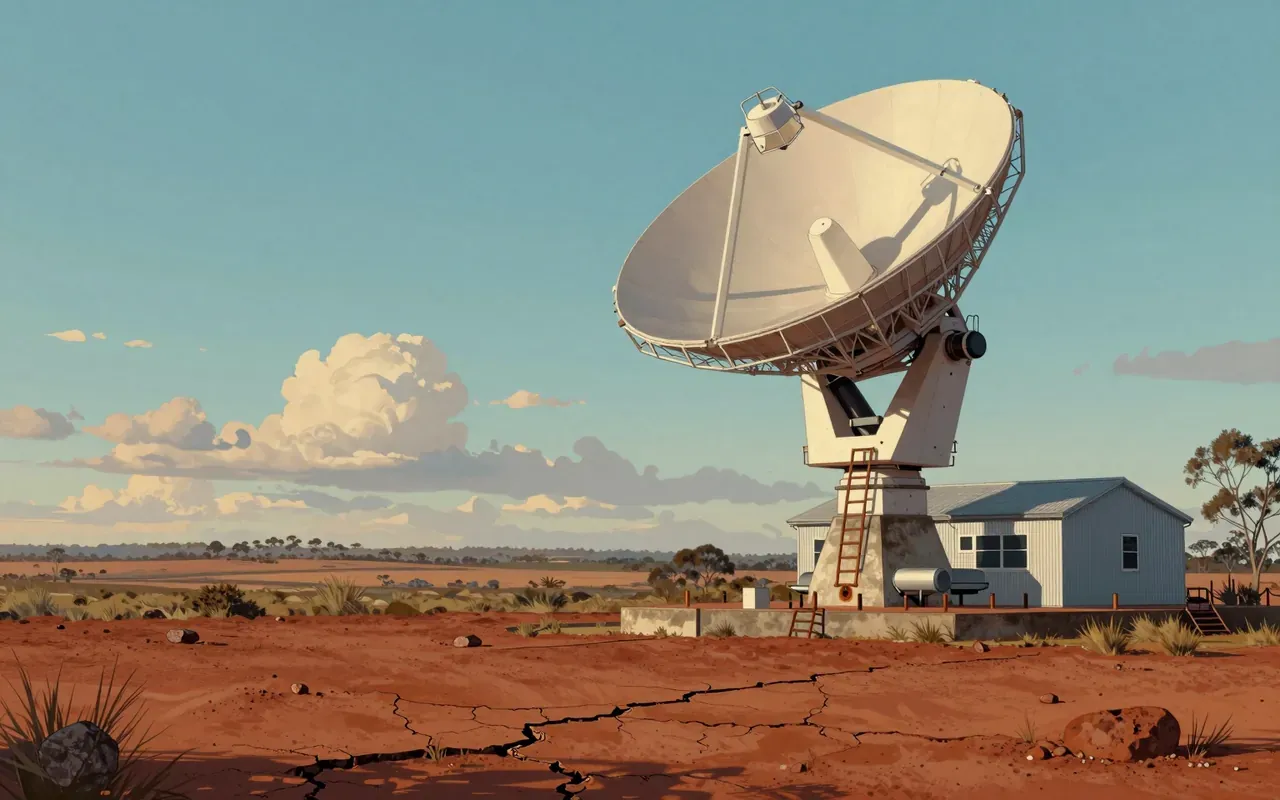
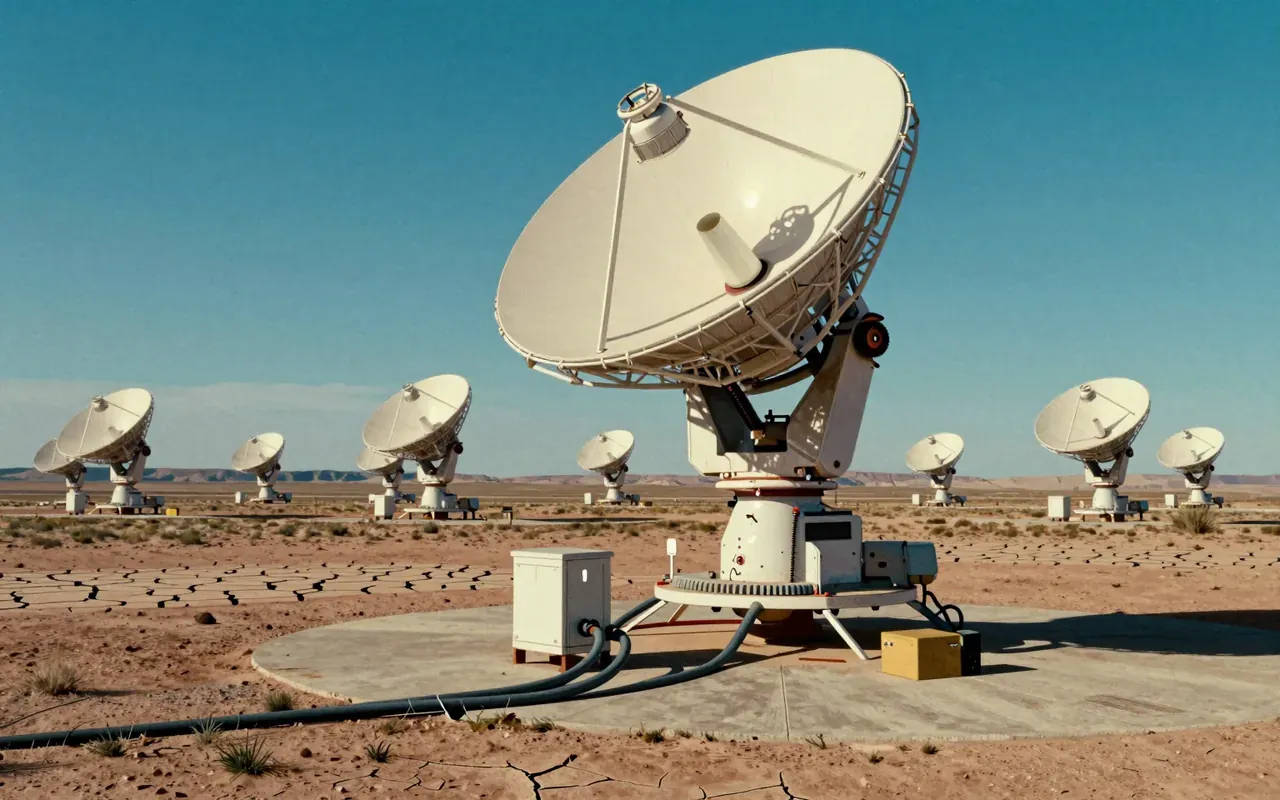
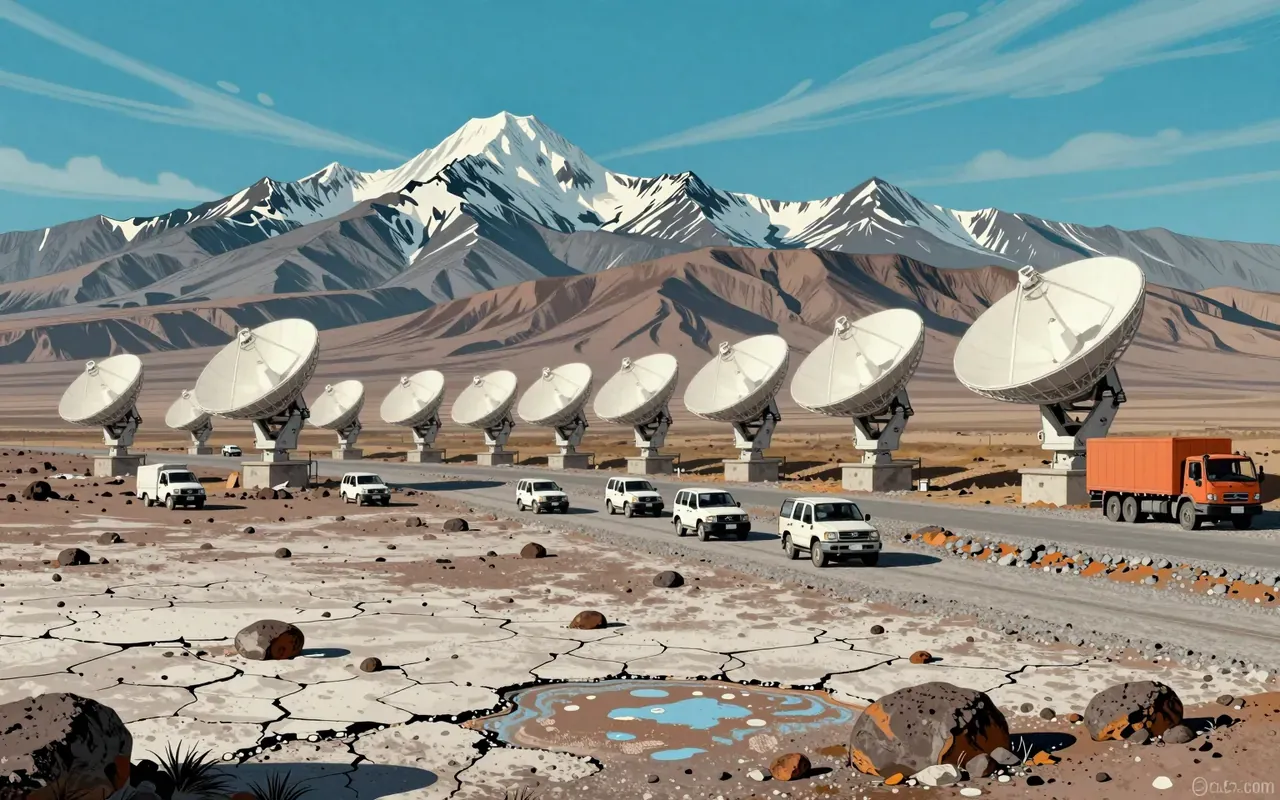
The VLA did not invent radio interferometry — it weaponised reconfigurability.
11:30

Wow! signal

A single 72-second blip — thirty times louder than noise, narrower than 10 kHz, never seen again — is not evidence of aliens. It is evidence of how easily curiosity outruns verification.
9:30

Wendy Freedman

She pinned down how fast the Universe expands — not with theory, but with stars as rulers.
11:03

William Herschel

Herschel didn’t just find new things — he invented how to measure what light *does*.