sciencebriefs
Applied science

Engineering

60
briefs
11:12
average
672 min
in total
25
researchers
All briefs60
9:54

3D printing

Chuck Hull

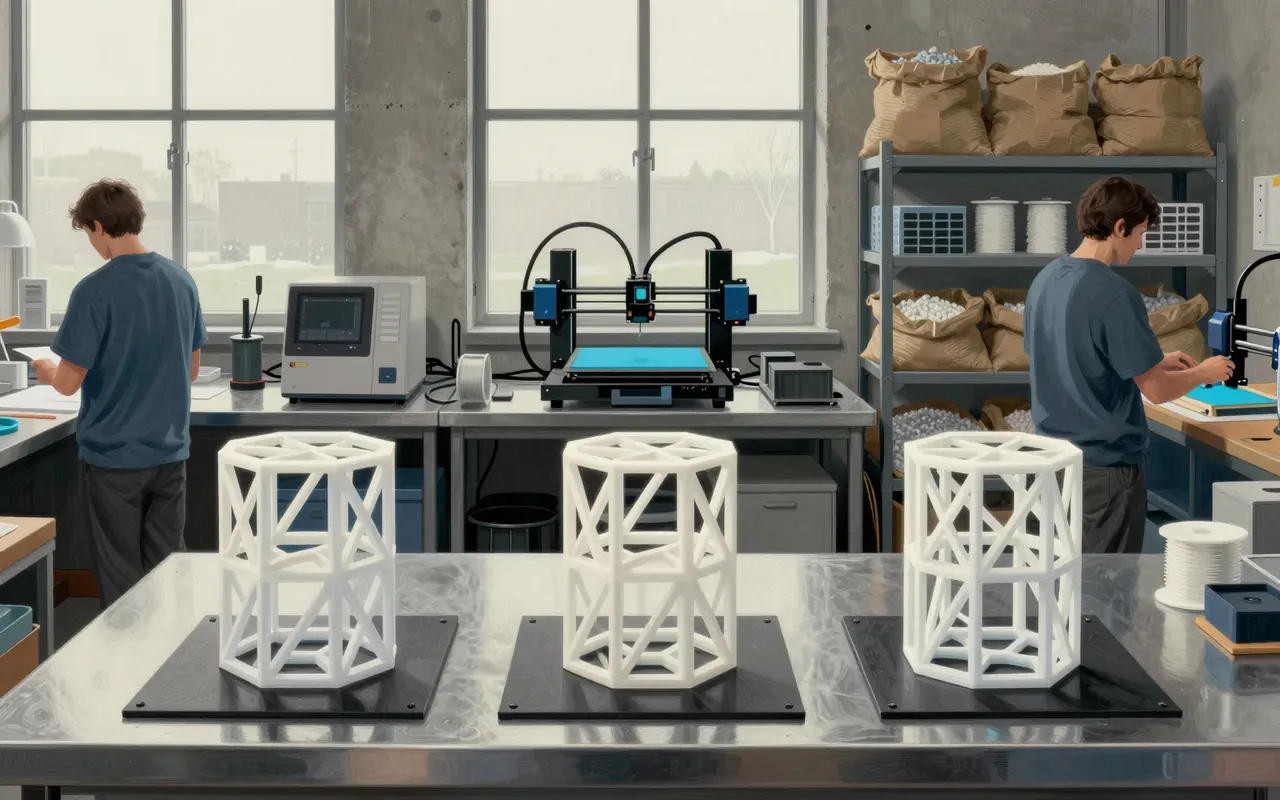
3D printing is a layer-by-layer fabrication method rooted in Chuck Hull’s 1984 stereolithography patent. It evolved from rapid prototyping in the 1980s into an industrial production option by 2019. Its real advantage is enabling previously impossible geometries—like hollow or truss-structured parts—that cut weight and waste. Fused deposition modeling (FDM) was the most common process as of 2020. It does not replace conventional manufacturing at scale. It does not solve material consistency, certification, or throughput problems. Its impact is precise, not pervasive.
9:52

Klaus von Klitzing

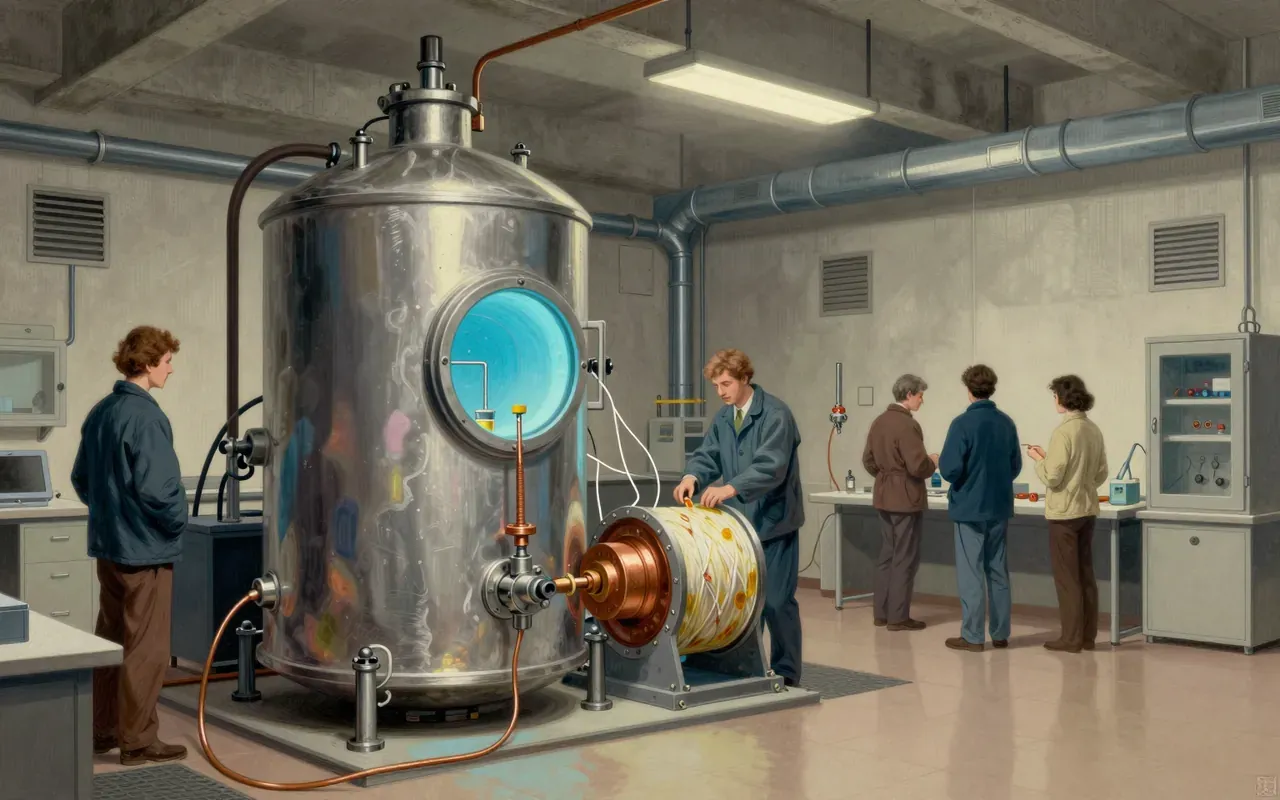
A single number, RK, turned resistance into a quantum ruler — but it measures only one kind of perfection.
10:34

Baconian method

Francis Bacon

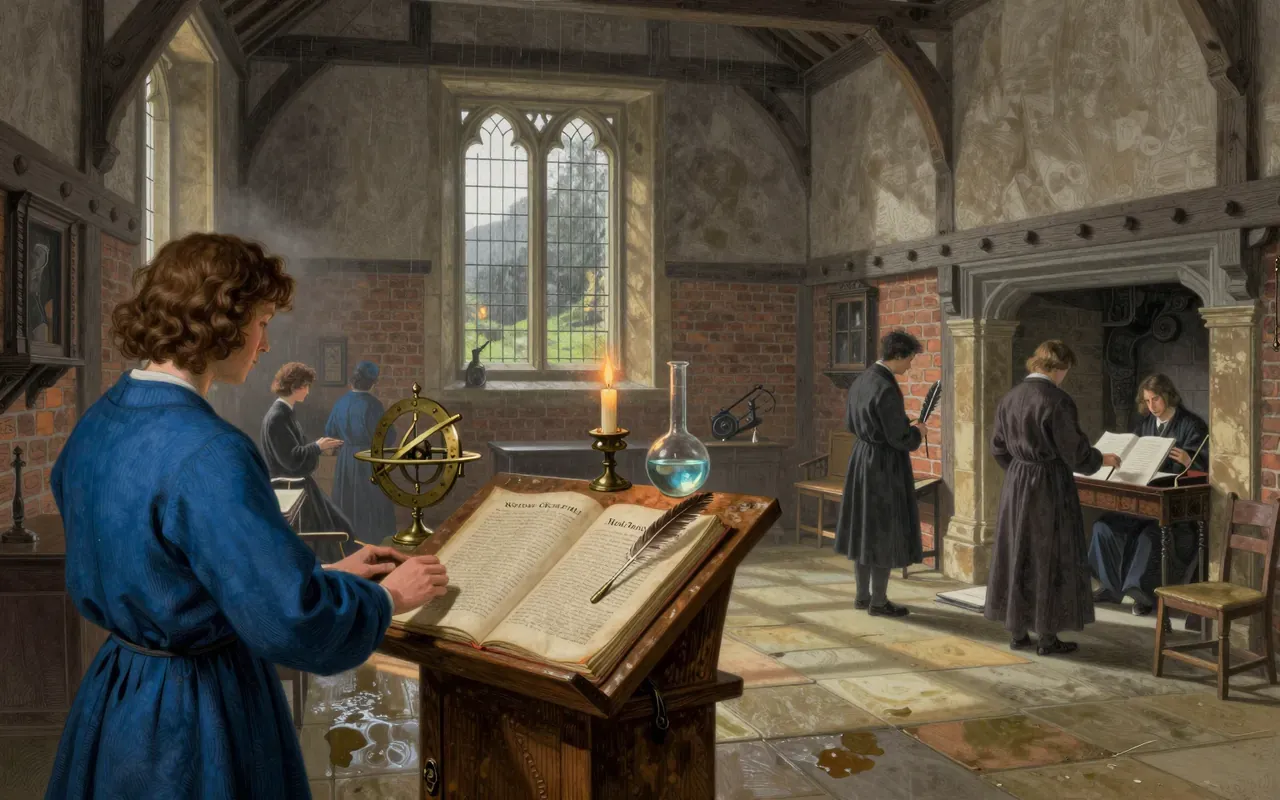
Bacon’s method is not a working protocol but a declaration of epistemic discipline: knowledge must be built stepwise from particulars, anchored in observation, and guarded against the Idols of the mind. Its power lies in its framing—not its execution.

9:39

Thomas Edison

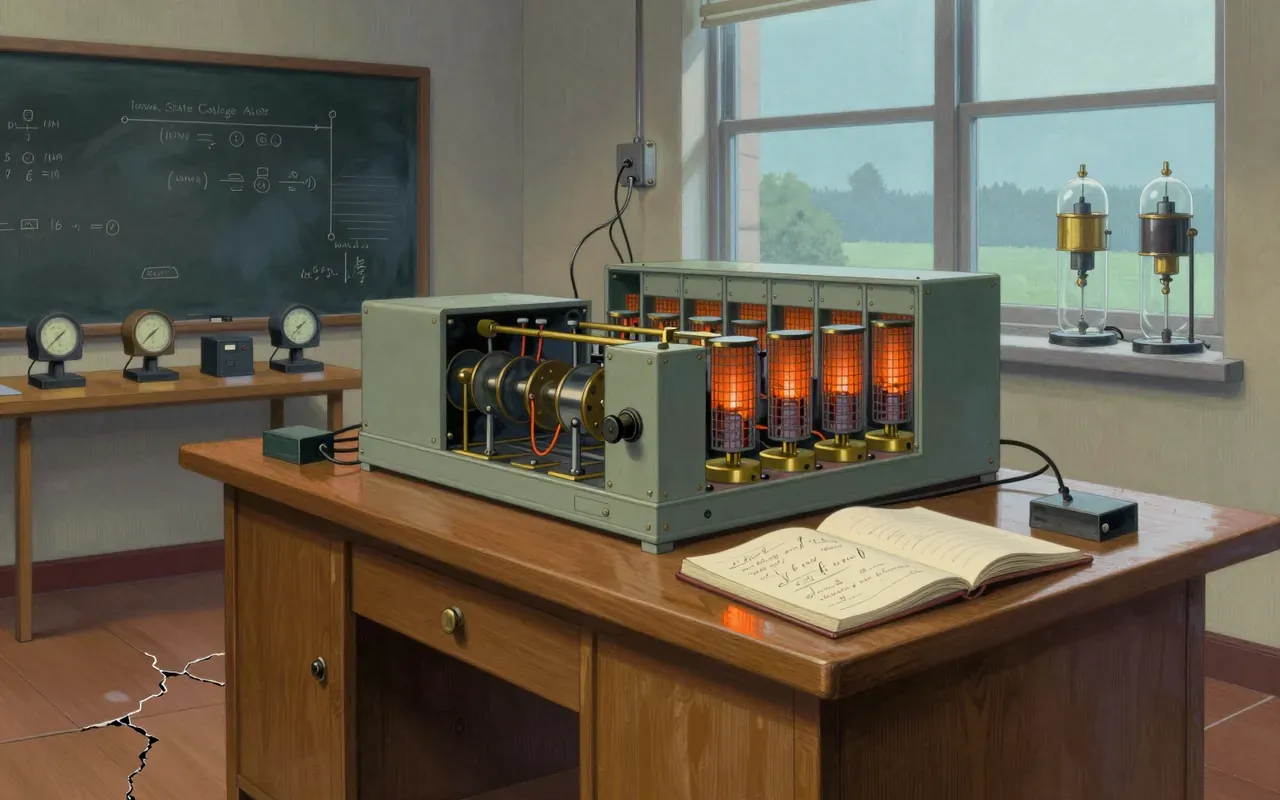
Edison didn’t invent the light bulb—he invented the process that made it matter.
8:32

Wind power

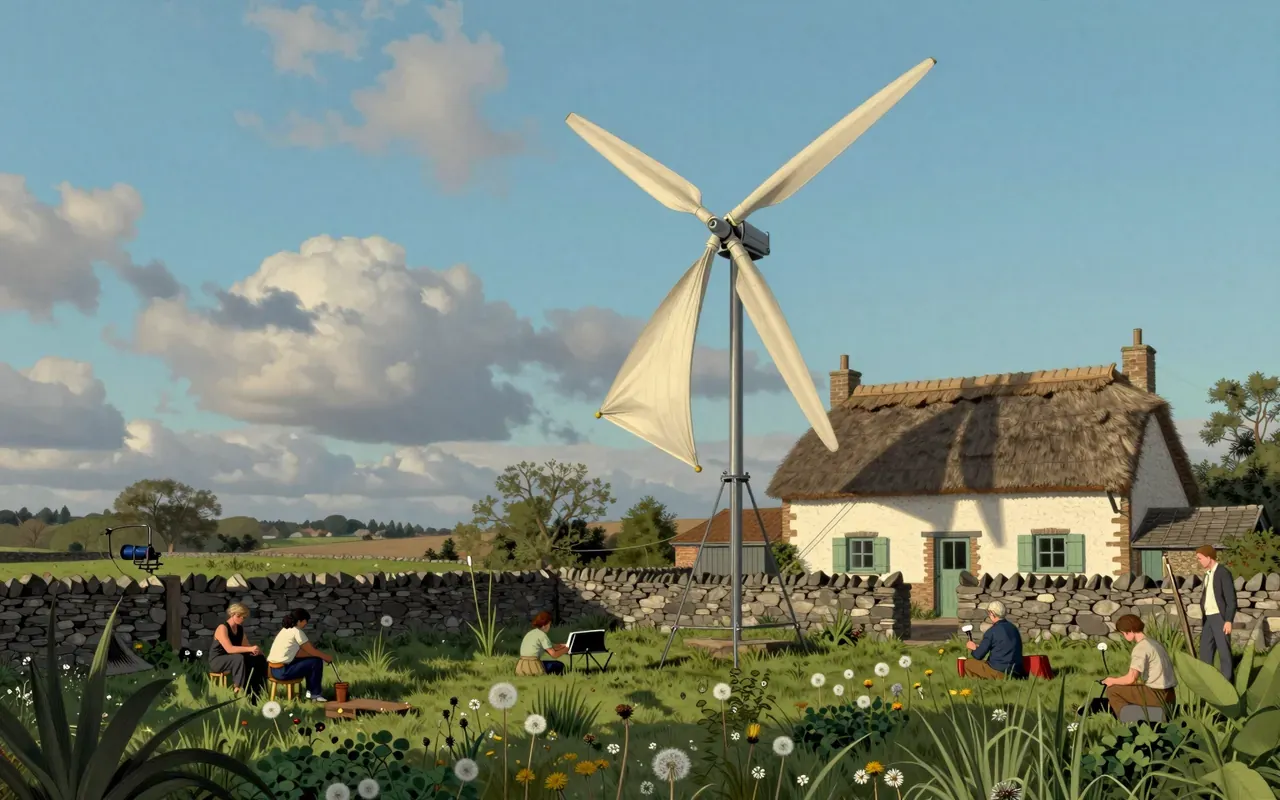
Wind power did not begin with climate policy — it began with a Scottish professor lighting his cottage in 1887.
9:53

André-Marie Ampère

Ampère didn’t discover electromagnetism — he turned it into a science you can calculate with.
9:18

Arecibo Observatory

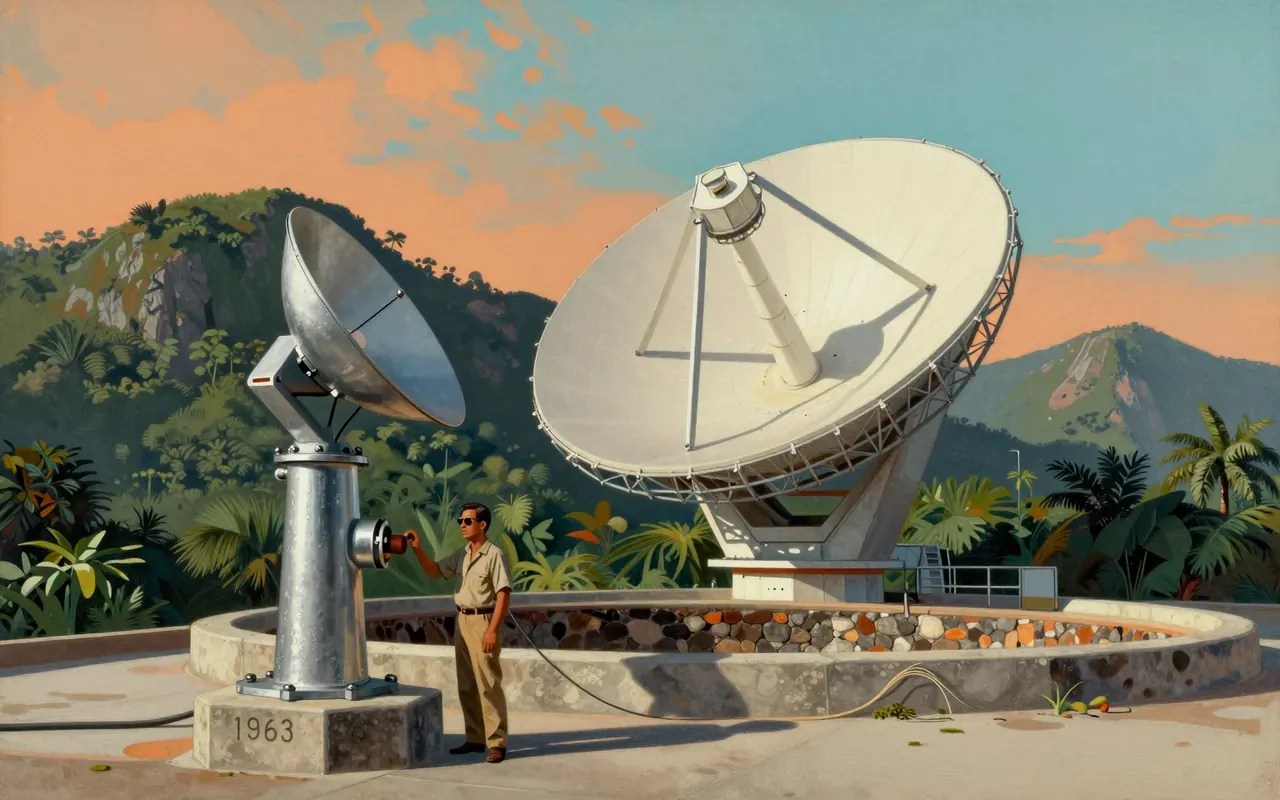
A 305-m dish carved into a Puerto Rican sinkhole didn’t just listen to space — it bent the rules of what a telescope could be.
9:36

Arthur Ashkin

He didn’t just trap light — he made light grab matter, one photon at a time.
13:00

Atomic force microscopy

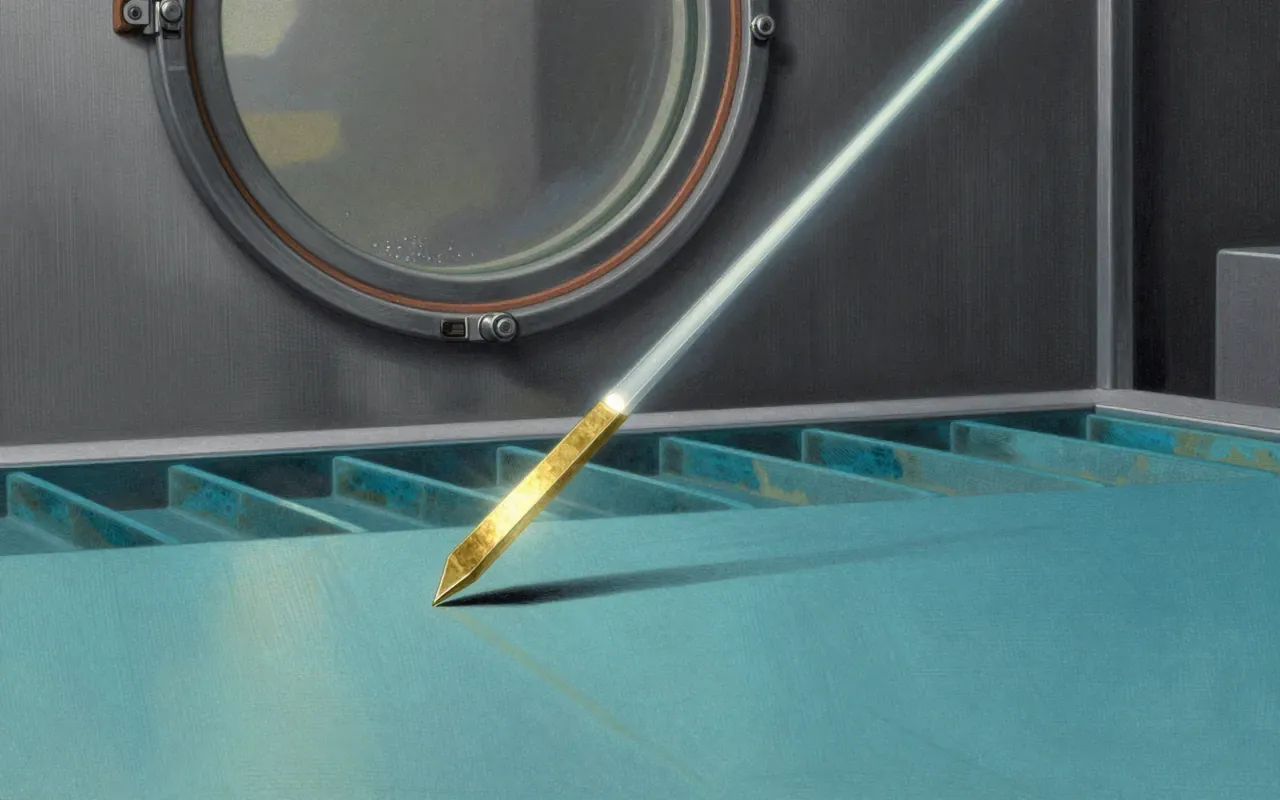
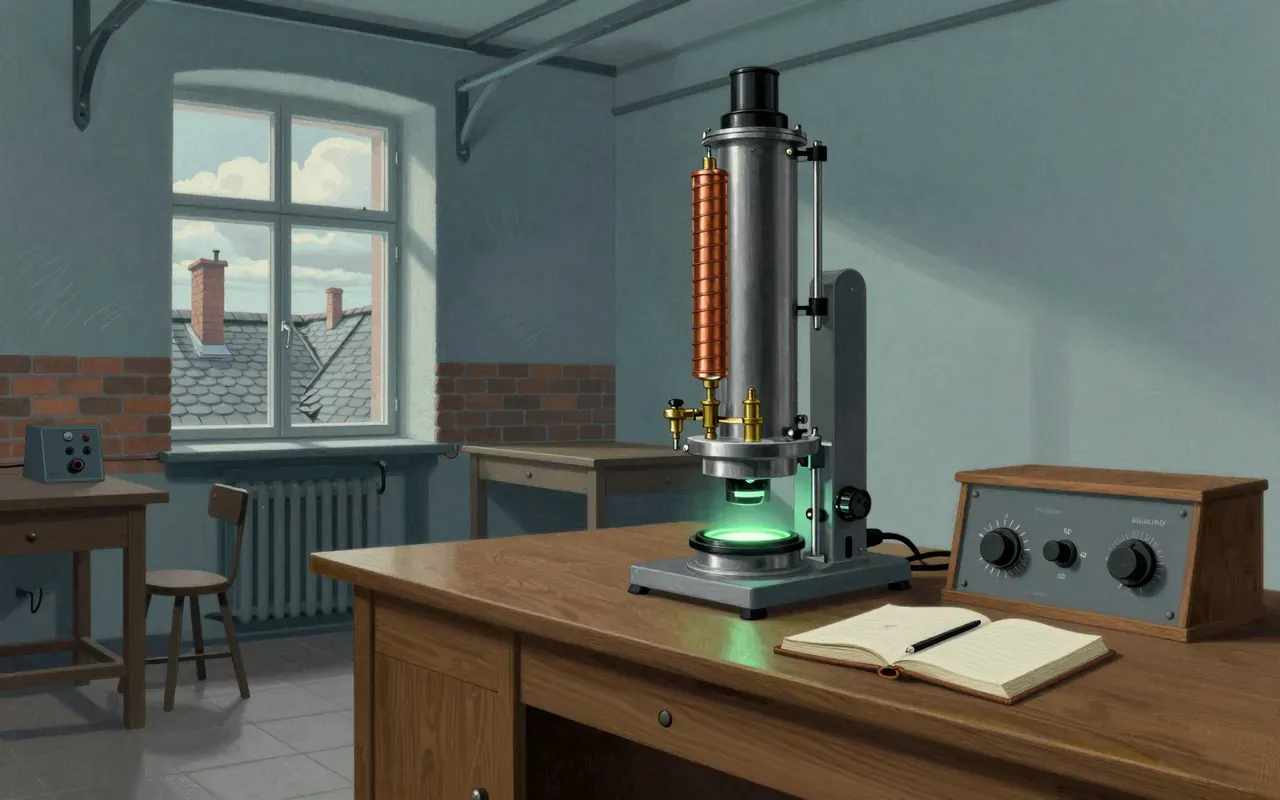
A sharp tip on a bending cantilever, tracked by a laser, let researchers feel the shape of a surface at nanometre scale, including surfaces that do not conduct electricity at all.
9:03

Claude Shannon

Shannon didn’t invent the computer — he proved electricity could think.
13:00

Hamming code

Richard Hamming got tired of his weekend calculations being thrown out over an error the machine could detect but not fix, so in 1950 he built a code that could do both.
13:00

Kite experiment

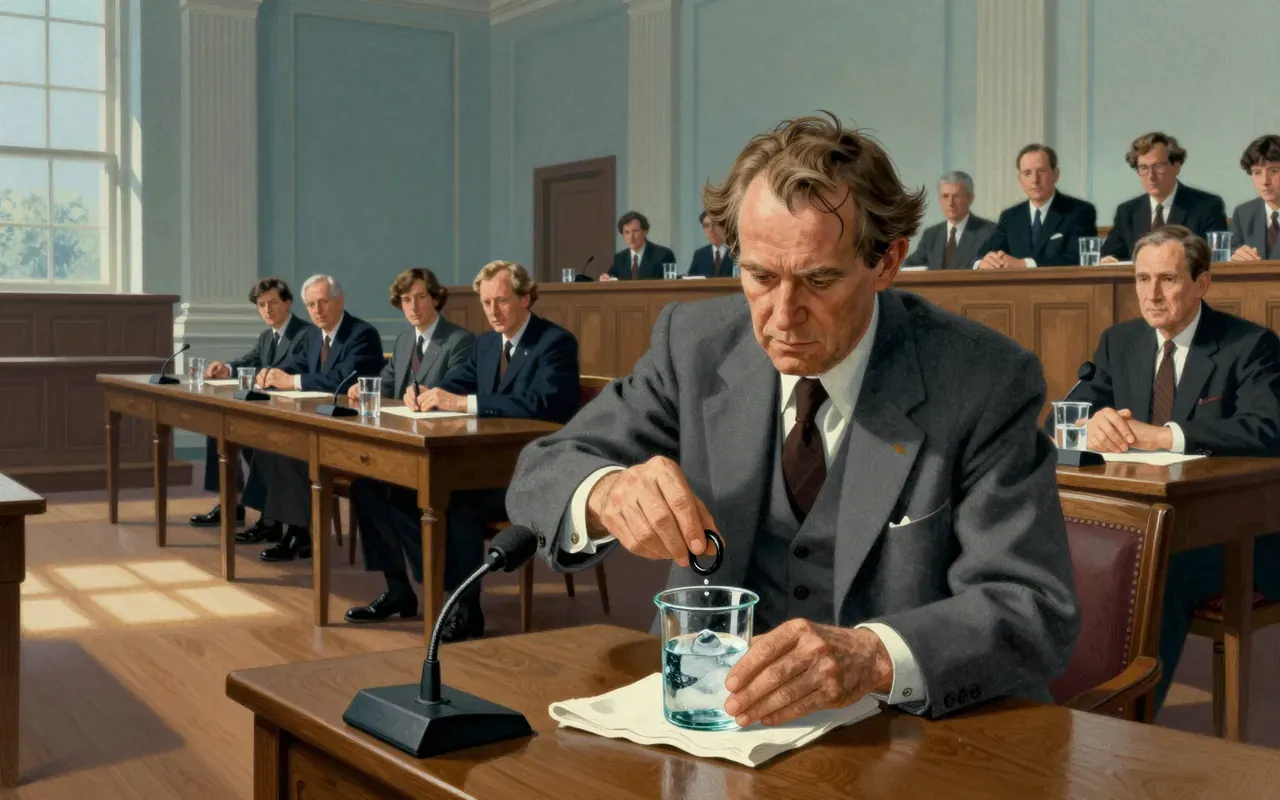
Franklin's 1752 kite experiment showed lightning was electricity and led directly to the lightning rod, but the famous scene itself rests on a secondhand account published fifteen years after the fact.
10:00

George Boole

Boole didn’t invent computing — he invented the grammar that lets silicon speak.
9:23

George Westinghouse

Fail-safe engineering began not in labs, but on broken railway lines — where a ruptured pipe had to stop a train, not kill its passengers.
9:57

Guglielmo Marconi

Marconi didn’t discover radio—he engineered its first working system, one patent and one grounded wire at a time.
10:26

Hedy Lamarr

A Hollywood actress co-patented a jam-proof torpedo system — but never saw it built, tested, or used.
11:18

James Clerk Maxwell

Maxwell didn’t discover light — he discovered that light is electricity dancing with magnetism.
10:32

Joseph Henry

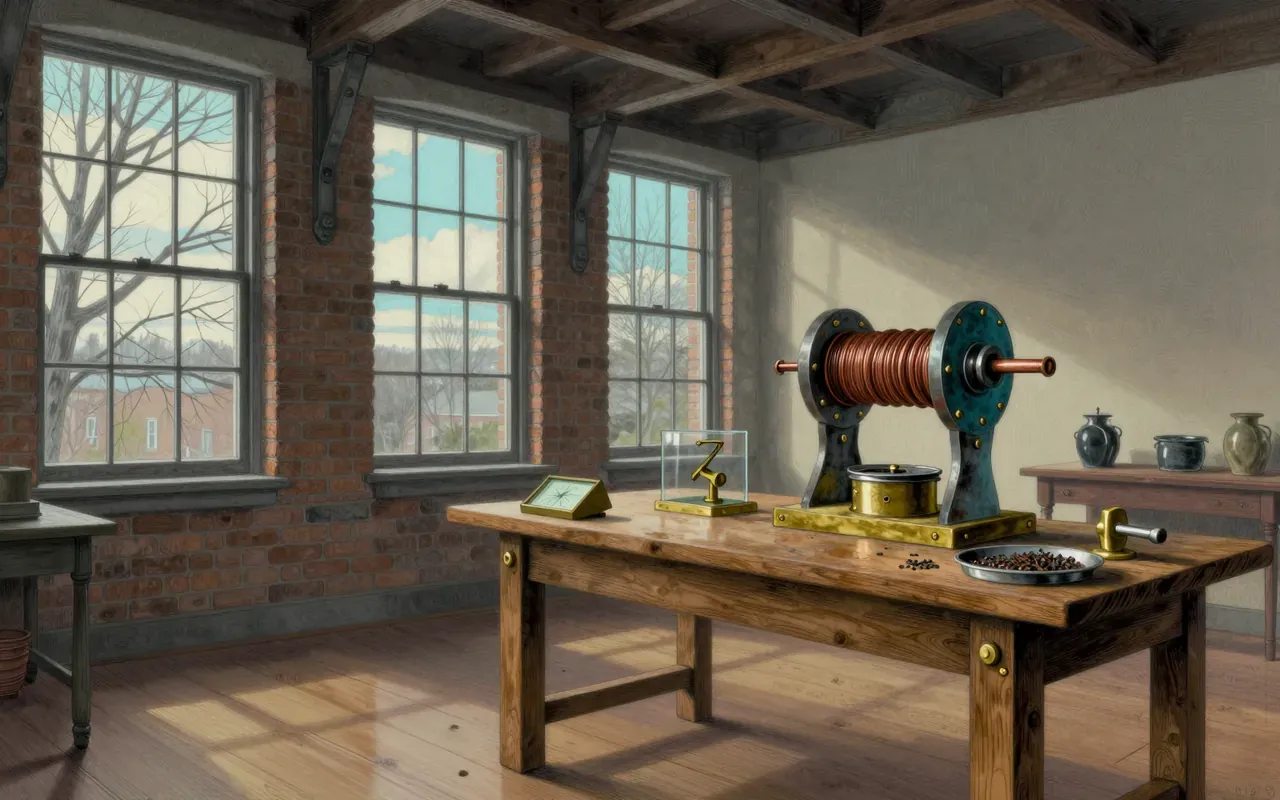
Inductance wasn’t deduced — it was rocked, wound, and wired into existence.
9:47

Katherine Johnson

Human calculation didn’t just support early spaceflight—it certified the machines that replaced it.
11:38

Kirchhoff's circuit laws

Gustav Kirchhoff

Kirchhoff’s 1845 circuit laws are two experimentally derived equalities — one for current at junctions, one for voltage around loops — valid only under strict physical assumptions of the lumped-element model.

10:38

Lorentz transformation

Hendrik Lorentz

Lorentz’s transformations were a technically successful but conceptually constrained response to experimental anomalies in electrodynamics. They preserved the aether while making predictions match observation—by introducing local time, length contraction, and time dilation as mathematical corrections. Their algebraic form survived into special relativity, but their physical meaning did not.

9:59

Nikola Tesla

Tesla didn’t invent the future — he engineered its first working parts.
10:34

Norbert Wiener

Wiener didn’t invent AI — he invented the idea that purpose could be noise-filtered, feedback-driven, and machine-simulable.
11:09

Oliver Heaviside

Heaviside didn’t just tidy up Maxwell—he rewrote the rules of signal, space, and time.
13:00

History of penicillin

Howard Florey and Ernst Chain's Oxford team, aided by a mould found on a Peoria cantaloupe, turned Fleming's decade-old observation into billions of units of penicillin a year, though Britain's refusal to patent the method cost it years of royalties.
13:00

Positron emission tomography

PET scanning images metabolic activity rather than anatomy, by catching the paired gamma rays a positron tracer produces on annihilation — a physical trick that took decades, and Michel Ter-Pogossian's team, to turn into a working scanner.
13:00

2019 revision of the SI

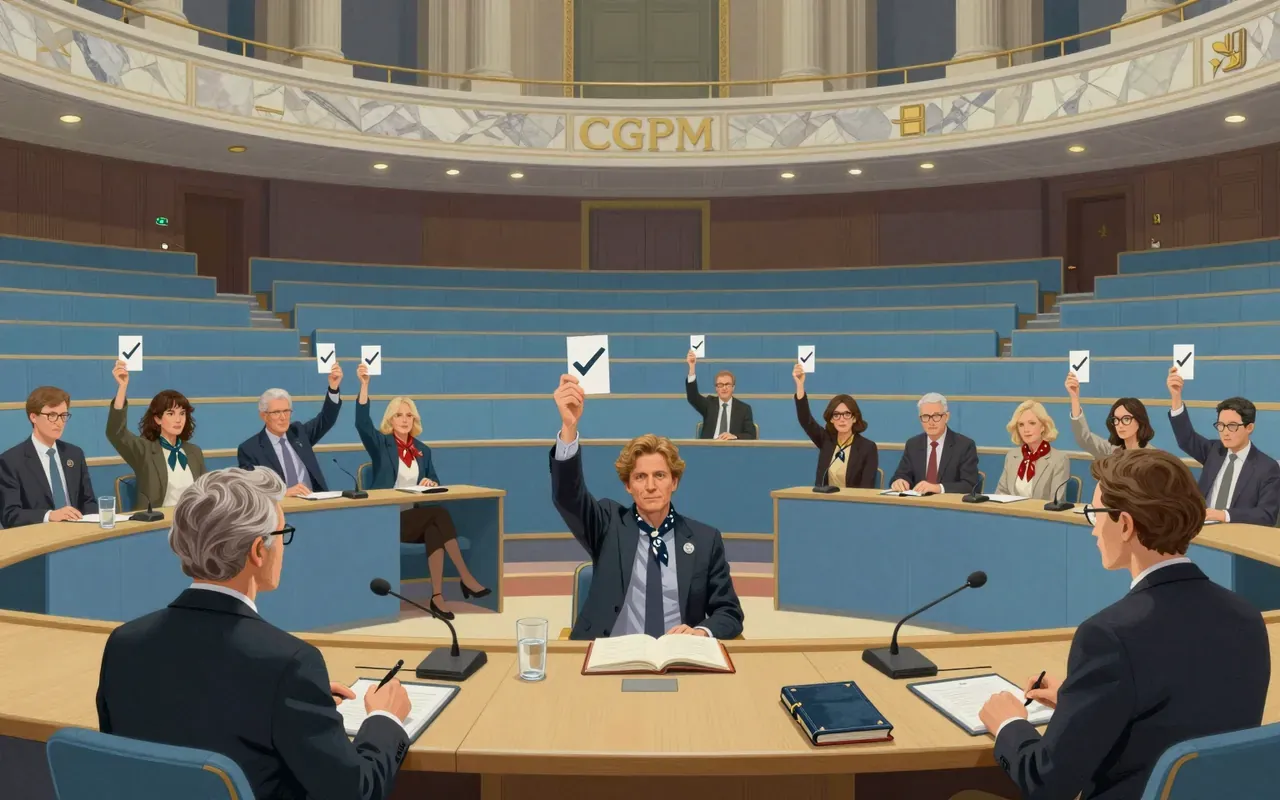
On 20 May 2019 the kilogram stopped being a chunk of metal in France and became a consequence of the Planck constant. The vote took eleven years to arrive and left a few loose mathematical ends behind.
10:56

Sophie Germain

Germain’s mathematics was right where it counted—and wrong where it mattered most.
9:36

Stanley Norman Cohen

This wasn’t about curing disease — it was about making bacteria read foreign genes, copy them, and pass them on.
13:00

Caesium standard

Since 1967 the second has been defined by a fixed count of caesium-133 oscillations, a standard that still runs GPS and global timekeeping even though optical clocks have already surpassed it in precision.
13:00

Challenger Deep

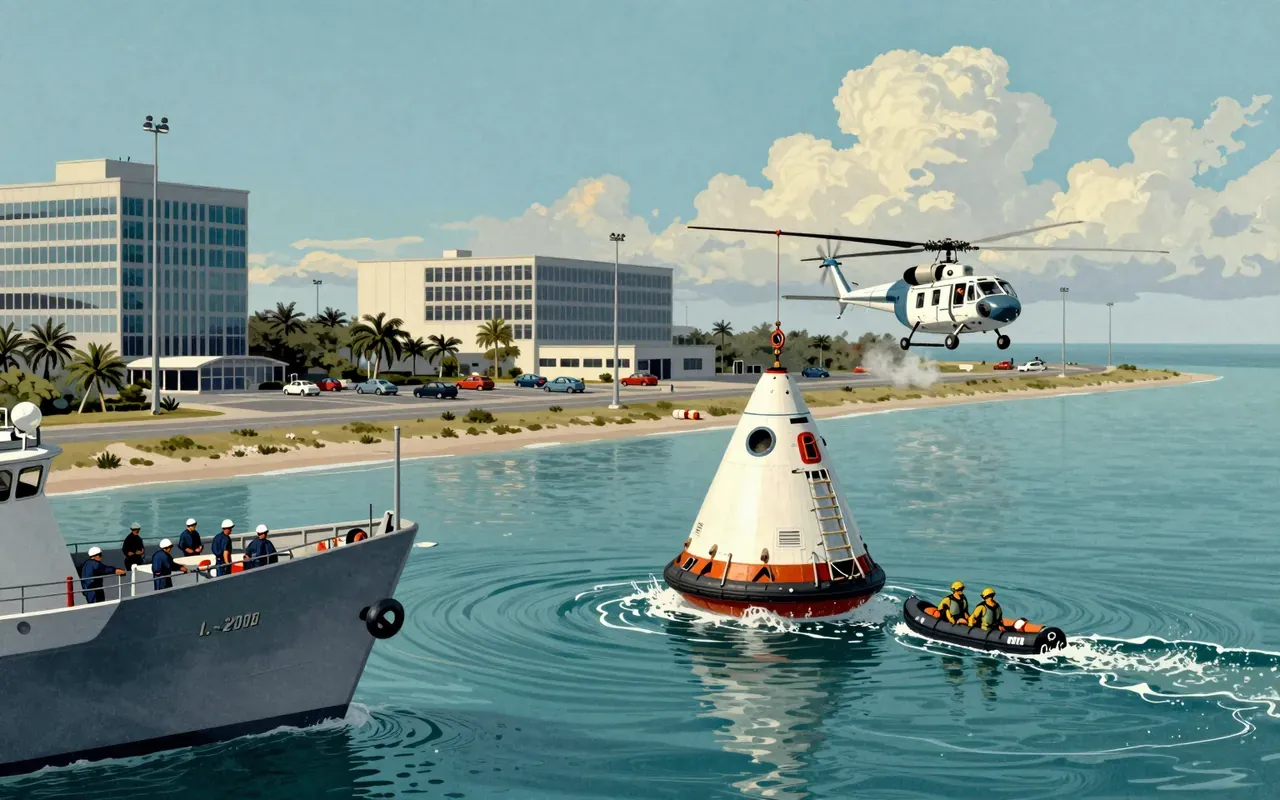
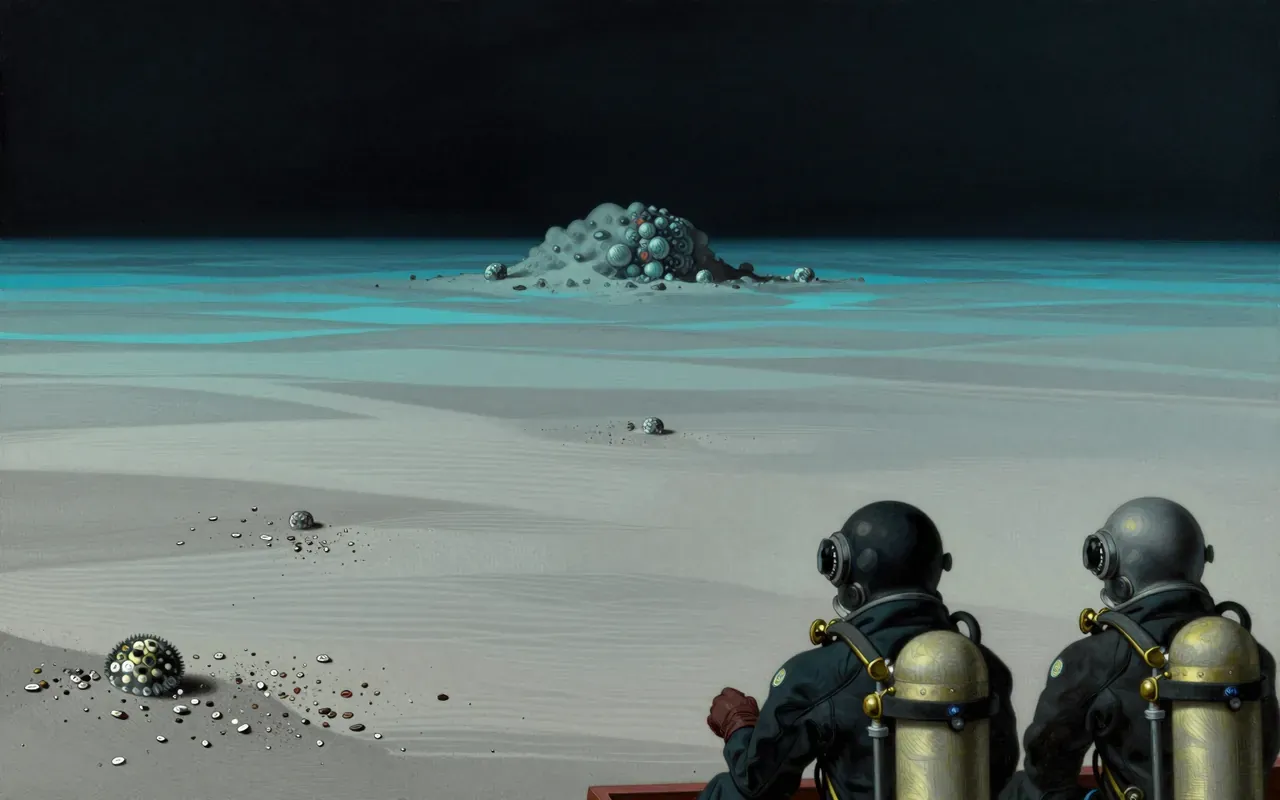
The Trieste's 1960 dive to the Challenger Deep proved crewed vessels could survive Earth's deepest ocean point, though its famous fish sighting there is no longer considered valid by later authorities.
13:00

Colossus computer

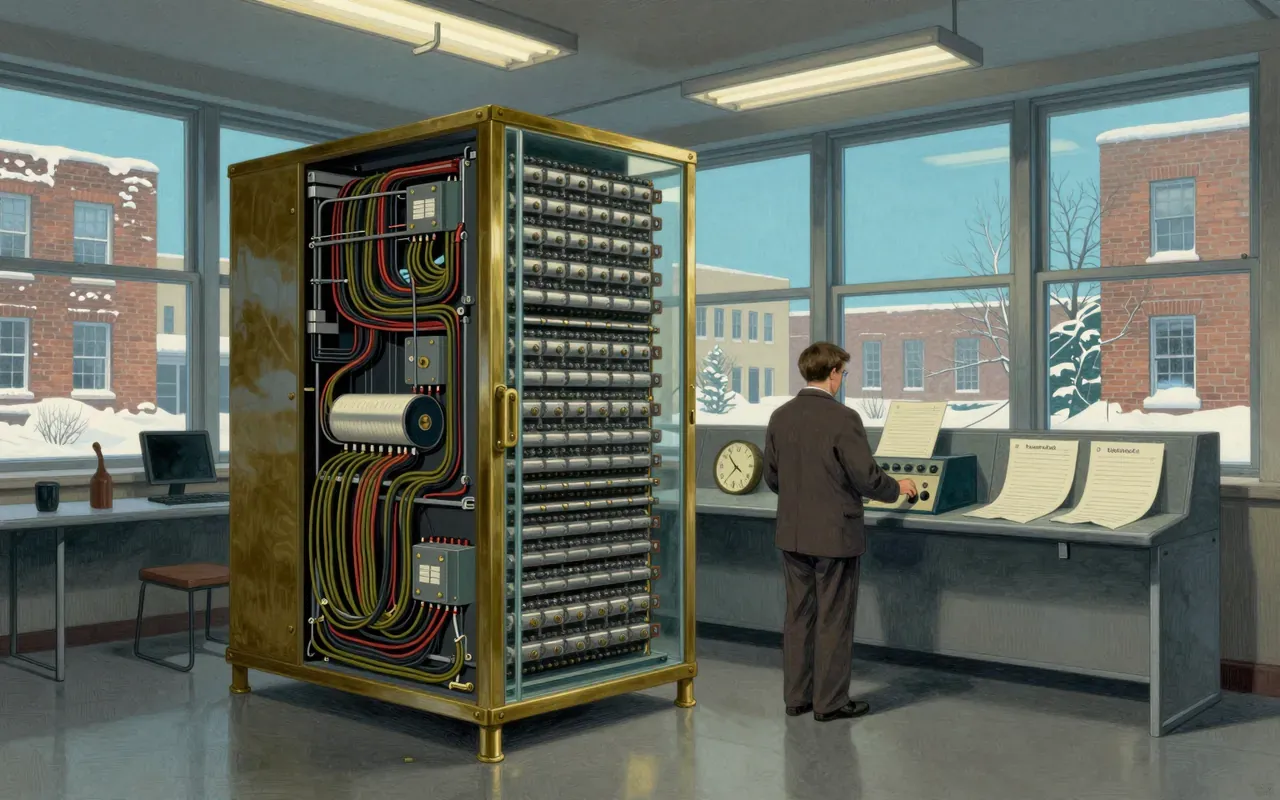
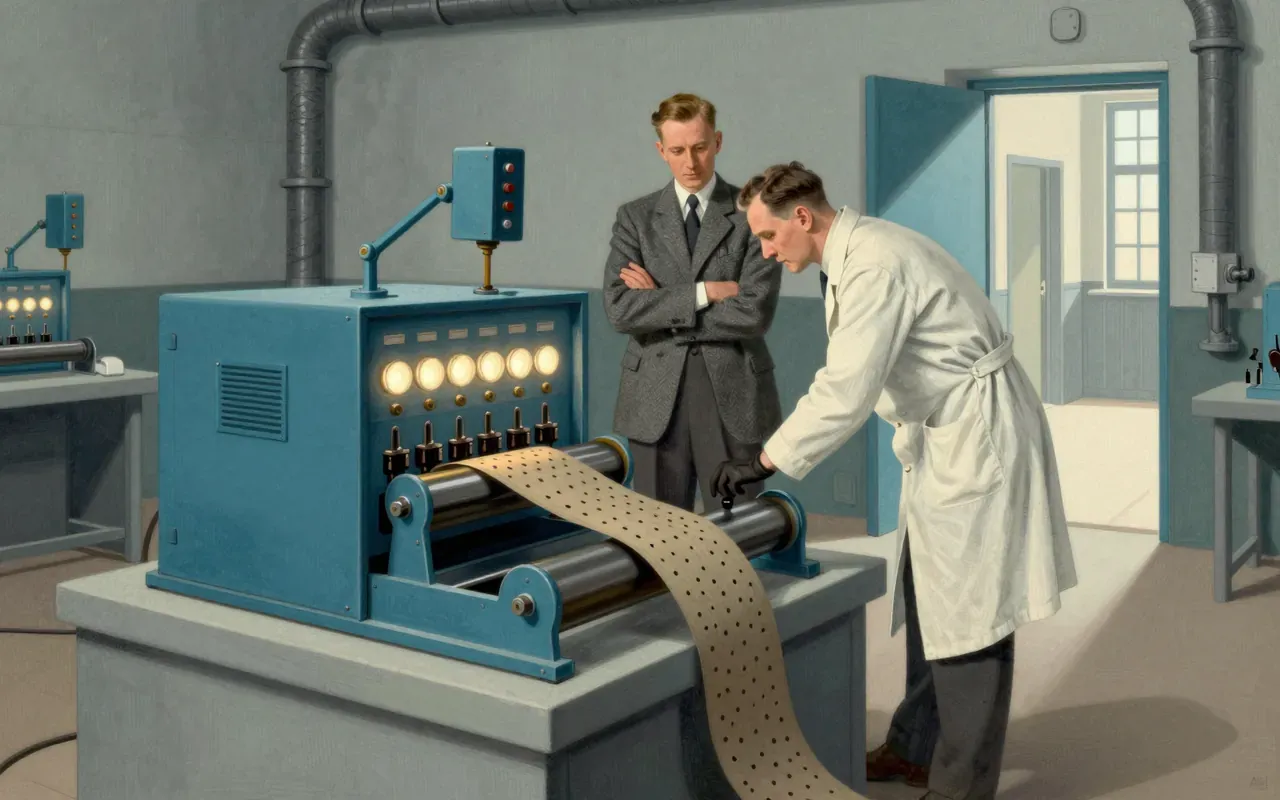
Tommy Flowers built Colossus on a bet that thousands of valves could run reliably where convention said hundreds was the limit. It worked, breaking Lorenz traffic through the war's final years — then vanished into thirty years of secrecy.
13:00

Space Shuttle Columbia disaster

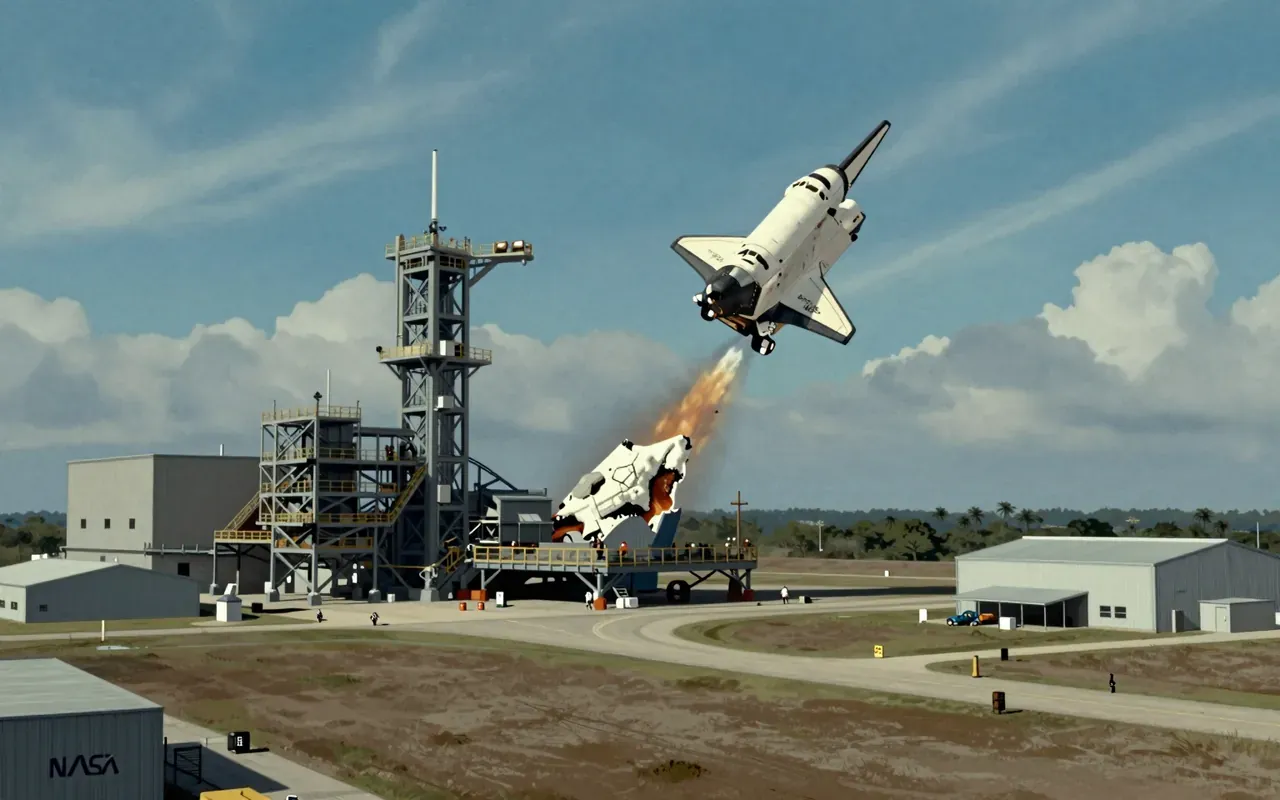
A briefcase-sized piece of foam had fallen off shuttle tanks six times before without incident, so when it struck Columbia's wing on launch, NASA managers treated the seventh strike as routine rather than as a threat.
13:00

Cryo-electron microscopy

Freezing biological molecules in place fast enough to stop ice crystals forming let electron microscopes see proteins as they actually sit in solution, ending structural biology's dependence on crystallisation.
13:00

CT scan

Godfrey Hounsfield built a scanner from an idea on a country walk; Allan Cormack had already worked out the mathematics years earlier without knowing anyone intended to build the machine.
9:08

Electron microscope

Ernst Ruska · 1931

The electron microscope began not with biology, but with physics: a test of magnetic lensing on engineered grids. Its first success was mechanical and conceptual — not observational.

13:00

ENIAC

ENIAC filled a room, ate 150 kilowatts, needed weeks to reprogram by rewiring plugboards, and was legally stripped of its patent in 1973 when a court ruled its core idea had come from a machine most people had never heard of.
9:46

Fujita scale

Fujita

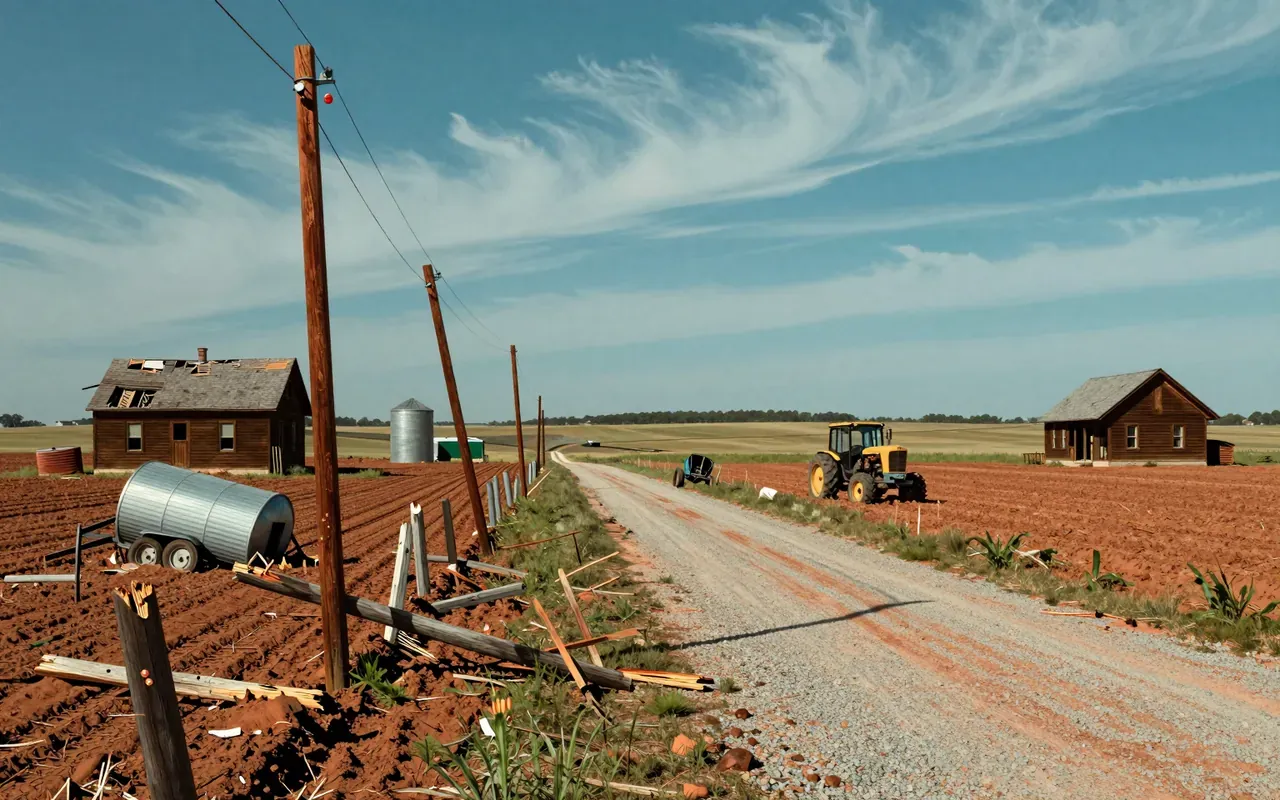
The Fujita scale is a damage-based tornado classification system introduced in 1971. It is not a wind-speed measurement tool. Its F0–F5 categories remain operationally useful. Its theoretical F6–F12 levels were never used. Its wind-speed estimates were unverified and later shown to be inflated.

11:12

Galvanometer

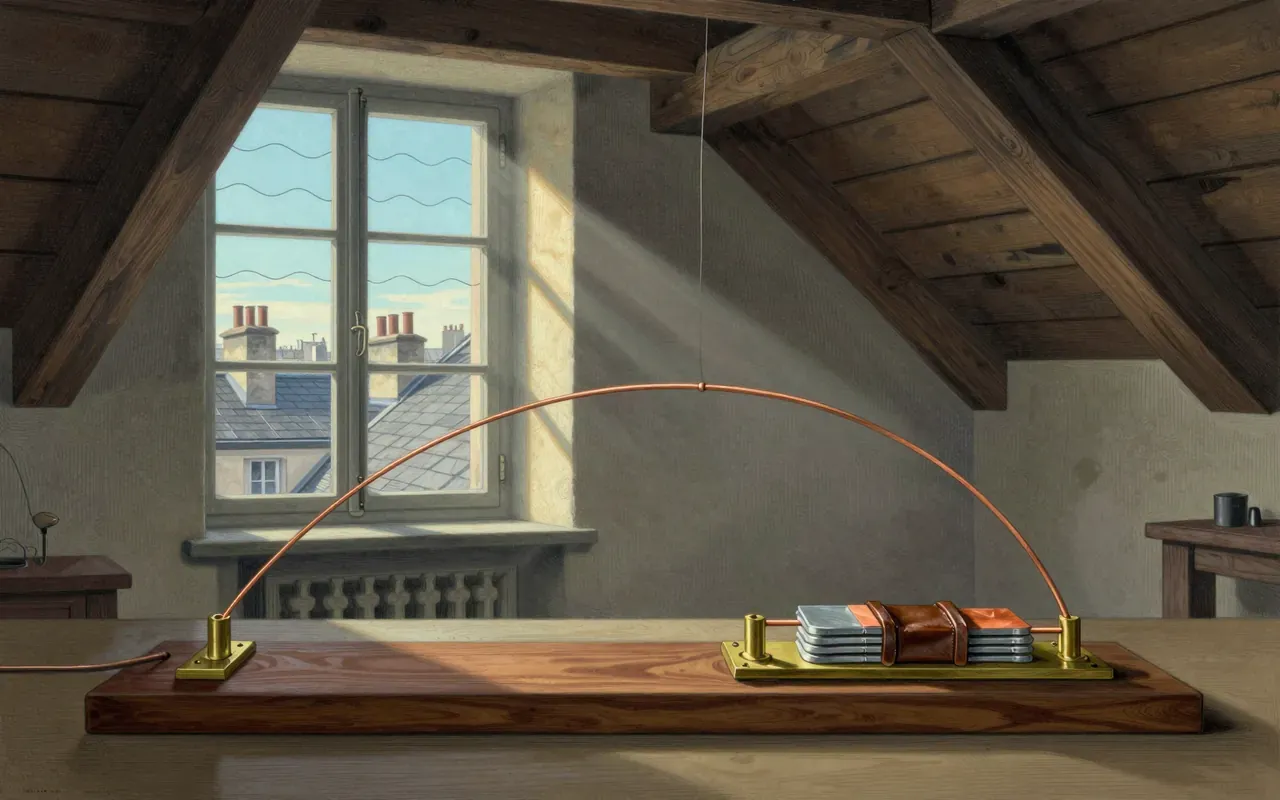
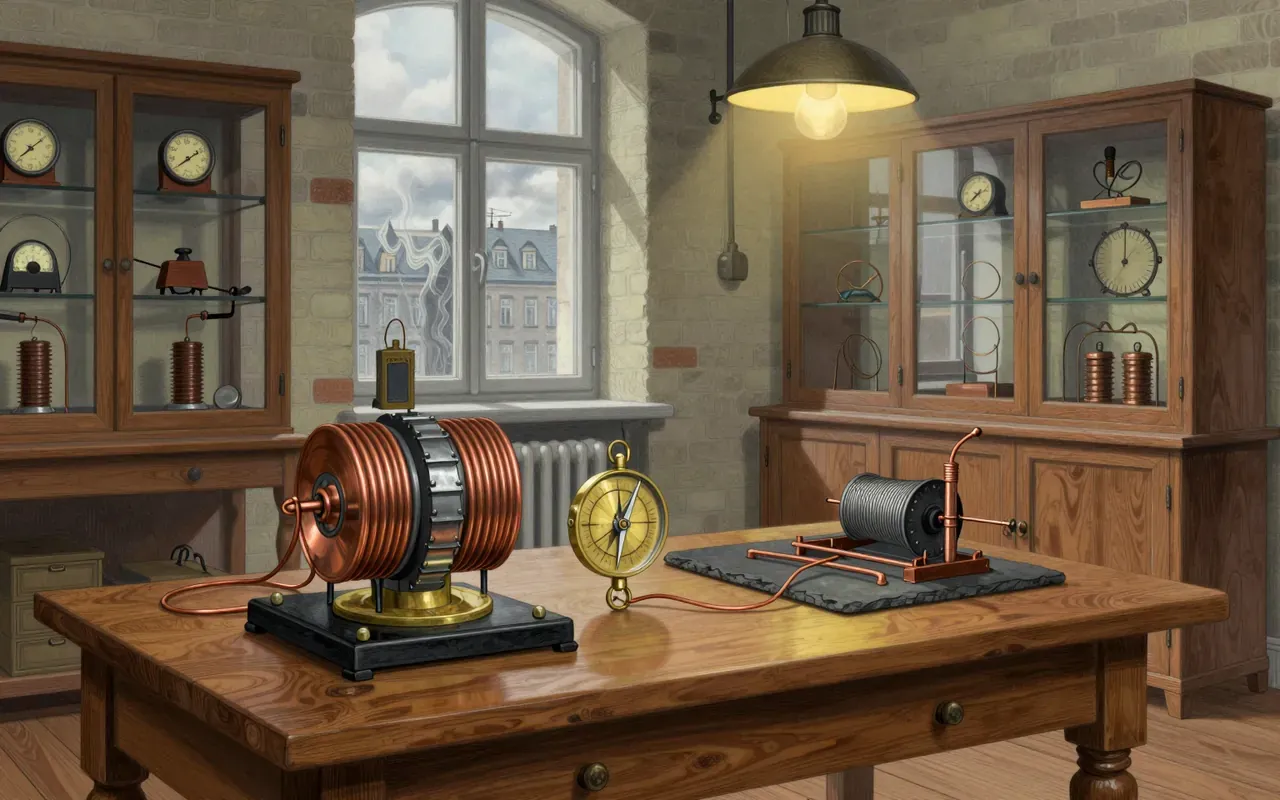
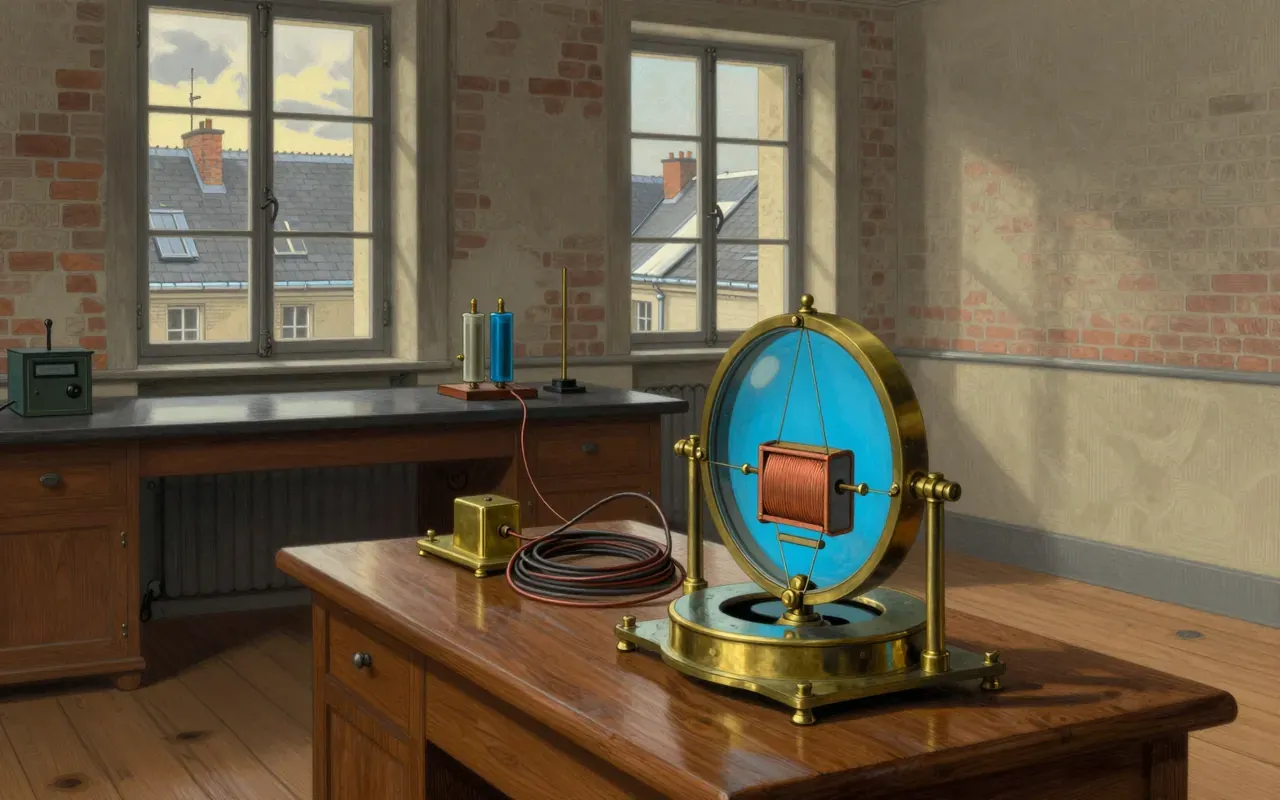
The galvanometer did not discover electromagnetism — it weaponised Ørsted’s accident into a ruler for the invisible.
13:00

Haber process

The reaction that fixes nitrogen out of thin air now feeds close to half the people on Earth. The chemist who invented it also personally directed the first large chlorine gas attack of the First World War, days before his wife took her own life with his service revolver.
13:00

Integrated circuit

Two engineers solved the same wiring problem months apart in 1958 and 1959, and it was the less-famous first version, not the one modern chips descend from, that reached the Nobel committee.
13:00

Space Shuttle Challenger disaster

Engineers warned the night before that rubber seals had never been tested that cold, management overruled them, and Challenger broke apart 73 seconds after launch on 28 January 1986.
8:56

Oscilloscope

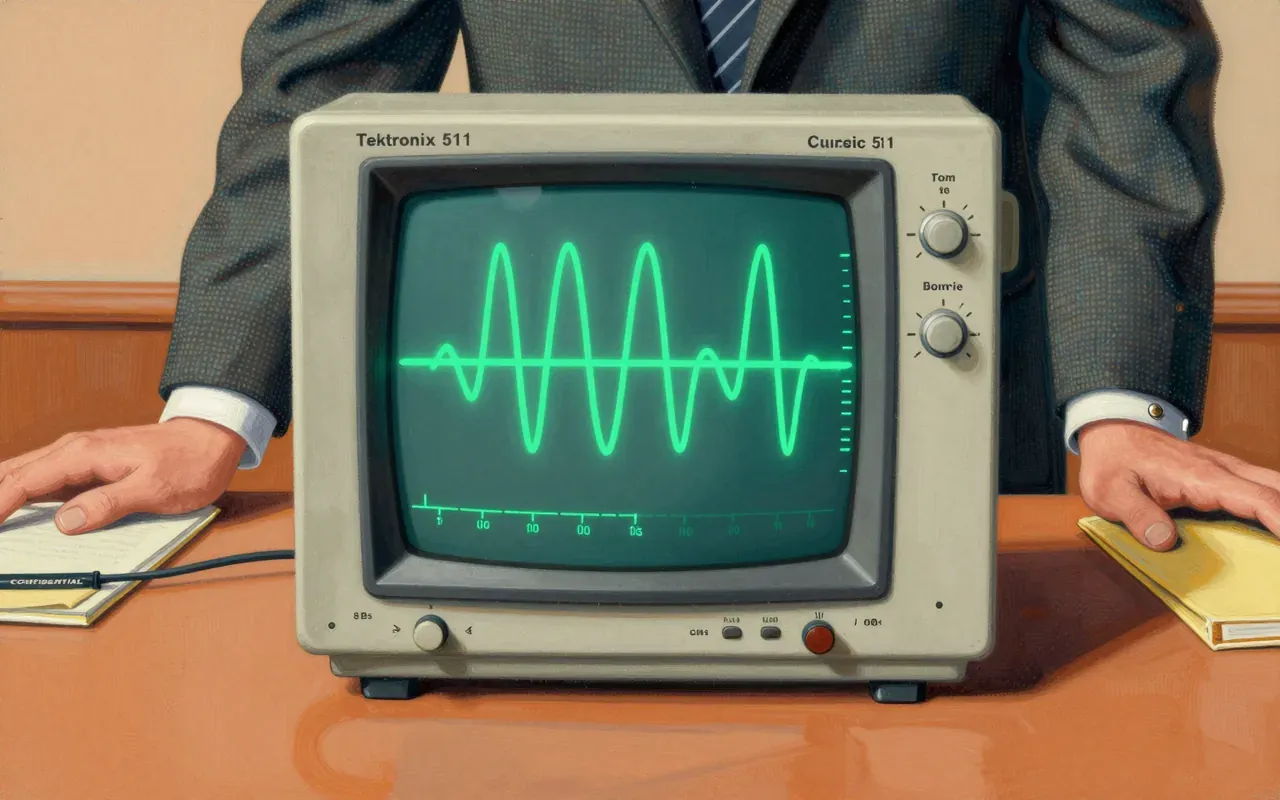
The oscilloscope wasn’t invented — it was incrementally engineered from a clattering mechanical recorder into a portable CRT.
13:00

Thermal cycler

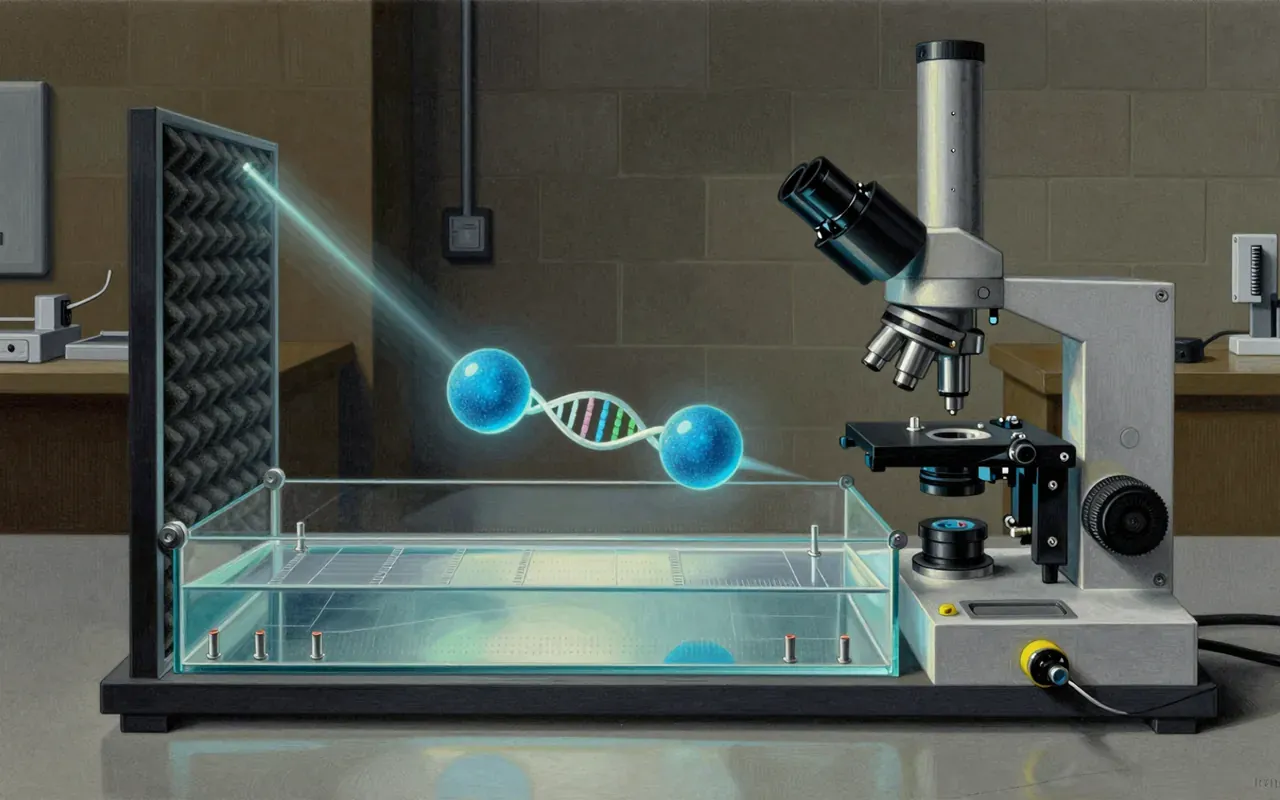
An enzyme borrowed from a bacterium that lives in hot springs let a single sealed machine copy a chosen stretch of DNA over and over, doubling it with every cycle, and turned an idea worked out on a car journey into the standard tool of molecular biology.
13:00

Perseverance (rover)

Perseverance's 2021 landing and its instruments have delivered exactly what was engineered, precise navigation, a surprise helicopter programme, oxygen from thin air, but the sample-return mission that would confirm any life finding is stalled.
13:00

Seismometer

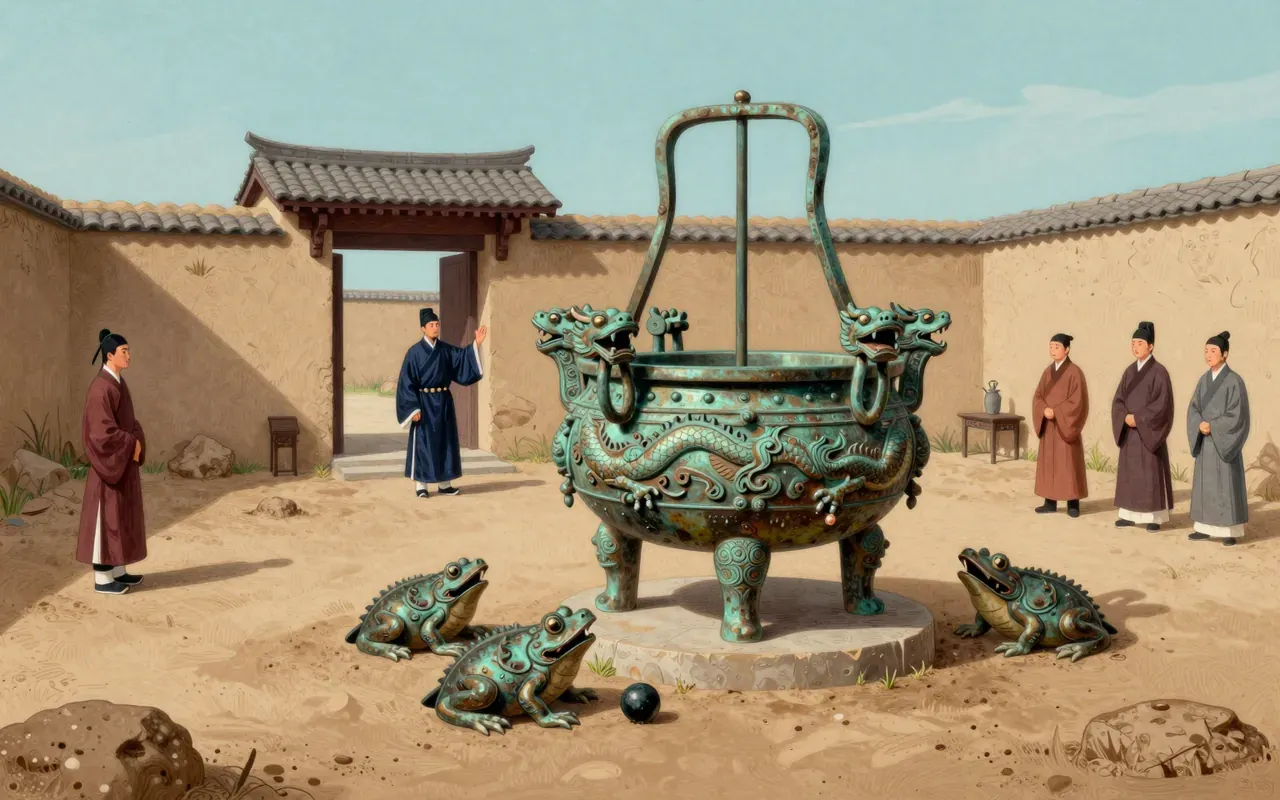
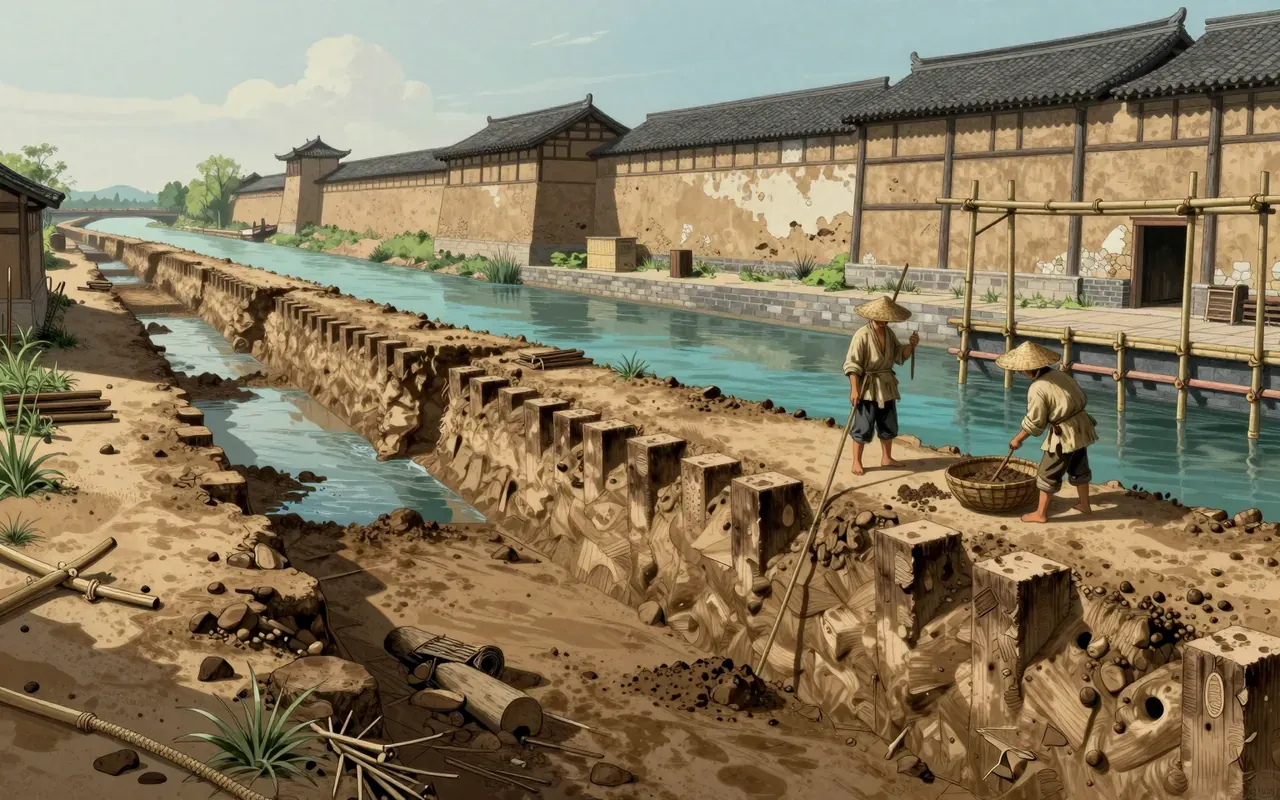
A bronze vessel ringed with dragons detected a Chinese earthquake in AD 143 that nobody nearby had felt, and it took well over a thousand years before any instrument matched what it had already managed to do.
13:00

International System of Units

The metre, the kilogram and five other units used to rest on physical objects kept in a French vault. Now every one of them is fixed to a constant of nature, and the change is quieter than it sounds.
13:00

Transistor

Three Bell Labs physicists built a working solid-state amplifier in December 1947, and the falling-out that followed shaped how the transistor reached the market as much as the physics did.
9:44

Ultracentrifuge

It didn’t reveal life’s blueprint — it gave biologists the first tool to hold molecules still enough to weigh them.
9:28

Very Large Array

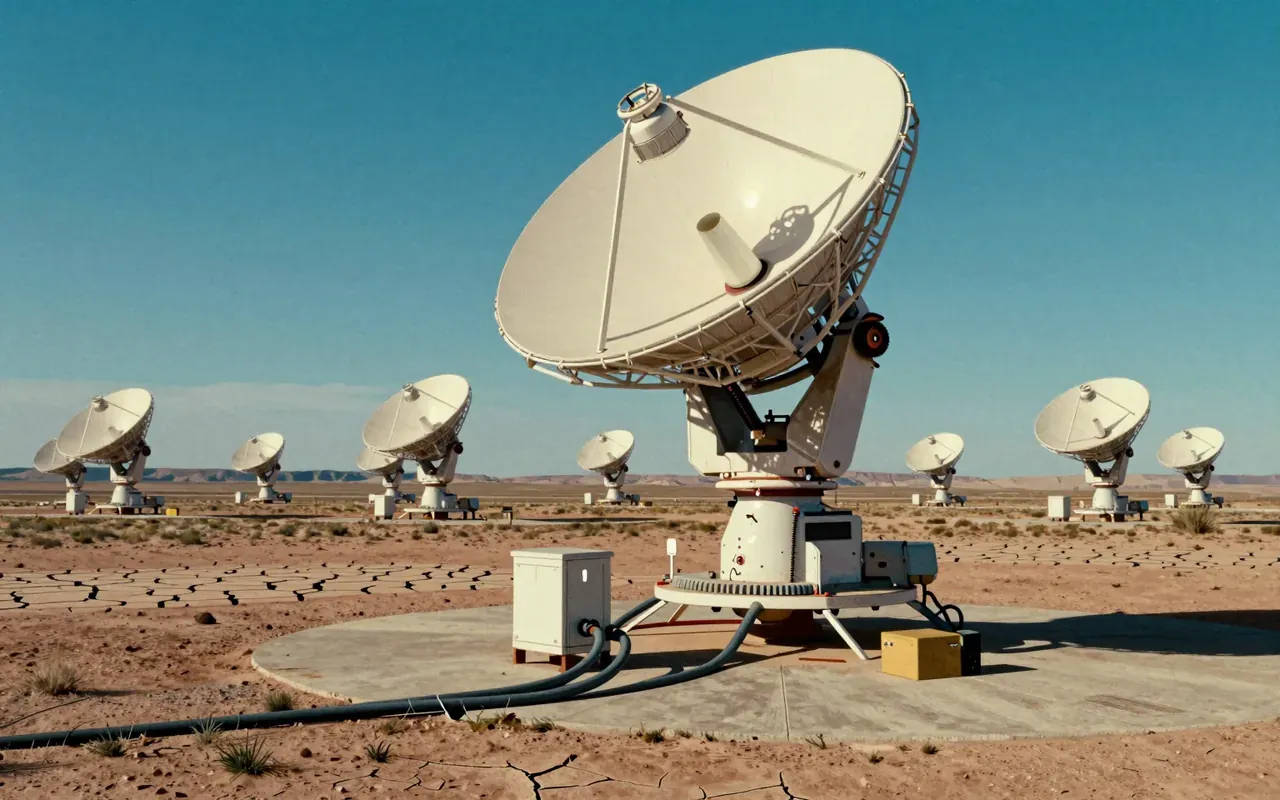
The VLA did not invent radio interferometry — it weaponised reconfigurability.
9:53

Vladimir K. Zworykin

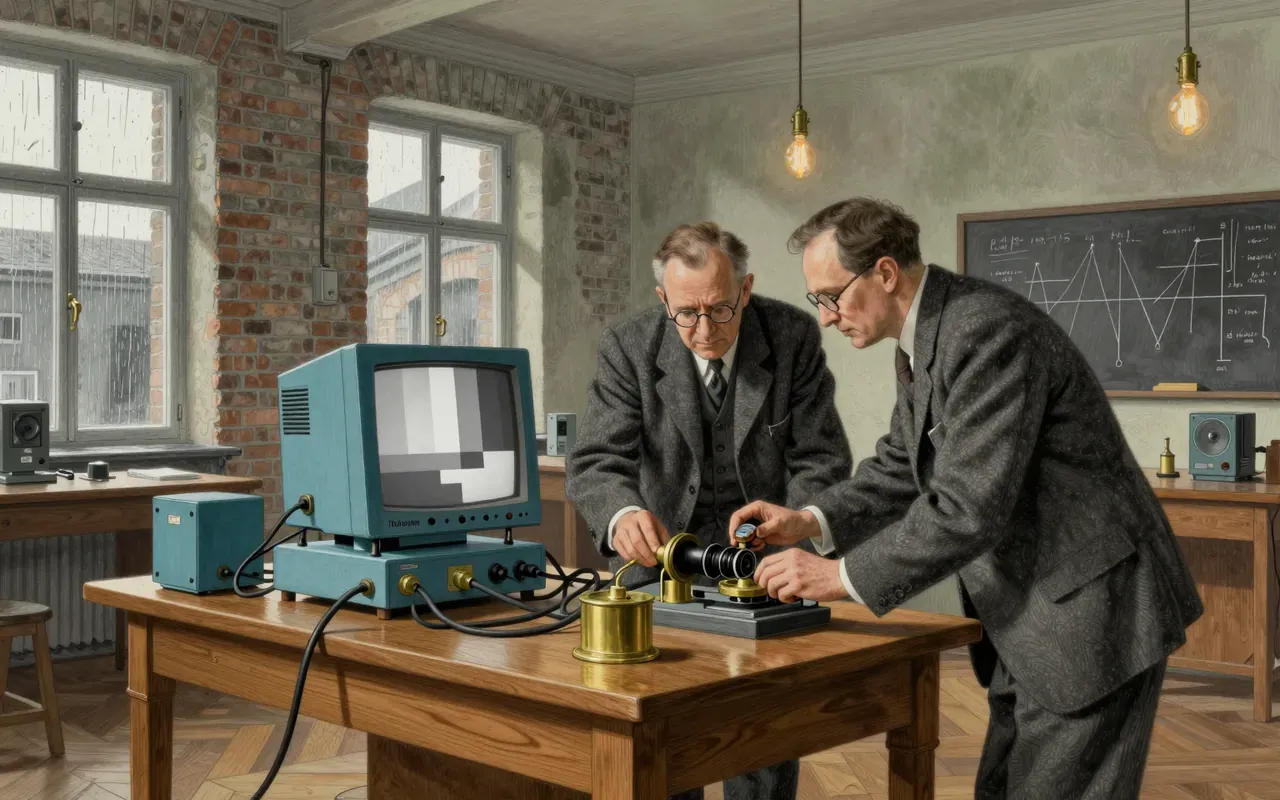
Zworykin didn’t invent television—he weaponised the cathode-ray tube and made it central to its first electronic incarnation.
10:32

Zheng He

Zheng He’s voyages were real, massive, and meticulously documented—but they were diplomatic pageants, not proto-colonial campaigns.