sciencebriefs
Topic

Astronomy

Looking up, systematically, for four thousand years.
63
in science
11:18
average
712 min
in total
81
across the network
Astronomy across the network →
All briefs63
11:02

Nuclear fusion

Fusion was solved for stars in 1939—not for power plants, and not by engineers.
10:41

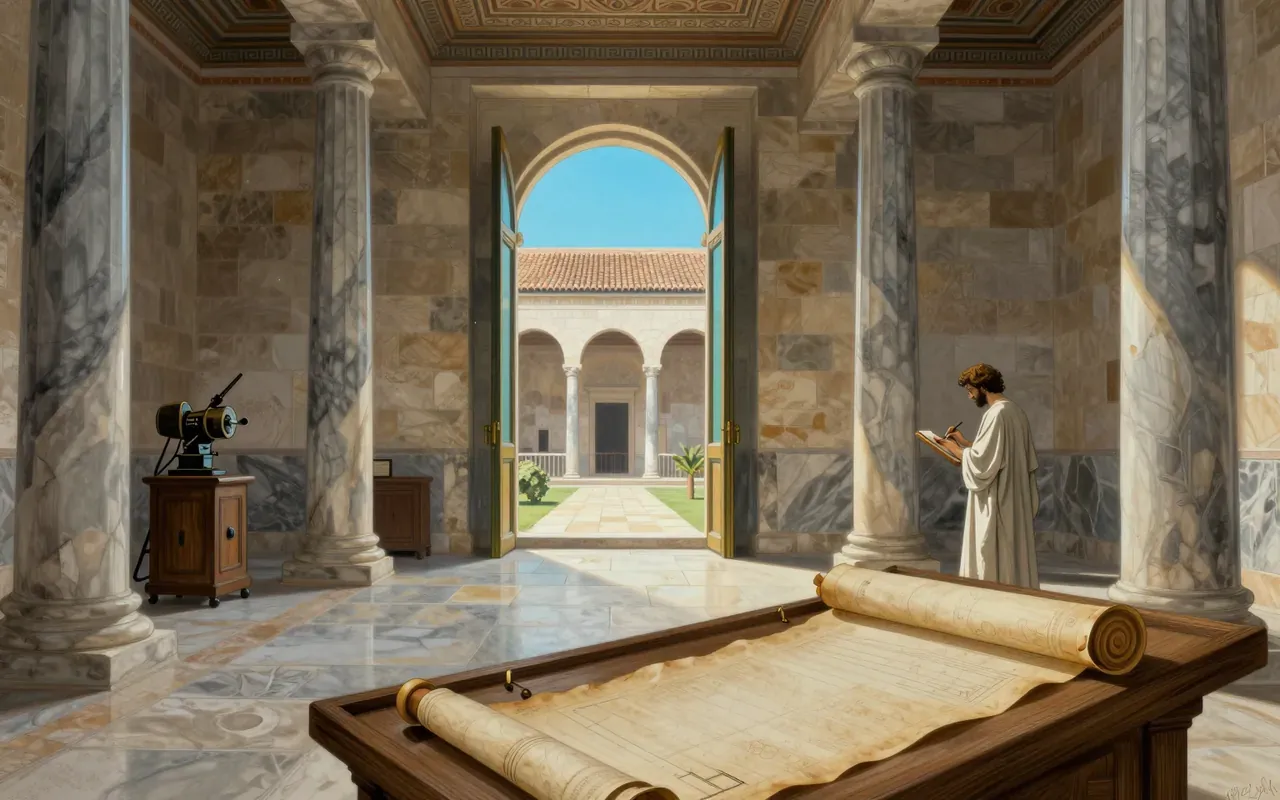
Hypatia

Hypatia didn’t invent new mathematics—she rebuilt the foundations others relied on.
10:49

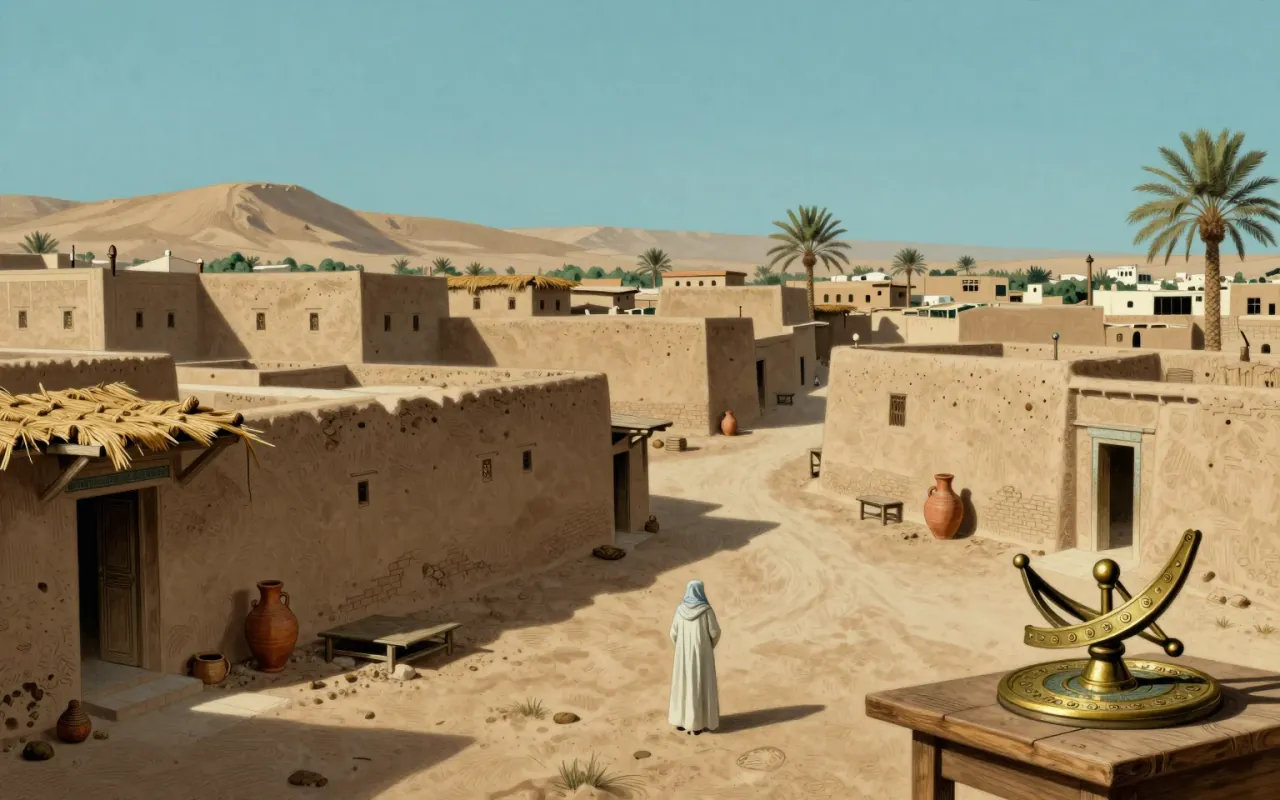
Al-Khwarizmi

He didn’t invent algebra—he founded it as a discipline with rules, not rhetoric.
9:18

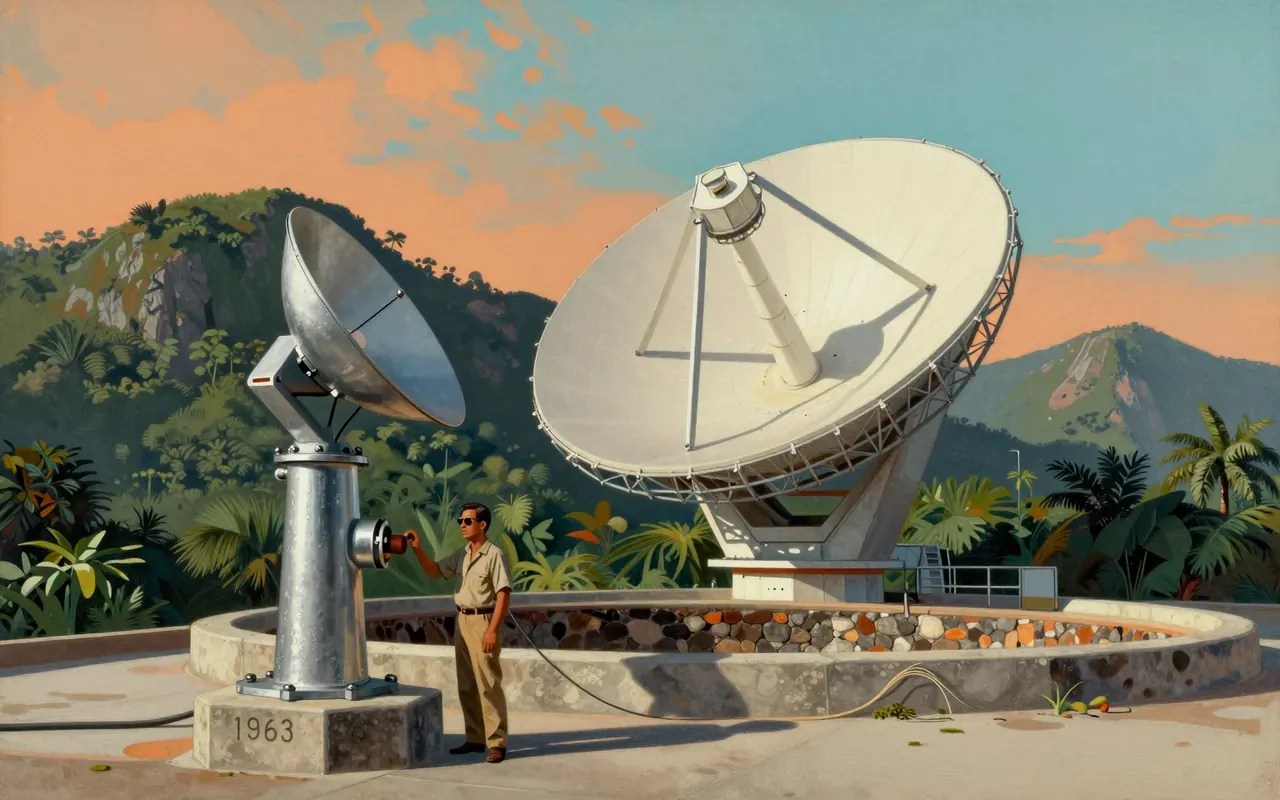
Arecibo Observatory

A 305-m dish carved into a Puerto Rican sinkhole didn’t just listen to space — it bent the rules of what a telescope could be.
9:14

Aryabhata

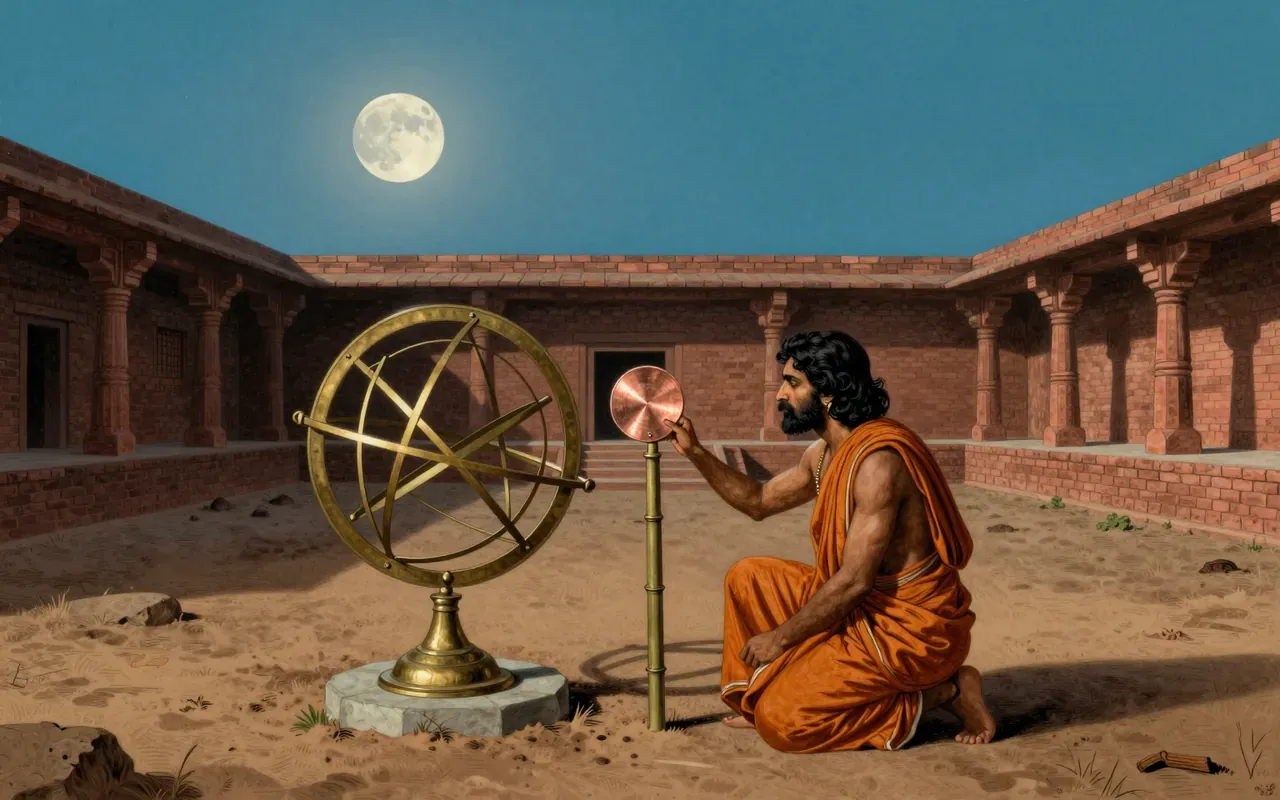
Aryabhata didn’t just anticipate Copernicus — he built a working, quantified geocentric model that outperformed contemporaries for a millennium.
13:00

Stellar nucleosynthesis

Bethe's 1939 theory of how stars fuse hydrogen waited 81 years for direct confirmation, arriving only in 2020 when a neutrino detector finally caught the CNO cycle operating inside the Sun itself.
11:00

Bhāskara II

Bhāskara II didn’t invent calculus — but he derived its central insight while calculating planetary motion in Ujjain.
10:47

Carl Sagan

Sagan didn’t predict Venus’s heat — he measured it with radio waves, and proved the greenhouse effect wasn’t just earthly.
9:52

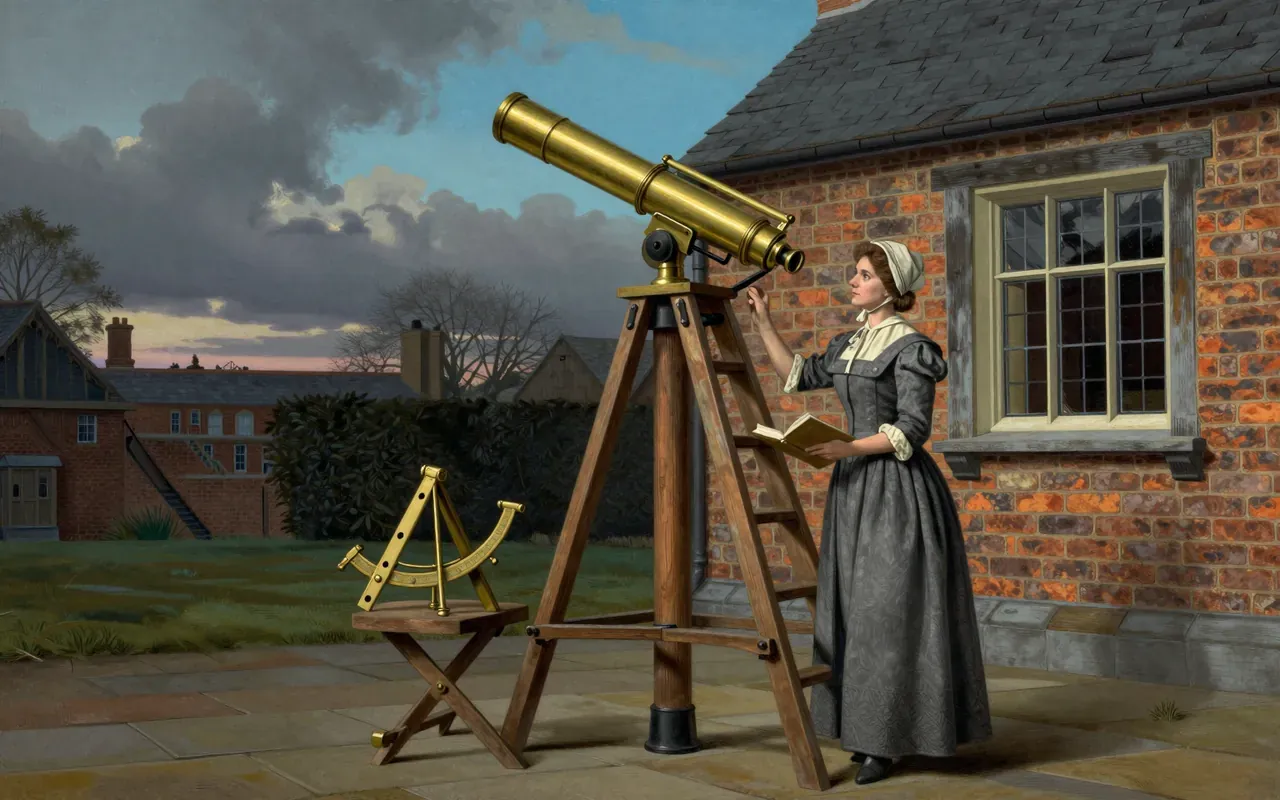
Caroline Herschel

She didn’t wait for permission — she swept the sky, found what others missed, and rewrote the official star catalogue.
10:37

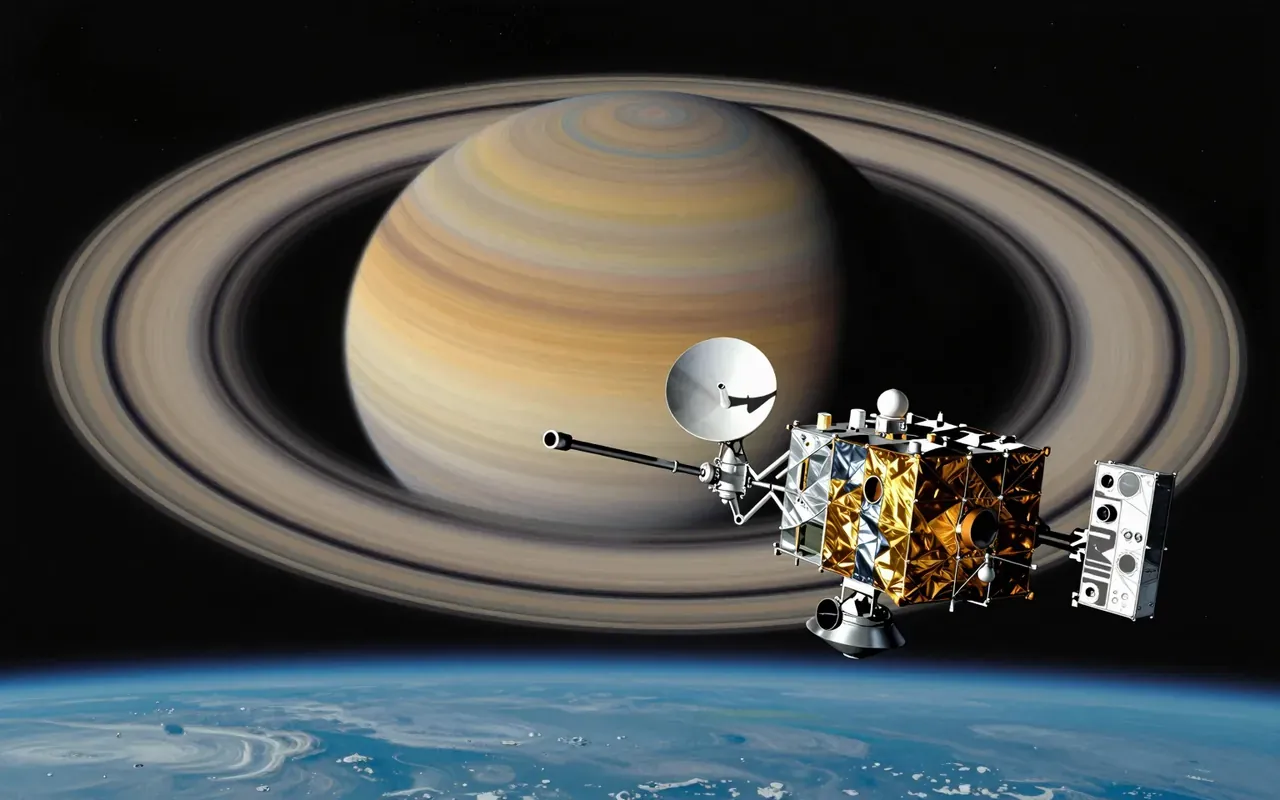
Cassini–Huygens

Cassini didn’t just visit Saturn — it proved icy moons can be wet, wild, and chemically alive.
10:10

Christiaan Huygens

Huygens didn’t just see further—he built the tools, derived the maths, and insisted on mechanism: the first true theoretical physicist.
13:00

Eddington experiment

In 1919 two eclipse expeditions checked whether starlight bends around the Sun by Newton's amount or Einstein's larger one, and the tidy textbook story leaves out how much judgment went into choosing which data to trust.
11:03

Edwin Hubble

Hubble didn’t prove the universe is expanding — he proved galaxies are islands, and that they flee each other in proportion to distance.
13:00

General relativity

Einstein's 1915 field equations replaced Newton's gravitational force with curved spacetime, a claim confirmed by Mercury's orbit and the 1919 eclipse, but still not reconciled with quantum physics.
13:00

Earth's circumference

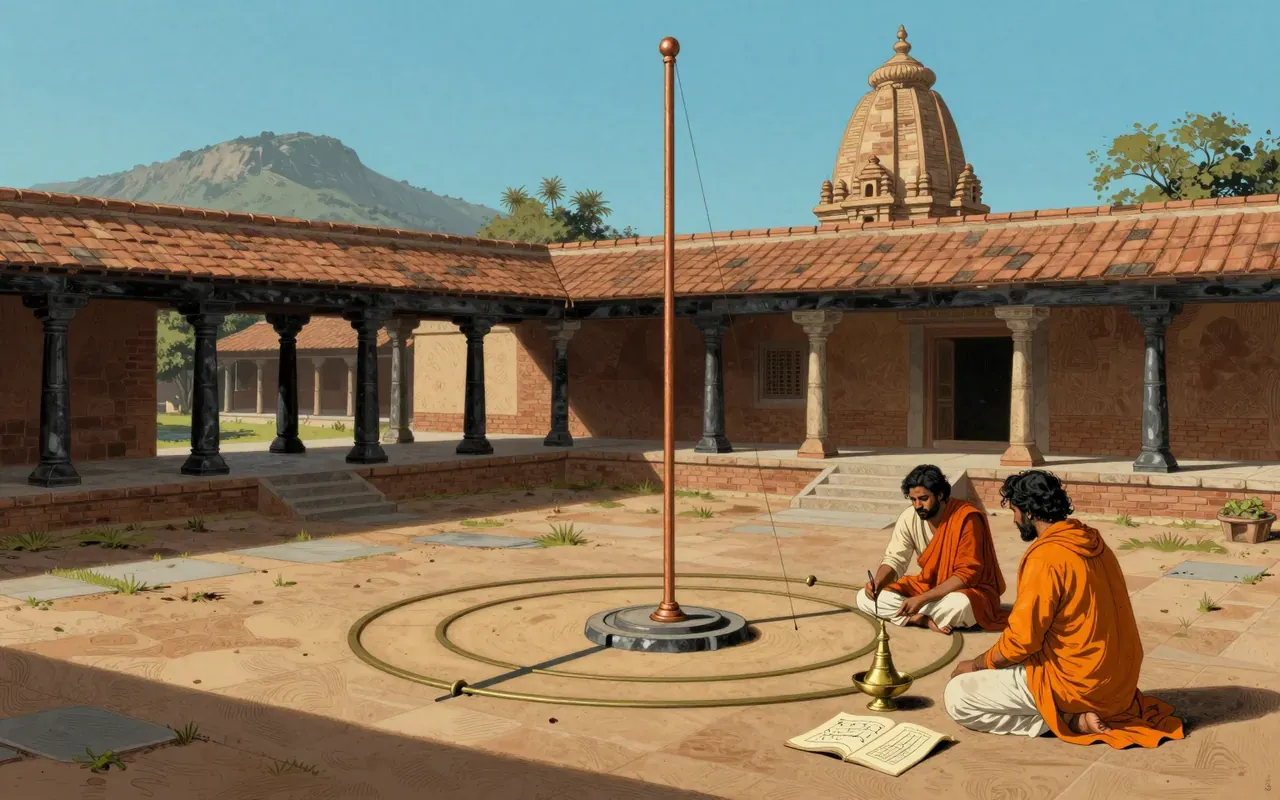
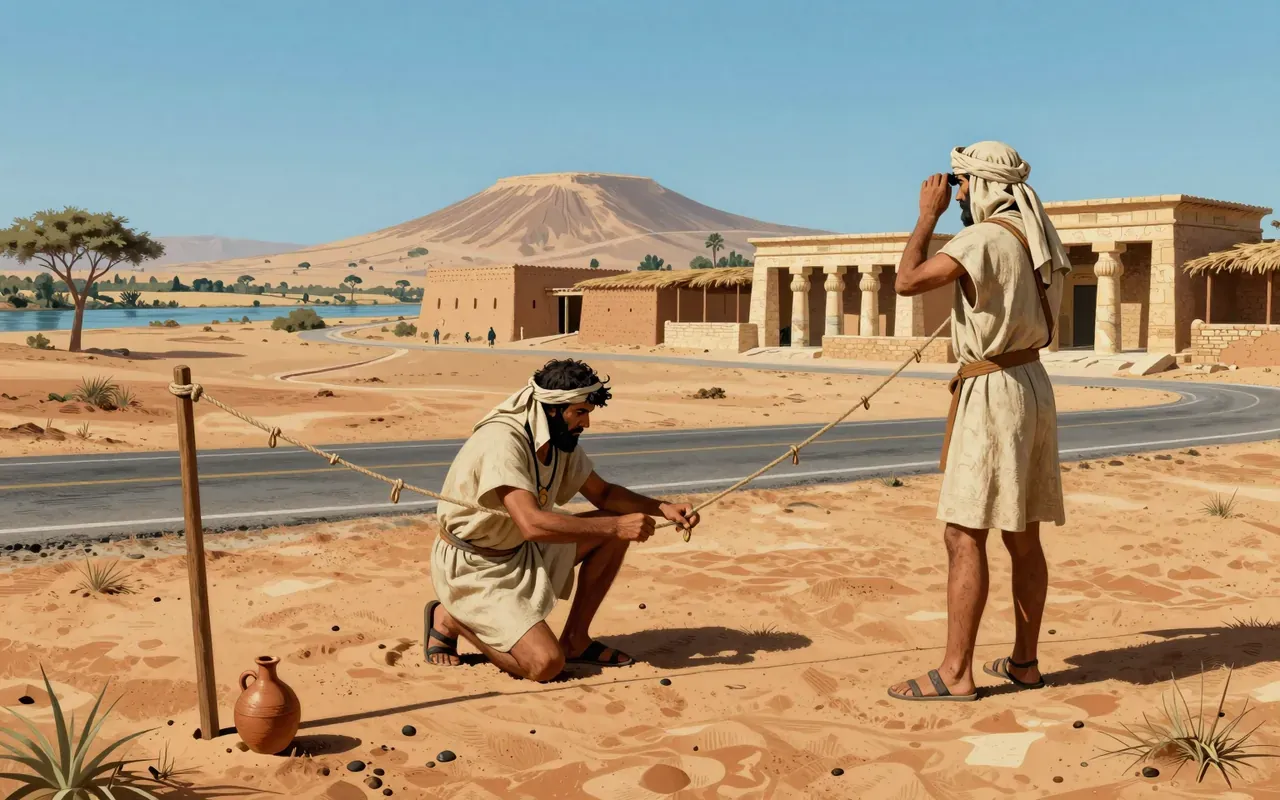
Around 240 BC a librarian in Alexandria compared a shadowless well in one city to a measurable shadow in another and worked out the size of the whole planet, though nobody today can say exactly how close he got, because his unit of measurement no longer has one agreed length.
13:00

Extraterrestrial atmosphere

David Charbonneau used starlight filtered through a planet's air during a transit to detect sodium around a distant world in 2002, opening a method that has since found water, carbon dioxide, and a puzzling absence of methane.
8:48

Galileo Galilei

Galileo didn’t prove Copernicus right — he proved Ptolemy wrong, using light, shadow, and timing.
9:50

Georges Lemaître

Lemaître didn’t discover the Big Bang — he built its first mathematical scaffold, and it still holds.
13:00

Hubble's law

Hubble's 1929 pairing of galaxy distances with their redshifts became the observational basis for cosmic expansion, though his own constant was wrong by nearly a factor of seven and its modern successor is still disputed.
10:50

Isaac Newton

Newton didn’t discover gravity — he discovered that the same mathematics explains an apple and a moon.
10:52

Jing Fang

A Han dynasty mathematician calculated musical temperaments to 0.0145-cent precision — and declared the Moon a mirror centuries before Europe.
13:00

PSR B1919+21

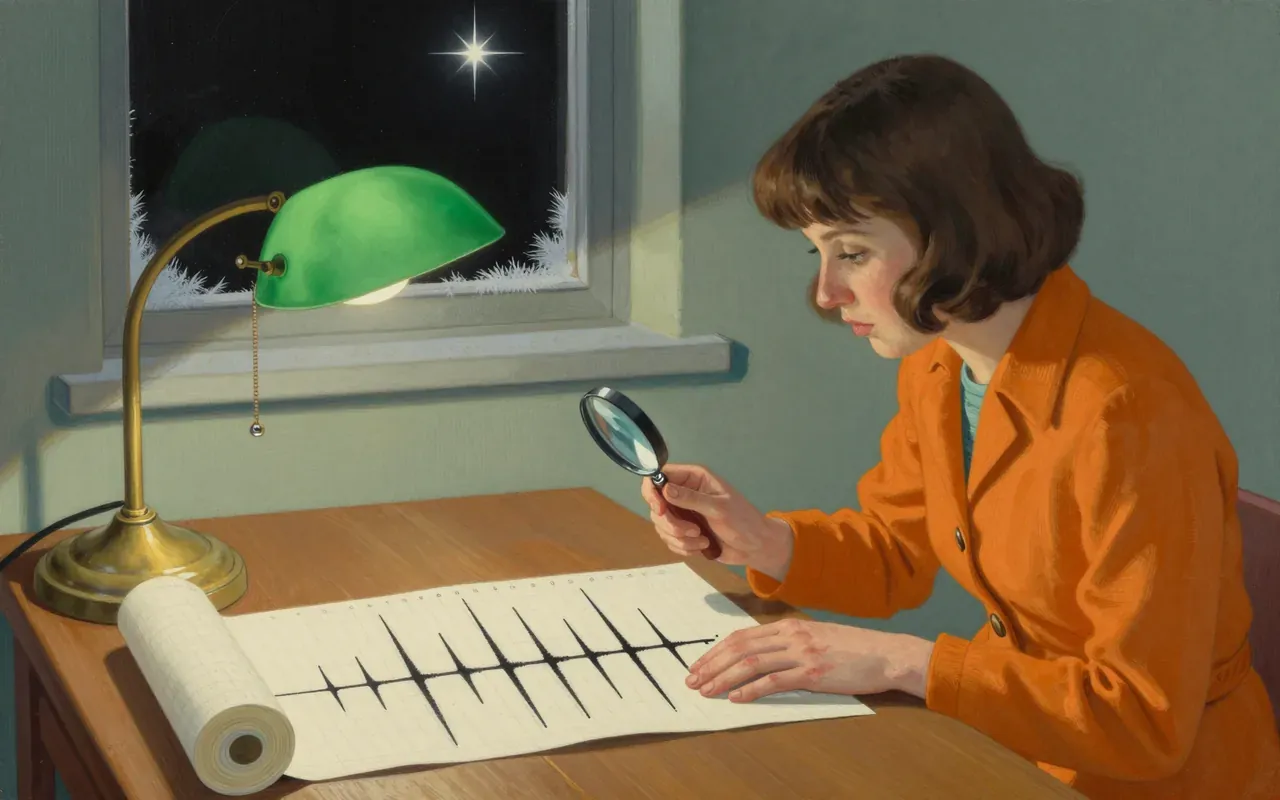
In 1967 a Cambridge graduate student noticed an oddly regular signal on a chart recorder, ruled out interference and little green men, and found the first pulsar, a discovery that won a Nobel Prize for the men above her.
12:18

Johannes Kepler

Kepler didn’t just map the planets—he invented celestial physics by forcing geometry to obey Tycho’s data.
11:03

Josef Stefan

Stefan didn’t need quantum theory to fix the Sun’s temperature — he just needed better data and a fourth power.
13:00

Kamioka Observatory

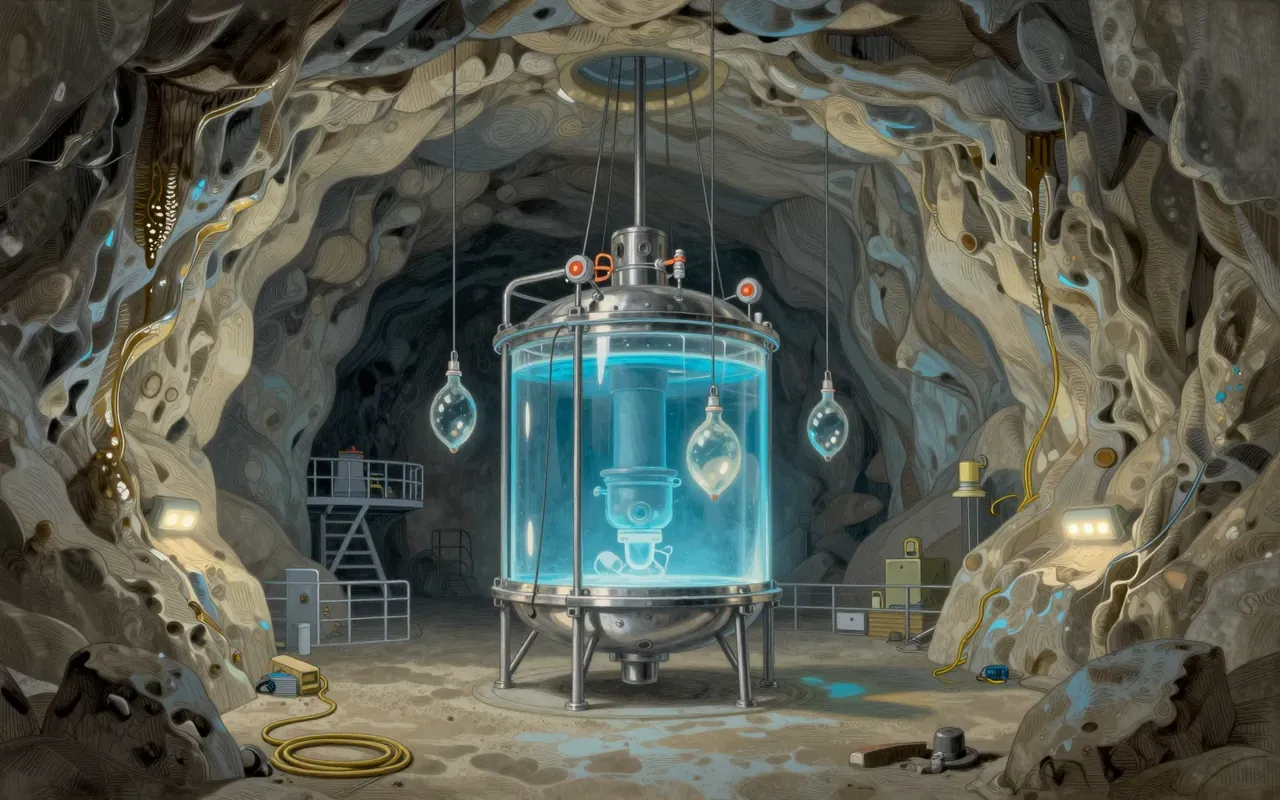
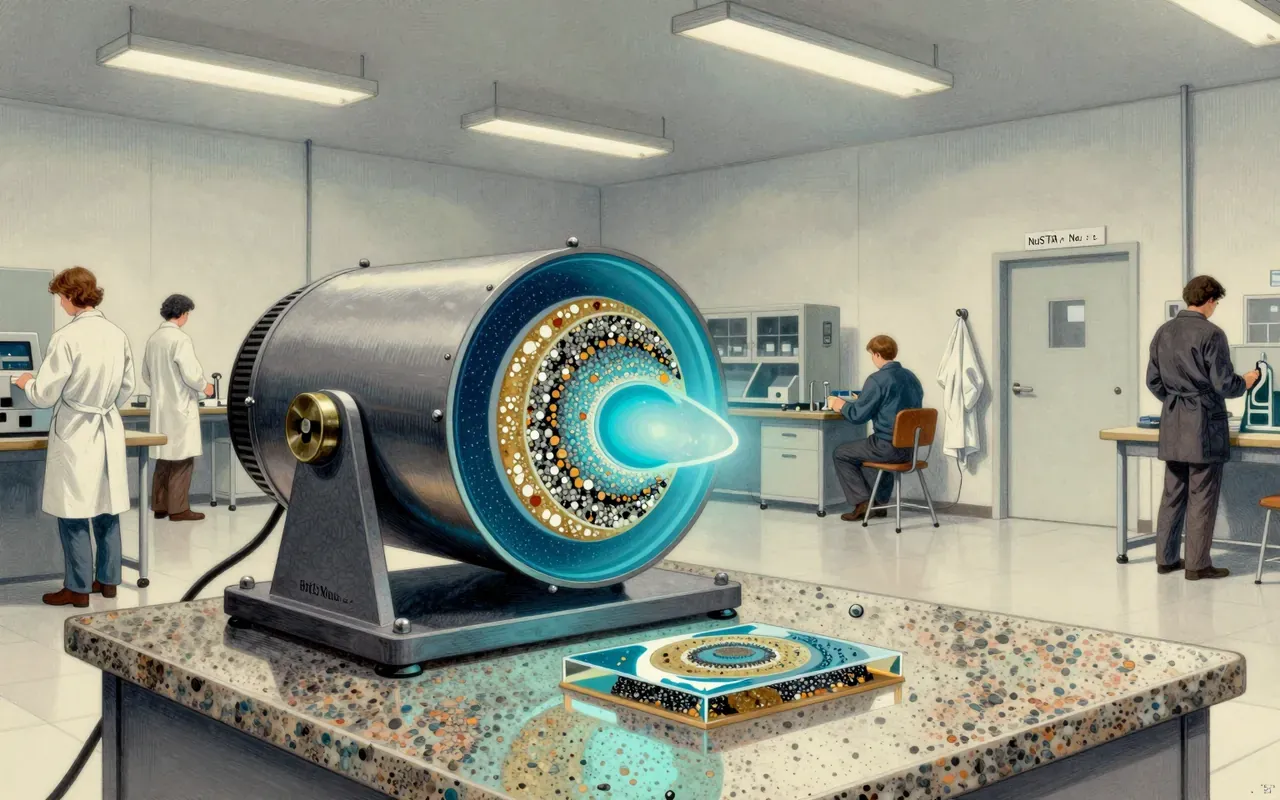
A tank of water buried under a Japanese mountain to escape cosmic ray noise caught eleven particles from an exploding star in 1987, and a decade later caught a pattern showing neutrinos are not massless after all.
13:00

Solar neutrino problem

Ray Davis's underground tank of cleaning fluid counted only about a third of the solar neutrinos theory predicted for three decades, a gap eventually traced not to a flawed experiment but to neutrinos changing type on the way to Earth.
10:49

Ole Rømer

Light does not arrive when it happens — Rømer proved it arrives late, and that delay changed how we see the universe.
9:06

Omar Khayyam

Omar Khayyam didn’t just do maths and astronomy — he built tools that outlived empires.
13:00

Pulsar

A graduate student spotted a stubborn scrap of noise repeating every 1.33 seconds in her own radio telescope data, and the Nobel Prize for what it turned out to be went to her supervisor instead.
10:16

Robert Hooke

Hooke didn’t just see further — he built the lenses, drew what he saw, and named what he found.
13:00

Galaxy rotation curve

Vera Rubin and Kent Ford measured how fast stars orbit at the edges of spiral galaxies and found speeds that refused to fall off with distance, evidence that most of a galaxy's mass is invisible.
13:00

SN 1987A

A burst of 25 neutrinos arrived hours before the light from a 1987 supernova, confirming a theory of how dying stars collapse, and decades of watching the wreckage afterward has tracked the radioactive decay chains that theory says forge heavy elements.
8:32

Antikythera mechanism

The Antikythera mechanism proves ancient Greeks built analogue computers — not myth, not reconstruction, but physical evidence.
13:00

Copernican heliocentrism

Copernicus's 1543 heliocentric model was neither more accurate nor simpler than the system it challenged, and it took Kepler's ellipses and Galileo's telescope, decades later, to actually settle the argument.
13:00

Large-scale structure of the universe

Mapping galaxy positions in three dimensions revealed a vast web of filaments and voids, a structure dark-matter simulations had already anticipated, though the largest structures found still test how uniform the universe is supposed to be.
13:00

51 Pegasi b

In 1995 two Geneva astronomers measured a small, regular wobble in a distant star's light and found a giant planet closer to its star than any theory expected, opening the search for exoplanets and forcing a rethink of how planets form.
13:00

Event Horizon Telescope

In 2019 the Event Horizon Telescope turned eight radio observatories into one Earth-sized instrument and released a picture of the shadow cast by the black hole at the centre of the galaxy M87.
9:53

Galilean moons

Galileo did not prove Copernicus right — he proved Ptolemy wrong, one night at a time.
13:00

Enceladus

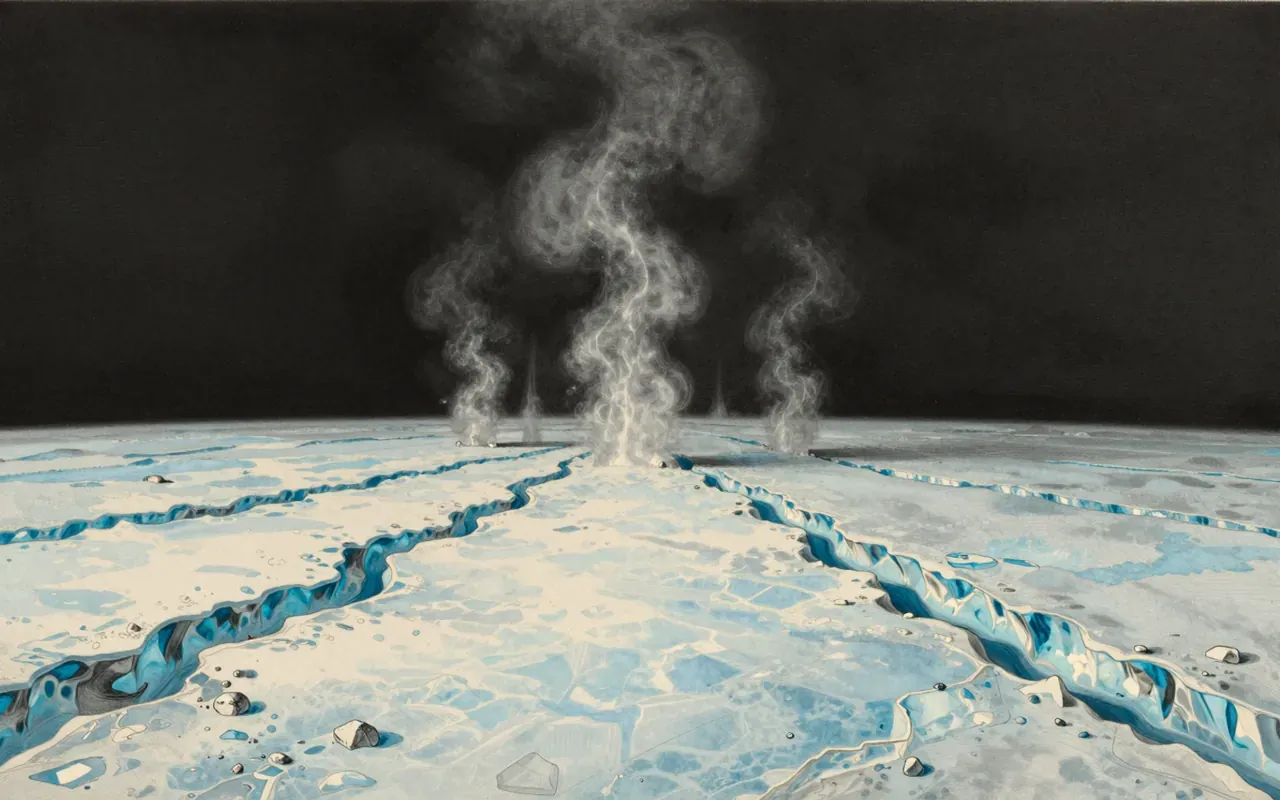
Cassini flew through jets of water vapour erupting from a small icy moon's south pole and found salts, organics, and eventually phosphates, evidence of a hidden alkaline ocean rather than a dead ball of ice.
13:00

Great Debate (astronomy)

In 1920 two astronomers each gave a forty-minute talk on whether the Milky Way was the whole universe or one galaxy among many, and neither had quite enough evidence to win outright, until a third astronomer settled it a few years later.
11:40

Hubble Deep Field

The Hubble Deep Field didn’t reveal the early universe — it revealed how little we knew about galaxy assembly before we counted them properly.
13:00

Optical spectrometer

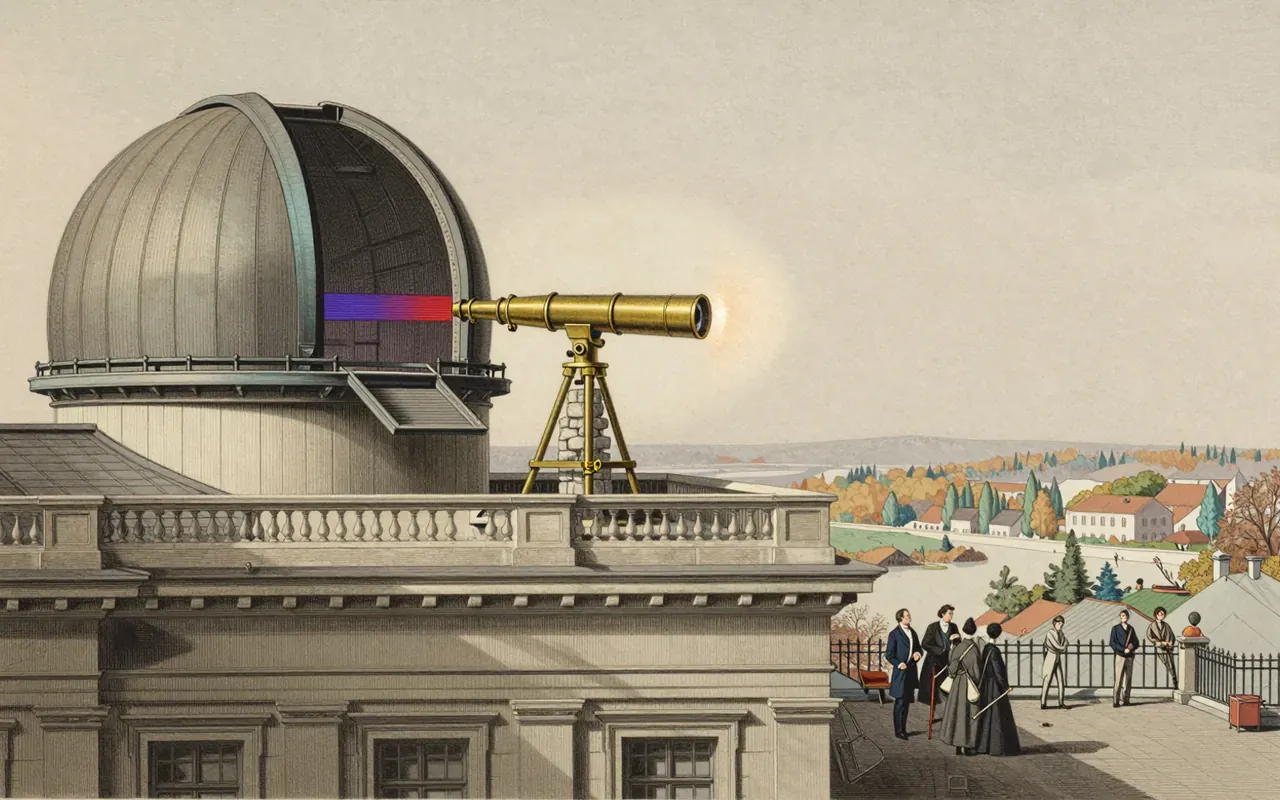
In 1815 a German physicist counted six hundred dark gaps in the spectrum of sunlight, and within a few decades that oddity had become a method for reading the chemical makeup of a flame in a laboratory or a star many light years away.
9:28

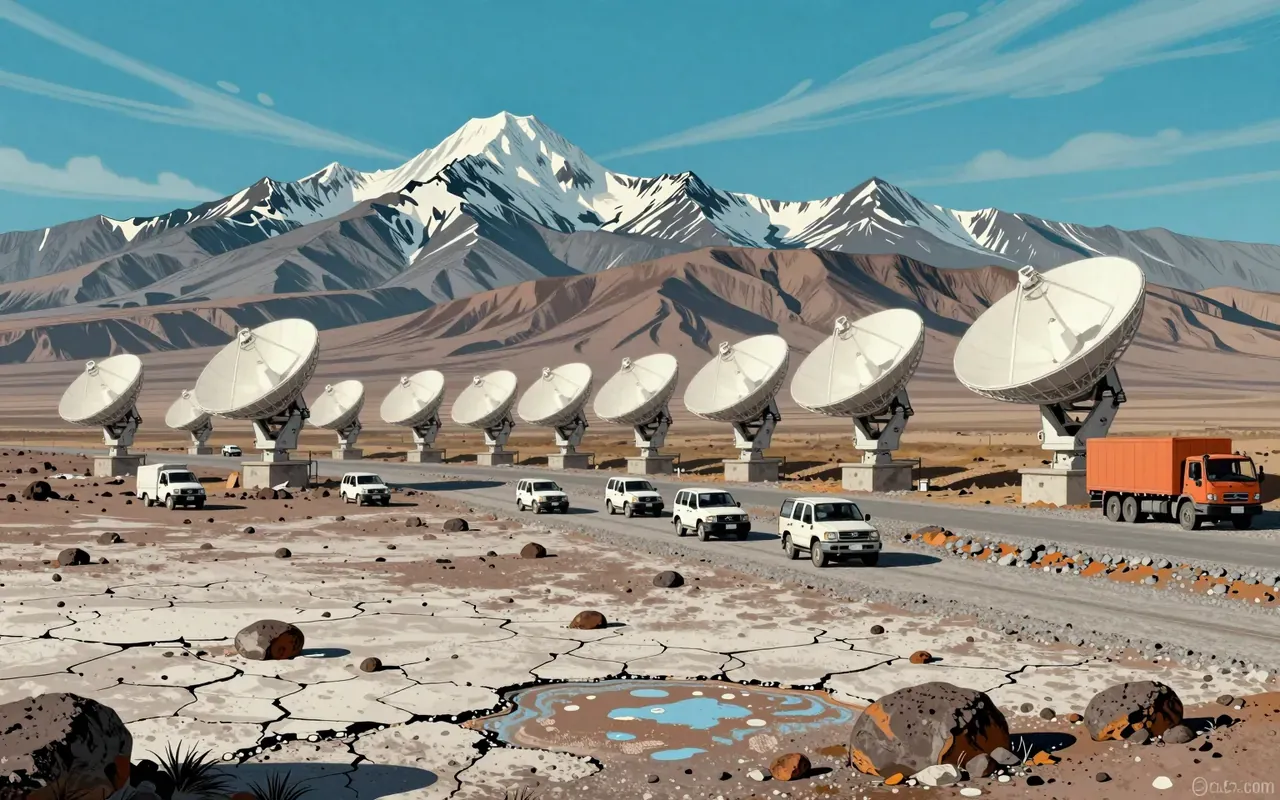
Very Large Array

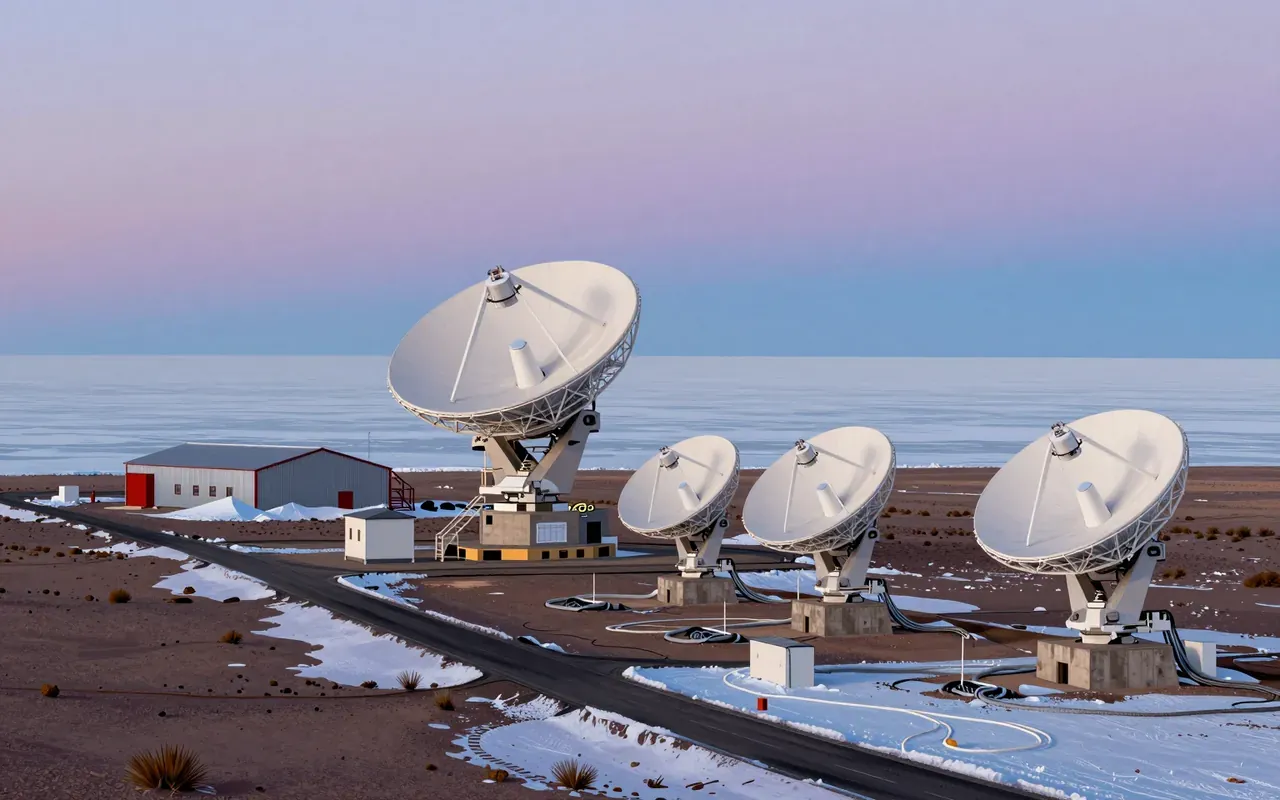
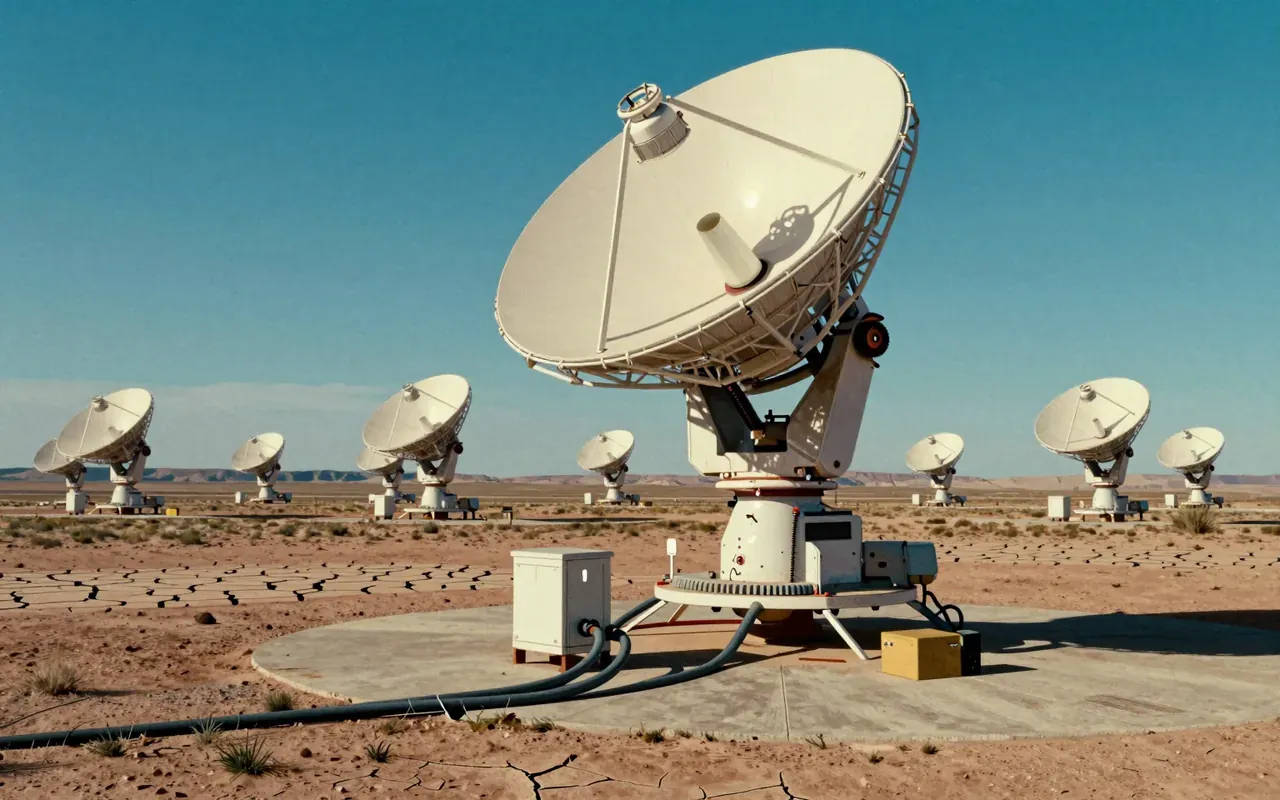
The VLA did not invent radio interferometry — it weaponised reconfigurability.
11:30

Wow! signal

A single 72-second blip — thirty times louder than noise, narrower than 10 kHz, never seen again — is not evidence of aliens. It is evidence of how easily curiosity outruns verification.
9:42

Tycho Brahe

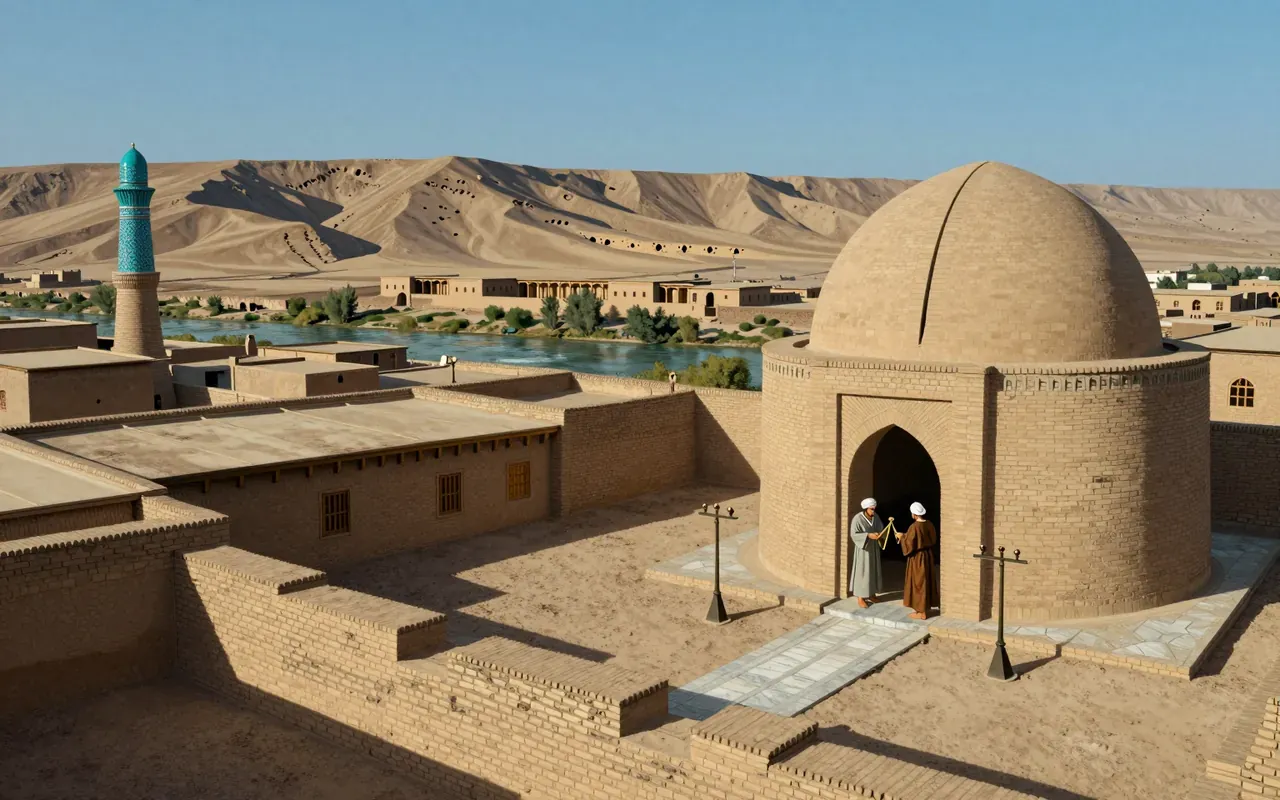
A naked-eye parallax measurement ended celestial immutability — not with a theory, but with a ruler held against the stars.
13:00

SN 1572

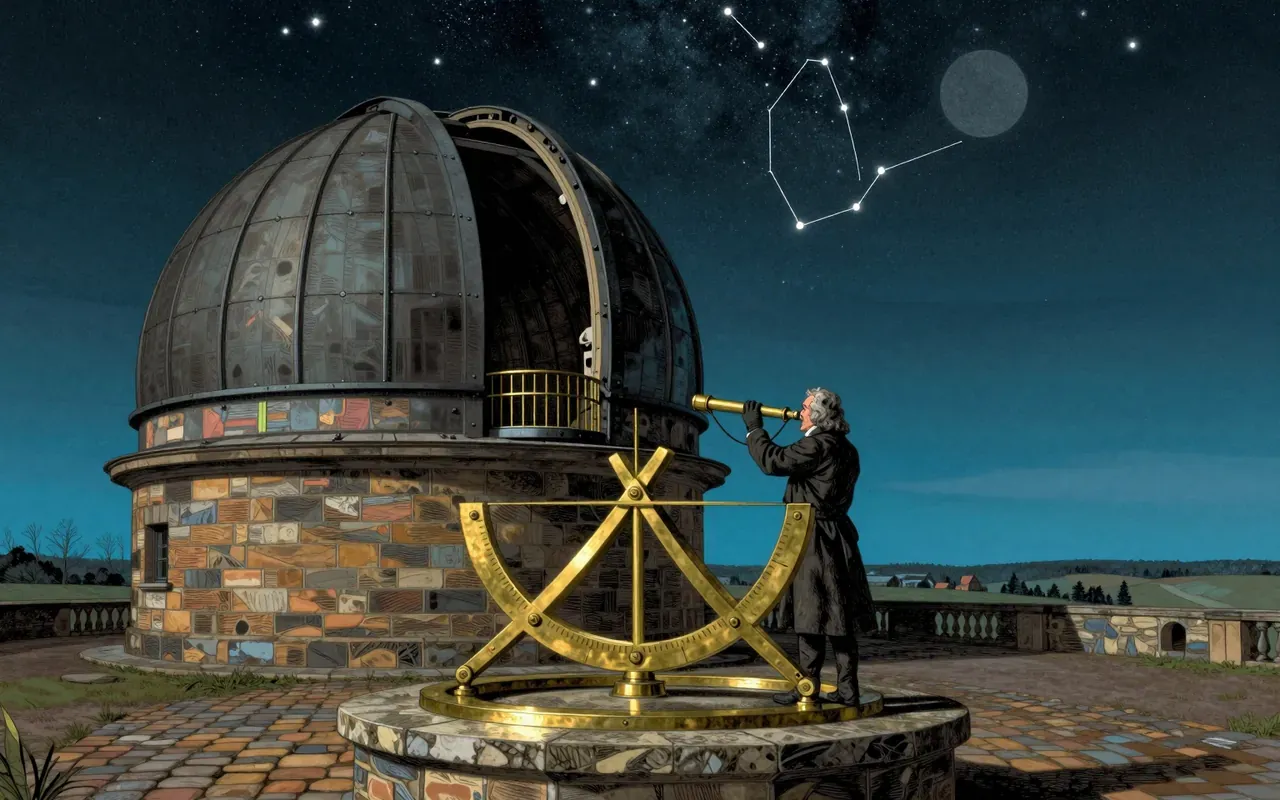
In 1572 a new star appeared in Cassiopeia and refused to shift position the way anything closer than the Moon should, and Tycho Brahe's careful measurement of that non-movement helped crack the idea that the heavens never change.
10:16

Vera Rubin

Rubin didn’t find dark matter — she proved galaxies shouldn’t hold together without it.
9:30

Wendy Freedman

She pinned down how fast the Universe expands — not with theory, but with stars as rulers.
11:03

William Herschel

Herschel didn’t just find new things — he invented how to measure what light *does*.
11:07

Zu Chongzhi

Zu Chongzhi didn’t just approximate π — he built a 24,576-sided polygon and used geometry to outcompute Europe by nine centuries.
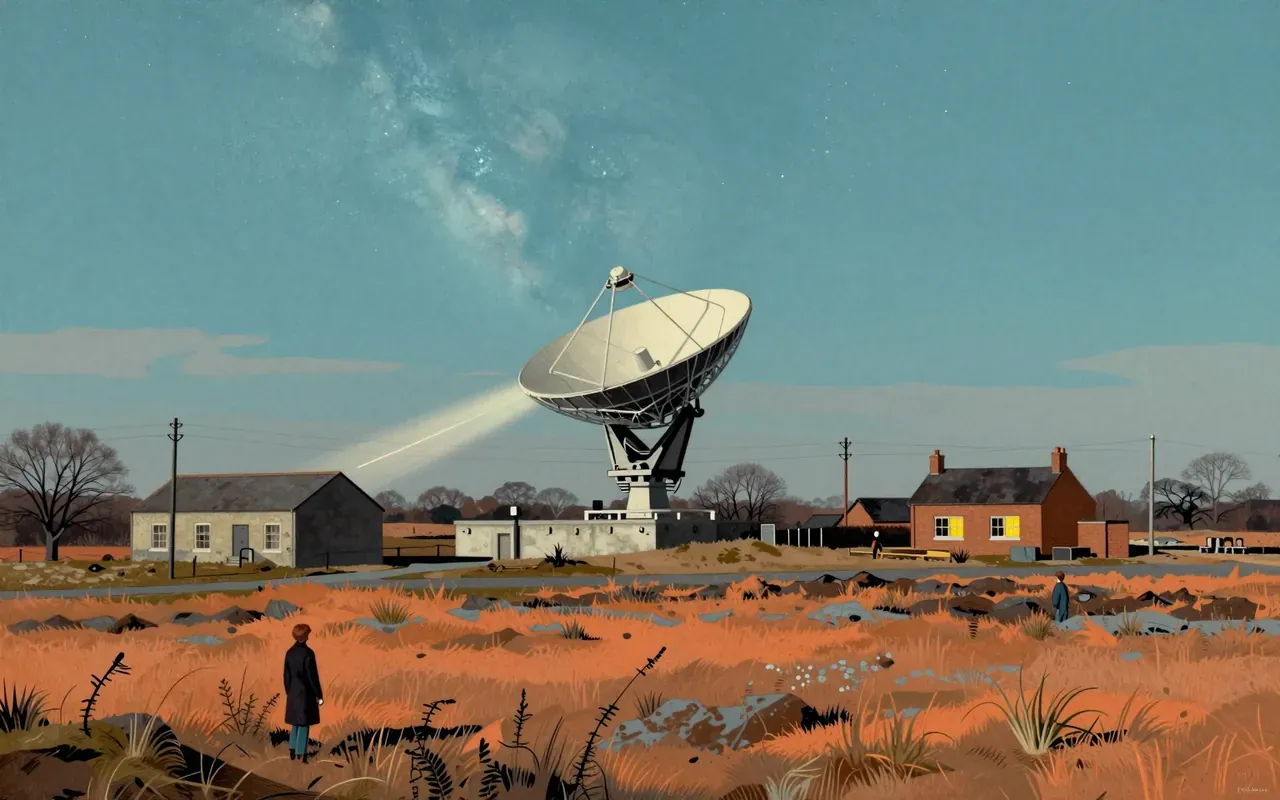
7:40

Accelerating expansion of the universe

Perlmutter, Riess and Schmidt · 1990

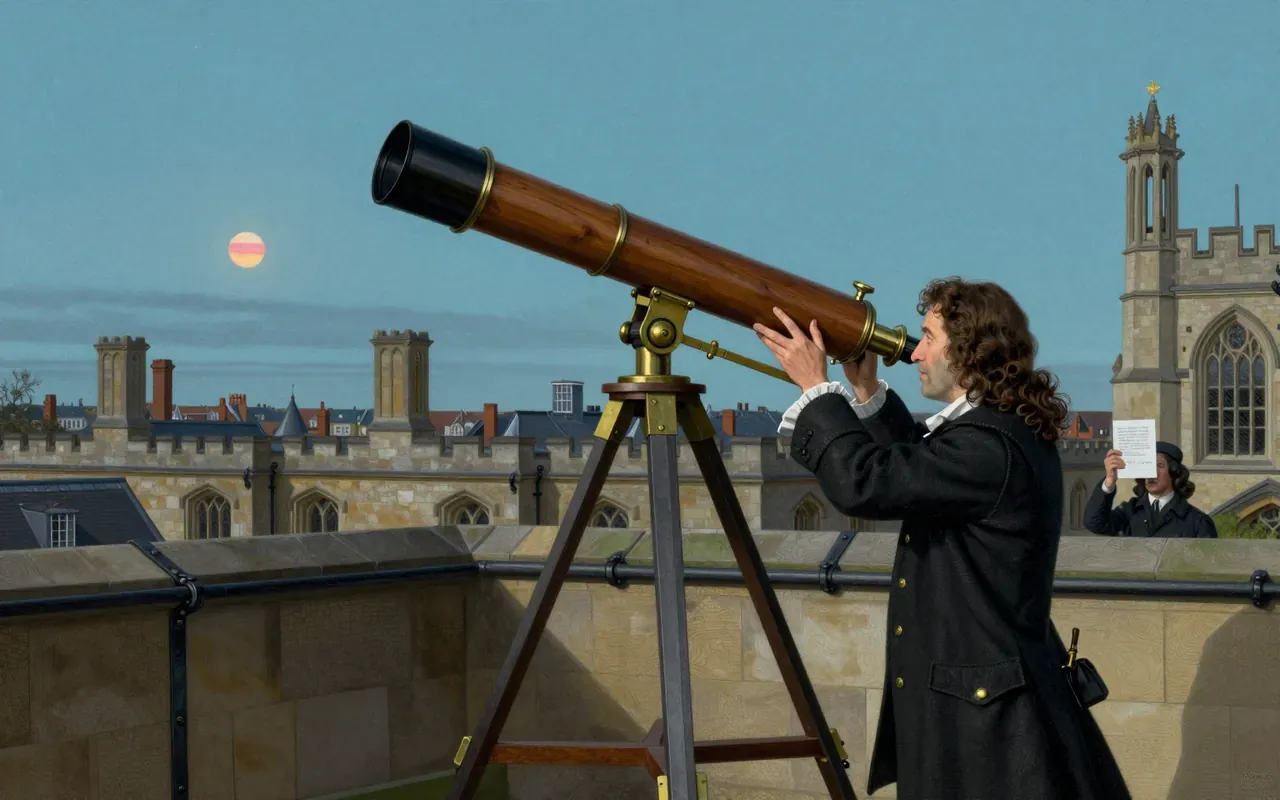
The 1998 supernova measurements established cosmic acceleration via distance–redshift mismatch — not theory, not analogy, but empirical inference from standard candles. It overturned the assumption of gravitational deceleration. It did not identify dark energy. It did not prove Λ. It remains the strongest direct evidence for accelerated expansion — and the clearest signal of our ignorance about 70% of reality.
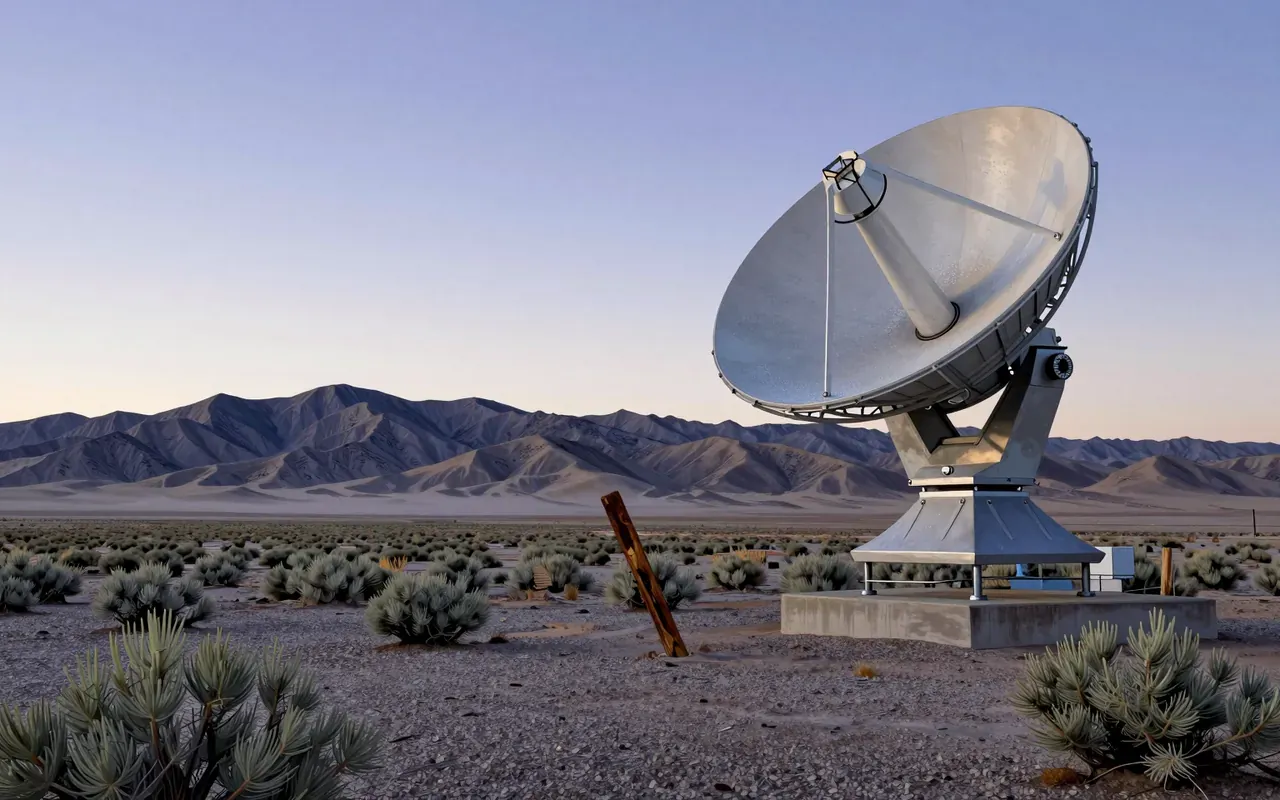
8:28

Discovery of cosmic microwave background radiation

Penzias and Wilson

Penzias and Wilson discovered a 3.5 K isotropic microwave background in 1964 using the Holmdel Horn Antenna at Bell Labs. They eliminated local interference — including pigeon droppings — and confirmed the signal originated outside the Milky Way. Its match to Dicke’s prediction prompted interpretation as the Big Bang’s remnant. But the work itself claimed only a persistent, unexplained antenna temperature — not cosmology.