sciencebriefs
Topic

Engineering

Making it work with the materials and money available.

35
in science
11:08
average
389 min
in total
541
across the network
Engineering across the network →
All briefs35
9:54

3D printing

Chuck Hull

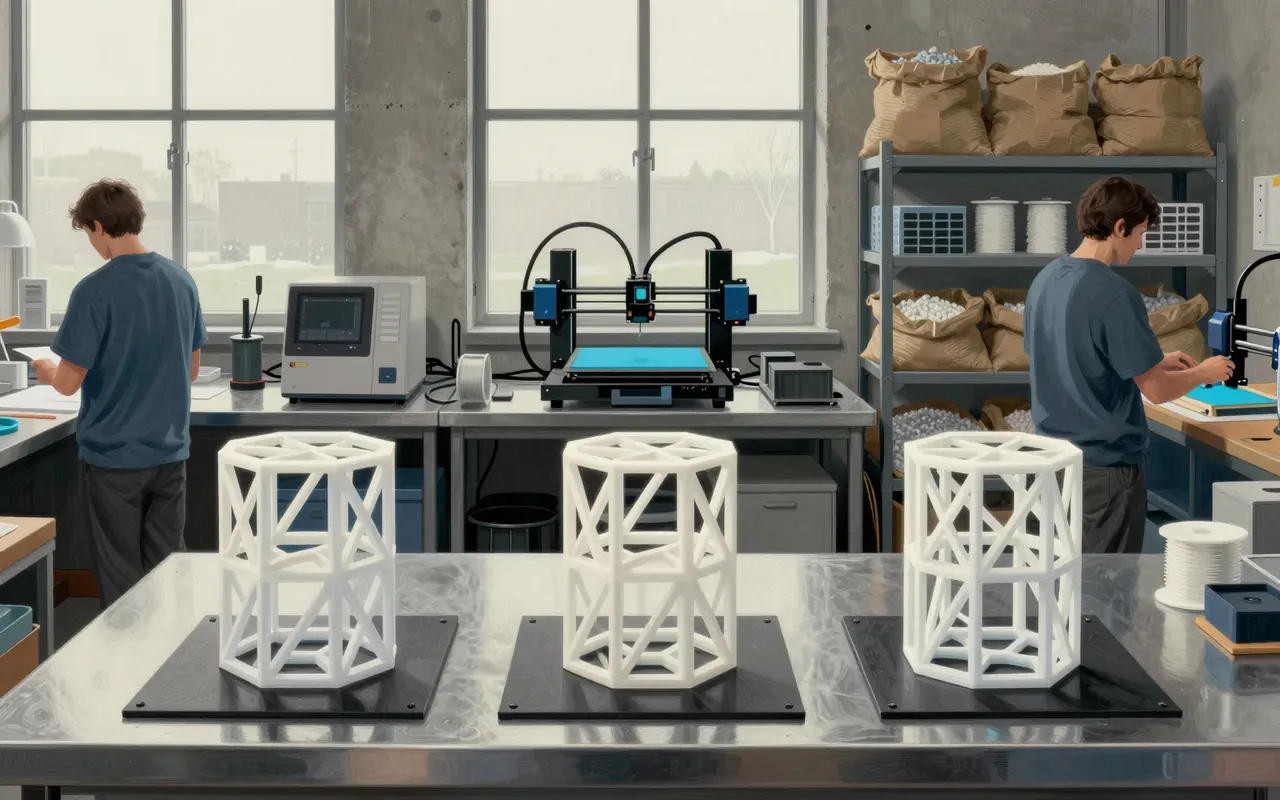
3D printing is a layer-by-layer fabrication method rooted in Chuck Hull’s 1984 stereolithography patent. It evolved from rapid prototyping in the 1980s into an industrial production option by 2019. Its real advantage is enabling previously impossible geometries—like hollow or truss-structured parts—that cut weight and waste. Fused deposition modeling (FDM) was the most common process as of 2020. It does not replace conventional manufacturing at scale. It does not solve material consistency, certification, or throughput problems. Its impact is precise, not pervasive.
8:32

Wind power

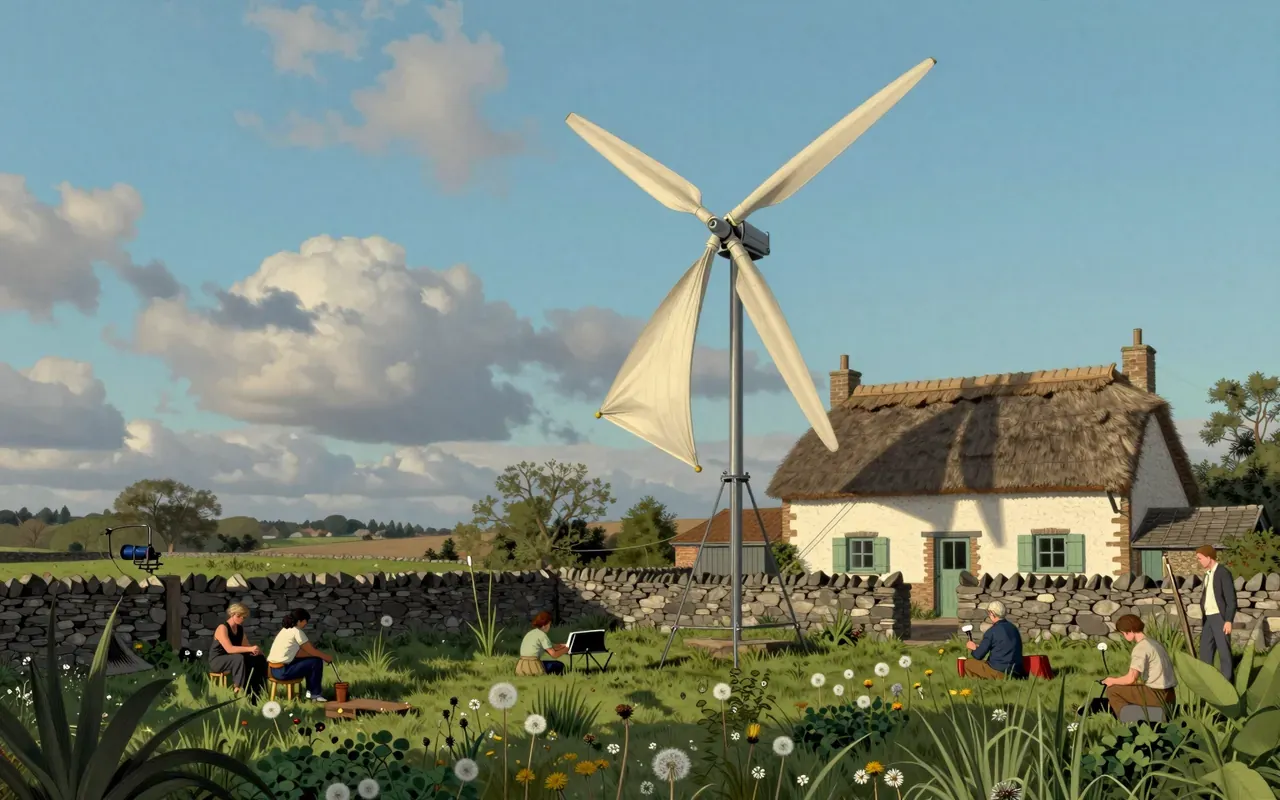
Wind power did not begin with climate policy — it began with a Scottish professor lighting his cottage in 1887.
9:18

Arecibo Observatory

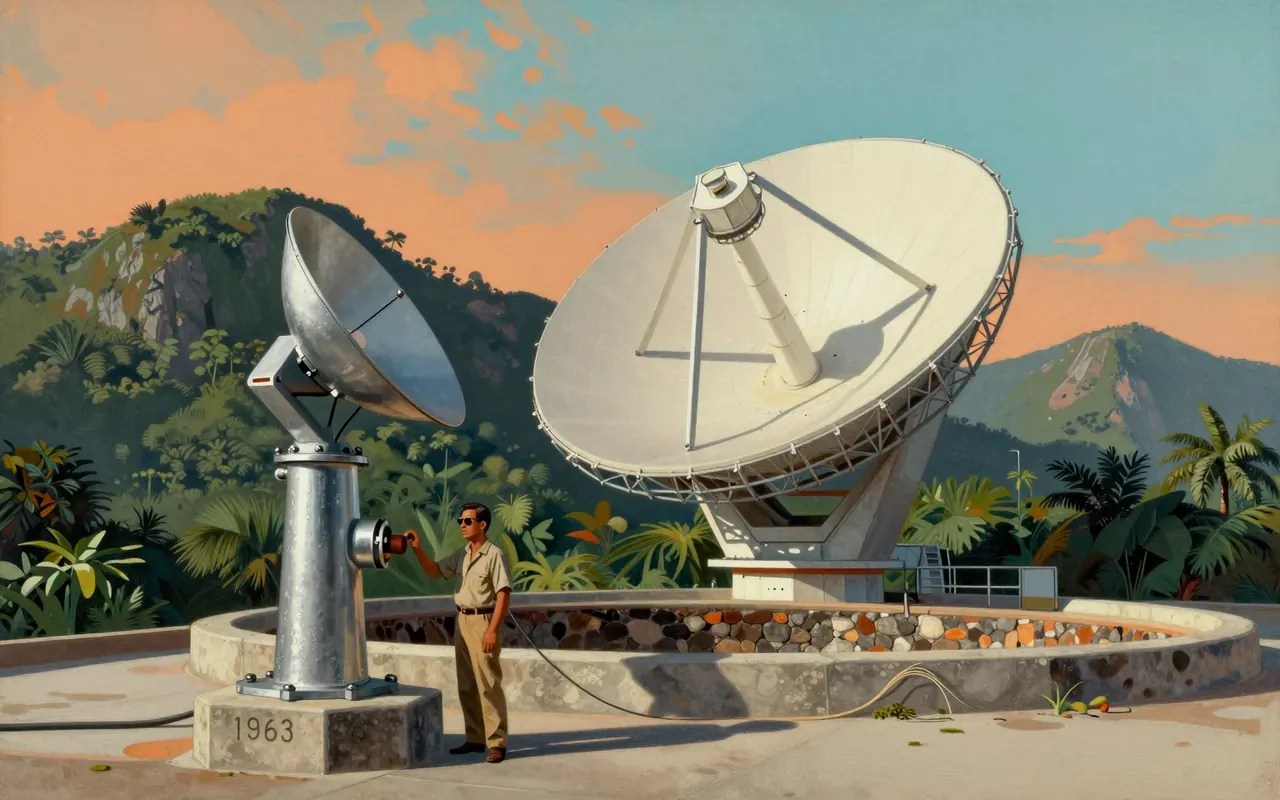
A 305-m dish carved into a Puerto Rican sinkhole didn’t just listen to space — it bent the rules of what a telescope could be.
9:36

Arthur Ashkin

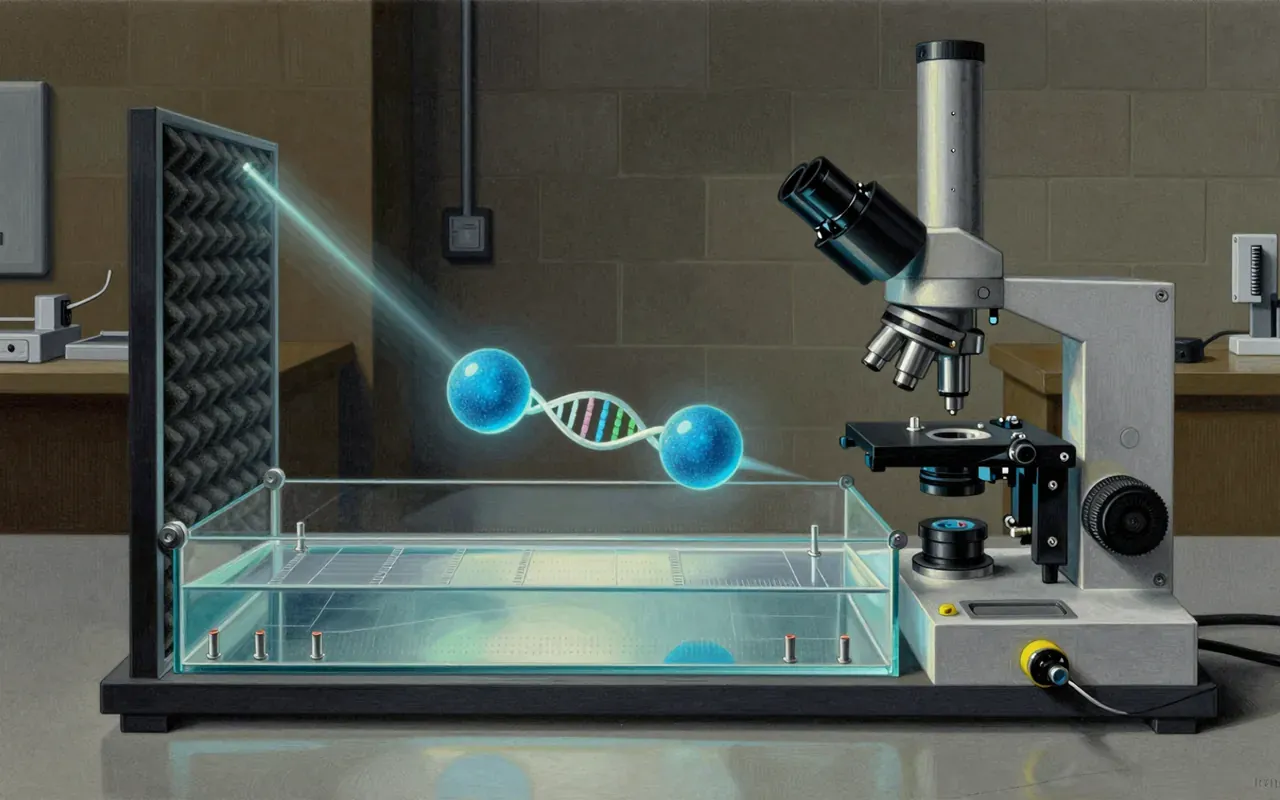
He didn’t just trap light — he made light grab matter, one photon at a time.
13:00

Boolean algebra

George Boole wrote down an algebra for pure logic in 1854 with no interest in machinery; Claude Shannon's 1937 thesis is why every digital computer runs on it anyway.
13:00

Hamming code

Richard Hamming got tired of his weekend calculations being thrown out over an error the machine could detect but not fix, so in 1950 he built a code that could do both.
10:41

Georg Ohm

Ohm didn’t discover a universal law — he built a working model for a narrow class of circuits, and it stuck.
9:23

George Westinghouse

Fail-safe engineering began not in labs, but on broken railway lines — where a ruptured pipe had to stop a train, not kill its passengers.
9:57

Guglielmo Marconi

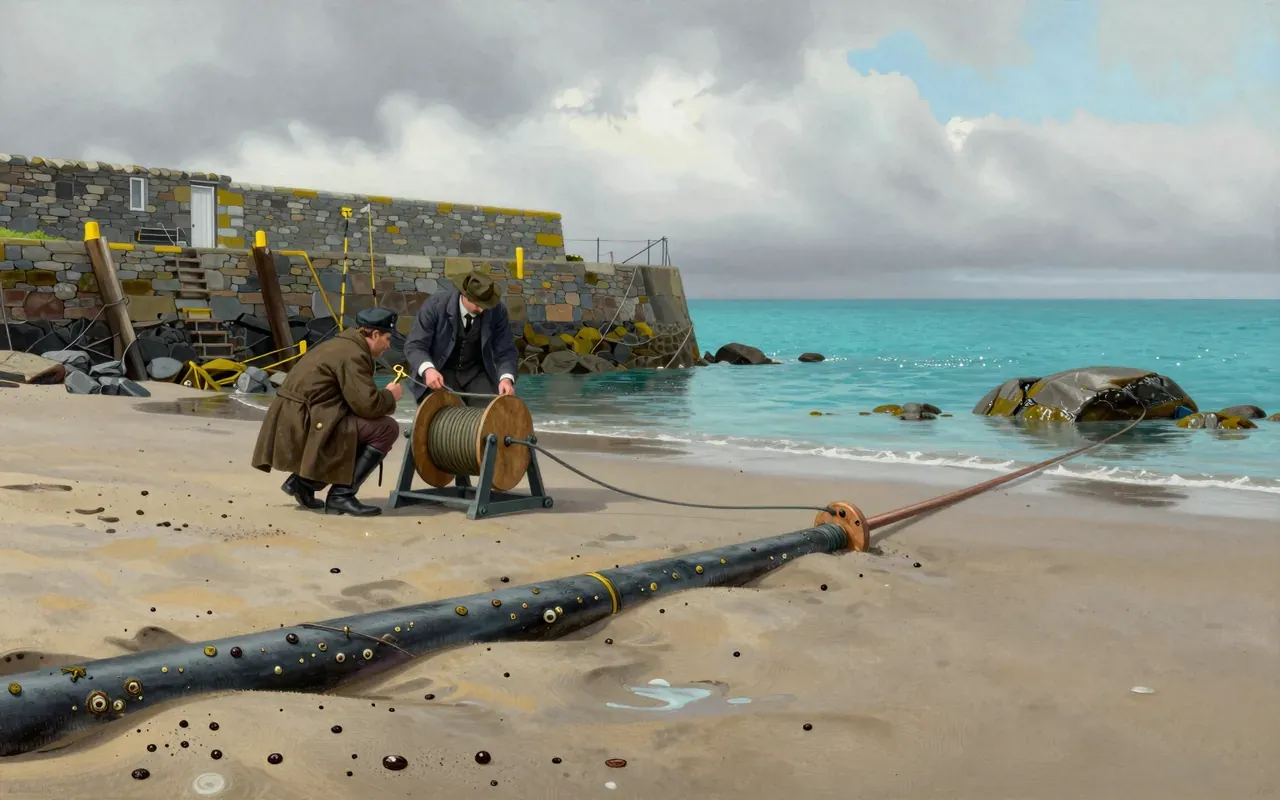
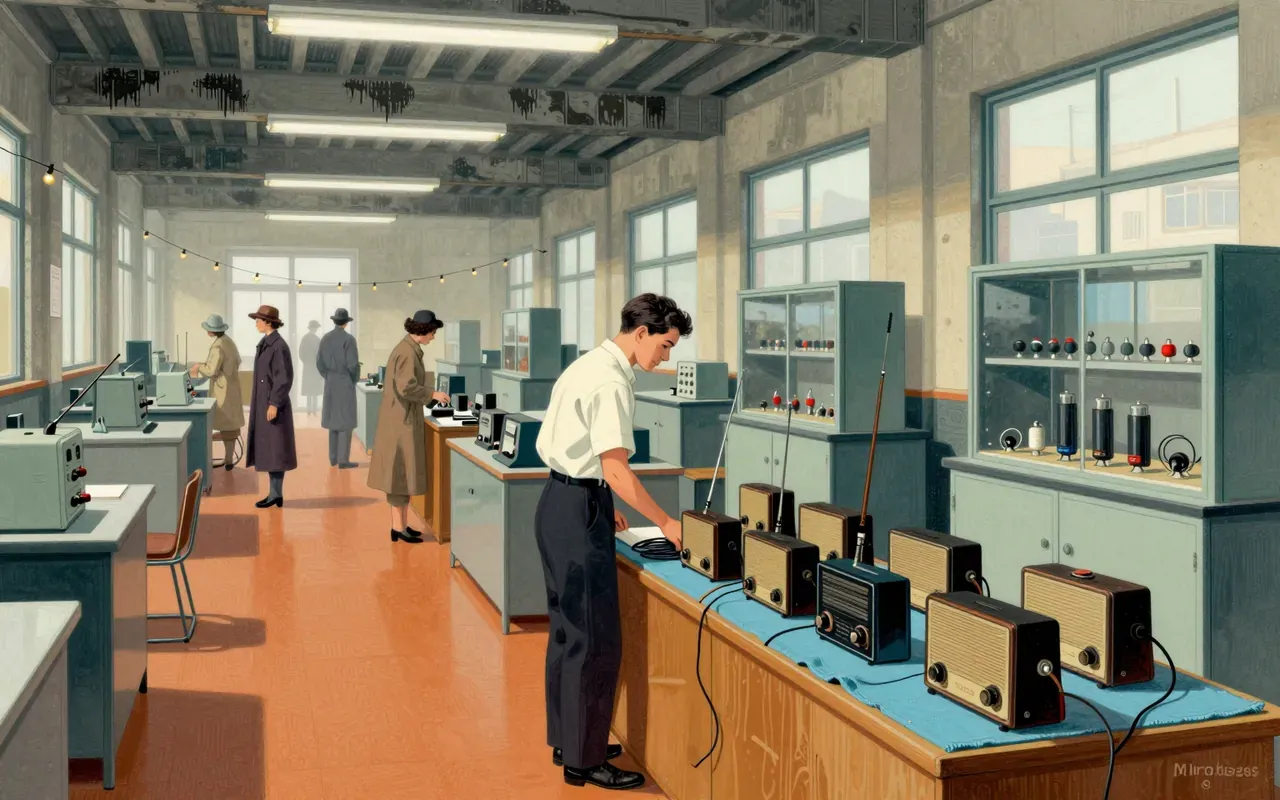
Marconi didn’t discover radio—he engineered its first working system, one patent and one grounded wire at a time.
10:26

Hedy Lamarr

A Hollywood actress co-patented a jam-proof torpedo system — but never saw it built, tested, or used.
10:32

Joseph Henry

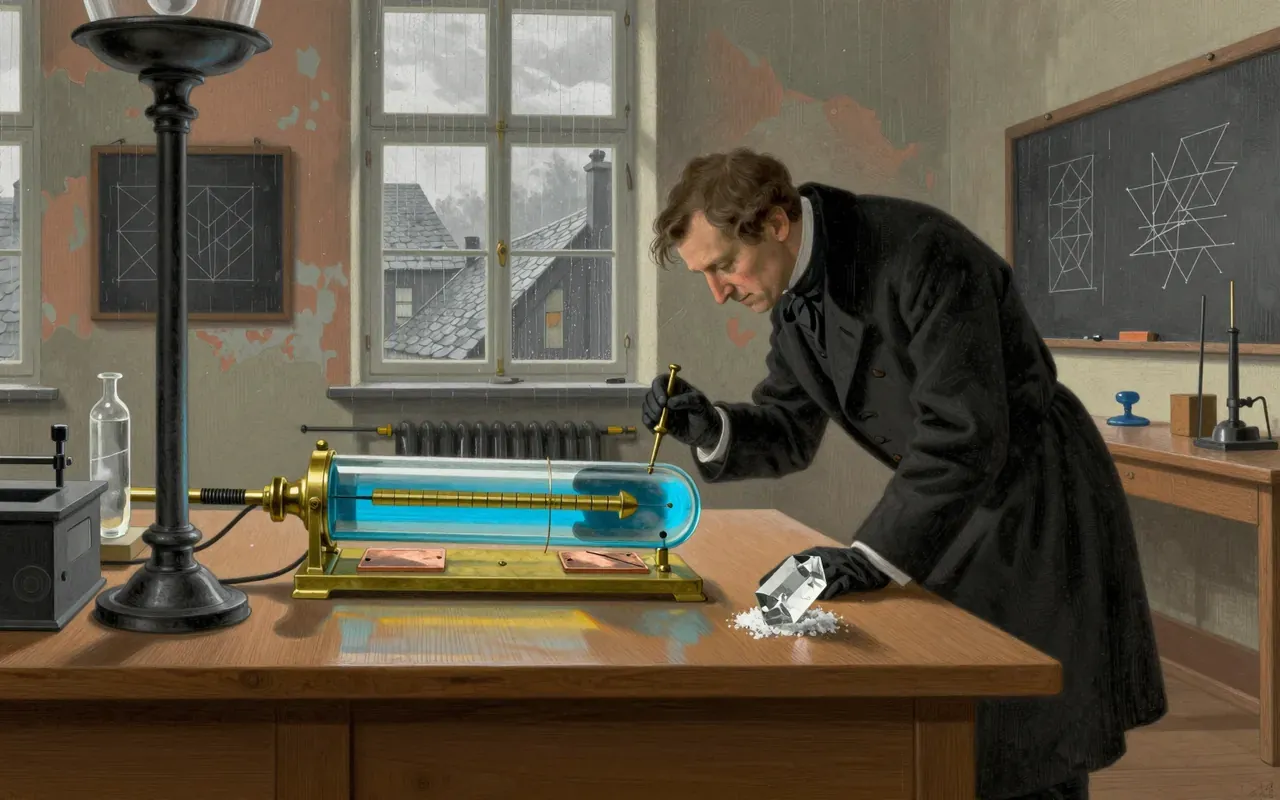
Inductance wasn’t deduced — it was rocked, wound, and wired into existence.
11:38

Kirchhoff's circuit laws

Gustav Kirchhoff

Kirchhoff’s 1845 circuit laws are two experimentally derived equalities — one for current at junctions, one for voltage around loops — valid only under strict physical assumptions of the lumped-element model.

13:00

Maxwell's equations

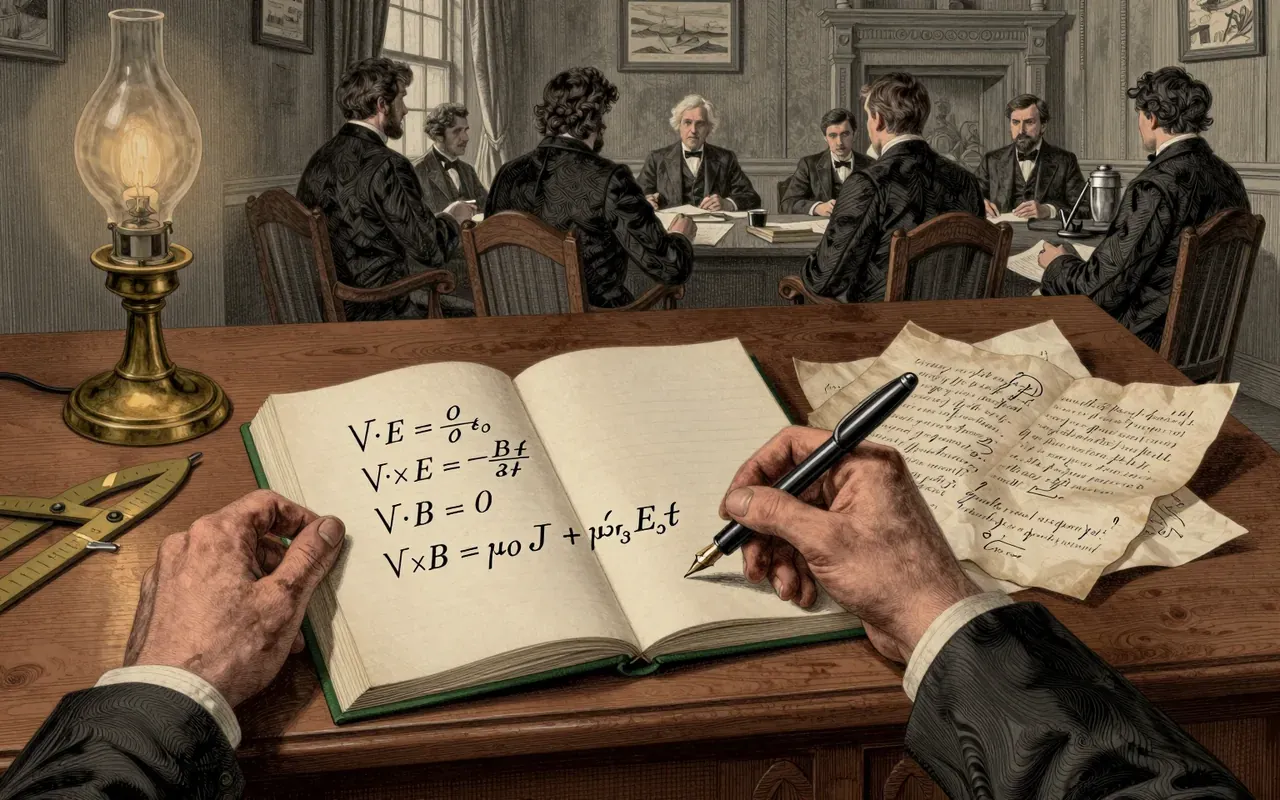
When James Clerk Maxwell added one missing term to the equations linking electricity and magnetism, the mathematics predicted a wave travelling at a speed that matched light almost exactly, revealing light itself as an electromagnetic phenomenon.
9:59

Nikola Tesla

Tesla didn’t invent the future — he engineered its first working parts.
13:00

Ohm's law

Georg Ohm's 1827 relationship between voltage, current and resistance was dismissed by German critics as fanciful speculation, and it took until the 1840s, and a Royal Society medal, for the field to accept what turned out to be one of electrical engineering's basic tools.
11:09

Oliver Heaviside

Heaviside didn’t just tidy up Maxwell—he rewrote the rules of signal, space, and time.
13:00

Piezoelectricity

Pierre and Jacques Curie showed in 1880 that squeezing certain crystals generates a voltage, and the reverse effect their colleague predicted the following year now drives everything from sonar to quartz watches to fuel injectors.
10:56

Sophie Germain

Germain’s mathematics was right where it counted—and wrong where it mattered most.
9:36

Stanley Norman Cohen

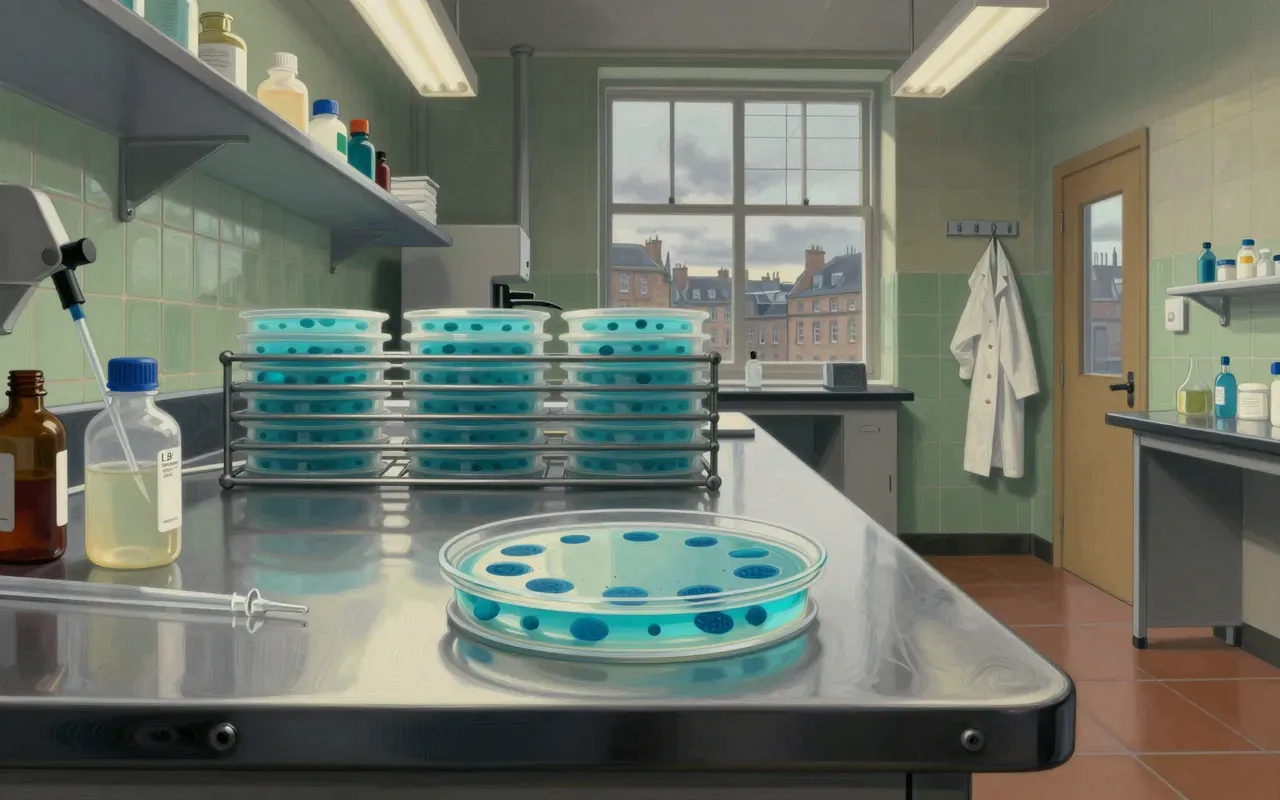
This wasn’t about curing disease — it was about making bacteria read foreign genes, copy them, and pass them on.
13:00

Colossus computer

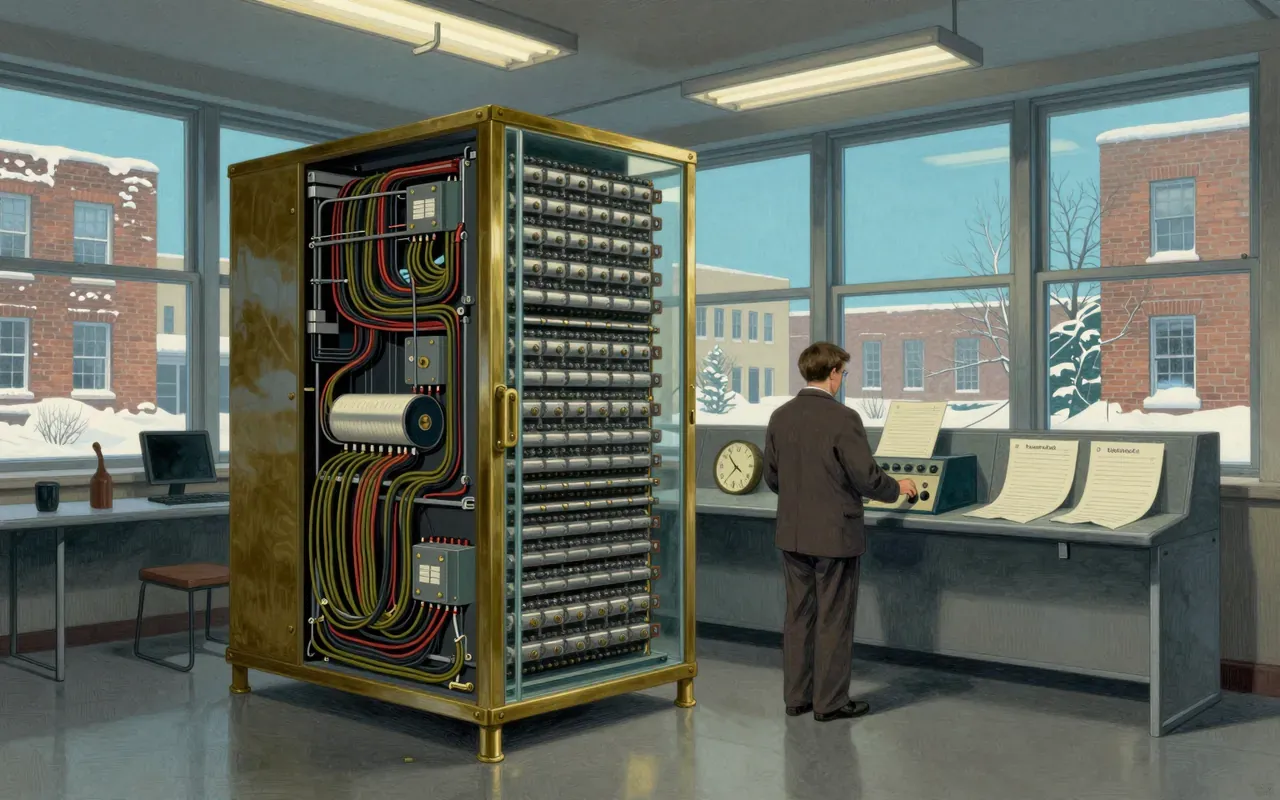
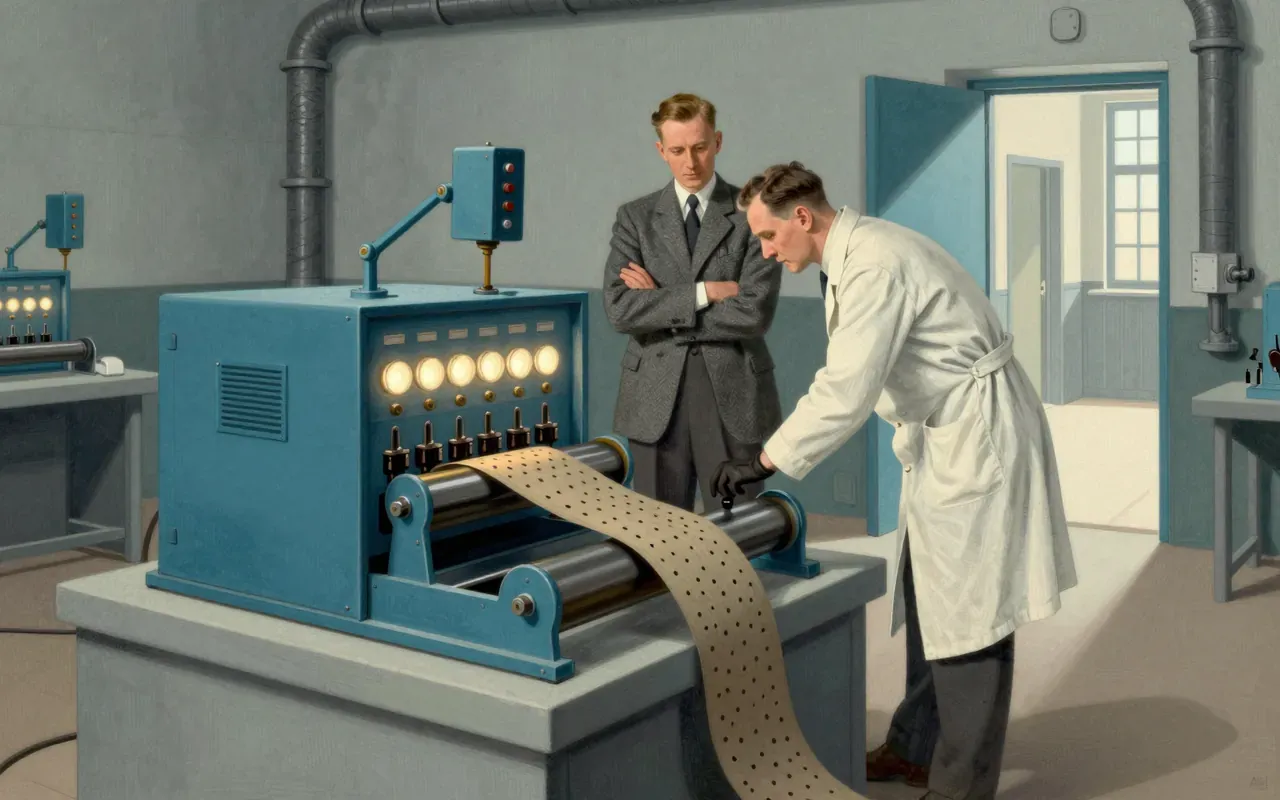
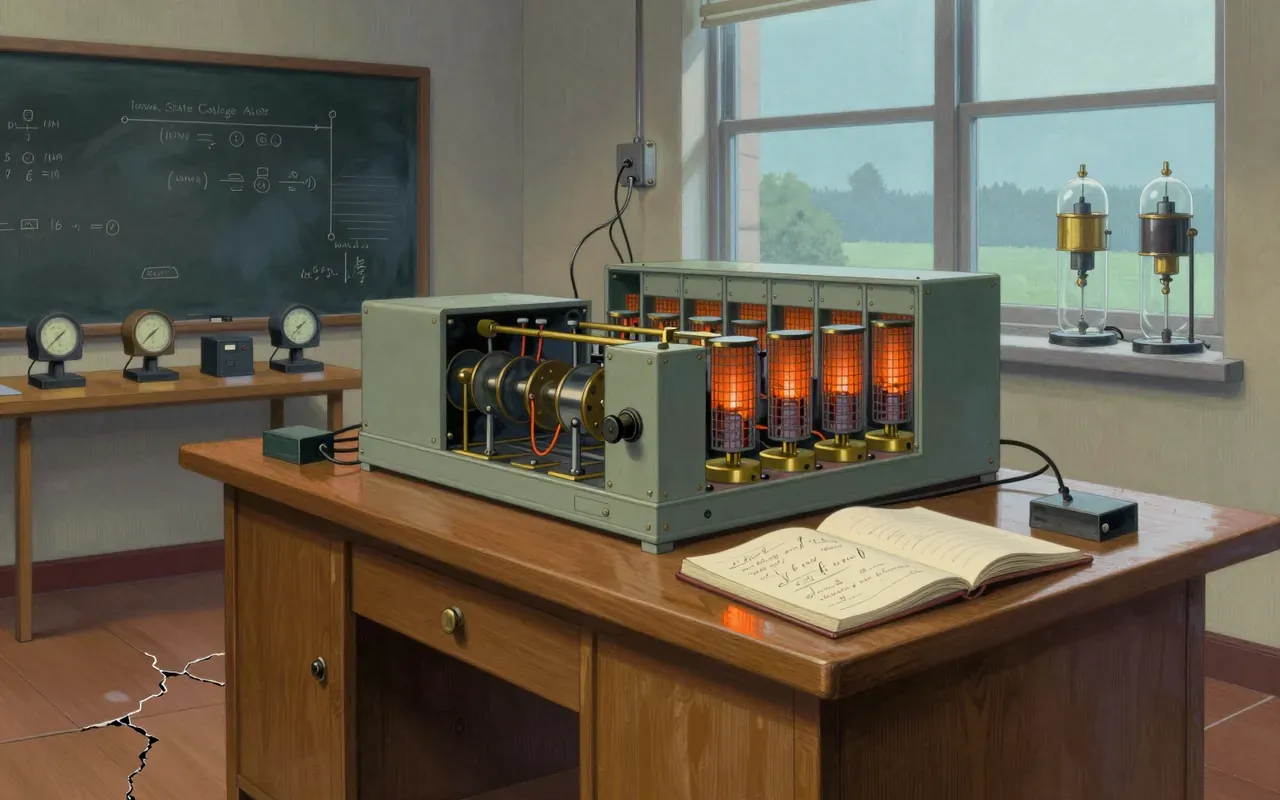
Tommy Flowers built Colossus on a bet that thousands of valves could run reliably where convention said hundreds was the limit. It worked, breaking Lorenz traffic through the war's final years — then vanished into thirty years of secrecy.
13:00

Space Shuttle Columbia disaster

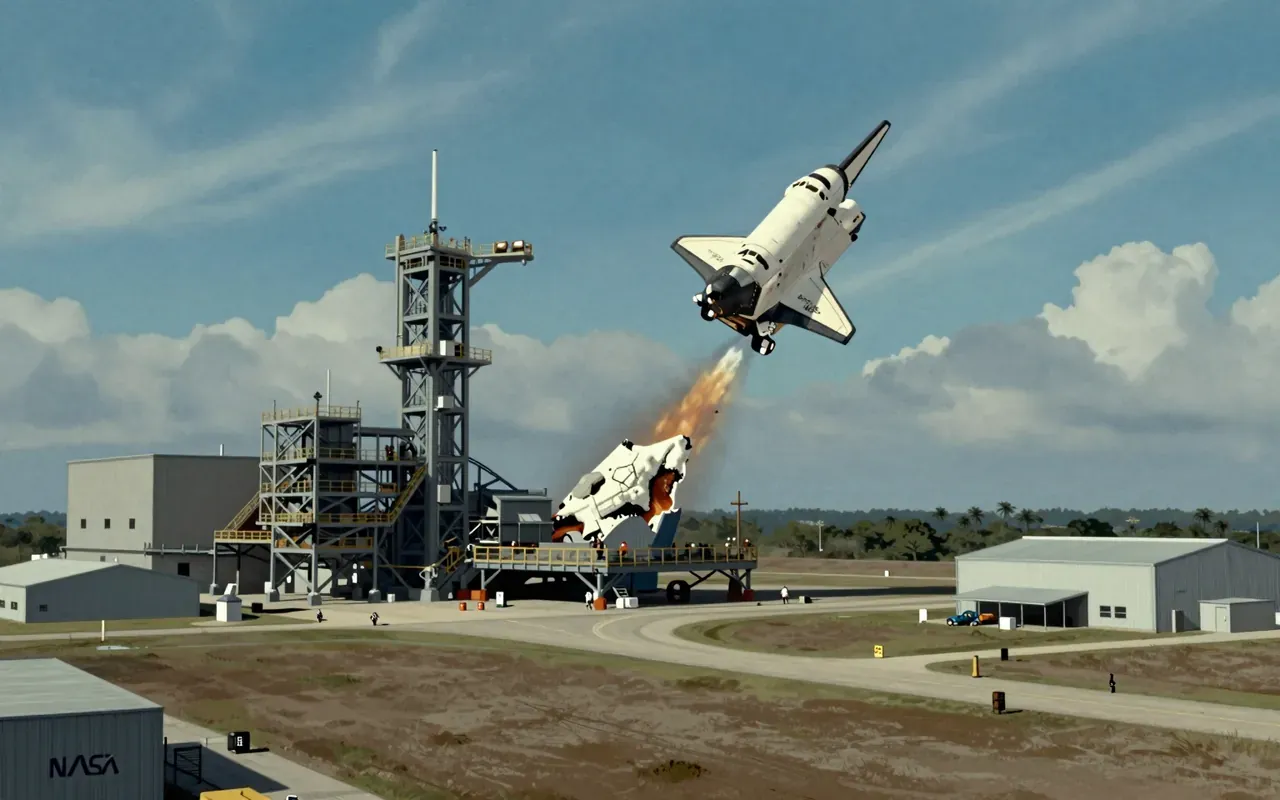
A briefcase-sized piece of foam had fallen off shuttle tanks six times before without incident, so when it struck Columbia's wing on launch, NASA managers treated the seventh strike as routine rather than as a threat.
13:00

CT scan

Godfrey Hounsfield built a scanner from an idea on a country walk; Allan Cormack had already worked out the mathematics years earlier without knowing anyone intended to build the machine.
9:08

Electron microscope

Ernst Ruska · 1931

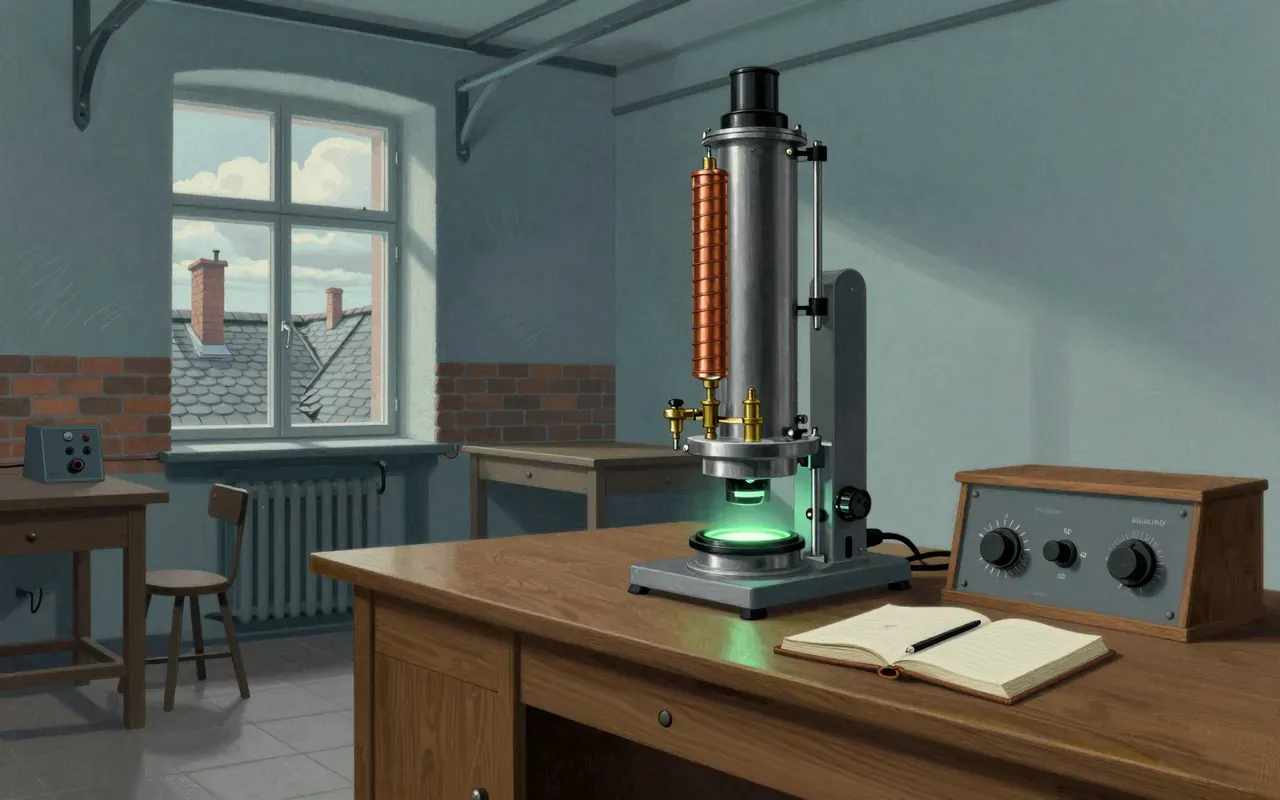
The electron microscope began not with biology, but with physics: a test of magnetic lensing on engineered grids. Its first success was mechanical and conceptual — not observational.

13:00

ENIAC

ENIAC filled a room, ate 150 kilowatts, needed weeks to reprogram by rewiring plugboards, and was legally stripped of its patent in 1973 when a court ruled its core idea had come from a machine most people had never heard of.
9:46

Fujita scale

Fujita

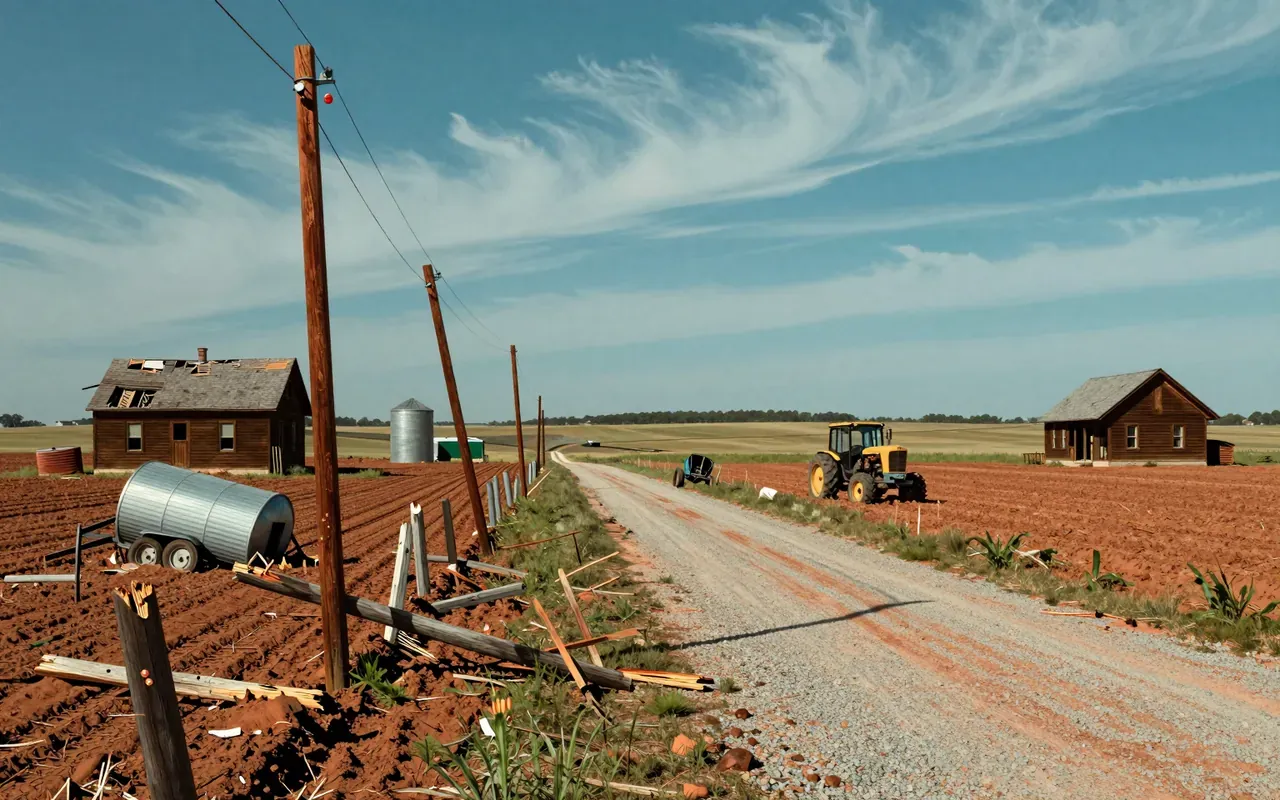
The Fujita scale is a damage-based tornado classification system introduced in 1971. It is not a wind-speed measurement tool. Its F0–F5 categories remain operationally useful. Its theoretical F6–F12 levels were never used. Its wind-speed estimates were unverified and later shown to be inflated.

13:00

Integrated circuit

Two engineers solved the same wiring problem months apart in 1958 and 1959, and it was the less-famous first version, not the one modern chips descend from, that reached the Nobel committee.
13:00

Space Shuttle Challenger disaster

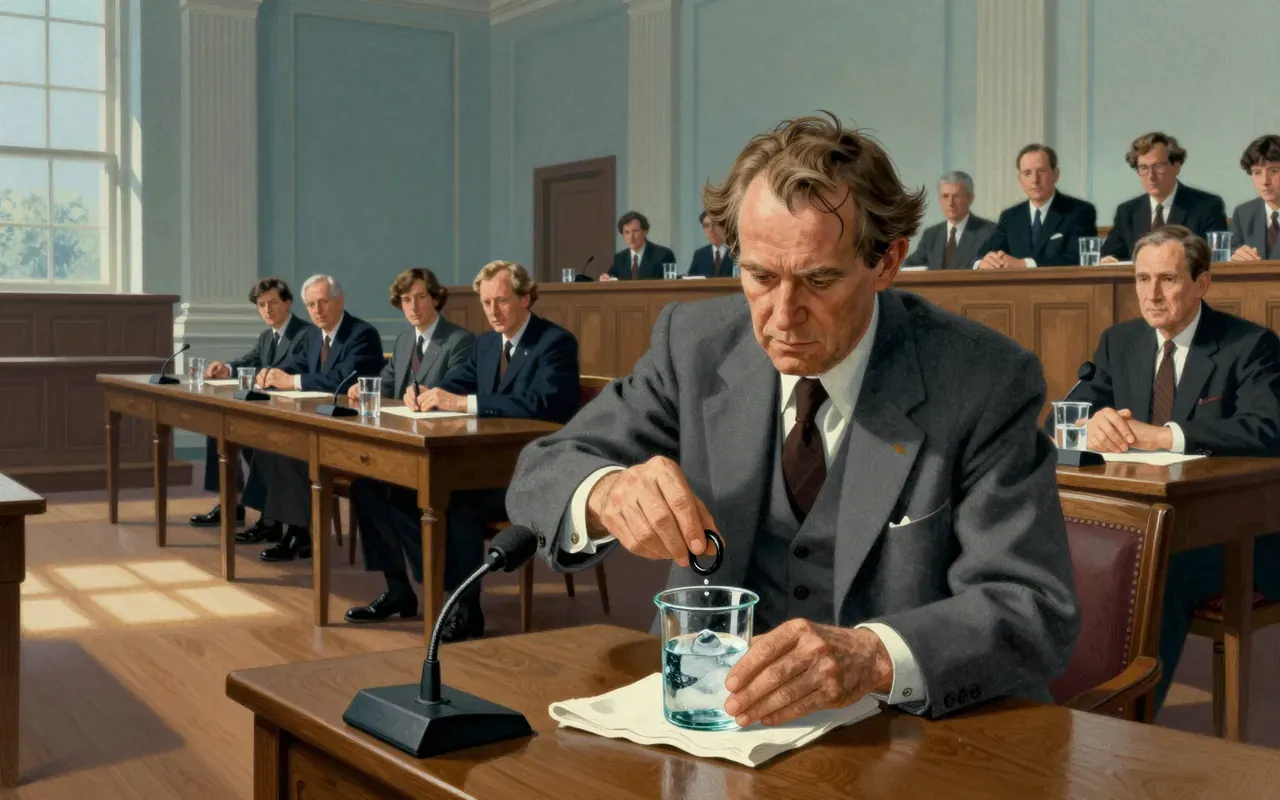
Engineers warned the night before that rubber seals had never been tested that cold, management overruled them, and Challenger broke apart 73 seconds after launch on 28 January 1986.
8:56

Oscilloscope

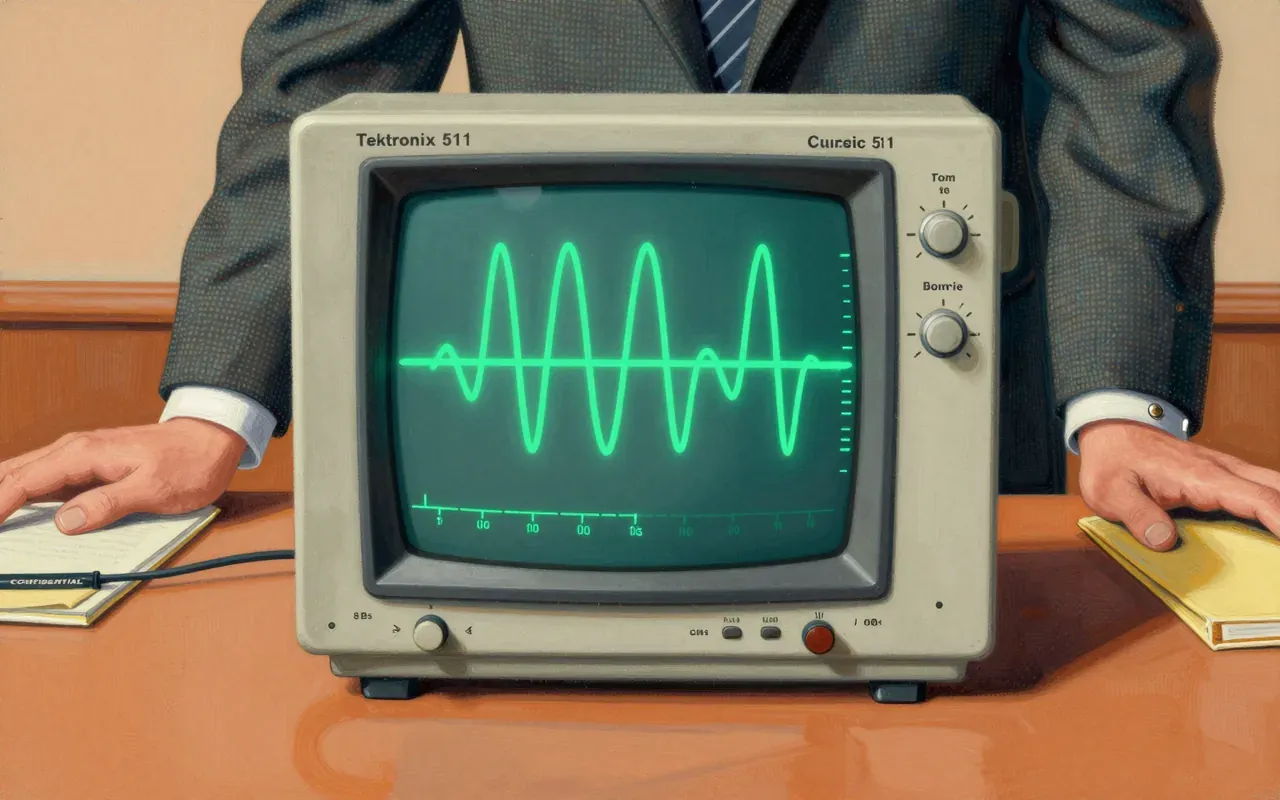
The oscilloscope wasn’t invented — it was incrementally engineered from a clattering mechanical recorder into a portable CRT.
13:00

Seismometer

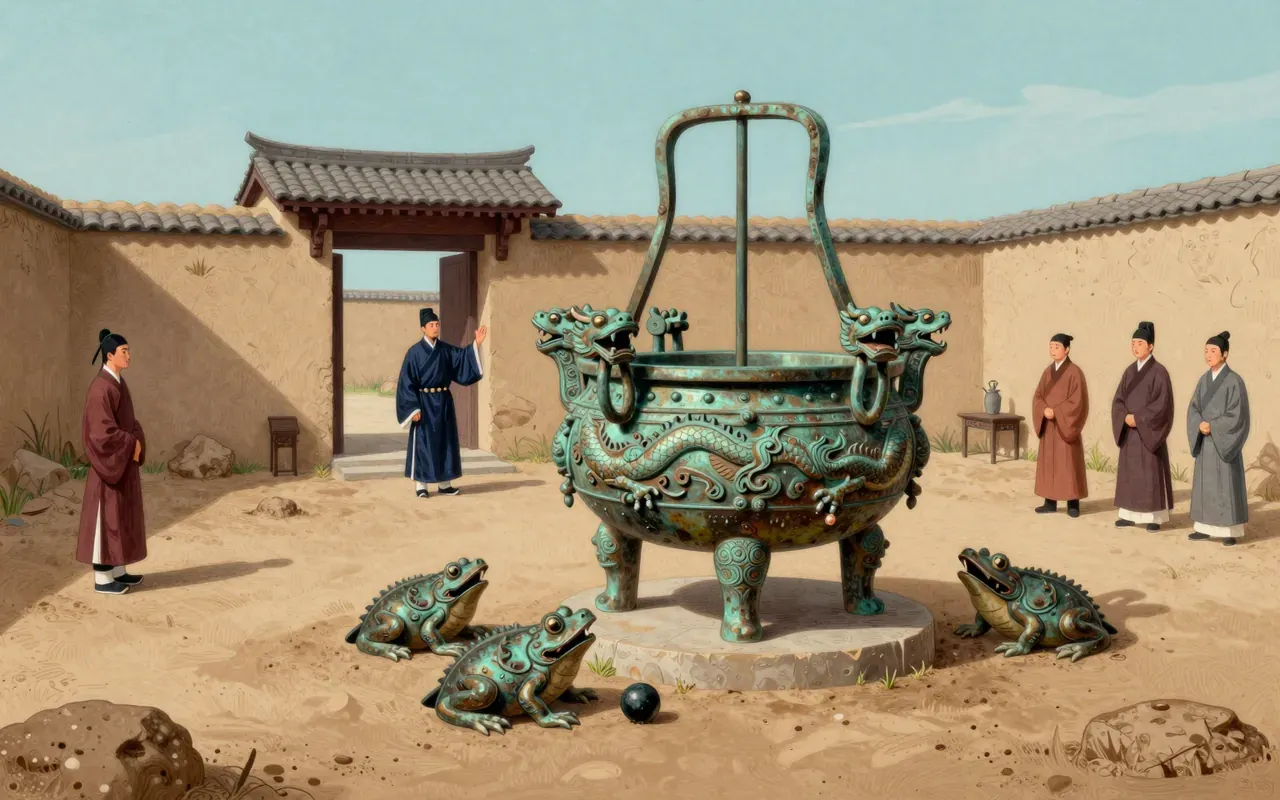
A bronze vessel ringed with dragons detected a Chinese earthquake in AD 143 that nobody nearby had felt, and it took well over a thousand years before any instrument matched what it had already managed to do.
13:00

Transistor

Three Bell Labs physicists built a working solid-state amplifier in December 1947, and the falling-out that followed shaped how the transistor reached the market as much as the physics did.
9:44

Ultracentrifuge

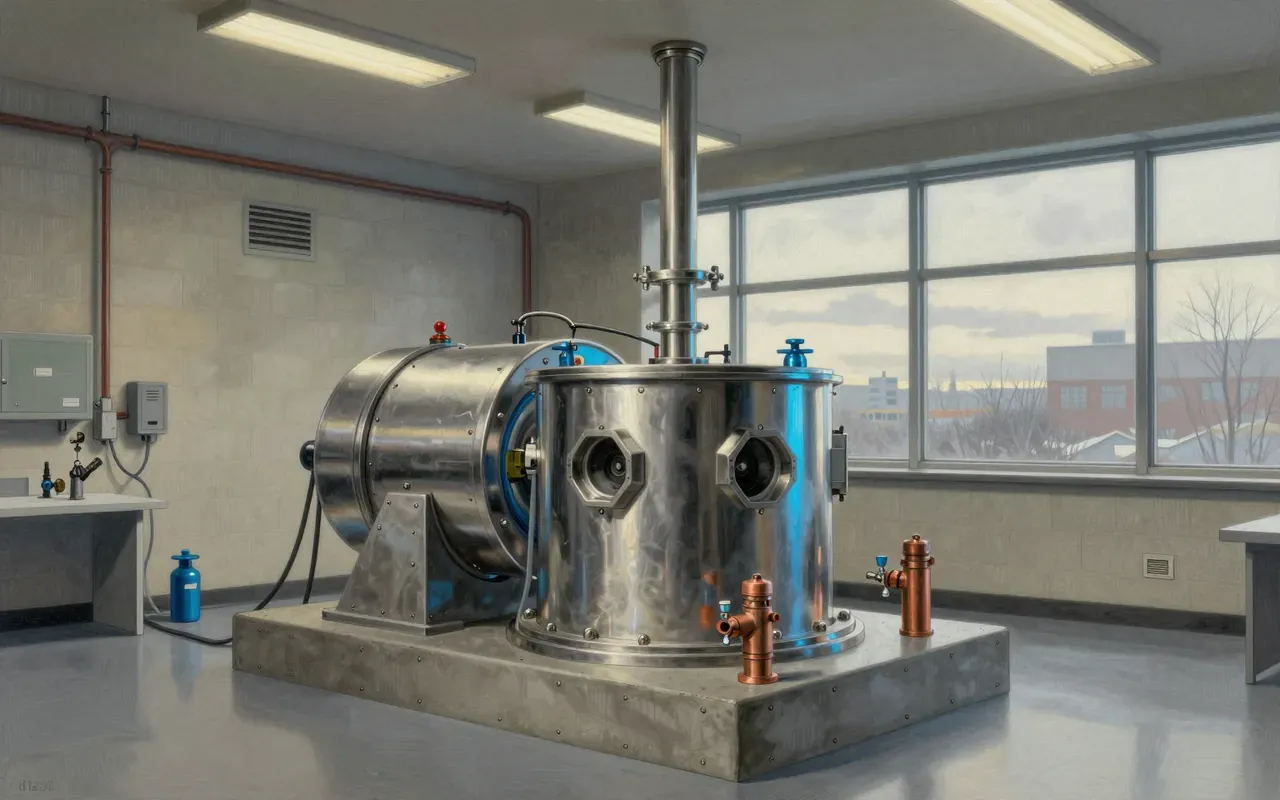
It didn’t reveal life’s blueprint — it gave biologists the first tool to hold molecules still enough to weigh them.
9:53

Vladimir K. Zworykin

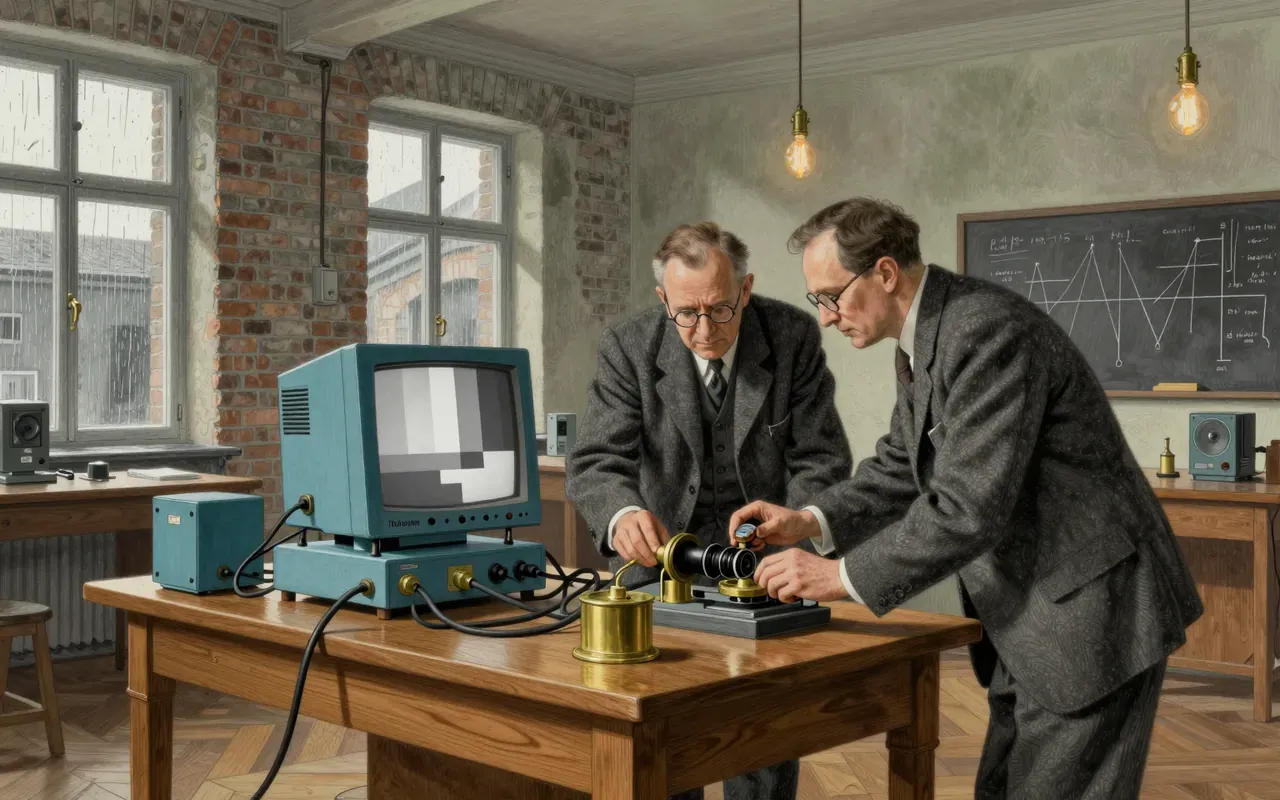
Zworykin didn’t invent television—he weaponised the cathode-ray tube and made it central to its first electronic incarnation.