10:47in productionCh. 1 · The Radio Revelation/ 10:47 · ceiling 15 min
Astronomy & space · Earth & climate
Carl Sagan
Sagan didn’t predict Venus’s heat — he measured it with radio waves, and proved the greenhouse effect wasn’t just earthly.
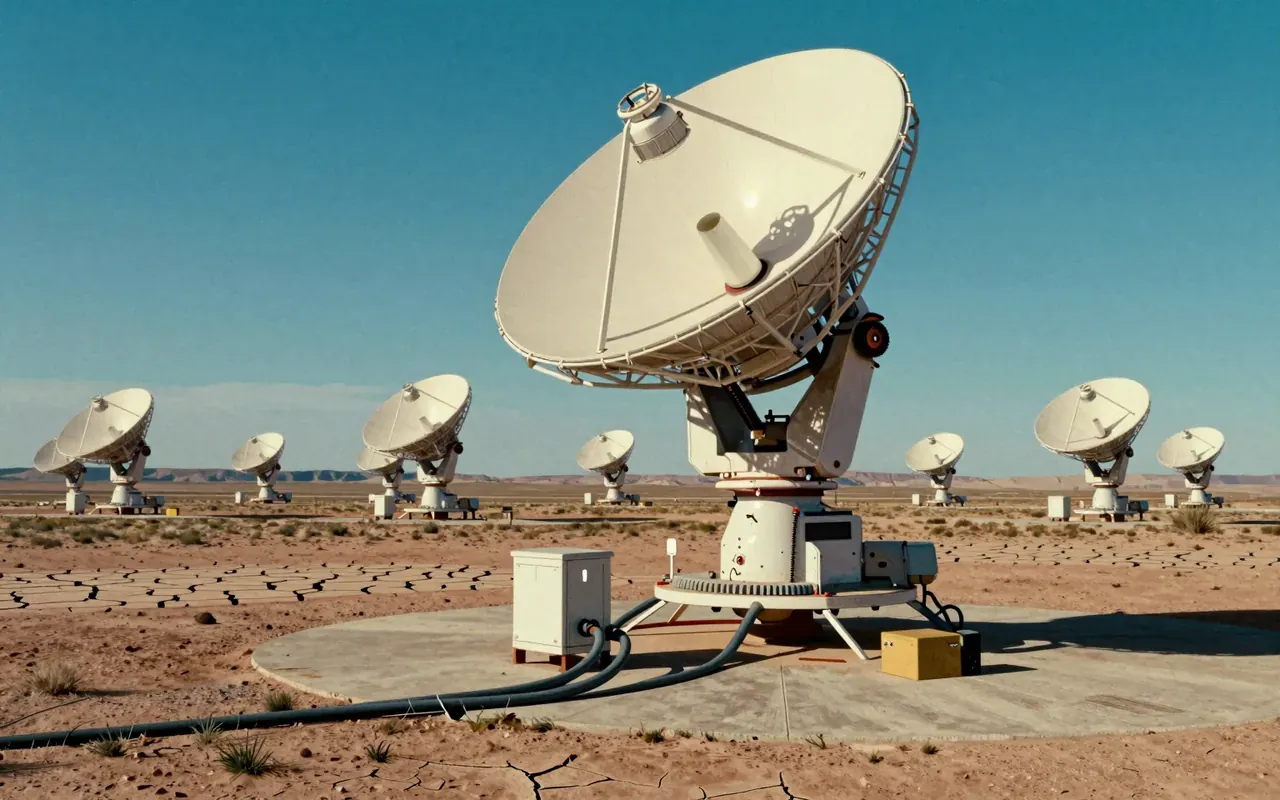
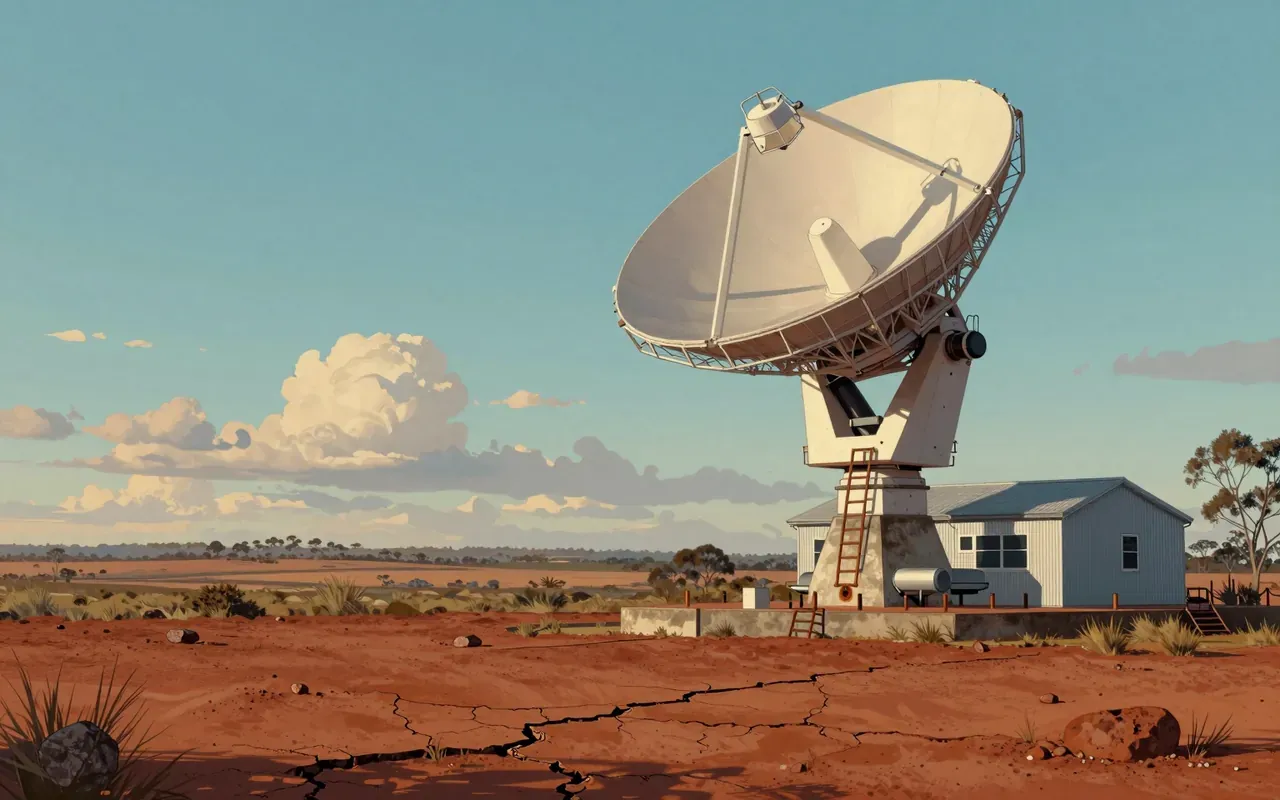
Sagan used radio wave observations to infer Venus’s surface temperature was ~500 °C — a finding central to discovering its extreme conditions, confirmed by Mariner 2 in 1962, and foundational to accepting the greenhouse effect as the cause.
He tied Venus’s heat to the greenhouse effect before it was accepted — and the link held.
Worth your time?
Yes. Study the whole thing.
4.5/ 5
What works
established Venus’s surface temperature observationally
linked that temperature to the greenhouse effect before consensus
provided a key empirical test for planetary climate theory
What does not
Sagan discovered the greenhouse effect
Sagan built the instrument
Sagan published the first estimate
The measurement had quantified uncertainty stated in the source
Study it if
planetary scientists
climate physicists
history-of-science readers
Skip it if
general readers seeking biography
students needing pedagogical context
The written brief1 min read
What the work claims
Venus has a surface temperature of ~500 °C, and that heat is due to the greenhouse effect.
How it was done
Sagan used radio wave observations of Venus to infer a surface temperature of ~500 °C.
What holds up
Sagan’s inference of ~500 °C surface temperature was central to the discovery of Venus’s extreme surface conditions and confirmed by Mariner 2 in 1962. His argument for the greenhouse effect as the cause is now accepted.
What does not
The sources do not state Sagan’s radio work was original or exclusive; they do not specify instruments, calibration, error margins, competing interpretations, or whether his inference preceded or followed others’ theoretical work.
Why it matters beyond the lab
It provided the first empirical anchor for planetary greenhouse theory — transforming climate physics from Earth-bound speculation into a testable, comparative planetary science.
Is it worth your time
Yes — it established the first robust, observationally grounded inference of extreme planetary surface conditions and linked them directly to the greenhouse effect.