9:47in productionCh. 1 · Trajectories You Could Trust/ 9:47 · ceiling 15 min
Astronomy & space · Engineering
Katherine Johnson
Human calculation didn’t just support early spaceflight—it certified the machines that replaced it.
Katherine Johnson’s manual orbital calculations were operationally decisive for Mercury, Gemini, and Apollo missions. She verified computers before they were trusted. She built fallback systems when hardware failed. Her work established that human calculation was not a stopgap—but the benchmark against which new technology proved itself.
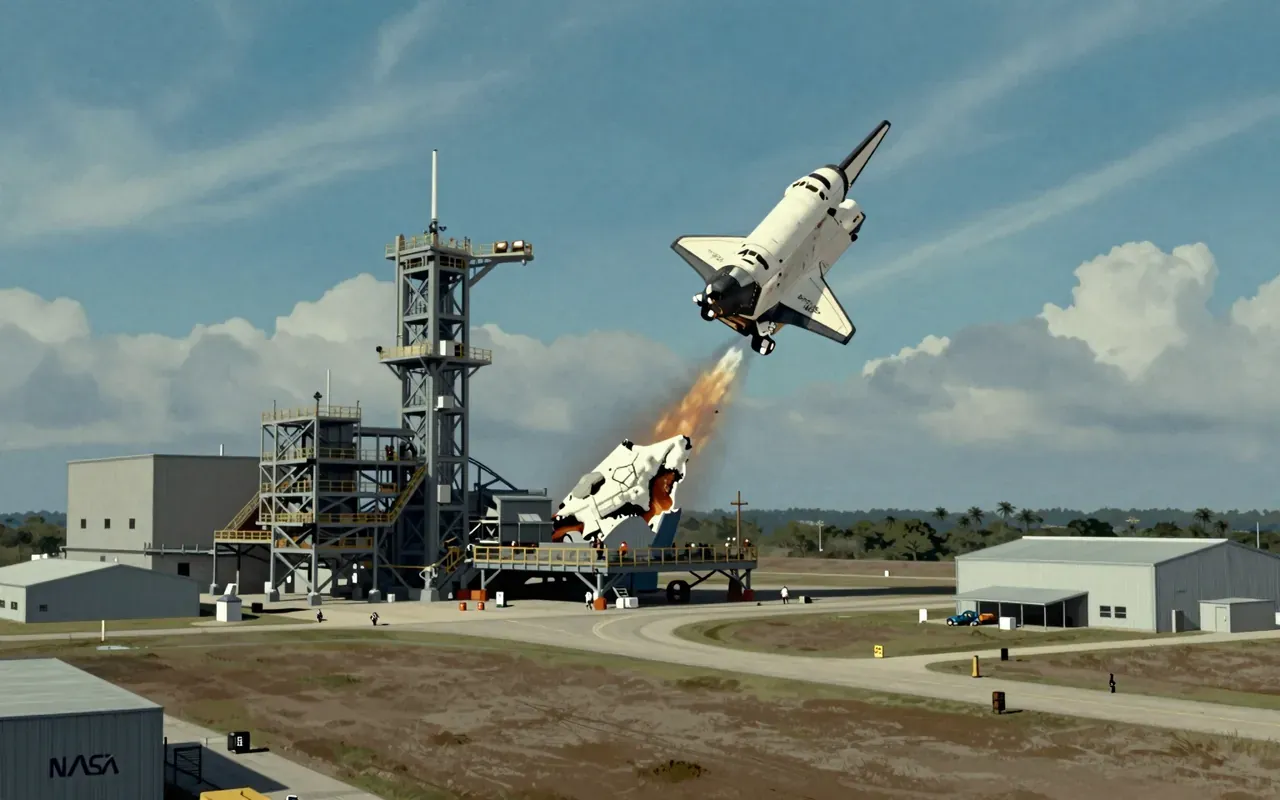
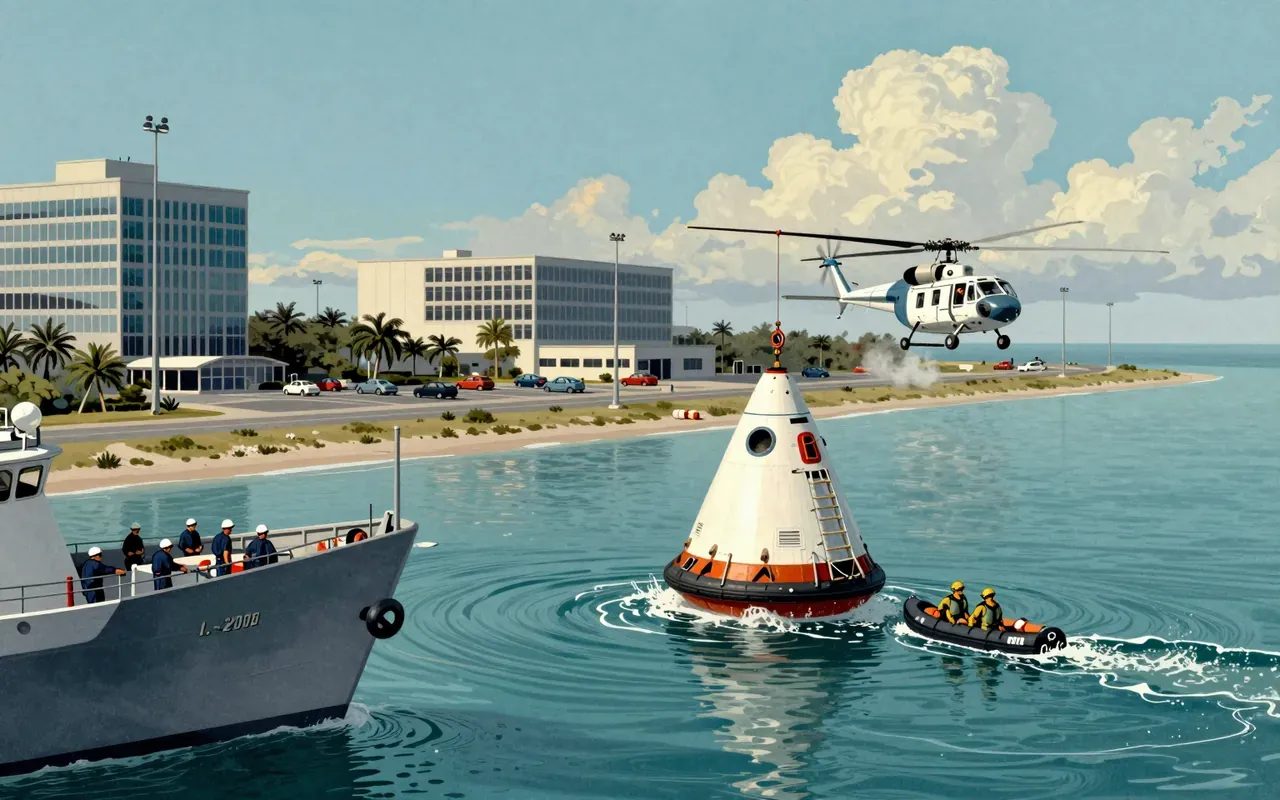
Johnson’s manual calculations set the flight paths for America’s first astronauts—and ensured their capsules were found after splashdown.
2:43
The Human Checkpoint
John Glenn refused to orbit Earth until Johnson personally verified the computer’s numbers.
3:42
To the Moon, By Hand
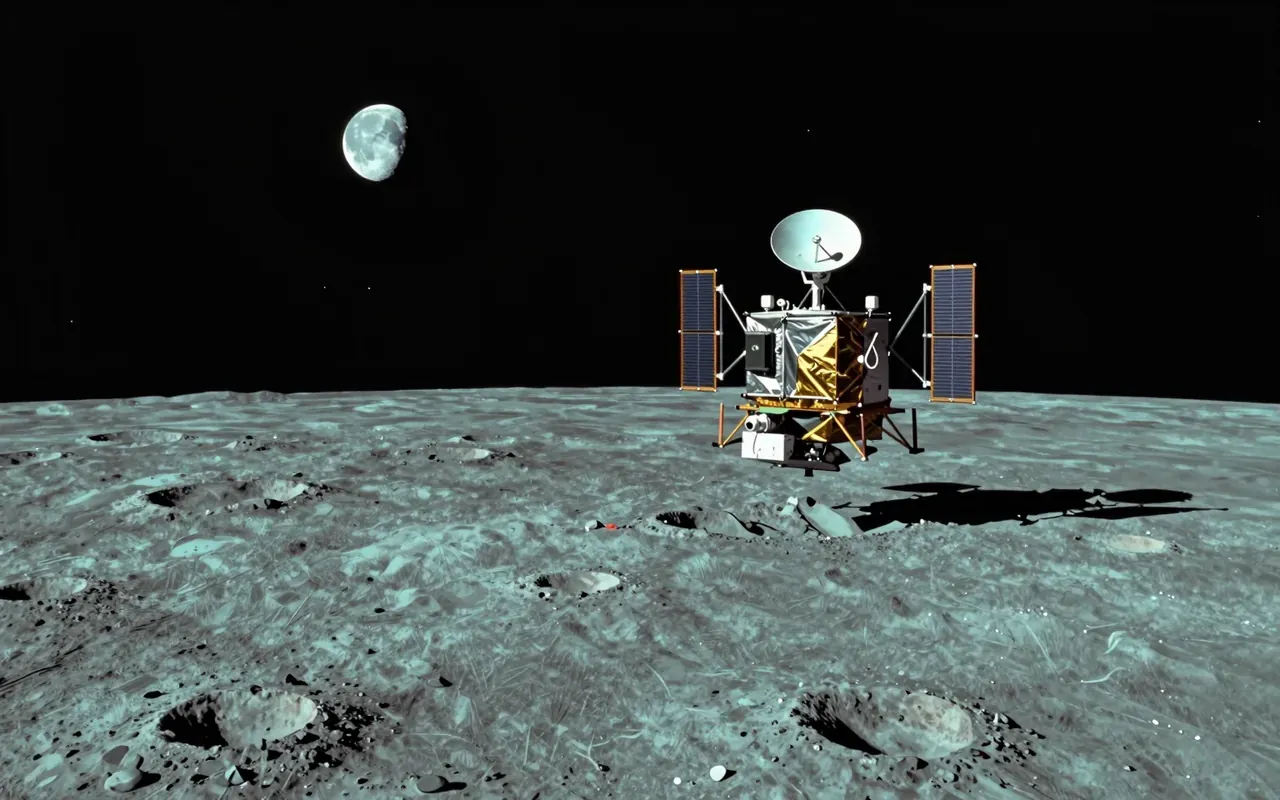
She helped compute Apollo 11’s path to the Moon—before any astronaut had landed there.
5:04
One Star, One Way Back
When Apollo 13 failed, her one-star navigation system became the crew’s only way home.
6:05
Confidence Was Calculated
Her reputation for accuracy didn’t just reflect skill—it changed how NASA trusted new technology.
Worth your time?
Yes. Study the whole thing.
4.5/ 5
What works
It establishes that human calculation served as both operational tool and institutional validator.
It shows verification was demanded—not offered—as a condition of flight.
It confirms that backup navigation was designed for total sensor failure, not partial degradation.
What does not
She did not write code.
She did not design hardware.
She did not lead a division.
No source attributes leadership, management, or policy roles to her.
Study it if
Engineers who need to calibrate new tools against known standards.
Historians studying the transfer of epistemic authority from people to machines.
Students learning why verification is distinct from validation.
Skip it if
Those seeking proof of systemic change in NASA hiring.
Readers looking for technical details on numerical methods or error propagation.
Anyone expecting data on her education, collaborators, or personal life beyond what is cited.
The written brief1 min read
What the work claims
That precise, human-performed orbital mechanics were operationally indispensable to U.S. crewed spaceflight from Mercury through Apollo—and that this human verification was decisive in adopting electronic computers.
How it was done
Katherine Johnson manually calculated trajectories, launch windows, emergency return paths, and rendezvous paths using pen, paper, and slide rules. She verified electronic computer outputs for John Glenn’s orbital flight. For Apollo 13, she developed backup navigation charts—including a one-star observation system—to locate the spacecraft without ground support.
What holds up
Her manual trajectory calculation enabled rapid recovery of Shepard’s Freedom 7 capsule. She verified Glenn’s orbital path before flight—on his explicit demand. She helped calculate Apollo 11’s lunar trajectory. She developed Apollo 13’s one-star backup navigation system. Her accuracy built institutional confidence in digital computation.
What does not
The sources do not establish that Johnson designed computers, wrote software, led teams, or influenced policy. They do not report her involvement in Skylab, Voyager, or any post-Apollo mission. No error rates, sample sizes, or comparative accuracy metrics are given.
Why it matters beyond the lab
It matters because it reveals a hinge moment: when computational authority was not inherited from machinery, but conferred by people. Confidence in machines was earned through human vouching—not algorithmic transparency, but demonstrated reliability under mission-critical constraint.
Is it worth your time
Yes. Her work shows how human calculation functioned as both fail-safe and calibration standard in early spaceflight—before digital trust was earned, not assumed.