What the work claims
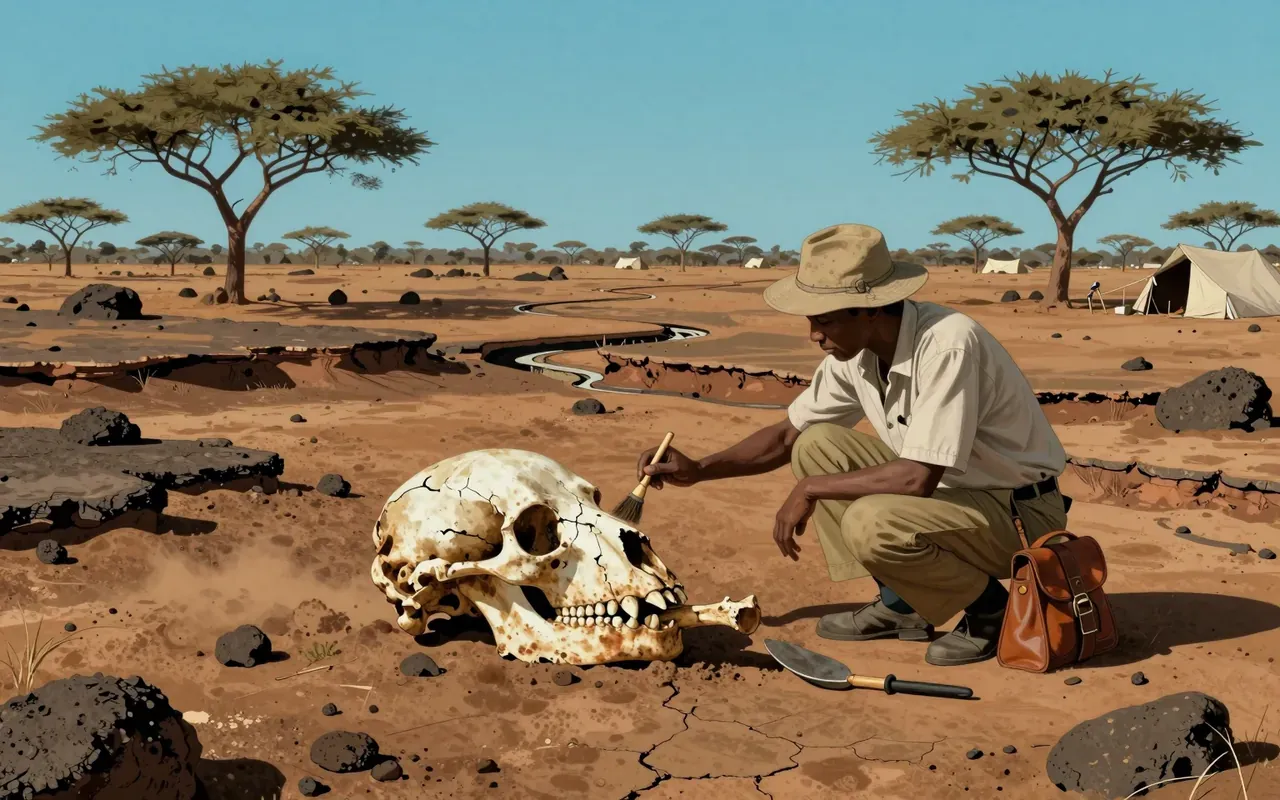
The skull and partial jaw represent a new branch of the early human family.
The skull and partial jaw were “thought to belong” to a new branch of the early human family, so this is an interpretation of the find. Leakey named the find Kenyanthropus platyops, meaning “flat-faced man of Kenya”.
How it was done
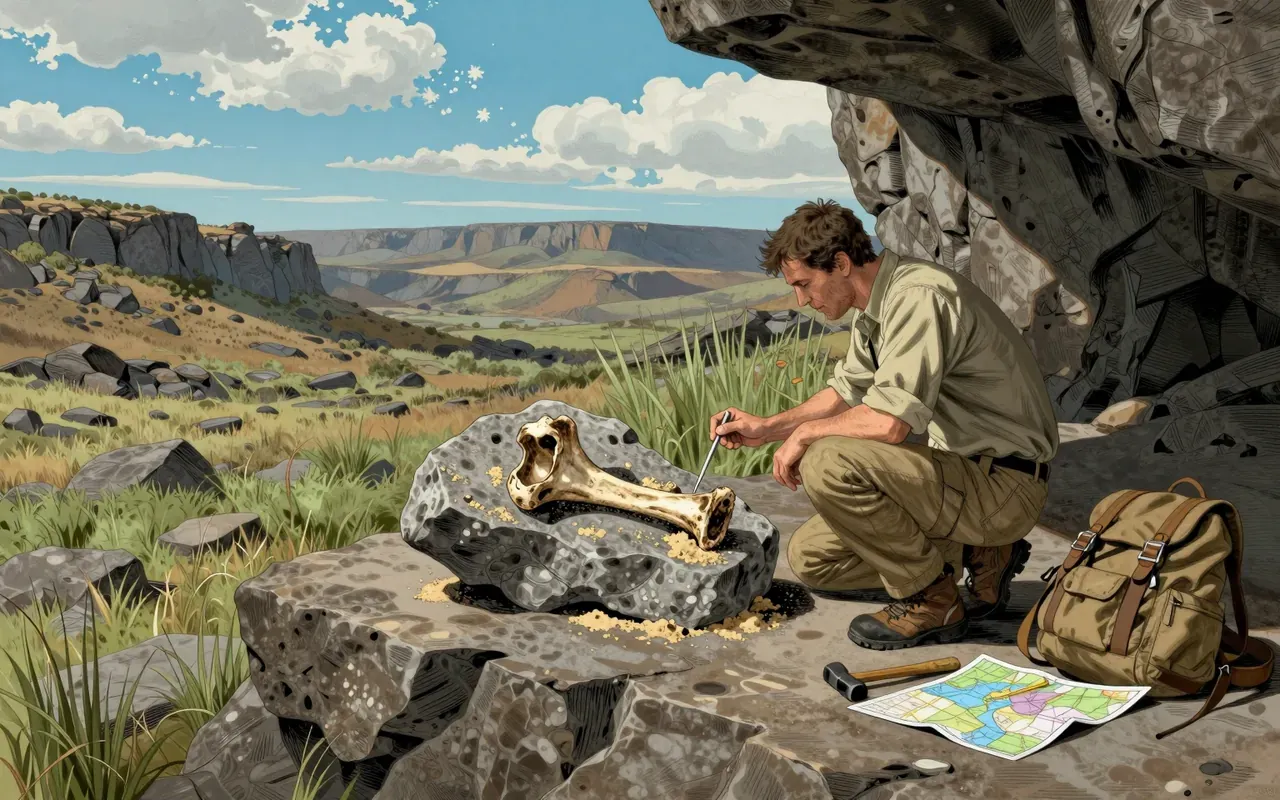
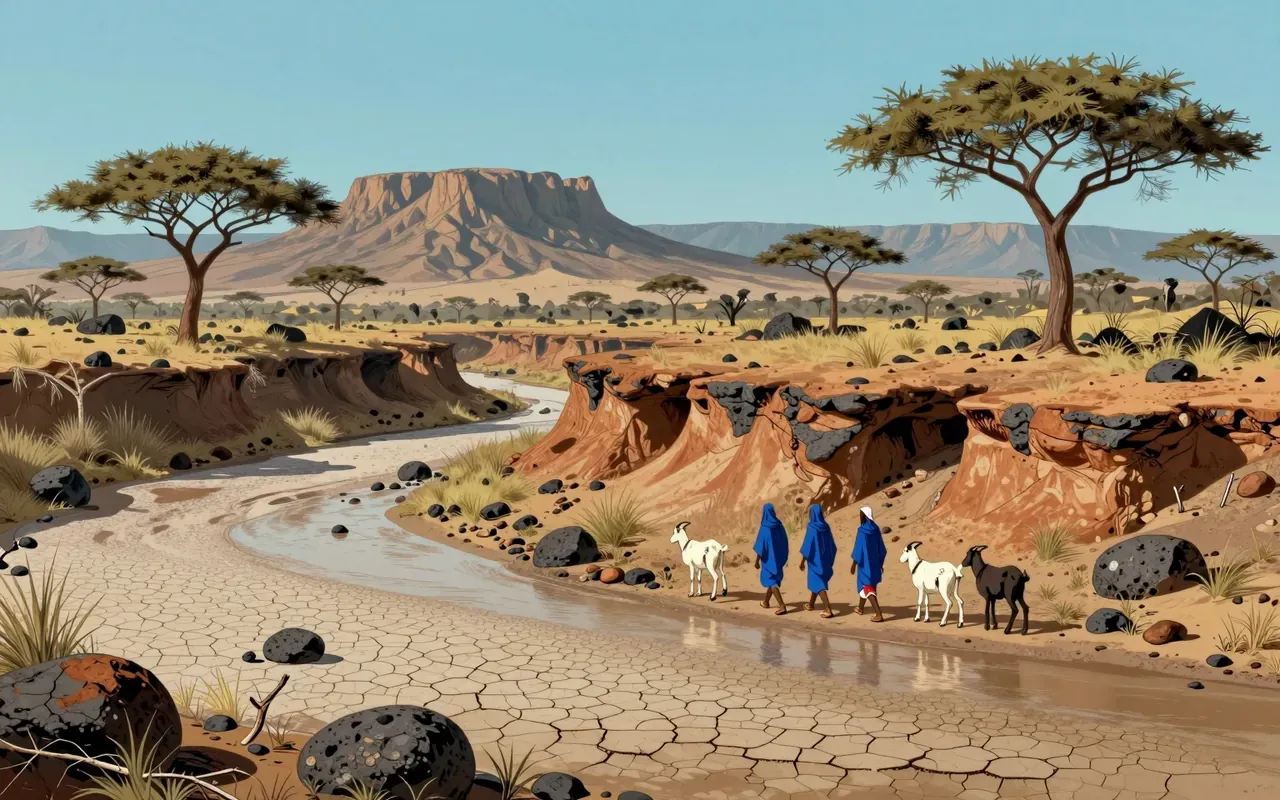
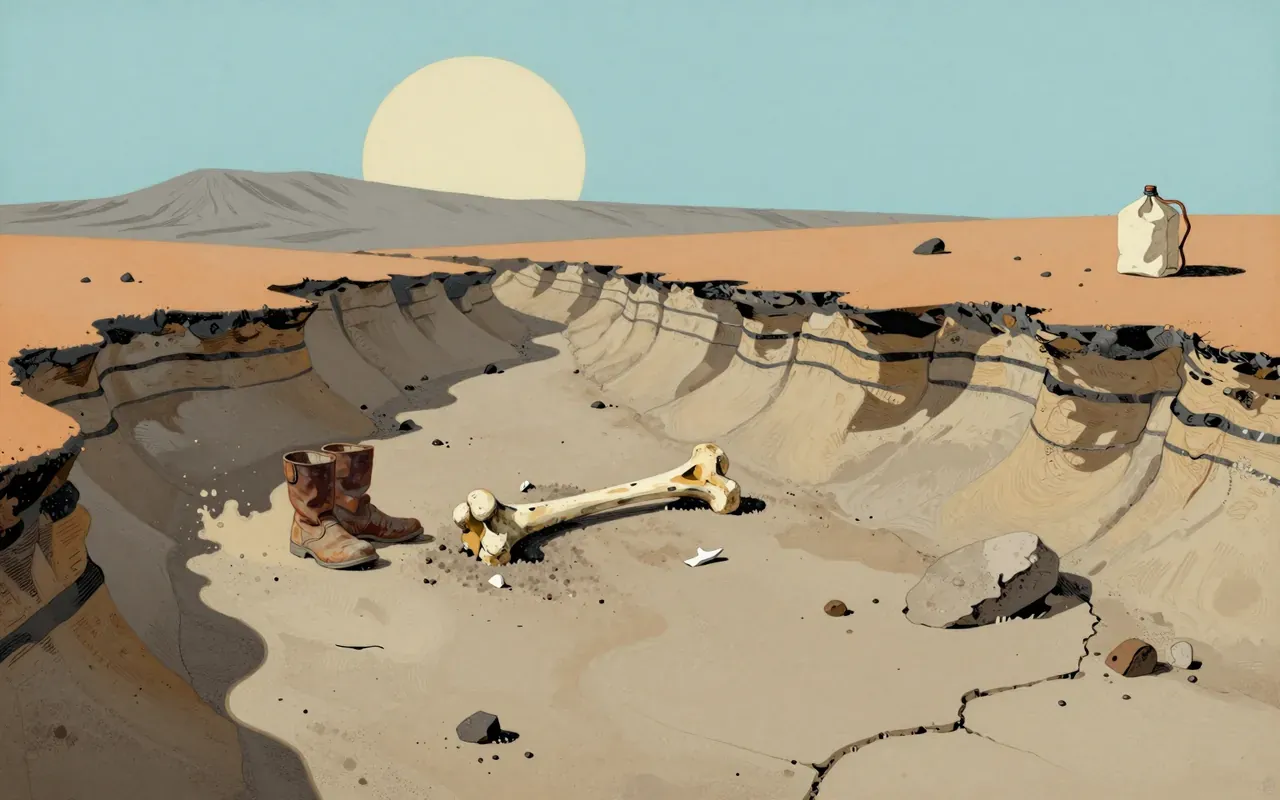
Leakey’s research team made the discovery at Lake Turkana, Kenya, in 1999.
Leakey studies early hominid evolution and has done extensive field research in the Turkana Basin. She is co-ordinator of Plio-Pleistocene research at the Turkana Basin Institute and works at Stony Brook University. She began in zoology and marine zoology at the University of North Wales, and her first contact with the Leakey family came through the Tigoni Primate Research Centre, which Louis Leakey was administering at the time. She received her PhD in zoology in 1968.
What holds up
The age (3.5 million years), location (Lake Turkana, Kenya), and naming of Kenyanthropus platyops are all verified claims from the source.
What does not
The document does not establish whether Kenyanthropus platyops is a direct human ancestor, nor does it confirm its evolutionary relationship to Australopithecus afarensis or Homo.
Why it matters beyond the lab
It challenges the idea of a single, linear path in early human evolution — suggesting coexistence and morphological experimentation among hominins in east Africa.
Her publications include the 1978 Koobi Fora Research Project volume she co-edited with Richard Leakey and John Michael Harris, a 1989 Science paper she co-authored on hominid-bearing sites west of Lake Turkana, and the 2001 volume Lothagam, edited with John Harris. In 2013 she was elected a Foreign Associate of the US National Academy of Sciences, the first Kenyan citizen, and the first woman citizen of an African country, to be elected a member. Those honours record how she is regarded, not whether the 1999 interpretation is right.
Is it worth your time
Yes — it introduces a competing hominin lineage at a critical time in human evolution, forcing reassessment of diversity and adaptation 3.5 million years ago.